How to Save a Dying Money Tree: Complete Care and Recovery Guide
Knowing how to save a dying money tree means fixing its environment fast. These trees thrive when their soil stays just moist, not wet or dry. Keep your plant between 54°F and 77°F. Provide indirect light for 6 to 8 hours daily.
Start by checking the soil moisture with your finger. Water only when about half of the soil feels dry. Watch out for too much sun on your money tree.
Very dry air can also cause leaf browning. Both slow down the plant’s recovery.
Boost humidity to around 30% by misting or using a humidifier. This cuts stress and helps the tree bounce back quicker. Avoid quick fixes like drowning the roots, which may worsen the problem.
Key Takeaways
- Water your money tree when 50-75% of soil has dried out.
- Keep the temperature steady between 54°F and 77°F for recovery.
- Give indirect light for 6 to 8 hours; avoid direct sun.
- Raise indoor humidity to at least 30% to mimic natural habitat.
- Repot every 2-3 years using fresh, well-draining soil.
- Fertilize every 4-6 weeks during spring through early fall.
How to Save a Dying Money Tree Quickly and Effectively
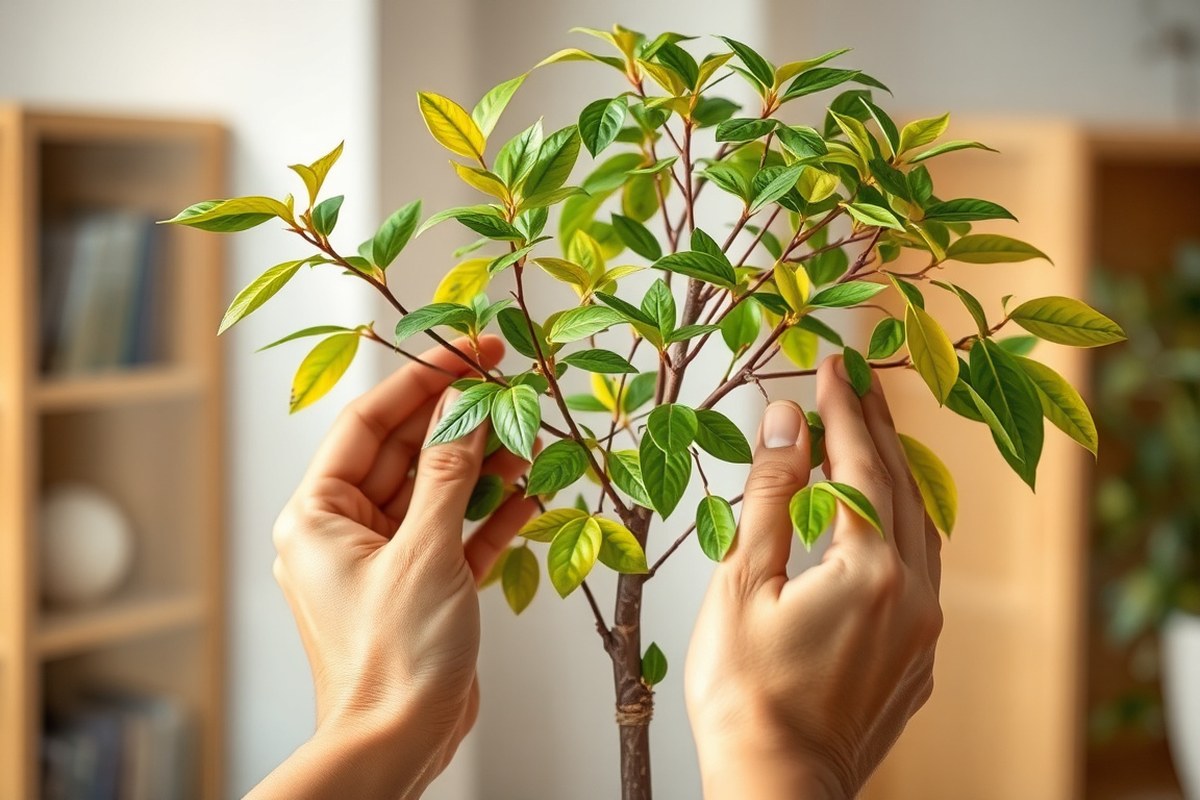
Act fast when your money tree looks like it’s dying. Act quickly to stop damage and help your plant bounce back. Quick care can prevent more harm.
Your plant needs this chance to recover. Focus on fixing water, light, and humidity issues right away. These are the main causes of decline.
Check whether the soil is too dry or soggy first. The soil should stay moist but never swampy. Next, move your money tree to a spot with bright, indirect light.
Avoid direct sunlight that can burn fragile leaves. Lastly, increase humidity around the plant because money trees thrive at about 30% humidity.
Follow these steps to stabilize your dying money tree quickly.
- Inspect and remove dead or dying stems. Use clean scissors to cut off brown or mushy stems. This stops rot from spreading and lets the plant focus energy on healthy parts.
- Check soil moisture. Stick your finger about 1 inch into the soil. When the soil feels dry, water the plant gently. Water until it drains from the pot’s bottom. Don’t let it sit in standing water. Avoid watering if the soil feels wet, as this can worsen root rot.
- Adjust the plant’s location. Place the money tree where it receives bright, indirect light only. Direct sun can cause leaf scorch, while too little light stalls recovery.
- Boost humidity. Set up a humidity tray or use a humidifier nearby. You want to reach around 30% humidity to mimic the money tree’s natural environment.
- Keep temperature steady. Make sure the room temperature stays between 54°F and 77°F. Avoid drafts or temperature swings, which stress the plant further.
- Repot if needed.Check the roots for rot and the soil for sogginess. Move the plant to fresh, well-draining soil carefully. This helps prevent root problems. This helps prevent root rot and improves oxygen flow to roots.
- Resist fertilizing immediately. Hold off on feeding the plant until new growth appears. Fertilizing too soon adds stress and can hurt weak roots.
Look for signs your money tree responds positively: new leaf buds, firmer leaves, and greener stems. It can take days to weeks before recovery shows. Watch for limpness or more leaf loss over time.
Adjust light, water, and temperature as needed. Keep checking until your plant improves.
Recognizing the Most Common Signs Your Money Tree Is Dying

Recognizing your money tree’s distress early helps protect it from dying. Drooping leaves, discoloration, and stem changes show when it’s struggling. Dropping leaves often signal a serious problem that needs quick attention.
Drooping and Wilting Leaves
Drooping leaves often signal your money tree is under stress. This happens when it gets too little water or sits in soggy soil.
Test soil moisture by pressing your finger an inch deep. Dry soil means watering is needed; soggy soil points to overwatering.
Leaves that stay wilted for more than a week tell you the problem runs deeper. A stressed money tree will often fail to grow new leaves and look limp overall.
Discoloration Patterns to Watch For
Yellow or brown leaves show your money tree is having trouble. Yellowing often comes from overwatering or lack of nutrients.
Brown edges or spots can mean underwatering, sunburn, or pest damage. Yellow leaves that drop rapidly usually point to root rot or shock.
Yellow leaves that stay firm mean your watering habits and light need attention. Check if you’re watering enough and that the plant gets proper light. Adjusting these can help stop yellowing leaves.
Stem and Base Changes
Inspect your money tree’s stem and base for softness or mushy spots. These signs usually indicate root rot caused by too much water.
A healthy money tree stem feels firm to the touch. Soft spots mean the roots aren’t healthy, threatening the entire plant.
A shriveled or dry stem signals not enough water or low humidity for your plant. Boost watering and consider raising humidity around it for better health. Early detection can save other parts of the plant.
When Leaf Drop Means Trouble
A few leaves falling off is normal. But heavy leaf drop is a red flag. It signals urgent problems like root issues, extreme temperature changes, or pest infestations.
Sudden or heavy leaf drop means your money tree needs care changes fast. Check watering, light, and humidity to stop more leaves from falling.
Look for other signs like discoloration or stem softness when leaves drop. Catching it early is your best shot at recovery.
Distinguishing Water Stress from Pest Damage
Water stress causes drooping, yellow leaves that often curl at the edges. Pest damage shows as small holes, webbing, sticky residue, or irregular brown spots. Examine the undersides of leaves and stems carefully for tiny insects or bugs.
Here’s a quick checklist to tell them apart:
- Water stress: droopy, curling leaves without bite marks
- Pests: visible bugs, webs, or sticky spots on leaves
- Water stress: slow leaf yellowing or browning starting at edges
- Pests: random holes or patches on leaf surface
- Water stress: no new growth plus leaf drop
- Pests: distorted leaf shapes or stunted growth from feeding
Proper diagnosis helps target the right fix fast. Pest treatments won’t help underwatering problems and vice versa.
Always check soil moisture and inspect leaves closely before treating pests or adjusting water. Misdiagnosis delays recovery.
How Watering Impacts Money Tree Health and Recovery
Watering your money tree properly is key to avoiding root rot and stress. You should water only when about 50-75% of the soil has dried out. This usually means watering every 1 to 2 weeks, depending on temperature and humidity.
Check the top inch or two of soil with your finger before watering. When the soil feels dry, it’s time to water your plant.
When the soil stays moist, wait a few days before checking. Overwatering causes soggy soil that leads to black, mushy roots and a bad smell.
Root rot shows as yellow leaves that drop off. So spotting it early helps save your tree.
Avoid letting your pot sit in standing water, and make sure it drains well. After repotting, water thoroughly once, then let soil dry mostly before watering again.
- Water when the top 1-2 inches of soil feels dry
- Check soil moisture every few days if unsure
- Use a pot with drainage holes for proper water flow
- Never let water collect in the saucer under the pot
- When roots smell bad or feel mushy, try repotting the plant.
- After repotting, water fully but allow drying before next watering
- Adjust watering frequency with season and indoor climate changes
To treat root rot, remove your money tree from its pot. Cut away any black, mushy roots and repot in fresh, well-draining soil.
Then reduce watering to only when the soil dries out. This helps stop the rot from spreading.
Proper watering takes practice but watching soil moisture is a great rule. Your money tree recovers faster without too much or too little water. Constantly wet soil is the biggest mistake to avoid for healthy roots.
Adjusting Light, Temperature, and Humidity for Optimal Recovery
Your money tree needs bright, indirect light for 6 to 8 hours daily. Keep temperatures between 60 and 75°F to support recovery. Raising indoor humidity helps the plant bounce back and prevents leaf drop.
Optimal Light Conditions Explained
Money trees thrive with bright but indirect sunlight. Avoid direct sun as it can scorch the leaves quickly. Place your plant near an east-facing window with sheer curtains to filter light.
When your money tree shows weak growth or yellow leaves, it’s losing too much light. Move it to a brighter spot that still avoids harsh rays. This adjustment can improve its health significantly within weeks.
Recommended Temperature Ranges
Money trees like stable warmth between 60°F and 75°F. Temperatures below 54°F slow growth and cause leaf drops. Keep the plant away from drafts or heating vents to avoid stress.
If your home gets colder at night, move the money tree to a warmer room then. Using a small space heater nearby during cold spells can protect it. Avoid settings that hover around or below 53.6°F.
Effective Ways to Increase Humidity Indoors
Money trees prefer humid air close to their native tropical habitats. Ideal humidity is around 50% or higher for recovery. Low humidity dries leaves and causes leaf loss.
To raise humidity, use a water-filled pebble tray beneath the pot. Group your plants to create a microclimate with higher moisture. Running a humidifier in the room works well to maintain levels above 50%.
Regular misting can help but usually only boosts humidity briefly. Avoid placing the plant next to air conditioners which lower moisture levels further.
| Factor | Ideal Range | Notes |
|---|---|---|
| Light | 6-8 hours bright, indirect | Use east-facing window with sheer curtains |
| Temperature | 60-75°F (15-24°C) | Protect from drafts and temps below 54°F |
| Humidity | 50% or higher | Use humidifier or pebble tray for best results |
Balancing these conditions makes your money tree more resilient. You’ll notice fewer leaf drops and healthier growth after about two weeks. Keep monitoring each factor, especially if seasons change or your home environment shifts.
Repotting and Soil Care to Rescue Root Health
Repot your money tree when its roots show damage or fill the pot. Use fresh, well-draining soil to help roots recover. Proper repotting improves root health and supports new growth over time.
Signs You Must Repot Your Money Tree
Look for root damage like dark, mushy roots or a rotten smell. Roots growing out of drainage holes also mean it’s time to repot. Stunted growth and wilting leaves often accompany root problems.
Your money tree might need repotting if the soil stays wet. It could also need it if the soil dries out very fast. Watch your plant’s soil to see if either happens.
These issues can harm roots, causing the plant to decline. Repotting into fresh soil fixes drainage and moisture problems.
Choosing the Best Soil Mix
Pick a soil mix that drains well but holds some moisture. A common choice is potting soil mixed with perlite or coarse sand. This mix prevents waterlogging, which leads to root rot.
Adding peat moss or coco coir helps soil retain just enough moisture for roots. Avoid heavy garden soil or pure compost, as these can stay too wet. Balanced soil encourages roots to grow stronger and absorb nutrients.
Step-by-Step Repotting Guide with Timeline
Follow these steps carefully to give your money tree the best chance to recover. After repotting, the roots need time to recover.
Usually, it takes 4 to 6 weeks. Then the roots start growing well again.
- Choose a pot one to two inches larger in diameter than the current one.
- Fill the bottom with fresh, well-draining soil mix.
- Remove the tree gently from its old pot, shaking off loose soil.
- Trim away dead or rotten roots with clean scissors or pruners.
- Place the tree in the new pot, centering it upright.
- Fill around roots with fresh soil, pressing lightly to remove air pockets.
- Water the plant thoroughly but ensure excess water drains out.
- Keep your money tree in indirect light and stable temperatures for recovery.
New roots should start growing in a few weeks. Watch for healthier, firmer leaves and steady growth before resuming regular fertilising.
Don’t repot too often; excessive disturbance can stress the roots further.
Dealing with Pests and Diseases That Threaten Money Trees
Common pests on money trees include spider mites, mealybugs, and scale bugs. You might notice tiny webs, white fuzzy patches, or small brown bumps on leaves and stems. These bugs feed on sap, which can cause leaves to yellow and fall off.
Start by gently wiping the leaves with a damp cloth to remove pests. Be careful not to damage the leaves while cleaning. Spray your plant every 7 to 10 days using mild insecticidal soap or neem oil.
Keep treating it until the pests are gone completely. Avoid harsh chemicals that can damage the plant. Follow label instructions carefully for safe application.
Diseases like root rot show up as yellow leaves that wilt quickly. The soil tends to stay wet and soggy without drying out.
Root rot happens when water pools around roots, usually from overwatering or pots without drainage holes. This disease can kill roots fast, so quick action is essential.
- Look for tiny webs, white fuzz, or sticky residue on leaves
- Gently clean leaves with soapy water to remove pests
- Spray neem oil or insecticidal soap weekly for at least 2 weeks
- Check soil moisture; avoid letting pots sit in water
- Lift plant gently to inspect roots for dark, mushy spots
- Repot immediately if root rot is detected using fresh, well-draining soil
- Remove and discard any rotten roots with sterile scissors
Water your money tree only after the top 2 inches of soil feel dry. This helps stop overwatering and prevents diseases.
Use pots with drainage holes to stop water buildup. Keep humidity moderate and the plant in indirect sunlight to discourage fungal growth.
Pests or diseases that don’t improve may need advice from a local nursery or plant expert. They can offer treatments suited to your plant’s condition.
They may suggest stronger but safe options or confirm if the damage is reversible. Acting early increases your chances of saving your money tree.
Pruning and Fertilizing to Support Regrowth and Prevent Future Decline
Cutting back dead or weak branches helps your money tree focus on healthy growth. Use clean, sharp pruning shears to avoid harming the plant. Cut at a 45-degree angle just above a leaf node or branch joint.
This helps the plant heal better and faster. Use clean, sharp scissors or pruning shears for a smooth cut.
Prune your money tree when you see damaged, yellow, or brown leaves and stems. Late winter or early spring works best before new growth starts. Don’t remove more than 25% of the branches at once to avoid stressing the tree.
Choose a liquid fertilizer with equal amounts of nitrogen, phosphorus, and potassium. Feed your money tree once a month in spring through early fall. Mix the fertilizer at half strength to protect roots from damage.
- Prune only yellow, brown, or dead parts first
- Cut branches cleanly at a 45-degree angle
- Limit pruning to 25% of the plant at a time
- Use a balanced liquid fertilizer, like 10-10-10 or 20-20-20
- Feed monthly in spring and summer at half strength
- Skip fertilizing in winter when the tree rests
- Water well but avoid keeping soil soggy after feeding
Avoid over-pruning, which can shock your plant and slow growth. Over-fertilizing might cause leaf burn or salt buildup in the soil. Watch for leaf yellowing or drop after feeding, signaling too much fertilizer.
Keep your care steady. Your money tree will rebuild healthy branches and leaves with time.
Common Money Tree Care Mistakes to Avoid During Recovery
One common watering mistake is either overwatering or underwatering your money tree. Overwatering causes root rot and yellowing leaves while underwatering makes leaves dry and curl. Water your plant when the top 1 to 2 inches of soil are dry.
This usually happens every 1 to 2 weeks indoors. Check your soil moisture before watering.
Placing your money tree in direct harsh sunlight can burn its leaves and slow recovery. These plants do best in bright, indirect light. Try placing your plant near a north- or east-facing window.
You can also place it a few feet from a south window. Use sheer curtains to filter the light.
Over-treating with too much fertilizer or constant repotting stresses the money tree. Watch for signs like drooping leaves or leaf drop. Faded leaf color can also show stress.
These often happen after feeding or soil changes. Fertilize your plant every 4 to 6 weeks.
Avoid repotting unless roots are crowded or damaged. Give it time to adjust between feedings.
- Water only when topsoil is dry to prevent root rot
- Use bright, indirect light, avoiding direct sun exposure
- Fertilize monthly during growing season, less in winter
- Repot every 2 to 3 years unless roots clearly need attention
- Check leaves for signs of stress before changing care
- Keep temperatures steady between 65 and 80°F to reduce stress
Keeping a consistent care routine avoids many common recovery mistakes. This routine should balance watering, light, and feeding without sudden changes. Watch your money tree’s response for the best timing to adjust care.
Too much water is more harmful than too little. So let soil dry between watering to avoid root problems.
Step-by-Step Action Plan to Save Your Money Tree
Follow these steps to nurse your money tree back to health. Check for improvement at each phase before moving on.
- Day 1: Inspect your plant for pests and remove any you find. Look for fewer bugs on new leaves after a few days.
- Day 2: Adjust watering to a steady, moderate schedule. Make sure soil dries slightly between waterings to avoid root rot.
- Day 3: Move your money tree to a spot with bright, indirect light. Watch leaves perk up and stop turning brown.
- Week 1: Repot with fresh, well-draining soil if roots look crowded or rotten. Healthy roots should be firm and white.
- Week 2: Prune dead or yellow leaves and weak stems. New growth is a sign your plant is recovering.
- Week 3: Start a light fertilizer routine using a balanced, water-soluble fertilizer. Watch for greener, fuller leaves.
- Week 4 and beyond: Maintain humidity by misting or using a humidifier. Check your plant weekly for signs of stress or pests.
Frequently Asked Questions
Can Overwatering Cause a Money Tree to Die?
Yes, overwatering can kill your money tree by drowning roots. Make sure the soil drains well and never keep it soggy for days.
How Often Should I Water My Money Tree During Recovery?
Water your money tree once the top 1-2 inches dry out. Keeping the soil slightly moist helps the tree recover.
Can Low Humidity Kill a Money Tree?
Low humidity can stress your money tree and slow recovery. Use a humidifier or mist leaves to keep humidity near 30%.
Is Direct Sunlight Harmful to a Money Tree?
Direct sunlight can scorch leaves and cause stress. Provide bright, indirect light to help it recover without burning.
How Long Does It Take for a Dying Money Tree to Recover?
Recovery can take weeks to months depending on damage. Be patient and consistent with care for best results.
What’s the Best Temperature Range for Saving a Dying Money Tree?
Keep it between 54°F and 77°F for optimal recovery. Avoid drafts or temperature swings to reduce stress.
Key Points to Remember
Saving a dying money tree takes steady care and attention. Act on one step at a time and watch your tree respond. Start today with inspecting your plant for pests and water issues.