When Do Gladioli Flower? Complete Growing Guide with Bloom Timing Tips
When do gladioli flower? Usually, gladioli bloom about 10 to 14 weeks after you plant their corms.
In the UK, this means flowers typically appear between July and September. The exact timing depends on when you plant and the variety you choose.
Plant gladioli corms from April through July once the soil temperature is above 50°F (10°C). Mark your calendar 10 weeks after planting to start watching for flower spikes.
Gladioli grow best in full sun. But temperatures above 95°F can stall blooming or wilt the flower spikes.
Some gladioli varieties bloom faster than others. Early cultivars may flower in about 50 days. Larger Grandiflora types often take 90 to 100 days.
Keep an eye on your plants’ health. Look for growth delays that could change bloom time. Acting early helps you manage these problems.
Key Takeaways
- Plant gladioli corms 4 inches deep with the flat side facing down.
- Ensure soil temperature is above 50°F before planting corms.
- Expect flower spikes to emerge about 10 weeks after planting.
- Watch for green leaves but no flower spikes after 100 days as a warning.
- Full sun helps gladioli bloom on time but keep them cool during hot spells.
- Dwarf gladioli varieties flower faster than larger Grandiflora types.
When Do Gladioli Flower After Planting?

Gladioli usually flower between 60 and 90 days after planting the corms. Early varieties can bloom as soon as 50 days. Late types may take up to 120 days if conditions are good.
Plant gladiolus corms about 10 to 12 weeks before blooming. This timing helps you get flowers when you want.
In temperate places like the UK, gladioli generally bloom from July through September. Planting in spring leads to flowers roughly 10 to 14 weeks later.
Cooler springs or soil temperatures can delay bloom by about one to two weeks. So watch local weather closely.
Climate plays a big role in how fast gladioli bloom. Warm soil and air speed up growth, while cool conditions slow it down. Starting corms early in a heated greenhouse can cut bloom time.
It takes about 40 days this way. Delaying planting by two weeks usually pushes flowering back by 10 to 14 days.
Plant gladioli where they get full sun and well-drained soil. This helps keep the 60 to 90-day bloom window on track. Large corms also flower faster, so picking bigger bulbs saves time.
To get flowers earlier in cold areas, start corms indoors. Do this before frost has ended.
How to Plant Gladioli for Timely Blooms
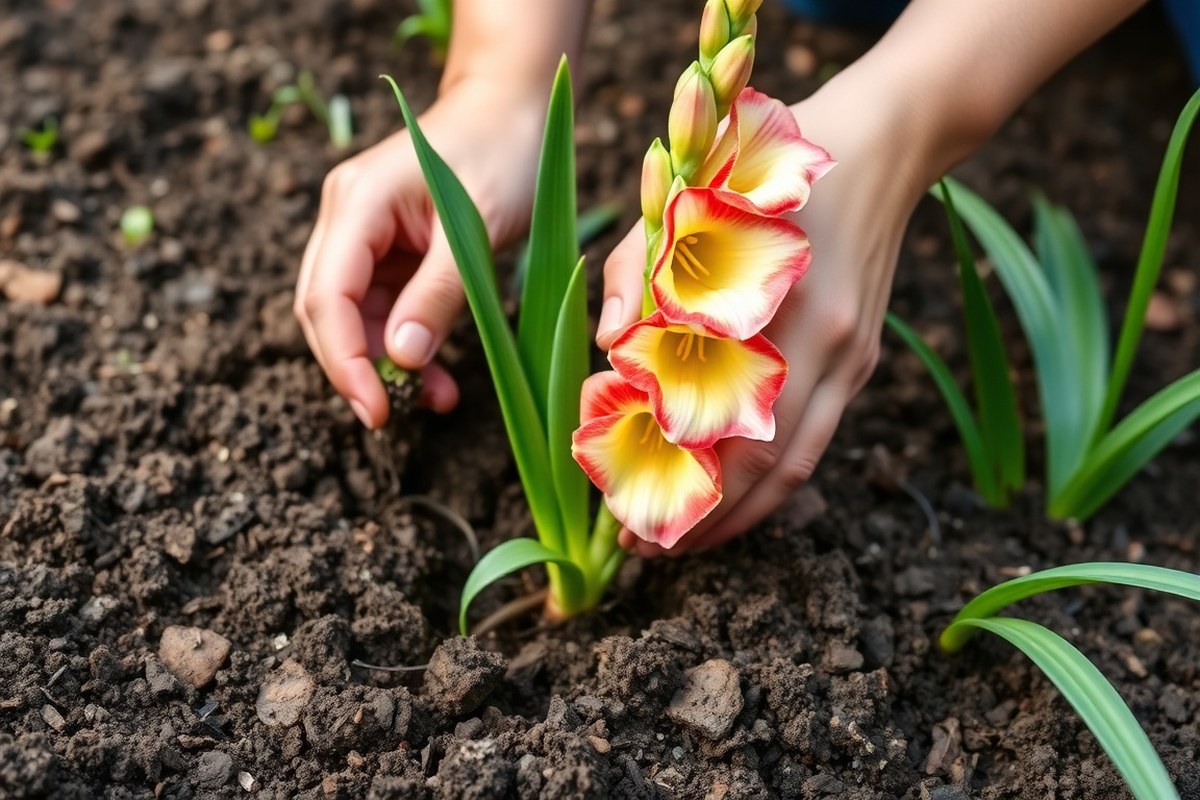
You should plant gladiolus corms in well-drained soil anytime from April through July. The soil temperature needs to be above 55°F (about 13°C) for the corms to sprout well. Plant them 4 to 6 inches deep and about 4 inches apart for best blooming results.
Ideal Planting Depth and Spacing
Plant gladiolus corms roughly 4 to 6 inches deep, depending on their size. Plant larger corms deeper in the soil to help growth. You can stack up to 3 corms at 6 inches deep.
This keeps the corms healthy and stable. Space corms about 4 inches apart to avoid overcrowding.
This lets sun and air reach each plant well. Good air flow helps plants stay healthy.
Spacing corms too close leads to smaller flowers and weak stems. Groups of seven or more will give you a fuller, more colorful display. Gladioli grow 2 to 5 feet tall.
Space them far enough to avoid shading each other. This keeps all plants getting enough light.
Optimal Soil Temperature and Preparation
Gladiolus corms need soil warmed to 55°F (13°C) or higher before planting. Colder soil slows growth and may cause corms to rot. Test soil with an accurate thermometer before planting.
Prepare the planting bed by loosening soil to about 12 inches deep. Well-drained soil with neutral to slightly acidic pH works best. Add compost or organic matter if soil is heavy clay or sand.
This improves drainage and soil fertility. Better soil means stronger, healthier plants.
Best Planting Months by Region
The prime planting window is from April through July. You want to avoid planting beyond July to ensure blooms appear before frost arrives.
In cooler climates, focus on April or May planting. In warmer zones, planting into June or early July still works well.
Planting in intervals every two weeks allows a staggered, ongoing blooming season. Gardeners in USDA zones 7 to 10 have the most flexibility with planting times. Cooler northern gardeners should plant as soon as the soil warms above 55°F.
Follow these steps for timely gladiolus blooms:
- Check soil temperature with a thermometer to confirm it’s above 55°F (13°C).
- Loosen soil to a depth of about 12 inches, removing rocks or debris.
- Add compost to improve soil texture if needed, mix well.
- Dig holes 4 to 6 inches deep and space them 4 inches apart.
- Place each corm flat side down in the hole at the correct depth.
- Cover corms with soil and gently firm the surface.
- Water well after planting to settle the soil around corms.
- Plant groups of seven or more for a showy flower display.
Planting gladiolus corms too shallow can cause stems to flop. Aim for at least 4 inches deep in loose, well-draining soil.
Varieties and Their Flowering Times
The timing of gladioli flowering depends a lot on the variety you choose. Dwarf types like nanus hybrids bloom earlier, often in early summer. Larger Grandiflora varieties take longer, about 100 days, and bloom mid to late summer.
Picking early, mid, and late varieties spreads out blooming times. This helps you enjoy flowers for longer. Dwarf types grow 2 to 3 feet tall.
They flower about a month before tall types. Tall types can reach 5 feet. Their size difference helps space out the bloom times naturally.
Gladiolus byzantinus blooms early. It starts between late May and early June. This variety kicks off the season.
Later varieties push flowering into fall, benefiting from cooler nights that can brighten their colors. To get continuous flowers, plant early, mid, and late types every 2 to 3 weeks.
| Variety Type | Typical Height | Flowering Time | Example Cultivar |
|---|---|---|---|
| Nanus hybrids (Dwarf) | 2 to 3 ft (60-80 cm) | Early summer (about 60 days) | Gladiolus nanus ‘Charm’ |
| Grandiflora (Tall) | 3 to 5 ft (1-1.5 m) | Mid to late summer (up to 100 days) | Common tall garden hybrids |
| Gladiolus byzantinus | Varies | Late May to early June (earliest) | Gladiolus communis subsp. Byzantinus |
Mixing these types is smart for staggered blooming because their flowering naturally offsets. Planting all your bulbs once means flowers bloom together.
You’ll see different heights and colors at the same time. But planting over time stretches the season longer.
Dwarf nanus hybrids are also hardier, making them good for early season blooms in cooler spots. Larger hybrids benefit from staking due to their height but bloom later. This timing trade-off lets you design the garden’s look and flowering sequence in detail.
What Factors Influence When Gladioli Bloom?
Gladioli need full sun to flower well. They require at least 6 hours of direct sunlight daily. Without enough sun, their blooms may be weak or delayed.
Temperature also affects flowering. Gladioli grow best when soil reaches 55°F or higher.
Soil that stays cold slows down their sprouting and can postpone blooms. However, temperatures above 95°F might stress the plants, causing them to stall or wilt.
Soil moisture makes a big difference, too. Gladioli prefer sandy or well-draining soil to avoid sitting in water.
Heavy clay soil holds too much moisture and can stop flowers from forming. Overwatering can drown the corms and delay or prevent blooming.
- Plant gladioli in full sun with at least 6 hours of light
- Ensure soil temperature is consistently above 55°F before planting
- Choose sandy or well-draining soil for healthier roots
- Water regularly but avoid soggy soil; mulch to keep moisture steady
- Feed plants every two weeks with a tomato or comfrey fertilizer
- Protect plants from extreme heat over 95°F, if possible
Keeping soil moist but never wet helps glads bloom on time. Mulching with 2 to 3 inches saves moisture and protects roots on hot days. Feeding every couple of weeks encourages bigger and longer-lasting flowers.
Extreme weather can disrupt flowering. Extended cold or overly wet conditions delay growth and flowers.
Very hot spells can cause flower spikes to stop growing or open poorly. Managing these factors helps keep your gladioli blooming right on schedule.
Steps to Extend and Stagger Gladioli Blooming Season
To keep gladioli blooming all summer, plant new bulbs every two weeks. Choose different varieties that bloom early, mid, and late season. Starting some bulbs early in a greenhouse can also stretch your flower show.
Staggered Planting Timeline and Intervals
Gladioli bloom about 70 to 100 days after planting. Planting every two weeks will give you a steady supply of flowers until frost. In cooler zones, start planting in mid-spring to catch the warmer days.
Working in 10- to 14-day intervals is best. This keeps the blooms coming without overcrowding your garden. You can plant multiple rows or trenches for easy care and cutting flowers.
- Choose a sunny bed with well-drained soil.
- Dig trenches 4 to 6 inches deep.
- Plant gladiolus corms 4 to 6 inches apart in the trench.
- Cover with soil and water well.
- Repeat planting every two weeks throughout spring and early summer.
- Mulch around plants to keep soil moist and cool.
- Stake taller varieties to prevent wind damage.
Spacing bulbs at least 4 inches apart stops overcrowding that can limit flower size.
Selecting Compatible Variety Mixes
Pick gladioli with different bloom times for longer flower displays. Early-season cultivars start flowering around early summer.
Others bloom late summer and into fall. Mix short and tall types for garden depth.
Look for varieties advertised with specific bloom times. Combine colors and heights that suit your garden style. Remember that all gladioli need similar soil and sun conditions to thrive together.
Using Greenhouse Starts to Advance Bloom
Starting gladiolus corms in a greenhouse speeds up blooms by 2 to 4 weeks. Plant corms in pots at 60 to 70°F, keeping soil moist but not soggy. Move young plants outside once danger of frost passes.
This technique works well if you want flowers before the usual outdoor season. A greenhouse protects tender corms from cold weather.
It lets you grow early cutting flowers and garden color. Just plan their outdoor planting carefully to avoid transplant shock.
Common Reasons Why Gladioli Might Not Flower on Time
Gladioli that grow lots of leaves but no flowers often miss enough sunlight. They need full sun to bloom well, at least six hours daily.
Check whether trees or buildings shade your planting spot. Move corms to a sunnier spot if needed.
Cold soil or planting too early delays flower spikes. Soil should be at least 55°F before planting corms. You planted in cooler soil.
Your plants may stay leafy but not bloom soon. Wait for warmer soil or start corms indoors to speed growth.
High nitrogen fertilizer boosts leaf growth but can stall flowering. Use a balanced fertilizer with lower nitrogen and higher phosphorus to support blooms. For example, a 5-10-10 fertilizer encourages flower development better than a high-nitrogen mix.
Small or damaged corms may not flower well. Choose firm, large corms about 1 to 1.5 inches in diameter.
Check for soft spots or mold before planting. Healthy corms produce strong flower stalks within 10 to 12 weeks.
Slow blooms can also result from pests like gladiolus thrips. They cause damage to leaves and flowers and may delay flowering.
Look for tiny, slender insects and signs of mottling on leaves. Use insecticidal soap or neem oil as directed to control thrips.
Keep soil moist but not soggy to support flowering. Inconsistent watering stresses gladioli and slows bloom development.
Water deeply once a week during dry spells. Mulch around the plants to keep soil moist.
Your gladiolus hasn’t bloomed after 100 days despite good care. Try replanting in warmer soil or move it.
Using early-maturing varieties can also help flowers show sooner in your climate. Staking the spikes once they appear prevents bending and keeps flowers fresh.
Can Gladioli Flower in Pots or Indoors?
Yes, gladioli can grow well in pots and even bloom indoors or in a greenhouse. Growing them this way helps you control when they flower, often bringing blooms earlier. You can start planting corms about 4 to 6 weeks before last frost.
This timing helps you get an early flower show. Check your area’s frost date to plan right.
Choosing Pot Size and Soil
Choose pots at least 8 inches deep for planting corms. This allows 2 to 4 inches of soil under the corms. It gives enough room for roots to grow.
This soil depth lets the roots spread and supports strong stems. Use well-draining potting soil to avoid soggy roots, which can cause rot or poor growth.
Larger corms, about 1 to 1.5 inches in diameter, usually bloom earlier and produce more flowers. Place just one or two corms per pot so they have room to grow without crowding. Keep pots where they get full sun or bright indirect light for the best results.
Watering and Fertilizing in Containers
Water consistently while plants grow, keeping soil moist but not soaked. You’ll want to reduce watering after flowers fade and the leaves begin to brown. This helps the plant rest and prepares it for the next season.
Feed with a balanced liquid fertilizer every two weeks during growth for strong spikes. Avoid high-nitrogen fertilizers because they encourage leaf growth over blooms. A fertilizer with equal parts nitrogen, phosphorus, and potassium works best.
Indoor and Greenhouse Growing Tips
Maintain soil temperatures around 55°F (13°C) and avoid frost to keep gladioli healthy indoors. Start corms in pots indoors or a greenhouse 4 weeks before frost ends. This way, blossoms come sooner.
It speeds up your garden’s bloom time. You can mimic outdoor conditions by providing bright light and good air circulation.
Use a greenhouse and follow common seed-starting steps for gladioli corms. These steps guide proper planting and care. They help your corms grow well indoors.
This includes keeping humidity moderate and monitoring for pests. After flowers fade, dig up corms and store them indoors for winter.
Replant the corms next season to see blooms again. Proper storage helps keep the corms healthy.
How to Care for Gladioli After Flowering to Prepare Next Season
Cut back gladiolus stalks right after the last flower fades. Removing the entire stalk stops the plant from producing seeds. This allows the corm to save energy for next spring’s bloom.
Leaving at least four leaves on the plant helps the corm gather enough nutrients. Those leaves keep feeding the corm even after flowering ends.
Avoid cutting the leaves too soon. It can weaken the corms and reduce next year’s growth.
In colder USDA zones, digging up corms before winter is key. Leaving them in frozen ground can kill the bulbs. Store corms in a cool, dark, dry spot.
Ensure good air flows well there. This helps keep them healthy.
Living in USDA zones 7 to 10 means you can leave corms in the ground. Protect them by applying a thick winter mulch, like straw or leaves. This helps keep the soil warmer and reduces frost damage risk.
Here are steps to prepare gladiolus corms for next season:
- Cut stalks off after all flowers fade, leaving about four green leaves.
- Wait several weeks for leaves to yellow and dry before digging corms.
- Carefully dig around the plant to lift corms without damaging them.
- Separate the main corms from small cormlets to plant or store.
- Brush off soil but avoid washing corms; keep them dry.
- Put corms in a paper bag or mesh container. Keep them in a dark, cool place. Aim for about 50°F.
- Check stored corms periodically and discard any soft or moldy ones.
- Replant large corms (12/14 cm) in spring for best bloom results.
Leaving corms in the ground during winter in cold zones can kill them. So always dig and store them properly.
Step-by-Step Action Plan for Timely Gladioli Blooms
Use this plan to get gladioli flowering when you want. Follow each step and check the signs of success.
- Before Planting: Pick gladioli varieties with bloom times that fit your garden plan. Check the seed packet or catalog details.
- Day 1: Plant corms 4 inches deep in loose, well-drained soil. The soil should be warm, above 60°F.
- Week 1: Water the new plants thoroughly and keep soil moist but not soggy. Look for steady green growth.
- Weeks 2, 4: Fertilize with balanced, slow-release fertilizer every two weeks. Watch for healthy, strong stems rising.
- After 6 Weeks: Check for flower spikes forming at stem tips. Staking early keeps spikes upright.
- During Bloom: Deadhead faded flowers promptly to encourage more blooms. Keep watering regularly.
- After Bloom: Cut back flower spikes but leave foliage green until it yellows. This feeds the corm for next year.
- Fall: Dig up corms in cold climates before frost. Dry and store them in a cool, dry place.
Frequently Asked Questions
Does Gladiolus Come Back Every Year?
Gladiolus can come back yearly in warmer climates. In colder zones, dig up the corms before frost.
Store them in a dry place to avoid rot. This protects them through the winter.
Why Did My Gladioli Not Flower?
Your gladioli might not flower if planted too late or lacking sun. These plants need full sun and proper timing to bloom properly.
Do Gladiolus Grow Better in Pots or Ground?
Gladioli grow well in both pots and ground if pots are deep enough. Choose pots at least 12 inches deep and wide for best results.
Can I Leave Gladiolus Bulbs in the Ground?
You can leave gladiolus bulbs in the ground in warmer zones with mulch. In colder areas, they risk rotting without proper winter protection.
When Do Gladioli Flower?
Gladioli typically flower 10 to 14 weeks after planting corms. This usually falls between July and September in cooler climates.
How Long Do Gladioli Flowers Last Once Cut?
Cut gladioli flowers usually last about 7 to 10 days in a vase. Change water frequently and keep them cool to extend vase life.
The Bottom Line
Gladioli flower six to eight weeks after planting under good care and timing. Choose your varieties and plant carefully for a full blooming season. Start this plan now to enjoy colorful spikes by late summer.