Do Petunias Need Full Sun? A Complete Guide for Vibrant Blooms
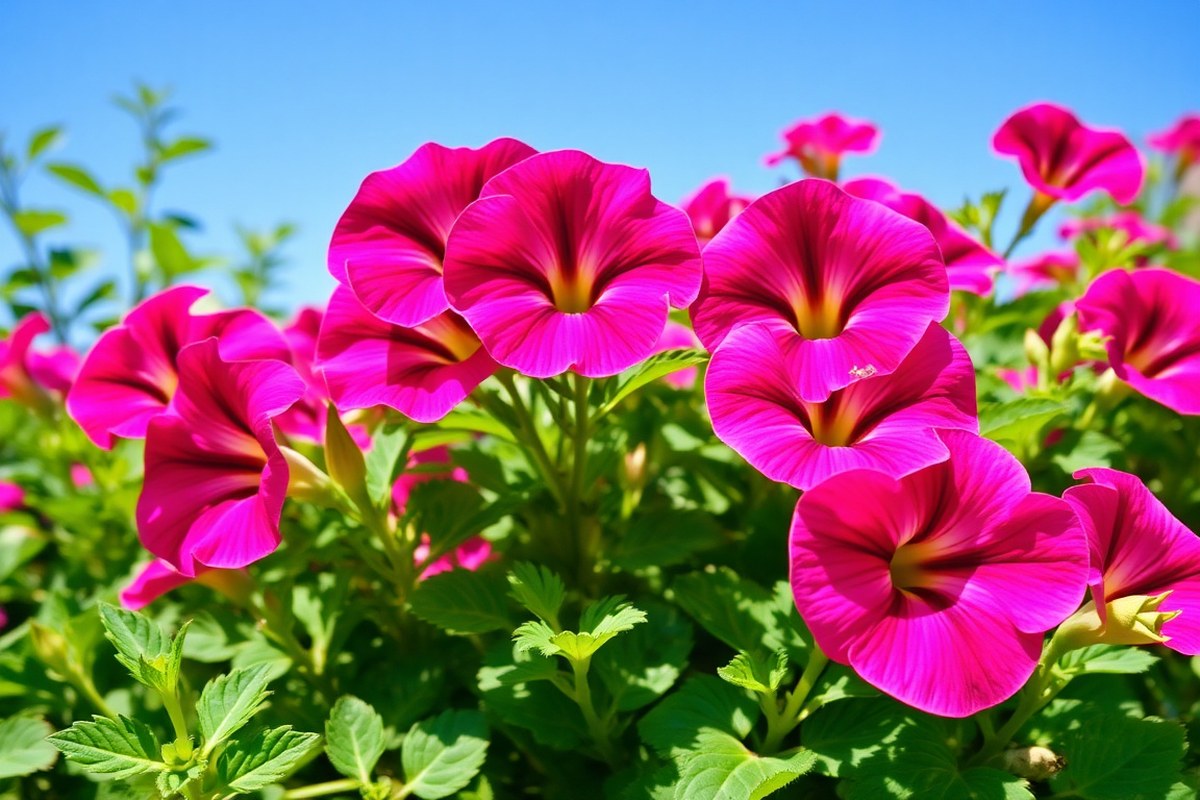
Do petunias need full sun? Yes, they do best with at least six hours of direct sunlight daily.
Full sun helps petunias produce more vibrant flowers and grow stronger. Aim for eight or more hours if you want the brightest blooms.
Petunias handle full sun well when temperatures stay below 90 °F. Above that, too much hot sun can stress or burn them. If your area gets very hot, try giving petunias morning sun with some afternoon shade.
Choose a spot where petunias receive full sun most of the day. Check sunlight during planting time to avoid locations that are too shady. Also, good soil drainage keeps roots cool and healthy in sunny spots.
Key Takeaways
- Plant petunias where they get at least six hours of direct sunlight daily.
- Provide eight or more hours of sun for the best petunia flowering.
- Keep petunias out of sunlight when temperatures exceed 90 °F to prevent damage.
- Use morning sun and afternoon shade if your climate gets very hot.
- Ensure soil drains well to keep petunia roots cool during full sun exposure.
- Watch for leaf wilting or burnt edges as signs of too much sun or heat stress.
Do Petunias Need Full Sun to Thrive?

Petunias need at least six hours of direct sunlight daily to grow well. This minimum sun exposure ensures healthy foliage and strong flowering.
While they can survive with less sun, they usually do worse. Fewer blooms and weaker plants often come from too little sun.
For the best growth and the most flowers, aim for eight or more hours of sunlight. Full sun encourages compact plants loaded with continuous blooms. Plant petunias in spots with south-facing exposure to maximize their sun intake.
Six hours is the decision rule for minimum daily sun. Choose garden locations that get this amount or more to keep your petunias thriving.
In hot climates, some afternoon shade can help. But avoiding shade altogether is best for flower production.
How Much Sun Is Too Much for Petunias?

Petunias can get too much sun when temperatures climb above 90 °F. Prolonged exposure to this heat damages their leaves and flowers, causing them to wilt or burn. They perform best in full sun if the temperature stays below this threshold.
Some petunia varieties handle heat better than others, especially those bred for full sun. Still, even heat-tolerant types need protection during extreme heat waves.
During those times, petunias may need shade for part of the day. Water them more often to avoid stress.
In very hot spots, place petunias where they get morning sun. Make sure they have shade in the afternoon. This helps avoid the harshest rays and temperature spikes.
Give petunias six to eight hours of sun daily. Avoid letting the heat become too much for them.
Watch your petunias closely during heat spells. Wilting or scorched leaves signal sun and heat damage.
Using soil that drains well also helps keep roots cool in full sun. Adding coarse sand or perlite to garden beds or containers improves drainage and reduces heat stress.
Remember, petunias in containers dry out faster. So water more often if they get strong sun.
Can Petunias Grow Well in Partial Shade or Indirect Sunlight?
Petunias do well in full sun but can grow in some shade. Too little sun can reduce blooming and slow growth.
They need about six hours of morning to early afternoon sun. In hot areas, afternoon shade protects them without stopping growth.
Partial shade often means fewer blooms and leggier stems. You might see taller plants with sparse flowers because they stretch toward the light. Pruning helps control this leggy growth and encourages more flowers, especially when light is limited.
Morning sun is gentler and suits petunias in warmer zones. Plant petunias facing east for morning sun and afternoon shade. This helps them grow well without getting sunburned.
They avoid hot afternoon sun but still get enough light. Avoid full afternoon sun in hot, dry areas to reduce fading and wilting.
Below is a table that compares how different sun exposures affect petunias’ growth and blooming. This will help you decide the right spot based on your climate and garden setup.
| Sun Exposure | Growth | Blooming | Common Issues |
|---|---|---|---|
| Full Sun (6-8+ hrs) | Vigorous, upright stems | Abundant, large flowers | Possible midday heat stress in hot zones |
| Partial Shade (4-6 hrs morning sun) | Moderate, some legginess | Fewer flowers, smaller blooms | Prone to leggy growth, needs pruning |
| Partial Afternoon Shade (zones 9-11) | Strong, less stressed | Extended bloom season | Less sun damage, more vigor |
| Full Shade (less than 4 hrs sun) | Weak, elongated stems | Sparse or no flowers | High disease risk, fungal problems |
Watch how the sun moves in your garden to find good spots. Notice where the brightest light stays most of the day. Choose places that get plenty of direct sun for petunias.
East-facing beds get morning sun and afternoon shade, which fits warm regions nicely. Stay away from spots that stay mostly shady all day long.
Petunias stretch out and bloom less in low light. Pick brighter areas to keep flowers healthy and full.
Wave petunias and spreading types handle partial shade better than grandiflora or multiflora types. Look for faded flowers or fewer buds as a sign of low light. Move plants to sunnier spots to help them bloom more.
Cut back long, weak stems to encourage new growth. Keep an eye on how weather changes affect light. Cloudy days reduce their sun needs.
How to Tell If Petunias Are Getting the Right Amount of Sunlight
Petunias stretch out with thin, weak stems when they get too little sun. Leaves turn a pale green instead of a rich green color. Buds take longer to form and blooms may be sparse or smaller than usual.
Too much strong sunlight can cause leaves to fade or wilt. This often happens during the hottest part of the day.
Although petunias can handle full sun, the intense midday heat can make them look tired. A little afternoon shade helps them bounce back quickly.
- Stems grow long and leggy with pale green leaves: signs of too little sun.
- Slow budding or fewer flowers compared to healthy plants indicates low light.
- Wilting or faded leaves during midday sun suggest too much direct heat.
- Check for dry, crispy leaf edges after hot afternoons.
- Watch daily during week 7 after planting for new signs of sun stress.
- Vibrant, upright blooms and deep green leaves mean right sun exposure.
Look at your petunias each morning and afternoon. Stretching and pale leaves happen gradually, so regular checks help catch issues early. Bloom count compared to other nearby petunias shows if they get enough light.
Adjust your petunia’s location if you see these signs. Moving containers to a sunnier spot or adding a shade cloth during mid-afternoon may be necessary.
Petunias do best with 6 to 8 hours of direct sun. In very hot climates, they also benefit from light afternoon shade.
Sunlight Needs of Different Petunia Varieties and Cultivars
Petunia varieties differ in their sunlight needs and bloom quality. Some types thrive only in full sun.
Others tolerate partial shade with fewer flowers. Understanding the light preferences can boost your petunias’ flower production and health.
Grandiflora vs. Wave Petunias
Grandiflora petunias have large, showy blooms that perform best in full sun. They become less vigorous and look tired if light or nutrition slips by midseason. These types need regular deadheading and light feeding to keep their blooms abundant.
Wave petunias handle hot and sunny weather better than old types. They grow fast. They trail 60 to 90 cm in one season.
They need enough sun, water, and fertilizer. Their sprawling habit suits garden beds, baskets, and containers placed in sunny spots.
Low-Light Tolerant Varieties
Some varieties show more shade tolerance but bloom less heavily without full sun. Supertunia and Tidal Wave types tolerate partial shade fairly well. In shade, they still flower but produce fewer blooms than in direct light.
Classic petunias have low shade tolerance and need a minimum of six hours of direct sun. Any less sunlight weakens their growth and reduces flower production noticeably. Wave petunias fall in between, managing moderate shade but blooming best in full sun.
| Petunia Variety | Shade Tolerance | Flower Production | Recommended Spacing (inches) |
|---|---|---|---|
| Supertunia | Partial shade tolerant | High in full sun, fewer in shade | 10, 12 |
| Tidal Wave | Partial shade tolerant | High in full sun, moderate in shade | 12, 14 |
| Classic Petunia | Low shade tolerance | Best in full sun | 8, 10 |
| Wave Petunia | Moderate shade tolerance | High bloom in full sun | 12, 15 |
Spacing varies depending on variety and planting location. But all need enough room for airflow.
Giving petunias the right distance helps prevent disease and encourages vigorous growth. Adjust spacing slightly for containers or hanging baskets.
Cultivar Selection Tips
Choose cultivars based on your garden’s light conditions. Choose Supertunia or Tidal Wave types when your spot has less than six hours of sun. They keep flowering with moderate shade better than Classics or grandifloras.
For full sun beds or large containers, grandiflora and Wave petunias offer big, colorful blooms. They require more care but reward you with a strong display. Acclimate young plants gradually to full sun to avoid leaf scorch and leggy growth.
Petunias need at least six hours of direct sun each day. This helps them bloom well. It also keeps them healthy.
Measuring and Assessing Sunlight in Your Garden and Containers
The key to knowing if your garden spot offers full sun is timing the direct light. Full sun means at least six hours of direct sunlight daily. Tracking the sun timing where you want to plant helps a lot.
Note how many hours the spot gets sun each day. This way, you can see if petunias will grow well there.
Tracking Sunlight Throughout the Day
Morning and afternoon sun differ in strength and length. Morning sun is gentler, while afternoon sun gets much hotter. Petunias thrive with four to six hours of morning sun if the afternoon is strong.
Noticing exactly when the sun falls on your plants helps prevent browning or wilting. You’ll want to note how many hours your spot is fully uncovered by shade. Early morning sun openings, a break in the day, and late afternoon rays can all matter.
Using Tools to Measure Sun Exposure
Using simple tools makes sunlight measuring more accurate and less guesswork. Basic items like a watch, a notebook, and a light meter app work well for tracking. A common light meter can cost between $10 and $40 but gives exact sunlight intensity.
Try these steps to measure full sun hours:
- Pick the location where you’ll plant petunias.
- Record the time when direct sunlight first reaches the area in the morning.
- Note the time when shade starts covering the location.
- Count total sun hours between direct light arrival and shade.
- Repeat this for afternoon sunlight, especially if shaded earlier.
- Use a light meter app at different times to compare sun strength.
- Write your findings each morning for at least three days.
- Calculate average daily sunlight hours from your notes.
Assessing Containers vs. In-Ground Beds
Petunias in containers heat up faster than in-ground because pots absorb sunlight quickly. Containers need consistent sunlight but check if they overheat in afternoon sun. Good airflow around pots also helps stop leaves from overlapping and shading themselves.
In-ground beds spread plants out at least 12 inches apart, ensuring each gets sun. Soil keeps roots cooler and moisture steadier under full sun. Compare your chosen spot’s sun hours between containers and beds to keep watering and feeding right.
Watering and Feeding Strategies for Petunias in Full Sun
Petunias in full sun lose moisture quickly. You need to water more often than plants in shade. Containers dry out fast.
You may need to water every 1 to 2 days. Hot summer weather speeds up drying.
Water early in the morning to soak the soil deeply. This helps roots stay hydrated through the heat.
Avoid shallow watering that leaves soil dry under the surface. In-ground petunias do better with deep, less frequent watering around 1 to 1.5 inches weekly.
Feeding petunias in full sun also requires attention. Sun exposure speeds their growth, so they use nutrients fast.
Use a balanced fertilizer every two weeks to keep flowers blooming abundantly. Container plants benefit from liquid feed every 7 to 10 days, as nutrients wash out faster.
- Water containers every 1 to 2 days in hot weather.
- In-ground plants need about 1 to 1.5 inches of water weekly.
- Water deeply in the morning for best root absorption.
- Feed container petunias every 7 to 10 days with liquid fertilizer.
- Fertilize in-ground petunias every two weeks with balanced granules.
- Space container plants 6 to 8 inches apart for even moisture.
- Watch soil moisture daily during heatwaves to avoid stress.
Containers need more careful watering and feeding because they dry fast. The soil volume is smaller and heat concentrates around roots. Keeping moisture even helps flowers stay vibrant and prevent wilt.
Check container soil before watering by poking your finger about an inch down. When dry, water thoroughly.
Avoid overwatering, which leads to root rot. For garden beds, deep watering less often encourages strong root growth.
Acclimating Petunias to Full Sun Without Damage
Slowly exposing petunias to full sun stops leaf burn and stress. Start with limited morning sunlight and increase exposure gradually. This method helps the plants adjust without damage.
Starting with Morning Sun Exposure
Begin by placing petunias in a spot where they get about 3 hours of morning sun. Morning sun is cooler and gentler, reducing shock to the leaves and flowers. This step suits petunias moved from shade or indoors.
Avoid afternoon sun at first in hot climates because it heats quickly. Morning light is enough to boost their new sun tolerance. Keep plants well watered to ease this initial change.
Increasing Hours over One Week
Each day, add about 30 minutes more sunlight exposure to the petunias. This builds up their tolerance to 5 to 6 total hours of sun by week’s end. You can shift them later to a spot with full sun if needed.
Use a consistent schedule for moving them outside at the same time daily. In very hot areas, consider keeping petunias in morning sun and some afternoon shade. This helps keep blooms healthy and prevents heat stress.
Monitoring for Stress and Adjusting
Check petunias daily for signs of sunburn like curled or bleached leaves. Drooping or brown edges also show stress.
When you spot these signs, move plants to lighter sun or shade. Water them well afterward.
Use an oscillating fan near indoor or greenhouse plants for better airflow during acclimation. Run the fan 2 to 4 hours daily.
Place it about 3 feet away. This prevents overheating and strengthens stems.
- Move petunias to receive 3 hours of gentle morning sun.
- Keep plants hydrated to reduce shock.
- Increase sun exposure by 30 minutes each day.
- Observe plants closely for signs of sun damage.
- Adjust exposure if leaves show sunburn or stress.
- Use a fan indoors to strengthen plants before moving outside.
- After 7 days, shift petunias to desired full sun spot gradually.
Do not jump from shade to full afternoon sun at once. This can burn petunia leaves quickly and reduce flowering.
Adjusting Sunlight Strategies Based on Climate and Region
Climate changes how much sun petunias can handle. In cooler places like Minnesota, petunias thrive in full sun all day. They need this to get enough warmth and light for blooming.
Hot climates call for a different approach. In Florida, for example, petunias do well with morning sun and some afternoon shade. Too much afternoon sun above 90 °F can stress the plants and cause burnt leaves.
In very hot places, plant petunias where they get morning sun. Let the sun stop shining by early afternoon.
This helps them avoid the hottest hours. Then, provide shade from the hottest sun hours, usually after 2 p.m. This keeps them from scorching while still giving enough light.
Your zone often hits more than 90 °F? Try giving petunias some shade in the afternoon.
It can be natural shade from trees or a light fabric cover. This helps keep soil moist and reduces heat stress on the plants.
Petunias in warm zones that aren’t extremely hot can handle plenty of sun. Check your plants around midday for signs like drooping or color loss. If they appear weak, provide shade during the peak afternoon heat.
Decide your petunia’s sun needs by your heat zone. Cooler zones need full sun to bloom well. Hot zones benefit from morning sun and afternoon shade to prevent scorch.
Setting up the right spot may take a few days of watching light and temperature. Move plants to test shady vs. Sunny spots if needed. Good results show bright blooms and steady growth without leaf damage.
Failing to adjust for your climate means sunburn or weak blooms. Too much afternoon sun in heat zones is the main cause. Taking the time to match sunlight to your region pays off with healthier petunias.
Step-by-Step Action Plan for Growing Petunias in the Right Sunlight
Give your petunias the right amount of sunlight for good blooms. Watch how much sun they get each day. This keeps them healthy and looking great.
- Before planting: Choose a spot that gets at least 5-6 hours of direct sunlight daily. This helps petunias thrive and bloom well.
- Day 1: Plant petunias in your chosen sunny or partly shaded area. Check soil moisture after planting to keep roots happy.
- Week 1: Look for sun stress signs. Check for leaf scorch or wilting in the late afternoon. Spot sun stress? Try moving your petunias where they get shade in the afternoon.
- Week 2: If petunias look healthy, start feeding weekly with a balanced liquid fertilizer. This supports growth in full sun.
- After 3 weeks: Adjust watering to keep soil moist but not soggy. Petunias in full sun dry faster and need more water.
- Month 1: Observe blooms and leaf color. Rich green leaves and vibrant flowers mean the sunlight is just right.
- Ongoing: Use a light shade cloth during extreme heat or sun. This protects petunias from too much sun damage.
- Season changes: Adjust your care routine as daylight hours change. Petunias may need more shade or water in hotter months.
Frequently Asked Questions
How Long Should Petunias Be Exposed to Sunlight Daily?
Petunias need at least 6 hours of direct sunlight daily. More than 8 hours improves flowering. This helps them thrive and bloom well throughout the season.
Can Petunias Survive in Full Sun If Temperatures Rise Above 90 °F?
Petunias can suffer damage if sun exposure exceeds 90 °F for hours. It’s best to provide partial shade during extreme heat. Watch for drooping leaves as a sign they’re stressed.
Do Petunias in Containers Need Different Sun Exposure Than Garden Beds?
Containers should be placed where they get as much sun as garden beds. Petunias in pots dry out faster under full sun. Water more often to keep soil moist.
What Signs Show Petunias Are Getting Too Much Sun?
Leaves may curl, wilt, or turn brown when sun is too intense. These are heat stress signs. Move plants to a less sunny spot if you spot this.
How Can I Protect Petunias from Harsh Afternoon Sun?
Use a shade cloth or move pots to a spot with filtered sunlight. Afternoon sun can be intense, especially above 90 °F. This will reduce leaf damage and droop.
Are Some Petunia Varieties Better Suited for Full Sun?
Yes, cultivated petunia breeds vary in their sun tolerance. Some handle heat and sun better than others. Choose heat-tolerant types if you live in hot zones.
Final Thoughts
Petunias grow best with plenty of sun but can handle a bit less if needed. Keeping an eye on their leaves and flowers tells you if they get the right light. Try applying this plan for happier, blooming petunias all season long.