How Deep Does a Garden Bed Need to Be? A Complete Guide for Best Results
How deep does a garden bed need to be depends on what you want to grow. Most vegetables and flowers do their best in beds 12 to 18 inches deep. Plant deeper-rooted crops like potatoes or carrots in 18 to 24 inches soil.
Shallow-rooted plants do well in beds 6 to 12 inches deep. Lettuce and herbs grow fine in shallow soil. These depths suit their root needs.
The key is to give roots enough room to spread without overfilling the bed. Raised beds placed on hard surfaces need extra depth or loosened soil beneath.
Start by deciding which plants you want in your garden bed. Then pick a depth that fits their root needs and your space. Proper depth helps plants grow stronger and makes gardening easier every season.
Key Takeaways
- Choose 12 to 18 inches depth for most vegetables and annual flowers.
- Use 18 to 24 inches for deep-rooted plants like carrots and potatoes.
- Shallow-rooted herbs and lettuce grow fine in 6 to 12 inch beds.
- Bulbs need 8 inches or more, planting at 2, 3 times their height.
- Build raised beds on hard surfaces taller than 10 inches for roots.
- Match garden bed depth to plant roots for better growth and health.
How Deep Should a Garden Bed Be for Different Plants?

Shallow-rooted plants like lettuce, spinach, and most herbs need just 6 to 8 inches of soil. This depth keeps roots near the surface for quick nutrients. The roots don’t have to dig too deep.
This helps plants get food fast. On the other hand, many common vegetables need more soil depth to support their root systems.
Root vegetables like carrots, beets, and potatoes need soil that’s 12 to 18 inches deep. This space lets their roots grow well. These roots grow longer and need that space to develop properly.
Deep-rooted crops such as tomatoes, squash, and cucumbers need soil 18 to 24 inches deep. This depth helps roots store enough water. It also gives them room for nutrients.
| Plant Category | Minimum Depth | Examples | Root Behavior |
|---|---|---|---|
| Surface-Rooted | 6 to 8 inches (15 to 20 cm) | Lettuce, spinach, radishes, most herbs | Roots stay near surface for quick nutrient access |
| Medium-Rooted | 12 to 18 inches (30 to 46 cm) | Carrots, peppers, beans, beets, garlic | Roots extend for moisture and stability |
| Deep-Rooted | 18 to 24 inches (46 to 61 cm) | Tomatoes, squash, kale, eggplant, cucumbers | Extensive root system needs room for water storage |
Flower beds usually need soil as deep as vegetable beds. That means about 12 to 18 inches. This depth supports healthy flowers.
Most flowers have moderate roots that benefit from good draining, loose soil for growth. However, if you’re planting bulbs or large perennials, giving them deeper soil helps their roots thrive.
Use this rule when deciding garden bed depth: start with your tallest or deepest-rooted plants. Set the soil level to meet their minimum rooting depth. Pick the deepest soil depth if you grow mixed plants.
Or loosen soil below shallow beds. This lets roots spread down better.
How Soil Type and Drainage Impact Garden Bed Depth
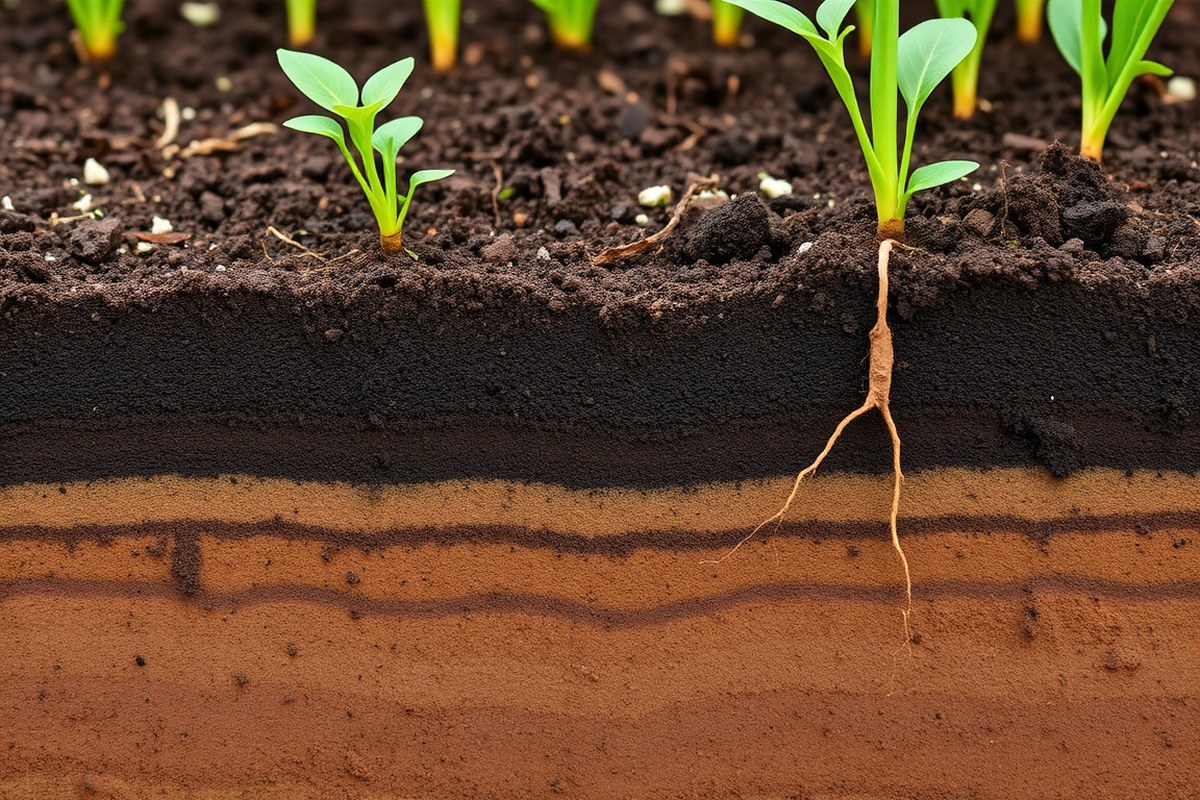
Heavy clay soil holds water and compacts easily. You need garden beds 18 to 24 inches deep here. This gives roots room to grow.
It also helps water drain well. Your plants may suffer from waterlogging without enough depth. Roots can also get stunted.
Garden beds placed on concrete or patios cannot drain naturally into the ground. Build beds 12 to 24 inches deep depending on your plants. Choose the depth based on their root needs.
Drill holes near the bottom for drainage. Or put a layer of gravel below. This lets extra water escape.
For compacted or clay soil, loosen beneath the raised beds. Use double-digging 6 to 12 inches deep. This breaks up hard layers and helps roots reach nutrients.
If you can’t loosen the soil, make beds deeper. Then fill with loose, well-draining soil instead.
Soil texture and drainage directly affect how deep your bed should be. Sandy or loamy soils drain well and can support shallower beds, around 6 to 12 inches.
Heavy soils need extra depth to stop water retention problems. Too much water hurts roots and plant growth.
On concrete or poor soil, always add drainage holes. This prevents water buildup and root rot.
Removing turf and smothering existing lawn helps. But roots still reach into the natural soil below.
In that case, beds around 10 to 12 inches often work fine for most vegetables. For deep-rooted plants, aim for at least 14 to 18 inches to encourage healthy root systems.
Materials and Construction Options for Raised Garden Beds
Raised garden beds come in many materials like wood, metal, and composites. The choice affects the bed’s depth, strength, and how much care it needs over time.
Wooden Raised Beds: Pros and Cons
Wood is the most popular material for raised beds. It’s affordable and easy to work with.
Common depth uses two stacked 2×6 boards for about 11 inches of soil. Beds 18 to 24 inches deep need stronger boards or extra layering.
You also need corner braces for added support. This helps the bed hold soil better.
Untreated pine lasts 3 to 5 years. Cedar or redwood lasts 10 to 20 years. Wood can rot or warp without waterproofing or sealants.
Metal and Composite Beds: Features and Lifespan
Metal beds offer thin walls with high durability. They suit shallower beds well but can be made deeper with added reinforcements.
Composite materials, like mineralized wood with cement, last a long time and resist rot. They often support 12 to 24-inch depths with little maintenance.
Brick or stone beds are permanent but costly and harder to build. They allow deep beds but may lack flexibility if you want to move them.
| Bed Height | Reinforcement Needed | Material Thickness | Lifespan Estimate |
|---|---|---|---|
| 6 to 12 inches (15 to 30 cm) | None required for most materials | 1 inch (2.5 cm) lumber minimum | Untreated pine usually lasts about 3 to 5 years outside. Cedar lasts much longer, often around 10 to 15 years. |
| 12 to 18 inches (30 to 46 cm) | Corner bracing recommended | Use lumber that measures between 1.5 and 2 inches thick. This size works well for garden beds. | Quality cedar or redwood: 15 to 20 years |
| 18 to 24 inches (46 to 61 cm) | Cross-supports every 4 feet | 2 inch (5 cm) lumber required | Well-constructed beds: 15 to 25 years |
The table highlights the thickness and support needed for different bed depths. Making beds deeper requires stronger materials and added reinforcements to last well.
Improve and Accessible Bed Designs
Raised beds on legs or blocks can sit 10 inches deep above hard surfaces. This suits gardeners needing easy access. To build, use sturdy legs or blocks buried at least 6 inches for stability.
Wood or metal legs both hold up garden beds fine. Use tight fasteners and strong braces to keep legs stable. These stop the bed from shifting under soil and use.
Calculating Soil Volume and Buying the Right Amount
Calculate soil volume by measuring your bed’s length, width, and depth in feet. Multiply these three dimensions to get cubic feet of soil needed. Add extra soil for settling to avoid running short later.
Step 1: Measuring Bed Dimensions
Measure your garden bed’s length and width using a tape measure. Record these numbers in feet for easier math later. For depth, measure from the bed’s base to the top edge where soil will reach.
Irregular shapes need extra attention. Break the bed into smaller rectangles or triangles. Measure each and calculate volume separately then add the totals for full soil needed.
Step 2: Calculating Soil Volume
Multiply length × width × depth to find cubic feet of soil needed. Your bed measures 4 feet wide, 8 feet long, and 1 foot deep.
Multiply 4 × 8 × 1 to get the volume. This equals 32 cubic feet of soil required.
For cubic yards, divide cubic feet by 27 because 1 cubic yard equals 27 cubic feet. So, 32 cubic feet equals about 1.2 cubic yards for a 4 × 8 × 1-foot bed.
Step 3: Adjusting for Settling and Compaction
Soil usually settles a little once watered and compacted. Add 2 extra inches to the depth when buying soil. For a 12-inch deep bed, you’d buy enough for 14 inches deep to compensate for settling.
Very deep beds over 2 feet should be filled in multiple stages. Water and settle each layer before adding more soil. This prevents large air pockets and uneven settling later.
- Measure the bed’s length and width in feet using a tape measure.
- Measure depth from base to soil surface line in feet (inches ÷ 12).
- For irregular shapes, split the bed into rectangles and measure each separately.
- Calculate volume for each rectangle (length × width × depth).
- Add volumes of all sections for total cubic feet needed.
- Divide cubic feet by 27 to get cubic yards if needed.
- Add 2 inches extra depth to compensate for settling.
- Plan to fill deep beds in layers and settle soil each time.
Preparing the Base and Filling Raised Garden Beds Properly
Start by loosening the native soil beneath your raised bed. This step improves root growth and drainage by breaking compacted layers. Avoid placing a solid barrier like plastic, which blocks water and gases.
Choosing the right base layer depends on your bed type. For beds built directly on soil, shredded leaves, cardboard, or straw work well. They suppress weeds, keep moisture balanced, and break down naturally.
If using permanent materials like concrete blocks, place flat rocks or paver stones first. These layers help drainage and keep soil in place without damaging roots.
Fill the bed with a mix of quality soil and compost. Mixing them helps roots find nutrients easily and keeps the soil loose.
Avoid using materials that take too long to break down or might introduce plastics or trash. Proper layering lets water drain without pooling, protecting plants from root rot.
Follow these steps for a healthy raised bed base and soil fill:
- Clear the area of weeds and debris where your bed will sit.
- Loosen the native soil 6 to 12 inches deep with a shovel or fork.
- Add a base layer of shredded leaves, straw, or cardboard for weed control.
- For permanent beds, place a layer of flat stones or pavers on top.
- Mix good-quality garden soil and compost at about a 2:1 ratio.
- Fill the bed with this soil mix, leaving about one inch from the top.
- Water the soil well to settle it and check drainage before planting.
Never use plastic liners or trash as a bed base. They harm root development and can cause water issues.
Accessibility and Ergonomics: How Bed Depth Affects Gardening Comfort
Raised beds that stand 24 to 32 inches tall help gardeners avoid bending over. This height works well for beds on hard surfaces where soil isn’t accessible below. You can tend to plants while sitting or standing with less strain on your back.
Garden beds about 24 inches high suit wheelchair users or sitters well. These heights make reaching plants easier. They help you work comfortably.
Beds this tall let you reach plants easily without leaning or stretching. Make beds 2 feet wide for children and 3 feet for adults to fit arms comfortably.
Deeper beds around 16 to 18 inches provide enough soil for most vegetables. This depth also balances plant needs with easy access. Beds taller than 32 inches take more soil and are harder to fill.
Filling may require lifts or tools. This adds work and expense.
Taller beds give you control over soil quality and drainage while easing physical work. Matching bed height and width to your body helps avoid back pain and improves gardening joy. Choose bed sizes that stay comfortable for you during the whole season.
Consider your movement limits when picking bed height. Your comfort helps you garden longer.
Seasonal Maintenance and Soil Management for Deep Beds
Soil in raised garden beds settles and compacts with time, reducing depth. You should check soil depth every year and add soil or compost as needed. Managing soil health across seasons helps keep your garden productive and beds well drained.
Spring Soil Preparation and Amendments
Spring is the best time to refresh your garden bed’s soil before planting. After removing winter mulch, loosen the top soil. Use a shovel or spade.
Work down 6 to 8 inches deep. This breaks up any compacted layers and gets air into the soil.
Add 2 to 3 inches of compost or well-rotted organic matter on top to restore nutrients. Mix it well into the loosened soil using a rake. This helps maintain soil depth lost after the fall and winter settling.
- Remove debris and dead plants from the bed
- Loosen soil to 6, 8 inches with a spade
- Spread 2, 3 inches of compost
- Rake compost into soil for even mixing
- Check bed edges for any soil erosion or settling
Checking the bed’s edges confirms if soil has washed away or compressed. A measuring tape can help you note soil loss and plan top-offs. This seasonal refresh sets up your bed to retain moisture and nutrients during active growing months.
Summer Watering and Aeration Tips
Soil in raised beds can dry out faster during summer heat, causing compaction. Keep soil moist but not soggy by watering deeply twice a week or more. Soak the soil with a water hose or watering can.
Make sure water reaches 6 inches deep. This helps prepare the bed.
Regular aeration prevents hard crusts on the surface and improves root oxygen. Gently poke holes in the soil using a garden fork or aerator. Do this every few weeks.
It improves air flow and drainage. Mulching around plants keeps moisture in and reduces summer heat stress on soil.
- Water deeply 1, 2 times weekly depending on heat
- Use a fork to aerate soil every 3, 4 weeks
- Maintain a 2, 3 inch layer of mulch to preserve moisture
- Remove weeds that compete for water
- Check soil depth mid-season and add compost if settling appears
Consistent watering and aeration keep soil soft and roots healthy. This prevents your bed from shrinking in volume and losing the deep soil feel you want.
Winter Care for Raised Beds
Winter slows soil activity but still needs care to protect your raised bed. After the growing season ends, clear out dead plants to reduce pests. Apply 2 inches of organic mulch or straw to insulate soil and prevent frost heaving.
Avoid heavy foot traffic on wet beds to stop compaction during freeze-thaw cycles. Cover beds with landscape fabric if heavy snow or ice is expected to maintain soil structure. You can also plant cover crops in fall to protect and enrich soil during winter.
- Remove spent plants and roots
- Add 2 inches of mulch or straw for insulation
- Limit walking on beds when frozen or wet
- Use landscape fabric to shield soil from harsh winter weather
- Consider fall cover crops like clover or ryegrass
Taking these steps preserves your bed’s depth and quality until spring. Healthy winter soil means less work next spring.
It helps plants grow stronger. The soil stays deep and rich.
Common Mistakes in Garden Bed Depth and How to Fix Them
Garden beds that are too shallow can stunt plant growth. Most plants need at least 6 to 8 inches of soil to grow healthy roots. Shallow beds under 8 inches often cause compacted roots.
This is true especially with heavy clay soil. Roots need space to grow well.
Poor drainage can cause wilting or root rot symptoms. Simply digging deeper may not solve these issues. Check soil type and water flow carefully.
Clear any compacted layers under the bed to improve drainage. Adding organic matter or using raised beds 12 to 24 inches deep helps avoid waterlogging.
Adding soil later can work but often causes layering problems. New soil might not mix well with old soil, creating barriers that water can’t pass. Start with the right bed depth for root health.
This ensures roots have enough air and space. It helps plants grow stronger from the start.
- Check if roots grow sideways instead of down
- Look for yellow or curling leaves indicating stress
- Dig down to see if roots hit hardpan or rocks
- Note standing water after rain as a drainage sign
- Plan raised beds at least 8 inches deep, ideally 12-24 inches
- Avoid frequent soil topping to prevent layering issues
- Test soil moisture levels regularly to catch problems early
Signs of depth issues include root-bound plants and slow growth. Bed depth limits root expansion, especially for vegetables and flowers. Roots that can’t grow deep will spread across the surface.
These roots may have trouble during dry periods. That leads to weaker plants and less growth.
Don’t rely on soil depth alone for drainage. Good soil structure is essential for healthy plant roots.
Step-by-Step Action Plan for Building and Maintaining the Right Garden Bed Depth
Follow these steps to set the right garden bed depth. Keeping your plants healthy depends on proper depth. Make sure you measure carefully before building.
- Before You Start: Choose plant types and note their root depth needs. Use these tips to decide how deep your bed should be.
- Day 1: Test your soil drainage by digging a hole and filling it with water. Water drains well if it disappears within four hours.
- Day 2: Decide your raised bed height based on plant needs and soil test. Use 12″ for shallow roots, 18″ to 24″ for deep roots.
- Day 3: Build the frame with materials that last outdoors, like cedar or composite wood.
- Day 4: Prepare the base by removing grass or roots and loosening soil. Check that the bottom is level.
- Day 5: Fill the bed with topsoil, compost, and organic matter. These materials help roots grow and water drain properly. Avoid heavy clay unless well amended.
- After 2 Weeks: Plant a test seed or seedling and monitor growth over the coming weeks. Healthy growth shows proper depth and soil mix.
- Monthly: Check soil moisture and add compost to maintain nutrients. Adjust watering based on soil drainage and weather.
Frequently Asked Questions
What Does the 70/30 Rule of Gardening Mean?
The 70/30 rule means using 70% soil and 30% other materials in your garden beds. It helps improve drainage and soil quality for better plant growth. This balance supports healthy roots, especially in raised beds where soil depth varies.
How Many Vegetables Can I Grow in a 4×8 Raised Bed?
You can grow about 12 to 16 vegetable plants in a 4×8 raised bed. Spacing depends on the vegetable type and their root depth. Using the right soil depth and plant spacing helps you maximize harvests.
What Not to Put in Raised Garden Beds?
Avoid using treated wood and contaminated soil in raised beds. These can release harmful chemicals into your garden. Stick to untreated wood and clean, nutrient-rich soil for safe plant growth.
How Deep Does My Garden Bed Need to Be for Tomatoes?
Tomatoes need garden beds about 18 to 24 inches deep. This depth gives plenty of room for their deep roots to spread. Using good quality soil and at least one foot of depth supports strong tomato plants.
How Deep Should Raised Bed Soil Be?
Raised bed soil should be at least 10 to 12 inches deep for most vegetables. Deeper soil, around 18 inches, suits root vegetables like carrots and potatoes better. Good depth ensures strong root growth and better yields.
Can I Grow Shallow-Rooted Herbs in a Garden Bed Less Than 10 Inches Deep?
Yes, shallow-rooted herbs like basil grow well in beds 6 inches deep. Chives also do well in beds that are 8 inches deep. These shallow depths suit their root structures perfectly.
These herbs don’t need deep soil, so shallow beds save space and soil. Just make sure your soil drains easily and is nutrient-rich.
Final Thoughts
Your garden bed depth depends on the plants you want and your soil’s drainage. Start by testing your soil and choosing a bed depth that fits those needs. Then build your bed carefully and keep soil healthy for steady growth.