How Does a Hydroponic System Work: A Complete Guide for Beginners
How does a hydroponic system work? It grows plants without soil using nutrient-rich water. Roots get oxygen and nutrients directly from the water, which speeds up growth and saves space.
Hydroponic setups use a container holding a water and nutrient solution. Plants grow in net pots or a soilless medium that supports their roots and holds moisture. This keeps roots moist but aerated, which is important for healthy growth.
The system circulates or regularly refreshes nutrient water around the roots. Some use pumps to move the water.
Others let roots dangle in the solution. This constant flow delivers oxygen and nutrients efficiently to every root.
Maintaining clean water and the correct nutrient balance is essential. Poor water quality or wrong nutrient levels can harm plants quickly. Regular monitoring helps keep plants healthy and growing fast.
Key Takeaways
- Hydroponics uses nutrient water to feed plants directly, no soil needed.
- Roots get better oxygen, helping plants grow 30-50% faster than soil.
- Set up a water reservoir with nutrient mix and plant holders.
- Keep water clean and maintain balanced nutrients for healthy root growth.
- Use an aquarium pump or air stone to provide oxygen to roots.
- Water temperature around 65°F to 70°F works best for most plants.
How a Hydroponic System Works to Grow Plants Without Soil

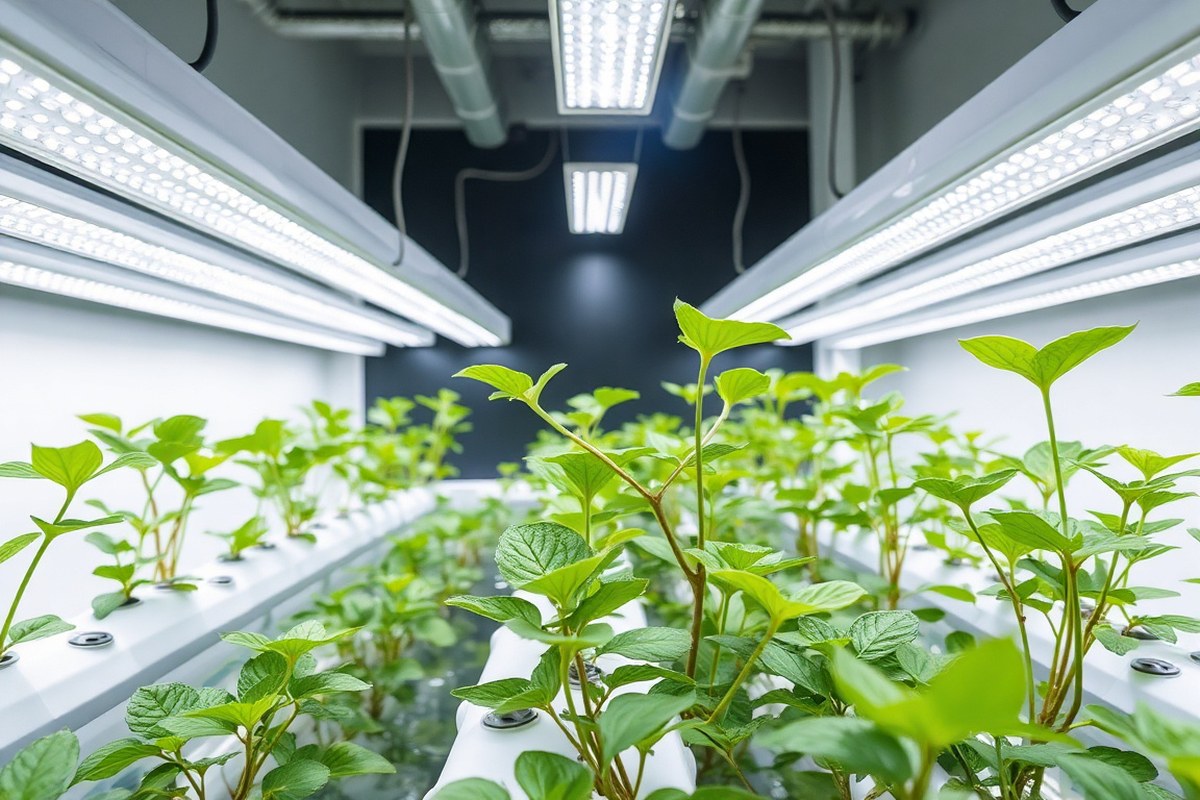
Hydroponic systems grow plants without using any soil. They supply water, nutrients, and oxygen directly to roots. This helps plants grow faster and healthier.
Instead of soil holding moisture and minerals, hydroponics uses a water reservoir with dissolved nutrients. This liquid feeds the roots continuously or in cycles, letting plants absorb exactly what they need.
Plants get nutrients in hydroponics through a carefully mixed solution. This blend usually keeps a pH between 5.5 and 6.0 for crops like lettuce and herbs.
Electrical conductivity (EC) levels range from about 1.2 to 1.8 to ensure plants receive proper mineral content. The nutrient solution flows or is pumped to the roots, mimicking soil’s role but without dirt.
Oxygen is essential for roots but can be tricky without soil air pockets. Hydroponic setups use air stones or air pumps to add oxygen. Some create thin films of nutrient solution exposed to air.
This keeps roots oxygen-rich and healthy. Some systems, like deep water culture, bubble oxygen into the water. Others, like nutrient film technique, keep roots partly in air, ensuring they don’t drown.
Nutrient delivery has three parts: a reservoir, tubing, and an oxygen source. The reservoir holds the nutrient mix. Tubes carry the solution to plant roots.
Pumps typically control the flow, timed or continuous, depending on the plant and system type. An ebb and flow system floods roots with nutrients for a while.
Then it drains, letting air reach the roots. This cycle repeats to feed and oxygenate plants.
Compare that to soil: it holds water, nutrients, and air all at once, but inconsistently. Hydroponics removes soil’s unpredictability, offering steady nutrient levels, consistent moisture, and better oxygen control. Growth often speeds up by 30 to 50 percent in hydroponics.
Roots get nutrients easily and don’t have to search for food. This saves energy and boosts growth.
Picture a loop where nutrient solution moves from a reservoir to roots. Oxygen mixes in, and extra solution drains back for reuse. This keeps nutrients cycling efficiently.
This cycle keeps roots both wet and aerated. Choosing how to deliver nutrients and oxygen depends on space, power, and plant type.
Smaller herbs grow well with simpler air gap or deep water culture systems. Larger plants may need ebb and flow setups with timed flooding.
Main Types of Hydroponic Systems and Their Differences
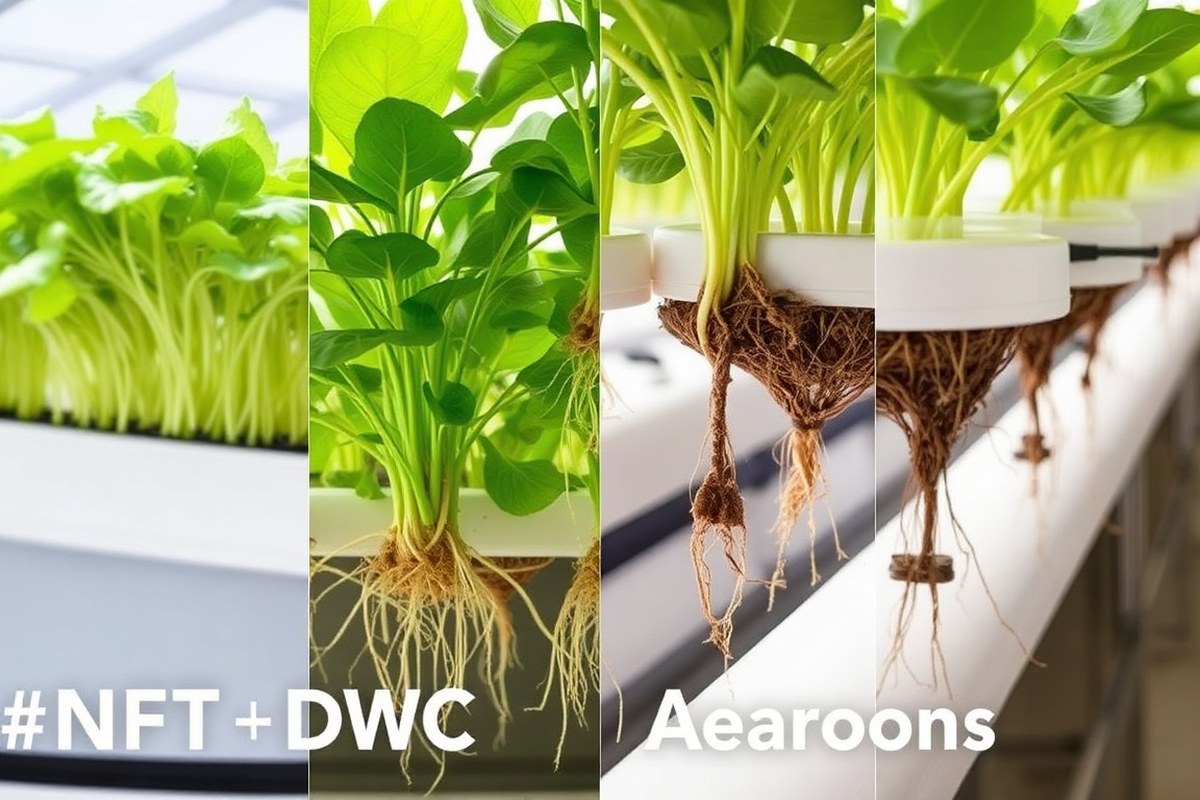
Hydroponic setups feed plants nutrients and air in several ways. Six common types include deep water culture, wick, nutrient film technique, ebb and flow, drip, and aeroponics. Each one handles nutrients, oxygen, and energy differently, fitting different plants and skill levels.
Deep water culture (DWC) suspends roots in oxygenated nutrient water. An air pump moves oxygen through the water. This system fits leafy greens and herbs best.
It keeps plants healthy by making constant oxygen flow. Wick systems pull nutrient solution through a wick to roots without electricity. They are low-cost but slow and only good for small plants like herbs.
NFT flows a thin nutrient layer over roots inside channels. A pump moves the solution, providing steady nutrients and oxygen. It’s good for small, fast-growing crops like lettuce.
Ebb and flow floods the grow tray then drains it repeatedly. Timers control pumps, making this versatile for many plants, including tomatoes and peppers.
Drip systems drop nutrient solution directly onto each plant’s base. Pumps and emitters manage delivery; drainage recycles the solution. This suits larger fruiting plants and commercial setups.
Aeroponics mists roots with nutrient spray, offering excellent oxygen and nutrient uptake. It’s high-tech, needs pumps and timers, and grows fast but costs more.
Here’s a table comparing features, airflow, energy use, and crop fit.
| System Type | Nutrient Delivery | Oxygen Supply | Power Need | Best Crops | Pros | Cons |
|---|---|---|---|---|---|---|
| Deep Water Culture | Roots in oxygen-rich water | Air pump bubbles oxygen | Low, for pump and aerator | Leafy greens, herbs | Simple setup, fast growth | Pump failure risks root death |
| Wick | Passive wick delivers nutrients | Natural air exposure | None | Small herbs, seedlings | Cheap, no electricity | Slow, limited crop size |
| Nutrient Film Technique (NFT) | Thin nutrient flow over roots | Exposed roots get more air | Medium, pump required | Lettuce, spinach, herbs | Efficient water use, fast growth | Not for large plants |
| Ebb and Flow | Tray floods then drains nutrients | Roots get air as water drains | Medium, pump and timer | Tomatoes, peppers, cucumbers | Versatile, good for various crops | Needs careful timer setup |
| Drip | Drips nutrient to each plant | Good airflow around roots | Medium, pumps and emitters | Large fruiting plants | Supports big crops, scalable | Can clog, more maintenance |
| Aeroponics | Roots misted with nutrient spray | High oxygen exposure | High, pumps and misters | Fast-growing, delicate plants | Very efficient, fast growth | Complex, expensive, pump failures risky |
Wick systems fit beginners on tight budgets or small spaces. Deep water culture and NFT also suit new growers but need electricity. Crop size limits wick and NFT.
So bigger plants prefer drip or ebb and flow. Aeroponics suits experienced growers with larger budgets. Pumps or timers usually run on small electricity, costing under $1 per day but are essential.
Each method requires setting pumps or timers carefully. Pumps failing stop nutrient flow and kill plants fast in most systems. Aeration keeps roots healthy.
Systems without air pumps may need extra air stones or manual airflow. Matching your crop to the system makes watering and oxygen easier and yields better. Experienced growers often pick drip or aeroponics for bigger, faster harvests.
Always test your pumps and aerators regularly. A sudden pump failure can ruin your whole crop within hours.
Essential Components and Equipment for Hydroponics
You need a few key parts to build and run a hydroponic system. Pumps, reservoirs, growing media, and oxygen tools keep plants fed and healthy. Choosing the right equipment depends on your system type and budget.
Water Reservoirs and Pumps
The water reservoir holds your nutrient solution, so plants get steady food and moisture. Plastic or food-safe containers work well and cost between $10 and $50, depending on size. Ensure the container blocks light to prevent algae growth.
Pumps move the nutrient solution to your plants. Submersible water pumps or air pumps cost $15 to $40. For simple setups like wick systems, you might not need pumps.
Instead, they rely on gravity. Capillary action helps move water to the plants.
- Choose a reservoir between 1 to 5 gallons for small home use
- Use a submersible pump rated 60 to 120 GPH (gallons per hour)
- Pick a reservoir with a tight seal to reduce contamination
- Plastic containers should be BPA-free and UV-resistant
- Look for quiet pumps to avoid distracting noise
Reservoir size and pump speed affect nutrient delivery and oxygen levels. Check pump flow regularly for clogging or wear. Clean reservoirs every 1 to 2 weeks to prevent buildup and pathogens.
Growing Media Options
Growing media supports roots and holds moisture and nutrients. It should be inert, draining well but keeping wet enough for roots. Common choices include rockwool, coco coir, clay pellets, and perlite.
Choosing media depends on your hydroponic system. Wick systems need media that transfers water well. Deep Water Culture (DWC) and nutrient film technique systems use net pots.
These pots mostly hold the plants in place. The media inside anchors the roots.
- Rockwool is popular but requires soaking and careful pH monitoring
- Coco coir is natural and holds water good for wick or drip setups
- Clay pellets are reusable and provide good aeration
- Perlite is lightweight but often mixed with other media for drainage
- Net pots sized 2 to 4 inches fit most standard home systems
Make sure growing media is clean and sterile before use. Avoid using soil or organic compost since they hold pathogens and don’t drain well.
Root Oxygenation Tools
Plants need oxygen at their roots for healthy growth. Oxygen-rich water prevents root rot and supports nutrient uptake. Hydroponic systems use air stones connected to air pumps for this.
Air stones cost around $5 to $15 and evenly bubble oxygen throughout the solution. Placing the air stone at the bottom of the reservoir ensures better circulation. Keep water temperature cool, around 68 to 72°F, to increase oxygen levels and slow root diseases.
- Get an air pump rated for your reservoir size (1 to 3 watts for 5 gallons)
- Use air stones to distribute oxygen evenly in the water
- Keep reservoir temperature between 65 and 75°F
- Clean and replace air stones every 6 months to avoid clogging
- Monitor roots; brown, slimy roots signal low oxygen and need action
Simple wick or Kratky systems don’t need air pumps but watch roots closely. Warm, stagnant water invites mold and root rot. Regular cleaning and oxygenation tools help keep plants vibrant.
Managing Nutrients, pH, and Water Quality for Healthy Growth
Preparing nutrient solutions helps keep hydroponic plants healthy. Managing pH and choosing good water quality also matter. These steps work together for better plant growth.
You mix nutrients into water, then adjust pH and nutrient levels for the best growth. Water quality decisions affect nutrient availability and plant health.
Ideal pH and Electrical Conductivity Ranges
The ideal pH for most hydroponic crops ranges from 5.5 to 6.5. Keeping pH in this range ensures plants absorb nutrients efficiently.
PH outside the right range lowers nutrient uptake. This causes plant growth to slow down.
Electrical conductivity (EC) measures nutrient concentration in the solution. A good EC target depends on the plant.
But typically falls between 1.2 and 2.0 millisiemens per centimeter (mS/cm). Too high EC can burn roots; too low means plants lack nutrients.
Choosing and Preparing Water Sources
Water quality is important because hydroponics relies on water as the sole nutrient carrier. Reverse osmosis (RO) water has no contaminants. It is the best choice for hydroponics.
You must add calcium and magnesium back in. Tap water is usable but may contain chlorine or hardness that can affect nutrient solutions.
Rainwater can work if filtered well, but it may contain debris or bacteria. Well water should be tested for iron, minerals, and bacteria before using. Avoid water with high total dissolved solids (TDS) as it can upset nutrient balance.
Adjusting Nutrient Concentrations
Mixing and adjusting nutrient solutions ensures plants receive the right nutrients and concentration. Use a nutrient blend from a garden center made for hydroponics. Dissolve it fully in water, then test EC and pH levels.
Steps to prepare your nutrient solution:
- Fill your reservoir with clean water from your chosen source.
- Measure the amount of hydroponic nutrient mix needed based on product instructions.
- Slowly add nutrients to the water while stirring well to dissolve powders completely.
- Check the electrical conductivity (EC) with an EC meter to measure nutrient concentration.
- You can raise EC by adding more nutrient mix. To lower EC, add plain water instead. Adjust EC carefully to keep plants healthy.
- Test the pH with a pH meter or test strips.
- Adjust the pH using pH up (potassium hydroxide) or pH down (phosphoric acid) solutions.
- Stir again and recheck pH and EC to confirm correct levels before using the solution.
For example, if your target EC is 1.5 mS/cm and your starting EC is 2.0 mS/cm, dilute with 25% more water. This reduces nutrient strength without wasting solution. Check pH and EC at least twice a week.
This keeps conditions stable as plants use nutrients. Regular testing helps prevent growth problems.
How Environmental Factors Affect Hydroponic Plant Growth
Plants growing hydroponically need the right light intensity to fuel photosynthesis. Most leafy greens grow well with 12 to 16 hours of light. Use fluorescent or LED lights for the best results.
Keep the lights on for that amount each day. Adjust the light height to avoid burning leaves but keep it close enough for strong growth.
Water temperature influences nutrient uptake and oxygen levels in the solution. Nutrient solution is best kept between 65°F and 75°F. Cooler water holds more oxygen. Warmer water can cause root stress and reduce oxygen, which harms growth.
Dissolved oxygen is important at the roots. Roots use oxygen to produce energy for absorbing nutrients and water.
Running an air pump or diffuser in the reservoir boosts oxygen levels. Less oxygen can cause roots to rot or stunt the plant.
Maintaining air and water temperature in the grow area is important. Daytime air temperature should stay between 70°F to 80°F. Nighttime can drop to 60°F to 70°F. Use fans, heaters, or cooling systems to avoid temperature swings that stress plants.
Make sure your hydroponic reservoir has a steady supply of oxygen. Stagnant water kills roots fast.
Hydroponic growers often struggle with temperature spikes from strong grow lights. Try using light timers and shade cloths if heat rises too much. Keep the nutrient solution away from heat sources to stop warming beyond optimal ranges.
Managing these conditions takes careful monitoring but pays off with faster, healthier growth. Use a thermometer in the reservoir and around plants. Hydroponic control systems can automate temperature and oxygen adjustment if you grow many plants.
Choosing the Best Plants for Hydroponic Growing
Plants that grow fastest in hydroponic systems are usually leafy greens and herbs. Lettuce, spinach, basil, and mint can mature in just three to five weeks. These crops thrive because hydroponics delivers nutrients directly to the roots in a controlled environment.
Fruit-bearing plants like tomatoes, cucumbers, and peppers also do well but need more care. They require extra light, about 14 to 18 hours daily, and support for heavy fruit. Systems like nutrient film technique (NFT) or aeroponics suit these plants best.
They supply lots of oxygen and nutrients to the roots. This helps plants grow healthy and strong.
Small home setups work great for compact, quick-growing crops. Growing a few herbs or leafy greens uses little space and energy. Larger fruiting plants need bigger systems and more maintenance, so choose accordingly.
- Leafy greens: lettuce, kale, Swiss chard
- Herbs: basil, mint, cilantro, parsley
- Fast-growing vegetables: radishes, green onions, baby carrots
- Fruit crops (with proper setup): tomatoes, cucumbers, peppers
- Small fruits: strawberries (in certain systems)
Choosing your crop influences the whole hydroponic system. Leafy plants fit well in deep water culture (DWC) or simple wick systems.
These systems are low-cost and easy to manage. Fruiting plants need ebb and flow or drip systems that can handle heavier feeding and support.
Hydroponic crops usually grow faster and yield more than in soil. Lettuce grown hydroponically can be ready in about 30 days, compared to 45 days in soil. Your system size, light, temperature, and nutrients all affect growth rates and yields.
Maintenance Steps and Troubleshooting Common Issues
Keeping your hydroponic system running well means regular cleaning and checking for common problems. Fixing root rot, pump failures, or nutrient issues quickly helps plants stay healthy. A clear routine and knowing the signs can prevent bigger hassles.
Routine Cleaning and Nutrient Replacement
Cleaning your system each week keeps bacteria and algae from building up. Nutrients break down over time, so fresh solutions help plants absorb all they need. You should fully refresh the nutrient reservoir every 1 to 2 weeks.
Here’s a simple weekly and monthly routine for most home hydroponic setups:
- Drain the nutrient solution from the reservoir completely.
- Rinse the reservoir and tubes with clean water to remove residues.
- Use a mild, food-safe sanitizer or vinegar solution to wipe surfaces once a month.
- Mix a fresh batch of nutrient solution according to the plant’s growth stage.
- Check and adjust pH to stay between 5.5 and 6.5 after adding nutrients.
- Inspect roots for color and firmness; remove dead or slimy roots.
- Clean or replace filters and screens in pumps monthly to avoid clogs.
This routine preserves clean water flow and good oxygen levels. It usually takes 30 to 60 minutes, depending on system size. Keeping up avoids root diseases and nutrient locks that stunt plants.
Identifying Nutrient Deficiencies and Diseases
Wilting, yellowing leaves, or stunted growth often signal nutrient problems or disease. Root rot causes dark, slimy roots and weak plants. Leaf spots and leaf drop point to fungal infections.
| Symptom | Possible Cause | How to Fix |
|---|---|---|
| Yellowing older leaves | Nitrogen deficiency | Add balanced nutrients with nitrogen, check pH |
| Brown leaf tips | Excess salts or nutrient burn | Flush system with clean water, reduce fertilizer strength |
| Wilting despite wet roots | Root rot or low oxygen | Improve aeration, trim dead roots, clean system |
| Slow or stunted growth | Nutrient imbalance or clogged roots | Replace nutrients, check root health, clean reservoir |
Quickly spotting these signs lets you fix problems before they kill your plants. Regularly check roots and leaves for changes you don’t expect.
Pump and Oxygen System Troubleshooting
Pumps and air stones sometimes clog or fail, limiting water and oxygen flow. Plants need steady oxygen-rich water to avoid root rot and poor growth. Check equipment weekly for noise or reduced flow.
Troubleshooting a clogged or low-oxygen system follows a few clear steps:
- Turn off power to the pump and air system safely.
- Remove and clean pump filters, tubes, and impellers from debris.
- Inspect air stones for clogging or wear; replace if needed.
- Flush the system with clean water to clear blockages.
- Check that water levels stay above pump intake to avoid dry running.
- Restore power and listen for smooth pump operation and steady bubbles.
Keep replacement parts on hand to fix failures quickly. If plants wilt and flow seems fine, test water oxygen with a dissolved oxygen kit or boost air with an extra pump.
How to Choose the Right Hydroponic System for Your Needs
Start by checking your available space and plant types. Small spaces work best with a vertical tower garden. It fits well in greenhouses and compact areas, growing many herbs or greens at once.
Next, consider your budget. Simple wick systems cost as little as $50 if you use some home materials.
These suit beginners and small plants but struggle with large fruiting types. Bigger plants need systems that deliver more nutrients and root room.
For large fruiting plants, choose ebb and flow or airponic systems. They supply nutrients well and handle bigger roots. Keep in mind, complex systems cost more and need maintenance skills.
| System Type | Best For | Space Needed | Budget Range | Pros | Cons |
|---|---|---|---|---|---|
| Wick System | Beginners, small plants | Small | Under $50 | Easy, low cost | Not for large plants |
| Vertical Tower | Compact spaces, herbs, greens | Very Small/Floor space | Moderate | High plant count, space saver | Limited to small crops |
| Ebb and Flow | Medium to large plants | Medium | Moderate to high | Good nutrient delivery | Needs maintenance |
| Airponic System | Large fruiting plants | Medium to large | High | Excellent oxygen and nutrient flow | Complex, expensive |
Adapt your system to climate by controlling indoor temperature and humidity. Most hydroponic setups thrive between 65-80°F. Use grow lights and fans to adjust your environment. This keeps plants healthy even in tough outdoor conditions.
Match your skill level to system complexity. Beginners may prefer wick or vertical systems. Experienced growers gain more from ebb and flow or airponics but face more setup challenges.
Raising the water level more than 3/4 inch after roots grow can hurt plants. This can damage the plants in Kratky systems. Keep water levels steady for healthy root growth.
Step-by-Step Action Plan to Start Your Hydroponic Garden
Follow these steps to set up and care for your hydroponic system. Each phase helps you check your system is working right.
- Before You Start: Choose the best system type for your space and plants. Make sure your location gets enough light or install grow lights.
- Day 1: Assemble your hydroponic setup and fill the reservoir with water. Mix nutrients following the instructions for your plants.
- Day 2: Test and adjust pH to the ideal range (usually 5.5 to 6.5). Healthy plants need balanced nutrients and pH.
- Week 1: Transplant seedlings into the system. Watch for signs of stress like drooping leaves or slow growth.
- Week 2: Check water levels daily and top off with fresh nutrient solution as needed. Avoid letting roots dry out.
- Weeks 3 to 4: Monitor plant growth and prune dead or yellow leaves. Adjust light and temperature to optimize growth.
- Month 2: Harvest mature plants and clean your system. Cleaning prevents clogs and disease buildup for the next round.
Frequently Asked Questions
What Happens If the Hydroponic Pump Stops Working?
If the pump stops, the nutrient solution won’t reach roots, and plants can die quickly. Always have a backup pump or generator for safety.
Can I Grow Tall Plants in a Hydroponic System?
Growing tall plants is possible but needs strong support and larger space. You may have to prune regularly to keep the system manageable.
Do Hydroponic Weeds Grow Faster Than Soil Weeds?
Weeds usually grow slower in hydroponics due to less soil and fewer seeds. Still, keep your system clean to avoid any unwanted growth.
How Often Should I Change the Nutrient Solution?
Change nutrients every one to two weeks to avoid buildup and diseases. Test and adjust pH regularly between changes for best results.
Can Tap Water Be Used in Hydroponics?
Tap water often works but may need filtering or treatment to remove chlorine. Check your local water quality and adjust nutrient mix accordingly.
Is a Wick System Good for Beginners?
Yes, wick systems are simple and cheap but usually slower at nutrient delivery. They work best for small, less thirsty plants like herbs.
Before You Go
Hydroponic systems give you control over growing conditions for fast, healthy plants. Start small, observe closely, and adjust as you learn. Your next step is to choose your setup.
Get your first nutrient mix ready. Make sure everything is set up properly before you start.