What to Plant with Lavender: Best Companion Plants and Expert Tips
Wondering what to plant with lavender for the best garden results? Choose plants that like dry, sunny spots like lavender.
Herbs such as rosemary, yarrow, and flowers like echinacea make great companions. They all need similar soil and water conditions, so they grow well together.
Plant lavender in sandy soil that drains water well. Give it full sun for six hours daily. Good sunlight helps lavender grow strong and boosts its fragrance.
Give lavender and its neighbors enough space. This keeps the air flowing and reduces disease risks. Lavender prefers dry soil more than wet conditions, so avoid overwatering.
Consider adding plants like sedum or thyme nearby. These also like dry, sunny spots and complement lavender’s look. Proper spacing and watering help them all thrive.
Key Takeaways
- Space lavender plants 12 to 18 inches apart for healthy growth.
- Keep rosemary 2 to 4 feet away from lavender due to its size.
- Place yarrow at least 18 inches from lavender to avoid crowding.
- Plant echinacea 18 inches from lavender to allow room for spreading.
- Avoid water-loving plants near lavender to prevent root issues.
- Lavender needs at least 6 hours of direct sunlight each day. This amount helps it bloom well. Place plants where the sun shines.
Best Plants to Grow with Lavender for Thriving Gardens
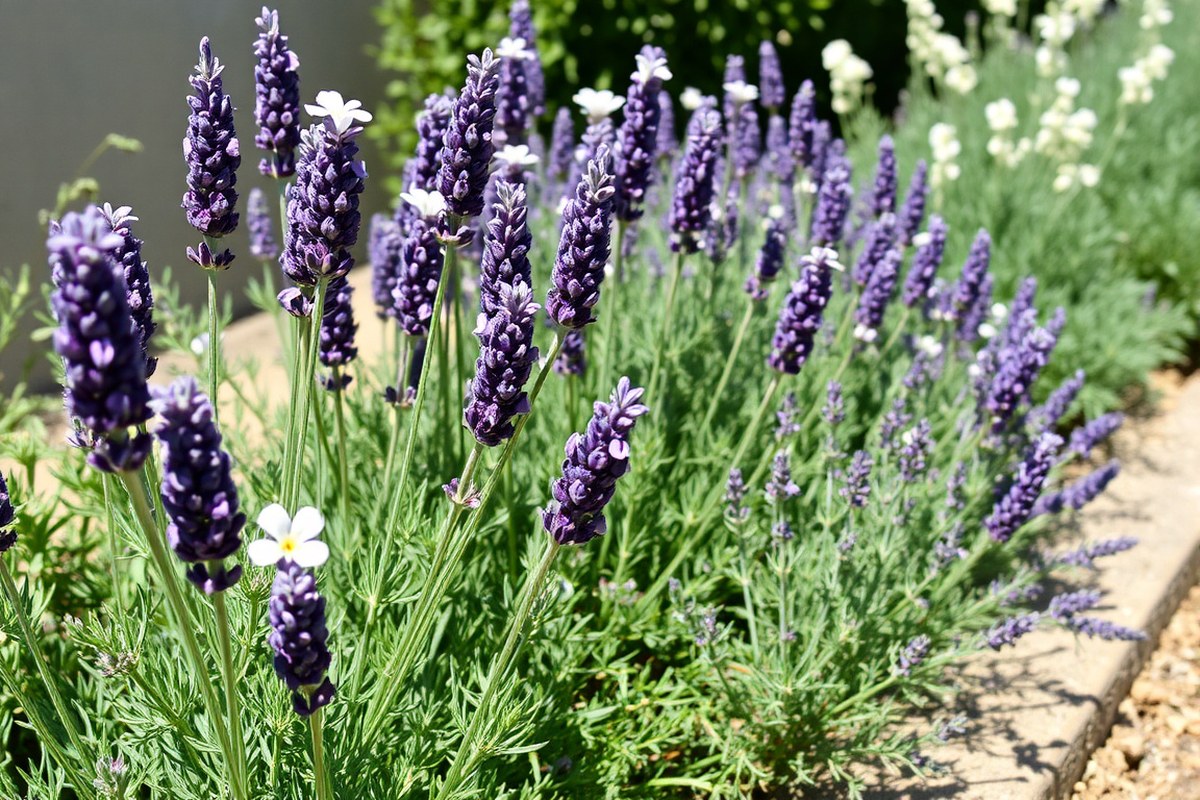
Lavender grows best with plants that like full sun and well-drained soil. They should need little water and prefer similar soil pH, around 6.5 to 7.5. Choosing companions with these traits helps all plants stay healthy without extra work.
Herbs like rosemary, thyme, and sage match lavender’s needs perfectly. These herbs come from Mediterranean climates just like lavender. Lavender needs six to eight hours of sun every day.
It grows well in dry, sandy soil. Dry soil helps it thrive best. Adding flowers like yarrow and marigolds helps attract beneficial insects and repels pests.
Blue fescue and ice plant match lavender well. Both can handle dry soil. They add good texture and color contrast.
- Rosemary, full sun, dry soil, repels pests
- Thyme, low water, full sun, fragrant ground cover
- Sage, drought-tolerant, needs full sun
- Yarrow, tolerates dry soil, attracts pollinators
- Marigolds, repel insects, add bright color
- Blue fescue, low water, decorative grass
- Ice plant, succulent that tolerates drought
Plant these companions about 12 to 18 inches apart from lavender to avoid crowding. Keeping the soil sandy and letting it dry between waterings helps all these plants thrive. Ice plant and blue fescue do well with dry soil.
They handle dryness better than some plants. They fit well with lavender in dry spots.
Choosing plants that share lavender’s sun and soil preferences means less watering and fewer diseases. Lavender and its neighbors live longer when grown right. Good conditions help them look their best.
They do well together in proper soil and sun. These combinations work well in sun-exposed garden beds, rock gardens, and herb pots.
Plants to Avoid Planting Near Lavender
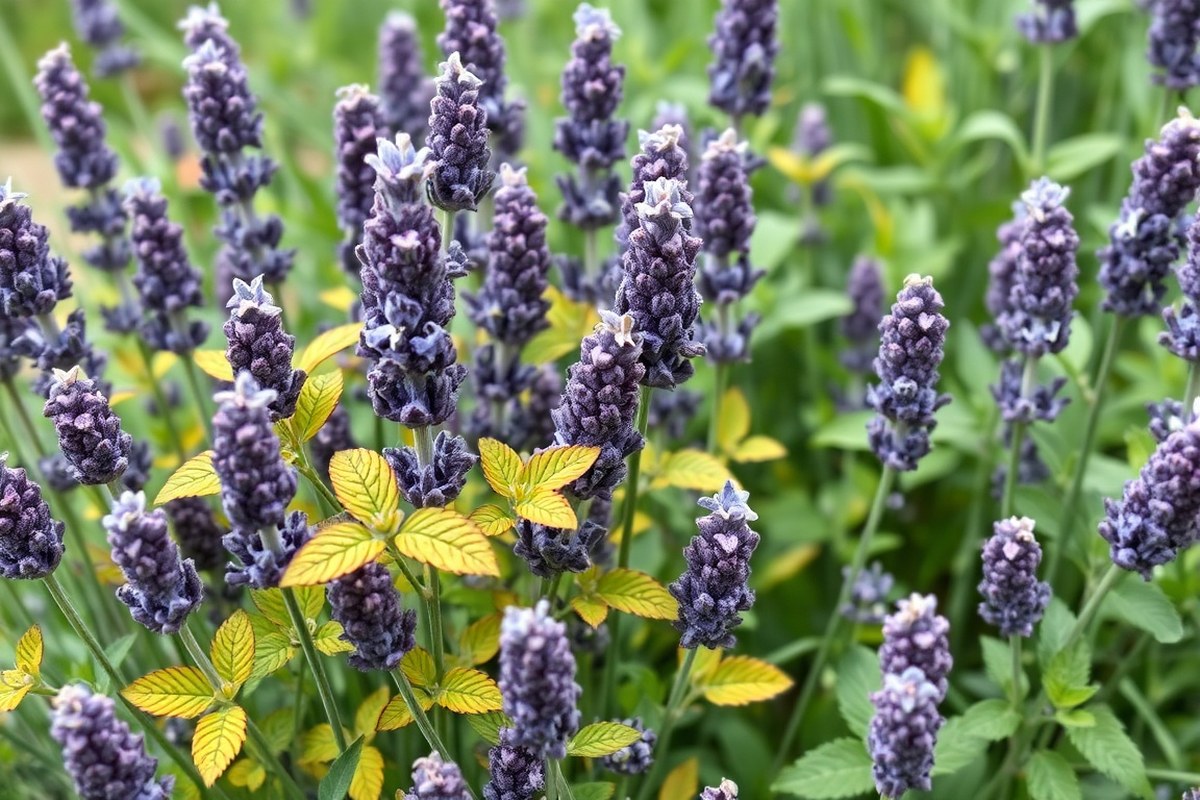
Lavender needs well-drained soil and only occasional watering. Avoid planting moisture-loving plants nearby, such as mint, hostas, and impatiens. These plants require wet soil conditions that can cause lavender’s roots to rot and die quickly.
Aggressive growers like mint can overwhelm lavender beds by competing aggressively for water and nutrients. Mint spreads underground, choking lavender roots and stealing the moisture lavender depends on. This competition slows lavender growth and may kill the plant in just one growing season.
Plants that need rich, damp soil will harm your lavender. They make you water more often. Too much water stresses lavender plants.
Frequent watering encourages fungal diseases in lavender, which prefers dry feet and good airflow. Basil and impatiens need lots of water.
They can make you overwater your lavender. Overwatering leads to root rot and stress for lavender.
Don’t plant mint or other moisture-loving plants next to lavender. Their aggressive growth and water needs will harm your lavender.
Give shrubs like rose bushes 2 to 3 feet of space. Keep them away from your lavender. This spacing helps both plants grow well.
Roses and lavender have very different watering habits. Crowding forces you to choose one water level. Crowding also reduces airflow, which raises the chance of fungal issues on your lavender.
Lavender also struggles when planted too close to large leafy plants that cast shade. Big-leaf garden plants need shady, moist spots to thrive. Those conditions do not suit lavender.
Lavender needs sun and drier soil than those plants. These won’t let lavender get the dry, sunny conditions that help it thrive.
In dry, sunny gardens, stick to drought-tolerant companions, not thirsty or shade-loving plants. Following these rules helps your lavender thrive without constant watering or worrying about root disease. Your lavender bed will stay healthy, bloom fully, and attract pollinators like bees.
How to Space and Arrange Lavender and Companion Plants
Space companion plants 12 to 24 inches away from lavender to ensure good airflow. Proper spacing prevents overcrowding and reduces the risk of fungal infections. Arrange plants based on their mature size and height to keep air moving smoothly.
Determining Proper Distance Based on Plant Size
Match spacing to each plant’s average mature width. Lavender usually needs about 18 to 24 inches between plants. Smaller companions like echinacea do well at 12 to 18 inches away from lavender.
Leave 3 feet between lavender plants if air circulation is a concern. Larger plants, like rose bushes, need at least 18 inches from lavender to avoid crowding. Measuring plant spreads will help keep your garden balanced and healthy.
Arranging Taller and Shorter Plants for Airflow
Place tall plants behind lavender so they don’t block airflow. Globe thistle, which grows 3 to 4 feet tall, belongs 2 to 3 feet behind. Keep shorter plants like yarrow and rosemary near lavender’s front.
Arrange plants in staggered rows to let air circulate between leaves. Make sure tall shrubs don’t shade lavender, which needs full sun. This setup keeps foliage dry and lowers disease risk.
Spacing Tips to Avoid Common Diseases
Keep at least 18 inches between lavender and its companion plants to reduce fungal problems. Crowded plants trap moisture and cause leaf spots or mold. Plant drought-tolerant herbs nearby but avoid water-loving vegetables.
Prune lavender and companions regularly to improve airflow inside the plant canopy. Planting in raised beds or on slopes helps with drainage. Dry roots and leaves mean fewer diseases and stronger growth.
Follow these steps to space and arrange lavender with companion plants properly:
- Measure the mature width and height of lavender and companion plants.
- Plan 18 to 24 inches between lavender plants for airflow.
- Position companion plants 12 to 18 inches away from lavender’s base.
- Place taller plants 2 to 3 feet behind lavender to avoid shading.
- Stagger plant rows to help wind flow around foliage.
- Avoid crowding to prevent moisture buildup and fungal infections.
- Use pruning to open the plant canopy for better air circulation.
- Consider raised beds or slopes to improve soil drainage and dryness.
Watering and Soil Needs for Lavender and Its Companions
Lavender prefers well-drained soil with a pH between 6.5 and 7.5. This slight alkalinity suits other Mediterranean herbs and many companion plants. Plants like rosemary, yarrow, and lemongrass share this soil need.
To prepare soil, mix sand or small gravel in it. This helps drainage, especially in clay-heavy soil.
Good drainage keeps plants healthy. This prevents root rot that kills lavender quickly in soggy conditions.
Watering needs matter a lot when picking companions. Lavender thrives on minimal watering after its roots are established. Choose plants that also prefer dry, sunny spots without frequent watering.
For example, African daisies and zinnias tolerate the same dry soil and full sun. Avoid moisture-loving plants like fuchsias, which need rich, moist soil and partial shade.
Planting companions with similar water and soil needs makes care easier. Water new lavender and its neighbors moderately for the first few weeks. After that, let the soil dry out between waterings.
Keeping soil well-drained and dry reduces fungal diseases. Prepare soil with organic matter and sand. Water less often to keep soil right.
Combining Lavender with Vegetables: What Works and What Doesn’t
Lavender can be planted near some vegetables, as long as you match their needs. Both lavender and its companions must prefer full sun and well-drained soil. You’ll push your garden’s yield and save water by choosing drought-tolerant veggies.
Vegetables that thrive with lavender share dry soil preferences and low water needs. Garlic and other edible alliums fit this pattern well.
They won’t need extra water that might harm lavender roots. Both enjoy sunny spots.
You should avoid planting veggies that demand frequent watering next to lavender. Heavy watering can cause root rot and stress the lavender. Putting lavender in raised beds or containers helps if soil is wet.
| Vegetable | Water Needs | Sun Requirement | Soil Type | Companion Benefits |
|---|---|---|---|---|
| Garlic (edible alliums) | Low | Full sun | Well-drained | Shares dry soil, pest deterrent |
| Rosemary (herb) | Low | Full sun | Well-drained | Pest control near vegetables |
| Leafy greens (e.g., lettuce) | High | Partial shade | Moist, rich | Not recommended with lavender |
| Root crops (carrots, beets) | Moderate | Full sun | Loamy, well-drained | Possible with space, careful watering |
Balancing watering is key when mixing lavender with vegetables. Spot water veggies that need more moisture without soaking the lavender. Plant lavender on edges or raised parts to avoid wet feet.
Space is another critical factor. Lavender grows 1 to 3 feet wide.
So keep veggies at least 12 inches away. This spacing prevents crowding and lets air circulate to lower disease risk.
Never plant lavender directly beside plants that require frequent watering or dense, wet soil.
By pairing lavender with drought-friendly vegetables like garlic, you create a water-wise garden. Rosemaries serve double duty by beautifying and protecting your edible beds from pests. Raised beds or containers give you extra control over soil moisture and sun.
Seasonal and Climate Considerations for Companion Planting
Different lavender varieties handle cold and heat differently, so picking the right one matters. English lavender grows well in USDA zones 5 to 9. It can handle cold winters if you add mulch.
Mulching helps protect the roots from freezing. Spanish lavender prefers warmer zones like 7 to 9 and may struggle in colder spots. Choose companions that match your lavender’s zone to keep all plants thriving together.
Companion plants for lavender should also fit your climate and season. In cold zones, pick hardy herbs like thyme or oregano that survive winter with little fuss. For warmer zones, try Mediterranean herbs and drought-tolerant plants.
Rosemary is a good choice. They need similar soil and water conditions. Avoid companions that need lots of moisture, as lavender prefers drier soil.
Winter care changes depending on zone and plant type. In colder zones, mulch companions lightly with straw or leaves to protect roots from deep freezes. Prune lavender plants in early fall.
Cover them if winters drop below their zone tolerance. This helps protect them from harsh cold. Avoid heavy watering in winter to prevent root rot, especially with lavender and its drought-loving friends.
Your garden’s seasonal cycle plays a role too. Lavender blooms best with full sun and warm spring through summer temperatures. Choose companions that bloom at different times to keep your garden vibrant across seasons.
Early bloomers suit spring. Late-flowering plants extend color into fall, adding interest without competing for resources.
Plant according to your USDA zone to avoid replacement costs. Cold damage and poor growth waste time and money. This keeps your garden healthy.
For example, in zone 6, English lavender plus thyme offers a winter-hardy, aromatic combo. In zone 9, Spanish lavender pairs well with rosemary or sage.
They all tolerate heat and drought together. This makes a strong, low-water planting.
Designing Lavender Beds with Companion Plants for Beauty and Function
Arrange companion plants around lavender to create visual interest and practical benefits. Grouping lavender in threes to fives boosts pollinator visits and yields a fuller look. Pick companions with matching water and sun needs for easier care and healthier growth.
Creating Layers with Height and Color
Use plants with different heights to add depth and texture to your lavender bed. Taller plants such as coneflowers can stand behind shorter lavender, offering height contrast.
Add bursts of warm colors like marigolds to create eye-catching spots amid lavender’s purple tones. These bright blooms complement lavender’s gray-green foliage well.
Using Lavender to Attract Pollinators
Lavender is a magnet for bees, butterflies, and other pollinators. Plant it near fruiting plants or citrus trees to boost pollination and crop yields.
Include companion plants like coneflowers or marigolds that also attract pollinators. Together, these plants increase garden visits by helpful insects.
Balancing Sunlight and Shade in Mixed Beds
Lavender prefers full sun and well-drained soil. So keep it in sunny spots with at least six hours of light daily. Choose companions that tolerate the same conditions to avoid growth issues.
Avoid shade-loving plants near lavender, as they require different care. Instead, plant sun-loving herbs or vegetables for a cohesive bed. Follow these steps to arrange companion plants around lavender for beauty and function:
- Choose a sunny area with well-drained soil for your lavender bed.
- Group lavender plants in clusters of three to five for visual impact and pollinator attraction.
- Select companions with similar sun and water needs like coneflowers, marigolds, or citrus.
- Arrange taller plants at the back or center and shorter ones closer to the edges.
- Add colorful blooms in warm tones to contrast lavender’s gray-green leaves.
- Space plants to allow air circulation and prevent crowding, aiding maintenance.
- Mulch around plants to retain moisture and control weeds while keeping roots cool.
Common Companion Planting Mistakes and How to Fix Them
Common mistakes with companion plants around lavender often include overcrowding, watering conflicts, and mismatched growth habits. These issues can harm lavender’s health and reduce its flowering. Fixing such problems involves adjusting plant spacing, managing soil moisture, and choosing companions wisely.
Overcrowding and Poor Airflow Effects
Lavender thrives with plenty of airflow and space around its roots and foliage. Crowded plants block sunlight and trap moisture, which invites fungal diseases. This makes lavender look weak and can stunt its growth.
Make sure there is at least 12 to 18 inches between lavender and other plants. When your garden feels cramped, prune or remove some companion plants. This opens room for the lavender’s airy, upright shape.
- Keep companion plants at least 12 inches away from lavender
- Trim taller or bushier plants regularly to avoid shade
- Choose low-growing ground covers that won’t smother lavender
- Thin crowded areas to increase airflow and sunlight
- Remove dead or diseased plant parts promptly
Maintaining good airflow stops mold and keeps lavender blooms healthy. You want light and air moving freely around the plant all day long.
Watering Conflicts and Soil Drainage Problems
Lavender needs dry, well-drained soil and little water. A common error is planting companions that need much more water or rich soil. This leads to soggy roots and weaker lavender plants.
When soil stays too wet, dig out some and add builder’s sand. This improves drainage and helps prevent root rot. Water lavender only deeply but rarely, about once every 10 to 14 days in dry weather.
- Avoid companions that prefer daily watering or shaded, moist spots
- Use sandy or rocky soil to mimic lavender’s natural habitat
- Adjust watering schedules separately for other plants nearby
- Consider raised beds or mounds to improve drainage
- Check soil moisture by digging a couple inches deep before watering
Too much water is a bigger problem than too little for lavender.
You can also mulch lightly with small gravel to keep soil dry near lavender roots. This supports its drought tolerance and overall health.
Fixing Incompatible Companion Growth Habits
Some plants grow fast and tall, overshadowing lavender or taking too many nutrients. Others spread aggressively, crowding out lavender’s roots. Both hurt lavender’s bloom and health.
Pick companions with similar water and sunlight needs and slower growth. Prune fast growers often and remove runners or suckers that invade lavender space. Spotting aggressive plants means you should try more compatible species.
- Choose companions with slow to moderate growth rates
- Avoid tall plants that shade lavender midday
- Control spreading plants by cutting runners or roots
- Use physical barriers underground for aggressive spreaders
- Match companion nutrient and sun needs with lavender’s
Managing these habits keeps your lavender visible, healthy, and blooming beautifully. Proper partner plants mean less work and better results for you.
Step-by-Step Action Plan for Planting Lavender Companions
Follow these steps to plant lavender with suitable companions and create a healthy, attractive garden.
- Before you start: Pick companion plants that need full sun. Choose plants that thrive in well-draining soil, such as rosemary and catmint. Check your garden’s sunlight and soil conditions first.
- Week 1: Prepare the soil by mixing in sand or gravel to improve drainage. Plant lavender and companions with at least 12 inches between them to avoid crowding.
- Week 2: Water lavender sparingly after planting, letting the soil dry out between waterings. Watch for healthy leaves and firm stems as signs of successful irrigation.
- Month 1: Mulch around plants with small stones to keep roots dry and prevent weeds. Check mulch depth regularly to keep it consistent and avoid moisture buildup.
- Month 2: Prune lavender lightly to remove dead flowers and encourage bushier growth. Companion plants should show steady growth and no black spots or rot.
- Seasonal care: Adjust watering for seasons, less in winter, more in hot summer months. Ensure companion plants also survive or thrive under these conditions.
- Ongoing: Monitor for pests and diseases. Remove any plants that show signs of stress. Healthy companions make lavender stronger and your garden look better.
Frequently Asked Questions
What Are Low-Maintenance Flowers That Go Well with Lavender?
Plant low-water flowers like yarrow or sedum near lavender. They share sun and soil needs, reducing care time for you.
Can You Plant Bulbs Near Lavender?
Yes, bulbs like alliums or narcissus work well. Plant them so bulbs don’t crowd lavender roots for best growth.
Does Planting Lavender Attract Beneficial Insects?
Lavender attracts pollinators like bees and butterflies. Surrounding it with similar plants boosts your garden’s bug population naturally.
Can Lavender Be Used as a Natural Pest Repellent for Other Plants?
Yes, it can deter pests like moths and fleas. Plant it near susceptible plants to reduce pest visits.
How Much Space Should I Leave When Planting Rosemary with Lavender?
Space rosemary 2 to 4 feet from lavender. This keeps airflow good and prevents crowding for both shrubs.
Is It Okay to Plant Lavender Near Vegetables That Prefer Moist Soil?
Avoid planting lavender next to thirsty veggies. Lavender needs dry soil, so wilting or root rot could happen.
The Bottom Line
Lavender thrives with companions that share its light and soil needs. Start by planting a few tested friends in well-drained soil and watch them grow together. Next, adjust your care based on how each plant responds to the weather and watering.