How to Propagate Echinacea: 8 Proven Methods with Step-by-Step Guides
How to propagate echinacea is a common question for gardeners who want more plants. You can grow new echinacea from seeds, stem cuttings, or by dividing clumps.
Each method has its own timing and care to help you get healthy plants. Propagation success depends on starting with quality seeds or strong parent plants.
Use fresh seeds saved from mature flowers or bought from a reliable source. Stem cuttings should come from healthy, non-flowering shoots to encourage good root growth. Dividing established clumps in early spring or fall gives the best results.
Echinacea needs 6 to 8 hours of direct sunlight and well-drained soil to root well. The soil should stay moist but not soggy during rooting and early growth. Watch the temperature, since cuttings root best between 68°F and 77°F, which helps avoid rot and stress.
Key Takeaways
- Cold stratify echinacea seeds 30 to 60 days before sowing to increase germination.
- Sow seeds outdoors in early spring or indoors for earlier starts.
- Take stem cuttings in late spring or early summer for best rooting success.
- Divide clumps when new shoots reach 2 to 4 inches tall for easiest separation.
- Place plants 12 to 18 inches apart, based on their mature size.
- Use diluted balanced fertilizer once seedlings reach 4 inches tall.
1. How to Propagate Echinacea Successfully: Key Methods Explained
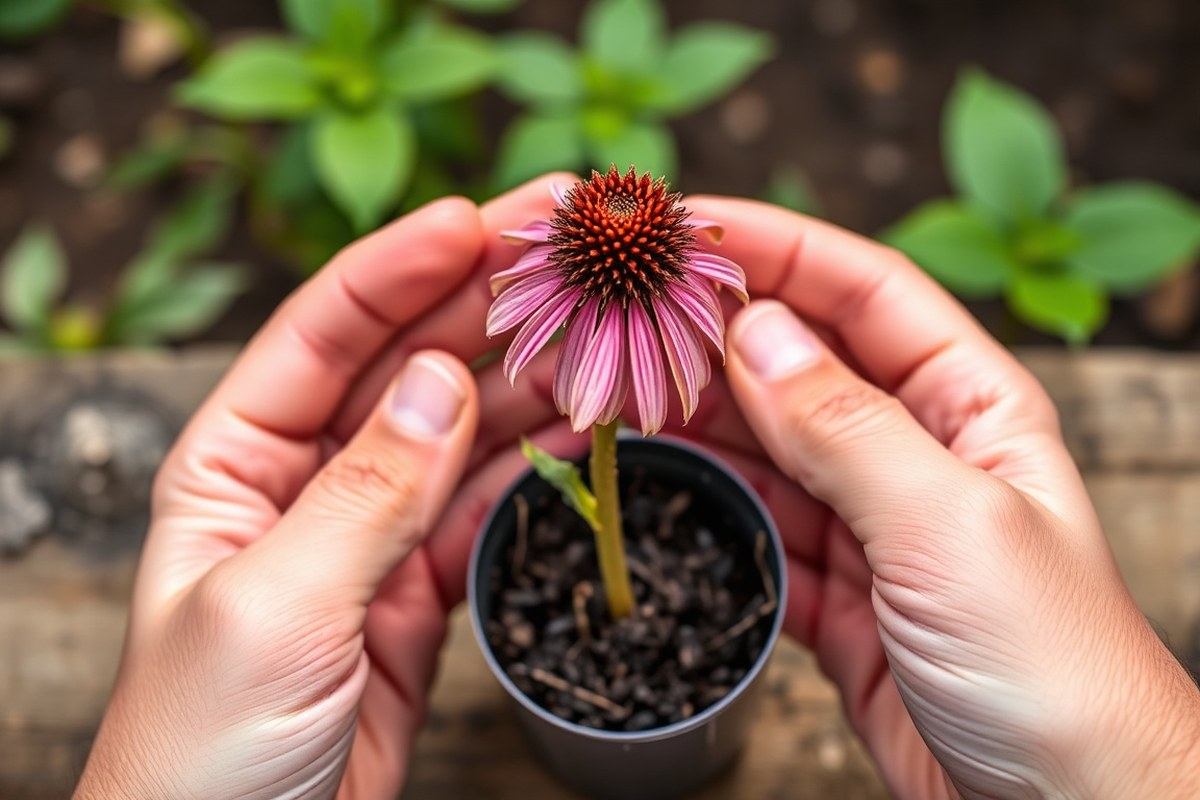
Echinacea can be propagated three main ways: seed, division, and stem cuttings. Each method suits different needs and takes different amounts of time. Seeds give you many plants but take up to two years to bloom.
Start seeds indoors in late winter. They need cold stratification to break dormancy. Store seeds in the fridge at 35 to 40°F. Keep them there for 30 to 60 days.
Without this, germination drops below 30%. After stratification, plant the seeds in well-drained soil.
Keep the soil moist until sprouts appear. Sprouts usually show in two to four weeks.
Division works best in early spring or fall. Dig up a mature clump of Echinacea gently. Use a sharp spade or knife to cut it into smaller pieces.
This helps the plant grow better. Each section should have roots and shoots.
Replant divisions right away in a sunny spot with good soil. They grow faster and bloom the next season, usually within one year.
Stem cuttings grow faster than seeds but need extra care. Take 3 to 5-inch cuttings from healthy new shoots in late spring or early summer. Dip the cut ends in rooting hormone and plant in warm, moist peat or perlite.
Keep cuttings shaded and damp. Roots start forming in about three to four weeks. Move the cuttings outdoors after roots develop properly.
Division often has the highest success, above 90%, and produces stronger plants faster. Seeds can have lower germination unless properly stratified.
Cuttings have moderate success rates and need care to avoid rot. Your choice depends on how quickly you need plants and what tools or space you have.
2. Propagating Echinacea from Seed: Harvesting, Stratification, and Sowing

Propagating echinacea from seed starts with gathering mature seeds. You give them a cold treatment called stratification next. Then, plant the seeds and make sure they get light.
You can start seeds indoors or sow them outside after the last frost. Proper preparation and care help seeds sprout within a month.
Collecting and Drying Echinacea Seeds
Wait until the flower heads turn brown and dry before harvesting seeds. Seeds form in two parts of the seed head, so check carefully.
Birds, especially goldfinches, often eat the seeds. So collect them early to avoid losing your crop.
After cutting the seed heads, hang them upside down in a dry, well-ventilated spot. Let them dry for about one week to prevent mold. Once dried, gently shake or rub to release the seeds from the heads.
- Cut dry seed heads when they start browning, but before seeds fall.
- Hang seed heads upside down in a warm, dry place.
- Allow seeds to dry completely for 5 to 7 days.
- Rub or shake seed heads to free the seeds.
- Remove any chaff or debris from seeds.
- Store seeds in a cool, dry place until ready to stratify or plant.
Harvest seeds before full winter to avoid losses from birds and weather.
Cold Stratification Techniques for Better Germination
Echinacea seeds often need cold stratification to improve germination rates. This process mimics winter by exposing seeds to cold, moist conditions for 8 to 12 weeks. You can do this in a refrigerator if you want to plant in spring.
To stratify, mix seeds with moist peat moss or sand in a sealed plastic bag. Keep the bag at 36 to 41°F (2 to 5°C) for the required period. After stratification, seeds become ready to sprout when given light and moderate warmth.
- Mix seeds with moist (not wet) peat moss or sand.
- Place the mix inside a sealed plastic bag.
- Store the bag in the refrigerator at 36, 41°F (2, 5°C).
- Check moisture weekly; add water if mix dries out.
- Keep seeds cold for 8 to 12 weeks for best results.
- Remove seeds when ready to plant.
Do not let seeds dry out during stratification; they need consistent moisture.
Sowing Seeds Indoors and Outdoors
Plant stratified echinacea seeds on the soil surface with gentle pressing, not buried. They need light to trigger germination. Indoors, keep pots at about 68°F (20°C) and maintain moist soil until sprouts appear.
Outdoors, sow seeds in early spring after frost danger. You can also sow in fall to let natural cold stratification occur. Germination usually takes 10 to 30 days depending on temperature and moisture.
- Fill pots or seedbeds with well-drained soil.
- Scatter seeds on the soil surface, pressing lightly.
- Keep soil moist but not soggy.
- Maintain indoor temperature near 68°F (20°C) or plant outdoors after frost.
- Wait 10 to 30 days for germination.
- Thin seedlings to 12 inches apart after they develop.
Covering seeds deeply stops germination; surface sowing is key.
3. Using Stem Cuttings to Propagate Echinacea: Timing and Technique
You can propagate echinacea from stem cuttings, but timing and care matter. Pick healthy stems at the right growth phase to improve rooting success. Root cuttings in water or soil and keep conditions humid and warm for best results.
Selecting Healthy Stems and Timing for Cuttings
Take cuttings in early summer where it stays cool. In hot places, do it from late July to early August. Choose a time when plants grow well.
Choose semi-hardwood stems that are 4 to 6 inches long and have 2 to 3 nodes. Avoid stems with flower buds or signs of disease.
Look for green, firm stems with no discoloration or damage. Stems that still have some flexibility but aren’t too soft work best. Use clean, sharp scissors or pruners for a clean cut.
Rooting Cuttings in Water Versus Soil
Rooting cuttings in water is simple and lets you watch root growth. Use clean water and change it every few days to prevent rot. Roots typically start forming in 2-3 weeks at 68°F to 77°F (20°C to 25°C).
Rooting cuttings in soil uses a well-draining mix, like equal parts peat and perlite. Dip the base in 0.5% IBA rooting hormone powder for 5 seconds to boost root growth, though it’s optional. Keep the soil moist but not soaked to avoid rot.
Caring for Cuttings During the Rooting Phase
Keep cuttings in a humid environment using a clear dome or plastic bag. Provide bright, indirect light but avoid direct sun. Maintain temperatures between 68°F and 77°F (20°C to 25°C) for best root formation.
Check daily for mold or rot and remove any affected leaves. Mist cuttings occasionally to keep humidity high without overwatering. Roots usually take 3 to 5 weeks to develop well enough for transplanting.
Follow these steps to take and root echinacea stem cuttings:
- Choose healthy, semi-hardwood stems about 4-6 inches long with 2-3 nodes.
- Cut just below a node using clean, sharp scissors or pruners.
- Remove leaves from the bottom half of the cutting to prevent rot.
- You can dip the cut end in 0.5% IBA rooting hormone powder. Do this for 5 seconds to help roots grow. This step is not required but may improve results.
- Place cuttings in water or in moist, well-draining soil mix.
- Cover with a clear plastic dome or bag to keep humidity high.
- Set in a bright spot with indirect light, maintaining 68°F to 77°F temperature.
- Check daily; mist to maintain humidity and watch for rot.
4. Dividing Echinacea Clumps for Propagation: When and How to Divide
Determining the Right Time to Divide
Divide echinacea plants when they are dormant, either early spring or fall. Early spring is ideal before new growth starts.
Fall works well after the first frost kills foliage. The soil should stay above 40°F to protect roots during division and replanting.
Choose mature plants that are at least 3 years old or have large clumps. These plants will have enough root mass to support division. Don’t divide the plant if it looks weak or sick.
Check if it has fewer than three shoots. Also, avoid dividing if you see signs of crown rot.
Step-By-Step Division and Transplanting Process
Prepare well-drained soil before dividing your echinacea. Sandy loam with a pH of 6.0 to 7.0 works best.
Use clean tools like a garden fork and a sharp knife to avoid disease spread. Each division must include 3, 5 healthy shoots and thick, fibrous roots.
Follow these steps to divide and transplant echinacea successfully:
- Water the plant a day before digging to keep roots moist.
- Loosen soil around the clump with a garden fork to avoid root damage.
- Lift out the entire clump by digging under the crown carefully.
- Use a sharp knife to cut the plant clump. Cut it into sections with three to five shoots each. Make sure each section has enough shoots to grow well.
- Inspect roots and remove any rotten or woody parts.
- Prepare planting holes in well-drained soil and place divisions at the original soil depth.
- Plant divisions firmly and water thoroughly to settle soil around roots.
- Container planting is fine if you keep soil moist until outdoor planting.
Post-Division Care for Healthy Regrowth
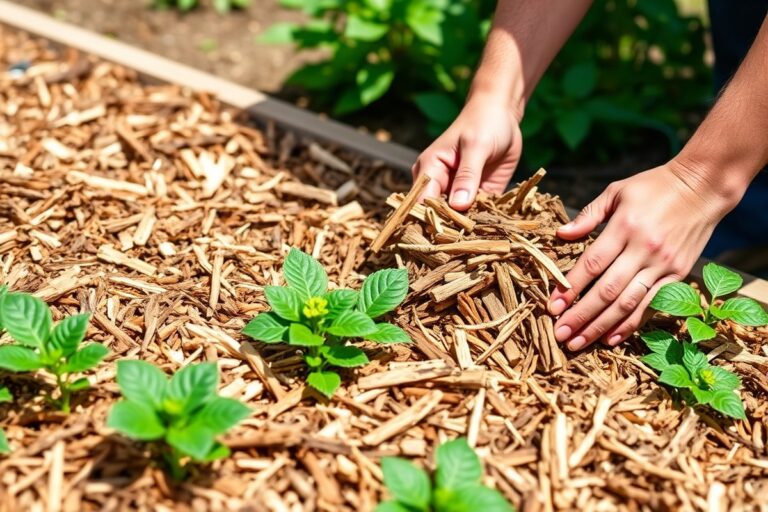
Water new plants regularly to keep soil moist but not soggy. Avoid overwatering which causes crown rot. Apply mulch around plants to conserve moisture and keep soil temperature stable during root growth.
Hold off on fertilizing right away. Wait until new shoots develop, usually 3, 4 weeks after planting.
Avoid disturbing roots during the first growing season. Check plants weekly for signs of stress or disease, especially rot on roots and crowns.
5. Optimal Growing Conditions for Propagation Success
Echinacea root and seed growth need soil that drains well but holds moisture. A compost-amended soil works best, yet Echinacea tolerates poorer soils better than many plants.
Test your soil’s pH. Aim for a range close to 6.0 to 7.0 for the best results.
These plants thrive in full sun. So pick a spot that gets at least six hours of light daily. Bright, direct sunlight speeds up rooting and germination by keeping soil warm enough.
Temperatures should be 65 to 75 degrees Fahrenheit. That means 18 to 24 degrees Celsius. These temps help seeds sprout and cuttings root well.
Keep the soil moist but not soaked, especially during the first few weeks. Check the top 1 to 2 centimeters of soil every couple of days.
Water lightly if it feels dry. Avoid overwatering since soggy soil can cause root rot and stunt your plants.
Only fertilize young Echinacea once they show steady new growth. This usually happens 3 to 4 weeks after transplanting. Wait until they have true leaves.
Use a balanced fertilizer at a modest strength following package instructions. Yellowing or stunted leaves may mean you need a soil test to adjust nutrients.
Mulching around young plants helps keep soil moisture steady and controls weeds without extra work.
Avoid overly rich soil because too much nitrogen makes plants floppy and reduces blooms. For divisions, pick early spring or early fall when the soil is warm.
But the air is cooler. This timing gives your plants the whole growing season to establish themselves.
Rooting can take two to four weeks. Success rates hover around 80 percent over two months.
Give young plants room and water carefully to avoid stress. Keeping these conditions steady encourages healthy growth and earlier flowering.
6. Common Propagation Mistakes and How to Fix Them
Overwatering is one of the main reasons Echinacea propagation fails. Echinacea hates soggy roots, which cause rot and damping off.
Use well-drained soil and water only when the top inch dries out. Using pots with drainage holes also helps prevent soggy conditions that kill young cuttings or seedlings.
Timing mistakes reduce your success rate. Cuttings taken too early or too late may not root well. Take stem cuttings when plants grow but don’t bloom.
This is usually late spring or early summer. For seed propagation, sow after proper stratification to boost germination.
Poor cutting selection is another common problem. Use healthy, disease-free stems with one or two leaves trimmed to reduce moisture loss.
Dipping the cut end in rooting hormone powder speeds up root development. Avoid woody or overly soft stems, as they root poorly.
- Water only when the soil surface is dry to avoid rot.
- Choose firm, healthy stem cuttings with trimmed leaves.
- Use rooting hormone to improve root growth.
- Plant cuttings in well-drained, airy soil mix like compost with perlite.
- Take cuttings in late spring or early summer for best results.
- Use pots with drainage holes or raised beds for good drainage.
- Remove any cuttings that show rot promptly to prevent spread.
Notice rot or damping off? Stop watering and open up airflow quick. Shift plants to a brighter, cooler spot to reduce humidity.
Cut affected parts away with sterilized scissors. For poor roots, give cuttings more indirect light.
Don’t overfeed with fertilizer yet. Wait until roots appear.
When you divide clumps, be gentle to avoid damaging the taproot. Avoid pushing divisions into heavy or poorly drained soil. Mixing in aged organic matter improves soil texture and drainage, lowering root rot chances.
Watch for wilting or yellow leaves. Change water and light to help plants recover.
7. Storage and Handling of Seeds and Propagules for Best Viability
Echinacea seeds stay good for several years but work best under one year. Keep seeds dry and store them in airtight containers like glass jars or sealed plastic bags. Label the container with the date and variety to track freshness easily.
Store seed containers in a cool, dark place where temperatures stay around 40°F to 50°F. A refrigerator’s crisper drawer works well and helps keep seeds dormant. Avoid places with fluctuating temperatures or moisture because these shorten seed life.
Cuttings and divided plants should stay moist but not wet during storage. Wrap cuttings loosely in damp paper towels. Then put them in plastic bags.
Make sure the bags have some air holes. Store the bag in a cool spot.
Aim for around 50°F to keep cuttings fresh. This prevents drying out and avoids rot.
Use divided plants soon after separating to ensure roots stay healthy. Some divisions can last a couple of days in cool storage.
But they root better if you replant them fast. Water the divided root ball lightly before storing to keep it hydrated.
Seeds often need cold stratification for about 30 days before planting. Store fresh seeds in the fridge while stratifying. After that, plant them within a few weeks for best germination.
Check seeds and cuttings regularly for signs of mold or drying. Mold means the storage is too moist, so improve air circulation next time. Dry seeds or shriveled cuttings usually won’t sprout or root well.
Following these storage steps keeps your echinacea seeds and propagules healthy for planting. The effort pays off with stronger plants and better garden success over time.
8. Adapting Propagated Echinacea to Outdoor Conditions
Propagated Echinacea plants need gentle introduction to outdoor conditions. Sudden exposure to full sun and wind can stress or damage them. You want to give these plants time to adjust before planting them into your garden.
Start by setting a schedule for hardening off. This means moving the plants from indoor or protected spots outside gradually.
Watch for healthy growth signs like firm stems and deeper leaf color. These show they’re ready to get used to harsher outdoor conditions.
- Begin by placing your plants outside in a shaded, sheltered spot for 2 hours a day. Do this for 3-4 days.
- Increase their outdoor time by 1-2 hours daily and expose them to morning sun only. Avoid afternoons at first.
- After 7-10 days, let plants stay outside all day but still offer afternoon shade.
- Water plants daily or when soil feels dry to the touch. Newly propagated plants need consistent moisture.
- Space plants 12 to 18 inches apart to ensure enough growing room once transplanted.
- Choose a partly sunny spot with well-draining soil for transplanting your echinacea.
- Transplant on a cool, cloudy day or late afternoon to lower transplant shock risks.
- Protect young plants from pests and strong winds with garden netting or low fencing if needed.
Check leaves for fading or wilting during hardening off. If you see bleaching or scorch marks, slow the process. Let the plants recover a few days in shade before continuing.
Move plants gradually to prevent shock and avoid planting outside if temperatures dip below 50°F.
Step-by-Step Action Plan for Propagating Echinacea
Follow these simple steps to get your Echinacea propagation started right. Watch for clear signs that each step worked before moving on.
- Before you start: Choose healthy parent plants with strong stems or seeds ready for harvest. Check plants are free of disease or pests.
- Day 1: Harvest seeds from mature flower heads. Cut 4-6 inch soft tips from new growth. Look for plump, dark seeds or green, flexible stems.
- Week 1: Stratify seeds by placing them in moist paper towels inside a sealed bag. Keep them in the fridge for 30 days to improve germination.
- After stratification: Sow seeds in seed-starting mix, cover lightly, and keep moist indoors at 70°F. Seedlings should appear in 10-20 days.
- Week 2: Trim lower leaves from stem cuttings. Dip cut ends in rooting hormone. Plant them in moist, well-draining soil. New roots develop in 2-3 weeks.
- Early spring or fall: Divide clumps by digging up established plants and splitting roots evenly. Healthy divisions have roots and shoots.
- After rooting or division: Move new plants outdoors gradually for 1-2 weeks. Increase their sun and airflow each day. Look for signs of growth and no wilting.
- Ongoing care: Keep soil moist but not wet, and watch for pests. Strong, green growth means your plants are thriving.
Frequently Asked Questions
Can I Propagate Echinacea from Cuttings?
Yes, you can propagate Echinacea from basal stem cuttings. Cuttings root best between 68°F and 77°F. Keep them warm. Make sure the soil stays moist until roots grow.
Why Avoid Echinacea?
Avoid planting Echinacea where it crowds smaller plants because it grows tall and wide. Overcrowding reduces airflow, which may lead to diseases in tight spaces.
Do Coneflowers Multiply on Their Own?
Coneflowers can multiply naturally by self-seeding and spreading from roots. They spread slowly but will fill out a garden bed after a few seasons.
How Do You Get Seeds from Echinacea?
You harvest seeds by letting flower heads dry on the plant, then shake them off. Each flower can produce 500 or more seeds, so save plenty for planting.
How Do I Propagate Echinacea Using Root Cuttings?
Root cuttings let you clone plants without risking damage from division. Cut thick roots in early spring, plant them in soil, and keep moist until shoots appear.
Can Echinacea Seeds Germinate in Low Light?
No, Echinacea seeds need light to germinate well, so don’t cover them deeply. Keep the seed surface near light and moist for better sprouting results.
Key Points to Remember
Success in propagating Echinacea comes from careful timing and attention. Start with one method and adjust based on your results. Now, pick a propagation method and prepare your seeds or cuttings today.