Can You Use Grass Cuttings as Mulch? Complete Guide for Healthy Gardens
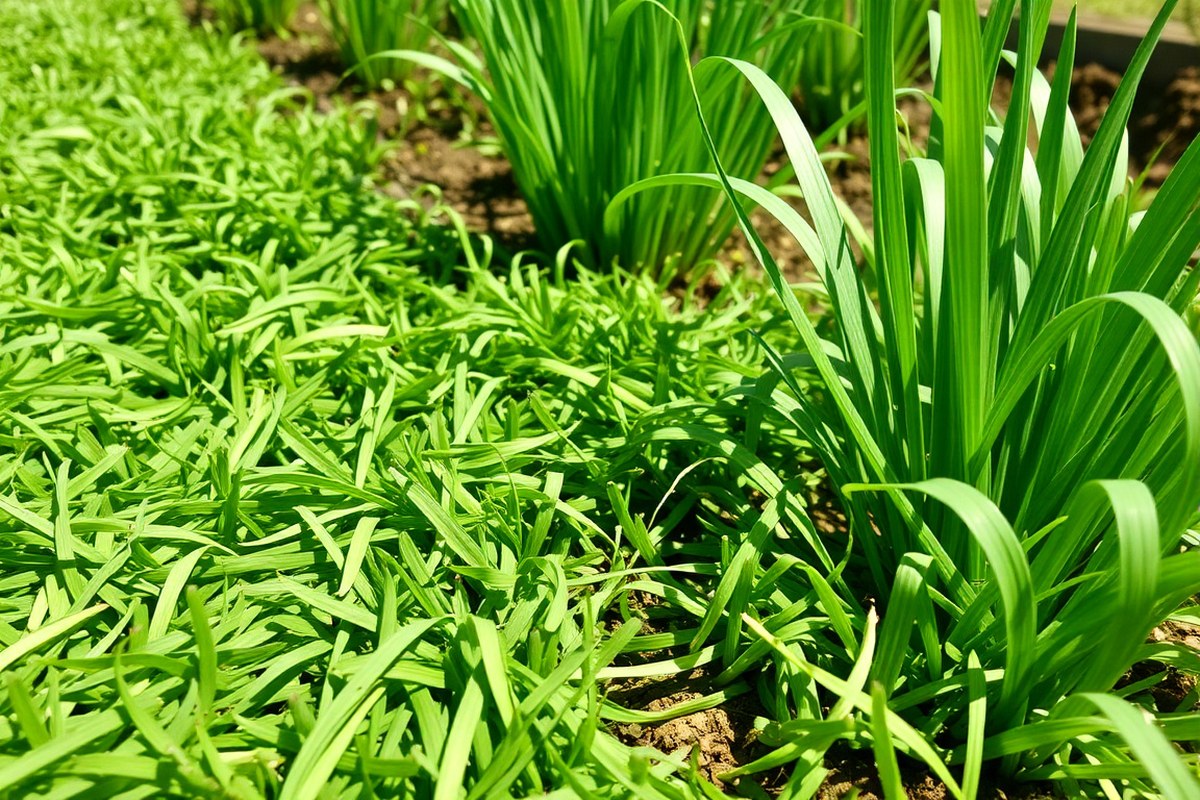
Yes, you can use fresh grass clippings as mulch in your garden. They help keep soil cool and moist while returning some nutrients. Apply a thin layer only to prevent matting and bad odors.
Grass clippings contain nitrogen, which feeds your plants as they break down. Spread them about 1 to 2 inches thick around vegetables or flower beds. Let clippings dry a little first to avoid clumps.
Lay clippings on a tarp if possible to spread them evenly. Using grass clippings is an easy, cost-free way to mulch and enrich your soil. Keep the layer modest to maintain air flow and avoid pests.
Mix clippings with dry mulches like straw or wood chips to prevent matting and mold. This combination improves the mulch’s effect and keeps your garden healthy.
Key Takeaways
- Apply grass clippings as mulch in 1 to 2 inch thick layers for best results.
- Let grass clippings dry for 24 hours before spreading to avoid clumping.
- Mix one-third grass clippings with two-thirds straw, hay, or tree mulch.
- Grass clippings recycle nitrogen, potassium, and phosphorus back into the soil.
- Use a thin initial layer of clippings, then top with bark mulch if desired.
- Spread clippings on vegetable beds mixed with other organic mulch for balance.
Is It Safe and Effective to Use Grass Cuttings as Mulch?
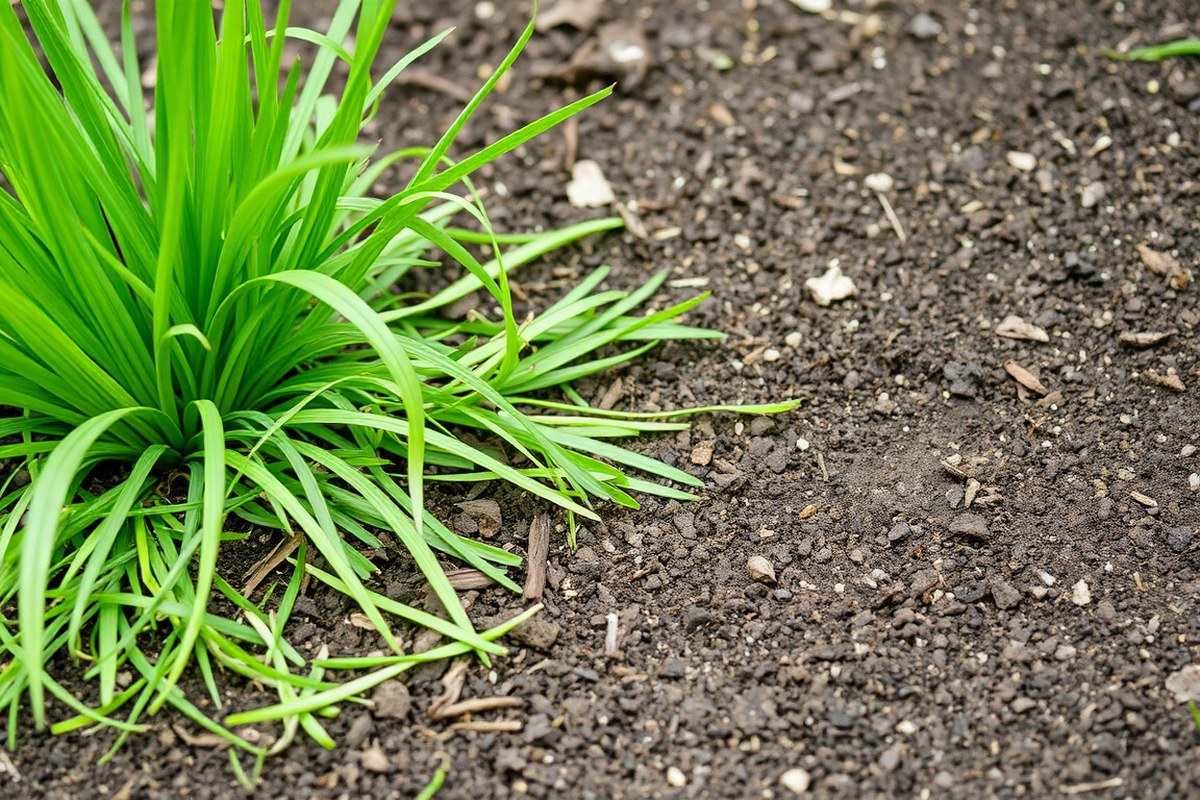
Yes, you can use fresh grass cuttings as mulch in your garden. Spread clippings in a 1 to 3 inch thick layer.
This helps keep soil moist and cool all summer. Avoid piling too thick to prevent bad odors or mold from developing under the mulch.
For vegetable beds, mix grass cuttings with two parts chopped straw, hay, or sugarcane mulch. This mix improves airflow and reduces problems with clumping or matting.
It slows down nitrogen breaking down in clippings. This supplies steady nutrients to your plants.
Before spreading fresh grass clippings, check for herbicide use on your lawn. Some chemicals can harm vegetable or flower growth. Use only clippings from untreated lawns or wait several weeks after herbicide application to be safe.
Grass cuttings work fine on flower beds too, adding nutrients to soil. Keep the layer thin enough so the clippings don’t smother your plants or look messy. Mixing them with bark mulch also helps improve the appearance.
Watch plants after applying grass mulch for signs of pests or disease. Remove some clippings and increase air flow if you see problems.
Fresh grass mulch breaks down fast. So reapply it as needed throughout the growing season.
Grass clipping mulch is free and nitrogen-rich, offering solid benefits with proper use. Follow these steps: collect untreated clippings first. Mix with straw or bark if needed.
Then spread a thin, even layer. That way, your soil stays healthy without extra cost or fuss.
Key Benefits of Using Grass Clippings as Mulch in Gardens
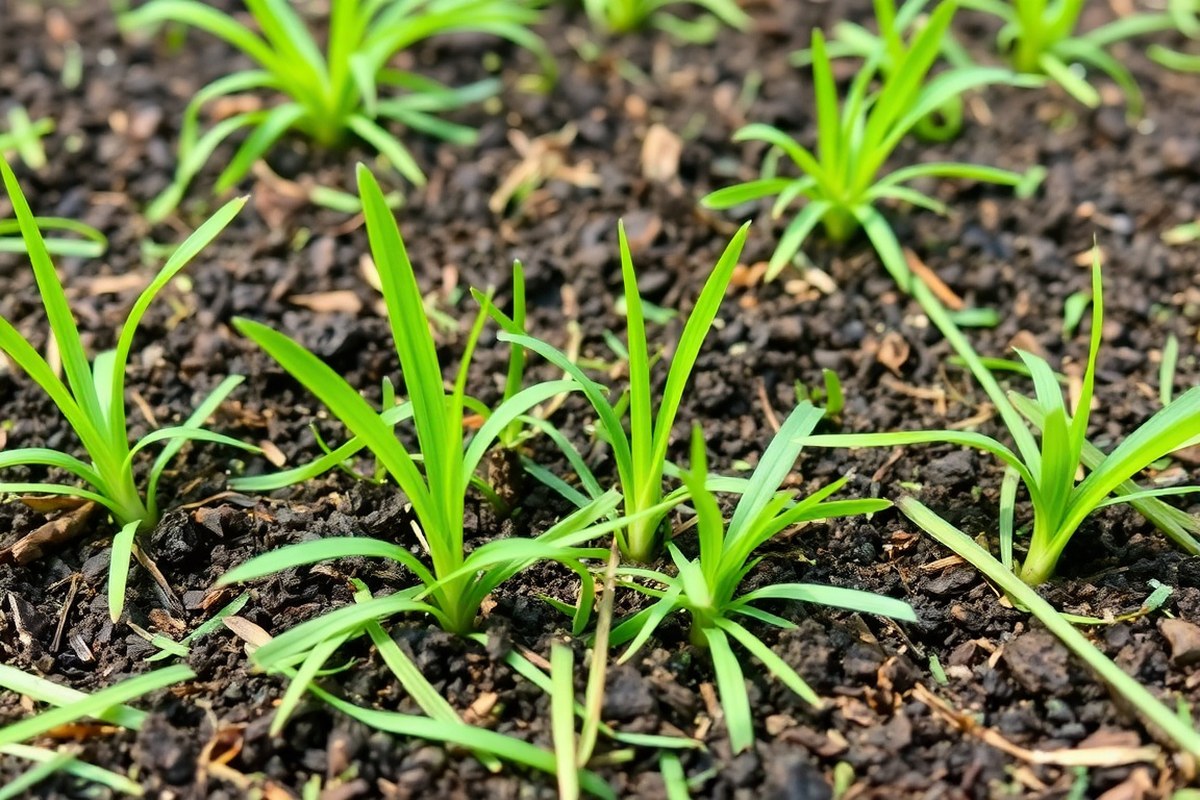
Using grass clippings as mulch offers several garden benefits. They help keep soil moist, add nutrients, and suppress some weeds. These effects can improve your vegetable garden’s health and growth.
How Grass Clippings Hold Soil Moisture
Grass clippings absorb water well and form a layer that cuts evaporation. This reduces how often you need to water your vegetable beds. A 2- to 3-inch thick mulch layer can keep soil moist during dry spells.
Apply freshly cut clippings that are spread thinly to avoid mats that block airflow. Mulch that stays loose lets water and oxygen reach roots better. You’ll notice soil stays damp longer and plants look less stressed.
Adding Nutrients Back into the Soil
Grass clippings contain high nitrogen, a key nutrient for veggies. As clippings break down in 4 to 8 weeks, they feed soil microbes and plants. This natural fertilizer can reduce how much you buy or use store-bought fertilizer.
Mix clippings with dry brown materials, like straw or dry leaves, in a 1:2 ratio. This mix slows decomposition and keeps nutrient release steady. Using only grass clippings often leads to fast breakdown, needing constant reapplication.
Suppressing Weeds with a Mulch Layer
A grass clipping mulch helps block weed seeds from sprouting by covering soil. Though this weed control lasts only a few weeks, it reduces the effort you spend weeding. Thicker layers work better but risk matting and poor airflow.
Refresh the mulch every month or so to maintain coverage and keep weeds down. Avoid piling clippings too thick because that invites fungus. Keep the layer fluffy by mixing with coarse materials if possible.
Managing Soil Temperature and Garden Health
Grass clippings help moderate soil temperature by shading roots. This can protect young plants during hot days and cold nights. Mulch layers also prevent soil crusting that stops water infiltration.
Look for signs of overheating like wilting leaves or mulch smell. Light layers work well in warm weather but heavy coverage suits cooler seasons. Adjust the amount based on your region’s climate.
Apply grass clippings mulch in thin layers and mix with dry material to avoid mats. This keeps moisture in and stops bad smells or fungus growth.
Potential Drawbacks and Risks of Mulching with Grass Clippings
Using grass cuttings as mulch can cause problems if you layer them too thickly. Thick layers trap moisture and block air. This creates soggy, low-oxygen spots.
These spots cause bad smells and mold to grow. Wet, dense mulch stops water and oxygen from reaching soil.
This harms plant roots. It also slows plant growth.
Grass clippings often carry a high nitrogen content, which breaks down fast but needs balance. Clippings rot if not mixed with dry, carbon-rich materials. Use straw or dry leaves to prevent this.
Proper mixing aids composting. Spread fresh clippings no thicker than ¼ inch.
Or mix one-third clippings with two-thirds dry mulch. This avoids rot and bad smells.
Herbicide residues are a big risk when using grass cuttings from treated lawns. Chemicals like clopyralid can persist in the clippings and damage your garden plants, sometimes killing them. Avoid clippings from lawns with herbicides or pesticides.
Only use if product is safe and fully broken down. Otherwise, don’t use them at all.
Pests and diseases can hitch a ride in grass mulch. Cuttings might carry fungal spores, grubs, or other bugs that later spread to your garden plants.
To reduce pest risks, use dry clippings and remove any visible signs of disease before mulching. Turning clippings into compost before use also lowers the chance of pests surviving.
Grass clipping mulch can blow away in strong winds. It needs to be dense or held down by heavier mulch. Otherwise, it won’t stay put.
You can prevent this by applying thin layers and topping grass mulch with bark or straw. Adding a top layer helps keep moisture in.
It also reduces sun and drying wind exposure. This makes mulch work better.
How to Properly Apply Grass Clippings Mulch for Best Results
Apply grass clippings mulch in thin layers of 1 to 2 inches. Dry them first to prevent slime and compacting. Mix clippings with other mulch materials for better soil and plant health.
Drying and Preparing Grass Clippings
Spread fresh grass clippings in a thin layer outside to dry. Let them sit under the sun until they turn light yellowish brown. Drying stops the clippings from compacting and becoming slimy.
Check the clippings for weed seeds or roots before using. Remove any debris, which could introduce unwanted plants to your garden. Using clean, dry clippings keeps your mulch healthy and safe.
Applying Thin Layers Correctly
Keep the grass clipping layer no thicker than 3 to 5 cm (1 to 2 inches). Thin layers allow air to flow and prevent rotting or slime mats forming. Applying too thick a layer can suffocate the soil and plants.
It’s better to spread clippings often than one thick layer sometimes. This “thin and frequent” method protects soil and stabilizes moisture.
After applying, check if the layer looks mat-like or soggy. If so, remove and reapply thinner.
Mixing Clippings with Brown Mulch Materials
Combine clippings with dry brown mulch like fallen leaves or straw. This balance of green and brown keeps mulch breathable and healthy. The brown materials help wick moisture and reduce odors from fresh grass.
Avoid mixing fresh clippings thickly into bark or wood chips. Instead, apply clippings as a separate thin layer beneath the bark. This prevents wet clippings from compacting under heavier mulch.
Layering Techniques to Avoid Problems
Start with a thin base layer of dry clippings on soil around your plants. Add a thin layer of brown mulch on top to improve air flow and appearance. Keep clippings separate from heavier mulch layers to avoid slime and matting.
Check your mulch every week for compacting or any mold growth. Rake or fluff the mulch lightly if it feels dense or wet. This helps maintain aeration and stops the mulch from sealing off oxygen.
Follow these steps for better grass clipping mulch application:
- Spread clippings out thinly in the sun to dry completely.
- Remove debris or weeds before applying clippings to garden beds.
- Apply a 1 to 2 inch thin layer of dry clippings over soil.
- Place a thin layer of brown mulch like leaves or straw on top.
- Check mulch weekly for compaction or slime and fluff if needed.
- Add more thin clipping layers frequently rather than one thick layer.
- Keep fresh clippings separate from bark or wood-chip mulches.
Which Garden Areas and Plants Benefit Most from Grass Clipping Mulch?
Grass clippings work best in spots where their nitrogen-rich content benefits plants without causing problems. Vegetable beds benefit from grass clippings. Mulch feeds soil microbes.
It also helps stop weeds between rows. Around fruit bushes, clippings give a mild nitrogen boost.
Raspberries, currants, and gooseberries grow more leaves. They also set more fruit.
Ornamental flower beds and areas under trees are not great for grass clippings. The mulch decomposes fast, looks untidy, and can draw slugs that munch on tender plants.
Around trees, the heat from decomposition can harm bark. Also, paths get slippery and unsafe when grass clippings sit on them.
| Location | Suitability | Why |
|---|---|---|
| Vegetable rows | Excellent | Free, feeds soil, suppresses annual weeds between crops |
| Under fruit bushes | Good | Nitrogen boost for raspberries, currants, and gooseberries |
| Compost activator | Excellent | High nitrogen helps compost mix break down faster |
| Ornamental borders | Poor | Looks messy, decomposes too fast, attracts slugs |
| Around trees | Poor | Decomposition heat can harm tree bark. Avoid this by using bark mulch instead. Bark mulch stays cooler and protects plants better. |
| Paths | Poor | Slippery and unsafe surface when wet |
Spread a thin 1-3 inch layer of grass clippings mulch. Use it in vegetable gardens or near fruit bushes. Thin layers work best.
Keep clippings off the plant stems to avoid moisture buildup or fungal issues. Mix grass clippings with dry, brown mulch like shredded leaves.
This balances moisture and carbon well. It helps the mulch break down faster.
Grass clippings feed your lawn if left finely chopped after mowing. They act as natural mulch to keep moisture in. This method saves time and fertilizer.
This returns nutrients and reduces the need for extra fertilizer. Avoid mulching if you treatments for herbicides or pesticides were used on the grass.
Don’t pile grass clippings too thick or near plant stems. Thick piles cause rot and invite pests. Keep layers light and away from stems.
How Grass Clippings Compare to Other Organic Mulches
Grass clippings mulch breaks down faster than bark chips or straw, adding nutrients quickly. Bark chips last longer but don’t release nutrients as fast.
Straw mulch controls weeds well and is light. Compost boosts soil health but may not suppress weeds as effectively.
Grass clippings break down fast in just 1 to 2 weeks. They need to be spread thinly and kept dry. That helps them decompose quicker than other mulches.
Bark chips can take several months to over a year. Straw lasts a few months before breaking down. Compost varies depending on the mix but generally lasts a season or less.
Grass clippings return nitrogen to soil fast because they’re high in nitrogen. Bark chips and straw are mainly carbon-rich and slow to break down. Compost provides a balanced nutrient mix but needs time and effort to prepare.
| Mulch Type | Weed Control | Soil Benefit | Decomposition Speed |
|---|---|---|---|
| Grass Clippings | Moderate; must apply thinly to avoid matting | High; adds nitrogen quickly | 1, 2 weeks if dry and thin |
| Bark Chips | High; thick layer blocks weeds | Low; slow nutrient release | 6 months to 1+ year |
| Straw | High; light but effective barrier | Low to moderate; mostly carbon | 2, 3 months |
| Compost | Low to moderate; depends on source | Very high; balanced nutrients | Varies; often less than 1 season |
Grass clippings suit vegetable gardens or areas needing quick nutrient boosts. Bark chips and straw fit flower beds or paths where weed control lasts longer. Compost works well when soil improvement is the main goal rather than weed suppression.
You can mix grass clippings with bark chips to reduce bugs and matting. Also, drying clippings before mulching stops them from clumping and smelling bad. Mix grass clippings with dried leaves or straw before composting.
Use one part grass clippings to two parts leaves or straw. This mix creates balanced nutrition for your compost.
Common Problems Using Grass Clippings and How to Fix Them
Grass clippings often form slimy mats when laid down too thickly while still wet. This traps moisture under the layers, cutting off airflow and causing mold or rot. To fix this, spread clippings in thinner layers, about 1 inch thick at most.
Moisture control is key to avoiding smell and mold. Let fresh clippings dry in the sun for a few hours before spreading. Dry clippings break down more slowly and resist slimy buildup.
When you spot mold, rake the mulch lightly to loosen it. This helps improve airflow around the mulch.
Grass mulch can smell bad when it decomposes without enough air. A sour or ammonia-like odor usually signals too much moisture or thick layers. Turning the mulch once a week lets air reach the soil.
Fluffing the mulch stops bad smells from building up. Good airflow keeps things fresh.
Pests like slugs, ants, and even rodents sometimes hang around wet, thick grass mulch. Avoid pest problems by keeping the mulch layer thin.
Also, pull back mulch a few inches away from plant stems to reduce hiding spots. Clean up any grass build-up near structures or compost piles close by.
- Spread clippings in thin, 1-inch layers to prevent compacting
- Dry clippings fully in sun before applying
- Rake or fluff mulch weekly to improve airflow
- Pull mulch back from plant stems to deter pests
- Remove any thick grass piles that stay damp for long
Changes like drying and thinning take only a few minutes but make a big difference. Watch your mulch closely during hot, humid spells when rot and pests get worse. Adjusting moisture and airflow regularly keeps your grass clippings working well as mulch without problems.
When and How to Supplement Grass Clippings with Other Mulches
Use grass clippings as mulch by mixing them with brown materials to balance nutrients. Aim for a ratio that keeps carbon and nitrogen in check to prevent odor and compaction. Add fresh clippings in thin layers and replenish every few weeks for healthy mulch.
Ideal Brown Mulch Materials
Mix grass clippings with dry, high-carbon brown materials like shredded leaves or straw. These help air flow and reduce the chance of grass matting into a soggy layer. Wood chips or pine needles also work well when combined with fresh clippings.
Using brown materials slows nitrogen release and prevents clumping. Avoid using materials that stay wet or dense, such as fresh wood chips alone.
Recommended Mixing Ratios
A good rule is to mix three parts brown material to one part grass clippings. Use volume to measure them. This balance helps keep your compost healthy and balanced.
This ratio balances the nitrogen-rich grass (about 4 percent N) with enough carbon to support microbes. You can adjust to two parts brown if your grass is thin and dry.
When starting a new mulch layer, apply the mixture in 1 to 2 inch layers. Apply thin layers of fresh grass clippings every 7 to 14 days to avoid heavy buildup. This keeps the mulch breathable and prevents smelly, compact layers.
Frequency and Timing for Reapplication
Apply or replenish your mulch every two to four weeks during the growing season. Grass clippings break down fast, so timely replenishment keeps nutrients flowing to plants. Avoid piling grass clippings too thick in hot, wet weather to reduce fungus risks.
When you have a lot of clippings or want slow decomposition, compost them. This method handles the volume well and slows breakdown.
Composting first prevents nitrogen loss and kills weed seeds, making a safer mulch later. Use fresh clippings directly only when you can manage layering and mixing well.
Spread grass clippings in a thin layer. Always cover them with dry brown mulch. This prevents odors and mold from forming.
Step-by-Step Action Plan for Using Grass Cuttings as Mulch
Follow this plan to safely use grass clippings as mulch and boost your garden’s health. Each step will show you when to act and how to check your progress.
- Before you start: Collect dry grass clippings that are free from weed seeds and chemicals. Check by inspecting the clippings and confirming no herbicides were used recently on your lawn.
- Day 1: Spread a thin layer (about 1 inch) of grass clippings around your plants. Look for uniform coverage without thick piles that could block air or light.
- Week 1: Check the mulch to see if it’s slimy. Watch for matting or wet spots. Keep it loose and crumbly. Fluff lightly with your hand if it starts to mat.
- After 2 weeks: Check soil moisture under the mulch. It should feel moist but not soggy, which means the mulch is retaining water well.
- Month 1: Add a thin layer if mulch breaks down. Replace parts washed away by rain. Keep mulch covering the soil. This keeps the mulch fresh and effective.
- Every 6 weeks: Add shredded leaves or straw to mulch. Mix them in to even out nutrients. This keeps soil healthy and mulch loose. Notice improved soil health and less weed germination.
- Seasonal review: Before winter, clear old clippings to avoid mold buildup. Replace with a fresh layer in spring to protect tender plants.
Frequently Asked Questions
Can Fresh Grass Cuttings Cause Thatch Build-Up in Lawns When Used as Mulch?
Yes, fresh clippings left thick can cause thatch build-up. Use no more than 1-2 inches and mix with other mulches to avoid this problem.
Can Using Grass Cuttings Attract Pests or Insects to the Garden?
Grass clippings can attract pests if left wet or piled. Spread thin and dry them first to reduce pest issues.
Will Grass Cuttings as Mulch Smother Young Seedlings or Small Plants?
Thick layers of grass clippings can smother seedlings. Apply thin layers and avoid covering very young plants directly.
Do Grass Clippings Mulch Improve Soil Structure over Time?
Grass clippings break down quickly, adding nitrogen and organic matter. They help soil but don’t build structure long term like woody mulches.
Can I Use Grass Cuttings Around Fruit Trees as Mulch?
Yes, grass clippings can work well around fruit trees if applied in thin layers. Mixing with bark mulch improves moisture retention.
How Long Does It Take for Grass Clippings Mulch to Decompose?
Grass clippings usually decompose within 4 to 8 weeks. Turn or refresh mulch during warm seasons for best results.
Before You Go
Grass cuttings work well as mulch when used carefully and in thin layers. Start with dry, chemical-free clippings and watch your soil moisture closely. Try this on a small garden patch today to see the benefits firsthand.