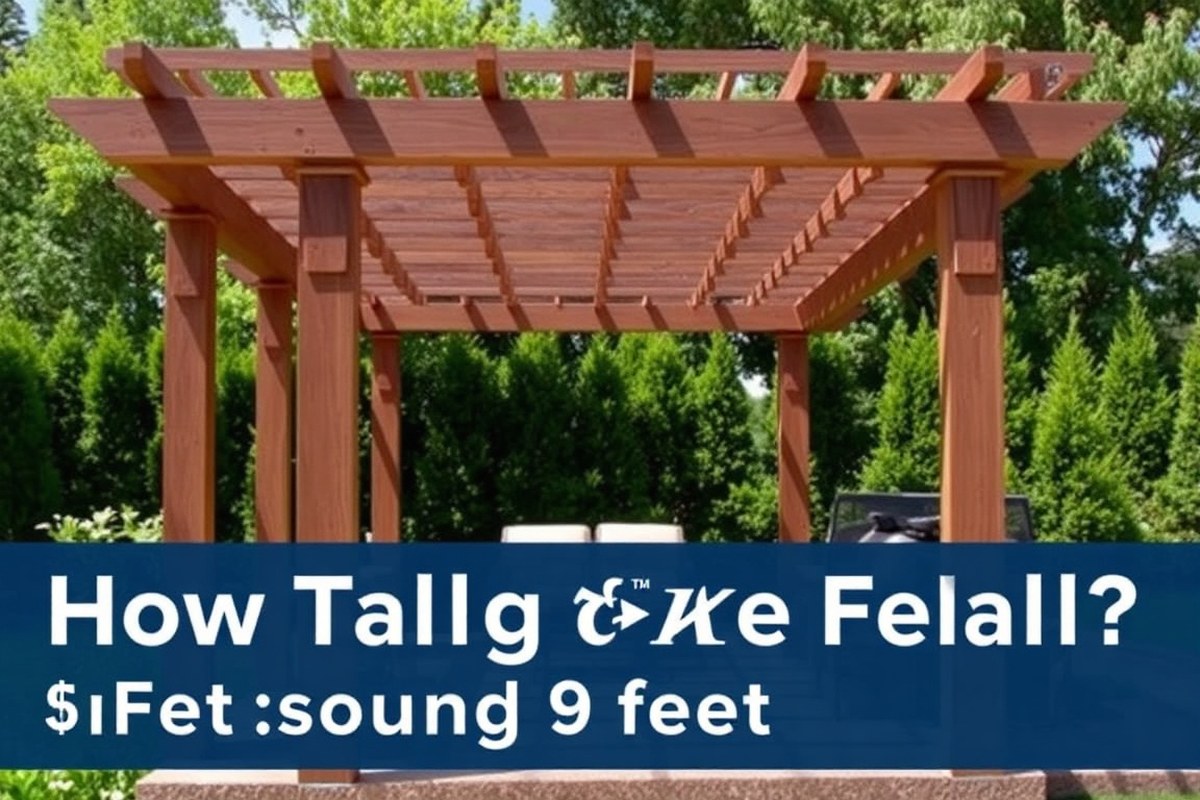
How Tall Are Pergolas? A Complete Guide to Choosing the Perfect Height
Wondering how tall are pergolas? Most stand between 8 and 12 feet tall.
The sweet spot for comfort and style usually falls around 9 to 10 feet. This height lets you move freely underneath without feeling crowded or too open.
Freestanding pergolas often measure 8 to 10 feet tall at the posts. Attached pergolas might be a bit shorter on the house side, especially for single-story homes. Always consider your house height before picking your pergola’s height to keep the proportions right.
Keep in mind that very tall pergolas over 12 feet can feel cavernous. They might lose the cozy vibe you want outdoors. Start by measuring your space and checking your local building codes before setting a final height.
Key Takeaways
- Most residential pergolas range in height from 8 to 12 feet for balance.
- Freestanding pergolas typically rise about 9 feet at the posts.
- Choose 8 to 10 feet tall pergolas for single-story houses to match scale.
- Two-story homes can handle taller pergolas between 10 and 12 feet.
- Keep pergolas under 12 feet to maintain a cozy outdoor feel.
- Use 6×6 posts for pergolas up to about 10 feet tall safely.
Typical Height Ranges for Pergolas
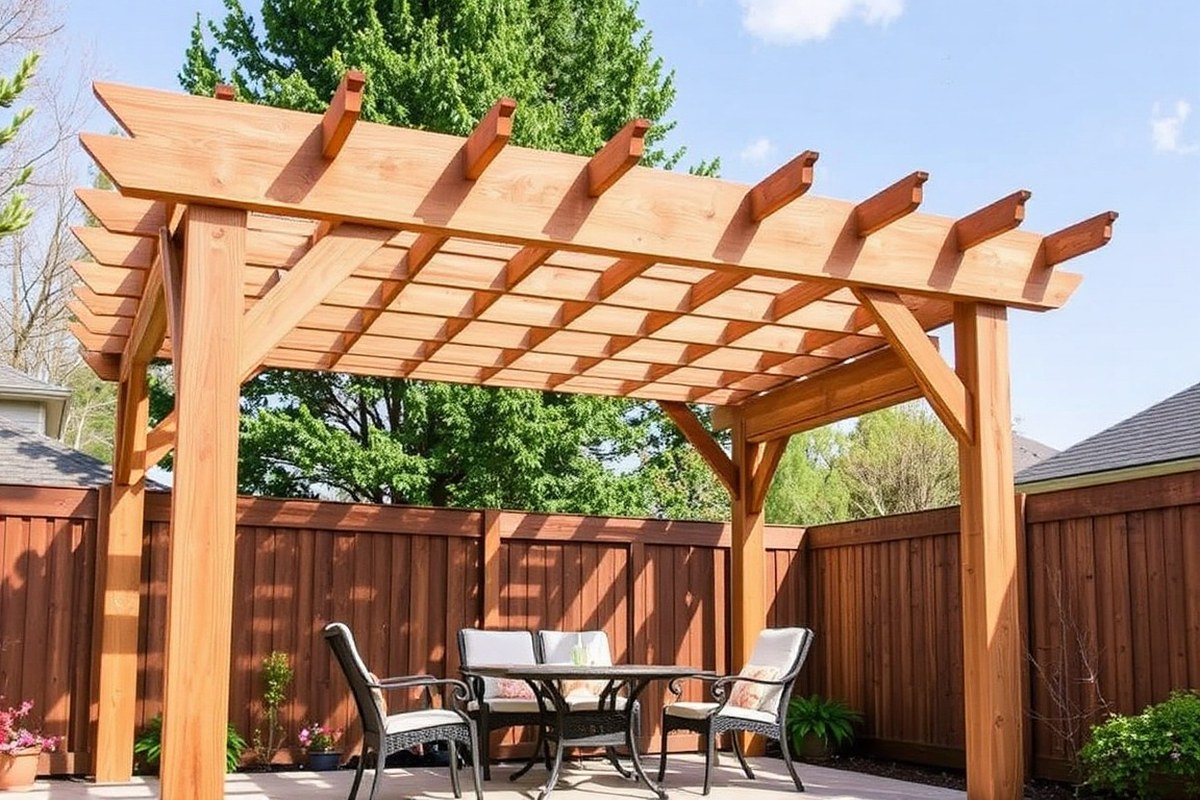
Most pergolas stand between 8 and 12 feet tall from the ground. The typical height is about 10 feet, blending comfort and good looks. This size lets you walk under easily without feeling crowded or small.
To measure pergola height, find the distance from the ground up. Stop at the lowest horizontal beam beneath the structure. This is the key height to know.
Garden pergolas often stand 8 to 9 feet tall to hold climbing plants. This height keeps the look balanced and pleasant to see. It fits well with most garden designs.
Patio and deck pergolas usually reach 9 to 10 feet in height. This gives enough room for furniture and matches many indoor ceilings. It makes your outdoor space feel open but not too tall.
A pergola under 7 feet tall can feel tight and uncomfortable. It may limit headroom and movement under your structure.5 feet, it will feel cramped and may block natural movement around it. Pergolas taller than 12 feet may feel too large and lose a cozy vibe.
They can overwhelm smaller backyards or seem out of place. Keep size in mind for comfort and style. Most freestanding pergolas use post heights between 8 and 10 feet.
Nine feet is a common choose for good strength and looks. It balances sturdy support with pleasing proportions.
Differences Between Attached and Freestanding Pergolas
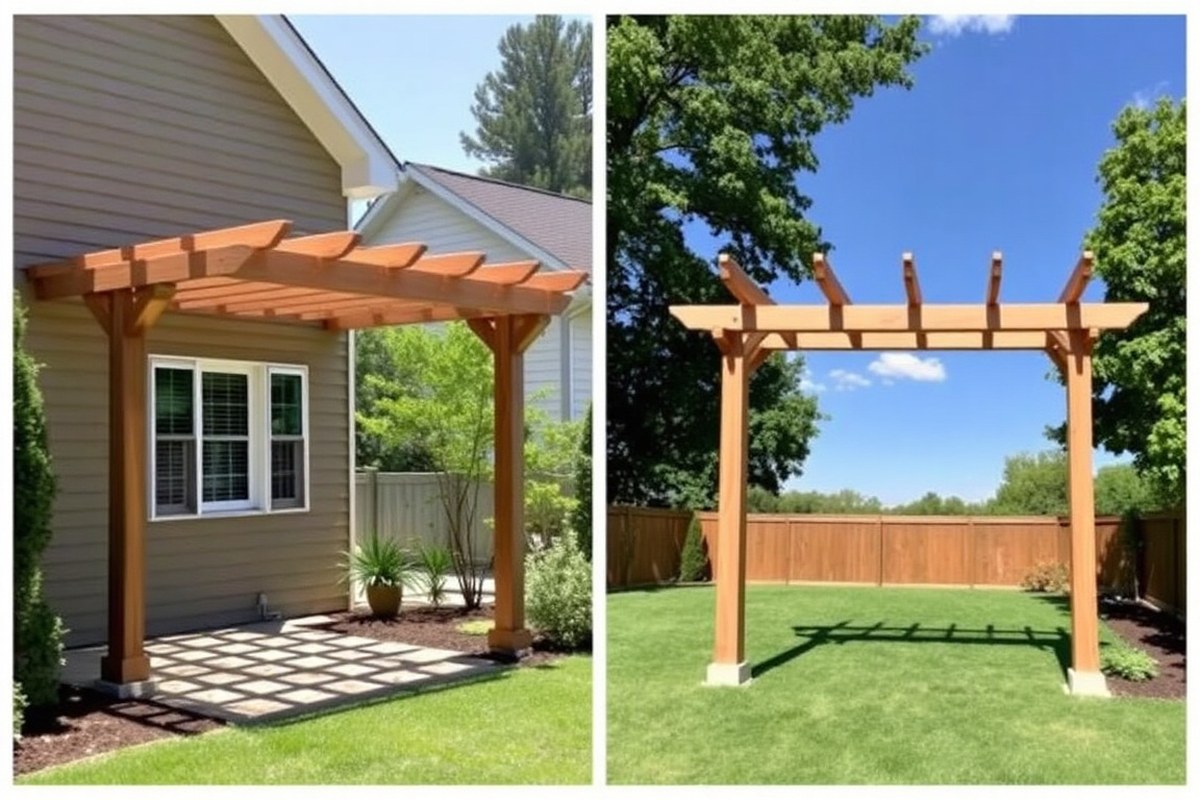
Attached and freestanding pergolas differ in height mainly due to their installation style. Attached pergolas must align with the house roofline, limiting their height options. Freestanding ones have more flexibility, often allowing taller structures to create a spacious feeling.
Standard Heights for Attached Pergolas
Attached pergolas usually stand between 8.5 and 10 feet tall. They need to match the underside of the house eaves or fascia for proper attachment. This height range keeps the pergola functional without interfering with doorways or windows.
Building codes usually limit attached pergolas to 8-10 feet tall. The exact limit depends on your location. Always check local rules before building.
These pergolas require careful measurement to ensure proper clearance and structural safety. Hire a licensed contractor if your pergola is taller than 10 feet.
Also get help if it connects to an existing roof. This keeps your project safe and legal.
Height Guidelines for Freestanding Pergolas
Freestanding pergolas typically stand 9 to 12 feet tall. Some go up to 16 feet for a larger look. Choose height based on your space and style.
Because they stand alone, they don’t have to follow house height restrictions. This permits taller beams and rafters and creates more open headroom.
Freestanding structures often include 1.5 to 3 feet of rafter overhang, increasing their visual width. Plan a taller pergola if you want ceiling fans installed. Add 12 to 18 extra inches for hanging plants or fan clearance.
This helps keep everything comfortable and safe. Aluminum and steel materials support taller posts, often beyond 14 feet.
| Pergola Type | Recommended Height |
|---|---|
| Attached Pergola | 8.5, 10 ft |
| Freestanding Pergola | 9, 12 ft |
| With Ceiling Fan | Min. 9 ft |
| Compact Design | 8.5, 9 ft |
These height guidelines help you pick safe and practical pergola sizes. They also impact the structure’s visual balance with your home and yard.
Pros and Cons of Height Choices by Type
Attached pergolas blend with your house, which means limited height flexibility. Their lower height can sometimes feel cramped if you use large fans or tall plants. However, this style usually costs less and needs simpler permits.
Freestanding pergolas offer more height for comfort and style. Taller structures make outdoor spaces feel more open and airy. On the downside, they require stronger materials and might be more expensive to build and maintain.
Tip: Measure your outdoor area before setting pergola height. Think about ceiling fans or plants too. This prevents adjustments later on.
How Local Building Codes Affect Pergola Height
Local building codes limit how tall pergolas can be. Taller ones often need a permit. Check your local rules before building.
Usually, freestanding pergolas have different height rules than those attached to a building. Always check your city or county codes before you build.
Permit Requirements for Tall Pergolas
Many towns require permits if a pergola is over 10 to 12 feet tall. Having a permit ensures your structure is safe and follows zoning rules. Getting a permit means you submit plans and pay fees.
Costs usually range from $100 to $500. The price depends on where you live.
Permits are often required for pergolas attached to your house. Attached pergolas often must match the building’s height and style, which local codes regulate closely. Freestanding pergolas usually face fewer permit rules but still must comply with height limits.
Maximum Height Limits by Location
Several places set a top limit for pergola height around 9.8 feet, or 3 meters. This maximum usually applies to freestanding pergolas placed near property lines.
Rules vary if your pergola sits far from property lines. Taller pergolas are often allowed in those spots.
Attached pergolas often have lower maximum heights because they must complement the existing building. A pergola attached to a single-story home won’t go above the roofline.
Roof heights usually range from 8 to 12 feet. These limits keep your pergola looking balanced and prevent safety hazards.
Legal Differences Between Attached and Freestanding Pergolas
Attached pergolas generally face stricter rules because they connect to an existing structure. They often need to meet building codes that apply to home additions. Besides height, these codes cover things like roof pitch, materials, and safety requirements.
Freestanding pergolas are treated as standalone structures. The focus here is just on size and placement within your yard.
Zoning and HOA rules set the max height of pergolas. They also control how close you build to property lines.
How to Verify Local Pergola Regulations
Start by visiting your city or county building department’s website. Search for rules on pergolas, gazebos, or garden structures. Many places post details on permits, height limits, and setback requirements.
You can also call the building department to ask directly about pergolas. Tell your local officials the pergola’s size and if it will attach to your home.
Also share where you plan to place it. This helps you get specific guidance tailored to your project.
Homeowners with an HOA should check its covenants before starting. HOAs often have separate height and style limits for pergolas. Getting approval from them is usually required before applying for a permit.
Factors Influencing the Ideal Pergola Height
Climate plays a big role in choosing pergola height. In hot regions, higher pergolas help air flow better. Aim for 10 to 12 feet tall.
This height reduces heat under the shade. Cooler areas don’t need high pergolas for airflow.
Heights of 8 to 9 feet work well. More sun can also be welcome there.
Airflow and shade depend on clearance under the pergola. You need enough height for comfortable movement and air circulation. A minimum of 8 feet is common for walkways.
Dining areas benefit from 9 to 10 feet. Taller pergolas support better ventilation, which is important if you plan fans or hanging lights overhead.
Furniture size impacts how tall your pergola should be. For example, outdoor dining sets usually work well under an 8 to 10-foot pergola. Lounge furniture needs slightly lower ceilings around 8.5 to 9.5 feet to feel cozy without crowding the space.
Leave at least 3 feet of walking space past furniture. This helps avoid cramped and tight layouts. It makes moving around easier.
The style of your home influences pergola height too. Single-story houses with 8-foot ceilings look best with pergolas 8 to 9 feet tall. This keeps the proportions balanced.
It fits the home size well. Taller homes or properties with high ceilings can handle pergolas up to 12 feet or more. Match your pergola height to your home’s roof height.
Also consider the home’s architectural style. This creates a natural look outside.
Ceiling height also matters if you attach the pergola to your home. Your pergola may need to be a bit shorter than the eaves. This helps it fit below gutters or the roofline.
Check measurements carefully. For example, a ranch-style home with 8-foot ceilings usually means pergola posts near 7.5 to 8 feet tall at the house side. Paying attention to this detail avoids awkward gaps or conflicts with exterior features.
Choosing the Right Pergola Height for Various Uses
For outdoor dining areas, a pergola height between 10 and 12 feet works best. This height lets table chairs pull back easily. People can move around comfortably under it.
You want to include an outdoor kitchen nearby. Raise the height to 10 or 11 feet. This clears grills and hanging racks.
Lounging or gardening zones usually need less height. A cozy 8 to 10 feet suits a relaxing lounge spot well.
Keep garden pergolas lower, about 6 to 8 feet tall. This stops the structure from overshadowing plants or flowers.
Adding ceiling fans or lighting means you’ll need extra clearance. Ceiling fans need about 7 feet from floor to blades. Also allow space for downrod and motor housing.
Make your pergola at least 9 feet tall. This height lets you hang fans or large lights safely.
- Dining pergola: 10, 12 feet tall for comfort and movement
- Lounging or swings: 8, 10 feet to fit hanging chairs or swings
- Garden pergolas: 6, 8 feet to complement plants without crowding
- Ceiling fans: 9 feet or higher to ensure proper clearance
- Poolside pergolas: 10, 14 feet for loungers and good airflow
- Outdoor kitchens: 10, 11 feet for ventilation and equipment fit
Plan the height by measuring your furniture and clearance needs first. For swings, measure the chain length plus the swing seat’s height. Then add at least 1 foot to avoid hitting the ground or walls.
Check fan and light specs for downrod length. Add that length to your pergola’s height. Also, consider taller structures nearby; matching heights creates a balanced look outside.
Always check your fan or light’s installation requirements before framing the pergola posts.
Higher pergolas often suit poolside areas better since they handle humidity and cover loungers well. For kitchens, a taller height clears tall cooks and heat vents. But too tall a pergola can feel exposed.
So keep your space size in mind. Pick a height that fits your main uses first. Then adjust it for comfort and safety.
Common Pergola Height Mistakes and How to Avoid Them
Building a pergola too low causes bumping heads and blocks natural light. You need at least 8.5 feet high to fit most people comfortably underneath. Areas with hot tubs use 8 to 11 feet height for clearance.
This space allows good airflow. It feels open, not cramped.
Too tall isn’t better either. A pergola above 12 feet can look out of place, especially on single-story homes.
It might also catch more wind, risking damage if the structure isn’t designed for that height. Match the height to your house size and property scale to keep the look balanced.
Not leaving enough space around furniture causes problems. First, measure your table and chairs. Then add at least 3 feet for easy walking.
This space stops people from bumping into posts. Mark this area to find the right pergola size.
Many people make pergolas fit the patio size only. They forget to check furniture and walking space. Measure how people move to get the right pergola size.
Your clearances matter more than matching edge-to-edge with a patio. It feels more natural and gives you enough space for seating and passage without crowding.
Vinyl pergolas look nice but can warp or weaken if built too tall. They’re best below 10 feet high.
Metal frames handle extra height better if safety and durability matter more. Check material limits, so your pergola stays sturdy and lasts years.
Local rules can limit pergola height. Pick a detached pergola away from the house wall. This avoids breaking height rules.
Detached ones often avoid tight limits on attachments. This lets you build taller with clearances while staying legal. Always check zoning or HOA rules before finalizing your height plans to avoid costly changes later.
Bringing in a professional helps when your site or style is unusual. Experts measure, check codes, and recommend strong materials for safety.
They also know how to install to avoid common errors, saving time and fixing mistakes early. You might pay more upfront, but it prevents headaches and repairs later.
Planning and Measuring Steps to Determine Pergola Height
Start by measuring the height from the ground to where the pergola beam will sit. Then, factor in your furniture size and walking space. Finally, adjust for roof overhangs and how deep your posts will go.
Measure from Ground to Beam Underside
Use a tape measure to check the height from the ground. Measure up to the bottom of the pergola roof beam. This gives you the exact height for your pergola.
This measurement sets the pergola’s minimum height. Add at least two feet to the beam height.
This helps clear windows or door frames on your house. Always check the space above the beam.
Remember to check if your posts need to be buried for stability. In cold climates, footings often go 2 to 3 feet into the soil. Measure the post length including this underground part to ensure accurate total height planning.
Calculate Clearance for Furniture and Walkways
Measure the height of outdoor furniture like tables and chairs you plan to use. Add extra space so people can move comfortably under the pergola. Add 4 feet to the longest piece of furniture.
This space allows for walking and the pergola posts. Use this as a general rule for clearance.
This method accounts for circulation space plus post thickness. If your table is 3 feet tall, add 4 feet.
That means a pergola height of about 7 feet over it. This gives enough room to move and store chairs.
- Measure tallest furniture under pergola
- Add 4 feet for clearance and walking space
- Include extra height for post width and beams
- Ensure enough room for lighting or ceiling fans
- Check local codes about minimum head clearance
Extra clearance helps the pergola feel open and prevents cramped areas. This step prevents you from placing beams too low, which can interfere with comfort.
Adjust for Roof Overhang and Accessories
Add extra height if your roof has overhangs. Wide beams or decorations hanging down need more space. Don’t forget to include that in your measurement.
Overhangs usually extend 1 to 2 feet beyond the posts horizontally. But their thickness may lower headroom.
Consider lighting fixtures or curtains you may install. Keep the lowest beam or fixture at least 7 feet high. This gives you enough clearance for walking or standing.
Measure carefully to avoid low spots. This prevents bumping your head or blocking pathways.
Check your measurements twice using a tape measure and a level for accuracy. Notice if the ground is uneven where you’ll build. You may need to make one side higher.
Adjust your pergola height to fit the site safely. Getting these details right ensures the pergola fits your yard and daily use smoothly.
Step-by-Step Action Plan for Picking Your Pergola Height
Follow these steps to choose the right height for your pergola safely and stylishly.
- Before you start: Check local building codes. Confirm how tall your pergola can be in your area to avoid fines.
- Day 1: Measure your yard and nearby structures. This helps match the pergola height for a balanced look.
- Day 2: Decide on pergola type, attached or freestanding. Each has height limits and style impacts.
- Day 3: List how you plan to use the pergola. Choose a height that fits your main activities like dining or shade.
- Day 4: Sketch your pergola with different heights. Visual aids help you see what fits best in your space.
- Day 5: Test head clearance by simulating the height with a stick or tape measure outside.
- Day 6: Finalize your pergola height choice. It should meet codes and feel comfortable for users.
- Before ordering: Review measurements and local rules once more to ensure everything is set correctly.
Frequently Asked Questions
What Height Is Best for Sitting Under a Pergola?
Most people find 8 to 9 feet tall pergolas comfy for sitting. This height lets you move around without bumping your head or feeling cramped. It also fits well with common outdoor furniture sizes.
Can Pergolas Be Taller Than My House’s Roofline?
Pergolas taller than your roof usually look odd and unbalanced. It’s best to keep your pergola lower than or equal to the lowest roof edge. That keeps your yard and house design looking natural and neat.
Are There Height Limits for Pergolas on Decks?
Deck pergolas often need extra clearance for doorways and railings. A height of 8 to 9 feet works well for pergolas. This range allows easy access.
It also helps good airflow around the space. Check local codes if you have a raised deck.
How Does Pergola Height Affect Shade?
Taller pergolas block less sun and create lighter shade than lower ones. For better shade, keep the height around 8 to 9 feet. You can also add climbing plants or adjustable beams to tune shade levels.
Do Pergola Posts Need to Be Thicker for Taller Structures?
Yes, taller pergolas over 10 feet often require thicker posts like 6×6. Thicker posts support extra height and resist wind better. They add cost but improve safety and stability.
Does Pergola Height Affect Privacy?
Higher pergolas offer less privacy unless you add side curtains or screens. For better privacy, keep the height lower or add vertical elements. You can also plant shrubs or vines alongside.
Final Thoughts
Choosing the right pergola height makes your outdoor space inviting and functional. Start by measuring your area and checking local rules. That’s the best first step to a perfect pergola fit.