What Are Flowers That Come Back Every Year Called? A Complete Guide to Perennials
You might wonder, what are flowers that come back every year called? Those plants are known as perennials. They return year after year from the same roots, saving you time and effort.
Perennials have tough roots that survive winter cold underground. This allows them to sprout fresh green shoots each spring without replanting. They often grow sturdy stems and vibrant blooms, sometimes reaching several feet high.
These plants can live for many years when cared for properly. They need the right balance of sunlight, water, and soil nutrients to thrive. Choosing perennials suited to your garden’s local climate improves their chances of lasting growth.
Some common perennial flowers include daylilies, coneflowers, and peonies. These varieties offer long-lasting color and can fill your garden with blooms over time. They often need less maintenance than annuals, making them easier to grow year after year.
Key Takeaways
- Perennials regrow each year from roots without replanting.
- Strong roots keep perennials alive through winter cold.
- Choose perennial flowers to suit your soil and sunlight.
- Perennials can grow 3 feet high or taller in bright green foliage.
- Lilies and red hot pokers are tall perennials ideal for beds.
- Check your garden’s hardiness zone before deciding on perennials.
What Are Flowers That Come Back Every Year Called?
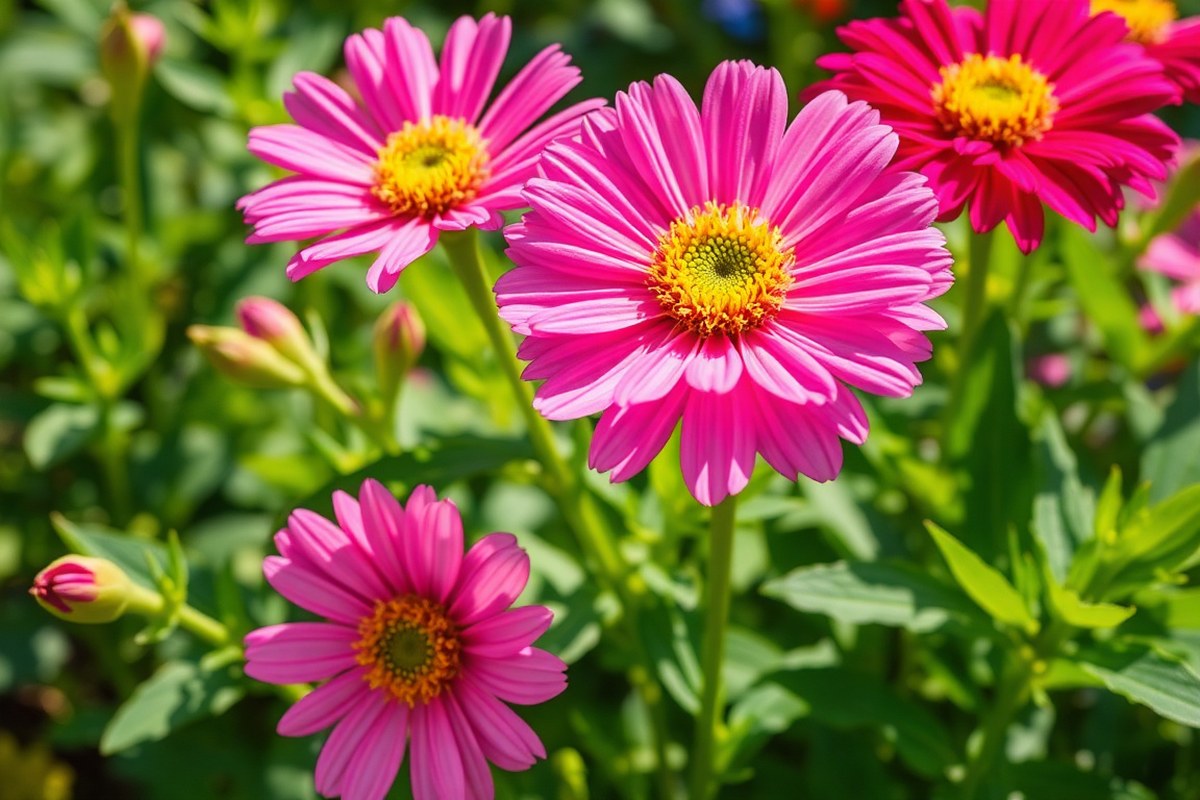
Flowers that grow back every year are called perennials. These plants live many years, unlike annuals and biennials. They die back in winter but sprout again each spring from roots.
Annual flowers complete their life cycle in one growing season. They grow from seed, bloom, set seed, and then die all within a single year. Because of this, you need to replant annuals every spring for fresh flowers.
Biennials take two years to complete their life cycle. In the first year, they mainly develop leaves and roots.
They bloom and produce seeds in the second year before dying. This means you won’t get blooms from biennials every year unless you plant new seeds regularly.
Perennials differ because they store energy in underground roots or stems during winter. This storage lets them survive cold or dry months. So they can sprout and flower again when conditions improve.
This means perennials need less work for you. You don’t have to plant new seeds each year. The plants come back on their own.
Choosing perennials suits gardeners who want a steady, reliable garden without yearly replanting. Perennials help you save time and money in your garden. Annuals need new seeds or seedlings each season.
Buying those every year adds costs and effort. However, perennials might take one or two years before blooming fully, so patience helps.
The exact perennials that come back depend on your climate and soil. Some are hardy to very cold winters, while others need milder zones. Put perennials where they get enough sun and have good soil.
This helps the plants grow strong each spring. The right spot keeps them healthy for next year.
Perennials vary in size and bloom time. So mixing types lets you enjoy flowers across seasons. Perennials use the same roots each year to grow.
You don’t need to dig much around their base. This causes less damage to new shoots in spring. This stability lets your garden look more established as they return annually.
How Do Perennial Flowers Grow and Survive Year After Year?
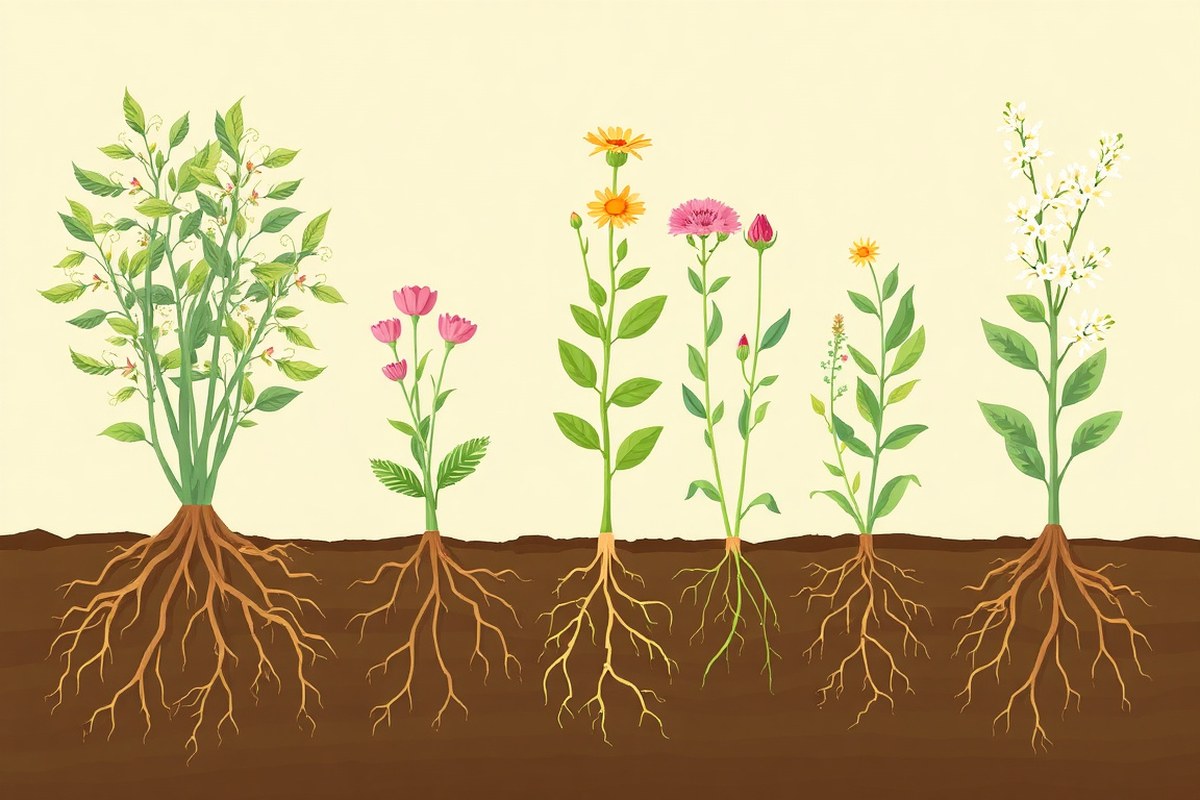
Perennial flowers survive winter by storing energy in their roots or underground parts. These roots, such as tubers, rhizomes, or bulbs, stay alive and hold nutrients through cold months. This stored energy helps the plant regrow when spring arrives and temperatures warm up.
Some perennials have buds hidden just below the soil surface. These buds remain dormant during winter and start growing again in spring.
For example, tulips store food in bulbs that last underground. Plants like lavender develop woody roots that survive frost and sprout new shoots.
Not all perennials bloom every year like clockwork. Some plants need extra time before fully flowering. They often take two or three years to grow fully.
This lets them establish well in your garden. Some plants bloom lightly in very cold winters.
They may skip blooming if energy is low. Cold weather can reduce their flower production.
Taking care of the root zone improves perennial survival. Adding mulch in late fall protects roots from freezing and helps keep moisture steady. Cut back dry or dead leaves in early spring.
This clears space for new growth to appear. It also helps stop diseases from spreading.
Cut back perennials like lavender to about 6 inches in summer. Doing this helps them survive winter better. It keeps the plants healthy.
Best Perennial Flowers for Different Sunlight and Soil Conditions
Perennial flowers grow back every year in the same spot. Choose ones that fit your garden’s sunlight and soil conditions. That way, they will thrive each season.
Check how much sun your spot gets and test your soil. These help you choose plants that thrive with little fuss and bloom well each year.
Full Sun Perennial Options
Full sun means about 6 or more hours of direct sunlight daily. Many perennials need this to bloom strong and healthy. Coreopsis, Echinacea (coneflowers), and Bee Balm like full sun.
They handle some dryness once they are established. These flowers are easy to grow in sunny spots.
Alliums also need full sun and prefer well-draining, rich soil. They keep deer and rabbits away, which helps if you struggle with garden pests. Matching full sun plants to a sunny, dry spot gives you color and fewer worries.
Shade-Loving Perennials
Some perennials do better with less sun or only morning sun. Hosta and Bleeding Heart like partial or full shade with moist, rich, well-drained soil. They can wilt or lose leaves under harsh afternoon sun.
Columbine grows 3 feet tall and tolerates full or partial shade. Bee Balm can handle partial shade too but still needs good drainage. Pick shade-tolerant plants if your garden spot gets little direct sunlight.
Soil Preferences Explained
Soil type affects how well perennials grow. Most do best in well-draining soil to avoid root rot.
Coreopsis and Echinacea like dry to medium well-drained soil. Hosta and Bleeding Heart prefer moist, loamy soil.
Test your soil’s moisture and drainage by digging a small hole and filling it with water. Good soil drainage means water drains within 20 minutes. Check by pouring water and timing how fast it soaks in.
This helps you pick the right flowers for your soil. Amend heavy clay soil with compost or sand to help drainage before planting.
Adjust your choices to match soil. Well-drained spots suit plants like coneflowers.
Moist spots better fit hostas. Right pairings prevent dying plants and extra care.
| Perennial | Sun Need | Soil Preference | Notes |
|---|---|---|---|
| Coreopsis | Full sun (6+ hours) | Well-drained, tolerates dry | Blooms best in sun, drought tolerant once established |
| Echinacea (Coneflower) | Full sun to light shade (6, 8 hrs) | Well-drained, avoid wet soils | 6, 8 hrs sun ideal for strong bloom |
| Hosta | Partial / full shade (morning sun ok) | Moist, well-drained, loamy | Keep evenly moist, avoid harsh afternoon sun |
| Bleeding Heart | Partial shade, tolerates full shade | Moist, well-drained, rich | Prefers shady, moist conditions |
| Columbine | Full sun or partial shade | Not specified | Grows up to 3 ft tall |
| Bee Balm | Full sun to partial shade | Well-draining | Easy to grow |
| Allium | Full sun | Well-drained, organically rich | Repels deer and rabbits |
Fourteen Popular Perennials That Come Back Every Year
Perennial flowers come back every year, saving you time and effort. They usually grow between 1 and 3 feet tall.
But some can get much taller. You’ll find perennials blooming in different seasons, depending on the type.
Growing these flowers needs some patience and care. Deadheading or pruning keeps blooms fresh and encourages more flowers. Perennials need proper sunlight, water, and soil to thrive.
| Flower Name | Height | Bloom Time | Care Tips | Hardiness Zones |
|---|---|---|---|---|
| Red Hot Poker (Torch Lily) | Up to 6 ft (1.8 m) | Summer | Full sun, well-drained soil, cut spent blooms | 5-9 |
| Peony | 2-3 ft (0.6, 0.9 m) | Late spring | Full sun, well-drained soil, minimal pruning | 3-8 |
| Thrift | 6-12 in (15, 30 cm) | Spring to early summer | Full sun, well-drained soil, trim after bloom | 4-7 |
| Daylily | 1-4 ft (0.3, 1.2 m) | Summer | Full sun to part shade, deadhead for more blooms | 3-9 |
| Black-eyed Susan | 2-3 ft (0.6, 0.9 m) | Mid to late summer | Full sun, moderate water, deadhead to extend bloom | 3-9 |
| Hosta | 1-3 ft (0.3, 0.9 m) | Summer | Shade to part shade, keep soil moist | 3-9 |
| Coreopsis | 1-3 ft (0.3, 0.9 m) | Early summer to fall | Full sun, moderate water, deadhead often | 4-9 |
Red Hot Pokers stand out with tall, fiery blooms up to 6 feet high. Peonies often live for decades, returning strong every spring. Thrift grows slower but blooms with soft pink flowers.
It also has red or white flowers. These flowers add charm to your garden.
Most perennials will fill in over a few seasons, so don’t rush their growth. Deadheading spent flowers and trimming back old foliage helps keep plants healthy. Regular care makes your garden look its best year after year.
Seasonal Care and Maintenance to Keep Perennials Blooming Each Year
Perennial flowers need steady care all year to bloom again. Watering, pruning, fertilizing, mulching, and winterizing keep them healthy. Follow a simple plan to help them come back strong every spring.
Spring Cleaning and Pruning
Start by removing dead leaves and stems in early spring. This clears space for new growth and prevents disease. Cut back any damaged or weak branches to encourage sturdy growth.
Prune your perennials when you see fresh green shoots. It’s usually late March or early April, depending on your zone. Use clean, sharp scissors or pruners to make smooth cuts.
Apply a balanced fertilizer like 10-10-10, around 1 cup per 10 square feet. Spread it evenly and water it in well to wake up your plants.
Summer Watering and Deadheading
Keep the soil moist by watering deeply once or twice a week. Water about 1 inch each time. This helps plants get enough moisture.
Early morning watering helps reduce evaporation and fungal problems. Avoid shallow watering, which encourages weak roots.
Remove faded flowers regularly to extend blooming. This deadheading redirects energy to new buds. You can pinch back stems just above the nearest healthy leaves.
Fertilize again with a high-nitrogen feed in late summer or early fall. This practice supports strong root development and better winter survival.
- Water early morning, 1 inch per week
- Deadhead spent blooms every 1 to 2 weeks
- Use organic fertilizer twice a year, spring and fall
- Prune only damaged or dead stems
- Keep mulch 2, 3 inches deep, away from stems
- Check soil moisture before watering to avoid overwatering
- Cut back long runners to maintain shape
Don’t overwater in summer; soggy soil invites root rot.
Fall Mulching and Winter Protection
Apply 2 to 3 inches of mulch around your perennials after the first frost. Mulch insulates roots from freezing temperatures and helps retain moisture. Use shredded leaves, straw, or bark chips.
Cut back tall perennials to about 6 inches after they die back. Leaving some stems can protect the crown but too much can invite pests. Remove any diseased plant material to prevent overwintering bugs.
Plant bulbs like tulips 8 to 12 inches deep in fall. Mix rotted manure into the soil before planting.
This improves soil and helps growth. This feeding encourages healthy growth for years ahead.
Common Mistakes with Perennials and How to Fix Them
Perennials often fail to bloom because of incorrect pruning or too much shade. Some gardeners cut back plants at the wrong time, removing flower buds by accident. Plants need enough sun to trigger blooms, usually six or more hours daily.
Water stress and soil problems also stop plants from looking good. Too little water or heavy, compacted soil prevents roots from growing well. Overwatering creates soggy soil that rots roots and kills perennials early.
Plants that die back too soon can suffer from pests, disease, or poor feeding. Without proper nutrients, leaves turn yellow and drop. Some perennials naturally go dormant, but premature dieback usually signals stress.
- Prune at the right time: remove old stems after flowering, not before
- Water deeply once or twice a week instead of light daily watering
- Improve soil by adding compost or mulch to keep moisture steady
- Place plants where they get enough sun for their type
- Check regularly for pests like aphids or slugs and treat promptly
- Use a balanced fertilizer in early spring to support growth
- Remove dead or diseased foliage to prevent spread
Fix pruning by learning each plant’s bloom time; follow seed packet advice. To fix water stress, use a soil moisture meter or finger-test soil before watering. Avoid soggy conditions by planting in raised beds or adding sand for drainage.
For early dieback, inspect plants closely for damaged spots or bugs. Applying organic insecticidal soap can stop many common pests safely. Correct feeding means using fertilizers with nitrogen, phosphorus, and potassium in balanced doses.
How to Propagate Perennial Flowers for Expanding Your Garden
Perennial flowers come back year after year. You can grow more by dividing, taking cuttings, or planting seeds.
Each method suits different plants and times of the year. Knowing these methods will help you expand your garden without buying new plants.
Dividing Perennial Clumps
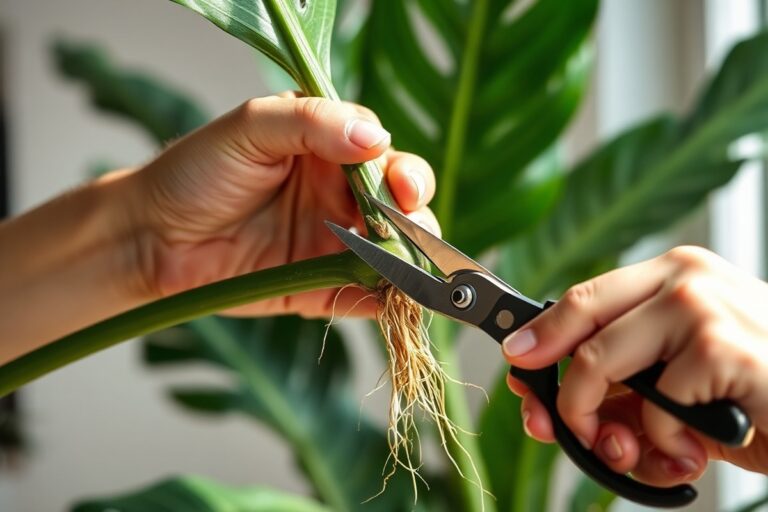
Dividing is the easiest way to multiply perennials that form clumps or spread underground. This keeps plants healthy and controls their size. The best time to divide is early spring or late fall.
The plant should be dormant or just starting to wake up. This timing helps the plant grow after dividing.
Follow these steps to divide your perennials:
- Dig up the entire clump carefully to avoid root damage.
- Gently shake off excess soil to see the root structure clearly.
- Use a sharp knife or spade to cut the clump into smaller sections.
- Make sure each section has roots and at least one growing shoot.
- Plant the divisions at the same depth as the original plant in prepared soil.
- Water the divisions well to settle the soil around roots.
- Mulch around the new plants to retain moisture and regulate temperature.
Dividing often costs nothing but your time. Do not divide during hot or dry spells to reduce stress and failure. Signs of success include fresh shoots and new growth within a few weeks.
Propagation by Cuttings
Taking cuttings grows new perennials from a part of the parent plant, usually a stem. This works best with soft-stemmed plants in spring or early summer. Not all perennials root well, so check your plant’s type before trying.
To root cuttings successfully, do this:
- Cut a 4- to 6-inch stem from a healthy plant just below a node.
- Remove leaves from the lower half of the cutting.
- Dip the cut end into rooting hormone powder to encourage roots.
- Plant the cutting in moist, well-draining potting mix.
- Cover the pot with a clear plastic bag to keep humidity high.
- Place in bright, indirect light, avoiding direct sun.
- Check moisture daily, watering when the soil feels dry.
Cuttings usually root in 2 to 4 weeks. Avoid overwatering to prevent rot. Rooting hormone and pots cost only a few dollars.
Using them saves money on buying new plants later. This method lets you grow more plants cheaply.
Growing Perennials from Seed
Starting perennials from seed is slower but lets you grow many plants at once. Some seeds need cold or light to germinate properly. Not every perennial seeds well, so look up seed types before planting.
Use this process to grow perennials by seed:
- Collect fresh seeds or buy from a reliable source.
- Prepare seed trays with a light, well-draining growing mix.
- Plant seeds at the depth recommended on the seed packet.
- Water gently to moisten without washing away seeds.
- Cover trays with plastic or glass to keep moisture.
- Place them in a bright area with temperatures between 65 and 75 °F.
- Remove cover once seedlings appear and thin them to avoid crowding.
Seedlings might reach flowering size in 1 to 3 years. Growing from seed demands patience but costs less. Avoid moving seedlings outdoors too early to prevent cold damage.
How Hardiness Zones Affect Your Choice of Perennial Flowers
Hardiness zones show which plants can survive winter in your area. They are based on the average lowest temperatures each year. Knowing your zone helps you choose perennial flowers.
These flowers come back every spring. They won’t die out if suited to your zone.
The USDA hardiness zones divide the US into areas by temperature ranges. Zone 1 is the coldest and Zone 13 is the warmest.
Some perennials grow well in cold zones but struggle in warm areas, and vice versa. For example, Zone 3 endures winters down to -40°F. Zone 9 rarely sees freezing.
| Zone | Average Minimum Temp (°F) | Example Perennial |
|---|---|---|
| 3 | -40 to -30 | Peony |
| 5 | -20 to -10 | Daylily |
| 7 | 0 to 10 | Black-eyed Susan |
| 8 | 10 to 20 | Lantana |
| 9 | 20 to 30 | Salvia |
Plants rated for your zone usually survive the local winters and bloom again. However, zone boundaries can be tricky, especially between 7 and 8.
Microclimates like nearby buildings or water can affect frost levels. Contact your local extension office for the best advice on local conditions.
For perennials that sit near your zone’s temperature limits, extra winter protection helps. You can mulch with straw, leaves, or wood chips to cover roots and keep soil warmer.
Wrapping plants in burlap protects stems and buds from harsh winds. Removing the mulch in early spring prevents rot and promotes healthy growth.
Protect borderline perennials with at least 3 inches of mulch each fall to reduce winter damage.
Remember that survival in a hardiness zone means plants endure typical lows, not single cold snaps. Choosing perennials rated a bit colder than your zone gives extra security. You’ll avoid frequent replanting and enjoy blooms that reliably return year after year.
Step-by-Step Action Plan to Grow Perennials Successfully
Follow these simple steps to pick and care for perennials that come back every year. You’ll see your garden fill with reliable blooms over time.
- Before Planting: Choose perennial flowers suited for your hardiness zone and sunlight. Check the seed packet or nursery tag to confirm hardiness.
- Week 1: Prepare soil by testing pH and adding organic matter if needed. Healthy soil helps plants thrive and return yearly.
- Planting Day: Dig holes twice as wide as the root ball. Plant at the same depth as before. Water the plants well. Your plants should perk up after watering.
- Month 1: Mulch around plants to retain moisture and reduce weeds. You’ll notice fewer weeds and a steadier soil temperature.
- Throughout Growing Season: Water deeply once or twice a week depending on rain. Watch for wilted leaves and adjust watering if you see them.
- Fall: Cut back perennials after frost kills the tops but leave some for winter interest. New growth in spring means your plants survived.
- Early Spring: Divide crowded plants before they sprout new shoots. Healthy, evenly spaced clumps ensure more blooms.
- Every Year: Add slow-release fertilizer in early spring. More blooms and healthy leaves show it’s working.
Frequently Asked Questions
What Are Flowers That Come Back Every Year Called?
Perennials are flowers that bloom yearly, growing back from their roots.
How Do Perennial Flowers Survive Winter Conditions?
Perennials survive winter by storing energy in their roots or bulbs. This helps them grow new stems and flowers in spring.
Can I Grow Perennial Flowers in Containers?
Yes, you can grow many perennial flowers in containers. Just choose varieties suited for pots and ensure proper drainage and watering.
Do Perennial Flowers Need Fertilizer Every Year?
Perennials benefit from yearly fertilizer to stay healthy. Apply a balanced, slow-release fertilizer in early spring for best results.
How Long Do Perennial Flowers Typically Live?
Most perennials live several years, often up to 10 or more. Their longevity depends on the species and how well you care for them.
Are All Perennial Flowers Hardy Against Frost?
Not all perennials resist frost well. Your local hardiness zone and plant selection affect their frost tolerance and survival chances.
Final Thoughts
Perennial flowers come back every year with little effort once you pick the right ones. The best next step is to look up your hardiness zone and pick perennials made for it. Then, enjoy watching your garden come alive year after year.