Is Galvanized Steel Safe for Garden Beds? Benefits, Risks, and Best Practices
Is galvanized steel safe for garden beds? Yes, it is a solid choice for growing food.
The zinc coating on the steel keeps it from rusting and breaking down. This protection means your garden bed can last over 20 years with basic care.
Using good-quality galvanized steel prevents rust that could harm plants or soil. It’s smart to pick the right thickness, usually between 14 and 18 gauge, for lasting strength. You should also watch for scratches that might expose the metal underneath.
Overall, galvanized steel is safe for food gardens if you choose new, well-made beds. Check for any coatings or treatments on your steel to avoid unwanted chemicals. Proper upkeep helps keep both plants and the bed healthy for many growing seasons.
Key Takeaways
- Choose galvanized steel beds with 14 to 18 gauge thickness for durability.
- New, high-quality galvanized steel beds are safe for growing vegetables.
- The zinc coating prevents rust and extends the bed’s lifespan beyond 20 years.
- Avoid beds with damage or exposed metal to limit soil contamination.
- Watch for extra coatings or treatments that might contain harmful chemicals.
- Regular maintenance, like cleaning and checking for scratches, protects steel beds.
Is Galvanized Steel Safe for Growing Food Gardens?
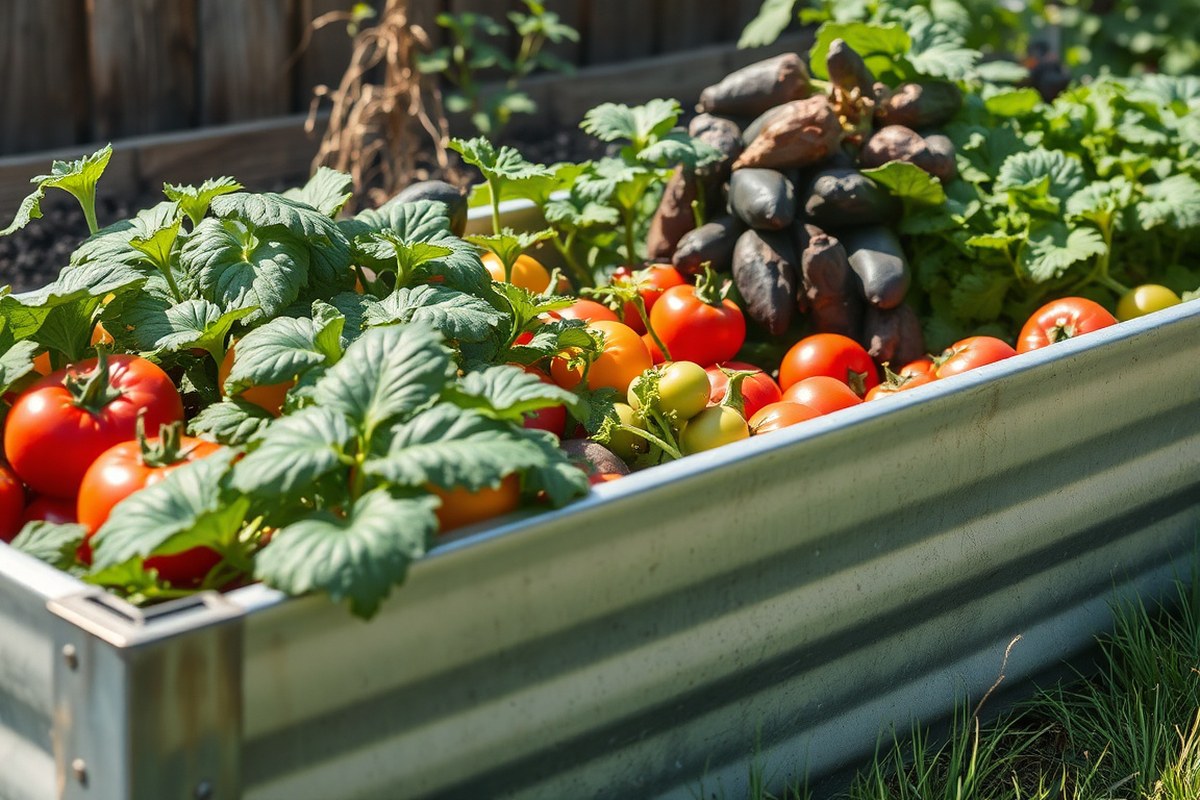
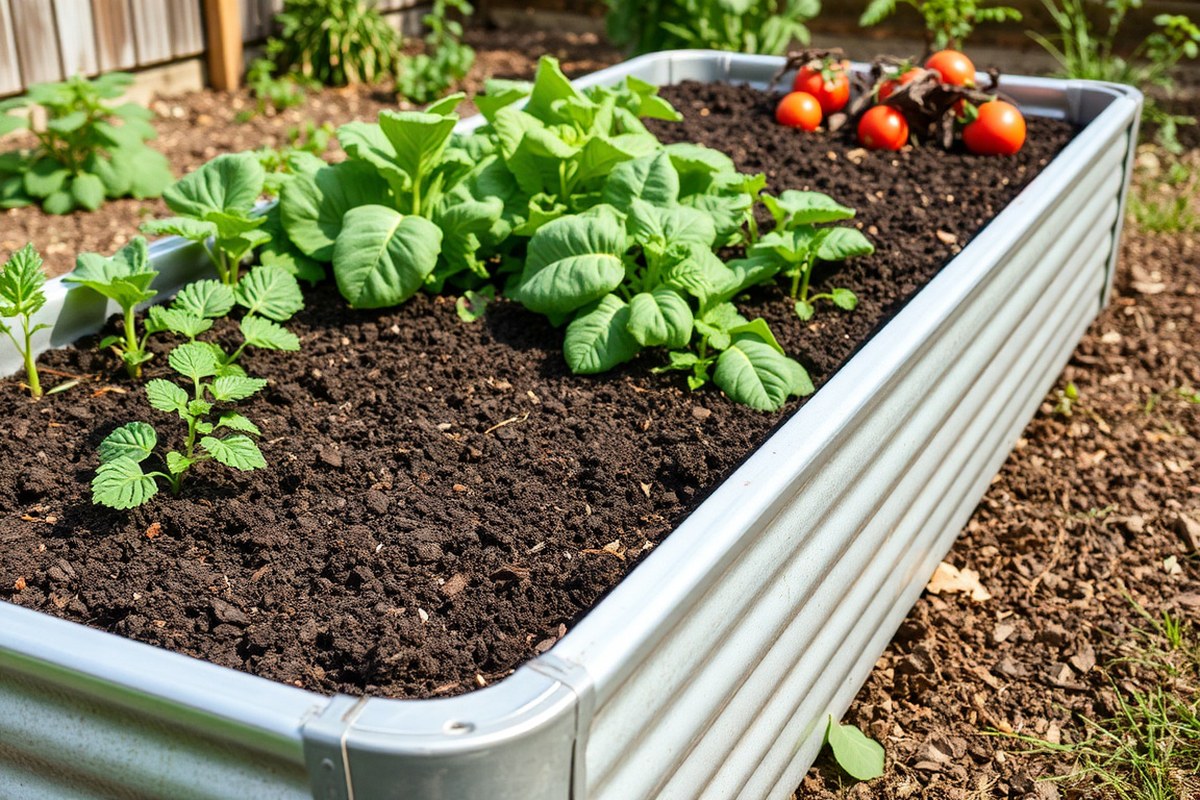
Galvanized steel is safe for growing food in garden beds when you choose quality materials. The steel gets coated with zinc. This helps stop rust.
It is unlikely to harm your plants. Most gardening experts agree zinc doesn’t leach toxic amounts.
It stays low in the soil. You and your plants stay safe.
Some gardeners worry about metals like zinc, lead, or cadmium. They fear these might leach from galvanized steel into soil. However, modern galvanized steel products made for garden use are usually certified lead-free.
Zinc can leach slightly. Studies show metal levels stay very low.
They don’t build up in vegetables. Dangerous amounts don’t occur.
To keep your garden safe, use new or well-maintained galvanized steel raised beds. Look for products labeled “food-safe” or “non-toxic.” These go through additional checks to ensure they won’t release harmful metals.
Taking care of your beds helps reduce risks. Avoid strong acids or salts in the soil. These can cause more metal leaching.
Galvanized steel beds last over 20 years if cared for well. They are cost-effective and practical. The zinc coating slows corrosion and protects the steel.
So you don’t have to worry about metal dust or rust hurting your plants. Check your beds regularly for damage.
This keeps the zinc layer intact. It helps keep your food garden safe.
How Galvanized Steel Protects Plants: Composition and Corrosion Resistance
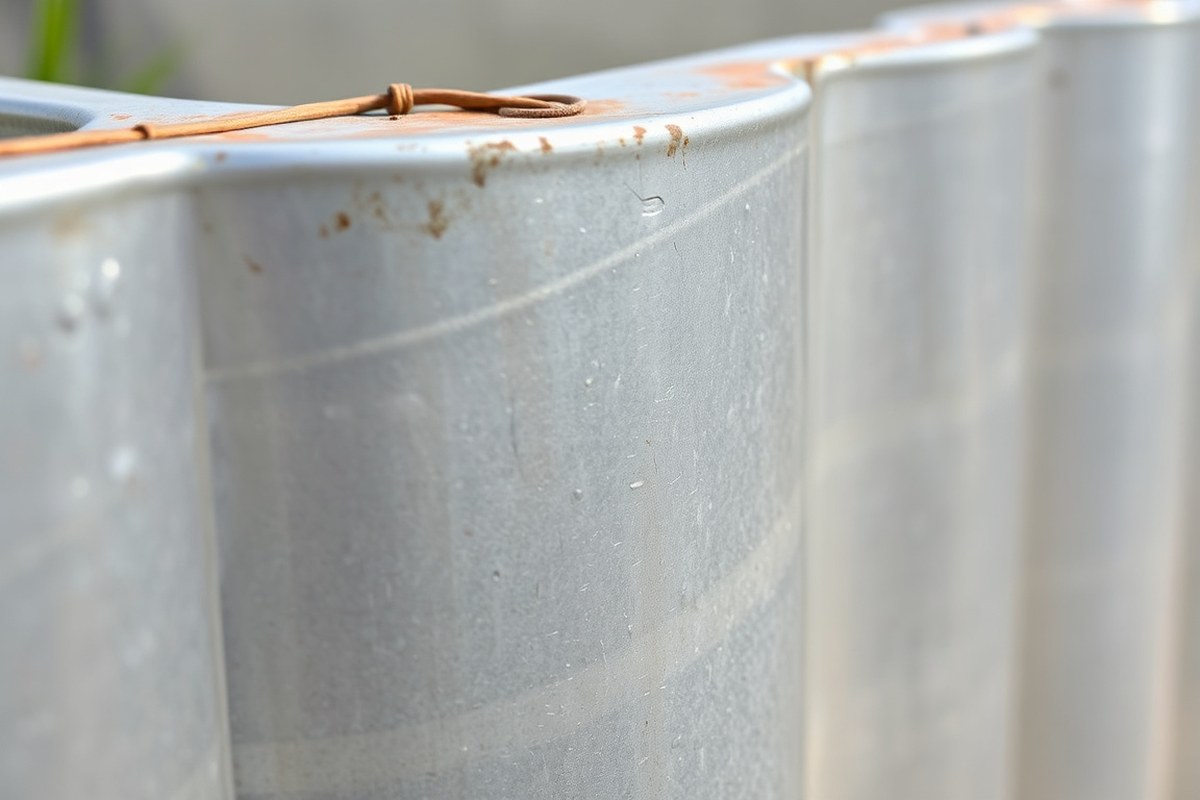
Galvanized steel protects plants by using a zinc coating to stop rust. This coating shields the steel from moisture and oxygen, which cause corrosion. It also prevents metal from mixing with soil, keeping your garden safe.
Hot-Dip Galvanization Explained
Hot-dip galvanization involves dipping steel into molten zinc at about 860°F. The zinc bonds tightly with the steel, forming a tough, long-lasting coating. This process creates several zinc-iron layers that improve corrosion resistance.
This thick coating makes hot-dip galvanized steel ideal for outdoor garden beds. It can last over 20 years without rusting, even in wet conditions. The steel remains protected because the zinc wears away slower than the metal underneath.
Electro-Galvanization and Its Characteristics
Electro-galvanization uses an electric current to apply a thin zinc layer on steel. This method coats steel evenly but with a thinner layer than hot-dip galvanizing. The coating usually measures a few microns thick, offering less protection outdoors.
Because of its thin layer, electro-galvanized steel corrodes faster in garden beds. It’s better suited for indoor or light-duty uses, not long-term exposure to dirt and moisture. Some pre-fabricated beds might use this method, so check the coating thickness.
Zinc Coating Thickness and Protective Qualities
The thickness of zinc on galvanized steel affects how well it resists rust. Garden beds use steel coatings from 14 to 18 gauge thickness. Thicker steel coatings last longer in your garden.
This helps protect your plants and soil better. A thicker zinc layer reduces the chance of corrosion and metal leaching into soil.
Thinner coatings wear down faster, increasing rust risk and possible zinc transfer to plants. Maintaining a soil pH above 5.5 helps protect the zinc coating from acid damage. Regular inspection for scratches or damage keeps the protective layer intact.
Check your galvanized steel bed every year for scratches or dents. These can cause rust and zinc leaching problems. Fixing damage early keeps your bed safe.
Durability and Lifespan Compared to Other Garden Bed Materials
Galvanized steel garden beds usually last over 20 years with proper care. They resist rust and damage better than wood and plastic beds. Wood garden beds often rot or get eaten by pests.
They usually last about 5 to 10 years. After that, you may need to replace them. Plastic beds can crack or warp within 5 to 15 years.
The quality and sun exposure affect how long they last. Some plastics hold up better than others.
Maintaining galvanized steel beds mainly means checking for scratches and washing off dirt to prevent rust. Applying a rust-inhibiting primer on any exposed steel can add years to the bed’s life. Wooden beds need regular sealing or staining to stop rot.
Plastic beds need to be replaced once they crack. Stainless steel beds last longer than galvanized steel.
But they cost much more, sometimes two to three times as much. Consider your budget before choosing stainless steel.
Galvanized steel holds up well outdoors, with low maintenance demands compared to wood and plastic. Wooden beds often require annual sealing, costing about $20 to $50 yearly depending on size. Plastic beds need almost no maintenance.
However, they may need replacing sooner. The initial cost usually runs between $50 and $200. Galvanized steel beds cost about $100 to $300.
Price depends on the bed’s size and quality. They offer good value over many years.
Here’s a comparison to show costs, lifespan, and upkeep:
| Material | Lifespan | Maintenance | Cost Range |
|---|---|---|---|
| Galvanized Steel | 20+ years | Check for scratches, clean dirt, apply primer if needed | $100 to $300 per bed |
| Wood | 5 to 10 years | Annual sealing or staining | $50 to $150 plus $20-$50 yearly maintenance |
| Plastic | 5 to 15 years | Minimal, replace when cracked | $50 to $200 per bed |
| Stainless Steel | 30+ years | Very low, occasional cleaning | $300 to $600 per bed |
Galvanized steel gives a solid balance of durability, upkeep, and cost. Keeping up with minor maintenance like cleaning and protecting exposed metal areas helps avoid rust. This maintenance takes just a few minutes a month in most cases.
Picking the right size and height matters. It means fewer changes later on. This helps your galvanized steel beds last for decades.
Understanding and Managing the Risk of Zinc and Metal Leaching
Zinc can leach from galvanized steel into garden soil. But the risk is usually low.
The zinc coating dissolves slowly, especially in soils with a near-neutral pH. Some conditions speed up leaching, which can affect soil and plant health over time.
Soil pH Influence on Metal Leaching
The acidity of your garden soil is the biggest factor for zinc leaching from galvanized steel. Zinc dissolves faster in acidic soils with pH below 5.5. Most garden soils stay around neutral, between 6.0 and 7.0, keeping zinc leaching very low.
When the soil pH is higher, above 5.5, zinc remains mostly locked up in the metal coating. In alkaline soils, which have a pH above 7.5, leaching is also minimal. Testing your soil pH yearly helps you spot risks before they grow.
Impact of Soil Moisture and Acidity
Wet and acidic soil conditions boost zinc and metal leaching. Moisture speeds up the chemical reaction breaking down the zinc coating. Heavy rain, poor drainage, or constantly damp garden beds increase this risk.
Higher acidity combined with moisture accelerates zinc release into the soil. This can harm sensitive plants and affect soil microbes if left unmanaged. Installing drainage or using a soil liner reduces moisture contact and controls acidity.
Role of Coating Damage and Age
Scratches or chips on galvanized steel expose bare metal, increasing leaching risk. Over time, weathering wears down the zinc coating slowly. Older beds with damaged coatings tend to leach more zinc compared to new ones.
Inspecting your garden beds annually can catch damaged areas early. Repairing or patching scratches limits exposure and metal loss. Using a protective liner between soil and steel helps a lot.
It stops direct leaching from worn or old metal. This keeps your garden bed safer.
Best Practices to Prevent Metal Leaching and Protect Plant Health
Lining galvanized steel beds can reduce metal leaching into your soil. Use heavy-duty plastic liners or pond liners to create a barrier between metal and soil. Secure the liners with staples or clips, making sure edges cover any exposed metal.
Soil amendments help keep zinc levels safe for your plants. Adding organic matter like compost or well-rotted manure binds metals and reduces their availability. Applying lime raises soil pH, which lowers metal solubility and leaching risk.
You’ll need to check soil pH regularly to protect plant roots and metal safety. A soil test kit costs around $10 and can be used every few months. Keep pH near neutral, ideally between 6.5 and 7.5, to reduce zinc leaching.
- Use plastic or pond liner to separate soil from steel
- Add 2 to 3 inches of compost before planting
- Apply agricultural lime as per soil test recommendations
- Plant non-acid-loving crops near steel edges
- Test soil pH every 3 to 6 months
- Avoid acidic fertilizers that drop soil pH
- Choose galvanized steel beds with extra anti-leach coatings
Don’t plant acid-loving crops like blueberries or strawberries against metal sides. These plants lower soil pH, increasing local zinc leaching and harming your vegetables. Keeping acid-loving plants in separate beds or containers works better and protects your garden’s health.
Always line galvanized steel beds before adding soil. This simple step cuts metal exposure and leaching risks.
Monitoring your soil chemistry lets you catch pH shifts early and add amendments as needed. Over time, these practices keep crops healthy and your galvanized steel beds lasting longer. A little effort now prevents both metal contamination and weak plant growth.
When and Where Galvanized Steel Beds Are Not Ideal
Galvanized steel beds are not ideal for gardens with highly acidic soil. Soils with a pH below 6 can corrode the zinc coating faster. This speeds up rusting and may release more zinc into the soil, which some plants dislike.
To check your soil’s pH, buy a simple soil test kit. You can find one online or at a garden center. Test before installing your bed and again every year.
Your soil is too acidic. Adjust the pH or pick another bed material like untreated wood or stainless steel.
Extreme climates can also affect galvanized beds. In places with hot summers above 90°F, metal expands and contracts more. This can warp the bed after several years.
Cold places with freezing winters may have coatings that crack or peel. This happens when moisture freezes on the metal.
You can reduce these problems by placing your bed in partial shade. Avoid direct sun at midday to protect it. Covering the bed with a tarp during harsh winter months also helps protect it.
Check your bed for rust or damage regularly. Use cold-galvanizing spray to touch up the coating every 2 to 3 years.
Galvanized steel beds are less suited for planting acidic-loving plants like blueberries or azaleas. They prefer soil pH around 4.5 to 5.5, which can break down the zinc layer quickly. In those cases, pick plastic or cedar beds, which don’t react with acids.
Another factor is proximity to saltwater. You live near the ocean or use salty water. Galvanized steel could corrode faster in these conditions.
Zinc and steel break down quicker in salty conditions, damaging the bed. For such environments, aluminum or plastic beds often last longer.
Finally, consider budget and maintenance. Galvanized steel beds cost between $100 and $300 for medium sizes. They require some upkeep to prevent corrosion, like cleaning and repainting.
You want zero-maintenance beds. Vinyl or composite wood may be better, though they cost more upfront.
Carefully weigh these factors before deciding. Bad matches for galvanized steel can reduce bed lifespan and hurt plant health.
Choose bed material to fit your soil, climate, and plants. This helps your beds last longer and stay strong.
Choosing Quality Galvanized Steel Beds: What to Look For
Pick galvanized steel beds that say they are food safe or certified for gardening. Look for thicker steel for strength and choose newer materials without harmful coatings. These steps help keep your garden safe and your beds lasting a long time.
Essential Food-Safe Certifications to Know
Check for certifications like NSF/ANSI Standard 61. It shows the steel meets safety rules for contact with food or water. This certification means the coating won’t release harmful chemicals to your soil or plants.
Another sign is RoHS compliance. It limits lead, cadmium, and other toxins.
Ask sellers for certification papers to confirm the steel’s safety for garden use. If unsure, avoid steel without clear safety info.
Recommended Steel Gauges for Durability
Start with 18- or 20-gauge steel for raised beds. These gauges balance durability without being too expensive or hard to work with. Thicker steel like 16-gauge is stronger but costs more and weighs more.
Choose powder-coated or chromate-treated galvanized steel. These coatings help resist rust and prolong the bed’s life outdoors. Expect to pay around 20 to 40 percent extra for coated steel versus plain galvanized.
Avoiding Older or Low-Quality Materials
Stay away from older galvanized steel or scrap metal. Older steel often has poorly controlled coatings and can contain lead or other toxins. It may also have rust spots or uneven zinc layers that reduce protection.
Inspect steel for a smooth, uniform finish without peeling or flaking. Ask if it was made specifically for garden use, not general construction. This confirms the metal is clean, safe, and meets higher material standards.
Comparing Galvanized Steel Beds to Alternatives
| Material | Durability | Safety | Environmental Impact | Cost Range (per bed) |
|---|---|---|---|---|
| Galvanized Steel | Highly durable, resists rust for 15+ years with care | Safe if soil pH is managed; low metal leaching risk | Steel production has moderate environmental cost; recyclable | $100 to $300 |
| Wood (e.g., Cedar) | Moderately durable; lasts 5 to 10 years naturally | Safe unless treated with chemicals; natural cedar resists pests | Biodegradable, but harvesting trees impacts environment | $80 to $250 |
| Composite (Recycled Plastic + Wood Fibers) | Durable; often lasts 10 to 15 years | Free of toxic chemicals; very safe for growing food | Uses recycled inputs; lower waste but harder to recycle again | $150 to $350 |
| Plastic (Recycled or New) | Good durability; 10+ years if UV resistant | Safe if food-grade; beware cheap plastics that may leach | Manufacturing has high fossil fuel use; not biodegradable | $50 to $200 |
| Stainless Steel | Exceptionally durable; lasts several decades | Highly safe; no toxic leaching | High energy cost to produce; fully recyclable | $300 to $600+ |
Galvanized steel beds stand out for their toughness and clean look. They resist rust for over 15 years when you manage moisture well. Their zinc coating minimizes metal leaching, but keeping soil pH around neutral helps.
Wood beds, like cedar, add a warm feel and repel pests naturally. They usually last 5 to 10 years without chemicals but can rot faster if wet constantly. Composite beds mix recycled plastic with wood fibers.
They avoid worries about rotting and are free of toxic chemicals, making them safe for food crops. These beds cost a bit more but match galvanized steel’s lifespan. Plastic alone can last over 10 years if it’s UV resistant and food-safe.
Still, new plastic uses more fossil fuels and won’t break down naturally. Stainless steel beds last the longest by far, with no corrosion or chemical risks. Their price and energy to make can put some home gardeners off.
Galvanized steel strikes a balance, giving durability and safety at a moderate price. Choosing depends on your budget, environmental goals, and how long you want your bed to last.
Keep your soil pH between 6 and 7 to reduce metal leaching risks in galvanized beds.
Step-by-Step Action Plan for Using Galvanized Steel Garden Beds Safely
Follow these steps to start growing food safely in galvanized steel beds and avoid metal leaching.
- Before you build: Choose high-quality galvanized steel with a thick zinc coating to reduce corrosion.
- Day 1: Line the inside of the bed with heavy-duty plastic. Use landscape fabric on top to create a barrier. This helps keep soil off the metal.
- Week 1: Fill the bed with a mix of soil and compost. Avoid soil with high acid, which can increase metal leaching. Keep the mix well balanced for plants.
- After planting: Check soil pH regularly, aiming for neutral to slightly alkaline (6.0 to 7.5) to limit zinc release.
- Weekly: Water plants carefully, avoiding over-irrigation near bed edges to reduce corrosion risk.
- Monthly: Inspect bed for rust spots. Apply food-safe sealants on exposed steel where zinc has worn off.
- Each season: Take out old soil from the bed. Replace it with fresh soil mix to lower metal levels. This keeps your garden soil healthy.
- Yearly: Consider rotating crops and using raised beds in indirect sun to prolong steel lifespan.
Frequently Asked Questions
Can Galvanized Steel Beds Affect Soil pH over Time?
Galvanized steel does not significantly change soil pH. Its zinc coating stays stable and prevents corrosion, helping soil stay balanced for plants.
Is It Safe to Plant Acidic Vegetables Directly in Galvanized Steel Beds?
Acidic vegetables like tomatoes grow fine in galvanized beds. The zinc coating keeps the steel safe from acidity.
It stops metal from leaching during normal use. This helps keep your garden healthy.
Does Zinc from Galvanized Steel Build Up in Compost Made from Garden Beds?
Zinc buildup in compost from galvanized beds is minimal. Gardeners should still turn compost regularly to keep nutrient levels healthy and safe for plants.
Can Galvanized Steel Beds Cause Allergies or Skin Irritation While Gardening?
Galvanized steel rarely causes allergies. Handling sharp edges can cause mild skin irritation.
Wearing gloves is a smart idea. It protects your hands while working with the beds.
Are Galvanized Steel Garden Beds Safe for Herbs and Edible Flowers?
Yes, they are safe for herbs and edible flowers. The zinc layer does not release harmful metals.
This makes galvanized steel safe for your plants. You can use it without worry.
How Soon Does Rust Appear on Galvanized Steel Garden Beds?
Properly maintained galvanized steel beds usually show no rust for over 20 years. Scratches or damage to the coating can let rust form sooner, so inspect beds regularly.
Before You Go
Galvanized steel beds can be safe for food if you add a proper barrier. Keep up with regular maintenance to protect your plants. This limits metal contact with soil.
Monitor soil pH and watch for signs of corrosion. Start by adding a plastic liner to keep your plants protected today.