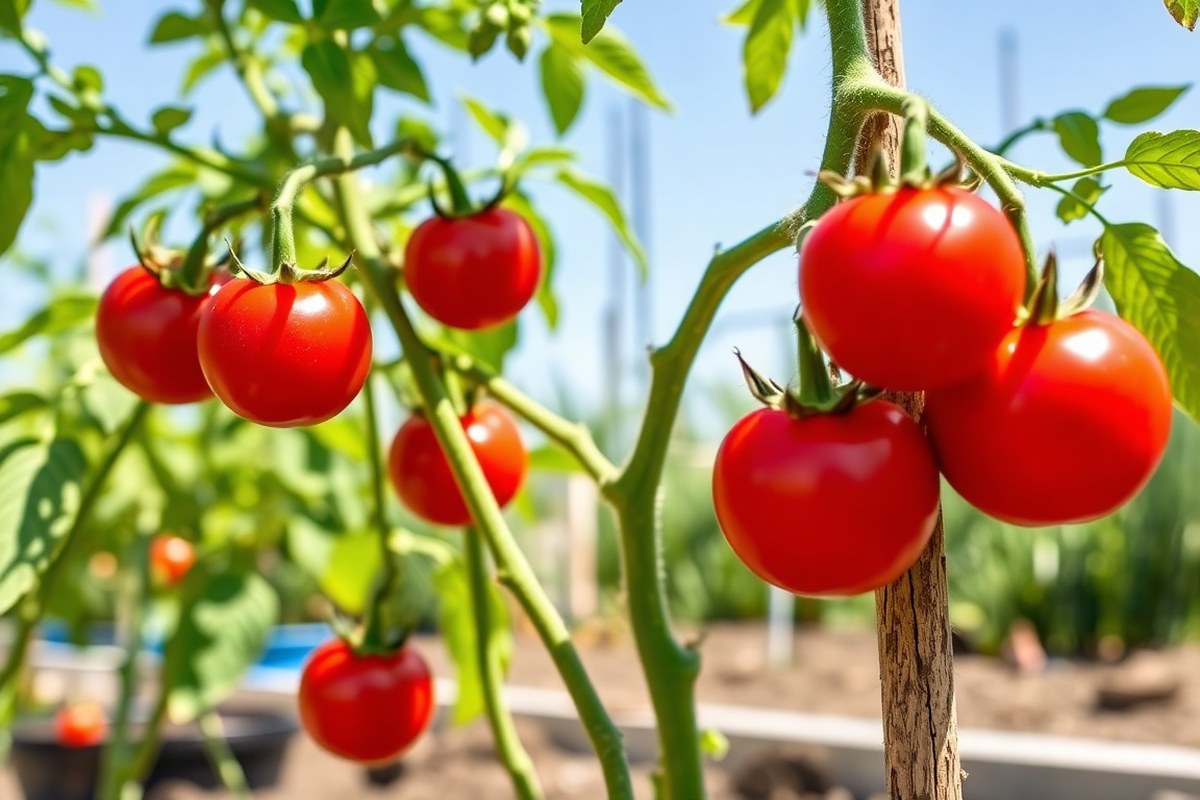
How Much Sun Do Cherry Tomatoes Need for Best Growth and Flavor
How much sun do cherry tomatoes need to grow best? Cherry tomatoes need 6 to 8 hours of direct sun daily. This sunlight helps them grow healthy.
It also improves their flavor. Getting less than 6 hours of sunlight can hurt fruit taste.
The tomatoes may turn more acidic and less sweet. They might not ripen fully either.
Your garden gets 4 to 6 hours of sun daily. Cherry tomatoes can still grow well there. They’re a good option for less sun.
They handle lower light better than larger tomato varieties and can still produce a decent harvest. Keep an eye on their leaves to catch any sun stress early.
Too much sun and heat require some protection. Plants in hot areas with over 8 hours of sun may need shade or extra watering. Morning sun is best to warm plants without overheating them later on.
Key Takeaways
- Cherry tomatoes grow best with 6 to 8 hours of direct sunlight daily.
- 4 to 6 hours of sun is enough for cherry tomatoes but limits sweetness.
- Hardier than big tomatoes, cherry tomatoes thrive in smaller sunny spots.
- Protect tomatoes in hot climates from more than 8 hours of strong sun.
- Morning sun helps warm plants gently and reduces heat stress risks.
- Watch for leaf scorch as a sign of too much sun exposure.
How Many Hours of Sun Do Cherry Tomatoes Need Daily?
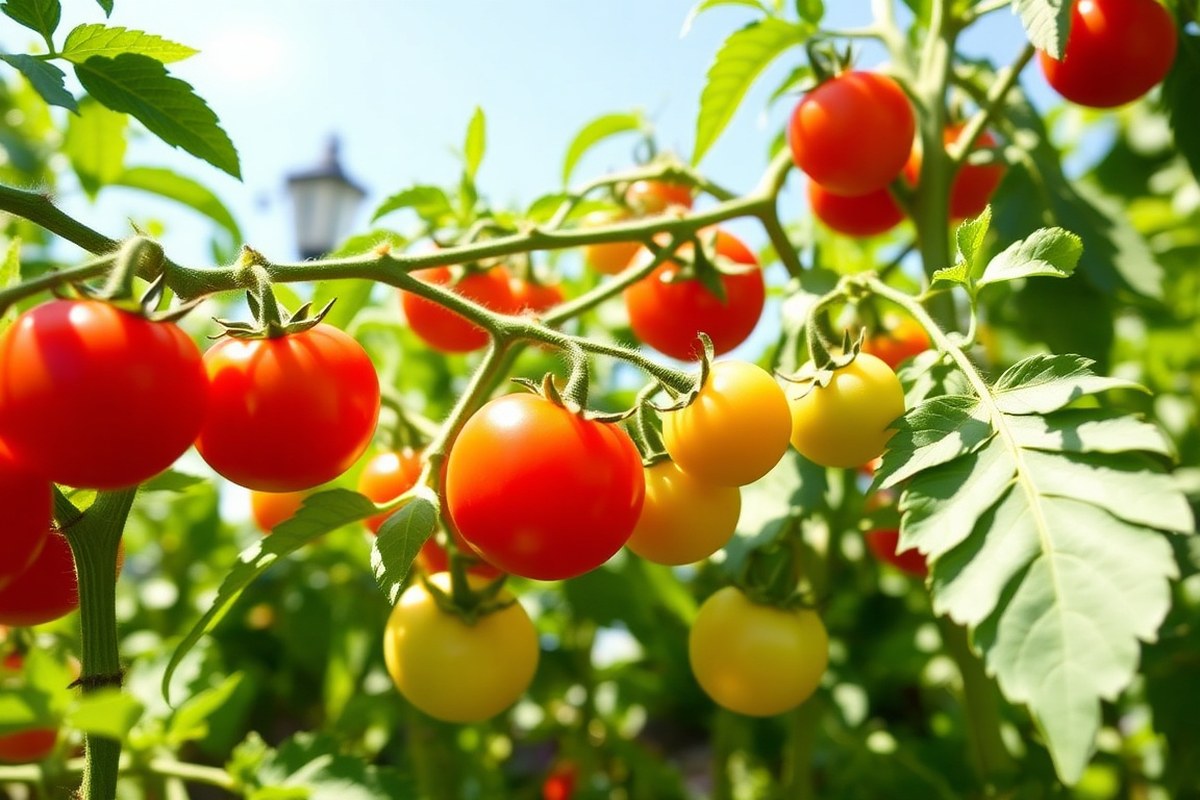
Cherry tomatoes need at least 6 hours of direct sunlight daily to grow well. The best results come with at least 8 hours of sun. Sunlight helps your fruit get sweeter.
It also helps your harvest be bigger. They require actual direct sunlight, not just bright or filtered light.
You can get good yields with 6 to 8 hours of sun. But less than 4 hours sharply lowers fruit quality and yield. More than 8 hours of intense sun can increase heat stress.
So you might need to protect your plants with shade or more consistent watering. Seedlings need some time to adjust to full sun to avoid leaf burn.
Here’s a table showing how different sunlight amounts affect yield and fruit quality.
| Daily Sun Hours | Light Category | Expected Yield | Fruit Quality | Ripening Speed |
|---|---|---|---|---|
| Under 3 hrs | Deep Shade | Very poor / none | Pale, tasteless | Very slow / fails |
| 3, 5 hrs | Partial Shade | Low (20, 40%) | Less sweet | Slow |
| 5, 6 hrs | Minimum Full Sun | Moderate (50, 65%) | Acceptable | Moderate |
| 6, 8 hrs | Full Sun | Good (70, 85%) | Good flavor | Normal |
| 8, 10 hrs | Optimal Sun | Excellent (90, 100%) | Sweet, rich | Fast |
| 10+ hrs | Intense Sun | Excellent (95, 100%) | Very sweet | Very fast |
Use this as a decision tool when choosing your tomato spot. At least six hours of direct sun improves yield and flavor noticeably. With less than four hours, expect pale fruit and poor production.
More than eight hours works well if you can manage heat stress. Mulch the soil and water in the morning to keep plants healthy and hydrated. Container plants can be moved to avoid the strongest midday sun if needed.
Effects of Sunlight Amount on Cherry Tomato Growth and Flavor
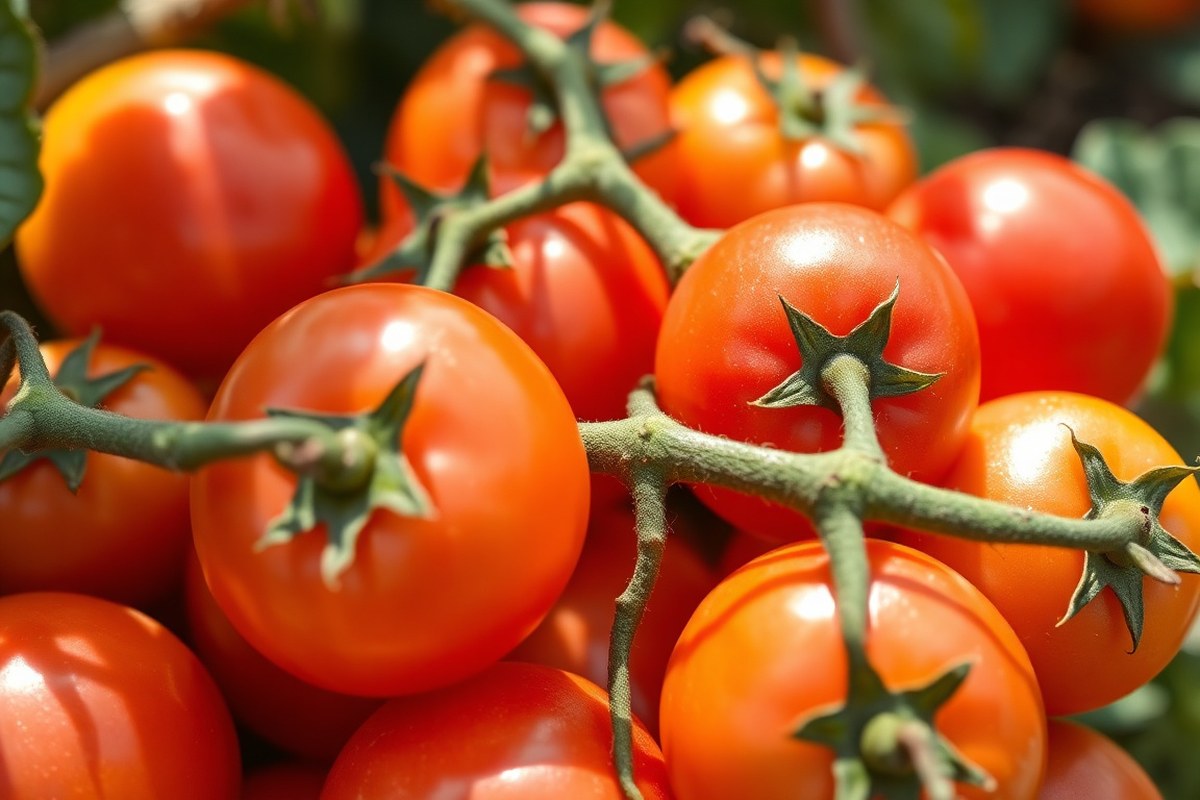
Sunlight Intensity and Cherry Tomato Flavor
Sunlight intensity directly affects cherry tomato flavor and sweetness. More sunlight means the plant produces more sugars, leading to sweeter fruit. Sungold cherry tomatoes taste sweeter when grown in full sun.
Those grown in partial shade don’t taste as sweet. Sun makes a clear difference.
Less sunlight weakens sugar production and makes the tomatoes taste dull or bland. Lower light also increases acidity, creating a more tart flavor. Your tomatoes need at least six hours of sun daily.
Less sunlight means they will taste less sweet. Flavor quality drops with too little sun.
Sunlight Impact on Fruit Yield and Plant Health
Plants grown with at least six hours of sunlight produce higher yields than those with less. Sunlight fuels photosynthesis, helping plants grow leaves, stems, and fruit clusters. In shaded areas, plants survive but yield fewer tomatoes.
Low light reduces growth speed and weakens disease resistance. Plants with less sun are more vulnerable to fungal diseases because they dry slower after rain. A shaded cherry tomato might fruit poorly and show more leaf spots over time.
Risks of Too Much Sun and Heat Stress
Cherry tomatoes can suffer fruit cracking and blossom end rot from intense, prolonged sun. High temperatures above 90°F (32°C) combined with strong afternoon sun cause heat stress. This stress reduces flowering and the number of fruits set.
Cracked fruit occurs when rapid temperature changes cause the skin to split. Tomatoes exposed to midday sun in hot climates often need some protection to avoid damage. Overexposed plants may also have dry, blistered leaves signaling sunburn.
Balancing Sunlight for Best Results
Matching sunlight to your climate is key for healthy cherry tomatoes. In USDA Zones 9 and 10, six hours of sun works well. This is because the sunlight is very strong there.
You don’t always need full sun. Cooler areas need closer to eight hours of sun for the best fruit.
Adjusting the garden’s layout to maximize light exposure helps avoid low yields. Choose locations away from tall trees or buildings that cast shade. Choose partial-sun tomato varieties if your spot is partly shaded.
Try Black Cherry or Juliet Hybrid for better results. They handle less sun better.
Watch for signs like wilted leaves or cracked fruit to adjust sunlight exposure quickly.
Morning Sun Versus Afternoon Sun for Cherry Tomatoes
Morning sun is gentler on cherry tomatoes than afternoon sun. It provides steady warmth without the intense heat that hits later in the day.
Plants get enough light early to support growth and fruit set. This avoids heat stress.
Afternoon sun can be harsh, especially in hot regions with temperatures over 85°F. This strong heat can cause fruit sunburn and leaf scorch. Sunburn looks like pale, tough spots on tomatoes. Leaf scorch shows as dry, brown edges on leaves.
Cherry tomatoes need about 6 to 8 hours of direct sun daily to grow well. Morning sun often covers these hours without the heat intensity of the afternoon. In very hot climates, afternoon shade helps protect plants from damage and keeps soil cooler.
Shade your plants in the afternoon for cooler temperatures. Move potted tomatoes behind taller plants. Or cover with lightweight garden cloth from noon to 4 p.m.m.
This step lowers stress and helps maintain good fruit quality. Too much afternoon shade, though, reduces sugar buildup and can mean fewer tomatoes.
Check for heat stress by watching for wilting around midday. Also, look for dull, less vibrant tomatoes.
These signs tell you they need some relief from afternoon sun. Morning sun exposure encourages steady fruit set and flavor development with lower risk of these problems.
Protecting cherry tomatoes also means keeping soil moist during hot spells. Water deeply early in the day to avoid leaf wetness that invites disease. Consistent watering supports healthy growth and can reduce sunburn by cooling the plant roots.
In cooler climates, afternoon sun helps tomatoes ripen faster. It also improves their sweet, rich taste.
In contrast, too much afternoon sun in hot areas stresses plants and harms fruit. You’ll need to match your garden plan to your local climate to get the best results.
Place cherry tomatoes where they get full morning sun in small gardens. Add afternoon shade with shade cloth or natural barriers.
This balance grows more tomatoes with less sunburn. It causes less leaf damage than unprotected afternoon sun.
How to Protect Cherry Tomatoes from Sunburn and Heat Stress
Cherry tomatoes need some sun but too much heat can harm them. You can protect their fruit and leaves by providing shade during peak afternoon temperatures. Proper watering also helps prevent sunburn and fruit cracking.
Steps to Provide Temporary Shade
Too much sun can cause leaf burn on your tomato plants. High temperatures over 90° F add extra stress.
This heat also damages the fruit’s skin and flavor. Set up shade when the sun is hottest, usually between 12 p.m. And 4 p.m. A simple shade cloth can block 20 to 40% of sunlight.
- Choose a lightweight shade cloth with 20 to 40% density.
- Secure the cloth over your cherry tomato plants with stakes or poles.
- Position the cloth so it blocks afternoon sun but allows morning sun.
- Check shade coverage as the sun moves and adjust if needed.
- Remove the shade cloth on cooler days to allow full sun exposure.
- Use nearby structures or tall plants sparingly to provide extra shade.
Temporary shade lowers leaf temperature and prevents sunscald on tomatoes. It keeps plants healthier and supports better fruit quality during heatwaves.
Best Mulching and Watering Practices
Mulch keeps soil moist longer and cuts down heat stress on roots. Use 2 to 3 inches of straw, shredded leaves, or wood chips around plants. Mulching also prevents rapid soil drying from hot sun.
Water evenly to avoid fruit cracking, which happens when plants get uneven moisture. Aim for about an inch of water per week. Water early in the morning or late in the afternoon to reduce evaporation.
Choosing Heat-Tolerant Varieties
Some cherry tomato types handle heat better and resist fruit cracking. Varieties like ‘Green Grape’ and ‘Amish Salad’ have thicker skins and lower cracking risk. Smaller fruit varieties put less stress on plants during hot spells.
You often deal with temperatures over 90° F or nights above 75° F. Choose heat-tolerant tomato types for these conditions. They handle the heat better and still grow well. They stay productive and reduce problems linked to extreme sun and heat stress.
Choosing the Best Location and Soil for Sun Exposure
Pick a garden spot that gets sunlight for at least eight hours daily. South-facing areas work best because they catch sun from morning till afternoon. Raised beds facing south or west also provide great sunlight and good drainage.
The soil needs to be fertile and sandy. This helps roots absorb nutrients and moisture well.
Slightly acidic soil, with a pH between 6.0 and 6.8, encourages strong growth. Avoid heavy clay soils that can trap water and reduce air to the roots.
- Choose a location with at least 8 hours of direct sunlight, ideally south-facing
- Use raised beds or containers to improve soil drainage and exposure
- Test soil pH and aim for slightly acidic levels between 6.0 and 6.8
- Add compost or organic matter to sandy or poor soils for nutrients
- Keep soil loose and well-drained to prevent waterlogging
Fertile soil warms quickly under full sun, encouraging early growth. Soil that drains well reduces root diseases, which can happen if soil stays wet too long. Plants in good soil and sun produce more flavorful fruit and better yields.
Make sure no tree or building shades the spot during peak midday sun hours.
Sun exposure affects how fast cherry tomatoes grow and how sweet their fruits become. Plants get leggy and grow fewer tomatoes without enough sun or in heavy soil. Choose a spot that gets full sun.
The soil should drain well. This helps you grow healthy tomatoes.
How to Use Grow Lights for Indoor Cherry Tomato Growing
Yes, grow lights can replace or supplement sunlight for indoor cherry tomato growing. Full-spectrum LED grow lights are best, providing the right light quality plants need. You must set timers for your lights.
Place them to support seedlings. Also, position lights well for mature plants.
Choosing the Right Grow Lights
Look for full-spectrum LED grow lights because they mimic natural sunlight. These lights provide the right colors for photosynthesis and fruit production. Avoid standard household bulbs, as they lack the spectrum tomatoes need.
LEDs use less energy and produce less heat than other grow lights. Expect to pay $40 to $100 for a good LED setup.
It fits a few cherry tomato pots. This upfront cost helps your plants grow strong indoors year-round.
Check reviews and choose lights labeled for vegetable or tomato growing. Some grow lights offer adjustable settings.
These work for different tomato growth stages. This feature is helpful.
Light Timing for Seedlings and Mature Plants
Young tomato seedlings need longer light exposure than mature plants. Set grow lights on a timer for 18 to 22 hours daily during the seedling stage. This gives them enough energy to grow strong leaves and stems.
Mature cherry tomato plants only need about 14 to 16 hours of light a day. This timing helps them flower and produce fruit effectively. Less than 6 hours may stunt growth or prevent fruiting.
Optimal Distance from Plants
Place grow lights 12 to 18 inches above mature cherry tomato plants. This ensures best light spread.
This distance prevents burning while giving enough light intensity. Check plants daily for signs of leaf damage or light stress.
For seedlings, position the lights closer, about 6 to 12 inches away. Seedlings are more sensitive and need stronger, direct light. Adjust height as plants grow taller to avoid stretch or burns.
Follow these steps to set up grow lights for your indoor cherry tomatoes:
- Choose a full-spectrum LED grow light designed for vegetables.
- Mount or hang the light securely above your tomato plants.
- Keep light 6 to 12 inches above seedlings. For mature plants, place it 12 to 18 inches above.
- Use a timer to provide 18 to 22 hours of light daily for seedlings.
- Adjust the timer to 14 to 16 hours daily once plants mature.
- Check plants weekly and move lights if leaves show burns or stretch.
- Supplement with reflective surfaces if light is weak or uneven.
- Adjust the setup seasonally for natural daylight changes indoors.
Visual Signs Your Cherry Tomato Plants Are Getting Too Little or Too Much Sun
Cherry tomato plants show clear clues when sun exposure is off. Too little sun leads to leggy stems that stretch toward light. Leaves might stay pale green and smooth instead of getting a rich, vibrant color.
On the flip side, too much sun stress can scorch leaves. Look for dry, crispy edges or yellowish spots on the leaves. Plants will droop during the afternoon heat and recover only after the sun moves away.
Checking these signs often helps you adjust the sun your plants get. Here’s a list to watch for on your cherry tomato plants:
- Long, weak stems reaching outward show not enough sun.
- Small, light green leaves signal low light conditions.
- Leaf edges turning brown or crispy mean too much sun.
- Yellow patches on leaves suggest sunburn stress.
- Drooping during midday heat points to heat or sun stress.
- Slow growth despite watering can mean insufficient light.
Look early in the morning for dew on the leaves. When dew hangs too long, plants might not get enough morning sun to dry. Morning sun is key to prevent diseases on these sensitive plants.
Distance between plants also matters. Keeping them about 18 inches apart helps each light up well without crowding.
Notice crowding? Nearby plants’ shade can cut down sunlight for others.
Maximizing Sunlight in Small or Shaded Gardens for Cherry Tomatoes
In small or shaded gardens, getting enough sun for cherry tomatoes can be tricky. Using reflectors like small mirrors can boost light by bouncing sunlight onto your plants. Place a mirror opposite your tomato plant to redirect light from a sunny spot nearby.
Pruning helps, too. Trim lower leaves and any dense branches that shade the fruit or other parts. This opens the plant up to let more sun reach inside.
More sun helps the leaves and fruit ripen better. It also improves the flavor of your tomatoes.
Where you put your plants matters a lot. Position cherry tomatoes on the sunniest edge of your garden or near a south-facing wall. Walls and fences absorb heat during the day.
They also reflect light to the plants nearby. This gives your tomatoes more warmth and light.
- Use small mirrors or whiteboards as sunlight reflectors close to your tomato plant.
- Prune thick foliage weekly to increase sun penetration.
- Arrange plants along south- or west-facing walls or fences.
- Choose compact pots if you have very limited space, like window boxes.
- Pick cherry tomato varieties labeled as shade or partial sun tolerant.
- Move potted tomatoes during the day to catch more light.
- Plant near taller sun-loving plants that won’t shade your tomatoes.
Some cherry tomato varieties do better in less light. Varieties like ‘Sungold’ and ‘Sweet Million’ manage shade better than others. These plants need 4 to 6 hours of direct sunlight.
They can also handle some shade in the afternoon. This helps them grow without burning. Avoid varieties that need full sun all day.
Adjusting tomato placement or pruning isn’t costly. It mainly takes time weekly, about 10, 15 minutes for pruning.
Mirrors or simple reflectors cost under $10 at most garden shops. The payoff is better-tasting fruit and more even ripening.
Make sure reflectors don’t overheat leaves or cause sunburn on bright afternoons.
Keep an eye on the fruit. Lack of light might cause tart tomatoes, even when ripe. This can keep their flavor from fully developing.
Check if your plants get enough sun. Shifting your plant to a better light spot or adding reflectors can quickly improve fruit quality. In small gardens, moving potted tomatoes or choosing tolerant varieties helps you avoid major layout changes.
Step-by-Step Action Plan for Growing Cherry Tomatoes with the Right Sunlight
Follow this plan to give your cherry tomatoes just the right amount of sun. Watch their response closely to catch signs of too much or too little light.
- Before planting: Choose a spot with at least 6 hours of direct sunlight. Make sure soil drains well and warms up quickly.
- Planting day: Set seedlings facing east or southeast to catch morning sun. Check that no tall objects block afternoon light.
- Week 1: Water your plants regularly but avoid waterlogging. Look for shiny leaves and steady growth as a good sign.
- Week 2 to 4: Watch for leaf curling or sunscald spots in afternoon sun. Use shade cloth if leaves look bleached or wilted.
- Month 2: Thin out crowded branches to help more sun reach all parts. Keep soil moist during hot spells to prevent stress.
- Ongoing care: Rotate your pots regularly to give all sides light. Adjust your plants’ spots indoors if using grow lights. Keep lighting on for 12-16 hours each day. Replace bulbs every year for strong output.
- Before harvest: Reduce shading so fruits get full sun, improving sweetness and color. Pick ripe tomatoes in the morning for best flavor.
Frequently Asked Questions
Can Cherry Tomatoes Survive with Less Than 4 Hours of Sun Daily?
Cherry tomatoes struggle with less than 4 hours of sun daily. They may grow, but yield and quality usually suffer without more light.
Is Partial Shade Harmful to Cherry Tomato Growth?
Partial shade can reduce cherry tomato fruit production and size. Aim for at least 6 hours to keep plants healthy and productive.
Do Cherry Tomatoes Need Sun on Both Sides of the Plant?
Sun on both sides helps even ripening and strong growth. Rotate plants or prune to allow sunlight all around if possible.
Can Cherry Tomato Plants Adapt to Changes in Sun Exposure?
They adjust somewhat but sudden changes stress plants and reduce fruit. Keep sunlight exposure consistent for best results.
Does Sunlight Affect the Color of Cherry Tomatoes?
More sun often means brighter, deeper color in cherry tomatoes. Less light can lead to duller fruits with weaker flavor.
Are Cherry Tomato Flowers Sensitive to Too Much Sun?
Yes, excess sun can dry out and damage flowers. Providing afternoon shade during hot days protects blooms and boosts fruit set.
Final Thoughts
Cherry tomatoes thrive in full sun with about 6 to 8 hours daily. Keep an eye on your plants and adjust their light or shade. Start by finding that sunny spot today and see how they grow.