Do Tomatoes Grow Back? A Complete Guide with Proven Methods
Do tomatoes grow back after harvest or frost? Usually, they don’t come back like bushes. But you can keep them alive longer indoors.
Tomato plants often stop growing when temperatures drop below 50°F. Bringing tomato plants indoors keeps them alive through winter. Put them in a bright spot or use grow lights. These conditions may help your plants start growing again.
Most tomatoes are grown as annuals because chilly weather kills them quickly outdoors. But some varieties last longer and, with the right care, can produce fruit again. Pruning back dead parts and controlling temperature are key to encouraging regrowth and extending the season.
Start by moving your plants indoors before cold hits. Keep them warm, well-lit, and watered. Watch tomato plants closely for new leaves or other growth signs.
Notice signs of stress like drooping or yellow leaves. This helps you know if the plant can recover.
Key Takeaways
- Take tomato plants inside before night temperatures fall below 50°F (10°C). Lower temps can harm or kill outdoor tomato plants. Moving them early gives better chances to survive.
- Keep tomato plants close to a south-facing window or use grow lights. Provide 12 to 14 hours of light each day for best growth. Good light helps tomato plants stay healthy indoors.
- Prune back main stems to about 12-18 inches and remove all suckers.
- Keep indoor temperatures around 60-70°F for better tomato regrowth.
- Water moderately and fertilize during the overwintering period.
- Choose compact varieties like ‘Tiny Tim’ for easier indoor growth.
Do Tomato Plants Grow Back After Harvest or Frost?
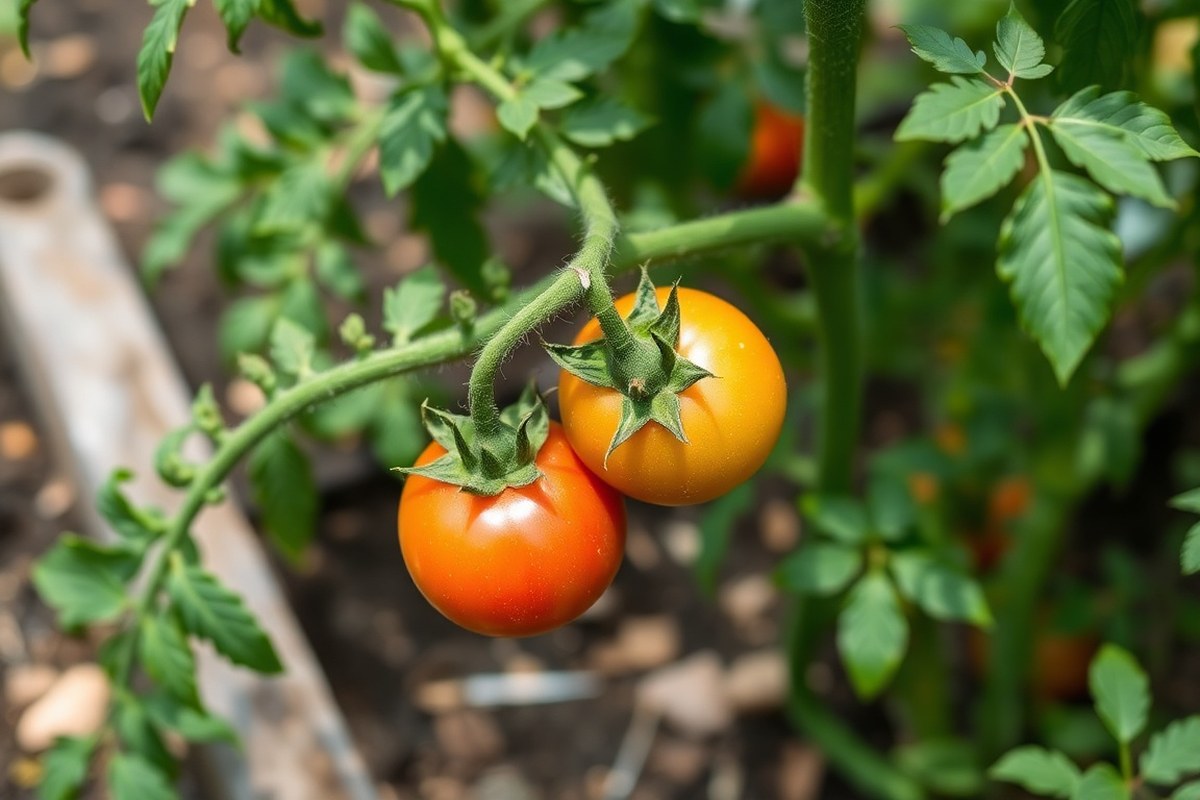
Tomato plants do not naturally grow back after you harvest their fruit. They produce one main crop per season and then their growth slows.
Picking tomatoes regularly during the growing season helps the plant focus energy on producing more fruit. But once the season ends, the plant’s life cycle is mostly complete.
Frost damages tomato plants severely. Temperatures below 32°F (0°C) usually kill or harm the leaves and stems. Tomato plants won’t recover outside once frost hits.
This only changes in mild areas. Those spots have light or rare frost. Bringing potted tomatoes indoors before frost helps them survive longer.
Cutting tomato plants back in late summer can encourage some regrowth if frost hasn’t arrived. Prune main stems to 12, 18 inches about 4, 6 weeks before the first expected frost.
Remove all suckers and dead growth to help the plant focus on new shoots. This might extend harvest slightly but won’t restart a full growing cycle.
Tomato plants can regrow from their roots in some cases. Roots that survive winter and temps above freezing can sprout shoots in spring. This happens in mild zones 9 and 11.
Gardeners may protect roots with mulch or burial during winter. Most gardeners in colder zones won’t see this.
Growing perennial tomato varieties in warm areas allows the plants to produce fruit for several years. These types withstand temperatures down to about 10°F (-12°C) and keep growing well into fall. In colder climates, tomatoes behave as annuals and die after one season or frost damage.
Why Tomato Plants Are Mostly Grown as Annuals
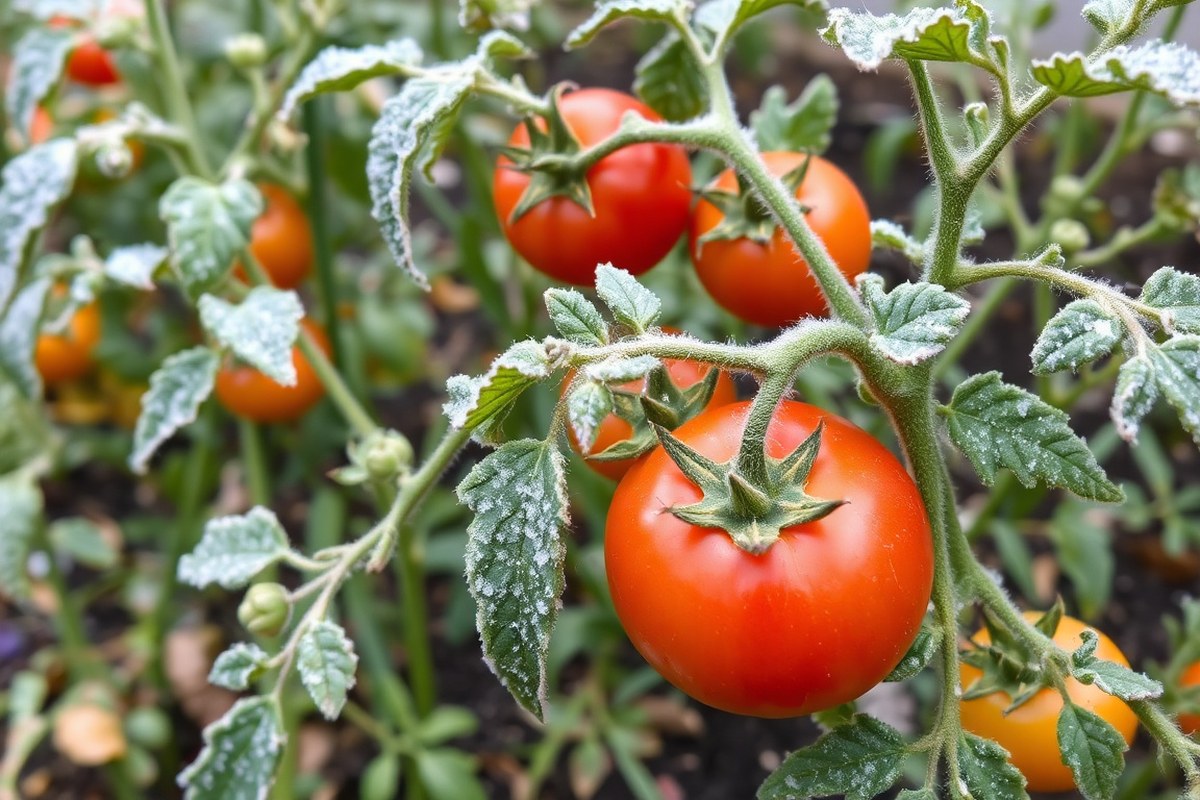
Tomato plants are actually tender perennials, but most gardeners treat them as annuals. They grow well in one season, then usually die after the first frost. This happens because frost damages their cells, killing the plant quickly.
The typical outdoor tomato plant lives about 6 to 8 months. It grows from spring planting until the first fall frost.
Below 32°F (0°C), ice develops inside the cells and ruptures them. This frost damage ends the plant’s life in colder climates.
Plant diseases and pests add another reason to grow tomatoes as annuals. Keeping them only one season reduces the risk of soil-borne diseases like Fusarium or Verticillium wilt. It also helps avoid build-up of pests that target tomato plants.
- Tomatoes die after one frost, usually around 32°F (0°C)
- They grow during warm months and stop fruiting in fall
- Diseases and pests worsen with multiple growing seasons in the same soil
- In warm or tropical climates, tomatoes can grow as perennials
- Indoors, tomatoes survive if kept above 45°F (7°C) with enough light
Some heirloom types, like ‘Brandywine,’ can live multiple years inside with care. But in most gardens, winter cold kills outdoor tomato plants outright. Their seeds survive and grow new plants next year instead.
Keep tomato plants indoors after frost if you want to try growing them longer.
How Tomato Plant Lifespan Varies by Climate and Variety
Tomato plant lifespan depends a lot on climate and variety. In warm zones where winter temps stay above 50°F, some tomato plants can live for years. Cooler climates with frost kill most tomato plants before they grow back.
Perennial tomato varieties usually last 3 to 5 years or more. They develop woody stems that survive winter better than regular annual types.
Still, many tomatoes focus on fruit first. So they don’t grow back naturally after frost.
Hardiness zones affect whether tomato plants survive outside. Zones 9 through 11 usually have mild winters. This mildness lets some tomato plants live and produce for years.
In zones 8 and colder, frost wipes out tomato plants. So they must be replanted each spring.
| Climate Zone | Winter Temperature Range | Tomato Plants Lifespan | Variety Traits |
|---|---|---|---|
| Zones 9-11 | Rarely below 50°F | 3-5 years, possibly longer | Perennials and some annuals can survive year-round |
| Zones 8 and below | Below freezing common | Single-season, plant heals kills frost | Mostly annual types; plant dies after frost |
| Greenhouse or Indoor | Controlled 65-75°F | Multiple years with care | Most varieties can be kept alive indoors |
Different tomato varieties have different survival skills. Some perennials make woody stems that resist cold better than tender annuals.
Choose perennial or indeterminate types for long-lasting plants. These types naturally grow bigger stems.
Keep tomato plants in pots indoors or in a greenhouse if your winters are harsh. They survive with enough light and warmth.
Seedlings from your own plants can regrow well. Protect them during cold months to help survival.
Proven Methods for Overwintering Tomato Plants Successfully
Yes, you can keep tomato plants alive indoors over winter to help them grow again. You need to prepare the plants, provide enough light, and control temperature and watering. These steps help the plant stay healthy until spring or even produce some fruit indoors.
Preparing Tomato Plants for Indoor Winter
Before bringing tomatoes inside, prune the plant back by about half. This reduces stress and promotes new growth later. Inspect the plant carefully for pests or disease and remove any damaged leaves.
Use a pot that is at least 8 inches deep and has drainage holes. Repot the plant with fresh soil to give it nutrients for the winter months. Avoid fertilizing right away after moving the plant indoors to reduce growth pressure.
Follow these steps to get your tomato plant ready for indoor winter:
- Prune the tomato plant back by 50% to reduce leaf mass.
- Check the plant for insects or disease, removing any issues found.
- Choose a deep pot with drainage and fill it with fresh potting soil.
- Carefully transplant the plant to the new pot without damaging roots.
- Move the potted plant to a warm, bright spot inside your home.
- Avoid fertilizing the plant from November through February to let it rest.
- Clean the plant’s leaves gently to remove dust and help light absorption.
Maintaining Light and Temperature Indoors
Tomato plants need about 12 to 14 hours of bright, indirect light each day indoors. Place them near a south-facing window or use grow lights to provide enough light. Lack of light causes slow growth and weak plants.
Keep indoor temperatures between 60 and 70 degrees Fahrenheit (15 to 21°C). Avoid spots with cold drafts or sudden temperature changes. Cooler temperatures can stop growth and harm the plant during winter.
Watering and Fertilizing During Dormancy
Water tomato plants only when the top inch of soil feels dry. Overwatering leads to root rot, which kills the plant. During winter dormancy, the plant uses less water, so reduce how often you water.
Stop fertilizing from November to February to allow the plant to rest. Resume feeding in early spring when new growth starts, using a balanced fertilizer. If your indoor air is dry, mist the leaves occasionally to keep humidity up.
Using Cuttings and Seed Saving to Grow Tomatoes Next Season
You can keep your favorite tomato variety year-round by using cuttings or saving seeds. Cuttings grow into exact clones.
Seeds give you a fresh start and sometimes stronger plants. Both methods fit different needs and varieties.
Taking and Rooting Tomato Cuttings
Taking cuttings means using a stem piece to start a new plant. This creates a clone with the exact traits of the parent. Take cuttings early in the season.
This gives them time to root. Roots should grow before the frost arrives.
Follow these steps to root your tomato cuttings successfully:
- Snip a healthy stem tip about 4-6 inches long, just below a leaf joint.
- Remove the lower leaves, keeping only the top two or three.
- Place the cutting in water or moistened potting mix.
- Keep it in bright, indirect sunlight at around 65-75°F.
- Change the water every 2-3 days if using the water method.
- Wait about 1-2 weeks for roots to grow, about 1-2 inches long.
- Transplant rooted cuttings into pots with soil and acclimate them gradually.
- Water regularly to keep the soil moist, but not soggy.
Cuttings root faster in warmer temperatures, but avoid direct sun that dries them out.
Collecting and Storing Seeds Safely
Saving tomato seeds lets you start plants from scratch each season. You pick seeds from ripe, healthy tomatoes to keep the best traits. This method suits both determinate and indeterminate varieties, especially if you want genetic diversity.
Here’s an easy way to save seeds:
- Choose fully ripe tomatoes with good flavor from your desired plants.
- Cut them open and scoop out the seeds and gel into a container.
- Let the seeds ferment in the jar for 2-4 days at room temperature.
- Rinse the seeds under water, removing the gel and debris.
- Spread seeds on paper towels to dry thoroughly, at least 7 days.
- Store dried seeds in labeled airtight containers in a cool, dry place.
Don’t skip fermentation; it removes germination inhibitors from the seed coating.
Pros and Cons of Cuttings vs Seeds
Cuttings grow fast and produce exact matches of your favorite plants. However, they require more care to root and may not survive winter well. Cuttings work best for indeterminate types since these keep growing through the season.
Seed saving is cheaper and allows you to grow many new plants. It can result in some genetic changes if plants cross-pollinate, which may upset purity. Seeds also need to be started indoors earlier, about 6-8 weeks before the last frost.
Choose cuttings for quick cloning and when you want to preserve traits exactly. Choose seeds if you want many plants.
Seeds help improve tomato stock over time. Genetic improvement needs seed selection.
Recognizing and Managing Common Regrowth Challenges
Tomato plants often struggle to regrow when frost has damaged their stems or leaves. Frost kills tender growth, making plants unable to recover.
Bring plants indoors before temperatures drop below 32°F. Prune any frost-hit parts right away. This helps protect your tomato plants.
Diseases like fungal infections can stop tomato plants from overwintering well. Fungi thrive in damp, poorly ventilated spots and cause wilting or spots on leaves. Use clean pots and fresh soil to reduce disease.
Improve airflow around plants. Spray with organic fungicides following label instructions.
Pests, including aphids and whiteflies, frequently attack tomatoes growing indoors. These pests suck plant juices and spread disease, reducing regrowth chances.
For small infestations, wipe leaves with soapy water. You can also add beneficial insects like ladybugs to help.
- Check tomato plants weekly for spots, holes, or sticky residue.
- Prune off any diseased or dead leaves promptly to stop spread.
- Use neem oil sprays every 7 to 14 days as a preventive measure.
- Keep indoor temperatures between 65°F and 75°F to reduce stress.
- Water plants at the base to avoid wetting the foliage and lowering fungus risk.
- Quarantine new plants for a week before placing them near overwintered tomatoes.
- Repot tomatoes with fresh soil each season to avoid soilborne diseases.
These steps take attention but cost little beyond standard supplies like neem oil and potting soil. Healthy leaves stay firm and green. You’ll notice new shoots within a few weeks if conditions improve.
Problems often get worse when plants sit in cool, damp, still air. So focus on good ventilation and steady warmth.
How to Prune and Care for Tomato Plants to Encourage Regrowth
Pruning tomato plants helps them grow back stronger and produce more fruit. Cutting back old leaves and weak branches lets the plant focus on healthy shoots. Good watering and feeding also fuel fresh growth after harvest or winter.
Timing Your Pruning for Best Results
Trim tomato plants after you harvest the main crop or before overwintering indoors. Removing up to a third of the foliage slows disease spread and encourages new growth. Prune when the weather is dry to reduce infection risk.
Late summer pruning helps plants direct energy to fruiting instead of leaves. For overwintering, prune once new growth stops and before cold sets in. Avoid pruning during active flowering if you want fruit soon.
Techniques to Remove Suckers and Old Growth
Cut the suckers that grow between the main stem and branches. This helps air move around and fruits grow bigger. Removing these small shoots makes your tomato plant healthier.
Remove any yellow, diseased, or weak leaves to keep plants healthy. Use clean, sharp pruners to avoid damaging stems or spreading germs.
Prune the main stem to roughly 12 inches to encourage new growth after harvesting. Remove all the flowers to stop fruit development and save the plant’s energy. Keep the stakes in place for strong support as the plant grows again.
- Inspect the plant for suckers and weak branches.
- Use sharp pruners or pinch suckers off by hand.
- Remove old, yellow, or damaged leaves carefully.
- Trim the main stem to about 12 inches tall.
- Cut off all flowers and small fruit buds if not harvesting.
- Dispose of clippings away from tomato plants to limit disease.
- Water plants thoroughly after pruning to reduce shock.
Fertilizing Tips for Regrowth Energy
Feed tomato plants with a balanced fertilizer high in phosphorus and potassium. This mix supports root development and fruiting over leafy growth. Apply fertilizer every two weeks during regrowth in the growing season.
Keep soil moist but not soggy to avoid root problems. Mulch around plants to retain water and manage weeds. Avoid over-fertilizing with nitrogen, it makes leaves grow fast but limits fruit production.
What to Expect: Timeline of Tomato Plant Regrowth and Fruit Production
After damage like pruning or frost, tomato plants start to regrow within days. You’ll see new shoots or tiny white buds appear at the base. These early growths are fragile and need a few weeks to strengthen.
Tomatoes generally need one to three months for noticeable new leaves and stems. Flowers begin forming once the plant builds enough leaves to support fruit. Expect flowers roughly four to six weeks after early regrowth starts.
Fruit development follows flowers in about two to three weeks. Fruit production fully returns three to four months after pruning. This timeline can stretch longer in cooler weather or if the plant struggles.
A balanced fertilizer like 10-10-10 applied at this stage speeds up regrowth and fruiting. You want to avoid frost damage below 50°F, which can delay or stop recovery. Always wait until nights stay above 50°F before expecting steady progress.
| Stage | Timeframe | What You’ll See |
|---|---|---|
| Healing the Plant | 1, 4 weeks | New red or raw tissue forms at the cut or frost spot |
| First Growth | 1, 3 months | Delicate white or green buds pop up near the base |
| Flowering | 4, 6 weeks after first growth | Small flowers start appearing on new stems |
| Fruit Development | 2, 3 weeks after flowering | Green fruits form, gradually swelling and ripening |
| Full Productivity | 3, 4 months after initial growth | Regular harvest of ripe tomatoes resumes |
Tomato plants invest extra energy in seeds within each fruit. So the plant prioritizes fruiting. This focus explains why regrowth takes time.
The plant spends energy making new leaves and flowers first. In climates with mild temperatures above 50°F, growth speeds up noticeably.
Protect your plant early on and avoid cold nights to help the new growth thrive.
Don’t expect tomato plants to “bounce back” in cold or frost-prone areas quickly. Patience is key.
Keep them fed with balanced fertilizer and watch for pests on tender new leaves. Your tomatoes will reward you after a few patient months.
Deciding When to Overwinter or Start New Tomato Plants
Overwintering tomato plants can be worth the effort in mild climates with little frost. You live in USDA zone 8 or warmer, so keep plants indoors or protected.
This plan lets you harvest longer, up to 10 months. It saves time and money on new seedlings.
The process takes some work. Prune your plants. Keep them bright and frost-free.
Watch for pests or diseases. Poor light or cold can kill plants.
Your effort may be lost, and harvests delayed. Still, the reward is fresh tomatoes for more months without starting from seed.
Colder zones or a spring head start? Plant new tomatoes instead. Starting fresh plants lets you pick the best varieties each year that suit current conditions.
Seeds cost a few dollars. Start indoors in late winter by a sunny window or grow lights. This method avoids the risks and space needs of overwintering full-size plants.
Keep plants if winters are mild, you have light, indoor space, and want longer harvests. Choose new plants when winters are harsh, indoor light is low, or you want fresh varieties. Think about your time and patience.
Overwintering needs constant care. Seedlings need intense early effort.
You can also combine methods by taking cuttings or saving seeds from your best tomatoes. These options let you preserve your favorite plants without overwintering whole plants.
Cuttings root easily in water or moist soil, providing new plants ready to grow indoors. Seed saving is a cheap, reliable way to grow fresh plants every year.
Using supports like T-stakes or cages helps keep both overwintered and new tomato plants healthy. They improve airflow and reduce disease risks, leading to better fruit production regardless of your choice.
Match your climate, space, and goals. That helps you pick the best yearly tomato growing method.
Step-by-Step Action Plan for Growing Tomatoes Year-Round
Follow this plan to get your tomato plants to grow back after harvest or winter. Each step helps you track progress.
- After Frost Passes: Check your tomato plants for frost damage. Healthy stems look green and firm, not black or mushy.
- Week 1: Prune dead branches and leaves. Cutting back to healthy growth helps the plant focus energy on new shoots.
- Week 2: Start watering moderately. Keep the soil moist but not soggy to encourage root and shoot growth.
- Month 1: Apply balanced fertilizer every two weeks. Look for fresh green leaves forming on cut branches.
- Before Cold Return: Move potted tomato plants indoors or use covers outside. Check leaves for wilting or discoloration.
- Winter: Take cuttings from strong stems for rooting indoors. Use a light spray of water and keep in indirect light.
- Early Spring: Harden off indoor plants by slowly exposing them to outdoor sunlight. Watch for new leaf growth as a good sign.
- Spring Planting: Transplant healthy plants outside. Healthy new growth and flower buds show success.
Frequently Asked Questions
Do Tomato Plants Grow Back After Being Cut Down?
Tomato plants usually don’t regrow after being cut down to the ground. They are annuals that finish their life cycle in one season. You can try starting new plants from cuttings though.
Can Tomato Plants Regrow from Roots After the Main Plant Dies?
Tomato plants generally don’t regrow from roots alone once the main plant dies. The roots won’t produce new shoots. It’s best to start fresh plants each season for good yields.
Are There Tomato Varieties That Regrow After Frost Damage?
Some perennial tomato varieties can survive mild frost and regrow. Most common varieties won’t recover after frost. Use hardier types or protect plants in cold areas.
Can You Get Multiple Harvests from One Tomato Plant in the Same Season?
Yes, tomato plants produce fruit repeatedly during their growing season. Harvesting regularly encourages more fruit growth. But this stops once the weather turns cold or the plant ages.
Does Pruning Help Tomato Plants Regrow More Fruit?
Pruning encourages better airflow and fruit growth but doesn’t make plants regrow after death. It helps them stay productive longer in the season. Avoid heavy pruning late in the season.
Can a Tomato Plant Regrow If Pulled Out of the Soil and Replanted?
Once a tomato plant is pulled out, it usually won’t survive or regrow. Roots break and the plant suffers stress. Transplant carefully before roots get damaged to keep it growing.
The Bottom Line
Tomato plants can grow back if you care for them well after harvest or frost. Start by pruning and protecting them when cold ends. Try a few cuttings indoors to keep your garden thriving next season.