How Much Sunlight Do Peppers Need: A Complete Guide for Healthy Growth
How much sunlight do peppers need? Peppers do best with 6 to 8 hours of direct sunlight daily.
This amount helps them grow tall, strong, and produce more fruit. Less than 6 hours usually means a smaller harvest and weaker plants.
Choose a bright spot outdoors that gets morning and afternoon sun. Avoid shady areas near trees or buildings so your peppers get enough light. Full sun also helps keep the soil warm, which peppers like for steady growth.
Remember, peppers love warmth and sunlight together. Picking a spot facing south or west helps by adding extra heat with the sun’s rays. More sun makes plants healthier.
Watch their sun needs carefully. Also, mind temperatures for better peppers.
Key Takeaways
- Peppers need at least 6 hours of direct sunlight daily for healthy growth.
- Plant peppers where they get full morning and afternoon sun, avoiding shade.
- Full sun warms the soil, which helps peppers grow faster and stronger.
- Choose a south-facing location to get extra heat from sunlight.
- Less than 6 hours of sunlight leads to smaller harvests and weaker plants.
- Watch heat and sunlight together for the best pepper plant health.
How Many Hours of Sunlight Do Pepper Plants Need Daily?
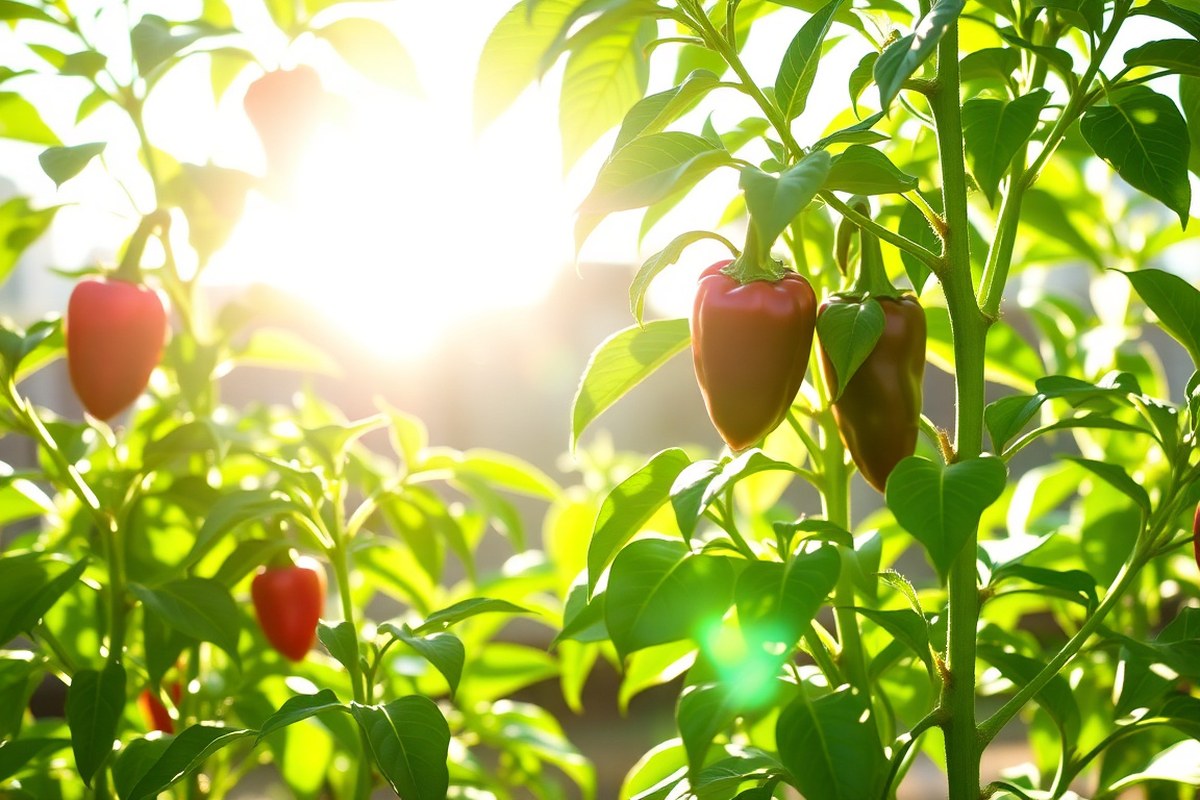
Pepper plants need six to eight hours of direct sun each day. This full sun range helps them grow strong and develop fruit. Daily sunlight like this usually results in many peppers and rich taste.
Less than four hours of sun causes weak growth in pepper plants. They tend to be spindly and don’t fruit on time. Poor sunlight slows their development and yields.
Four to six hours can support moderate growth in cooler climates but may limit yields. Six to eight hours of sunlight is ideal for pepper plants.
It supports strong growth and encourages plenty of fruit. This range helps the plants perform best.
You should move peppers to a spot with more than six hours of sun. A sunnier place helps peppers grow better and produce more fruit. South-facing areas or spots without trees are ideal because they receive the most consistent direct sunlight.
Adjusting plant placement may take a bit of trial. Peppers quickly grow better once they get more sun.
They produce more peppers and look healthier on the vine. Improved light helps the plants respond fast.
Can Peppers Get Too Much Sun and How to Recognize It?
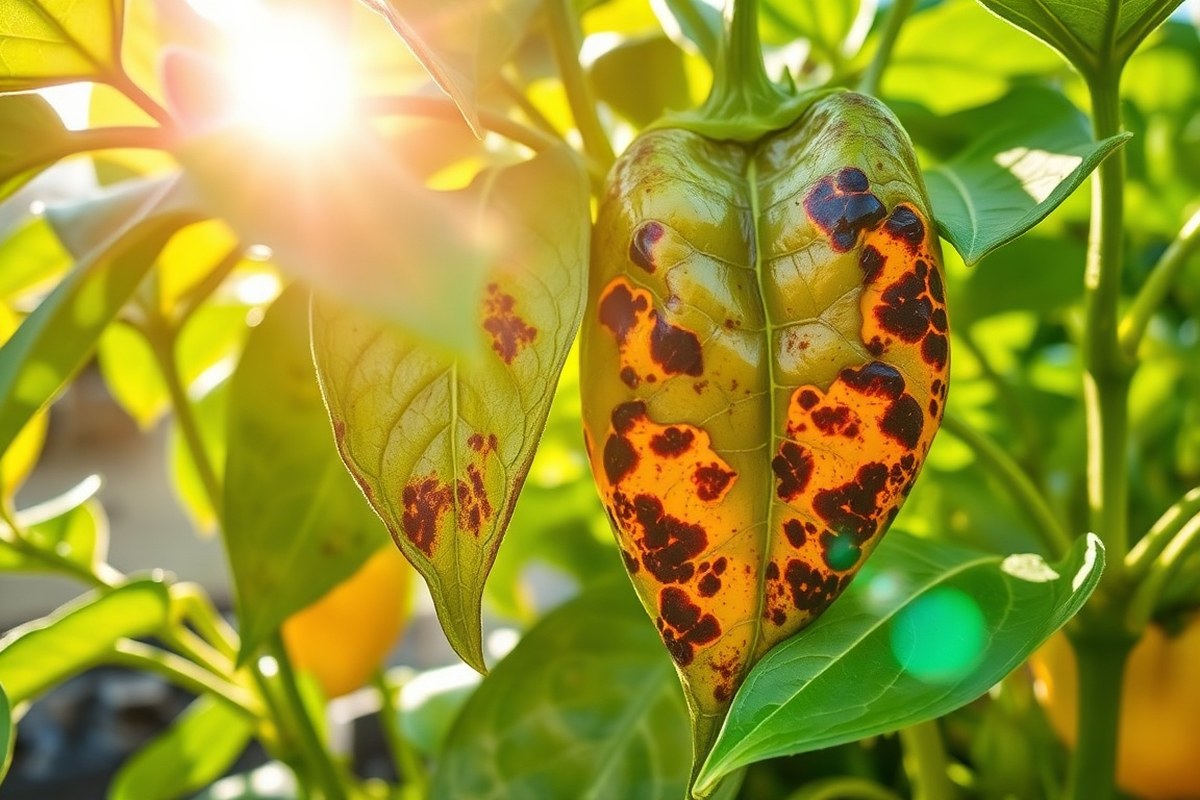
Pepper plants can get too much sun, especially in hot climates or during heat waves. Too much direct sunlight can cause leaf burn and sunscald on fruits. You’ll notice yellowing leaves, browning spots, and fewer peppers if sun damage occurs.
Signs of Sun Damage on Peppers
Leaves that turn pale, yellow, or show brown, crispy edges usually mean sunburn. Fruits often get pale, whitish patches that look bleached. These spots are soft and can attract pests or diseases later on.
Another sign is leaves curling or wilting even when soil has enough water. Overexposure also slows fruit development, so peppers stay small or drop early. Excessive sunlight makes plants lose water quickly, stressing them.
How Sunscald Harms Peppers
Sunscald is like a burn from intense midday sun, especially above 90 °F. It damages cell tissues on leaves and fruit skin, causing dead spots. This lowers plant health, reduces fruit quality, and cuts yields.
High sun and heat combined trigger faster water loss through leaves. That dries peppers out, causing wilting and leaf scorch. Plants that lose water fast can die if you don’t water them often in heat.
Protecting Peppers from Sun Damage
You can limit sun damage with shade cloths that block 30 to 50 percent of light. Put them up during the hottest hours, usually midday.
A mesh or garden fabric works well for small gardens. It costs about $10 to $30.
Another method is moving potted peppers to spots with afternoon shade. For planted peppers, adding taller companion plants for shade helps.
Adjust watering to keep soil moist during heat waves. Water deeply in morning and mid-afternoon to replace lost moisture.
Managing Light Exposure Step by Step
Start seedlings with 4 to 6 hours of gentle morning sun. Protect them with shade cloth until they grow stronger. Then give them 6 to 8 hours of sun, shading if it’s very hot.
During flowering and fruit setting, give 8 to 10 hours of sun. Protect fruits from strong midday sun to avoid damage.
Temporary shade during heat waves protects both leaves and peppers. Watch leaves daily for yellowing or curling as warning signs to add shade.
Adjusting Care During Heat Waves
In heat over 90 °F, peppers lose water faster and risk sunburn. Deploy shade cloth or move plants to cooler spots quickly.
Increase watering frequency but avoid waterlogging. Moist soil helps slow leaf burn and sunscald.
Keep an eye on the soil moisture and leaf condition. Leaf scorch means either too much sun or not enough water. Correcting these immediately keeps plants healthy and productive even under intense sun.
Put a lightweight shade cloth on during the hottest hours. This stops sun damage but still lets some light through.
How to Transition Pepper Seedlings from Indoors to Outdoor Sunlight Safely
Hardening off pepper seedlings means slowly getting them used to outdoor sun and weather. It helps avoid sunburn, wind damage, and growth shock. The process takes about two to three weeks and involves gradually increasing sun time.
Day 1 to 3: Introducing Gentle Sunlight
Start by putting your seedlings outside in the morning. Morning sun is less intense and safer for young plants. Give seedlings 1 or 2 hours of light at first.
You can also keep them in bright shade. Avoid strong sun during this early stage.
Keep the seedlings protected from wind and avoid afternoon sun. You can use a shade cloth to soften the light and prevent sunburn. Water the seedlings well before and after each outdoor session to prevent drying out.
Days 4 to 10: Increasing Direct Sun Exposure Gradually
Add more sun exposure time daily. Gradually give seedlings 5 to 6 hours of light. This helps them adjust without stress.
Start including some mild afternoon sun around days 5 or 6. Watch your peppers closely for any signs of stress like wilting, discoloration, or drooping.
Move seedlings back to shade if you see stress signs. You can also bring them indoors. Keep them there for 1 or 2 days.
Use a lightweight shade cloth during the strongest sun hours to protect tender leaves. Keep watering daily, so the soil stays moist but not soggy.
Final Week: Full Sun Acclimation and Planting Out
By the last week, seedlings should handle full sun all day. Take off any shade cloth unless the sun is very hot, for example, above 85°F. This step gets plants ready to live outside permanently.
Plant your seedlings in well-prepared soil after hardening off. Choose a day when temperatures stay between 60°F and 75°F to avoid stress. Water the plants right after transplanting to help them settle in faster.
- Place seedlings outside in the morning shade or gentle sun for 1-2 hours.
- Protect seedlings from wind and dry air with shade cloth or a sheltered spot.
- Each day, add one to two hours more sun. Start adding mild afternoon sun by day five. This helps seedlings toughen up safely.
- Watch for stress signs: wilted leaves, sunburn spots, or drooping stems.
- Provide shade or bring indoors if seedlings show too much stress.
- Water plants before and after each outdoor session to keep soil moist.
- Remove shade cloth by the final week and expose seedlings to full sun daily.
- Transplant outdoors after hardening off when seedlings can handle all-day sun.
Can Pepper Plants Grow Well in Shade or with Artificial Light?
Peppers can grow in partial shade but won’t produce as much fruit as with full sun. Partial shade means about 4 to 6 hours of sunlight daily.
Choose pepper varieties that tolerate lower light if you have a shaded garden. Good soil and nutrient-rich fertilizer help make up for less sun.
Growing peppers indoors needs bright, full-spectrum grow lights. LED grow lights are the best choice.
They should provide 12 to 14 hours of light per day to mimic natural sunshine. Less light leads to weak, leggy plants that drop buds and fail to produce peppers.
Reflective materials like white walls or Mylar sheets around your indoor plants boost light intensity. These materials bounce light back to the plants, improving growth. Put grow lights near plants, but not too close to burn leaves.
| Light Source | Hours per Day | Expected Results | Notes |
|---|---|---|---|
| Full Sun | 6 to 8+ | Strong growth, high yields, strong peppers | Best for most pepper varieties |
| Partial Shade | 4 to 6 | Moderate growth, reduced yield | Choose shade-tolerant varieties |
| Artificial Grow Lights (Full Spectrum LED) | 12 to 14 | Good growth indoors, healthy fruiting if properly timed | Keep lights 12-18 inches above plants, use reflective materials |
Indoor growers should ensure temperatures stay above 70°F for pepper growth. Check that the grow lights cover all leaves evenly.
Move containers as needed to avoid shadows. Temporary shade outdoors is okay if total sunlight still meets the minimum needed hours.
- Use 12-14 hours of full-spectrum LED light daily indoors.
- Place grow lights 12-18 inches above the plants.
- Surround plants with reflective materials to boost light.
- Choose shade-tolerant pepper varieties for partial shade areas.
- Keep indoor temperatures above 70°F for seedling growth.
Low light often causes peppers to drop flower buds early or not flower at all. Shade reduces the plant’s energy available for making sugars and growing fruit. Artificial light can fix this issue by supplying steady light.
How Do Temperature and Sunlight Interact for Best Pepper Growth?
Peppers grow best when sunlight and temperature work together. They need 6 to 8 hours of sun and temperatures between 70 and 85°F. Too much heat above 90°F can hurt flowers and stop fruit from forming.
Ideal Temperature Range for Sun and Growth
The best temperature for peppers is between 70 and 85°F. In this range, sunlight helps photosynthesis, giving the plant energy to grow strong. Fruit sets well when temperatures stay steady here during the day.
Temperatures below 70°F slow growth and reduce fruit production. Peppers might still survive but won’t thrive or yield much. Making sure daytime temps reach at least 70°F supports healthy development.
Effects of Heat over 90°F on Sun Response
Heat above 90°F can stress pepper plants in full sun. Flower buds may dry up and drop, which stops new peppers from forming. Plants still need light, but intense heat can overwhelm their ability to use it.
In hot weather, leaves may wilt or turn pale from sun damage. Using shade cloth or moving pots to cooler spots during heat spikes helps protect plants. Evening watering also cools soil and reduces stress.
Using Microclimate to Boost Sun and Warmth
South-facing walls create warmer microclimates for peppers by adding 5 to 10°F. Placing plants near these walls extends their growing season and helps them absorb more sun heat. This is handy in cooler areas or early spring.
Raised beds or areas near heat-absorbing surfaces like stone paths offer extra warmth too. These tricks maximize sunlight use by raising surrounding temperatures. This encourages earlier fruit set and better growth.
Managing Sunlight and Temperature in Hot Weather
During heat waves, reduce sun exposure to prevent damage. A light shade during peak afternoon sun cuts heat stress without blocking all sunlight. Monitor soil moisture closely since hot sun dries it quickly.
Adjusting watering schedules helps peppers stay cool and hydrated during hot spells. Avoid letting leaves stay wet at night to prevent disease. These steps keep plants healthy through intense sun and heat.
Remember to check weather forecasts and protect peppers from heat above 90°F with shade or watering.
Best Practices for Choosing and Preparing Pepper Planting Locations
Pick a garden spot that gets six to eight hours of sun every day. Peppers need plenty of sunlight to grow well. Choose a place with full sun exposure.
Look for areas that aren’t shaded by trees or buildings during key daylight hours. You want your peppers to get full sun to boost flowering and fruit growth.
Soil plays a big role in how well sunlight helps your plants. Well-drained soil with plenty of organic matter holds water and nutrients better.
Adding a 2-3 inch layer of compost or mulch keeps moisture steady. This can reduce wilting during hot afternoons when peppers need it most.
Adjusting your planting spot helps if sunlight is limited. For example, choose south or west-facing spots to catch more peak sunlight.
You can also trim back nearby plants or shade trees to open up light. Raised beds or containers let you move peppers to sunnier spots if needed.
- Choose a site that receives a minimum of six hours of direct sun
- Ensure the soil drains well yet holds moisture with organic compost
- Place peppers where wind exposure is low to reduce stress
- Mulch around plants with 2-3 inches of organic material to conserve water
- Pick spots preferably facing south or west for better afternoon sun
- Use raised beds or containers to adjust location based on sunlight
Sandy soil needs extra watering since it drains quickly, even under good sunlight. Rich, loamy soil reduces water needs and supports steady growth.
Avoid planting peppers where water stands after rain, as this limits root oxygen. Good sunlight combined with healthy soil makes your peppers grow larger and harvest more plentiful.
Managing Pepper Plants During Extreme Heat and Intense Sunlight
Peppers can struggle when the temperature hits above 90°F, especially with intense afternoon sun. Using shade cloth helps reduce heat stress and prevents the plants from dropping flowers. This way, your peppers stay healthier and produce more fruit during heatwaves.
A shade cloth with about 30% to 50% density works well. It blocks enough sunlight to cool the plants without stopping them from photosynthesizing. Apply shade during the hottest hours of the day.
This is usually from 3:00 PM to 5:00 PM. The sun and heat peak at this time.
Watering also needs adjustment in extreme heat. Peppers in pots dry out faster, so water them every one to two days. Make sure soil stays moist but not soggy.
You can check by sticking your finger one inch into the soil. Water the plant when the soil feels dry to the touch.
Follow these steps to protect your peppers during extreme heat and intense sunlight:
- Install a shade cloth with 30% to 50% density over the pepper plants before heat peaks.
- Raise the cloth so it doesn’t touch leaves directly, allowing air circulation to prevent mold.
- Set up shade daily during heatwaves. Cover plants from 3:00 PM to 5:00 PM. This blocks the intense sun.
- Water peppers deeply every day or every other day. Aim for the base only. Keep leaves dry to prevent disease.
- Mulch around the plants with straw or wood chips to keep soil moisture steady and cooler.
- Look at leaves every day for sunburn signs. Watch for white spots or curling. Adjust shade coverage if necessary.
- Use a hand trowel to gently loosen soil occasionally, improving water absorption and root health.
Shade cloth costs about $20 to $50 for a standard roll. You can reuse it each year in your garden. Avoid covering the plants all day, peppers still need direct sunlight overall.
Over-shading slows growth and reduces yield. Watch your plants closely during heatwaves so you can adjust shade and water quickly.
Identifying and Correcting Light-Related Problems in Pepper Plants
Pepper plants show clear signs when they get too little or too much sunlight. Low light slows their growth, making stems thin and leaves pale green or yellow.
You might also see the plants leaning toward the light source in a clear stretch. This means they are not getting enough direct sun to thrive.
Too much sun often looks like brown or dry leaf edges and curled leaves. Unlike pest damage, sunburn spots are dry and fixed in place.
They don’t have holes or sticky residue like insect problems. Wilting during hot midday sun with normal soil moisture also confirms sun stress rather than disease.
| Symptom | Too Little Sun | Too Much Sun |
|---|---|---|
| Leaf color | Pale green to yellow | Brown edges, dry spots |
| Stem growth | Long, thin, weak | Normal thickness but weak overall |
| Leaf shape | Normal shape, smaller | Curled or shriveled |
| Wilting | Rare without drought | Common during hot sun despite watering |
| Other signs | Leaning toward light | Dry soil, crispy mulch |
Start fixing low light by moving peppers to a sunnier spot. Make sure it gets at least 6 hours of direct sunlight. This helps peppers grow better and produce more fruit.
Prune the longest, weakest stems back by half using clean, sharp scissors. This helps redirect energy into new growth. Avoid heavy pruning all at once to reduce shock.
For too much sun, give peppers some afternoon shade. Use a shade cloth or move pots to a cooler spot. This prevents sunburn and keeps plants healthy.
Check the soil moisture every day. Dehydration is common when high sun dries plants fast. Water deeply but less often to encourage strong roots.
Both problems get better by balancing light and water. When adjusting light, give plants 3 to 5 days before expecting clear changes.
Pruning encourages bushier growth over several weeks. Watch for new leaves with healthy color and firmness as a sign of recovery.
Watch your watering closely after adjusting sunlight. Peppers can go from dry to drowned fast.
Step-by-Step Action Plan for Perfect Sunlight on Your Pepper Plants
Follow these steps to give your pepper plants just the right amount of sunlight. Track their growth and leaf health to see your success.
- Before planting: Choose a spot with 6 to 8 hours of sunlight daily. Check the site throughout the day to confirm light exposure.
- Seedling stage: Start seedlings indoors under bright grow lights for 12 to 16 hours daily. Look for strong, upright stems without stretching.
- One week before transplanting: Gradually move seedlings outdoors for 2 hours daily in shaded areas. Increase sunlight exposure by one hour every day.
- Transplant day: Plant peppers outside in full sun if temperatures are between 65 and 75°F. Leaf color should remain deep green, not pale or scorched.
- After transplanting, weeks 1-3: Monitor leaves daily for signs of sunburn or wilting. Use shade cloth during peak afternoon sun if leaves look damaged.
- During heat waves: Water plants early in the morning. Give extra shade if temperatures go above 85°F. This helps keep them cool and hydrated. Plants should perk up by evening.
- Mid-season: Watch pepper fruit development and adjust sunlight if fruits show sunscald (bleached spots). Apply shade during the hottest parts of the day.
- Late season: Keep plants exposed to full sun if temperatures are mild, about 70 to 80°F. Expect peppers to ripen evenly and fully under consistent light.
Frequently Asked Questions
What Is the Best Time of Day for Peppers to Get Sunlight?
Peppers grow best with sunlight in the morning or early afternoon. This helps avoid the hottest midday sun that can stress plants.
Can Peppers Tolerate Cloudy Days Without Direct Sun?
Peppers can handle some cloudy days but need full sun most days. Lack of sun lowers their growth and fruit production over time.
Do Pepper Plants Need Sun During Fruit Ripening?
Yes, peppers need sunlight while fruit ripens to develop good color and flavor. Without sun, fruits stay pale and may grow more slowly.
Can Container-Grown Peppers Get Enough Sun on a Balcony?
Yes, containers can work if placed in a sunny spot with 6-8 hours daily. Use reflective surfaces or rotate pots for even light.
Does Mulching Affect How Much Sunlight Peppers Need?
Mulching doesn’t change sunlight needs, but it keeps soil moist and cool. This lets pepper roots stay healthy during sunny days.
Is It Better to Water Peppers Before or After Sun Exposure?
Water peppers early in the morning before sun hits leaves. This reduces leaf burn risk and keeps soil evenly moist.
The Bottom Line
Peppers grow best with 6 to 8 hours of steady sunlight and protection from extremes. Start seedlings indoors with grow lights and move them outside gradually. Check your plants every day.
Watch leaves and fruit for signs of trouble. Act fast to keep them healthy and fruitful.