How Much Do Snake Plants Cost? A Complete Guide to Prices and Savings
How much do snake plants cost really depends on size and variety. Small snake plants usually run between $10 and $20. Prices may vary slightly depending on the seller’s location and stock.
Medium-sized snake plants generally cost around $15 to $30. Rare varieties with unique colors or patterns can push prices higher. Some grow slowly, so mature plants that look full might cost more.
Larger snake plants, especially those over 30 inches tall, often cost $50 to $100 or more. The bigger the plant, the more expensive it tends to be. These larger ones can serve as statement pieces in your home.
Where you buy your snake plant also matters. Local nurseries often offer better prices than big box stores. Shopping during winter sales or clearances can save you a lot, sometimes half off the usual price.
Key Takeaways
- Small snake plants (6, 8 inches) cost $10 to $20 on average.
- Large snake plants often cost $50 to $100+ due to growth time.
- Medium-sized plants usually fall in the $15 to $30 price range.
- Variegated or rare varieties usually cost more than common types.
- Local nurseries may offer lower prices than chain stores.
- Shopping off-season can help you find discounts on bigger plants.
Typical Price Ranges for Snake Plants by Size and Variety
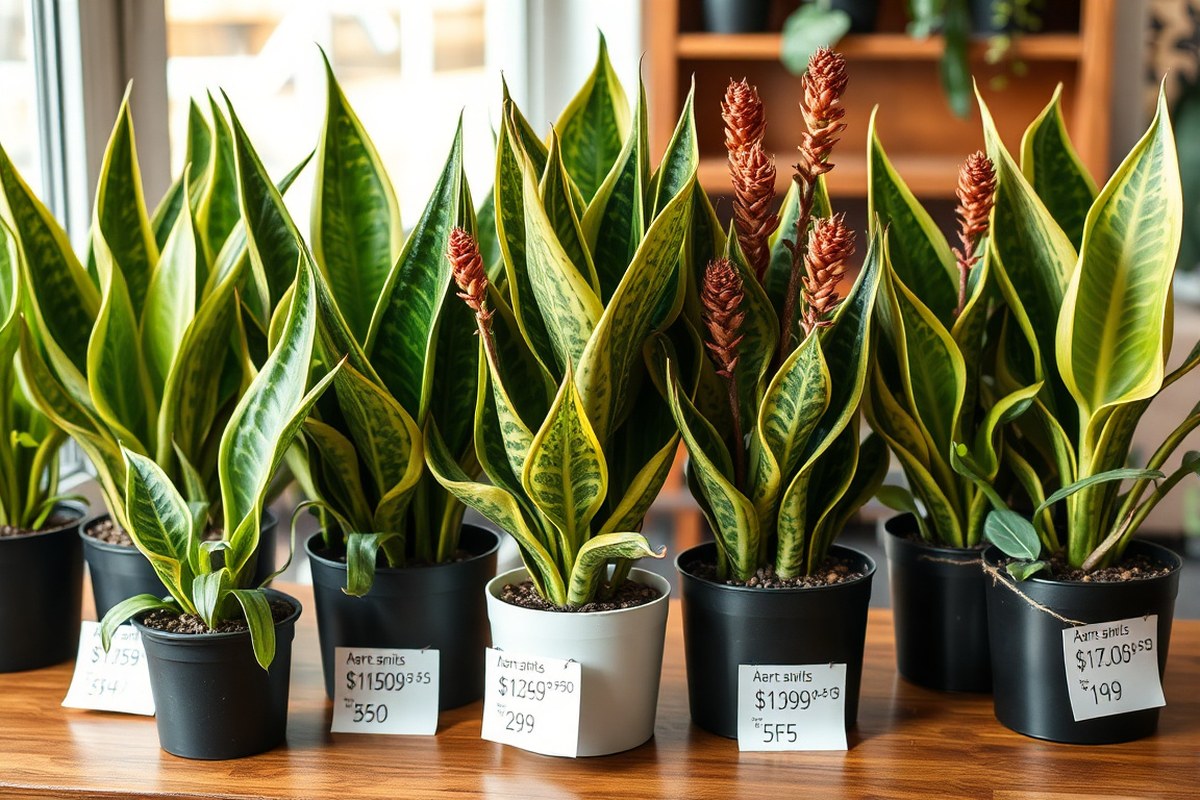
Snake plants cost quite a bit depending on size and type. Smaller, basic plants often start at around $5.
Medium-sized snake plants tend to range from $15 to $30. Larger or variegated types usually cost more, sometimes reaching $100 or above.
The variety also affects price. Basic green snake plants are the cheapest.
Variegated or specialty types such as ‘Moonshine’ or ‘Whale Fin’ are pricier. Larger sizes with more leaves raise the cost significantly as well.
| Size / Variety | Typical Price Range (USD) |
|---|---|
| Small basic (single rosette, solid green) | $5, $15 |
| Medium standard (multiple leaves, common green) | $15, $30 |
| Large standard (tall, strong, solid green) | $30, $60 |
| Variegated houseplants or special varieties like the ‘Golden Pothos’ stand out for their patterns. | $30, $100+ |
Here’s a detailed example of typical prices by size for common snake plants. Small plants in 4, 6 inch pots cost about $6 to $15.
Medium plants with fuller leaves fall between $12 and $28. Large snake plants in 8, 12 inch pots usually run $25 to $60.
Big snake plants with many stems or rare looks can cost $60 to $150. Prices change depending on where you shop and how rare the type is.
Budget-friendly options are easy to find as small starters. But expect to pay more to get a showy or grown-up plant.
Key Factors That Influence Snake Plant Prices
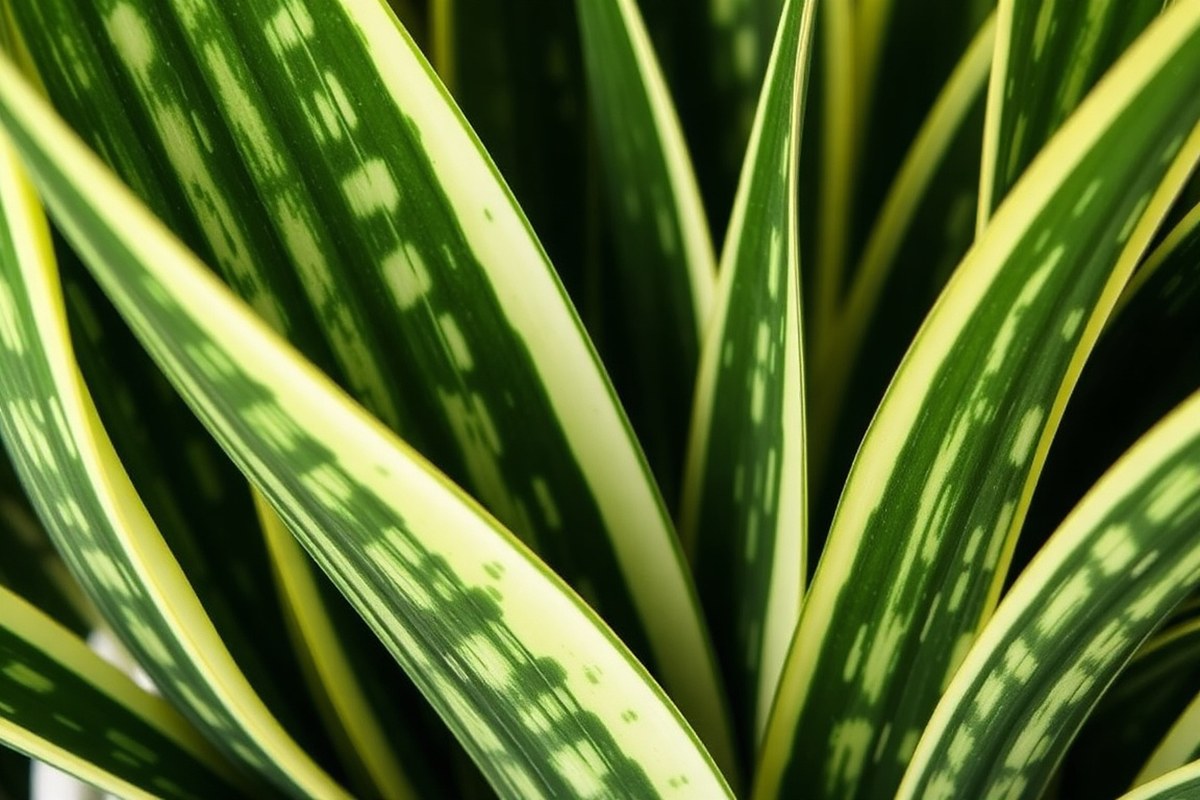
Plant Size and Age Impact Costs
Bigger snake plants usually cost more. A 6- to 8-inch plant often sells for $15 to $25 depending on location.
Mature plants that are older can be more expensive than young ones. They require more time and care to grow, which adds to the price.
Shipping also raises costs for larger, heavier plants. A 10-inch mature plant may cost as much to ship as to buy.
Shipping costs can match the plant price. This makes shipping a big part of the total cost.
Variety and Rarity Affect Prices
Common snake plants like Sansevieria trifasciata Superba go for about $25. Rare or unique varieties with fancy leaf patterns sell for much more.
Plants with variegation often cost more. They take longer to grow and need extra care.
This higher demand raises their price. These are harder to find, adding to their value.
Specialty plants that are rare can cost several times more than basic types. Their price reflects their unique look and scarcity.
Plant Health and Pot Quality
Healthy snake plants without pests or damage cost more because they look better and last longer. Check leaves for firmness and color before buying.
Pots also matter. High-quality or decorative pots add to the total price. Simple plastic pots usually cost less but might need upgrading for display.
Some sellers include premium soil that supports better growth. This can bump the plant’s price but saves you extra potting mix costs later.
Seller Type and Location Influence Prices
Buying from nurseries or garden centers usually costs more. Big box stores or online sellers offer discounts. This makes them cheaper options for many buyers.
Your city or region affects prices too. A 6- to 8-inch snake plant might cost $15 in one city.
In another city, the same plant might cost about $20. Prices can vary by location.
Local plant sales or festivals can offer better deals. Shipping from distant sellers adds cost and delivery time, especially for large plants.
Buying a rare or mature snake plant costs more upfront. But it saves time compared to waiting for growth. This can be worth it if you want a bigger plant now.
Where to Buy Snake Plants: Comparing Sources and Prices
Snake plant prices vary by where you shop. Local nurseries, big-box stores, and online shops each have pros and cons. Comparing these sources helps you get the best plant for your budget.
Local Nurseries and Garden Centers
Local nurseries usually charge 20-30% more than big-box stores. You pay more for healthier plants and expert care. You can see plant quality before buying and avoid surprises.
Prices at local nurseries typically range from about $15 to $50 for common varieties. Specialty snake plants may cost more but give you unique options not found in big-box stores. Local sellers often have plant swaps or clearance spots.
You can find snake plants there for $5 to $10. These informal sales are good for cheap plants.
Big-Box Retailers and Home Improvement Stores
Big-box stores like Home Depot and Lowe’s often have the lowest prices. They usually sell common snake plants between $10 and $30. The variety is limited compared to nurseries and tends to focus on standard types.
The plants often come in generic pots with basic soil. Big-box stores keep prices low by selling high volumes with less labor per plant. This means lower quality and more risk of plant stress or damage.
Online Plant Shops and Marketplaces
Online retailers offer rare and curated snake plants not always available locally. Base prices may be lower due to reduced overhead.
But shipping fees often add $25 to $90. These costs can erase any savings.
You can’t inspect plants before buying online, so risk damaged or incorrect plants. One 2023 study found 31% of online orders arrived with visible damage or the wrong variety.
Online places can offer flash deals or bundled pots during sales, changing prices by 5-12%. Marketplaces like Etsy have prices from $12 to $150 depending on rarity and seller fees.
Here’s a table comparing basic price and quality features by seller type:
| Seller Type | Price Range | Plant Quality | Variety | Additional Costs |
|---|---|---|---|---|
| Local Nurseries | $15 – $50 | Higher; inspect before buying | Common & some rare | None typical; possible local tax |
| Big-Box Stores | $10 – $30 | Lower; basic pots and soil | Common types only | None typical |
| Online Shops | $12 – $150 | Varies; risk of damage | Wide; rare options | $25 – $90 shipping |
| Local Plant Swaps/Clearance | $5 – $10 | Varies; plants may be smaller | Common types | None |
Local nurseries give you peace of mind with healthy plants but at higher prices. Big-box stores save money but offer usual varieties and less plant care.
Online shops add convenience and rare finds but often include costly shipping and risks. Local swaps and clearances provide cheap options if you don’t mind smaller or less perfect plants.
How to Save Money When Buying Snake Plants
Discounts on snake plants are common during seasonal sales in spring and January. Retailers like Home Depot and Lowe’s often offer prices 25% to 30% lower then. Watching for these sales can save you $10 to $20 on popular varieties like “Laurentii.”
Rescue or clearance snake plants can cut costs by 25% to 40%. These plants might show minor leaf damage or look less full. They usually recover quickly with good care.
Just keep an eye on them. Avoid plants with signs of root rot or pests to prevent extra expenses later.
Choosing smaller snake plants or pups is a solid way to save money upfront. They often cost half as much as mature plants but take months to grow fully. This method works if you have patience.
Also, you need space for them to grow. Caring for them during growth is important.
- Buy snake plants during spring or January sales for big discounts.
- Look for rescue plants marked 25% to 40% off but inspect health.
- Consider small plants and pups to pay less initially.
- Buy sets of 3 or more plants online to lower the cost per plant.
- Avoid plants with root rot or pest problems to reduce future costs.
- Water deeply but only when soil is completely dry to keep plants healthy.
- Check local garden centers for clearance racks or seasonal mark-downs.
Buying in bulk or sets from online sellers can shave down per-plant cost. You can save up to 50% per snake plant this way. This beats the price of single plants at garden centers.
Buying in groups often costs less. Just be sure to check shipping policies and plant size before buying.
Taking care of your snake plant after buying is key to saving money long-term. Water only when the soil is completely dry to avoid root rot.
Healthy plants grow strong and last years. So spending less on a good start pays off.
Understanding Additional Costs: Pots, Shipping, and Care Supplies
Decorative pots add $10 to $40 or more to the cost. Prices depend on size and material. Bigger or fancy pots cost more.
Basic plastic pots usually run $5 to $10 and save money. Ceramic or designer pots look nicer but cost $20 to $40.
This raises your total expense a lot. You pay more upfront for style.
Shipping usually costs $5 to $15 when ordering plants online. The fee depends on plant size and how far it ships. Expect higher cost for bigger plants.
Some retailers offer free shipping if you spend a certain amount. So combining orders helps reduce this cost. Buying locally avoids shipping fees but may limit your plant variety.
After purchase, you’ll need basic care supplies like potting soil, fertilizer, and watering tools. A 4-quart bag of cactus or succulent soil mix costs about $10. This amount is enough for several repots.
Good soil helps your plants grow. Balanced houseplant fertilizer costs $8 to $15 and lasts months.
Feeding your plants once a month uses up about that amount. Fertilizer keeps plants healthy over time.
A watering can with a narrow spout costs around $10. It helps control moisture when you water. Having the right tools makes watering easier.
Repot snake plants every 1 to 2 years to keep them healthy. You might need spare pots or trays costing $10 to $20 each. This care helps plants grow strong.
Lighting is usually fine indoors with natural light. So no extra gear is often needed.
Check pot drainage holes before buying; poor drainage causes root rot and plant decline.
How Long Does a Snake Plant Take to Grow and Affect Price?
Snake plants grow slowly, whether indoors or outdoors. Indoors, they typically take up to 18 months to double in size with minimal care. Outdoors, these plants grow a bit faster in warm, bright spots.
They still grow slower than many other houseplants. Their slow growth rate stays noticeable even outside.
Buying a mature snake plant means paying for years of growth and care. Larger plants cost more because someone grew them over time, investing water, light, and attention. Nurseries often charge extra for pots around 6 inches wide.
These mid-sized pots show off the plant better. The fuller look makes plants more attractive at this size.
Your best bet for long-term growth is to buy a small plant, usually priced around $15. As it doubles in size within 18 months, it saves you money but requires patience. Place it in bright, indirect light to grow well.
Water it only when the soil feels dry. This care helps the plant grow steadily over time.
Older plants marked down by 20 to 30 percent in fall may have slowed growth indoors. They often pause for four to six months before new leaves appear. Choose healthy, actively growing plants unless you’re okay waiting for visible growth again.
Large varieties like the ‘Whale Fin’ cost much more. Their size and unique leaf shape raise the price. These slow growers demand a higher price tag.
That kind of rarity commands hundreds or even thousands of dollars. Most common snake plants range from $5 to $50.
Prices depend on their age and container size. These prices fit plants made for home growing.
For long-term enjoyment, consider your patience and budget. Small snake plants offer the best value and time to grow. Mature plants provide instant impact in your space.
They cost more because of their years of growth. You’re paying for that built-up size in one plant.
Rare Varieties and Specialty Snake Plants: Are They Worth It?
Rare snake plants often get their label because of unique leaf shapes, colors, or growth habits. For example, the golden hahnii is a rare hybrid, making it pricier than common snake plants. True bonsai-trained snake plants need more care and time.
They cost $75 to $120. This price comes from years of pruning and shaping.
Some collectors pay big money for unusual morphs or giant types. Prices can go over $3,000 if the plant is rare. This rare version has unique variegation or form.
Such plants are hard to find. Sansevieria masoniana grows slower than other types.
It can cost up to six times more. For example, more than Sansevieria trifasciata ‘Laurentii’.
Price often reflects how stable and healthy the plant’s variegation and root system are. A pricey snake plant should have clear, consistent leaf patterns and strong roots. This means it will grow steadily indoors without losing its unique features.
Common snake plants usually cost between $10 and $25 for small to medium sizes. Specialty types like cylindrical or moonshine start around $40. Prices go over $100 once the plant is mature.
This depends on the variety. Sometimes you pay more for a special pot.
Older plants with stable growth can cost extra, too. This adds to the overall price.
Choosing between rare and common snake plants depends on your goals. Choose common varieties for easy care and low cost. They handle overwatering or underwatering better than rare ones.
These work well for beginners. Rare types take more patience to care for.
Their leaf patterns might change over time. They still stay mostly tough indoors.
Think about how much time and money you want to spend. A rare snake plant adds style and uniqueness but can cost much more. Common types give reliable growth without the fuss.
Many snake plants do well with indoor light. They only need watering every few weeks. This makes them easy to maintain.
Step-by-Step Guide to Propagating Snake Plant Pups for Savings
Propagating snake plant pups is a great way to grow your collection without spending extra money. You find small offshoots at the base of grown plants. Separate them carefully.
Then pot them to grow new plants. This method saves money over time as pups mature enough to replace buying new snake plants.
Identifying Healthy Pups
Look for small shoots growing from the soil near your snake plant’s main stem. These pups usually have a few leaves and their own root system visible at the base. Healthy pups are firm, upright, and show no signs of yellowing or damage.
Pick pups at least 3 to 4 inches tall. This helps them survive separation.
Avoid pups that look weak or overly small. Wait until pups have some roots before removing them.
Separating Pups Safely
Gently remove the whole plant from its pot to see where the pups and roots connect. Use clean, sharp scissors or a knife to cut between the pup and the mother plant. Make sure the pup has some roots attached before cutting.
Handle the roots carefully to avoid damage. Let pups dry for a day after separating. Keep them in a cool, shaded spot.
This prevents rot. This step helps the cut ends form a callous before potting.
Always use sterilized tools to prevent infections when separating pups.
Potting and Initial Care for New Plants
Fill small pots with well-draining cactus or succulent soil for your new pups. Plant each pup just deep enough to cover the roots and support the leaves. Use pots with drainage holes to avoid water buildup.
Water the pups lightly after potting and then wait about two weeks before watering again. Place them in bright, indirect light to encourage root development.
Pups need several months to grow into mature plants. This helps reduce how much you spend on buying plants.
- Use a small pot 4-6 inches wide with drainage holes.
- Choose soil mix that drains well, avoiding soggy conditions.
- Water sparingly to prevent root rot during early weeks.
- Keep pups in spots with indirect sunlight to avoid leaf burn.
- Wait about 6 to 12 months for pups to grow sizable leaves.
- Avoid fertilizer for the first two months after potting.
- Repot pups once they outgrow their starter containers.
Step-by-Step Action Plan for Buying and Growing Snake Plants Affordably
Follow this plan to get the best price on your snake plant. Save money while your plant grows.
You’ll see benefits over time. Track your progress to see it pay off.
- Before You Buy: Research local nurseries and online shops for prices and variety. Check customer reviews to confirm quality.
- Day 1: Choose a medium-sized snake plant for the best balance of cost and quick growth. Look for healthy leaves and firm roots.
- Week 1: Use a simple pot with good drainage. Choose affordable soil to lower your costs. This keeps your expenses down. Monitor watering needs carefully.
- Week 4: Inspect your plant for new pups or offshoots starting to grow. This shows your plant is settling in well.
- Month 2: Propagate pups from your snake plant to grow more without buying new ones. Healthy pups will have roots after a few weeks.
- Month 3: Compare your ongoing costs like water and light needs to what you expected. Adjust care as needed to avoid waste.
Frequently Asked Questions
How Much Does a Medium-Sized Snake Plant Typically Cost?
Medium snake plants usually cost between $15 and $30. Size and fullness affect the price most.
Are Rare Snake Plant Varieties Always More Expensive?
Rare varieties often cost $50 or more due to rarity. Their unique look drives prices up.
Can You Find Cheap Snake Plants at Big Box Stores?
Big box stores often sell small snake plants for $6 to $15. Quality varies, but prices are low.
Do Snake Plants Get Pricier If They Come Potted with Fancy Containers?
Yes, decorative pots can add $10 to $60 to the cost. Choose pots that fit your style and budget.
Is Shipping Snake Plants Online Typically Expensive?
Shipping costs depend on size but expect $10 to $30. Fragile handling might add extra charges.
How Do Snake Plant Pups Affect Overall Costs?
Propagating pups cuts costs since you grow your own plants. It takes patience, but saves money long term.
The Bottom Line
Snake plants usually cost less if you pick common sizes and shop around. Growing your own pups cuts costs even more. Start with a small buy and watch your plant grow into a money-saver.