Do Hyacinths Multiply Naturally? A Complete Guide with Proven Methods
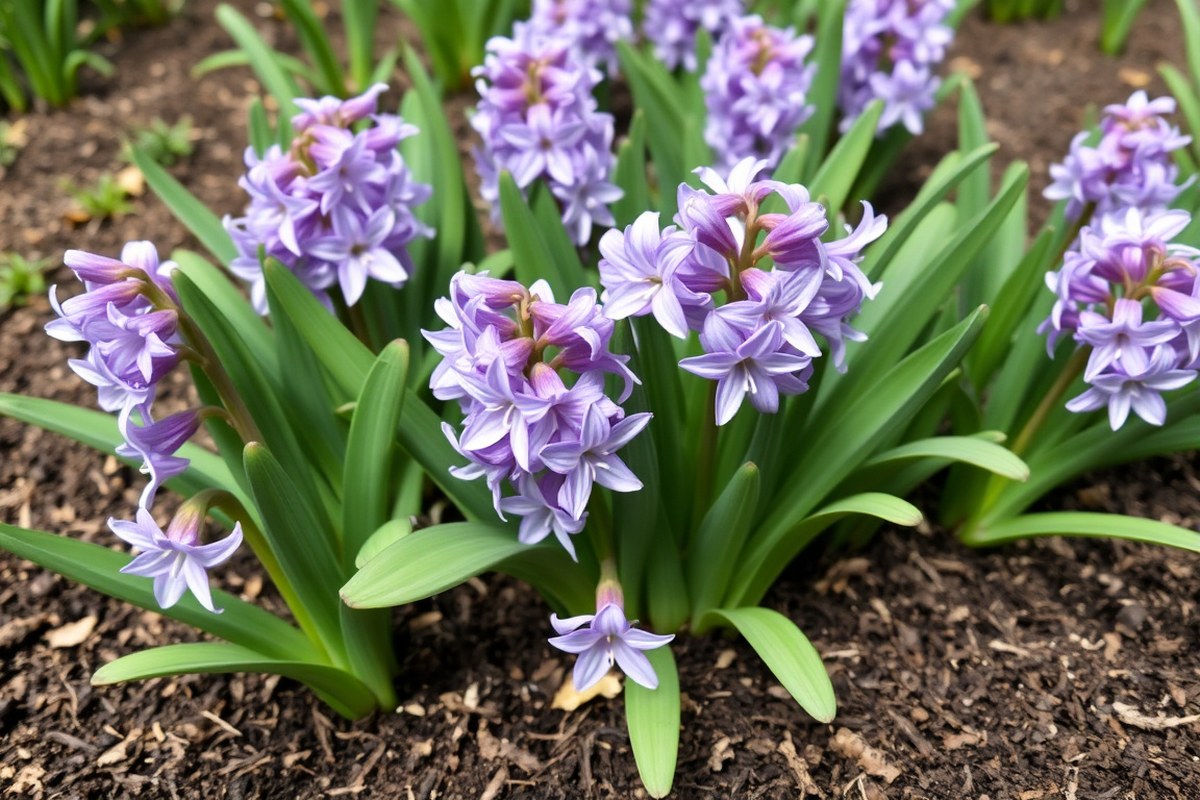
Do hyacinths multiply naturally? Yes, they do multiply over time if left undisturbed in the garden. Each bulb can produce smaller bulbs called offsets, spreading gradually.
You should expect natural growth to take a few years. It takes time before you notice a clear increase. Be patient and keep caring for the bulbs.
Bulbs usually last only three to four years before they decline, so multiplication is limited. Leaving hyacinths in the ground after blooming helps them multiply slowly. Plant bulbs with about 3 to 6 inches of space.
This distance gives new bulbs room to grow well. Make sure they are not too close together.
Providing good soil and proper depth, around 4 to 6 inches, supports healthy bulb division. Cooler winter temperatures, between 32°F and 45°F, are also essential for their growth cycle. These conditions help your hyacinths multiply and bloom well each spring.
Key Takeaways
- Space bulbs 3 to 6 inches apart for healthy multiplication.
- Plant bulbs 4 to 6 inches deep to protect and encourage growth.
- Hyacinth bulbs naturally multiply by producing smaller offsets.
- Bulbs typically last only three to four years before needing replacement.
- Leave bulbs undisturbed in the soil to support natural spreading.
- Cool winter chills of 12, 14 weeks help bulbs develop and bloom.
Do Hyacinths Multiply Naturally over Time?
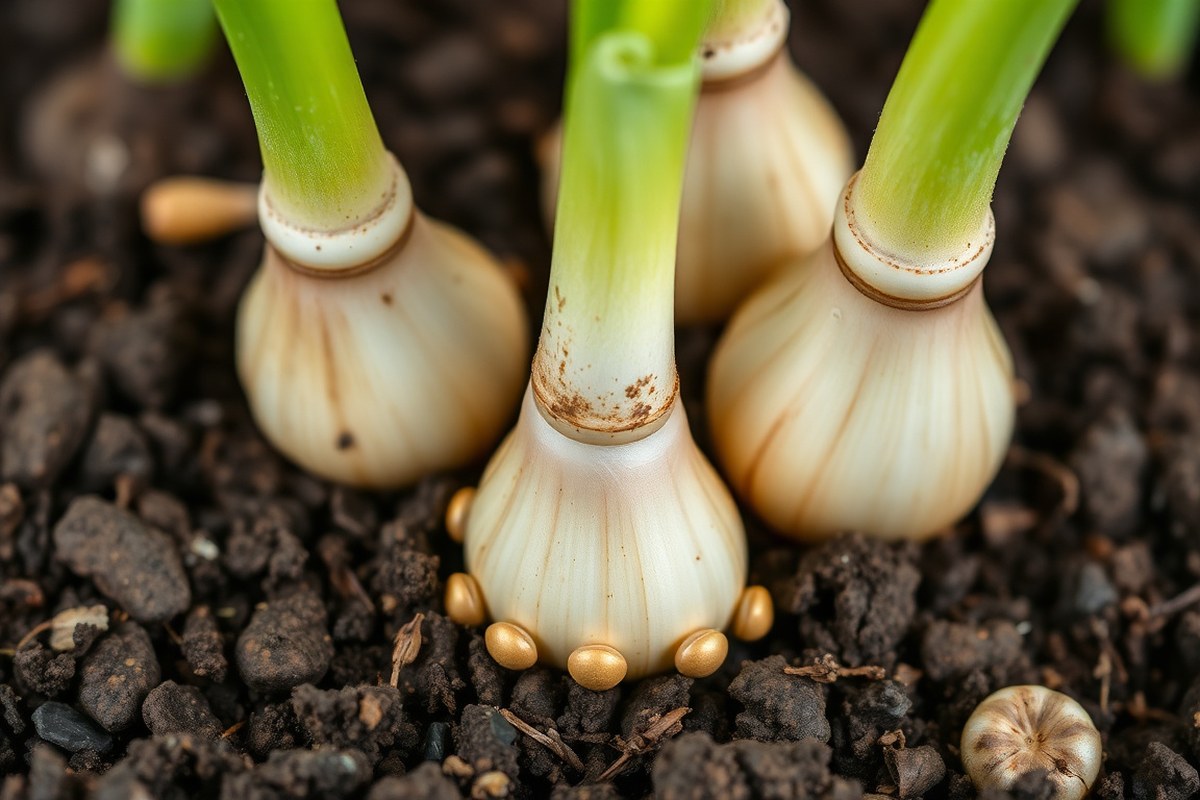
Hyacinth bulbs do multiply naturally when left undisturbed in the garden. Over time, the parent bulb produces small offshoots called bulblets or offsets at its base. These tiny bulbs gradually grow enough to bloom on their own.
The process of natural multiplication starts after the hyacinth blooms and the bulb rests. Within 8 to 12 weeks, expect to see bulblets forming around the main bulb’s base. These bulblets stay attached as they develop and separate only after several years.
Natural multiplication is slow but steady. You usually see noticeable multiplication after three to five years. This happens in the same planting spot.
Bulbs slowly spread over time. Hyacinth bulbs grow slowly and last three or four years.
After that, you need to divide or replace them. This keeps the plants healthy and blooming.
How Long Does It Take for Hyacinth Bulbs to Multiply?
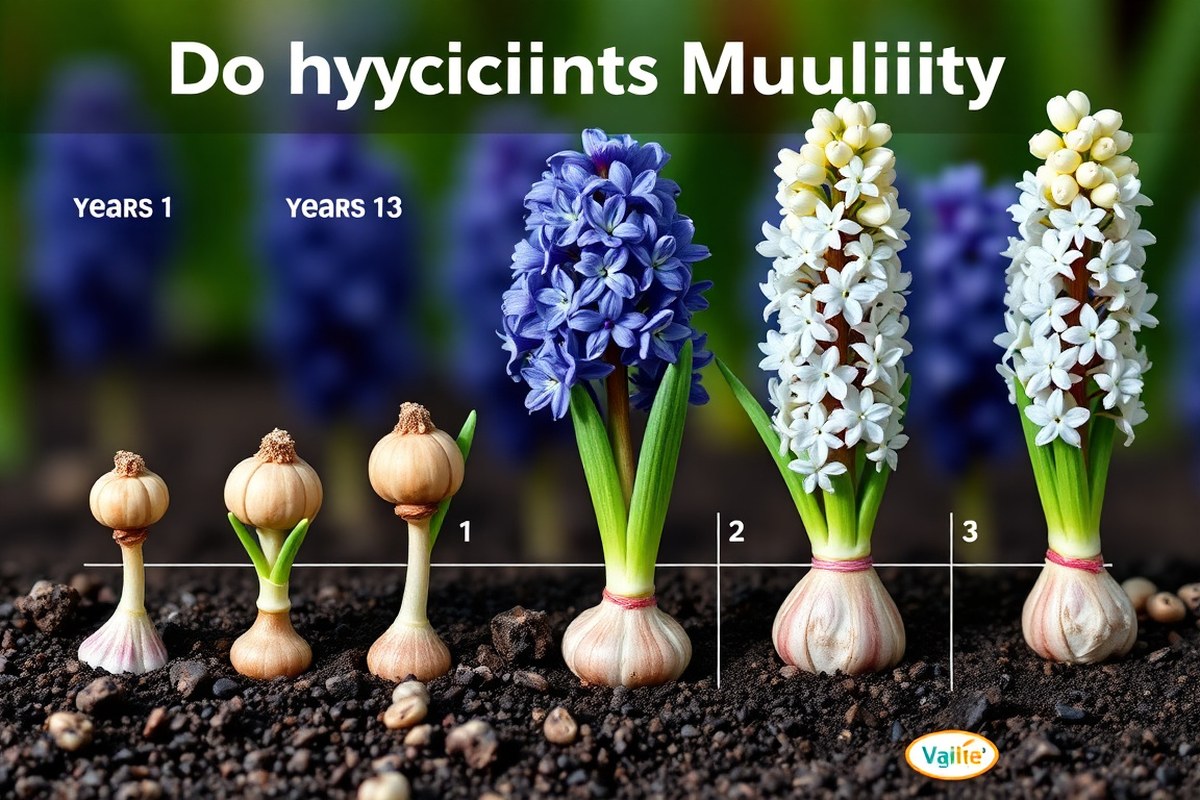
Hyacinth bulbs start producing offsets right after flowering. These small bulbs form at the base of the main bulb during the growing season. It usually takes three to five years for these offsets to bloom.
They must grow large enough before flowering. This period lets them develop fully.
A single hyacinth bulb typically lasts three to four years before it needs dividing. The offsets gradually reach full size, creating more flower stalks from one original bulb. It means your hyacinth patch can slowly grow bigger and show more blooms over several seasons.
You should dig up and divide your hyacinth bulbs once every three to four years. The best time is after the foliage dies back. This happens when bulbs go dormant in early summer.
That timing helps bulbs rest before dividing. Plant bulbs three times their height deep in soil.
Space bulbs at least six inches apart. Use well-drained soil in a sunny spot.
Newly separated offsets often take a few years to mature and flower, so expect some patience. Smaller bulbs will likely remain non-flowering for two or three seasons. Keep bulbs in good soil to help them survive division.
Avoid damaging them while separating offsets. This improves how well they flower next season.
Dig up bulbs only when fully dormant to protect roots. This prevents damage to roots and next year’s buds. Handle them carefully for best growth.
Methods to Multiply Hyacinth Bulbs Successfully
Natural Multiplication via Offsets
Hyacinths multiply naturally through offsets, small bulbs that form around the main bulb. These offsets grow into full bulbs over one to two seasons. You can gently separate and replant them once they reach about 1 cm in diameter.
Offsets let you increase your hyacinth count without digging up all the bulbs. If bulbs are too small, they might rot. Poor soil can also cause problems.
This can stop them from growing well. Planting in well-drained soil and avoiding overly rich conditions helps offsets thrive.
Dividing Bulbs and Planting Offsets
Dividing involves cutting a mature hyacinth bulb into pieces containing part of the basal plate. Insert small wooden matchsticks between cut sections to keep them open for callus formation. This prevents rot and helps new bulblets grow.
Plant the bulbs in autumn or early spring. Dig 4 inches deep for each bulb. Leave about 3 inches between them.
Give them time. New bulbs take at least one growing season to mature enough for blooming. Watch for bulb flies, which can harm bulbs and stunt growth.
Regularly dividing bulbs not only controls multiplication but also keeps plants healthy. Avoid separating offsets that are less than 1 cm to reduce failure. Transplanting offsets and divided bulbs to new beds deters diseases and encourages vigorous growth.
Seed Propagation and Its Advantages
Growing hyacinths from seed is slower but rewarding. Seeds need a chilly period and several years to bloom. Using a small seed flat around 4 by 6 inches can fit about 50 seedlings.
Plant seeds in autumn in well-drained soil and keep them moist. They gradually develop bulblets underground before surfacing. Seed propagation is good for trying new types.
It also helps increase bulbs without moving them. This works great for long-term growing.
This method demands patience since seedlings flower after 3 to 5 years. It also avoids bulb pests and diseases common in divisions. Seed-grown plants improve genetic diversity but won’t be identical to the parent bulb.
Optimal Growing Conditions to Support Bulb Multiplication
Plant hyacinths in well-draining soil that stays dry during late summer and early fall. This dryness signals the bulbs to start healthy offset development.
Once fall arrives, keep the soil slightly moist, watering lightly only if rain doesn’t come. Overwatering invites rot, which can stop bulbs from multiplying.
Hyacinths need 12 to 14 weeks of chilling below 45°F (7°C). This cold period triggers bulb growth and blooming. You can chill bulbs in the fridge.
Use a cold frame if needed. This helps if your area lacks cold weather.
Plant bulbs 6 to 8 weeks before the frost. Check that soil is near 60°F. This prepares bulbs well for winter chill.
Space bulbs about 4 inches apart in the garden or containers. Cover just the lower two-thirds of the bulb with soil, leaving the tips exposed to light.
Hyacinths prefer full sun or light shade; direct sunlight helps bulbs form healthy offsets. Compost or organic fertilizer on soil during the growing season boosts bulb health and offset growth.
How Different Hyacinth Varieties Affect Multiplication Rates
Not all hyacinth varieties multiply at the same rate or with equal success. Heirloom varieties, such as Roman hyacinths, tend to multiply more like daffodils. They produce more offsets, sometimes several new bulbs per season, making them better for propagation.
Modern varieties, often bred for bigger flowers or stronger scent, usually produce fewer offsets. You might see only one to three new bulbs per year. This is less than what you get from heirlooms or related bulbs like daffodils.
| Variety Type | Offset Production | Propagation Ease |
|---|---|---|
| Heirloom (Roman) | 3-5 offsets per bulb yearly | High, divides well like daffodils |
| Modern cultivars | 1-3 offsets per bulb yearly | Moderate, offsets develop slowly |
| Grape Hyacinths (Muscari) | 5+ offsets and spreads rapidly | Very easy, multiply quickly in gardens |
Choosing heirloom varieties is good if you want faster multiplication for your garden. They respond well to dividing and replanting. You’ll see more new bulbs every year, which means bigger displays sooner.
Modern varieties often focus on flower color or scent. They look great but multiply slower, so you need patience or more bulbs initially.
For quick spreading, grape hyacinths are also worth considering. They multiply fast and fill space well.
Plant heirloom hyacinths in well-drained soil. Space bulbs 4 to 6 inches apart. This spacing helps offsets develop strong roots.
The choice depends on your goals. Pick heirlooms for more vigorous growth and easier division.
Choose modern types for unique colors and shapes but expect slower multiplication. Grape hyacinths add speed and ground cover with their rapid spread.
Keep in mind bulb health matters too. Well-cared-for bulbs multiply better whatever the variety. Healthy offsets produce fuller clumps, making yearly division more productive.
Step-by-Step Guide to Dividing and Replanting Hyacinth Bulbs
Dig up hyacinth bulbs carefully after the leaves have died back. Separate the small bulblets from the main bulb gently, then replant them at the right depth. Follow these steps to divide and replant hyacinths for healthy growth.
Timing the Digging and Division
Wait until early summer when the foliage has fully died down before digging. This timing allows the bulbs to rest and prepares them for division. Avoid digging while the leaves are still green, as bulbs need energy to store before dormancy.
Use a small garden fork or trowel to loosen soil gently around each clump. Work carefully to avoid bruising the bulbs or roots. Lift the bulb clump fully to inspect for offsets attached to the main bulb.
Separating Bulblets Safely
Handle bulbs with clean hands or gloves to reduce rot risk. Hold the main bulb firmly and gently pull or cut away the pea-sized offsets. Avoid breaking or damaging the delicate roots on the bulblets for better survival.
If bulbs are tightly packed, soak them in cool water for 15 minutes. Softening the soil lets you separate offsets without force. Check bulbs for any signs of mold or damage and discard unhealthy ones before replanting.
Planting Offsets for Best Growth
Plant offsets about 4 to 6 inches deep in loose, well-drained soil. Space them 3 to 4 inches apart to give each bulb room to grow. Firm the soil gently around bulbs and water lightly after planting to settle them in.
Choose a location that receives full or partial sun to encourage strong shoots. Avoid planting new bulbs too shallow or too crowded, as this slows growth. Label the planting area to track newly divided bulbs for future care.
Common Mistakes That Hinder Hyacinth Multiplication and How to Fix Them
One common mistake is improper storage after lifting the bulbs. Washing bulbs can make them rot; brushing off soil is safer.
Lay bulbs in a single layer in a shady spot. Keep the area airy and between 60 and 75°F. Let them dry and cure for 7 to 10 days.
Using cramped soil or planting too close limits bulb growth. Hyacinth bulbs need 3 to 6 inches of space apart.
Plant them 4 to 6 inches deep in the soil. Overcrowding causes smaller flowers and weak bulbs, which lowers their chances of multiplying successfully.
Cutting leaves too early also stops bulbs from storing energy for future growth. Let leaves die back naturally because the bulbs use them to build strength for next year. Cutting leaves prematurely produces weaker offsets or none at all.
Watering and fertilizing mistakes can reduce bulb multiplication too. Overwatering invites fungal diseases that kill bulbs or offsets. Water bulbs only when soil feels dry between watering.
Use a balanced fertilizer after flowering. But don’t overdo it, as excess nutrients can burn roots and cause stress.
Bulbs stored in damp, warm places risk mold and rot, preventing offsets. Keep bulbs dry and cool but avoid freezing temperatures during storage. Too cold or wet spots can kill bulblets before they develop.
When planting, avoid digging or disturbing soil right around the bulbs. Instead, use a trowel a few inches away to prevent damage to young offsets. Rough handling often kills the tiny bulblets, reducing multiplication chances.
Caring for Hyacinth Bulbs to Maximize Future Multiplication
To help hyacinth bulbs multiply well, care after blooming is key. You want to keep their foliage until it naturally dies back. Using the right watering and feeding helps bulbs build energy for next year’s growth.
Post-Bloom Foliage Care
After your hyacinths finish blooming, leave the leaves intact. The foliage keeps making energy through photosynthesis. You should wait until leaves turn yellow and wilt, which usually takes six to eight weeks.
Once the foliage is fully dead, you can cut it back. Do not remove leaves while green; this weakens the bulb. If you live where soil drains well, bulbs can stay in the ground for the next bloom.
Watering and Fertilizing Tips
Start watering when shoots first appear in spring. Keep soil moist but not soggy. After blooming, gradually reduce watering to let bulbs enter dormancy.
Use a balanced fertilizer with equal parts nitrogen, phosphorus, and potassium. Apply it at planting and again when shoots show. This boosts stored nutrients helping multiplication.
Too much water late in the season can cause bulbs to rot, so reduce watering carefully.
Preparing Soil for Next Growth Cycle
Plant hyacinths in nutrient-rich, well-drained soil. Improving soil with compost before planting adds needed organic matter. This supports bulb health and encourages offshoot growth.
After foliage dies, remove dead plant material and gently loosen soil. You can add a layer of mulch to keep soil temperatures steady. This helps bulbs stay healthy and ready to grow again.
Step-by-Step Action Plan for Multiplying Hyacinths
Follow these steps to multiply your hyacinths and keep them healthy. Each step has a clear marker so you know when to move on.
- After Flowering: Wait until the blooms fade completely. Leave leaves to yellow naturally to feed bulbs.
- 6 to 8 Weeks Later: Carefully dig up the bulbs when leaves die back fully. Check for small offsets attached to the main bulb.
- Immediately After Digging: Separate the baby bulbs from the mother bulb gently. Avoid bruising to prevent disease.
- One Week Before Planting: Let separated bulbs dry in a cool, shaded, and airy spot. This reduces rot risk.
- Fall Planting Time (about 8 weeks before first frost): Plant bulbs 4 to 6 inches deep. Space them 3 to 4 inches apart. This helps bulbs grow well through winter. Healthy offsets will start growing roots soon.
- Throughout Growing Season: Water regularly but avoid soggy soil. Well-drained soil helps new bulbs thrive and multiply.
- After First Winter: Watch for shoots in spring. Strong growth shows bulbs took and started multiplying.
- Each Year After: Repeat digging and dividing every 3 to 4 years to avoid overcrowding. Overcrowded bulbs multiply slower.
Frequently Asked Questions
Can Hyacinths Multiply on Their Own in a Garden?
Yes, hyacinths naturally multiply on their own if undisturbed in the garden. They produce small bulblets or offsets that grow into new bulbs over time.
How Often Should I Dig Up Hyacinth Bulbs to Separate Offsets?
You should dig up hyacinth bulbs every three to five years. This helps separate the small bulbs from mature ones and encourages healthier multiplication.
Do Modern Hyacinth Varieties Multiply as Well as Heirloom Types?
Modern hyacinth varieties often multiply less than heirloom types like Roman hyacinths. Heirlooms tend to produce more offsets and spread faster.
Can Dividing Hyacinth Bulbs Improve Flowering Displays?
Dividing bulbs helps create multiple flower stalks and a larger, more vibrant display. It also helps prevent overcrowding, which can reduce bloom quality.
Why Do Some Hyacinth Bulbs Stop Multiplying After a Few Years?
Hyacinth bulbs typically last only three to four years before they stop multiplying well. Overcrowding or poor care can also hinder their growth.
Is It Better to Grow Hyacinths in the Ground or Pots for Multiplication?
Hyacinths multiply better when left in the ground to return each year. Pots can limit bulb expansion and reduce long-term multiplication.
The Bottom Line
Hyacinths do multiply over time through offsets on the main bulb. Separating and replanting these bulbs boosts your chances for new flowers. Dig up bulbs after the leaves die back.
Check bulbs for healthy offsets. These offsets can be used next season.