How Tall Do Lilac Trees Get: A Complete Guide to Their Height and Growth
How tall do lilac trees get is a common question for gardeners. Most lilacs grow between 8 and 15 feet tall, depending on the type. Some varieties, like Japanese lilacs, can reach up to 30 feet in height under the right conditions.
Lilacs fit well in medium-sized gardens because their height is manageable. Their size suits many landscapes without crowding other plants. Choosing the right variety is important since lilac heights vary widely.
Soil quality significantly impacts how tall lilac trees grow. Well-drained, fertile soil promotes stronger growth and taller plants. Poor soil can stunt lilacs, keeping them shorter than their natural height.
Pruning also controls lilac height and shape. Regular trimming encourages better blooms and prevents overgrowth. To get the most from your lilac, trim it annually and provide good care.
Key Takeaways
- Typical lilac trees grow 8 to 15 feet tall in most garden settings.
- Japanese lilacs can reach heights of up to 30 feet.
- Dwarf lilacs usually stay around 2 to 5 feet tall.
- Soil quality directly affects how tall your lilac tree will grow.
- Regular pruning helps control and maintain lilac tree height.
- Choose lilac varieties that match your garden’s size and space.
How Tall Do Lilac Trees Typically Grow?
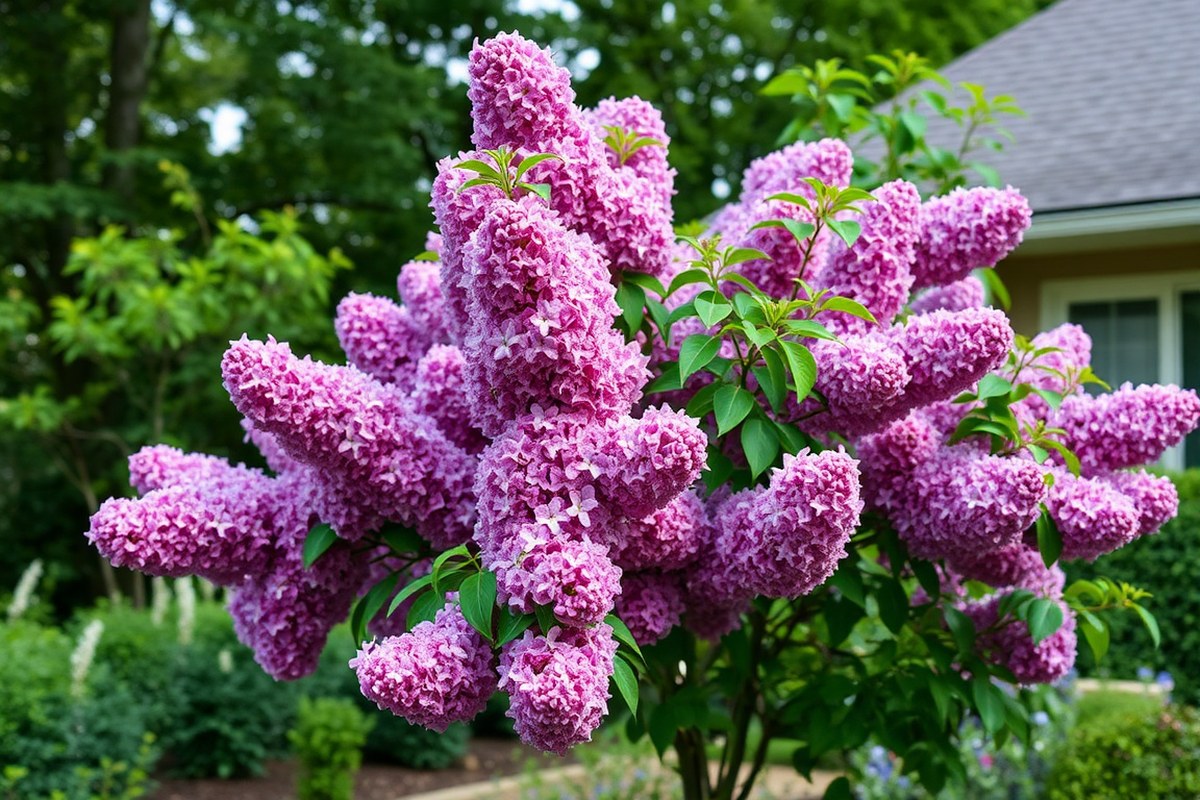
| Variety | Height (ft) | Width (ft) |
|---|---|---|
| Dwarf Korean Lilac | 4, 5 | 5, 7 |
| Dwarf Pink Lilac | 2, 3 | 2, 3 |
| Bloomerang Lilac | 3, 6 | 3, 6 |
| Common Lilac (Syringa vulgaris) | 12, 15 | 10, 12 |
| Persian Lilac | 6, 10 | 5, 8 |
| Japanese Tree Lilac (Syringa reticulata) | 20, 30 | 15, 25 |
| Ivory Pillar™ Japanese Tree Lilac | Up to 25 | 15 |
Most lilac trees grow between 8 and 15 feet tall in your garden. The common lilac usually grows 12 to 15 feet tall.
It spreads about 10 to 12 feet across. These sizes suit medium-sized gardens well.
Dwarf varieties stay much smaller. Dwarf Korean lilacs grow 4 to 5 feet tall. They spread 5 to 7 feet wide.
Dwarf pink lilacs reach only 2 to 3 feet tall. They suit small spaces or containers.
The tallest lilac trees come from the Japanese tree lilac species, Syringa reticulata. These can reach 25 to 30 feet tall and spread 15 to 25 feet wide.
Some types like Ivory Pillar™ grow up to 25 feet tall. They spread about 15 feet wide.
You’ll notice that lilac species vary a lot in height and width. The common lilac and Persian lilac usually stay under 15 feet.
The Japanese tree lilacs grow significantly taller. This range helps you pick one that fits your garden’s size and shape well.
Key Lilac Varieties and Their Height Differences

Different lilac varieties can have quite different height ranges and uses. Japanese lilac trees (Syringa reticulata) grow as tall as 30 feet. This is much taller than common lilacs which reach 6 to 15 feet.
These trees really stand out in the landscape. Dwarf and compact lilacs only grow about 4 to 6 feet tall.
These smaller types suit small gardens or containers very well. They won’t take up much space.
Flower colors sometimes hint at size but don’t always predict it. For example, some lilac hybrids prized for their deep purples or pinks stay small.
White-flowered Japanese tree lilacs grow tall. Knowing your lilac’s size and flower color helps plan where it fits in your garden.
| Variety | Height Range (ft) | Flower Colors | Garden Use |
|---|---|---|---|
| Japanese Lilac (Syringa reticulata) | 20 – 30 | White | Large shade tree, open space |
| Common Lilac (Syringa vulgaris) | 6 – 15 | Lavender, pink, white, purple | Medium-sized garden, hedges |
| Chinese Lilac (Syringa chinensis) | 8 – 12 | Pink, white | Wider garden spaces, screening |
| Dwarf Lilac Varieties | 2 – 6 | Various, often lighter shades | Small gardens, containers, borders |
| Bloomerang Lilac | 4 – 6 | Purple, pink | Compact, round shape, small yards |
To identify your lilac’s variety by size, first measure its total height and spread. Compare these numbers to known varieties you like or have in mind.
Check flowering time and colors; Japanese lilacs bloom later and have white flowers. For more reliability, note leaf shape and bark texture, especially for tree lilacs.
Lilacs usually take 3 to 5 years before they bloom well. Japanese tree lilacs need 15 to 20 feet around them to spread.
Smaller dwarf types work well where space is tight. Planning ahead avoids cutting branches too often later.
Check mature height before planting to avoid crowding nearby structures or plants.
Factors That Affect Lilac Tree Height Potential
Lilac tree height depends on sunlight, soil quality, watering, and pruning. These factors shape growth and final size directly. Managing them well helps your lilac reach its full potential.
Sunlight and Soil Requirements
Lilacs need full sun for at least six hours a day. Sunlight drives photosynthesis, which fuels growth and height. Too little sun can limit height and reduce blooms.
Soil should be well-draining and slightly acidic to neutral, around pH 6.5 to 7.0. Clay or soggy soils slow root growth and stunt the tree. A humus-rich soil keeps moisture steady without pooling.
- Pick a site with six or more hours of direct sun daily
- Use soil that drains easily but holds moisture moderately
- Avoid heavy clay or constantly wet spots
- Amend soil with compost to improve texture and fertility
- Test soil pH if unsure, aiming for 6.5 to 7.0 range
Clear, sunny locations with fertile soil help your lilac reach its height potential. You might need to improve poor soil with organic material before planting. Watch out for shaded spots near buildings or large trees.
Watering and Fertilizing Tips
Lilacs prefer moderate watering, about 1 inch per week during dry spells. Overwatering can cause root rot, while underwatering slows growth. Let soil partly dry between waterings.
Fertilizing supports healthy height growth, especially in poorer soils. Use a balanced fertilizer with equal nitrogen, phosphorus, and potassium. Apply fertilizer in early spring and again after bloom.
- Water deeply once a week during dry weather
- Check soil moisture by feeling about 2 inches deep
- Use balanced 10-10-10 fertilizer or similar ratios
- Apply fertilizer before leaf buds open and post-flowering
- Mulch around the base to conserve moisture and regulate temperature
Controlled watering combined with seasonal feeding helps lilacs grow taller and stronger. Avoid soggy soil or letting roots stay dry too long. Mulching slows water loss and improves soil quality.
Effects of Climate and Location
Lilacs grow best in USDA zones 3 to 7. Colder winters help them rest and bloom. Warmer climates might reduce height and flower quality.
Strong winds or overcrowded areas can stress lilacs and limit their size. Planting with enough room for roots and branches encourages full growth. Protect young lilacs from harsh winds.
- Check your USDA zone to ensure lilacs suit your area
- Avoid very hot, humid climates that reduce growth potential
- Choose a spot sheltered from strong winds or harsh weather
- Leave at least 6 to 10 feet between lilacs and other plants
- Consider local soil and microclimate factors when planting
Knowing your climate zone helps predict how tall your lilac can grow. Cooler spots with proper shelter provide the best chance for tall, healthy plants.
Pruning Impact on Height
Pruning encourages healthy size and shape but affects final height. Cutting back old wood in early spring promotes upward growth and wider branching.
Heavy pruning limits height temporarily but shapes the lilac for better flowers. Neglecting pruning leads to overgrown, woody plants that stop growing tall.
- Prune immediately after flowering to avoid cutting next year’s buds
- Remove dead, diseased, or crossing branches for airflow
- Thin older stems to encourage new shoots for height
- Limit heavy pruning to every 3 to 5 years to control size
Regular, moderate pruning trains lilacs to grow taller and maintain health. Avoid late-season pruning, which can reduce size and bloom the following year.
Timeline: How Fast Do Lilac Trees Grow Each Year?
Lilac trees usually grow between 12 and 24 inches each year. This means they add about 1 to 2 feet in height annually if conditions are right. Full sun and good soil help lilacs reach their growth potential faster.
It generally takes about 10 to 15 years for a lilac tree to reach full size. Some types may reach maturity in closer to 5 to 10 years, especially common lilacs. Expect your tree to be smaller for several years before it looks like the mature plant.
Lilacs typically start blooming around their third or fourth year when they’re still young. Their flowering period usually lasts just three to four weeks during spring. You can expect blooming to happen in May for many species.
Growth milestones include steady height increases of about a foot each year. By year five, your lilac may be half grown, roughly 6 to 8 feet tall. After that, the growth slows as the plant shifts energy to flowering instead of new height.
Pruning right after flowering helps control shape and encourages healthy growth. Cut back branches in late spring or early summer to avoid cutting off next year’s buds. Well-timed pruning supports steady annual growth and strong blooms.
Your lilac might grow slowly or stop getting taller. Check sunlight and soil quality for problems.
Lilacs grow best in full sun but tolerate partial shade. Poor soil or too much shade can reduce growth to less than 12 inches per year.
Bloomerang lilacs bloom twice a year, starting in May, pausing, then blooming again in late summer. This variety may need a bit more care but stays colorful longer.
Remember, some smaller types like Pink Perfume grow 4 to 5 feet tall. They reach that height in just a few years.
How to Control and Manage Lilac Tree Height
Keeping your lilac tree at a manageable height needs regular pruning and smart planting. Proper spacing helps avoid crowding, which can push your tree to grow taller. Use pruning to shape and limit the lilac’s height while keeping it healthy.
Pruning Techniques to Limit Height
Prune your lilac tree to control height and encourage flowering. Cut back tall, overgrown branches to keep the tree at the size you want. Focus on thinning the canopy to let sunlight reach all parts.
Follow this step-by-step pruning guide to manage lilac height effectively:
- Start by removing any dead or weak branches near the base.
- Cut back the tallest branches to just above a strong outward-facing bud.
- Thin the canopy by removing smaller shoots, leaving four or five main branches.
- Trim suckers growing from the ground to prevent extra growth.
- Shape the remaining branches to keep a balanced, open form.
- Remove older, woody stems periodically to encourage new growth.
- Use sharp, clean pruning tools to prevent damage and disease.
- Dispose of cut branches to protect from pests and infections.
Make cuts at a slight angle just above buds to help branches heal well.
Recommended Planting Distances
Plant lilac trees far enough apart to avoid competition for light and space. A spacing of 12 to 15 feet between trees works well for most common lilacs. Shrub-type lilacs may need less space, about 6 to 10 feet.
Crowding causes tall, thin growth and weak branches because trees compete. Leaving enough space lets your lilacs spread naturally without forcing extra height.
Seasonal Guidance for Pruning
Prune lilacs soon after their blooming period ends, usually late spring or early summer. This timing encourages strong, healthy growth and flowers for next season. Avoid heavy pruning in fall or winter, as it can stress the tree or reduce blooms.
Light touch-ups can happen anytime to remove dead wood or shape branches. Regular yearly pruning controls height better than letting the tree grow unchecked for years.
Maintaining Shape Without Reducing Blooms
Prune carefully to shape your lilac while keeping buds intact for next spring’s flowers. Don’t cut back more than one-third of the branches in a single session. Thinning the canopy instead of topping branches helps maintain bloom quantity and tree health.
Keep mulch around the base, 3 to 4 inches deep, to retain moisture and reduce weeds. This helps the tree focus energy on growing strong branches instead of fighting stress.
Cutting too much at once can lower blooms and weaken the tree.
Common Issues That Can Stunt Lilac Growth
Pests like lilac borers can weaken branches and trunks. These insects tunnel inside wood, stopping nutrient flow. If you spot holes or sawdust near limbs, check for borers quickly.
Diseases such as powdery mildew and lilac bacterial blight reduce photosynthesis. This slows growth by harming leaves and stems.
Powdery mildew shows as white powder on leaves. Blight causes dark spots and dieback.
Overwatering causes root rot, which starves lilac roots of oxygen. Poor drainage also keeps roots wet long enough to rot.
Lilacs prefer well-drained soil with a neutral to slightly alkaline pH. Soil that’s too acidic or alkaline stresses the plant, limiting its height potential.
- Inspect branches monthly for lilac borer holes or sawdust.
- Wash leaves to remove powdery mildew spores early.
- Apply insecticidal soap for aphids or scale bugs.
- Water only when the top 2 inches of soil dry out.
- Test soil pH every 2 years, adjusting with lime or sulfur.
- Remove and destroy infected branches to stop disease spread.
- Use mulch to keep soil moisture even but avoid direct stem contact.
Signs of trouble include wilting, yellow leaves, and sparse growth. Branches may die back or buds fail to open. Early detection helps you treat problems before they stunt your lilac’s height.
Prevent pests by keeping trees healthy and pruning crowded areas for airflow. Treat diseases as soon as you notice them. Proper watering and well-balanced soil give lilacs the best chance to grow strong and tall.
Choosing the Right Lilac Tree for Your Garden Size
Choosing a lilac that fits your garden comes down to its mature height and spread. Pick dwarf lilacs for tight spaces and larger kinds for roomy yards. Knowing these sizes lets you avoid crowding and pruning headaches later.
Small Garden Lilacs
Dwarf lilacs are perfect for small gardens because they stay compact. The Bloomerang lilac grows only 4 to 5 feet tall. It makes a nice low hedge and fills sunny spots without overwhelming them.
Dwarf Korean Lilac trees also shine in small spaces. They offer lovely fragrance and pretty blooms, all while staying petite. Choose these to keep your yard open and still enjoy lilacs.
Medium and Large Garden Choices
Common lilacs and larger cultivars suit medium to big gardens well. They can grow 8 to 15 feet tall with a wide spread. These lilacs need space to avoid crowding.
Air must move around them. This helps keep the plants healthy.
The lilac tree ‘Magnus’ stands out with big purple flowers. It needs space to reach its full glory. For bigger yards, these lilacs become garden focal points with their size and scent.
Shrub Versus Tree Lilacs
The difference between shrub and tree lilacs shows in their shape and size. Shrubs tend to have many stems and stay bushy. Tree lilacs usually have a single trunk, rising taller and slimmer.
For small or narrow spaces, shrubs fill areas nicely without rising too high. Trees fit well where you want height and classic tree shape. Think about your garden’s style and space to decide which type works.
Container-Friendly Lilac Options
Dwarf varieties work great in containers on patios or balconies. The Bloomerang lilac is especially suited for pots because it stays small and blooms repeatedly. You can move it to catch sunlight or shelter it in winter.
Container planting needs regular watering and feeding since soil dries out fast. Even with care, dwarfs grow slower in pots. But they brighten tight spots better than bigger lilacs would.
Here’s a quick size comparison to guide your choice:
| Lilac Type | Typical Mature Height | Garden Suitability | Container Friendly |
|---|---|---|---|
| Bloomerang Lilac | 4 to 5 feet | Small gardens, sunny hedges | Yes |
| Dwarf Korean Lilac | 4 to 6 feet | Small gardens, compact spots | Yes |
| Common Lilac | 8 to 15 feet | Medium to large yards | No |
| Lilac Tree ‘Magnus’ | 10 to 15 feet | Large yards, showy focal point | No |
This table sums up which lilacs fit where. Match your available space to avoid future trimming or plant stress. Keep good air flow around bigger lilacs to stop diseases and boost bloom quality.
Ensuring Healthy Growth: Care Tips for Maximum Height
Water your lilac tree every 10 to 14 days in spring until blooming ends. During flowering, keep the soil moist but not soaked to avoid root rot. In hot or dry spells, increase watering frequency to prevent stress and support healthy growth.
Feed your lilac tree with a balanced fertilizer in early spring before new leaves appear. Use a slow-release formula with equal nitrogen, phosphorus, and potassium to promote roots and shoots. Feed your lilac again lightly after blooming to keep it strong.
Use low nitrogen at this time. Avoid heavy nitrogen doses late in the season.
Transplant lilacs in early spring or fall when the tree is dormant. Dig a wide hole so the root ball stays whole.
Water the soil well right after planting. Adding organic mulch around the base retains moisture and controls weeds that can compete for nutrients.
Prune your lilac tree after blooming to remove spent flowers and encourage taller, healthier branches. Remove weak or crossing limbs to improve air flow and light penetration. Watch for pests or disease and treat promptly to avoid stunted growth.
Don’t overwater your lilac; soggy soil can weaken roots and stunt growth.
Adjust care for Japanese lilacs, which bloom later and need steady watering into early summer. Taller varieties like the French lilac grow fast but require consistent moisture and balanced feeding. Track watering and feeding schedules on a calendar to avoid skipping or doubling doses.
Step-by-Step Action Plan to Manage Lilac Tree Height
Follow these practical steps to keep your lilac tree healthy. Keep the tree sized right for your space. These tips will help you manage it well.
- Before Planting: Choose a lilac variety that fits your garden’s size. Pick dwarf types for small yards to avoid future pruning challenges.
- Month 1: Plant your lilac in full sun with well-drained soil. Look for steady new growth as a good sign.
- Months 2-6: Water deeply once a week if rains are low. Check soil moisture; it should stay moist but not soggy.
- After Year 1 Growing Season: Prune lilac branches right after bloom to shape the tree. Cut dead or long shoots to maintain height.
- Yearly Pruning: Each spring, remove old wood to encourage vigorous new branches. Healthy leaf and flower growth shows pruning worked.
- Summer Checks: Watch for pests like borers or powdery mildew. Treat spots early to avoid stunted growth.
- Every Fall: Apply mulch 2 to 3 inches thick to retain moisture and moderate soil temperature. Soil that feels cool and moist means mulch helps.
- After 3 Years: Check the tree height carefully. Prune the lilac if it grows too tall. Adjust trimming to keep the size you want. Keep trimmed branches healthy and firm.
Frequently Asked Questions
Can Lilacs Outgrow Their Typical Height Range?
Yes, some lilacs can grow taller than 15 feet. Japanese lilacs can grow 20 to 30 feet tall.
Make sure you leave enough room for them. Plan your garden space carefully when planting this tree.
Do Container-Grown Lilac Trees Grow as Tall as Those in the Ground?
Lilacs in containers usually stay smaller. Limited root space slows their growth, so they often reach under 8 feet tall.
Will Pruning Lilac Trees Annually Keep Them Shorter?
Regular pruning can control height effectively. Cutting back after blooming helps maintain shape and keeps lilacs around your desired height.
How Does Soil Type Affect Lilac Tree Height?
Rich, well-drained soil promotes taller growth. Poor or compacted soil may stunt your lilac’s natural height potential.
Are Faster-Growing Lilac Varieties Taller Than Slow Growers?
Not always, growth rate doesn’t guarantee height. Some fast growers stay under 10 feet. Slow varieties may grow taller over time.
Can Lilac Tree Height Affect Flower Production?
Yes, taller lilacs may bloom less if not pruned. Keeping them at a manageable height encourages more flowers each spring.
Before You Go
Lilac trees usually grow between 8 and 15 feet. But you can manage their size with regular care.
Pick the right variety and prune on time to keep your tree neat. Start by pruning right after the lilac blooms this spring to control growth effectively.