What Vegetables Can You Grow Indoors: A Complete Guide for Beginners
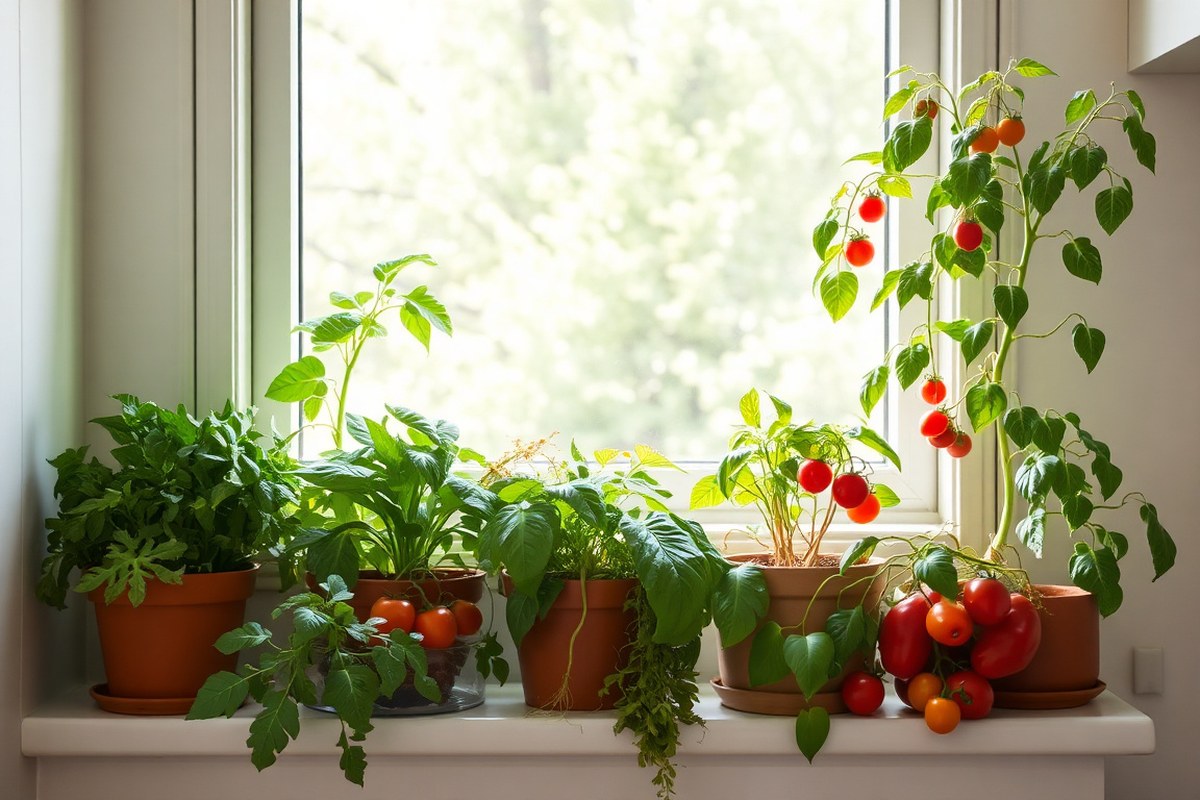
You can grow many vegetables indoors. Leafy greens, root vegetables, and some fruiting types do well inside your home. Root vegetables like carrots and radishes need less light than fruiting ones such as peppers.
Root vegetables grow fine with 4 to 6 hours of direct sunlight. A bright window spot can work well.
Fruiting vegetables need 6 to 8 hours of light. Grow lights often help in winter to provide enough energy.
Use containers at least 6 inches deep for radishes and carrots. Peppers and chard need deeper pots to give roots enough room. Choose loose, well-draining potting soil to avoid waterlogging and support healthy roots.
Keep indoor temperatures below 75°F since heat stresses plants. These steps help your indoor vegetables grow strong and healthy.
Key Takeaways
- Choose vegetables suited for indoor light levels to get the best results.
- Pick containers that match the root depth of your chosen vegetables.
- Use loose, well-draining potting mix to prevent waterlogging indoors.
- Provide at least 6 hours of direct sun or use grow lights for fruiting vegetables.
- Keep indoor temperatures between 60°F and 75°F for most vegetables.
- Root vegetables tolerate lower light, needing only about 4 hours daily.
Which Vegetables Are Best for Indoor Growing

You can grow many kinds of vegetables inside your home, such as greens, root crops, and fruit-producing plants. Leafy greens like lettuce thrive in bright windows and smaller containers. Root vegetables such as carrots and radishes need deep pots and less light than fruiting plants to grow well.
Fruiting vegetables such as tomatoes and peppers need more light. They require larger pots with at least 10 inches of depth. This space helps support their growth.
They often require supplemental grow lights to thrive indoors, especially in winter. Mushrooms don’t need any light at all.
They are perfect for low-light indoor spaces. This makes them unique among indoor vegetables.
| Vegetable Type | Examples | Light Requirements | Minimum Container Depth |
|---|---|---|---|
| Greens | Lettuce, Leafy Salad Greens, Garlic Sprouts | Bright window light, 6+ hours | 4, 6 inches |
| Root Vegetables | Carrots, Radishes | At least 4 hours of direct sun + grow light | 6, 10 inches |
| Fruiting Vegetables | Tomatoes, Peppers | 12, 16 hours of full-spectrum grow light | 10 inches or more |
| Mushrooms | Button, Shiitake | No light needed | Varies; usually shallow trays |
Leafy greens do well in smaller containers and need less intense light. Root vegetables perform well indoors because they tolerate lower light. But they need a loose, well-draining soil mix and deeper pots to develop good roots.
Fruiting plants need more space to grow. They also require full-spectrum LED grow lights for 12 to 16 hours daily. This helps them produce fruit indoors.
Vegetables easier to grow indoors usually have compact size. They tolerate less light and have shallow root systems. These traits make them ideal for small spaces.
For example, lettuce grows quickly in 4-inch pots near a sunny window. Root vegetables produce less if roots don’t have enough room. They also yield fewer crops if light is insufficient.
Giving them space and light improves yields. Fruiting vegetables can fail to fruit without strong artificial lighting and proper warmth.
How to Choose Containers and Soil for Indoor Vegetables
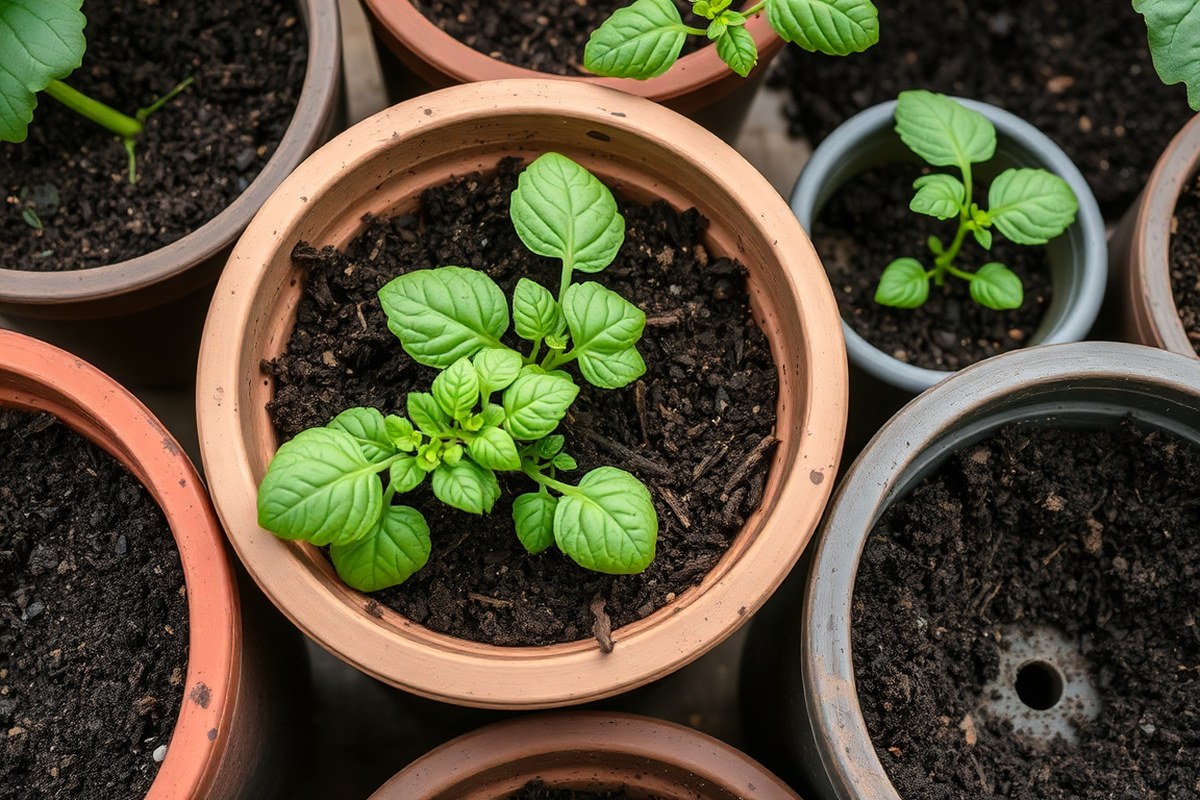
Choose containers based on each vegetable’s root depth and growth space. Root vegetables need deeper pots, while leafy greens do well in shallower ones. For example, carrots need containers at least 12 inches deep to let their roots grow fully.
Soil type matters for healthy roots, too. Loose, sandy soil works best for carrots to avoid compacting. Leafy vegetables like bok choy and Swiss chard need rich soil.
Use a potting mix that holds moisture but drains well. The soil should drain well to avoid sogginess. Always pick pots with drainage holes to prevent root rot.
- Bok choy: 8-10 inches deep container, rich well-draining soil
- Swiss chard: 12 inches deep container, fertile well-draining soil
- Carrots: 12 inches or deeper container, loose sandy soil
- Beets: 17 inches deep container, excellent drainage
- Radishes: 6 inches deep container, loose soil, 6-8 hours of sunlight
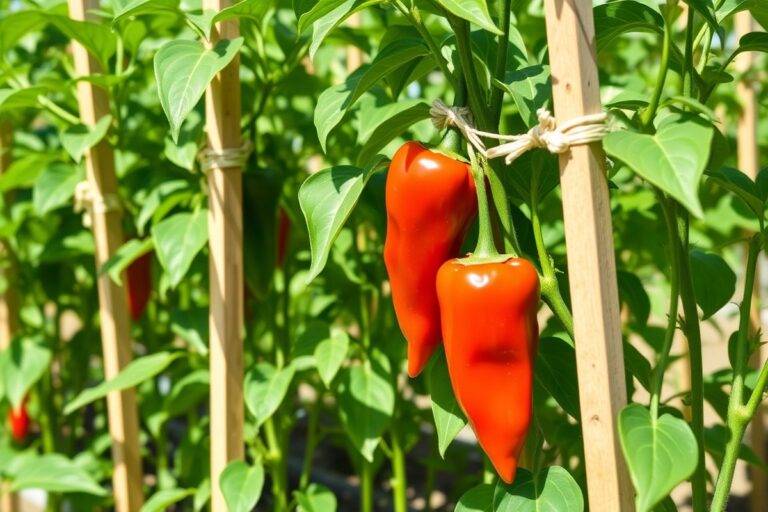
- Peppers: 8 inches deep pot, enough space for roots
- Lettuce: 6-inch container with drainage, soil kept evenly moist
Material choice influences watering and temperature. Terra cotta pots dry out quickly but offer good airflow.
Plastic pots stay moist longer and are lighter to move. A bigger pot usually means less frequent watering but costs more and takes more space.
Avoid pots without drainage holes, which can trap excess water. Standing water invites fungal diseases and kills roots.
You can add a layer of gravel at the container bottom. But it should not replace holes for drainage.
Drainage holes are non-negotiable; without them, roots can drown and your plants will suffer.
Understanding Light Needs for Indoor Vegetable Growth
Indoor vegetables need at least 6 hours of direct sunlight daily or equivalent grow light exposure. Leafy greens need a bit less, around 4 hours. Fruiting and root vegetables need more light.
They need 6 to 8 hours daily. Sometimes, they require extra light from grow lights.
Types of Grow Lights Explained
LED grow lights are popular for indoor veggies. They use less electricity and last longer than other types. Fluorescent lights are cheap and good for seedlings and leafy plants.
High-Intensity Discharge (HID) lights are bright but generate heat and cost more to run. For fruiting and root vegetables, full-spectrum LED lights work well. They mimic sunlight and support flowering and fruit formation.
Light Duration and Placement Tips
Fruiting vegetables like tomatoes or peppers need 10 to 12 hours of light daily. Leafy greens need about 4 to 6 hours.
But can handle up to 12 hours with grow lights. Root vegetables also require 6 to 8 hours.
Place grow lights 6 to 12 inches above the plants for best results. Too far away and plants get leggy; too close can burn leaves. Adjust the height as plants grow to keep light intensity steady.
- Leafy vegetables: 4 to 6 hours natural or 12+ hours under grow lights
- Root vegetables: 6 to 8 hours natural or 12 to 14 hours grow light
- Fruiting vegetables: 6 to 8 hours natural or 10 to 12 hours grow light
- Grow lights should be 6 to 12 inches above plants
- Use timers to ensure consistent daily lighting schedules
- South-facing windows provide best natural light
- Supplement low natural light with grow lights, especially in winter
Using a timer helps maintain steady light schedules. Consistency supports healthy growth and flowering.
Natural Light vs Supplemental Lighting
South- or west-facing windows give the most sun indoors. Four to six hours from these windows usually keeps leafy greens happy. Fruiting and root veggies often need help from grow lights.
Seasonal changes reduce sunlight, making grow lights essential in winter. Your indoor spot gets less than 6 hours of direct sun?
Add artificial lighting. Healthy veggies show deep colors and steady growth with enough light.
Temperature and Humidity Requirements for Indoor Vegetables
Indoor vegetables prefer different temperature ranges depending on the type. Radishes grow best between 50-65°F, enjoying cooler indoor spots. Green onions and bok choy like it a bit warmer but still cool, around 55-65°F. For cucumbers and bell peppers, aim for warmer conditions between 70-80°F to help them thrive.
Humidity matters a lot for indoor vegetable growth. Most veggies do well with 40-60% humidity. You can keep humidity steady by placing water trays nearby or using a humidifier.
Grouping plants close together also helps keep moisture in the air. Avoid letting air get too dry, or leaves might wilt.
Temperature swings can stress your plants, slowing growth or causing leaf drop. Try to keep indoor temps consistent around the ideal ranges. Nighttime drops of 5-10 degrees are okay for many vegetables but avoid cold drafts.
For example, herbs want warmth. So not too close to a chilly window during winter.
To control indoor climate, use a room thermometer and a small humidifier if needed. Opening a window when it’s hot outside can help cool plants, but avoid drastic changes.
Heating in winter often dries the air, so a humidifier is handy. Keeping veggies where you can monitor temperatures daily pays off with healthier plants and better yields.
Starting Seeds Indoors: Timing and Transplanting Steps
Start seeds indoors 4 to 8 weeks before you want to transplant. Warm-weather vegetables need about 4 to 6 weeks, slower growers up to 10 weeks. Caring well for seedlings helps you get strong plants ready for transplanting inside your home.
Seed Starting Timing by Vegetable Type
Warm-season plants like tomatoes or peppers need seed starting about 6 weeks before transplant. Cool-season crops such as brassicas (broccoli, cabbage) do best started 4 to 6 weeks ahead. Slow growers like eggplants or some herbs require 8 to 10 weeks indoors before moving.
Starting seeds too early makes seedlings leggy and weak from crowding. Starting too late leaves little time for strong growth before transplanting. Note the last frost date or indoor room temperatures as guides when timing your starts.
Caring for Seedlings Indoors
Seedlings need bright light for 12 to 16 hours daily. Use a south-facing window or grow lights for this. This lighting helps them grow strong and healthy.
Keep soil moist but not soggy; overwatering can cause root rot. Thin seedlings once they sprout, so larger plants have enough space to grow.
Feed seedlings with a diluted liquid fertilizer after two weeks to support growth. Keep the temperature around 65°F to 75°F for steady starting. Hardening off indoors means you gradually reduce water and lighten light intensity before transplanting.
Safe Transplanting Techniques
Transplant seedlings after they have 2 to 4 true leaves. Make sure the roots fill the seed tray cells. This ensures they are ready for more space.
Handle seedlings gently by the leaves, not the stems, to avoid damage. Choose container soil that drains well and supports roots growing later indoors.
Space seedlings apart according to the vegetable’s size, usually 4 to 8 inches apart. Water plants thoroughly after transplant to settle soil and reduce shock. Avoid transplanting during extreme indoor temperatures, keeping it between 60°F and 75°F.
- Start seeds 4 to 8 weeks before transplanting date.
- Use seed trays with good drainage and seed-starting mix.
- Sow seeds at depth indicated on packet, usually ¼ to ½ inch.
- Place seedlings in bright light and keep soil evenly moist.
- Thin seedlings by snipping extras to recommended spacing.
- Fertilize seedlings lightly after two weeks with diluted feed.
- Check for 2 to 4 true leaves before transplanting indoors.
- Transplant seedlings carefully into larger containers or final pots.
Damp soil and poor lighting can cause seedling damping-off, killing young plants.
Watering and Nutrient Needs for Healthy Indoor Veggies
Most indoor vegetables need watering once every few days. Check soil moisture by sticking your finger about an inch down. Water only when the top inch feels dry to avoid overwatering, which causes root rot.
Leafy greens like lettuce and spinach prefer consistently moist soil. They may need water every 2 to 3 days if your home is warm. Hardy veggies, such as peppers or tomatoes, usually only need watering about once a week.
Use containers with drainage holes to help prevent water buildup. When watering, soak the soil lightly but deeply. Avoid puddles on the soil surface as excess water can drown roots and invite fungus.
Indoor vegetables need nutrients to grow well since potted soil loses fertility fast. Use a balanced liquid fertilizer every 2 to 4 weeks during active growth. Follow label directions, diluting fertilizer to about half strength for small plants.
Fertilizing too often can burn roots and stunt growth. Keep a consistent feeding schedule but pause when veggies show slow growth or yellowing leaves. Those signs often mean overfeeding or poor drainage.
- Water leafy greens every 2 to 3 days, keep soil moist
- Water tomatoes and peppers once a week, let topsoil dry
- Use liquid fertilizer diluted to half strength every 2-4 weeks
- Ensure containers have drainage holes to prevent waterlogging
- Check soil moisture with finger test before watering
- Stop fertilizing if leaves turn yellow or growth slows
Plants need nitrogen, phosphorus, and potassium indoors to thrive. Many fertilizers list these as N-P-K on the label. A balanced 10-10-10 or 20-20-20 fertilizer fits most vegetables.
Remember that indoor humidity and temperature can affect soil drying times. Warmer, drier rooms cause quicker water loss. Adjust your watering schedule based on how fast the soil dries rather than on the calendar.
Quick-Growing Vegetables and Microgreens for Indoor Success
Fast-growing vegetables and microgreens work well for indoor gardeners. They offer quick harvests and keep your kitchen stocked with fresh greens. You can grow them on a sunny windowsill or under grow lights all year.
Popular Fast-Growing Vegetables Indoors
Leafy greens like lettuce, spinach, and arugula are great for quick indoor harvests. They usually take 20 to 30 days from seed to plate. These plants grow best in well-draining pots with holes to stop soggy roots.
Other good choices include Swiss chard, basil, and baby kale. Start collard greens indoors 4 to 6 weeks before last frost. This helps get a fast spring crop going.
You’ll have fresh greens sooner. Keep seedlings cool, around 60 to 65°F, to avoid legginess and keep stems sturdy.
- Lettuce: 20-30 days to harvest
- Spinach: 25-30 days, avoid overly wet soil
- Arugula: ready in about 20 days
- Basil: harvest in 25-30 days
- Swiss chard: harvest baby leaves in 30 days
- Collard greens: start 4-6 weeks indoors before frost
Good drainage and bright light are keys to success. Bright windows or grow lights help keep plants short and strong.
Microgreens vs. Sprouts: Differences and Benefits
Microgreens are young vegetable or herb plants with stems and leaves. They take about 14 days to grow. Sprouts are germinated seeds eaten whole, usually ready in 3 to 7 days.
Microgreens need well-draining soil in a shallow tray and bright light. Sprouts don’t require soil, just a jar or sprouting tray with water.
Microgreens grow thicker and richer in flavour. Sprouts are quick, crunchy, and easy snacks.
- Microgreens: radish, broccoli, mustard, peas, sunflower
- Sprouts: alfalfa, mung bean, lentils
- Microgreens: grown on soil or coconut coir
- Sprouts: grown in water, no light needed initially
- Microgreens take 10 to 14 days to harvest
- Sprouts ready in 3 to 7 days
Microgreens need around 12 to 16 hours of light daily. Sprouts only need light after they sprout to green up. Both are fresh and nutritious indoor salads.
Harvesting and Regrowing Tips
Harvest microgreens by clipping stems just above the soil. You can grow repeated batches by sowing seeds every 7 to 10 days. This keeps your supply fresh and continuous.
Leafy greens can sometimes regrow from cut stems, especially if kept moist and given enough light. Watch out for soggy soil and mold, which spoil fast-growing greens.
Use small containers with drainage holes for fast-growing greens. Keep soil moist but not soaked. Good air circulation helps prevent disease and keeps plants healthy.
Troubleshooting Common Indoor Vegetable Growing Problems
Yellowing leaves usually mean your vegetable plant lacks nutrients or gets too much water. Check soil moisture by sticking your finger in an inch deep. When soil feels soggy, reduce watering to prevent root rot.
Pests like aphids and spider mites can easily appear indoors. They suck plant juices and weaken your veggies.
Squash bugs and fungus can cause damage, too. Use mild soap spray or wipe leaves with water regularly to control pests.
Plants that don’t flower or fruit often don’t get enough light or fertilizer. A minimum of 12 to 16 hours of bright light daily helps most veggies bloom. Feed your plants with a balanced fertilizer every week after one month of growth.
Poor air circulation invites mold and fungal diseases, which stunt growth. Keep a small fan running nearby for fresh air movement. This also strengthens the plant stems.
- Reduce watering if soil feels wet beyond 1 inch deep
- Spray pest control soap weekly to clear bugs
- Provide 12 to 16 hours of bright, direct light daily
- Use a balanced fertilizer once a week after 4 weeks
- Run a fan for air circulation to prevent mold
- Group plants with similar needs for better care
- Choose deep containers for root vegetables to grow properly
Light and water are key to healthy indoor vegetables. Slow growth?
Move plants near windows or use a grow light. Too little water causes dry leaves; too much causes yellowing and wilting.
Check leaves weekly for pests or mold spots; early detection saves your harvest.
Step-by-Step Action Plan for Starting Your Indoor Vegetable Garden
Follow these steps to begin growing vegetables indoors successfully. Each phase shows you what to do and how to check your progress.
- Before you start: Choose your vegetable types and gather containers, soil, and seeds. Make sure containers have drainage holes.
- Day 1: Plant seeds about twice as deep as their size in the soil. Keep soil moist but not soggy for good germination.
- Week 1: Place your containers where they get 12 to 16 hours of bright light daily. Check seedlings daily for sprouting.
- Week 2: Thin seedlings to one strong plant per container by snipping extras near soil level. Look for strong, tall seedlings.
- Week 3: Start feeding plants with a half-strength liquid fertilizer once a week. Leaves should look healthy and rich green.
- After 4 weeks: Adjust watering to keep soil evenly moist but not wet. Curling or yellow leaves means watering issues.
- Week 6: Check for pests or diseases. Remove any damaged leaves and act fast if you see bugs or mold.
- After 8 weeks: Harvest quick-growing crops like lettuce or herbs regularly to encourage more growth. Check freshness and taste.
Frequently Asked Questions
What Vegetables Can You Grow Indoors with Limited Sunlight?
Root vegetables, like carrots, can grow indoors. Leafy greens, like lettuce, also grow well inside.
They need about 4 hours of direct sunlight each day. Mushrooms also don’t need light at all, making them great for dim spots.
Are Root Vegetables Harder to Grow Indoors Than Leafy Greens?
Root vegetables like carrots need deeper containers but usually require less light than leafy greens. Lettuce grows faster and is easier since it needs less soil depth.
Can You Grow Fruiting Vegetables Like Tomatoes Indoors Successfully?
Yes, compact tomato varieties can be grown indoors with enough light and warmth. Use deeper containers and provide steady moisture for best results.
Is It Possible to Grow Bell Peppers Inside Year-Round?
Yes, bell peppers can grow indoors if they get plenty of light and warmth. Use containers at least 12 inches deep and ensure good drainage.
Do Microgreens Count as Vegetables for Indoor Gardening?
Yes, microgreens are young veggie plants harvested early, making them quick and easy. They need less space and light, perfect for indoor growing.
How Do You Prevent Waterlogging in Indoor Vegetable Containers?
Choose containers with drainage holes and use a loose, well-draining potting mix. Overwatering is a common problem that can harm roots quickly.
Before You Go
Growing vegetables indoors is doable with the right setup and care. Start by picking easy plants and giving them enough light.
Your first seed planting will teach you a lot. So get ready to watch your garden grow.