What Vegetables Grow Good in Pots: A Complete Guide for Successful Container Gardening
Wondering what vegetables grow good in pots? Many kinds do well if you pick the right ones.
Leafy greens, radishes, and bush beans are solid choices for most containers. You just need to check how deep and wide your pot is before planting.
Some vegetables, like beets and bush zucchini, need medium containers. These pots should hold 10 to 12 inches of soil depth. Larger containers work well for these vegetables.
Radishes grow fast and don’t need much space, so almost any container works. Make sure you get pots with good drainage to keep roots healthy.
Starting with the right soil depth helps your plants thrive. Deep containers support bigger veggies, while shallow pots suit fast-growing leaves. Watch your pot size and sunlight exposure closely for the best results.
Key Takeaways
- Leafy greens grow well in pots with 6 to 8 inches of soil depth.
- Use medium-depth pots (10 to 12 inches) to grow beets reliably.
- Choose containers at least 24 inches wide for bush-type green beans.
- Radishes grow fast and need only 6 inches of soil depth.
- Plant one winter squash per pot, with a container at least 24 inches wide and deep.
- Use 5-gallon containers for herbs, small vegetables, and bush-type plants.
Best Vegetables That Grow Well in Pots
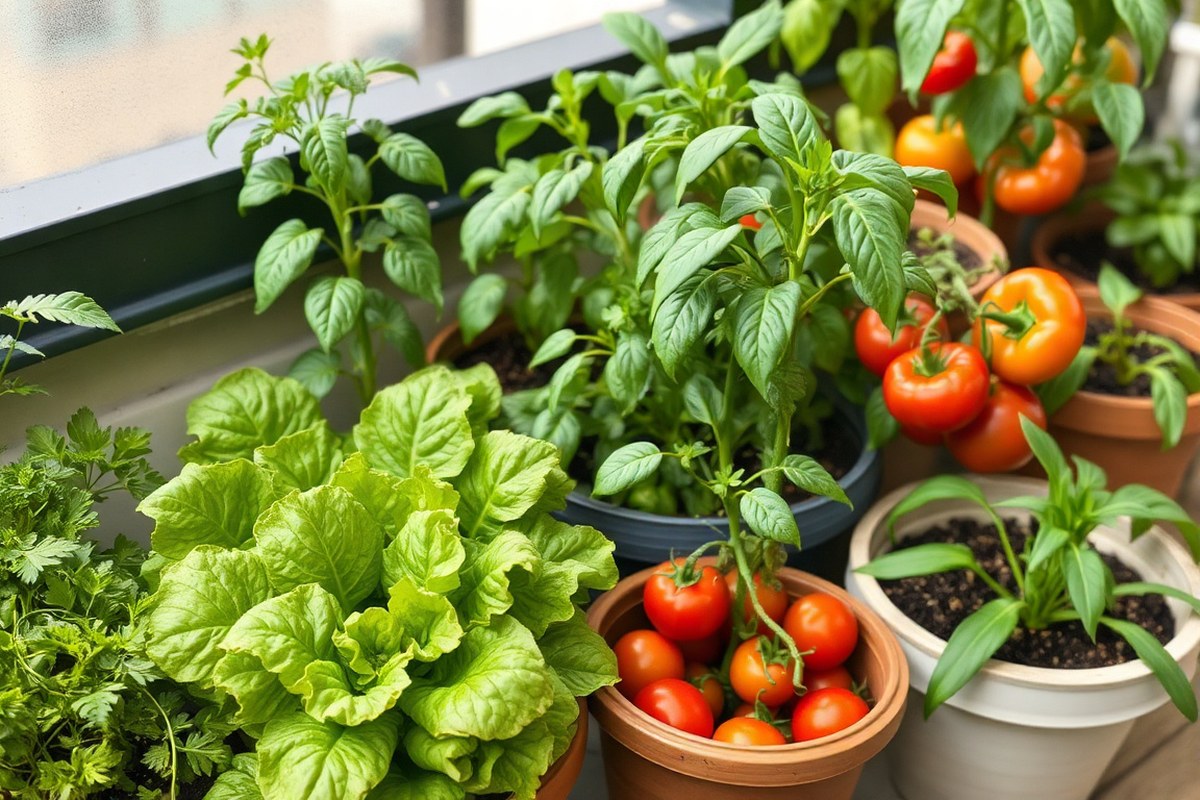
Many vegetables grow well in pots, especially compact and bush types. Leafy greens, radishes, and some root vegetables like carrots do great in containers. Picking varieties bred for containers makes your success easier.
Root vegetables such as carrots and beets can grow well in pots. They need deeper containers, usually 8 to 12 inches deep.
But it’s possible with the right choice. Shorter varieties like Chantenay carrots work best since they need less vertical space.
Dwarf and bush varieties usually perform better in containers compared to vining or tall types. These plants need less space and are easier to manage in pots. Examples include patio tomatoes and bush zucchini, which are bred for compact growth.
Here’s a simple table showing some excellent vegetables and their varieties for container gardening. It also includes recommended pot sizes and soil depths to help you pick the right setup.
| Vegetable | Recommended Varieties | Pot Size | Soil Depth |
|---|---|---|---|
| Tomatoes | Patio Choice Yellow Bush, Tiny Tim, Small Fry | 5 gallons | 12 inches |
| Cucumbers | Salad Bush Hybrids, Midget Picklets, Spacemaster | 5 gallons | 12 inches |
| Zucchini | Bush Varieties | 18 to 24 inches wide, 12 inches deep | 12 inches |
| Carrots | Parisians, Chantenays, Nantes | 3 to 5 gallons | 8 to 12 inches |
| Leafy Greens | Baby Lettuce, Salad Greens | Small pots | 6 to 8 inches |
| Radishes | Various quick-growing types | Small wide pots | 6 to 8 inches |
| Eggplants | Dwarf and Patio Types | 5 gallons | 12 inches |
Leafy greens like salad mixes need shallow soil, about 6 to 8 inches. Radishes grow quickly and do well in smaller pots.
So narrow containers aren’t the best. Larger vegetables like zucchini need wider pots, at least 18 inches across, to develop well.
Root depth matters for vegetables with long roots. Carrots that grow up to 5 inches are great for containers. They don’t need very deep soil like bigger carrots.
That suits container gardening well. Dwarf carrot types don’t grow very long.
They stay compact, so they fit containers well. These types work great for any container garden.
Choosing the Right Container Size and Soil Depth
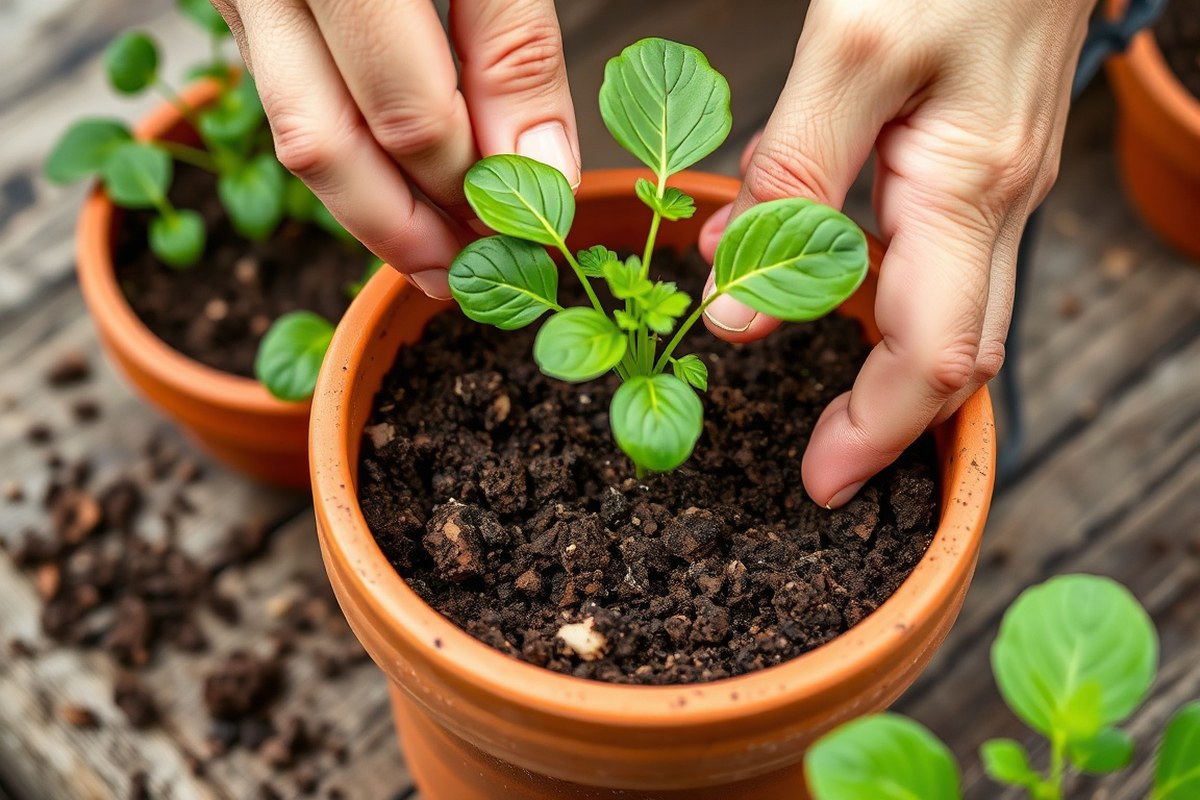
Container size and soil depth shape how well your vegetables grow. Roots need space to stretch down and out to find water and nutrients. A pot needs 10 to 12 inches of depth.
It should hold 5 gallons of soil. This supports strong root growth for many plants.
Small leafy greens like spinach grow well in shallow containers. Use 6 to 8 inches of soil for them. These pots are enough for arugula and mustard greens too.
They don’t have deep roots. Bigger veggies like tomatoes need more root space.
Choose pots about 24 inches deep. They should hold 15 to 20 gallons of soil.
Choosing the right pot depends on the vegetable’s root size and growth habit. For example, beets grow best in medium pots 10 to 12 inches deep. Onions need at least 5 inches deep for bulbs to form well.
Larger plants like tomato plants or squash do better in big, deep pots. The extra soil holds water longer, reducing how often you need to water.
Pick a pot at least as deep as the vegetable’s root zone. This is a simple rule. It helps your plants grow well.
Shallow-rooted greens can live in smaller pots with less soil. Deep-rooted or fruiting plants need larger pots. Use pots deeper than 10 inches.
They also need enough width for multiple gallons of soil. This supports healthy roots and steady growth. Avoid tiny pots that dry out quickly and stunt roots.
Choose pots with drainage holes to avoid soggy soil, which can harm roots and reduce yields.
Containers that hold more soil cost a bit more and take up more space. But they grow healthier vegetables. Shallow, small pots may dry out fast, forcing daily watering and reducing plant size.
Match your pot size to the vegetable you grow. This gives the best harvest. Avoid wasting space or overusing water.
How Much Sunlight and Water Container Vegetables Need
Most vegetables in pots need about 6 to 8 hours of sunlight each day. They also require regular watering that keeps the soil moist but not soggy. How much sun and water you give depends on the plant type, container size, and weather.
Sunlight Requirements for Common Vegetables
Leafy greens like lettuce and scallions grow well in partial sun. They need about 4 to 6 hours of sun each day.
Tomatoes and peppers need full sun, 6 to 8 hours to produce fruit. Root vegetables, such as radishes, grow well in full sun but tolerate some shade.
Choose the sunniest spot available on your balcony or patio for your container. Watch how sunlight moves through the day before placing your pots. Shrub or dwarf varieties usually need less space but the same sunlight.
Watering Frequency for Different Container Sizes
Small pots under 1 gallon dry out quickly. They need watering daily in warm weather.
A 3- to 5-gallon container usually requires watering 2 or 3 times a week. Larger containers hold more soil and moisture but still need checking weekly.
Water deeply until it drains out the bottom holes to encourage healthy roots. Water in the morning to reduce evaporation losses. More water is usually needed on hot or windy days.
- Small pots: water daily or when soil feels dry 1 inch down
- Medium pots (3-5 gallons): water 2, 3 times weekly
- Large pots (over 5 gallons): check soil weekly, water deeply as needed
- Morning watering helps prevent fungal problems
- Adjust frequency based on weather and plant leaf wilting
Avoiding Overwatering and Underwatering
Overwatering causes yellow leaves and root rot because the soil stays wet. Underwatering makes plants wilt and look dull and shriveled. Check soil moisture by sticking a finger about 2 inches into the soil.
When the soil feels dry there, it’s time to water. When the soil is damp but not wet, wait a day or two before watering. Use containers with drainage holes to prevent water accumulation.
Planting Depths and Spacing for Potted Vegetables
Plant your seeds and seedlings at the right depth in pots. Keep enough space between them. This helps your vegetables grow stronger.
Planting too deep or too shallow can stop seeds from sprouting or drown young roots. Space between seedlings matters, too, because crowded roots and leaves compete for water, air, and nutrients.
Seeds usually need to be planted about twice as deep as their size. Tiny seeds, like lettuce or carrots, get a very shallow ¼ inch depth. Larger seeds, like beans or peas, require about 1 inch.
Seedlings in pots should be spaced so their roots have enough room to swell. Crowded roots can cause stunted growth and poor yields.
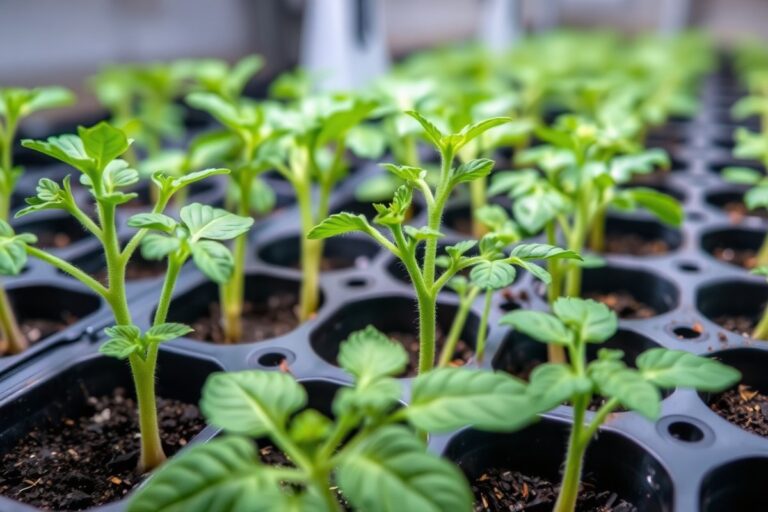
Thinning seedlings means removing weaker plants to give the strongest ones enough space. Start thinning when seedlings develop 2 to 3 true leaves. Leave 2 to 4 inches between seedlings for most vegetables.
Root crops like carrots and beets need 2 to 3 inches. Bulb crops like onions and garlic need around 4 inches. Tomatoes and peppers need more room to grow well.
Use a 5-gallon container for each. Space them 12 to 20 inches apart.
To plant seeds and seedlings right in containers, follow these steps:
- Fill the container with fresh, well-draining potting mix that suits vegetables.
- Plant seeds at a depth twice their size. For example, ½ inch for small seeds.
- Cover seeds gently with soil, firm it lightly with your fingers to keep moisture in.
- Water the container evenly but avoid soaking; keep the soil moist to help germination.
- Once seedlings sprout and grow 2 to 3 true leaves, remove weaker ones to thin plants.
- Thin so seedlings stand about 2 to 4 inches apart depending on the vegetable type.
- Use big pots for large plants like tomatoes or peppers. Keep seedlings 12 to 20 inches apart. This gives them room to grow.
- Give thinned seedlings room, and watch their roots expand happily without crowding.
Thinning seedlings early encourages strong root systems and healthy plants. Keep checking root space as plants grow, especially in small containers. This way, your vegetables get all the air and nutrients they need to produce well.
Supporting Vining and Climbing Vegetables in Containers
Supporting Vining and Climbing Vegetables in Containers
Vegetables like tomatoes, beans, and cucumbers need support when grown in pots. These plants climb or vine, so without supports, they can sprawl and spread out. Using trellises, cages, or stakes keeps them upright and healthy.
Types of Supports for Container Gardening
Trellises, cages, and stakes are common supports for vining vegetables in containers. Tomato cages are sturdy and round, perfect for holding heavy fruit. Trellises provide a vertical wall for plants to climb and save space.
You can also use stakes for pole beans or tomatoes. These supports keep plants from falling over and help air circulate. Choose strong, weather-resistant materials like wood, metal, or plastic.
- Wire tomato cages for heavy fruit-bearing plants
- Wood or metal trellises for cucumbers and beans
- Single stakes for smaller or pole plants
- String or garden twine to tie up vines gently
- Adjustable supports for growing plants season-long
Supports vary in height, usually between 3 and 6 feet tall. They need to fit your container size to remain stable.
How to Install Trellises in Pots
Start by choosing a large pot for vining vegetables, at least 12 inches deep and wide. Insert the trellis firmly into the soil before planting to avoid root damage later. Anchor tall trellises well by pushing them deep into the potting mix.
Plant seeds or seedlings a few inches from the trellis base. This spacing helps roots grow without disturbance.
Use garden ties or soft twine to attach vines gently to the support as they grow. Regularly check ties to avoid cutting into stems.
Adjust support as your plants grow taller. Place lightweight pots in sheltered spots to keep them from tipping over. Heavy clay or ceramic pots with a trellis work well because they stay stable.
Choosing Support Based on Plant Type
Tomatoes usually require cages or sturdy stakes due to their heavy fruit. Use cages that are 3 to 5 feet tall for best results. Feed tomatoes regularly since they pull many nutrients from small pots.
Pole beans climb well on thin trellises or strings tied between stakes. They do well in pots when supported and spaced at least 3 inches apart. Beans grow quickly and need secure ties to avoid snapping vines in wind.
Cucumbers need a strong trellis because they produce many heavy fruits and spread fast. A trellis about 5 feet tall gives them room to climb and keeps fruit clean. Bush cucumbers don’t need support and can grow compactly.
Check support stability often; falling trellises can break stems and make plants sick.
Fertilizing and Feeding Vegetables in Pots
Feed vegetables in pots with a half-strength liquid organic fertilizer every two weeks. Containers hold limited soil, so nutrients deplete quickly. Regular feeding replaces what plants use up and keeps growth steady.
Choose fertilizers labeled for vegetables or balanced types like 10-10-10 or 5-5-5. Organic options include fish emulsion, seaweed extract, or compost tea. They nourish plants gently and improve soil health over time.
Apply fertilizer after watering to avoid root burn and help nutrients soak in. Pour the solution onto the soil surface near plant stems, not on leaves. Follow amounts on the package; too much can harm plants or cause leaf burn.
Slow-release granular fertilizers work if you want less frequent feeding. Mix these into the soil at planting or sprinkle on top every six to eight weeks. They release nutrients gradually, which fits slow-growing or heat-stressed plants.
Watch plants for signs of underfeeding like yellow leaves or weak growth. Overfeeding can cause lush leaves but few vegetables, so adjust feeding accordingly. Careful timing and the right fertilizer type support strong roots and better harvests.
Pests, Diseases, and Common Problems in Container Vegetables
Vegetables in pots often face pests like aphids, spider mites, and whiteflies. These small insects suck the plant sap, causing leaves to yellow and curl. To stop them, spray plants with a mixture of water and mild soap every few days.
Using neem oil helps most because it acts as a natural insect repellent. It does not harm helpful bugs.
Fungal diseases such as powdery mildew can appear if air circulation around your pots is poor. This white, powdery coating spreads fast on leaves, weakening the plants.
Avoid overhead watering; instead, water at the base early in the day. Adding a small fan outside can improve airflow for indoor containers, reducing humidity that fungi love.
Overwatering is common for container vegetables and leads to root rot. You’ll notice wilting or yellow leaves even though the soil is wet. Check the pot drainage holes and make sure excess water escapes freely.
Water only when the top inch of soil feels dry. This lets roots breathe and stay healthy.
Slugs and snails hide under pots and leaves and can munch holes in the tender leaves. Lay crushed eggshells or diatomaceous earth around the pots to block their path. Handpicking at dusk or dawn works well too, especially in wet weather when they’re most active.
Common nutrient problems show as yellow or distorted leaves on potted veggies. Containers need regular feeding because nutrients wash out faster with frequent watering.
Use a balanced, water-soluble fertilizer every two weeks during the growing season. Follow package rates closely to avoid burning roots or causing salt buildup in the soil.
Check your plants at least twice a week for early signs of trouble. Catching pests or disease early saves you time and stops spread to other pots. Spot pests?
Remove the leaves they affect. Then keep the pot apart to protect other plants.
Many pests die in a few days after soap spray treatment. Repeating the spray is important for good control.
Healthy container vegetables need good soil, proper watering, and sunlight along with pest care. Periodic pot cleaning before replanting helps control pests hiding in old soil.
Watch plants closely to catch pest problems early. Treat issues with natural methods to avoid chemicals and damage.
Timing and Succession Planting for Continuous Container Harvests
Plant vegetables in pots at the right time. Plan succession sowing. This helps you harvest all season long.
Different vegetables mature at various rates. So staggering your planting every two weeks keeps your containers productive. Knowing when to start each vegetable ensures continuous fresh picks from your garden.
Growth Timelines for Popular Container Vegetables
Most container vegetables take between 30 and 90 days to mature. Fast growers like radishes and lettuce are ready in about a month.
Slow growers like tomatoes and winter squash take 70 to 90 days. That’s how long before you can harvest.
Leafy greens like kale keep producing leaves for weeks after the first harvest. A single kale plant grows about 1 to 2 feet tall and wide, providing ongoing crops. Tomatoes in large pots can yield fruit all summer long once they start.
Succession Planting Steps for Extended Harvest
Sow seeds every two weeks to keep fresh vegetables coming steadily from your pots. Start your first planting at the best time in the season. Then plant smaller groups every two weeks.
This method works well for vegetables with shorter maturity times such as lettuce and radishes. For longer-season plants like tomatoes, start several pots with seedlings a few weeks apart. This staggers your harvest over time instead of all at once.
- Mark your planting dates on a calendar before you start
- Use similar-size containers for even growth timing
- Keep soil moist and fertilized to support rapid growth
- Remove mature plants promptly to free up pots for new crops
- Rotate crops to avoid pests and soil fatigue in containers
Vegetables grown this way avoid long waiting gaps and reduce fresh produce waste. You keep a fresh supply without huge peaks that overwhelm your kitchen.
Start seeds indoors if the outdoor season is short, then transplant in pots.
Seasonal Planting Windows by Region
Planting times depend on your local climate and the season. Cool-season veggies like kale grow well in early spring or fall. They prefer temperatures below 75°F. Kale is frost hardy and can survive light freezes in pots.
Plant warm-season crops such as sweet potatoes two to three weeks after the last frost. Soil temperature needs to hit at least 65°F for sweet potatoes to root well in pots. Tomatoes and squash follow similar spring to summer timelines in most areas.
Some vegetables like strawberries can even grow indoors year-round in containers. Choose plants suited for your zone and timing to avoid stunted growth or poor yields.
Step-by-Step Action Plan for Growing Vegetables in Pots
Follow this simple plan to get your container garden growing strong. Each step helps you check you’re on the right track.
- Before planting: Choose vegetables suited for pots, like tomatoes or lettuce. Pick containers with at least 12-inch depth to fit roots well.
- Day 1: Fill your pots with high-quality potting mix. It should drain well but hold moisture.
- Week 1: Sow seeds or transplant seedlings at proper depth and spacing. Check seed packages for exact numbers.
- Week 2: Place pots where they get 6-8 hours of sun daily. Adjust location if leaves look pale or leggy.
- Week 3: Water pots deeply when the top inch feels dry. Avoid letting soil dry out completely.
- Week 4: Add a balanced fertilizer every 2 weeks to support growth. Look for fresh, green leaves as a good sign.
- Week 5: Set up supports for climbing plants like beans or cucumbers to keep them healthy.
- Ongoing: Watch for pests and diseases. Remove damaged leaves and treat with gentle, approved methods.
Frequently Asked Questions
What Vegetables Grow Best in Small Pots?
Leafy greens like lettuce and spinach grow well in small pots. They need only 6 to 8 inches of soil for healthy roots.
Can Root Vegetables Like Carrots Grow in Pots?
Yes, carrots grow best in deep pots with loose, sandy soil. Use containers at least 12 inches deep to avoid stunted roots.
Do Tomatoes Really Grow Well in Containers?
Tomatoes are among the most productive veggies in pots. Choose 3-5 gallon pots and support vines with stakes or cages.
Are Vining Vegetables Good for Container Gardening?
Yes, vining plants like beans and peas do well with trellises in pots. They save space and get better airflow with support.
How Often Should I Water Vegetables in Pots?
Water container veggies daily in hot weather or when soil feels dry. Containers dry out faster so check soil moisture often for best growth.
Will Fertilizing Help Potted Vegetables Grow Better?
Regular feeding with balanced fertilizer boosts container vegetable growth. Potting soil nutrients wash out quickly. So feed every 2-3 weeks during the growing season.
Wrapping Up
Growing vegetables in pots gives you fresh food even in small spaces. Start with easy plants and keep soil and water right. Pick your container and veggies today, and enjoy your first harvest soon.