Where Can I Find Plants: 8 Reliable Places to Get Healthy Plants
You can find healthy plants both locally and online. Local nurseries let you see plants before buying. Big garden centers often have sales and expert advice.
Farmers markets sell unique, seasonal plants from local growers. Check garden centers or farmers markets first. Choose plants suited to your light and climate conditions.
Online stores ship plants quickly, sometimes free with large orders. They usually include care instructions and shipping details. You can find popular houseplants under $20 online.
Some online sellers offer rare or tropical plants you won’t find nearby. Read reviews to find trustworthy sellers with good quality. Both options help you pick plants for your space and budget.
Key Takeaways
- Check local nurseries first for fresh plants you can inspect in person.
- Match plant choices to your home’s light and USDA climate zone.
- Buy popular houseplants online for less than $20 with fast shipping options.
- Look for free shipping deals on orders over $99 or $150.
- Review seller ratings and packaging photos before ordering plants online.
- Consider cost and whether plants come in nursery or decorative pots.
Where to Find Plants Locally Near You
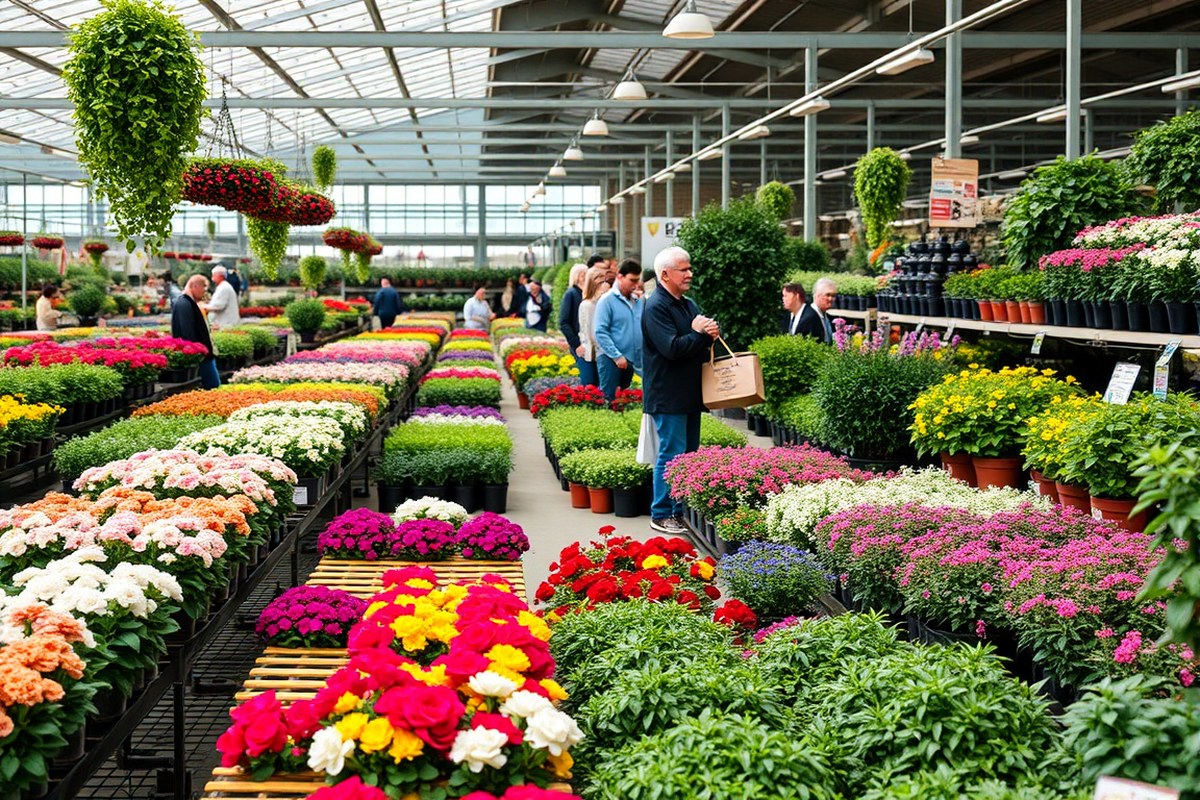
Local nurseries and garden centers are your best bet for live plants nearby. They often carry a wide range, from common houseplants to fruit trees. You can see the plants in person and get advice from knowledgeable staff.
Farmers markets often sell plants, especially in spring and summer. These events let you find unique, locally grown varieties that fit your climate.
Prices may be lower. You can ask sellers about how to care for your new plants.
Community plant swaps and local gardening clubs are great for free or low-cost plants. These events bring gardeners together to trade cuttings, seedlings, and mature plants. Check community boards or Facebook groups to find dates and locations.
- Nurseries, offer a broad selection, expert advice, and take-home plants.
- Garden centers, often part of hardware stores, with easy parking and garden supplies.
- Farmers markets, seasonal, local growers, and sometimes rare plant varieties.
- Plant swaps, low cost or free, chance to meet local gardeners.
- Community gardens, sometimes share plants or seeds with members.
- Botanical gardens, sales events occasionally offer unique or native plants.
- Local hardware stores, carry common houseplants and outdoor flowers.
Visit nurseries early in the day when plants are freshest and less crowded. Expect to spend $10 to $30 for popular houseplants like snake plants or calatheas. At swaps, bring healthy, pest-free plant cuttings or pots to trade for the best results.
Avoid plants with yellowing leaves, wilting, or black spots. Healthy plants have firm, green leaves and moist soil. Local selections usually do better because they match your area’s needs.
They don’t face stress from long shipping. This helps them grow stronger and healthier.
Best Online Stores to Buy Healthy Plants
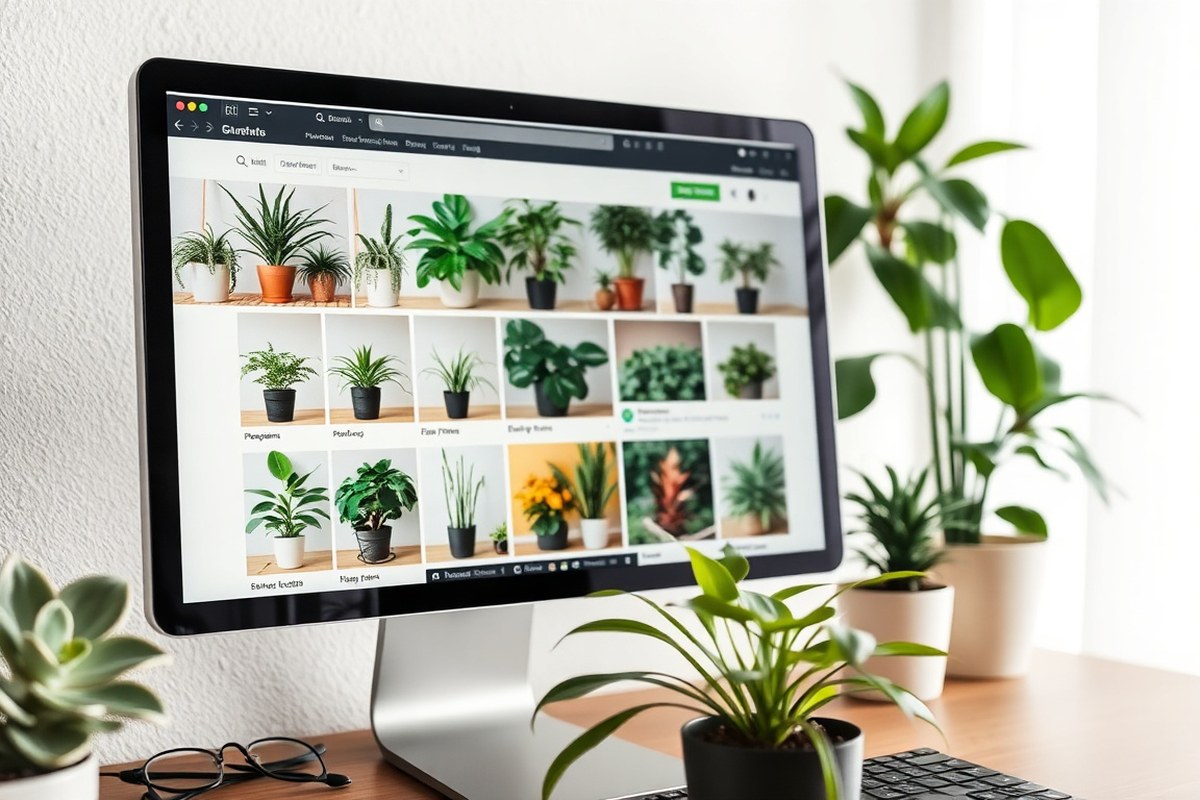
You can find healthy plants from several trustworthy online stores. These shops offer quick shipping and a range of prices and pot options. Some also provide subscription plans to get new plants regularly.
Top Trusted Online Nurseries and Shops
Bloomscape is popular for strong, well-potted plants shipped in grower pots or stylish containers. Prices start around $38 for small plants. Bigger plants cost $60 or more.
Designer pots add to the price. Logee’s is another good option.
They offer rare and beginner-friendly plants. Their focus is on diversity and ease of care.
Lively Root also has a great reputation for healthy plants and careful packaging. Many sellers let you choose between simple grower pots or fancier ceramic pots for added style. These options help you match plants to your room décor or budget.
Shipping Times and Quality Guarantees
Most online shops ship with FedEx for fast delivery. You usually get plants in two to four days. Shipping is often quick and reliable.
This speed reduces stress on plants during shipment. Shops often guarantee replacements if your plant arrives damaged or unhealthy. So check each site’s policy before buying.
Quality beats many local big-box stores. Plants go straight from growers to your door. This keeps them fresher and healthier.
Well-packed plants survive transit better and look healthier when you open the box. Small houseplants commonly come in four to six inch sizes.
Larger plants can be up to a foot tall. These sizes are typical in shipping.
Houseplant Subscription Services
Subscription services like The Sill and Horti deliver new plants monthly or quarterly. They include care instructions and pots matched to the plant. These subscriptions are handy for steady houseplant supply.
You don’t have to hunt for each plant. They deliver fresh plants regularly.
Costs usually start around $40 a month, including pot and shipping. Some plans let you skip months or cancel anytime. Subscriptions suit people wanting to build a collection gradually and enjoy surprise varieties.
Always check the shipping policies and health guarantees before ordering plants online to avoid disappointment.
How to Get Free Plants and Where to Look
You can find free plants by joining community giveaways, plant swaps, and seed libraries. These are great ways to get started without spending much money. The key is to look locally and get involved with plant groups or community centers.
Community Plant Giveaways and Seed Libraries
Many towns and cities have plant giveaways at local libraries, parks, or garden centers. These events often happen in spring or fall and give away small potted plants or seeds. Seed libraries let you borrow seeds just like borrowing books.
You plant the seeds and save seeds from your harvest. Then, you return some seeds for others to use.
Check your city’s community center or library website for event dates. Some seed libraries ask you to join as a member. Others want you to attend a workshop.
This helps you learn how to save seeds properly. Free plants from these places are usually healthy and sturdy.
Still, they need care to grow well in your space. Pay attention to their watering and light needs.
How to Join and Organize Plant Swaps
Plant swaps let you trade cuttings, seedlings, or small plants with others. You find swaps through Facebook groups, local gardening clubs, or community boards. Joining is easy, just bring healthy plants and show up on swap day to trade.
To organize one, pick a date and location like a park or community hall. Share your plant swap event on social media or apps. Ask neighbors to bring plants in pots or small clumps.
This helps get a good mix of plants to share. Keep the event friendly and casual, and offer snacks or water for guests.
Plants swapped usually need a bit of time to adjust. So keep them in indirect light at first.
Swaps build local plant collections and help share rare varieties. Be honest about your plants and ask about others’ care tips to get better results.
Safety Tips When Accepting Free Plants
Free plants might carry pests or diseases. So inspect them closely before taking them home.
Look for spots, webs, or insects on leaves and stems. Avoid plants showing clear signs of illness to protect your other plants.
Quarantine new plants for 1 to 2 weeks in a separate spot. This helps stop problems spreading to healthy plants. When repotting a free plant, always use clean pots.
Fresh soil is necessary to avoid contamination and pests. This keeps your plant healthy and safe.
Ask the giver about the plant’s exposure to sunlight, watering needs, and any treatments. Knowing this helps you care for it properly and keeps it healthy after bringing it home.
Finding Plants Suited for Your Climate Zone
Finding plants that thrive in your climate zone improves their growth and survival. Use the USDA Plant Hardiness Zone Map to match your area with suitable plants. This helps avoid plants that might fail due to cold or heat stress.
Understanding USDA Zones and Climate Impact
The USDA zones divide the country by average annual minimum temperatures. Zones range from 1 in the coldest areas to 13 in the warmest. The lower the zone number, the harder it is for many plants to survive outside.
Knowing your zone lets you pick plants that can handle local winters and summers. For example, a Zone 4 plant might not survive in Zone 8’s hot summers. Your local extension office or websites like the USDA page can tell your zone quickly.
Common Plants by Zone Categories
Cold zones like 1 or 2 support tough plants. You can find evergreens, dwarf conifers, and some fruit trees that survive well. These plants handle freezing temperatures easily.
Zones 5 to 7 have more plant choices. You can grow perennials, native shrubs, and some tropical houseplants.
Move tropical plants indoors when the cold season starts. Warmer zones, 8 to 10, support subtropical and even some tropical plants outdoors year-round.
Rare plants can sometimes be found in specialized nurseries by zone. For example, a Zone 9 nursery might offer exotic palms safe for that heat. Even if rare plants look tempting, verify their zone rating to keep them alive.
Where to Buy Zone-Suitable Plants
A local garden center usually stocks plants suitable for your zone because they understand the climate. Nurseries often label zone ratings on their plants, so check those tags to confirm. Buying there reduces the risk of failure and plant stress.
Online stores may list the USDA zones each plant thrives in. Filter your search to your zone number to avoid ordering unsuitable plants. Keep in mind, shipping fees vary, and cold-sensitive plants need special packaging in winter.
For rare zone-specific plants, specialty nurseries or collectors’ shops can be good sources. They often ship plants grafted or treated for your climate. It’s helpful to read customer reviews about how well these plants adapt once delivered.
Plant Types and Their Best Buying Sources
| Plant Type | Best Source | Why This Source | How to Buy |
|---|---|---|---|
| Common Houseplants | Lowe’s Garden Center, Plants.com | Wide selection, easy to find popular varieties | Visit in-store or browse online; expect $10, $30 per plant |
| Succulents | Wayfair, Lowe’s Garden Center | Large range of sizes and species, good online photos | Shop online for variety or in-store for immediate pickup |
| Trees (Indoor & Outdoor) | Lowe’s Garden Center, Plants.com | Seasonal options, sturdy nursery stock, planting advice | Choose smaller potted trees to start; price $30, $100 |
| Rare & Tropical Plants | Specialty online shops, Plants.com | Harder to find locally, better quality online selections | Order online; check seller reviews and shipping details |
| Outdoor Shrubs & Perennials | Lowe’s Garden Center | Good for local climate, ready for garden planting | Pick healthy root balls; prices vary $15, $50 |
You’ll find common houseplants and succulents at big garden centers like Lowe’s. They stock popular indoor plants such as pothos and snake plants. Their in-store displays let you check plant health and size before buying.
Shopping online is better for rare or tropical plants with limited local availability. Websites like Plants.com offer unusual tropicals.
Wayfair has over 2,000 live plants including larger indoor trees. Online photos help you pick, but read reviews to avoid unhealthy stock.
Outdoor trees and shrubs usually come from garden centers with seasonal availability. You can plant them any time but move them indoors if freezing hits. These centers also sell seeds and vegetable plants if you want outdoor gardening.
When buying online, check seller return policies carefully to protect your order.
What to Expect in Cost, Quality, and Shipping
| Aspect | Local Plants | Online Plants |
|---|---|---|
| Cost Range | $5 to $30 for common indoor plants; rare types cost more | As low as $2 for small plants; specialty plants $10, $50 |
| Quality | Usually good; you see plants before buying; less shipping stress | Varies; buying direct from growers improves quality; watch reviews |
| Shipping Time & Costs | No shipping needed; take plants home immediately | 2, 7 days typical; free shipping often starts at orders over $25 |
| Guarantee & Return | Often none; local store policies vary | 45-day guarantees common; check return policies carefully |
Expect to pay around $5 to $30 at local garden centers. Common indoor plants like pothos or snake plants usually cost less.
Rare varieties often cost more. Buying locally means you pick the healthiest plant yourself, avoiding damage from shipping.
Online stores can offer plants starting at $2, especially small or common types. But cheaper plants may be smaller or less mature.
For better quality, buy online direct from growers. They usually ship fresher, healthier plants, sometimes with guarantees.
Shipping costs vary but many online shops offer free shipping if you spend over $25. Most plants arrive within 2 to 7 days, depending on distance and weather.
Quick shipping helps reduce plant stress and keeps leaves fresh. Look for specific shipping times in the product details.
Quality varies more online because you can’t inspect plants before buying. Read customer reviews and seller ratings closely. Sellers that specialize in your plant type often provide better care instructions and healthier plants.
Local shops may have fewer guarantees. But they usually let you see the plant before buying. Check stems and leaves for damage or pests.
Online sellers may give you 30 to 45 days to report issues. Keep photos and order details in case you need a refund.
Season also matters. Plants need changes in light and water through the year.
Buying online during peak growing seasons can mean better quality. Local nurseries also stock what suits your climate and current season, often at stable prices.
To save on shipping, buy several plants to pass the free-shipping threshold. Bundle your order around $25 or more.
This cuts costs and lowers the risk of damaged plants. Handle plants with care when unpacking to avoid shock.
Checking Plant Health and Seller Reliability
Look closely at a plant before you buy it. Healthy leaves should be firm, bright, and free of spots or holes.
Check the stems and roots for signs of rot or dryness. Avoid plants with brown edges, yellowing leaves, or sticky residue, which can signal pests or disease.
When buying online, read reviews carefully to judge the seller’s reliability. You want sellers with consistent positive feedback about plant quality and delivery speed. Sellers who guarantee your plant will arrive alive are often more trustworthy.
Here’s a quick checklist to assess plant health and seller reliability:
- Leaves firm, bright, and without spots or holes
- No signs of rot on stems or roots
- Seller offers a live arrival guarantee
- Reviews show quick delivery, usually within 3 to 7 days
- Positive comments about packaging protecting plants
- Clear return or refund policy if the plant arrives damaged
Once your plant arrives, inspect it right away. If you find damage or poor health, contact the seller quickly with photos. Most reputable sellers respond well and offer refunds or replacements.
In local stores, touch the plant lightly and ask staff about recent care. Poorly kept plants may need more attention or might not survive long. Take time to compare different plants and choose the freshest-looking one.
Waiting to buy until the seller confirms packaging methods can help prevent damage. Unique or sturdy packaging keeps plants safe through shipping. This takes some extra effort but saves money and hassle later.
Where to Find Plants Year-Round and Seasonal Tips
Nurseries and garden centers stock most plants from spring through early summer. This period offers the widest selection of perennials, annuals, and vegetable seedlings. Fall is the best time to plant bulbs and hardy perennials.
Cooler weather helps roots grow before winter. This gives plants a strong start.
Houseplants often sell year-round, but prices and variety can shift with the seasons. Many retailers mark down tropical houseplants during winter to clear inventory. Budget houseplants from brands like Costa Farms or House Plant Shop often cost about $11.
Winter is a good time to find deals. You can save money buying then.
Planning plant shopping depends on your climate and plant type. Tender plants need buying after the last frost date, usually spring, to avoid cold damage. Shade-loving and delicate plants grow best in spring or fall.
They avoid hot summer sun and cold winter weather. These seasons suit their needs well.
Seasonal sales happen mostly during spring and fall when garden centers adjust stock. Spring sales clear out less popular plants.
Fall sales often discount perennials and outdoor pots. Check local garden centers for these windows and watch online stores for holiday-themed promotions.
Waiting to buy plants until their peak growing season helps you get healthier, more vigorous specimens. Buying out of season risks weak plants or limited choices. Planning your garden with frost dates and seasons helps you succeed.
It also saves money by timing plant buys right. This keeps your garden healthy and smart.
Check your local last frost date before buying outdoor plants to avoid cold damage.
Step-by-Step Action Plan for Finding Your Next Plant
Follow these steps to find the right plants near you or online and avoid common mistakes. Use each step to check your progress and adjust as needed.
- Day 1: List local garden centers, nurseries, and plant swaps in your area. Check their websites or call to confirm what plants they currently have.
- Day 2: Compare online stores’ plant selections and shipping policies. Pick two that match your budget and plant needs.
- Day 3: Visit your top local store or market. Look closely at plants’ health by checking leaves, stems, and soil. When plants look fresh and strong, check their prices closely.
- Day 4: Order a small plant online. Choose one with clear photos and good reviews. Track its shipping and arrival time to judge quality.
- Week 1: Check your new plant’s condition after delivery. Keep it in the recommended conditions and watch for any issues like wilting.
- Week 2: Look for free plant sources like local plant giveaways or community gardens. Join local plant groups on social media for alerts.
- Week 3: Look at what plants grew well in your zone. Note your delivery experience and plant health. Adjust your purchases based on these points.
Frequently Asked Questions
Where Can I Find Plants Suited for Low Light Conditions?
You can find low light plants at most garden centers and online stores specializing in houseplants. Look for snake plants or pothos.
They do well with less sunlight. These plants are easy to care for indoors.
Are There Local Events Where I Can Swap or Find Plants?
Yes, plant swaps and garden fairs happen in many communities. Local nurseries often host them. Gardening clubs also organize these events.
These events let you trade plants or get new ones without buying. This saves money. It also helps you expand your collection.
Where Can I Find Rare or Unusual Plants?
Specialty online stores and certain botanical gardens often carry rare plants. Check online collections aimed at rare varieties.
You can find unique plants this way. These plants aren’t usually sold at regular nurseries.
Where Can I Find Affordable Houseplants Near Me?
Local nurseries and big-box stores sell popular houseplants for under $20. Look for species like devil’s ivy and calatheas, which are common and budget-friendly options.
Where Do Nurseries Get Their Plants From?
Nurseries usually source plants from local growers or regional wholesalers. This means plants are often grown nearby. So they’re adapted to your climate and arrive healthy.
Where Can I Find Plants That Are Safe for Pets?
Many online plant stores and garden centers label pet-safe plants clearly. You can filter options for pet-friendly houseplants if you have cats or dogs at home.
Key Points to Remember
Finding good plants takes a little research and quick checks. Start locally, then try online to compare. Reach out to a local nursery or join a plant swap group today to get growing.