How Deep to Plant Potatoes: A Complete Guide for Best Growth and Yield
Knowing how deep to plant potatoes matters for healthy plants and good yields. The best depth is usually between 4 and 6 inches in loose, well-prepared soil.
Planting at this depth keeps tubers safe from sun and pests. It also helps roots grow strong and deep.
Different soil types need different depths. For example, planting in sandy soil should be around 4 inches deep.
But clay soils require about 6 inches. Proper soil depth also helps keep moisture consistent and avoids rotting or drying out.
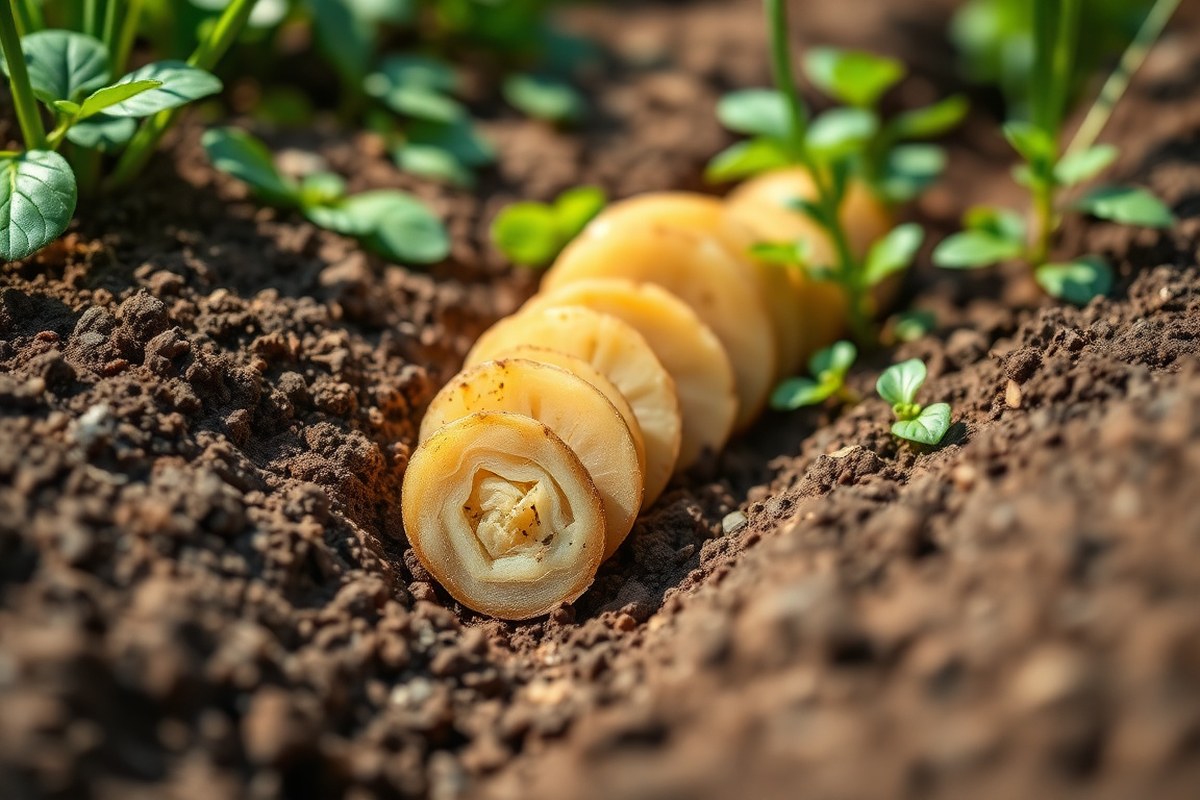
Start by cutting seed potatoes into pieces with at least one eye each. Then plant them cut-side down, eyes up, at your chosen depth.
Cover carefully with soil. Add more soil as sprouts grow to protect new tubers and boost the yield.
Key Takeaways
- Plant seed potatoes 4 to 6 inches deep in well-tilled, loose soil.
- Sandy soil needs about 4 inches of planting depth.
- Clay or heavy soil requires at least 6 inches depth.
- Cut seed potatoes into pieces with a sprout before planting.
- Place seed potatoes sprout-side up and cut-side down in soil.
- Cover with soil and hill up more as plants grow.
How Deep Should You Plant Seed Potatoes?

Plant seed potatoes 4 to 6 inches deep for the best results. This depth keeps tubers safe from light, which can turn them green and bitter. It also protects them from temperature swings and pests.
Dig a trench or hole about 6 inches deep. Place each seed potato with sprouts facing up. Cover with 4 to 6 inches of soil.
In loose, well-drained soil, this allows roots and tubers to develop easily. Avoid planting deeper than 6 inches.
Too much soil can slow sprout growth. It can also reduce your yields.
Grow potatoes in containers by planting 2 to 4 inches deep. Then add 4 inches of growing mix on top. This keeps them from getting too deep for the confined space.
For ground planting, 4 to 6 inches usually work well across most conditions. This depth balances growth needs and protection, helping your plants thrive without extra effort.
How Soil Type Influences Potato Planting Depth

Soil type changes how deep you should plant your seed potatoes. Sandy soil drains fast and holds less moisture. Plant seed pieces about 5 to 6 inches deep here to keep moisture near the tuber.
Clay soil holds water longer. So plant shallower, around 4 to 5 inches, to reduce rot risk.
Loamy soil balances moisture and drainage. So a depth of 4 to 6 inches works well. Planting deeper in sandy soil helps tubers avoid drying out.
In contrast, deep planting in clay soil risks seed rot because of trapped moisture. Adjust depth based on how wet or dry your soil usually is.
| Soil Type | Recommended Planting Depth | Reason |
|---|---|---|
| Sandy | 5 to 6 inches | Keeps moisture close, prevents drying out |
| Clay | 4 to 5 inches | Reduces waterlogging and seed rot risk |
| Loamy | 4 to 6 inches | Balanced moisture and drainage |
| Sandy with added compost | 4 inches + 2-inch compost layer | Improves moisture retention improving growth |
| Warm climate or late planting | 6 to 7 inches | Keeps seed in cooler, safer soil to prevent rot |
Moisture retention is key to healthy tuber growth. Soil that’s too dry or too wet can kill the seed potato.
Light, sandy soils need deeper planting or extra organic matter. Heavy clay soils need shallower planting so moisture doesn’t drown the tuber before shoots appear.
Planting too deep slows sprout emergence by three or four weeks. This delay shortens your growing season.
Growers want sprouts to reach light quickly so potatoes grow strong and big. Soil depth also affects temperature around the seed, impacting how well it will sprout.
Don’t plant seed potatoes deeper than 7 inches to avoid rot and growth delays.
Planting Depth Differences by Potato Variety
Planting Depth Differences by Potato Variety
Potato varieties need different planting depths and hilling strategies. Determinate types usually grow less tall and do fine at shallower depths. Indeterminate types grow taller and benefit more from deeper planting and more hilling.
Determinate Varieties: Shallower Planting
Determinate potatoes grow to a fixed height and don’t vine much. Plant these at around 4 inches deep to balance tuber development and sprout growth. Fingerling varieties are smaller and more compact.
They do well at about 4 inches deep. This depth suits their size and growth needs.
Smaller fingerlings can be planted slightly closer, about 8 to 10 inches apart, than larger types. Planting too deep can slow emergence and reduce yield for determinate varieties. Keeping them shallow helps the shoots break through soil quickly.
Indeterminate Varieties and Hilling Needs
Indeterminate varieties keep growing taller over the season. Plant these deeper, around 4 to 6 inches, to support their long vertical growth. Taller plants create more tubers as you hill soil up around the stems multiple times.
Hilling is extra important for indeterminate types. Mounding soil protects new tubers from sun and allows roots to grow where you pile soil. Skipping hilling can cause tubers to become green or get sunburned, lowering edible yield.
Special Cases: Early and Late Maturing Varieties
Early maturing potatoes need less planting depth. They grow well about 2 inches shallower than later types. This encourages fast sprouting.
It also speeds up harvest time. These varieties normally mature within 70 to 90 days after planting.
Late season potatoes mature slower and need deeper planting at about 6 inches. Extra depth protects tubers during their long growth. This period can last up to 120 days.
It keeps tubers safe underground. Deeper soil also shields tubers better from frost in cooler climates.
Best Depths for Different Potato Planting Methods
Best Depths for Different Potato Planting Methods
Planting depth depends on your method but usually falls between 4 and 6 inches. Each method has its own soil or space needs to promote healthy tuber growth. Matching depth with your setup helps avoid poor sprouting or rotting.
Traditional Trench and Row Planting Depths
Dig trenches about 6 inches deep for traditional row planting. Space rows 12 to 15 inches apart to give plants room to grow. Place seed potatoes at the bottom of tilled soil.
Cover them lightly with 4 to 6 inches of soil. Make sure they are fully covered but not too deep.
This allows sprouts to emerge without drying out while giving tubers enough darkness. Overly deep trenches can slow growth and cause rot. After hilling soil by 6 inches with shoots, you encourage tuber production near the surface.
Container and Raised Bed Depth Recommendations
Containers usually hold one potato plant due to height limits. Put 4 to 6 inches of soil below and above the seed potato. Avoid layering multiple seed potatoes because it can crowd the roots and stunt plants.
A 4×4 raised bed can grow up to 16 potatoes, using one per square foot. For mixed planting, keep potato roots shallow and avoid disturbing other plants’ roots. Use fresh soil every four years in raised beds for potatoes.
This helps reduce disease risks. Rotating soil is important for potato health.
Hydroponic Potato Planting Depth Guidelines
Hydroponic systems grow potatoes without soil. They still need 4 to 6 inches of growing medium around the seed potatoes. This medium supports the plant roots properly.
This depth keeps roots moist while allowing oxygen flow. Proper depth helps tubers form without soaking or drying out.
Adjust the growing medium level as plants grow to support stems without burying leaves. Hydroponics require close monitoring of moisture and nutrients since potatoes depend entirely on the system. Growing depth here affects water retention and tuber size.
How Climate and Timing Affect Planting Depth Decisions
Plant potatoes two to four weeks ahead of your last spring frost. This allows the soil to heat up past 45 degrees Fahrenheit. Warmer soil encourages tubers to sprout safely without frost harm.
When soil temperatures are below 55 degrees Fahrenheit, plant shallower, around 3 to 4 inches deep. Shallow planting helps seed potatoes emerge faster in cold soil. Deeper planting in cold soil can slow growth and delay sprouting.
In warmer climates or late planting seasons, go deeper, about 4 to 6 inches. Soil at this depth stays warmer and protects the tubers from heat stress. Also, deeper soil prevents drying out and stabilizes temperature swings.
Check your local frost dates and soil temperature before digging to avoid planting too early.
Adjust depth for frost risk. In cooler areas, planting 6 inches deep shields seed potatoes from late frosts. This depth keeps soil temperatures steady and prevents freezing damage.
Prepare your soil with compost so seed potatoes sit 2 to 3 inches deep initially. This encourages healthy root growth and adds nutrients. Proper depth combined with good timing means quicker sprouting and better yields.
Preparing Seed Potatoes and Planting Steps for Ideal Depth
Start by preparing your seed potatoes carefully to give them the best chance. Cutting, curing, and chitting influence how well they grow at their planting depth. Follow each step closely for good sprouts and healthy plants.
Cutting and Curing Seed Potatoes
Cut larger seed potatoes into pieces about 2 inches square. Each seed potato should have at least two eyes.
Eyes are tiny buds where plants grow from. Check your seed potatoes before planting.
After cutting, leave the pieces to cure for 24 to 48 hours. This drying period helps form a protective callous over the cuts, reducing rot when planted.
Optional Chitting for Early Sprouting
Chitting means encouraging seeds to sprout before planting by exposing them to light and warmth. Do this 2 to 3 weeks before planting at around 60°F to 70°F.
This process helps produce short, strong sprouts that can handle being planted at the right depth. Keep the potatoes in a bright space but out of direct sun to avoid drying out.
Planting Seed Potatoes at Correct Depth
Plant seed potatoes about 4 inches deep. Plant seed potatoes about 4 inches deep in soil.
This depth keeps them moist but not too wet. Too much water can cause the potatoes to rot.
Plant the pieces with sprouts pointing up. Cover them gently with soil and lightly firm it down to avoid compacting the soil. Here are the planting steps to follow for the best results:
- Choose seed potatoes with healthy, firm eyes.
- Cut larger potatoes into 2-inch pieces, each with at least two eyes.
- Let cut pieces cure for 24, 48 hours in a dry, cool place.
- You can place seed potatoes in a cool, bright spot. Keep the temperature between 60 and 70 degrees Fahrenheit. Let them sit like this for 2 to 3 weeks to chit.
- Prepare the soil by loosening it to about 6 inches deep in rows or hills.
- Dig planting holes or trenches about 4 inches deep.
- Place seed potato pieces with sprouts facing up in the holes.
- Cover with soil, then gently press to settle the soil around the seed pieces.
Common Planting Depth Mistakes and How to Fix Them
Planting potatoes too deep makes it harder for shoots to reach the surface. This slows early growth and may reduce yields. Shoots can rot if buried under heavy, wet soil for too long.
Shallow planting exposes seed potatoes to sun and frost risks. Potatoes near the surface can turn green and become bitter or toxic. Also, shallow roots may dry out quickly, stressing the plants.
You can fix depth issues early by gently uncovering or covering plants. Adjust depth by adding loose soil or removing excess soil around the plant. Avoid digging too deep after shoots appear to prevent damaging roots.
- For deep-planted potatoes, remove some soil around shoots carefully
- Add 1 to 2 inches of loose soil over shallow-planted potatoes
- Cover exposed potatoes quickly to prevent sun damage
- Mulch after adjusting soil to help retain moisture
- Plant new seed potatoes 1 to 2 inches deep for best results
Correct depth helps tubers develop well and prevents rot or drying. Watch for slow growth or green tops as signs to check soil depth. Fixing depth early in the season takes just minutes and improves your harvest significantly.
Spacing and Soil Preparation Tips to Support Proper Depth
The best spacing for planting potatoes is 12 inches apart in rows. Space rows about 30 inches apart. This gives potatoes room to grow well.
This balance gives enough room for tubers to grow and air to circulate, reducing disease risks. Loosen soil to at least 8 inches deep before planting.
This helps roots and tubers spread out. You can go up to 10 inches deep.
Loosening soil that deep takes some work. Use a garden fork or tiller to break up compacted dirt without destroying soil structure. Proper soil preparation helps water drain well and lets the roots spread easily, boosting potato growth.
Planting too close stops tubers from getting enough nutrients and air, lowering yields.
Adding the right soil amendments supports growth at the proper planting depth. Mix in organic compost or aged manure to improve soil moisture retention and aeration.
Potatoes don’t like soggy soil. So add coarse sand in clay-heavy soils to keep drainage good.
- Space seed potatoes 12 inches apart in rows
- Set rows about 30 inches apart for airflow
- Loosen soil 8 to 10 inches deep before planting
- Mix organic compost or aged manure in soil
- Add coarse sand if soil drains poorly
- Check soil temperature stays between 45 and 55°F
- Plant 4 inches deep in warmer climates to protect tubers
These tips create the right environment for tubers at the right depth. Loose, nutrient-rich soil helps potatoes develop fully without waterlogging.
Spacing controls how well plants compete for space and light. Keeping soil temperature, moisture, and aeration ideal lets tubers thrive underground without stress or rot.
Step-by-Step Action Plan for Planting Potatoes at the Right Depth
Follow these simple steps to plant your seed potatoes. Put them in the ground at the right depth. This helps your plants grow healthy and strong.
- Before Planting: Prepare your soil by loosening it deeply, about 8 inches. Loose soil helps roots grow and drainage.
- Day 1: Cut your seed potatoes into pieces with at least one eye each. Let them dry for 1-2 days to prevent rot.
- Day 3: Dig holes or trenches 4 to 6 inches deep if using sandy soil. Use 6 to 8 inches if your soil is heavier clay.
- Day 3: Place the seed potato pieces eye-side up in the holes. Cover with soil to the right depth based on soil type.
- Week 2: Hill soil around the stems once plants reach about 6 inches tall. This supports tuber growth and keeps them covered.
- After 4 Weeks: Check soil moisture regularly and water if soil feels dry an inch down. Avoid overwatering to prevent rot.
- Mid-Growing Season: Add more soil around plants if tubers are exposed. Keep them at least 4 inches deep to avoid greening.
Frequently Asked Questions
How Deep Should I Plant Seed Potatoes in Sandy Soil?
Plant seed potatoes about 4 inches deep in sandy soil. Sandy soil drains quickly.
Plant potatoes shallower to stop drying out. This helps sprouts grow near the surface.
Can Planting Seed Potatoes Too Shallow Cause Problems?
Yes, too shallow planting can expose tubers to sunlight. This causes green spots and bitter taste, so plant deep enough to avoid this.
What’s the Best Depth to Plant Potatoes in Clay Soil?
Plant seed potatoes 6 inches deep in clay soil for better moisture control. Clay holds water longer, so planting deeper helps roots access oxygen.
Should I Plant Potatoes Deeper When Using Trench Planting?
Plant seed potatoes 6 to 8 inches deep in trenches. Then cover them with 4 inches of soil. This method helps build mounds for tuber growth.
How Deep Do I Plant Potatoes in Containers or Grow Bags?
Plant seed potatoes 2 to 4 inches deep in containers. Cover with about 4 inches of soil. This prevents waterlogging and allows proper tuber development in confined spaces.
What Happens If I Plant Potatoes Deeper Than 8 Inches?
Planting deeper than 8 inches can slow sprout growth and reduce yield. Deep planting may cause tubers to rot or drain poorly, so follow recommended depths.
Before You Go
Plant seed potatoes 4 to 8 inches deep, adjusting for soil type and potato variety. This depth protects tubers and supports strong growth. Start prepping your soil today to give your potatoes the best chance for a good harvest.