How Long Does a Tomato Grow? A Complete Guide to Timelines and Care
How long does a tomato grow? Most tomato plants take between 60 and 110 days from seed to harvest.
This depends on the tomato variety and the growing conditions you provide. Light, water, temperature, and soil all affect how fast your tomato plants grow.
Tomato seeds usually sprout in 6 to 14 days when kept at 70-75°F indoors. Soil that stays near 50°F can slow sprouting to over a month. Start seeds indoors six to eight weeks before frost ends.
Seedlings grow strong inside first. Then transplant them outside later.
You’ll see fruit development about 3 to 4 weeks after flowers are pollinated. Keep your tomato plants warm and watered for the best growth. Avoid frost by waiting to transplant until nighttime temperatures stay above 50°F.
Key Takeaways
- Tomato seeds sprout in 6 to 14 days at 70-75°F; colder soil slows this.
- From seedling to harvest, tomatoes take about 60 to 110 days to mature.
- Plant seeds inside about six to eight weeks before the frost date.
- Transplant seedlings outside only when nighttime temps stay above 50°F.
- Fruit development begins 3 to 4 weeks after flowers get pollinated.
- Light, temperature, water, and soil quality influence tomato growth speed.
How Long Does Tomato Growth Take from Seed to Harvest?
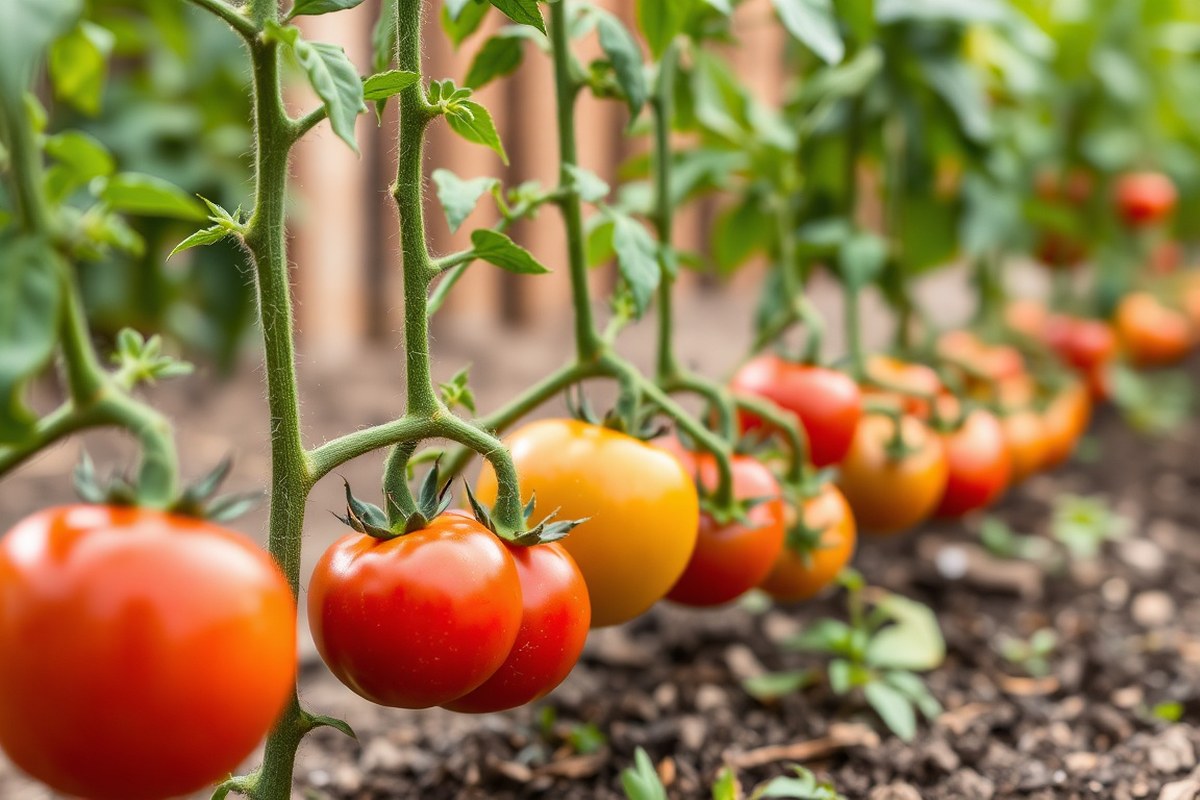
Tomatoes typically take between 60 and 100 days to grow from seed to ripe fruit. Early varieties often mature in about 60 days. Mid-season types can take 66 to 80 days.
Late varieties sometimes need over 80 days. Growth time varies a lot. It depends on the type you choose.
Generally, tomato growth breaks down into several phases. Germination starts within 5 to 10 days after sowing. Seeds need temperatures between 68 and 86 degrees F. Seedlings grow for 5 to 8 weeks indoors before transplantation.
After transplanting, fruit takes about 50 to 85 days to grow. Then tomatoes are ready for harvest.
| Growth Stage | Typical Duration |
|---|---|
| Seed to sprout | 5-10 days |
| Seedling growth indoors | 5-8 weeks |
| Transplant to fruit harvest | 50-85 days |
How long tomatoes take also depends on the variety. Cherry tomatoes tend to mature faster, often within 50 to 60 days from transplant. Larger slicing tomatoes usually need more time.
Planting seeds outside adds about 20 to 25 extra days. Outdoor weather slows down growth schedules.
Start seeds 6 to 8 weeks before the last frost. This gives healthier seedlings ready to transplant. This timing helps avoid common mistakes.
Planting too early leads to weak plants. Managing each growth phase well keeps tomatoes on track. They will be ready within the typical timeframe.
Tomato Growth Stages Explained with Timelines
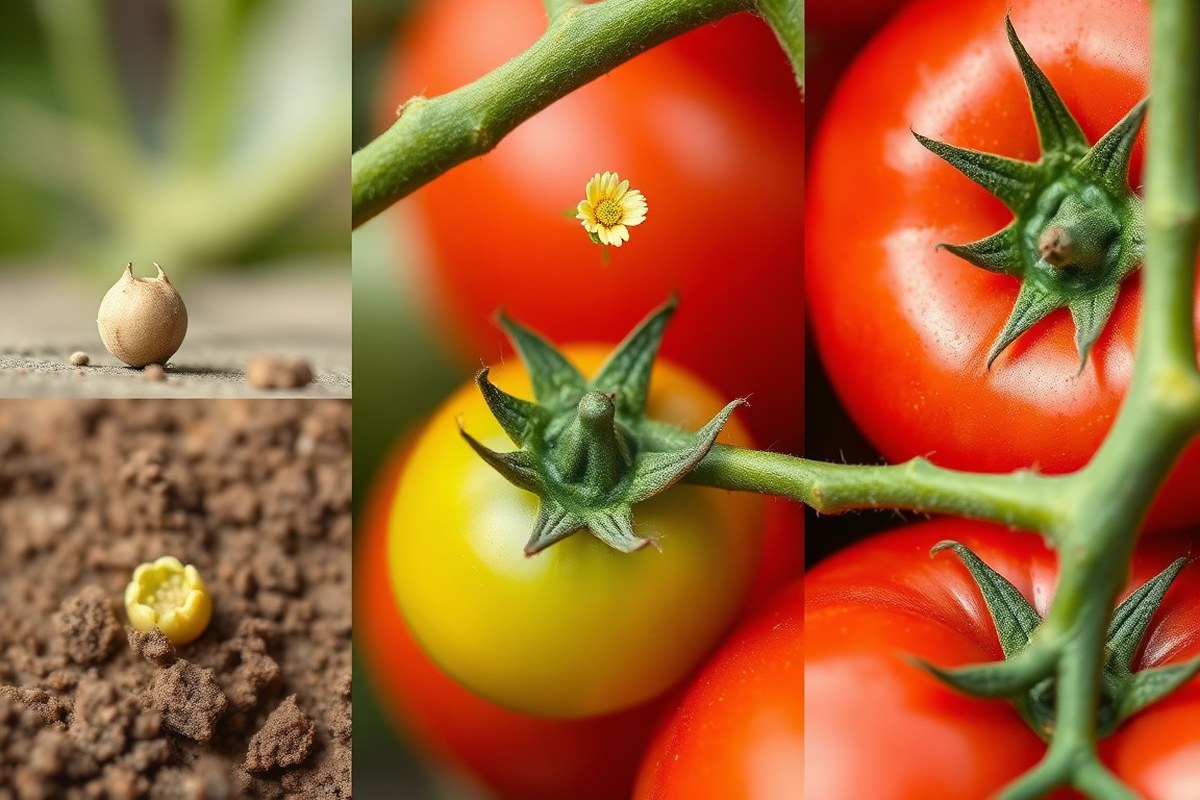
Tomatoes grow in clear stages that each take time to develop. You start with seed germination, then young seedlings grow leaves. Next comes flowering, followed by fruit forming and ripening.
Seed Germination (5-10 Days)
Tomato seeds usually sprout in 5 to 10 days after planting. They need warm soil temperatures around 70°F to 80°F to sprout well. Seedlings first show tiny leaves called cotyledons before true leaves appear.
The germination stage sets the foundation for strong plants. Cold or dry soil can stop seeds from sprouting.
Seeds may sprout slower in these conditions. Proper watering and warmth is key during this time.
Keep the soil evenly moist but not soaked to avoid rotting seeds.
- Plant seeds 1/4 inch deep in seed starting mix.
- Keep soil temperature warm, around 70°F to 80°F.
- Water lightly to keep soil moist but not soggy.
- Provide good light once seedlings appear to prevent leggy growth.
- Thin seedlings if multiple sprout close to each other.
Vegetative Growth and Leaf Development (4-6 Weeks)
After seedlings come up, plants grow leaves first. Roots grow during about 4 to 6 weeks. This helps plants get ready for fruit later.
Leaves develop quickly and grow the height of the plant to 12 to 24 inches. This phase builds energy for flowering.
Strong leaf growth needs good light, warmth, and steady watering. Plants develop thicker stems and more branches to support future fruit. Transplanting usually happens near the start of this phase.
Watch for healthy dark green leaves and avoid too much nitrogen fertilizer, which can delay flowers.
Give young plants about 14 to 18 hours of light daily to boost leafy growth.
- Harden off seedlings indoors or in shade before transplanting outdoors.
- Transplant seedlings when they have 4-6 true leaves and stable roots.
- Space plants 18 to 24 inches apart for good air flow and growth.
- Fertilize lightly with balanced fertilizer to support leaf development.
- Keep soil moist but not waterlogged for root health.
Flowering and Fruit Development (5-8 Weeks)
Tomato plants begin flowering around 5 to 7 weeks after seed germination. Yellow star-shaped flowers form in clusters along the branches. This overlaps and follows the late vegetative phase.
Fertilizing with phosphorus and potassium supports flower and fruit set. Fruit appear 7 to 14 days after flowers open, first as tiny green tomatoes. Ripening starts 15 to 45 days after fruit forms.
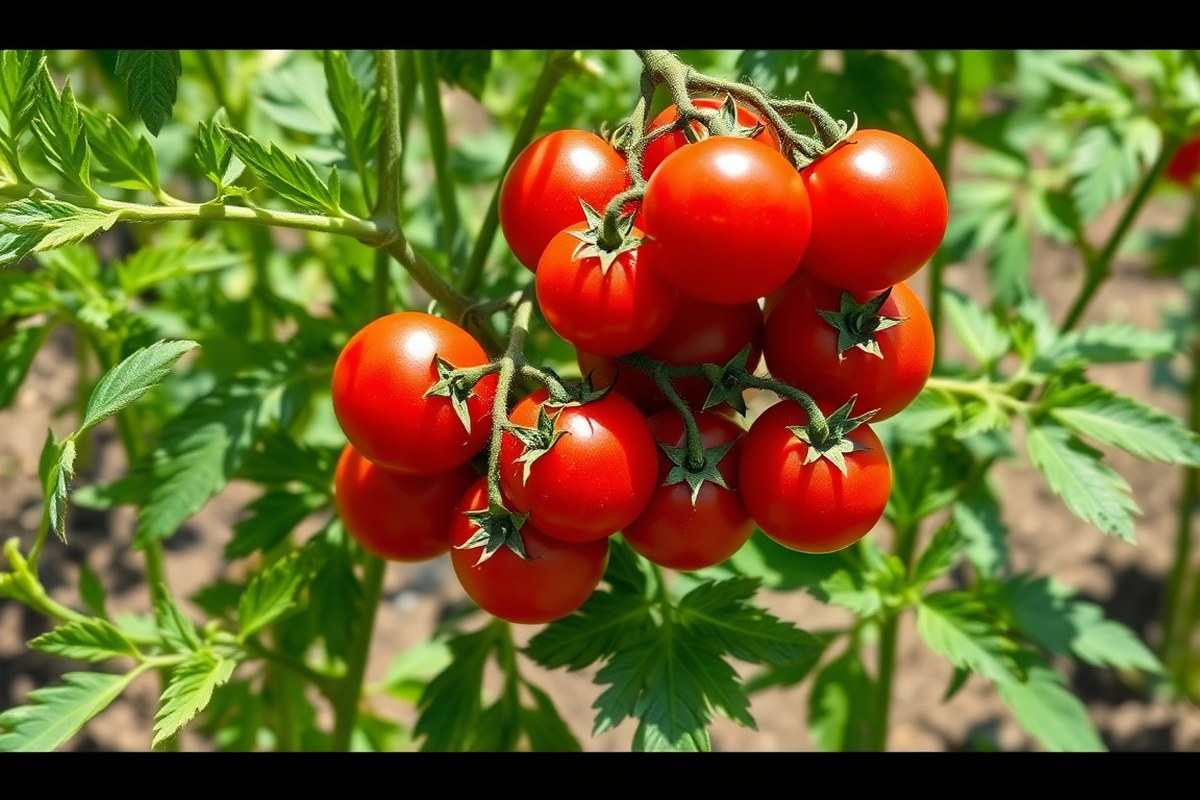
The fruit changes color from green to red, yellow, or other shades. Colors depend on the tomato variety.
Indeterminate tomatoes will flower and produce fruit continuously. Determinate types focus fruit set within 2 or 3 weeks and then stop growing.
Pinch off the first few flowers on seedlings to help plants focus energy on leaf growth.
- Check flowers daily and watch for pollinators or hand pollinate if needed.
- Start using fertilizer higher in phosphorus and potassium once flowers appear.
- Keep consistent watering to avoid fruit cracking or blossom end rot.
- Support plants with cages or stakes as fruit weight builds.
- Harvest tomatoes when they show full color and slight softness to touch.
How Temperature and Light Affect Tomato Growth Speed
Tomato growth speed depends heavily on temperature and light. Each growth stage works best within specific temperature ranges. Sunlight or grow lights are important for timely flowering and ripening.
Optimal Temperature Ranges for Each Growth Phase
Tomato seeds germinate best at 70 to 75°F. Light isn’t needed for germination but warmth is important. Seedlings do well in consistent soil temperatures from 70 to 80°F.
During vegetative growth, day temperatures between 65 and 85°F help plants develop quickly. Tomatoes start flowering after reaching these temperatures consistently. Nighttime temperatures should stay above 50°F before you transplant outdoors.
For fruit ripening, 68 to 77°F is ideal. This range helps tomatoes mature faster and develop good color. Cooler or hotter temperatures slow ripening and reduce fruit quality.
Light Requirements Indoors and Outdoors
Tomatoes need at least 6 to 8 hours of direct sunlight each day. Without enough light, flowering and fruiting will be delayed. Light intensity helps tomatoes produce sugars needed for flavor.
Indoors, aim for 14 to 16 hours of bright light daily. Place seedlings near a sunny south-facing window or use a grow light. LED grow lights like the Spider Farmer SF1000 promote strong color and lycopene development in fruits.
Low light causes stems to stretch and weak growth. Using grow lights prevents this by providing steady, bright light.
Smart gardens like Click &. Grow can help start seedlings with good light well before transplanting.
Effects of Temperature Extremes on Ripening
High temperatures over 85°F can stop tomatoes from setting fruit. Heat stresses the plant and causes poor flowering. Fruits may stay green or turn yellow instead of red.
Low temperatures below 50°F stunt growth and delay ripening. Cold slows cell division and metabolism. Tomatoes may remain immature for weeks in chillier conditions.
Nighttime lows should ideally stay above 50°F, with soil at least 60°F for best growth. Extreme temperature swings confuse plants and prolong harvest time. Keeping temperatures stable speeds up fruit maturity.
Variety Differences: How Tomato Types Influence Growth Time
Tomato types influence how fast you’ll see ripe fruit. Determinate tomatoes, the bush kind, usually mature faster than indeterminate ones.
They grow to about 2 to 3 feet tall. They produce fruit all at once.
Indeterminate tomatoes keep growing all season long. These vining types can take 70 to 85 days or more to produce fruit. They need taller supports and more pruning since they keep putting out new growth and fruit.
Cherry tomatoes tend to mature quicker than larger types. Their smaller fruit size and higher sugar content mean they ripen faster. Some varieties are bred specifically for a short growing season, giving you tomatoes even sooner.
| Tomato Type | Growth Habit | Plant Size | Days to Maturity | Harvest Pattern |
|---|---|---|---|---|
| Determinate (Bush) | Stops growing at set height | 2-3 feet tall | 60-70 days | Single main flush, ripens quickly |
| Indeterminate (Vining) | Continues growing all season | Requires tall supports | 70-85+ days | Multiple harvests over time |
| Cherry Tomatoes | Usually indeterminate | Varies, often compact | 50-65 days | Ripens earlier and more quickly |
| Short-Season Varieties | Determinate or indeterminate | Varies | 40-60 days | Quick harvest, suited for short summers |
Choosing bush tomatoes speeds up fruiting, especially for beginners. You plant once and get most tomatoes within a few weeks. Indeterminate ones give a longer harvest but need more care and patience.
Short-season types are great if your local summer is brief. You’ll get fresh tomatoes faster and avoid frost risks.
Still, they might produce less overall compared to indeterminate vines. Keep your garden’s space and climate in mind when picking tomato types.
When and How to Transplant Tomato Seedlings Outdoors
Tomato seedlings are ready to go outside when they grow well. Night temperatures must stay above 50°F. Planting too early can hurt the seedlings.
Moving them too early risks frost damage or slow growth. Proper preparation of seedlings and soil helps new plants adjust and thrive.
Ideal Seedling Size and Age for Transplant
Seedlings should stand 6 to 10 inches tall before planting outside. They need 2 to 3 sets of true leaves. This shows they are strong enough.
This usually takes 5 to 7 weeks from seed under good indoor conditions. Smaller or younger seedlings take longer to grow after transplanting.
By this stage, seedlings have sturdy stems and healthy leaf growth. Avoid moving weak or leggy plants to prevent shock. Good light indoors helps produce strong seedlings ready for the garden.
Safe Temperature Criteria for Outdoor Planting
Transplant only after all frost danger has passed and nights stay above 50°F. Soil temperature should be at least 60°F for best root growth. Cold temperatures stunt growth or can kill young tomato plants.
Check local weather forecasts and soil temps before planting. Watch for sudden cold nights or late frost warnings. A few warm days and nights consistently over 50°F mark safe outdoor planting time.
Do not plant if soil feels cold or nights drop below 50°F. Cold can kill the young seedlings quickly. Check temperatures before moving them outdoors.
Preparing Soil and Hardened Seedlings
Start hardening seedlings 7 to 10 days before transplant. Move them outdoors for a few hours daily in shade and calm weather. Gradually increase time and sun exposure to build tolerance to outdoor conditions.
Prepare soil by loosening and adding compost or well-rotted fertilizer. Ensure soil drains well but retains moisture to support young roots. Water the garden bed a day before transplant to keep it moist but not soggy.
Follow these steps to prepare seedlings and soil:
- Start by putting seedlings outside in a sheltered spot for 2 to 3 hours. Add more time each day. This helps them get used to outdoor conditions.
- Expose seedlings to morning sun but protect from harsh afternoon heat until well hardened.
- Prepare garden bed by digging and mixing compost in a week before transplanting.
- Water soil thoroughly the day before planting to maintain even moisture.
- Plant seedlings deep enough to cover stem roots and support them firmly.
- Water seedlings after transplant and add mulch to retain moisture and reduce weeds.
Common Factors That Slow Tomato Growth and Ripening
Tomatoes take longer to grow or ripen when they face stress from temperature or water problems. Low soil temperatures or cool spring weather slow both growth and fruit ripening. The ideal soil temperature for tomatoes is between 70°F and 85°F. Night temperatures below 55°F stress tomato plants.
Days above 85°F also cause stress. This delays fruit set and color change. Sudden shifts in temperature also disrupt the growth cycle, making fruit development slower or uneven.
Watering mistakes cause extra trouble for tomatoes. Overwatering can drown roots and reduce oxygen. Underwatering dries out soil, leading to blossom drop or poor fruit growth.
Watering tomatoes unevenly causes fruit to crack. It can also cause blossom-end rot.
This shows as sunken dark spots on fruit bottoms. Keeping soil evenly moist helps tomatoes use nutrients properly and grow faster.
Nutrient deficiencies, especially low phosphorus, stunt tomato growth and fruit development. Yellowing leaves or weak plants often show a lack of key nutrients. Phosphorus is important for root growth and fruit ripening.
So applying a balanced tomato fertilizer or adding bone meal can fix this. Avoid too much nitrogen since it boosts leaves but slows fruiting.
- Keep soil warm, above 70°F, using black plastic mulch if needed.
- Water deeply and evenly, about 1 to 2 inches per week, and avoid dry spells.
- Use a tomato fertilizer with phosphorus (look for a middle number like 10-20-10).
- Protect plants from sudden cold by covering or moving potted tomatoes.
- Watch for pests like aphids or hornworms that sap energy from fruit production.
- Remove damaged leaves and use organic pesticides if pest damage is heavy.
- Check soil drainage to prevent root drowning and fungal diseases.
Pest damage reduces the plant’s strength and delays fruiting. Aphids and hornworms suck sap and stunt growth. Early blight or fungal infections cause leaf loss, cutting the plant’s food-making ability.
Regular pest checks and prompt treatment keep plants healthier and fruit ripening on schedule. Watch for these common problems closely.
This helps your tomatoes grow well. It also helps fruit ripen as fast as weather allows.
Care Tips to Speed Up Tomato Growth and Maximize Yield
Water tomatoes deeply once or twice a week, soaking soil 6 to 8 inches deep. Aim for about 1 to 1.5 inches of water each week, more during hot weather. Avoid letting soil dry out or stay soggy, both slow growth and may cause fruit drop.
Feed tomato plants with a balanced fertilizer starting when you transplant seedlings outdoors. Use a formula with a lower nitrogen ratio once flowers appear to encourage fruiting. Apply fertilizer every 2 weeks during the growing season.
This keeps your plants full of energy. It helps the blooms and fruit grow strong.
Pruning helps air circulate and sends plant energy to fruit rather than extra leaves. Pinch off suckers growing in leaf axils starting when plants reach 12 inches tall.
Remove lower leaves that touch the ground to cut disease risk. Prune regularly during flowering and fruiting to keep plants healthy and productive.
- Water soil deeply twice a week, adjust in heat
- Feed every 14 days, start with balanced then switch
- Prune suckers and lower leaves after transplant
- Keep plants in full sun, 8+ hours a day
- Watch for pests and treat spots or holes fast
- Use mulch to conserve moisture and reduce weeds
- Stake or cage plants to prevent stem damage
Check plants weekly to spot pests like aphids or hornworms early. Remove pests by hand or use insecticidal soap according to instructions. Mulching helps reduce water loss and keeps soil temperature steady, which improves root development.
Consistent watering and feeding paired with regular pruning speed up your tomato growth. A well-cared-for plant focuses energy from leaves to fruit for more yield. Avoid overwatering or neglecting pruning, or your tomatoes might grow slow or produce fewer fruits.
Planning Your Tomato Growing Schedule Backwards from Harvest
Start your tomato seeds indoors six to eight weeks before your last spring frost date. This gives seedlings enough time to grow strong before planting outside.
For example, your last frost date is May 15. Start seeds between March 20 and April 3.
Seedlings should be about five to six weeks old when you transplant them outdoors. This timing helps young plants handle the move and establishes roots before the heat of summer.
Monitor your local frost dates carefully; transplanting too early risks frost damage. Waiting too long shortens your harvest window.
Work backward from your desired harvest date. Count the days tomatoes take to mature, often 50 to 90 days after transplanting. Early varieties like ‘Early Girl’ mature in less than 70 days.
This gives you more time if frost comes early. For instance, planning a harvest by September 30 means transplanting by late June for mid-growth tomatoes.
Adjust your schedule if you grow different tomato varieties or live in a unique climate. Indeterminate types keep producing until frost kills them. In cooler regions, start seeds at eight weeks before frost.
In warmer areas, six weeks may work fine. Watch seedlings for strong growth and leaf development to time your transplant.
Never plant tomato seedlings outdoors before nighttime temperatures stay above 50°F. Cold will stunt growth or kill young plants.
Here is a simple calendar plan: note your last frost date. Count back 6 to 8 weeks to start seeds indoors. Add a week or two after transplant for plant establishment.
Then, add 50 to 90 days for fruit ripening. Adjust those numbers for your specific variety and regional climate to fine-tune your planting schedule.
Step-by-Step Action Plan for Growing Tomatoes
Follow these clear steps to grow tomatoes from seed to harvest efficiently. This plan helps you stay on track and spot problems early.
- Before planting: Choose a tomato variety suitable for your season. Look for seed packets with days-to-harvest info.
- Day 1: Sow seeds in seed trays indoors under grow lights or near a sunny window. Seeds should sprout in 5, 10 days.
- Week 2: Thin seedlings by snipping weaker ones at soil level. The strongest sprouts will grow better roots.
- Week 4: Transplant seedlings into larger pots once they develop 2, 3 true leaves. Check roots are white and healthy.
- Week 6: Harden off plants by moving them outside for a few hours daily. Increase outdoor time over 7, 10 days.
- Week 7, 8: Plant tomatoes outdoors after the last frost date. Space plants 18, 24 inches apart in well-drained soil.
- Week 9 onward: Water consistently and mulch to keep soil moist. Support plants with stakes or cages early on.
- Week 14, 16: Expect fruit ripening. Pick tomatoes when colored and slightly soft. Regular harvest encourages more fruit.
Frequently Asked Questions
How Long Does It Take for Tomato Seeds to Sprout?
Tomato seeds usually sprout in 6 to 14 days at normal temperatures. Cooler soil near 50°F can delay sprouting by more than a month.
Why Do My Tomato Plants Have Flowers but No Fruit?
Lack of fruit often happens because of poor pollination or too much heat. Try hand-pollinating or providing shade on hot days to improve fruit set.
Can Tomatoes Grow Indoors All Year Round?
You can grow tomatoes indoors year-round with enough light and warmth. Use grow lights and keep temperature around 70-75°F for best growth.
When Should I Water Tomatoes for Fastest Growth?
Water tomatoes deeply once or twice a week depending on rain and soil. Avoid shallow watering to encourage strong roots and quicker growth.
How Long Does Fruit Development Take After Flowers Bloom?
Fruit development usually takes 3 to 4 weeks after flower pollination. During this time small green tomatoes grow into larger fruits ready to ripen.
Do Determinate Tomatoes Grow Faster Than Indeterminate?
Determinate tomatoes grow to a set size. They produce fruit all at once.
That makes them ripen faster. Indeterminate types keep growing and fruiting longer.
The Bottom Line
Tomatoes usually take 60 to 85 days to grow and ripen after transplanting. Giving them steady care speeds this up. Start your seedlings soon and watch them thrive by following simple daily steps.