How to Harvest Half a Weed Plant: A Complete Guide for Precise Partial Harvests
Knowing how to harvest half a weed plant helps. It lets you get two harvests from one plant.
You cut off the mature buds from one part while leaving the rest to keep growing. This method lets you enjoy fresher buds later and manage your supply better.
Start by checking your plant’s trichomes and pistils with a magnifier for the best timing. Cut the top half first or the side with ripe buds.
This avoids stressing the whole plant. Keep the other half healthy by continuing to water and flush it properly until it’s ready.
Timing is key because the remaining buds need a few more days to reach full potency. You can wait 5 to 10 days after the first half, then harvest the rest. This approach works best during your plant’s peak harvest window to keep potency high.
Key Takeaways
- Use a magnifier to check trichomes for perfect harvest timing.
- Harvest when 70-90% of pistils have darkened for best THC.
- Cut off the ripest half first to let the rest mature longer.
- Flush remaining plants with plain water for 7-14 days before next harvest.
- Keep the plant dry for 1-2 days before harvesting each half.
- Store trimmed buds in dark, cool spaces to dry slowly over two weeks.
Can You Harvest Half a Weed Plant and How?

You can harvest half a weed plant if you want. Some growers cut off the top half to start drying those buds early. This method lets the lower half keep growing and gaining weight for a few more weeks.
Harvesting half a plant is legal only if local laws allow growing and harvesting cannabis. Always check your state or country regulations before you cut any part of your plant. Partial harvest is usually safe with clean pruning shears.
Handle the plant gently to avoid damage. Keep tools sanitized to prevent infections.
People harvest half a plant to get a faster yield from the mature buds. Tops usually ripen faster, so they come off first. This can free up light to reach lower buds, improving overall growth and quality below.
You might also try partial harvest if your plant shows uneven bud development. Sometimes the top grows quicker, and the bottom needs more time. Harvesting half lets you get some smoke ready soon without losing potential on the rest.
The process requires only basic tools, like simple pruning shears you already have. Cut mature branches cleanly during harvest. Hang them to dry in 60 to 70 degrees Fahrenheit.
Keep humidity around 50 percent while drying. After you finish, keep caring for the remaining plant like usual.
Partial harvesting costs less time because you don’t pull the whole plant out. But it takes careful picking so you don’t damage the part left behind. Cutting too low or too high can delay healing.
It may also reduce the plant’s yield. Trim branches carefully to avoid these problems.
Good partial harvest happens when half the pistils darken. Most trichomes should look cloudy or milky. Timing is important for best quality buds.
Clear trichomes mean the buds are not ready. You can harvest earlier for a lighter effect or wait longer for potency and yield.
One downside is that the remaining buds might not ripen evenly. Leaving half the plant too long risks mold or pests. Mold can ruin your crop quickly.
Check plants often to avoid problems. Flush plants with pH-balanced water for at least a week.
Avoid overwatering after flushing to prevent root issues. This helps clean the plant naturally.
How to Identify the Best Half to Harvest First

Choose to harvest the half of your cannabis plant that shows the most signs of maturity. Inspect the trichomes and pistils closely on buds from both halves. The side with more amber trichomes and curled, brown pistils is usually ready first.
Checking Trichomes on Top vs Bottom Buds
Trichomes are tiny, crystal-like glands that hold most of your weed’s THC. Their color reveals how ripe your buds are.
Clear trichomes mean the plant is immature. Milky or amber trichomes signal peak or slightly past peak ripeness.
Use a magnifier or USB microscope to check buds closely. Look at the top half and bottom half separately. This helps you see which buds are ready to harvest.
Compare the trichome colors side by side. Focus on buds nearer the plant’s main cola as they usually mature faster.
Look for about 80% milky trichomes with some amber. This balance means strong potency and pleasant effects. Your top half has more amber and milky trichomes.
Harvest that top half first. Then wait 5 to 10 days for the bottom half to be ready too.
Using Pistil Color for Ripeness
Pistils are the white, hair-like strands on buds. They help you estimate how mature a plant is. Most pistils start white and straight when the buds are young.
They darken to brown or orange as the plant ripens. Then the pistils curl in.
Inspect pistils carefully on each half of the plant. Count or estimate if about 70-80% of pistils on one half have darkened and curled in. This half is generally more mature and ready to pick first.
Keep in mind, pistil color alone isn’t as precise as trichomes. Use pistils with trichome checks to confirm. Both halves have mostly white pistils right now.
Wait before harvesting any part of the plant. Let the pistils darken first.
Tools to Inspect Partial Plant Sections
A digital USB microscope is the best way to see trichome colors clearly on specific buds. They usually cost $15 to $30 online and plug into your smartphone or computer. This tool lets you zoom into tiny trichomes easily.
You can also use a jeweler’s loupe with 30x to 60x magnification for a handheld option. Look at multiple buds per half to get a good average.
Also use your eyes for pistils, but lighting helps. Natural daylight or a bright LED lamp work well.
Getting a consistent view can be tricky. Clean your lens before each inspection to avoid blurry images. Take photos if you want to compare later, especially to check changes over a few days.
- Select a well-lit area with good natural light or use a bright lamp.
- Choose a bud from the top half of the plant and inspect it with your magnifier.
- Note the trichome colors: clear, milky, or amber.
- Check how many pistils are white versus brown and if they curl in.
- Repeat this for a similar bud on the bottom half.
- Compare the halves: pick the half with 80% milky trichomes and mostly dark pistils.
- Harvest that half first, then wait 5-10 days for the other half to mature.
Tip: Don’t harvest any half if trichomes are mostly clear or pistils are still white.
Tools and Preparation for Partial Cannabis Harvesting
Harvesting half a weed plant needs precise tools and care to avoid damage or contamination. Use sharp cutting tools, maintain hygiene, and set up proper drying for smaller yields.
Removing big fan leaves is useful. But trim smaller leaves carefully around the harvested buds.
Cutting Tools and Their Uses
Sharp scissors or pruning shears make clean cuts without tearing the plant. This helps preserve the remaining half for regrowth or later harvest. Many growers recommend using stainless steel scissors for durability and easy cleaning.
Small detail scissors help trim sugar leaves and loose material around buds. For bigger stems, a sharp pruning shear or garden snips work best. A good set of tools reduces bruising and potential mold spots on your buds.
Here’s the cutting tools checklist to get started:
- Sharp stainless steel scissors, 4 to 5 inches, like Fiskars Precision
- Pruning shears with locking handle for thicker stems
- Fine-point detail scissors for sugar leaf trimming
- Plastic or rubber gloves to reduce resin contact and mess
- Spray bottle with 70% isopropyl alcohol for tool cleaning
Clean tools before and after use by wiping with alcohol. This stops mold and bacteria transfers between parts of the same plant.
Safety Items and Hygiene Best Practices
Wear gloves to prevent resin from sticking to your hands. Gloves also keep your harvest clean from oils and dirt on your skin. Use latex or nitrile gloves that fit snugly and don’t tear easily.
Sanitize your workspace and tools with isopropyl alcohol before starting. This avoids contaminating the unharvested plant half.
Use a small fan or open a window for steady airflow. This cuts humidity and helps slow mold growth.
Start by removing large fan leaves on the half you will harvest. This clears space for cutting without stressing the unharvested side.
Don’t cut fan leaves on the part you keep growing. They help give energy to your plant.
Drying and Curing Equipment Setups for Partial Loads
Drying half a plant means you’ll get smaller bud quantities to handle. Use a drying rack or mesh screen that fits your harvest size to save space. Cloth or nylon drying nets work well for proper airflow around the buds.
A sealed tote box with humidity control beads works to cure smaller harvest loads efficiently. Keep temperature near 60 to 70 degrees Fahrenheit for best results.
Humidity should be 55 to 65 percent. Use a small hygrometer to monitor these conditions closely during drying.
For airflow, a small oscillating fan pointed away from your buds encourages even drying. Don’t let buds touch the fan directly as this can overdry or damage them.
Step-by-Step Process to Harvest Half a Weed Plant
Harvesting half a weed plant needs careful cutting, drying, and curing steps. You want to keep the buds fresh and avoid mold or potency loss. Taking your time helps your first half turn out well.
Follow the right steps. This also lets the rest of the plant keep growing.
Flushing the Plant Before Partial Harvest
Start flushing when trichomes mostly turn cloudy, about 7 to 10 days before picking buds. Stop feeding nutrients and give only water to clear out chemicals. This flush helps buds taste better and burn cleaner.
After finishing your flush, stop watering completely. Wait 1 to 3 days. This lets the soil and stems dry out well.
This pause speeds up bud drying later and reduces risk of mold during curing. You don’t want wet stems or dirt slowing drying.
Executing the Cut: Techniques and Safety
Cutting in half means removing selected branches carefully without stress. Large plants can be trimmed into smaller branches for easier handling and less damage. Use sharp, clean scissors or pruning shears to make smooth cuts.
Wear gloves and work in a clean, dry area to avoid contamination. First, cut the chosen top half by following branch joints.
Leave the lower half intact to keep growing. Handle branches gently to protect fragile trichomes.
- Clear a workspace with good light and ventilation.
- Put on gloves and sterilize your cutting tools.
- Cut off fan leaves from the top half to expose buds.
- Cut branches carefully at joints, starting with the top ones.
- Place cut branches on a clean surface or drying rack.
- Trim smaller leaves around the buds but don’t over-trim now.
- Store branches away from direct sunlight until drying.
Drying and Curing Half-Harvested Buds
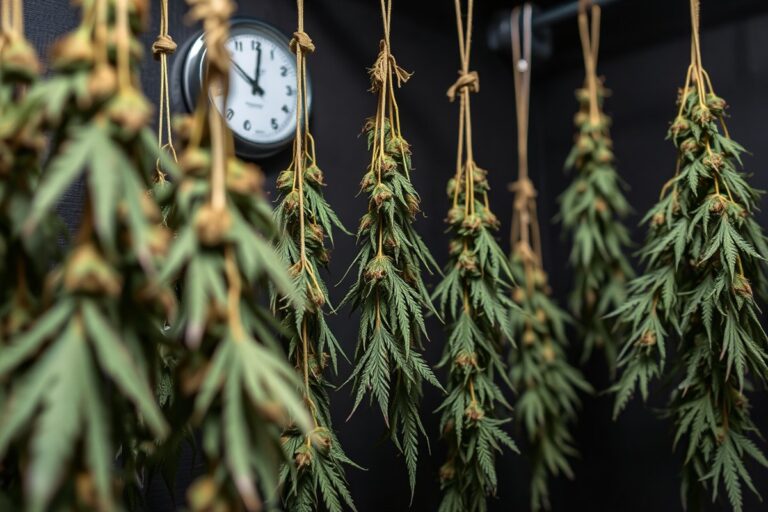
Hang or lay dried branches in a dark, cool, and ventilated room. Ideal drying temperature is about 60 to 70°F with 50 to 60% humidity. Keep buds mostly covered by some leaves to slow drying and improve curing.
Drying usually takes 7 to 14 days, depending on humidity and airflow. Check buds every day. Feel for slight stiffness and stem snaps.
Watch for no dampness or mold. Avoid bagging buds too soon or they can rot inside.
After drying, move buds into airtight containers for curing. Open jars once a day for 10 to 15 minutes. This releases moisture inside.
It also refreshes the air in the jars. Cure buds for at least 2 to 4 weeks to develop flavor and potency fully.
How to Care for the Remaining Half After Harvest
Your remaining cannabis plant can keep growing after you harvest the top half. Cutting the upper section shifts the plant’s energy from vertical growth to its lower branches. It usually starts making more side buds instead of stretching taller.
After harvesting, keep the plant healthy by adjusting watering and feeding routines. Water it less often, since there is less plant mass to support. Wait until the top inch of soil feels dry.
Then water lightly with half the usual amount. This helps avoid overwatering and root problems. Keep an eye on humidity near 40% to 50% to avoid mold or stress.
Switch your nutrient feeding to lower nitrogen and higher phosphorus and potassium to help bud ripening. Nitrogen promotes leafy growth, which you want to avoid now. Use bloom-phase fertilizers or formulas labeled for flowering with about 0-50-30 N-P-K ratios.
Feed every 7 to 10 days at half strength to avoid buildup. Nutrient buildup causes burn or taste problems if not flushed out before final harvest.
Light also affects the plant now. The remaining half benefits from even light without burning it. Keep indoor grow lights around 65 to 80 °F (18 to 27 °C).
Maintain a 12-hour dark cycle to promote finishing. Too much light or heat stresses the plant. It can cause white hairs or “popcorn” buds.
These buds usually don’t mature well. Outdoor plants at this point prefer mild sun, with some shade in hot climates.
Remember, trimming the main tops can open the canopy, letting light reach lower buds. This encourages those buds to fill out and mature better.
You don’t need heavy pruning afterward, just remove dead or yellow leaves. That keeps airflow good around all growing parts.
Overwatering after a partial harvest can stress the plant and slow bud development. So watch soil moisture closely.
Timing and Monitoring to Harvest the Second Half Later
After you harvest the first half, the remaining half needs close watching. Most cannabis plants will take 1 to 3 weeks more to mature. It depends on the strain and how mature it was when cut.
This affects when to harvest the second half. Check the trichomes for best timing.
To know when to harvest the second half, watch trichomes closely. Trichomes turn cloudy or amber when buds are ready.
When trichomes are mostly clear, wait longer before harvesting. You can safely wait up to two weeks between harvests without dropping quality or risking mold.
You should flush the remaining half about one week before the next harvest. Flushing means watering with plain water only.
It helps clear out leftover nutrients and improves the taste. Timing your flush right matters because flushing too early or late affects flavor and smoke quality.
Here’s a simple checklist and flow to time your second harvest:
- Check trichomes on the remaining buds every 3 days after the first harvest.
- Look for milky or amber trichomes as a sign of readiness.
- When most trichomes are clear, wait 5 to 7 days. Then check again.
- Start flushing with water only about 7 days before trichomes reach milky color.
- Harvest once 50% or more of the trichomes are cloudy or amber.
- Keep an eye on humidity. Don’t wait too long to avoid mold or bud rot.
- Use a jeweler’s loupe or magnifying glass to see trichomes clearly.
To plan the second harvest: if trichomes are mostly clear, wait. Check them again after some time.
When 50% or more trichomes are cloudy or amber, start flushing. When ready, harvest within 3 days to keep quality high.
Auto-flowering strains need less time, often only 8 to 10 weeks total from seed. For non-auto-flowering plants, timing depends on how mature flowers were at first cut. Slower strains can take up to 3 weeks to finish after the first harvest.
Common Partial Harvest Mistakes and How to Avoid Them
Harvesting half a weed plant has some common mistakes that reduce yield or cause mold. One big error is cutting too early, which means small, weak buds. Another problem is poor drying, letting mold form on the cut buds.
Here’s a table showing typical mistakes and their fixes. It helps you spot risks and what to do instead.
| Common Mistake | How to Fix It |
|---|---|
| Harvesting too early | Wait several weeks into the harvest window; use the squish test on buds |
| Poor drying conditions | Keep drying area 60-70°F and 45-55% humidity; good airflow needed |
| Leaving cut buds on plant | Trim and hang removed buds quickly to avoid mold from dampness |
| Ignoring environment for remaining plant | Keep remaining plant healthy; water and light must stay proper |
| Harvest confusion indoors vs outdoors | Match drying setup to your environment; outdoor buds need more protection |
Preventing mold means controlling temperature and humidity during drying. Keep the room between 60 and 70 degrees Fahrenheit. Humidity should stay around 45 to 55 percent.
Use fans for airflow but avoid direct wind on buds. This dries them evenly and stops mold growth.
Partial harvesting works outdoors and indoors. Outdoor growers must watch for rain and humidity spikes, which cause mold quick. Indoors, use a dedicated drying space with a heater or dehumidifier if needed.
Adjust drying time depending on local climate. Outdoor buds may need extra care to prevent moisture buildup.
After cutting half the plant, don’t leave cut buds hanging on remaining branches too long. Removing and drying them promptly reduces chances for mold. Also, care for the leftover plant with stable water and light.
This encourages strong growth for the second half harvest later. Monitor the squish test weekly to know when the rest is ready.
Comparing Partial vs Full Plant Harvest: Benefits and Drawbacks
Harvesting half your weed plant often means getting a quicker yield from part of it. Full harvest waits until the entire plant reaches peak maturity, maximizing total output. The main difference is that partial harvest lets you pick some buds early.
You keep the rest to finish growing. This strategy gives you two harvest times.
Partial harvest lets you get some flowers sooner. But it can lower total yield and potency. You trade quantity and quality for speed.
Full harvest usually gives the most yield and potency. That’s because all buds mature fully first.
You cut the whole plant at once. However, full harvest takes longer and delays your final product.
You can see the key differences in the table below. It compares yield, potency, harvest time, and care needed for partial versus full harvest.
| Factor | Partial Harvest | Full Harvest |
|---|---|---|
| Yield | Lower overall, since some buds cut early | Highest total yield from full mature plant |
| Potency | Varies, some buds less mature, potency can differ | Peak potency; harvest when 70-90% trichome hairs darken |
| Harvest Time | Shorter for first half, longer for second | One longer harvest after full maturity |
| Plant Stress | Higher; cutting half requires extra care afterward | Low; plant cut all at once, no further stress |
| Work Required | Repeated; harvest and care twice | Single harvest, less ongoing care |
| Use Case | Good for staggered use or experiment with potency | Best for maximum yield and consistent effects |
Choosing partial harvest suits growers wanting earlier buds or who want to test effects. It also lets you catch early harvest signals like 70-90% darkened hairs in some buds. Full harvest suits growers who want the most yield and potency.
It means waiting for the entire plant to mature. You harvest everything at the same time.
Partial harvest costs more effort. You need good tools, lighting, and close care for the remaining plant. Watch for stress signs and keep feeding and watering steady.
Watch for 90-100% dark hairs on buds before harvesting the rest. This stage gives a more calming effect. Get ready to cut when you see this.
Use a magnifier to check trichome color before harvesting any buds for precise timing.
Full harvest suits small spaces and beginner growers who prefer one cutting. It avoids risks of damaging the plant in multiple cuts. You also save on tools and time by harvesting once, drying once, and trimming once.
Decide based on your time, space, and product goals. Partial harvest fits if you want two harvests and staggered use. Full harvest fits if you want the largest amount of mature, potent buds and less hassle.
Step-by-Step Action Plan to Harvest Half a Weed Plant
This plan guides you through partial harvesting for good yield and potency. Follow each step to help your plant stay healthy after the first harvest.
- Before Harvest: Prepare clean scissors, gloves, and jars. Check that your trimming tools are sharp and sterile.
- Day 1: Identify the half of the plant with the ripest buds. Look for amber trichomes and swollen calyxes as signs.
- Day 2: Cut the selected top half carefully, leaving the rest of the plant untouched. You’ll see fresh, unharvested branches remaining.
- Day 3: Trim and dry the harvested buds in a dark, ventilated space. Proper drying improves both potency and flavor.
- Week 1 After Harvest: Spray the remaining plant lightly with water every day. It keeps the plant hydrated and ready to mature new buds.
- Week 3: Watch for fresh trichome development on the remaining buds. Use a magnifier to check if they turn milky white or amber.
- Week 4, 5: Harvest the second half when trichomes show optimal color. You should get another batch of quality buds from the same plant.
- After Second Harvest: Feed the plant lightly with balanced nutrients to help it recover. Healthy roots support good regrowth next cycle.
Frequently Asked Questions
Can I Harvest the Top Half of My Marijuana Plant Without Stressing It?
Yes, you can harvest the top half without stressing your plant too much. Use clean tools to avoid infecting the plant.
Don’t cut too much at once. This helps prevent shock and keeps the rest healthy.
How Does the Veggie Stage Affect Partial Harvesting Readiness?
Your plant is too young for partial harvest while white hairs grow. Wait until these hairs are gone.
Wait until the flowering stage progresses, and buds look ripe before cutting. This ensures the best quality and yield.
Should I Flush the Remaining Half of the Plant After the First Harvest?
Yes, continue flushing the remaining half with pH-balanced water only if it’s near harvest. This helps clear nutrients and improves taste. Adjust the flush length based on the plant’s flowering stage.
Can Harvesting Half a Weed Plant Change the Potency of Remaining Buds?
Partial harvesting can delay maturity, but potency usually stays stable if timed right. Monitor trichome color and pistils on the remaining half to catch peak potency.
Is the Drying Process Different for Half-Harvested Cannabis?
Dry your half-harvested buds just like a full harvest. Hang them in a cool, dark, and ventilated space. The drying takes the same 7-14 days.
Do I Need to Trim the Remaining Plant After the First Harvest?
Light trimming helps the remaining half focus energy on new bud growth. Remove only dead or large leaves. Avoid heavy pruning to not stress the plant.
Final Thoughts
Harvesting half a weed plant at a time keeps potency strong. It also helps you get more yield from your grow. This way, you don’t waste any part of the plant.
Start by spotting your best buds and prepare your tools well. Try partial harvest on your next grow and watch the results.