
Is Oleander Toxic? What You Must Know About Dangers and Safety
Is oleander toxic? The short answer is yes.
Oleander contains cardiac glycosides, powerful toxins that can harm both people and animals quickly. Even small amounts of its leaves, flowers, or stems may cause serious health problems.
These toxins mainly affect the heart, disrupting its rhythm and function. Oleander poisoning symptoms can appear within a few hours after ingestion. Signs may include nausea, vomiting, slow heartbeat, or even dizziness and confusion.
Because of how fast symptoms appear, immediate medical help is critical if someone swallows any part of the plant. Call poison control or emergency services right away. Do not wait for symptoms to worsen.
Handling oleander requires care since its sap may irritate skin or eyes. Wearing gloves and keeping the plant away from children and pets lowers risk. Be sure to wash hands well after working with or near oleander.
Key Takeaways
- Oleander poisoning symptoms usually appear within 2 to 6 hours after ingestion.
- Cardiac symptoms are the most serious effects of oleander toxins.
- Contact dermatitis may develop if oleander leaves touch your skin.
- Pets and livestock have a high risk of severe illness from oleander.
- Blood tests can detect toxic cardiac glycoside levels after exposure.
- Hospital monitoring for at least 12 hours is important after poisoning.
Is Oleander Toxic to Humans and Animals?
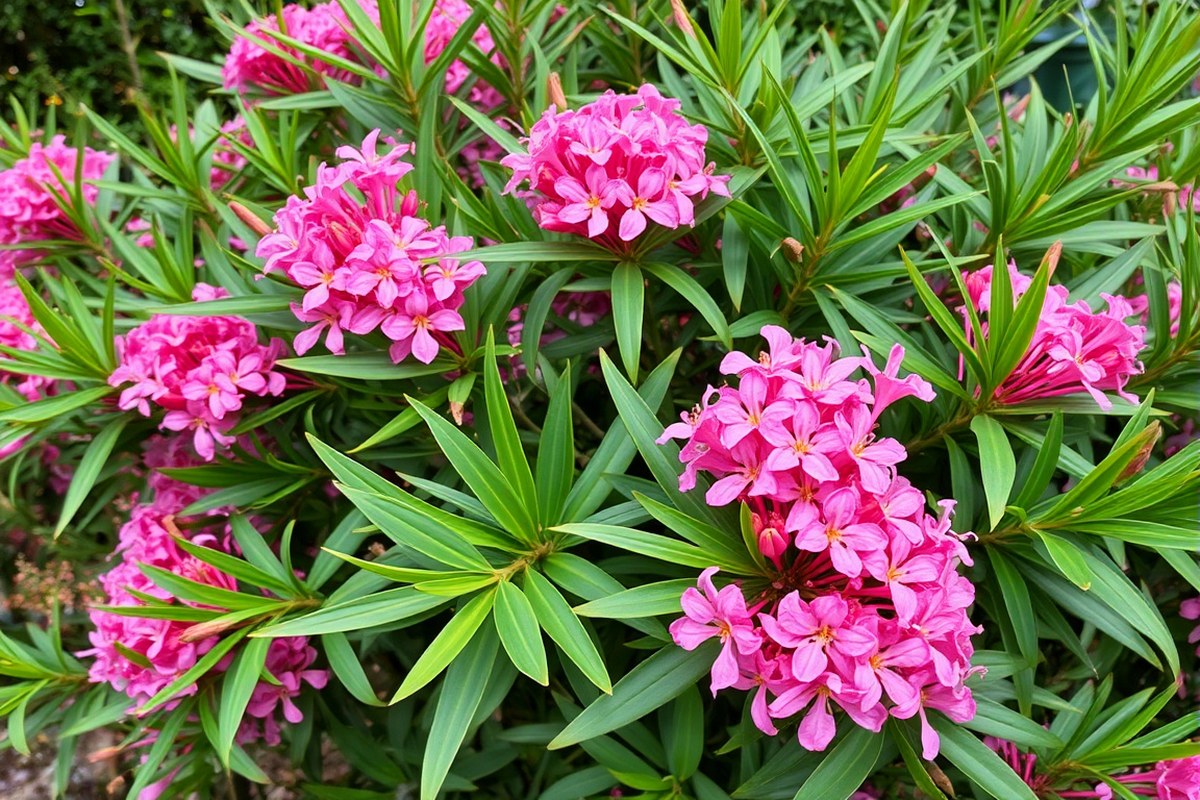
Oleander is highly toxic to both humans and animals. Every part of the plant has poisons. Leaves, flowers, seeds, stems all contain toxins.
Even the flower nectar is poisonous. This means touching, ingesting, or inhaling any part of oleander can be very harmful.
The toxic substances in oleander mainly include cardiac glycosides. These chemicals interfere with the heart’s normal function, making the plant especially dangerous. Don’t grow oleander where kids and pets play.
Small amounts can cause serious poisoning. It’s not safe around children or pets.
Pets like dogs, cats, and rabbits are very sensitive to oleander poisoning. Horses, cattle, goats, and even birds such as budgerigaries are also at risk. Animals often eat plants they don’t know.
Oleander is one of the most deadly garden plants. This raises the poisoning risk for pets and wildlife.
Both Nerium oleander, the common ornamental type, and Thevetia peruviana, often called yellow oleander, are toxic. Yellow oleander is native to Mexico and Central America and poses a public health concern. The toxic compounds exist in all parts, even when the plant is dry or dead.
Burning oleander is also unsafe since it releases toxic smoke. Inhaling this smoke can cause severe breathing problems in people and animals nearby. This adds another layer of risk, beyond just ingestion or touch.
No part of the oleander plant is safe to eat or handle without caution. Keep it out of reach from children and pets to avoid accidental poisonings. Poisoning signs need quick medical care.
All these plants can cause severe effects. Even small exposures may be dangerous.
How Does Oleander Poisoning Affect the Body?
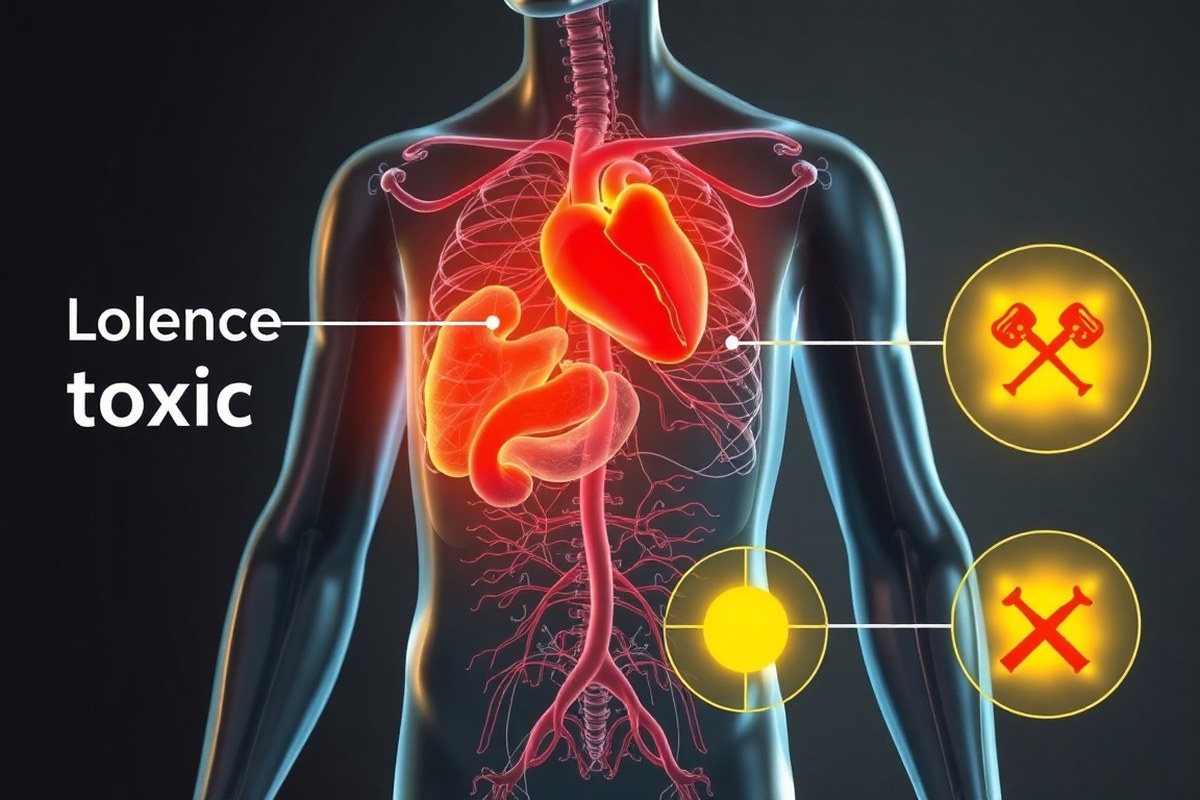
Oleander contains cardiac glycosides, toxic compounds that mainly affect the heart. These chemicals interfere with how heart cells handle calcium and sodium. This disrupts your heart’s electrical signals and can cause dangerous irregular beats or even heart failure.
Besides the heart, oleander poisoning impacts the gastrointestinal system. The toxins often cause nausea, vomiting, and diarrhea shortly after swallowing any part of the plant. These symptoms show the body trying to get rid of the poison quickly.
Contact with oleander’s sap can irritate your skin, causing redness or a rash. Skin touching alone usually doesn’t cause serious poisoning. If you don’t wash your hands after handling the plant, toxins can stay on your skin.
Rubbing your eyes or mouth then can let toxins in. This can cause a health risk.
Always wear gloves when pruning or handling oleander to prevent skin irritation and accidental poisoning.
Signs and Symptoms of Oleander Poisoning by Exposure Type
Oleander exposure can cause different symptoms depending on how you come in contact with the plant. Ingesting oleander usually causes the worst reactions, appearing within a few hours.
Skin contact tends to cause irritation without serious poisoning. Inhaling smoke from burning oleander can lead to respiratory problems.
Symptoms After Ingesting Oleander
Symptoms typically show up between 2 and 6 hours after swallowing any part of the plant. Early signs often include stomach pain, nausea, and vomiting. These gastrointestinal symptoms can start mild but may get worse quickly.
As poisoning progresses, heart-related problems like irregular heartbeats or slow pulse can occur. Neurological signs such as dizziness or confusion also sometimes develop. Symptoms usually last 1 to 3 days and often need hospital care.
- Burning sensation in the mouth
- Nausea and vomiting
- Abdominal pain
- Irregular heartbeat or arrhythmia
- Dizziness and confusion
- Weakness or fatigue
Because early symptoms mimic food poisoning, they are often missed. Immediate medical evaluation is important if oleander ingestion is suspected.
Skin Contact and Irritant Reactions
Touching oleander’s leaves, stems, or sap can cause skin irritation, redness, or rash. This irritation is usually not life-threatening but can be harsh. Some people develop dermatitis, especially with prolonged exposure to the sap.
Cases of irritant dermatitis appeared after about 20 minutes of direct contact with leaves. The plant’s milky sap is the main cause of most skin reactions. Washing the skin quickly can help prevent or reduce symptoms.
- Redness and itching
- Rash or bumps
- Blistering in sensitive cases
- Burning or stinging sensation
- Swelling around the contact area
Even the flower’s scent may cause mild respiratory or skin irritation for sensitive individuals. Avoid direct contact and wash exposed skin promptly.
Symptoms from Inhaling Smoke or Dust
Burning oleander branches releases toxic smoke that can irritate your airway. Even inhaling a little of this smoke can cause coughing, chest tightness, or breathing trouble. These reactions can affect your whole system in some cases.
Respiratory symptoms typically start soon after inhaling the smoke. People with asthma or other lung issues may have worse reactions. Avoid burning oleander debris to prevent exposure.
- Coughing and throat irritation
- Shortness of breath or wheezing
- Chest discomfort or tightness
- Headache or dizziness
- Nausea from inhaled toxins
If smoke exposure causes serious breathing problems, seek medical attention immediately. Using a mask can help reduce risk when clearing oleander branches.
Diagnosing and Confirming Oleander Poisoning
Doctors diagnose oleander poisoning mainly by checking symptoms and running blood tests. Oleander’s chemicals look like digoxin in lab tests, which makes diagnosis tricky. They must use specific methods to confirm the poisoning.
Blood Tests for Cardiac Glycosides
Oleander contains cardiac glycosides like oleandrin that mimic digoxin. Standard digoxin blood tests often show positive even if only oleander is present. This can mislead doctors to think the patient took digoxin medication instead of oleander.
Special tests measure oleandrin levels or total cardiac glycosides in blood, urine, or tissue samples. These tests are more accurate but can take hours or days for results. They also might not be available in all hospitals, causing delays in confirming poisoning.
Clinical Symptom Evaluation
Doctors assess heart rhythm problems, nausea, vomiting, and dizziness when they suspect oleander poisoning. These symptoms arise because cardiac glycosides disrupt heart cells and affect potassium levels. Doctors watch for characteristic heart arrhythmias using EKG tests.
Severe cases show more obvious conduction defects affecting heart nodes. Early symptom recognition is critical because these signs often appear before test results return. Medical staff also ask about possible oleander exposure to guide diagnosis quickly.
Differential Diagnosis Procedures
To tell oleander poisoning apart from other plant or drug poisonings, doctors look for these clues:
- History of contact with oleander plant parts
- Positive digoxin test combined with unusual symptoms
- EKG changes typical for cardiac glycoside effects
- Absence of digoxin medication in patient’s history
- Blood or urine tests showing oleandrin or related compounds
They rule out other causes by checking for poisonings from similar plants and medications. This thorough process helps identify oleander poison quickly and avoids inappropriate treatments based on wrong diagnoses.
What to Do If You Suspect Oleander Poisoning
Think someone or your pet ate oleander? Act fast.
Call emergency services or poison control immediately. Quick action can save lives and reduce serious health risks.
Immediate Home Actions
Start by removing any remaining plant material from the mouth or skin. Doing this minimizes further poison absorption. Then, keep the person or pet calm and still while you prepare for emergency help.
Use these steps to manage the situation before professionals arrive:
- Remove any visible oleander pieces from the mouth carefully.
- Rinse the mouth with water but avoid making them vomit.
- Wash any skin exposed to sap with soap and water thoroughly.
- Keep the affected person or pet lying down quietly.
- Note the time and amount of exposure if possible.
- Call emergency services or poison control right away.
- Follow any instructions given by medical professionals or poison control.
Avoid making someone vomit unless a poison control expert instructs you to do so.
When to Call Poison Control or Emergency Services
Dial 911 immediately if you see any severe symptoms after oleander exposure. This includes sudden weakness, vomiting, slow or irregular heartbeat, or confusion. Quick medical help is critical to prevent worsening conditions.
Call the national Poison Help hotline at 1-800-222-1222 for advice in the U.S. Pet owners must call their vet right away. You can also call the ASPCA Poison Control at 1-888-426-4435. Do not wait.
What to Avoid Doing
Don’t give any food or drink unless poison control or a doctor says to. This could worsen the situation or interfere with medical treatment. Never try home remedies, like inducing vomiting, without expert guidance.
Avoid delay in seeking professional care, as oleander toxins affect the heart and other organs rapidly. Handling the plant without gloves can also spread the poison and must be avoided.
Treatment Options and Medical Care for Oleander Poisoning
Treatment for oleander poisoning starts in the hospital. Medical staff monitor important signs and heart rhythms closely for at least 12 hours.
They give supportive care like IV fluids to keep hydration up. They may also use activated charcoal early to cut toxin absorption.
Doctors often treat heart irregularities with specific medications like atropine or anti-digitalis antibodies. These therapies counteract the toxic effects of the plant’s cardiac glycosides. Severe poisoning signs call for intravenous injections and close ICU monitoring.
Recovery time varies by severity. Mild cases often improve within one to two days after treatment. More serious cases require longer hospital stays and may take several weeks to fully recover.
Death from oleander poisoning is rare but possible even if just one leaf is ingested. Mortality rates among hospitalized patients range from 2% to 10%. Higher death rates happen in rural areas with fewer treatment options.
Prompt medical care dramatically improves the chance of survival. Without quick intervention, the heart and nervous system can fail. That’s why anyone exposed to oleander should seek emergency help immediately.
Oleander Poisoning Risks to Pets and Livestock
Oleander is highly toxic to pets and livestock. It contains compounds that disrupt the heart’s normal rhythm.
A small amount can cause serious poisoning or death. Animals like dogs, cats, horses, and cattle are especially at risk.
Pets often show symptoms such as colic, sweating, and trouble moving. They may also breathe shallowly or have bloody diarrhea. These signs mean the poison has affected important organs, and quick action is required.
The table below outlines common symptoms and what to look for by animal type:
| Animal | Common Symptoms | Timeframe |
|---|---|---|
| Dogs and Cats | Sweating, incoordination, shallow breathing, diarrhea (possibly bloody) | Within hours after exposure |
| Horses | Colic, lethargy, abnormal heart rhythm, difficulty standing | Hours to a day after ingestion |
| Cattle | Abdominal pain, weakness, irregular heartbeat, drooling | Several hours to one day |
You suspect your pet ate oleander recently. Try to induce vomiting within three hours.
This should only be done after talking with a vet. Never attempt this if the animal shows signs of weakness or breathing problems.
Call your veterinarian immediately after exposure. Treatment focuses on stopping absorption and supporting the heart. Delays can lead to fatal heart issues, so swift response matters most.
Safety Precautions for Growing and Handling Oleander
Oleander contains poisonous compounds called cardiac glycosides. So wear gloves and long sleeves when trimming or handling it.
Wash your hands thoroughly afterward to avoid accidental ingestion. Avoid touching your face or food while working near oleander to prevent toxin transfer.
Do not burn oleander clippings or leaves. The smoke can release harmful toxins. These toxins may irritate your lungs.
Pets and people can be hurt by breathing it in. Bag plant waste tightly to keep it contained.
Throw it out with your regular trash. Or use your local green waste pickup service.
Some people think burning oleander is safe once the smoke clears. But that is not true.
The toxins in oleander remain active and dangerous, even in ash. Keep pets and children away from areas where oleander was burned or stored.
- Wear thick gardening gloves and long sleeves when handling oleander
- Use eye protection if pruning or cutting branches
- Immediately wash skin with soap and water after contact
- Keep pets and children away from oleander plants and debris
- Do not burn oleander clippings or leaves under any condition
- Dispose of oleander waste by sealing it in bags for trash pickup
- Clean garden tools thoroughly after working near oleander
Always handle oleander outside or in well-ventilated areas to reduce toxin exposure risk.
Oleander toxicity affects the stomach first. So even small amounts can cause nausea or vomiting. Take extra care to control who has access to the plant.
Gardeners who know these risks stay safer. They follow safety steps carefully. This helps keep their families free from poison risks.
Step-by-Step Action Plan for Handling Oleander Safely
Use this plan to protect yourself, your family, and pets around oleander plants. Follow these steps to prevent poisoning and act fast if exposure happens.
- Before planting: Choose a safe spot away from kids and pets. Check your yard to make sure oleander won’t be easily reached.
- Right after planting: Label the oleander clearly with a warning sign. This helps everyone know the plant is toxic and handle it carefully.
- Weekly: Wear gloves and long sleeves when pruning oleander. Clean tools afterward to stop sap from spreading and causing harm.
- Immediately after exposure: Wash skin with soap and water if you touch oleander. Rinse eyes with clean water if sap contacts them.
- If poisoning is suspected: Call Poison Control or get emergency help right away. Watch for symptoms like nausea or irregular heartbeat.
- Within hours of ingestion: Take the person or pet to an emergency room for tests. Early treatment reduces serious health risks.
- Monthly: Check your yard for fallen oleander debris. Remove leaves or sticks that pets or children could find and chew.
- Seasonally before frost: Inspect the plant for damage and prune dead parts. This keeps the plant healthy and lowers sap exposure risk.
Frequently Asked Questions
Is Oleander Toxic If Touched?
Yes, oleander can cause skin irritation. Always wear gloves when handling it to protect your skin.
Can Oleander Nectar Harm Pollinators?
Oleander nectar contains toxins, but bees can still collect it. However, honey made from oleander nectar might be toxic, so avoid consuming it.
Is Oleander Safe to Compost in a Home Garden?
No, composting oleander can spread toxins. It’s safer to dispose of it as yard waste to avoid contamination.
Does Burning Oleander Release Toxic Fumes?
Yes, burning oleander releases harmful toxins. Avoid burning to prevent respiratory irritation or poisoning.
Can Oleander Be Toxic When Dried?
Yes, dried oleander retains its toxins. Keep it away from children and pets even when dried.
Are Oleander Seeds More Poisonous Than Leaves?
Oleander seeds are highly toxic, similar to leaves. Every part of the plant poses poisoning risks.
Wrapping Up
Oleander is highly toxic to people and animals through touch, ingestion, and inhalation. Handle the plant carefully and react fast if symptoms appear. Start today by checking your yard for oleander and using gloves whenever you work near it.