How to Use String Trimmer as Edger: A Complete Guide for Perfect Lawn Edges
You might wonder how to use string trimmer as edger for sharper lawn edges. The trick is holding the trimmer straight up at a 90-degree angle while walking slowly. Let the trimmer’s weight do the cutting and keep a fresh, right-sized string line.
Starting with the right angle helps avoid ragged edges later. Ragged edges occur when the line wears out or moves too fast. Keep the angle steady for a clean cut every time.
Use a string diameter between .065 and .08 millimeters, which works best on most homeowner trimmers. Keep a steady pace and consistent line length for best results.
This method gives you crisp edges along sidewalks and garden beds. Moving too fast or unevenly causes uneven trimming.
Key Takeaways
- Hold the string trimmer vertical at 90 degrees to the ground when edging.
- Use a fresh line of 0.065 to 0.08 mm diameter for clean cuts.
- Walk slowly to let the trimmer’s edge cut evenly without tearing.
- Single-line trimmers are easier to maintain and re-wind during edging.
- Use two-speed control if available to balance power and battery life.
- Swap to an edging blade only if your trimmer supports the attachment.
Can You Use a String Trimmer as an Edger?
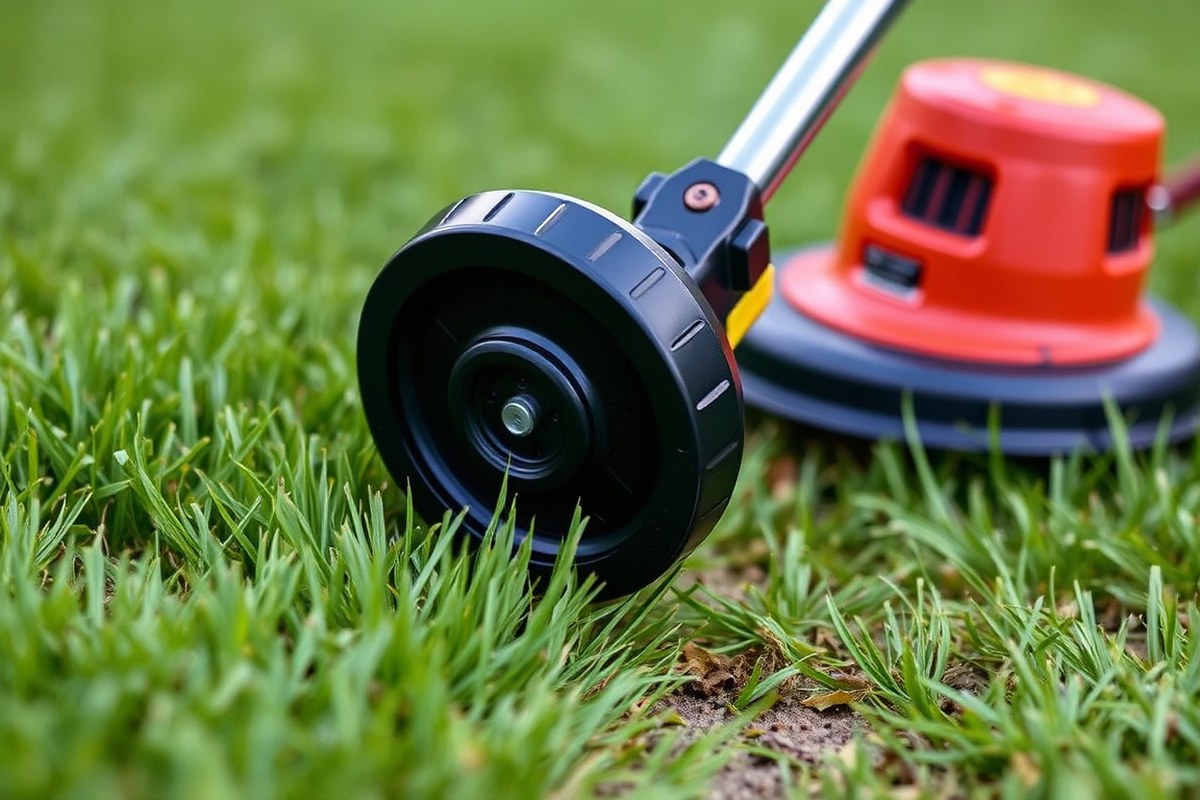
You can use a string trimmer as an edger. But it needs the right approach. Hold the trimmer so the string spins vertically.
It should hit the ground at a 90-degree angle. This helps you trim edges properly. This cuts grass and weeds along your edges by trimming straight down.
It’s possible without changes, but not ideal. You should check that the line is fresh and the correct thickness, usually .065 to .08 inches. New line cuts cleaner and lasts longer when edging.
It works best on hard surfaces like concrete. Always replace your line for neat results.
Tilting the tool correctly matters most. Holding the trimmer too flat misses edges. Angled holding wears the line faster.
Use the right position for the best cut. Walk slowly and let the trimmer’s weight do the work. So you get steady, even cuts instead of choppy results.
Some trimmers have built-in edging features or attachments. They let you flip the head to edge. No extra tools are needed.
Others need simple changes like swapping the cutting head. Adding a guide wheel can help steady the movement.
These tweaks improve edging control. These changes prevent uneven trimming and reduce damage to the trimmer or lawn.
Compared to dedicated edgers, string trimmers won’t create as neat a trench. They’re good for regular maintenance and light shaping, not for deep or very precise borders.
On gravel or mulch, they might throw debris. So be cautious or use the right tool.
Most homeowners already own a string trimmer. Using it to edge can save buying another tool. This method is affordable and works well if you follow rules.
Use the right angle and line to avoid damage. Respect your tool’s limits. You’ll need some practice for clean edges.
Avoid gouging the soil or hurting the trimmer. Take your time to improve control.
Step-by-Step Guide to Edging with a String Trimmer

Using a string trimmer for edging means holding it at the right angle. Walk at a steady pace. Keep control over cutting depth during the process.
Keeping the edge straight means using a guide like a taut string or hose to follow. These steps help you get smooth, clean edges without ragged grass or scalping.
Prepare Your String Trimmer and Safety Gear
Start by checking if your string trimmer is fully assembled. Attach the edging part if your model has one. Make sure it feels secure.
Check that the string is sharp enough to cut grass cleanly. Make sure it is the right length.
Avoid using worn-down nubs on the string. Wear eye protection, gloves, and long pants to protect from flying debris.
Clear away sticks, rocks, and anything in the lawn edge path. These obstacles can block the trimmer or fly up dangerously. Work only on a clear area.
Set the depth of the edging attachment to shallow. It should slice turf edges cleanly without digging into the soil.
Avoid deep cuts that disturb roots. Check your trimmer’s manual to confirm your setup.
Never start a gas-powered trimmer inside or near closed areas to avoid carbon monoxide poisoning.
Position the Trimmer at a 90-Degree Angle
Hold the trimmer so the cutting head stands perfectly vertical. Aim for a 90-degree angle to the ground. This helps get a straight, clean edge.
This means the string spins top-to-bottom, not side-to-side, which gives the cleanest cut. Keep the shield between your hand and the grass to deflect trimmings safely away from you.
Use a taut string or garden hose as a guide. Place it along the edge you want to cut. This helps keep your line straight and neat.
Align the trimmer’s head just beside the guide without touching it to maintain a straight line. Avoid tilting the trimmer forward, backward, or sideways, as it will lead to an uneven edge.
Maintain a Steady Pace and Consistent Depth While Walking
Walk slowly and steadily along the lawn edge. Let the string do the cutting, don’t force it. Keep an even pace for smooth results.
Moving too fast causes jagged edges or missed spots. Keep the trimmer head close to the ground while cutting.
Don’t push it into the soil to avoid turf and line damage. Let the blades skim the surface.
Try to keep the string length consistent to avoid bump feeding new string while edging. Stop the trimmer before moving the string line or changing your direction. Look at the edge every few feet as you trim.
Slow down or adjust your angle if the cut looks uneven. This helps keep your lawn neat.
- Wear all recommended safety gear including eye protection.
- Inspect and adjust the string length and edging attachment depth.
- Clear the edge area from debris and obstacles.
- Set a taut string or garden hose as a straight edge guide.
- Hold the trimmer head vertical at a 90-degree angle to the ground.
- Walk slowly along the guide, keeping the string cutting cleanly.
- Stop the trimmer to adjust string length; avoid digging the line in.
- Inspect the edge frequently and readjust your technique if needed.
How to Convert or Attach an Edger Blade to Your String Trimmer
You can convert your string trimmer into a dedicated edger by adding an edging blade attachment. Many string trimmers accept metal blades made for edging. Using the right accessories gives you cleaner, straighter edges along sidewalks and flower beds.
Check Compatibility and Manufacturer Guidelines
First, check your string trimmer’s manual or the manufacturer website for compatible edging attachments. Not all models accept blade attachments or guide wheels. Using parts that don’t fit can cause damage or unsafe operation.
Look for kits designed for your brand and model. Compatibility depends on the shaft size and motor power. Some trimmers only take plastic string heads or rotary trimming attachments instead of blades.
Types of Edger Attachments and Their Uses
Edging attachments mainly come in three types: rotary edging, fixed blade, and adjustable blade kits. Rotary attachments use a spinning blade or string to cut the edge.
Fixed blade kits have a solid blade you attach to the trimmer. You usually mount it with a guide wheel. Adjustable attachments let you change the cutting depth or angle for cleaner lines.
| Attachment Type | Description |
|---|---|
| Rotary Edging Attachment | A rotating blade or string that creates a clean edge |
| Fixed Blade Edging Attachment | A non-rotating blade using a fixed blade to cut |
| Adjustable Edging Attachment | Allows adjusting edging depth and angle |
Choose the blade based on the surface and plants to edge. Metal blades handle thick weeds better but need more power. Plastic blades reduce damage risk on concrete but wear out faster.
Installation and Safety Precautions
Always cool off and unplug or remove the battery from the trimmer before installing blades. Never attempt changes while the tool runs or is hot.
Wear gloves and eye protection during blade changes to avoid cuts and debris injury. Check that the blade and guide wheel are tight before use.
Keep hands and feet away from the blade when operating. Using a guide wheel helps hold the blade vertical for straight, professional lines. Follow these steps to convert your string trimmer into an edger:
- Turn off the trimmer and disconnect power or battery.
- Remove the string trimmer head or any existing attachment.
- Attach the edging blade or kit according to the manufacturer’s instructions.
- Install the guide wheel if included, securing it firmly in place.
- Tighten all fasteners using the correct tools to avoid loosening during use.
- Put safety guards back on if removed during installation.
- Wear protective gear before testing the new edging setup.
- Run the trimmer briefly to check blade rotation and stability.
Choosing the Right String and Trimmer Type for Edging
Use a string line thickness between 0.080 and 0.095 inches for edging. This size balances cutting power and durability. Thicker lines cut better through tough grass and weeds but wear down surfaces faster.
Pick a trimmer type that suits your yard and ease of use. Gas models have more power for heavy grass but are louder and need gas and oil. Electric models, either corded or battery-powered, weigh less and need less upkeep.
The trimmer’s design affects control and edge quality. Straight-shaft trimmers offer better reach along sidewalks and driveways. Curved-shaft models are lighter and easier to use around plants.
They work well for trimming close to plants. However, they are not the best for precise edging.
| Trimmer Type | Power Source | Weight | Maintenance | Best Use |
|---|---|---|---|---|
| Gas | Gasoline | Heavier (10-15 lbs) | Regular oil and gas refill | Thick, tough grass and large yards |
| Electric (corded) | Electric outlet | Lighter (6-8 lbs) | Minimal, cord management | Small to medium yards with easy access |
| Electric (battery) | Rechargeable battery | Lighter (5-9 lbs) | Battery charging | Medium yards with moderate trimming needs |
| Design | Straight shaft | N/A | N/A | Better reach and edging precision |
| Design | Curved shaft | N/A | N/A | Lighter, good for trimming near beds |
Change the string length as it wears down to keep cutting efficient. Keep your trimmer head clean and replace string spools with the correct thickness. Using too thin a line causes frequent breaks; too thick may strain the motor.
Battery-powered trimmers offer a good balance between power and weight. They often let you edge without the noise and fumes that gas models produce. Choose a straight-shaft design with a 0.095-inch line for best results along hard edges.
Safety Gear and Precautions for Edging with a String Trimmer
Wearing the right safety gear is a must when edging with a string trimmer. Protect yourself from flying debris and accidental contact with the trimmer’s cutting parts. Taking simple precautions helps you avoid injuries and lawn damage.
Essential Personal Protective Equipment
Always wear safety glasses or goggles to shield your eyes from dust, grass, and small stones. Use gloves to protect your hands from cuts and blisters during prolonged use. A dust mask limits breathing in dirt, pollen, or debris kicked up by the trimmer.
Closed-toe shoes keep your feet safe from stray string or blade hits. Ear protection can help, especially with gas-powered trimmers that are loud. Dress in long pants and a long-sleeved shirt to reduce skin exposure.
Handling Flying Debris Near Hard Surfaces
When edging near concrete or stone, the string or blade hits hard. It bounces off surfaces. This can send debris flying.
Stand so your body is at the side, not directly in front of the cut line. Keep bystanders and pets away to prevent injury.
Work slowly and steadily to limit uncontrolled flying objects. Lower the string speed if possible.
Never cut at a sharp angle because it increases bounce-back. Make sure the trimmer guard is properly attached for extra protection.
Using String Trimmer Attachments Safely
Switching from trimming to edging often requires an attachment like a blade or edging guide. Secure these firmly to avoid parts flying off during use. Check that your trimmer shaft and handle are adjusted for a comfortable, safe grip.
Some attachments lack safety features. Add a guard or shield if you can, especially around blades. Follow manufacturer instructions carefully when installing or removing any edging accessory to avoid damage or accidents.
Checklist for Safe Edging with a String Trimmer
- Wear safety glasses, gloves, dust mask, ear protection, and sturdy shoes.
- Use long pants and sleeves to protect skin from debris.
- Always keep the trimmer’s guard in place and intact.
- Stand to one side of the cutting path, never directly in front.
- Clear the area of rocks, sticks, and other items that could fly.
- Work at slow, steady speeds near hard edges like sidewalks and mulch beds.
- Inspect attachments and tighten before each use.
Following these steps reduces injury risk and gives cleaner edges in your lawn and garden. The right gear and setup give more control over your trimming tools.
Reducing Risk of Injury During Edging
Keep a firm two-handed grip on the trimmer at all times. Don’t overreach or try to edge tough spots that require awkward angles. Take breaks to avoid fatigue, which can lead to mistakes.
Inspect and replace the string often to prevent breakage. Remove the battery or unplug the trimmer before making any adjustments or clearing jams. This prevents accidental starts that cause injury.
Never use a damaged or worn string trimmer without checking safety guards and controls first.
Common Mistakes and How to Fix Them When Edging
One common mistake is holding the trimmer at the wrong angle. The line should be nearly vertical, around 85 to 90 degrees, to create a clean edge. Angling it too far can cause ragged cuts and uneven lines along your lawn.
Walking too fast often leads to poor results. If you rush, the trimmer line won’t have enough time to cut through grass blades fully. Move slowly and steadily to make a smooth, sharp edge every time.
Using a line that’s too long can also reduce edging quality. Excess line length causes uneven cutting and drag, which leads to sloppy edges. Keep the line trimmed to about 3 inches for the best bite and control.
- Use a thicker line (0.095 to 0.105 inch) for better cutting power.
- Don’t try to edge wet grass; wait until it’s dry to avoid tearing.
- Keep the trimmer speed at full throttle before starting the edge.
- Check the shaft type; straight shafts work better for vertical edging.
- Replace worn or frayed trimmer line regularly for a clean cut.
Edging wet grass causes the string to tear instead of slice. The result is ragged edges and soil compaction. Let your lawn dry a few hours after rain or watering to prevent this issue.
Rapid line wear usually comes from edging materials like concrete or gravel accidentally. Try to stay close to the grass edge without hitting hard surfaces. Adjust your walking speed, line thickness, and angle to slow down wear and tear.
Edging Different Surfaces: Lawn, Concrete, Mulch, and Garden Beds
Use your string trimmer on concrete by flipping the head vertically. Hold it so the cutting line runs down the edge of driveways and sidewalks. Gently move the trimmer along the edge to create a clean border without gouging the concrete.
Keep the trimmer line a few millimeters above the surface. This prevents deep cuts or chips in the concrete.
Moving too fast or pressing the trimmer too hard can damage the surface. So take your time and keep it steady.
On mulch, be careful not to throw debris into your yard or nearby plants. Aim the trimmer line just at the mulch’s edge. Use short bursts of power while edging the border.
This clears it without digging deep. It also stops mulch from scattering beyond the bed.
Protect garden beds from damage by using a plastic or metal barrier. Place it along the edge before trimming. This buffer stops the trimmer line from hitting plants and soil.
That prevents uprooting or root damage. It protects the lawn’s edges.
When edging garden beds, keep the trimmer angle low and steady. Move slowly to avoid digging into soil or knocking over plants.
Avoid using a thick or heavy trimmer line that can cause extra damage. A thinner line offers better control near delicate areas.
Grass edges along lawns need a different approach. Flip the trimmer head just enough to run vertically, then edge by walking slowly.
Keep the line tight and avoid large sweeping motions. This method trims clean edges without tearing grass or leaving ragged cuts.
Adjust your speed and angle depending on the surface firmness. Hard surfaces like concrete need a lighter touch and precision. Loose surfaces like mulch or soil require slower, more careful moves to avoid scatter.
Good edging results show a clear border with no damage to lawn, plants, or hard surfaces. Avoid cutting too close or at sharp angles that cause damage or uneven edges. Practice to find the best angle for trimming.
Learn the right speed while edging. This keeps edges neat and clean.
When to Choose a Dedicated Edger or Hire a Professional
String trimmers work great for edging straight, simple lines along sidewalks and driveways. However, they struggle with deep cuts or tight curves needed for a perfectly defined edge. In those cases, a dedicated edger gives better control and cleaner results with less effort.
Choose a dedicated edger if your lawn has thick roots or compacted soil. Edgers dig deeper to create sharp borders, which a string trimmer cannot do well. A dedicated edger often has a guide wheel.
It helps keep lines straight. This saves time and fuss on big jobs.
Turning your string trimmer upside down can improve edging control. But it won’t dig as deep as a proper edger.
Call a professional for large or steep jobs. These areas can be unsafe. Safety risks are too high for DIY.
Pros have the right tools and skills. They handle tricky terrain well. They also protect your lawn and hardscapes.
Spot damaged sprinkler heads or irrigation near edges? Hire a pro to avoid costly accidents.
Look for these signs before calling a pro: uneven edges, tools bogging down, or weeds along edges. These problems may mean your equipment is not right. Your technique might also need training.
Using a string trimmer as an edger saves money and space. Choose one that works with edging kits. Maintain your trimmer regularly.
Store it properly. This keeps it ready for clean, sharp edges.
You need a dedicated edger or pro if you want precise, deep edges. This works best for complex lawns.
Step-by-Step Action Plan to Edge with a String Trimmer
Follow these steps to start edging your lawn with a string trimmer today. Each step helps you build skill and get clean edges.
- Before you start: Put on protective gear like goggles and gloves. You should feel safe and ready to work.
- Day 1: Check your string trimmer line. Install a 0.080-inch or thicker line for firm edges. It should feed smoothly without breaking.
- Day 1: Practice holding the trimmer at a 90-degree angle near a sidewalk edge. You want a clean cut line with no grass left hanging.
- Week 1: Edge along one lawn border slowly. Use small sweeping motions and keep the line close to the edge. The edge should look sharp and even.
- Week 2: Try edging around curves and garden beds. Adjust your stance to keep control. Curves should look neat without cutting the bed plants.
- After 3 weeks: Inspect the edges after watering or rain. If edges look grown over, repeat edging more often or use an edger blade attachment.
- Monthly: Sharpen or replace trimmer line and clean your gear. Your trimming stays effective and safe.
Frequently Asked Questions
Can a String Trimmer Be Used as an Edger?
Yes, you can use a string trimmer as an edger. Hold it vertically at a 90-degree angle to the ground. This works well for trimming edges of your lawn.
This position lets the nylon line trim grass near edges. It won’t make lines as sharp as a metal edger. Still, it helps keep edges neat and tidy.
How to Use Your Trimmer as an Edger?
Turn the trimmer so the spool is vertical at 90 degrees. Walk slowly and let the tool’s weight do the cutting. Use fresh, the right-diameter string for a cleaner cut and better control.
How to Convert String Trimmer to Edger?
Follow your trimmer’s manual for attaching an edging accessory. Make sure the trimmer supports an edger blade or attachment before switching. Always stop and cool the trimmer down before converting.
Can You Put an Edger Blade on a String Trimmer?
Yes, but only if your trimmer model supports it. The edger blade must fit your trimmer’s shaft and mount securely. Using the right blade helps create cleaner edges and protects the trimmer.
What String Thickness Works Best for Edging?
Use string between 0.065 and 0.08 inches thick for edging. Thicker string lasts longer and cuts cleaner near edges.
Thinner string wears out quickly on rough surfaces like concrete. Choose your string based on the surface you’re trimming.
Is It Safe to Edge Gravel Paths with a String Trimmer?
No, string trimmers launch gravel dangerously when edging gravel paths. Use a metal blade or manual edger on gravel for safety and better edges.
Before You Go
You can use your string trimmer to create neat, clean lawn edges with the right technique. Start by practicing slowly and wearing protection. Try edging a small area today to build your skill and see the difference.