Can Coleus Grow Indoors? A Complete Guide with Proven Care Tips
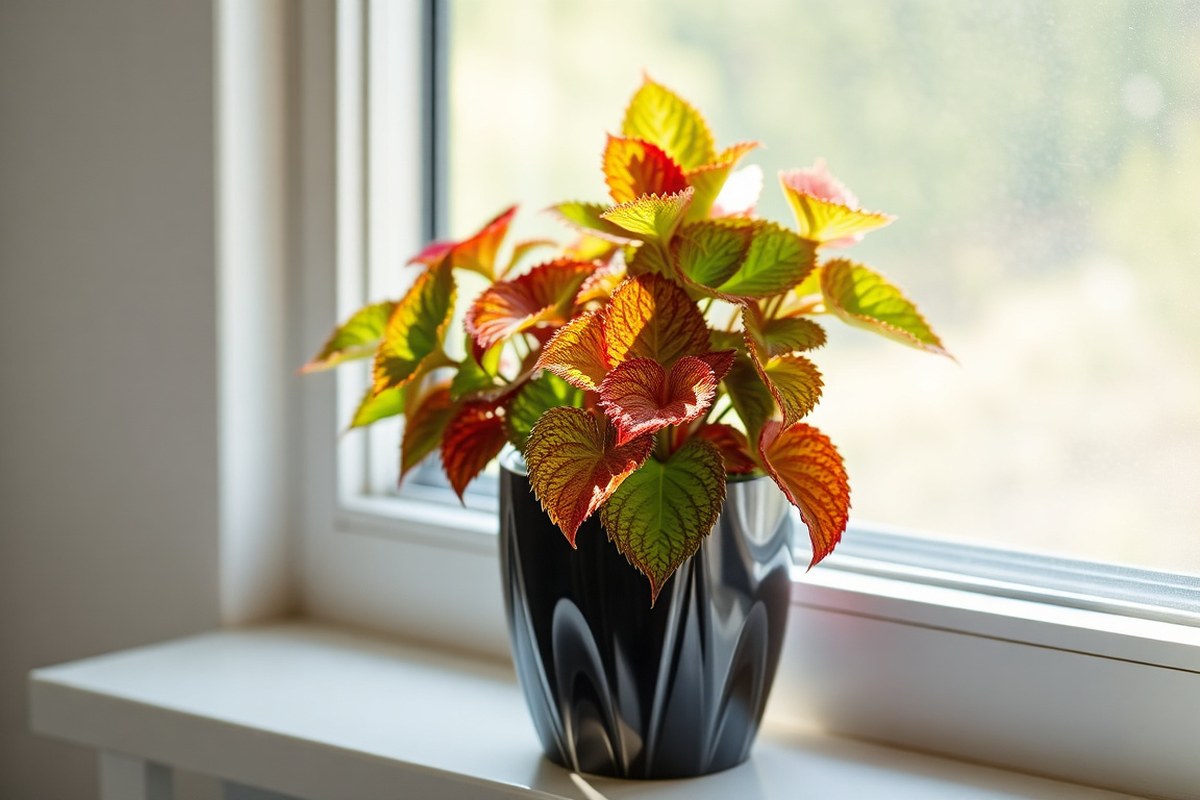
Can coleus grow indoors? Yes, coleus makes a great indoor plant all year. It thrives with bright, indirect light, steady moisture, and warm temperatures above 55°F. You only need to watch its light and water carefully for the best results.
Coleus prefers a spot with plenty of indirect sunlight for about 4 to 6 hours daily. Low natural light means using LED grow lights for 12-14 hours helps.
This keeps your coleus colorful and healthy. Keep the lights 5-6 inches away to avoid burning the leaves.
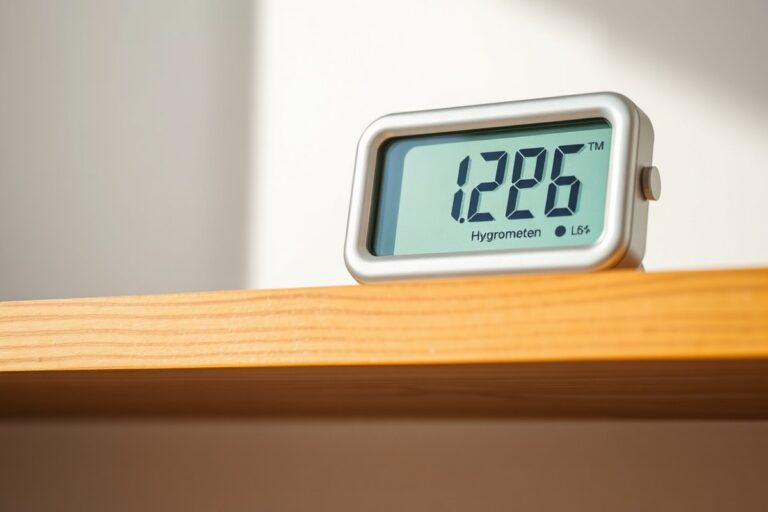
Maintain indoor temperatures between 65 and 75°F for your coleus. Coleus thrives with humidity higher than 50%. Mist the leaves regularly or use a humidifier.
This keeps the air moist around your plant. These simple habits make your coleus thrive indoors without much fuss.
Key Takeaways
- Provide bright, indirect light for 4-6 hours to keep coleus vibrant indoors.
- Use LED grow lights 12-14 hours daily when natural light is insufficient.
- Place grow lights 5-6 inches above to prevent leaf burn.
- Keep indoor temperature between 65-75°F for healthy coleus growth.
- Maintain humidity above 50% by misting or using a humidifier.
- Only water your coleus when the top inch of soil dries out. Make sure the soil stays moist but not soggy. Avoid letting the plant sit in water.
Can Coleus Thrive Indoors Year-Round?

Coleus plants can grow indoors all year if you meet their basic needs. These tropical plants prefer warm temperatures above 55°F, bright indirect light, and steady moisture. They do well inside homes because you control light, water, and temperature much easier than outside.
Since coleus evolved in tropical climates, they thrive in warmth and humidity. Keep coleus happy with temperatures between 65°F and 75°F. Avoid cold drafts or spots near AC vents. These can stress the plant.
Maintaining humidity is helpful. Placing a pebble tray or grouping plants boosts moisture around them.
Coleus thrives in bright, indirect sunlight for 4 to 6 hours daily. East or north-facing windows work well for this plant. Water it when the top inch of soil dries out, keeping soil moist without letting water collect in the saucer.
Coleus can live in lower light but may grow tall and thin. Its colors will fade without enough light. It needs bright indirect light to keep vibrant leaves.
Too much direct sun can burn its leaves. Use a grow light about 5 to 6 inches above the coleus when room light changes.
Choose a bulb that stays cool to avoid burning leaves. This keeps your plant healthy indoors.
Growing coleus indoors year-round mostly depends on steady conditions. Warm, bright rooms help coleus keep rich leaf colors and full foliage. This environment supports strong, healthy growth.
Cooler or darker spots may weaken the plant. Temperature drops below 55°F can shock your coleus.
Dry air from heaters over several days also harms it. Both conditions slow growth and can harm leaves.
Choosing the Best Coleus Varieties for Indoors
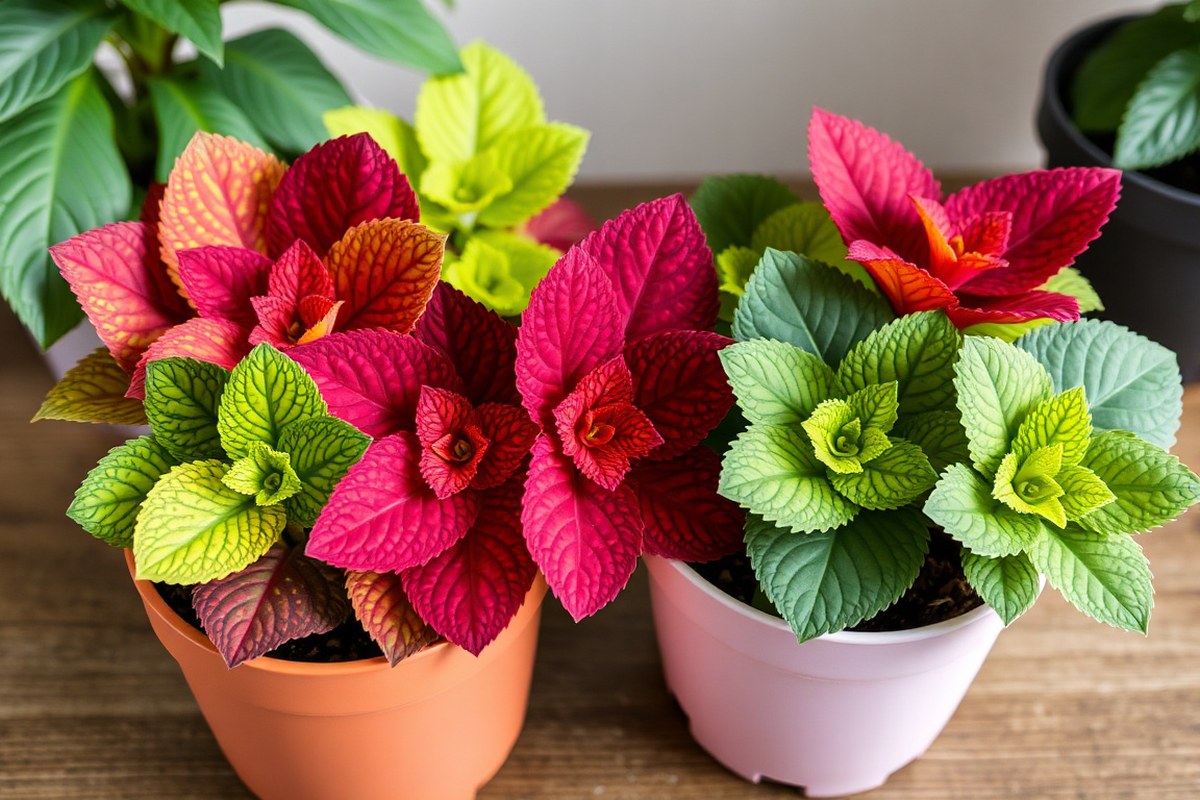
Choose compact coleus varieties that fit well in your indoor space. Smaller plants are easier to manage and need less room for growth.
Leaf color and texture can change indoors. But vibrant green, burgundy, and magenta shades often stay bright.
Some coleus types handle lower light better than others. Varieties labeled as shade-tolerant keep their color with less sun.
Using a grow light helps if indoor light is weak. Here is a comparison table to help pick the best types for your home:
| Variety | Mature Size (in) | Light Tolerance | Color Vibrancy Indoors |
|---|---|---|---|
| ‘Wizard Mix’ | 8, 12 | Medium to Bright | Very High, bold burgundy and lime |
| ‘Shrimp’ | 6, 10 | Low to Medium | Good, chartreuse with copper tones |
| ‘Marvel’ | 10, 14 | Bright | Excellent, bright magenta and green |
| ‘Solace’ | 6, 9 | Low to Medium | Good, deep burgundy with green edges |
| ‘Burgundy Pink’ | 12, 15 | Medium to Bright | High, rich burgundy with pink highlights |
Compact varieties like ‘Shrimp’ and ‘Solace’ work well in small rooms or apartments. Their smaller leaves and subtle color stay attractive with less light. Larger coleus plants like ‘Marvel’ really stand out in your space.
They need a bright window or 12 hours of grow light each day. Without enough light, they won’t look their best.
Watch for leaves turning from bright colors to green shades. This usually means your coleus needs more light to stay healthy. Adjust light levels to keep colors bright.
Leaf texture indoors stays soft and velvety. But too little light causes leggy growth and pale leaves.
Bright indirect light increases color richness and keeps the plant compact. You’ll want to pinch back stems every few weeks to maintain shape and fullness.
How to Provide Ideal Light for Indoor Coleus
Coleus needs bright but indirect light to thrive indoors. It does best with 12 to 14 hours of light daily. Both natural and artificial lighting options can work well for your plant.
Natural Light Requirements
Your coleus grows well near a bright window that gets indirect sunlight. A spot with morning sun is best for the plant. Morning sun is gentler.
It does not usually burn leaves. Avoid harsh afternoon sun, which can scorch and fade the leaf colors.
Place the plant 2 to 3 feet from bright windows. Use east or north-facing windows. This keeps the plant safe from too much light.
A south or west window might be too intense unless filtered by a sheer curtain. Too little light will make your coleus stretch and lose its vibrant colors.
Choosing and Using Grow Lights
Fluorescent and LED grow lights are the best artificial lighting choices for your coleus. LED lights are energy-efficient and provide a wide spectrum, which your plant needs. Fluorescent lights are cheaper but less efficient and produce more heat.
Set your grow lights about 12 inches above the plant canopy to avoid burning the leaves. Keep the lights on for 12 to 14 hours each day to mimic natural daylight duration. Use a timer to keep this consistent.
- LED grow lights: energy-efficient, full spectrum, slightly pricier
- Fluorescent lights: affordable, good for small setups, more heat
- Incandescent lights: not recommended, produce too much heat, poor spectrum
- Light placement: 12 inches above plant for best coverage
- Daily duration: 12 to 14 hours to simulate natural cycles
- Use a timer for consistent light exposure
Turn the grow lights off overnight for your coleus to rest. Too much light can stress the plant just like too little.
Recognizing Light Deficiency or Excess
Look for pale, stretched, or leggy stems as signs your coleus lacks light. The colors may bleach and lose vibrancy without enough brightness. Leaves turning brown or having scorched spots means too much direct sun.
Check these tips if your coleus shows light stress:
- Leaves fading or losing color, add more indirect light
- Stems stretching toward light, move closer to your window or light source
- Brown leaf edges or scorched spots, reduce direct sun exposure
- Wilting or drooping despite watering, check light first before adjusting water
Watering, Soil, and Potting Needs for Indoor Coleus
During active growth, water coleus every 3 to 4 days when the top inch of soil is dry. Cut back on watering in winter due to slower growth. Water thoroughly until it drains, then empty any leftover water from the tray after 15 minutes to avoid root rot.
Use a soil blend that drains well but keeps moisture. A DIY soil mix can be two parts potting soil. Add one part perlite and one part peat moss or coconut coir.
Mix well to make it light and well-draining. This mix offers good air flow and moisture balance. Avoid heavy garden soils or clay, which trap water and promote root rot.
Choose pots with drainage holes to prevent water buildup. Choose a pot 1 to 2 inches bigger than the root ball. This size gives the roots space to grow healthy.
Too big a pot can hold excess moisture. Keep about a half to one inch of space below the rim for easy watering. Consider using saucers, but always empty them quickly after watering.
Here’s a step-by-step watering and potting routine to keep your coleus healthy indoors:
- Check soil moisture by sticking your finger about an inch deep into the pot.
- Water slowly and directly onto the soil surface when the top inch feels dry.
- Water until it flows out the drainage holes at the pot’s bottom.
- Remove excess water from the catch tray within 15 minutes to prevent root rot.
- Use a pot with drainage holes and keep soil about 0.5-1 inch below the pot rim.
- Mix your own soil: two parts potting soil, one part perlite, and one part peat moss.
- Repot every spring when roots start circling or the soil dries quickly.
- Consider bottom watering by setting the pot in water for 15-20 minutes occasionally.
Temperature and Humidity for Healthy Indoor Coleus
Coleus grows best indoors in temperatures ranging from 65 to 75°F. Avoid letting it drop below 50°F, especially in winter, because colder air can damage its leaves. Warm indoor air helps keep the leaves colorful and healthy.
This tropical plant prefers humidity levels above 50 percent, ideally between 50 and 70 percent. Dry indoor air causes leaves to curl or brown at the edges.
You can raise humidity by placing a humidifier near your coleus. Small models start around $20 and run quietly for hours.
Try a pebble tray when you don’t have a humidifier nearby. Fill a shallow tray with water and place pebbles inside. Set the pot on the pebbles so water doesn’t touch the pot bottom.
As the water evaporates, humidity rises around the plant. This method costs very little and works well in moderately dry rooms.
Keep coleus away from cold drafts or hot air vents. Drafts can shock the plant, causing leaf drop.
Hot vents make the air too dry, hurting leaf vibrancy and slowing growth. Instead, find a stable spot away from windows and heating registers.
Keep your coleus about 3 feet away from heaters. Also, avoid placing it near air conditioners. This stops stress on the leaves.
Temperatures above 80°F or below 50°F can slow coleus growth and dull its leaf colors. Humidity below 50 percent often results in dry, crispy leaf edges over time. Regularly check your plant for early signs of distress to adjust temperature or humidity quickly.
Pruning, Fertilizing, and Seasonal Maintenance
Indoor coleus needs regular pruning and light feeding to stay full and colorful. Pinch growing tips every 1 to 2 weeks.
Fertilize lightly every two weeks during growth. Adjust care by cutting back and reducing feeding in cooler months.
Pinching and Pruning Techniques
Keep coleus bushy by pinching back the top leaves. Remove flower spikes to focus energy on foliage. Prune regularly to control its size indoors.
Follow these steps to prune coleus effectively:
- Identify the top 1-2 inches of new growth.
- Use your fingers to pinch off these growing tips.
- Snap off any flower spikes near the stem base.
- Cut back any leggy stems by about one-third using clean scissors.
- Remove dead or yellowing leaves at the base.
- Repeat this every 1-2 weeks through spring and summer.
Choosing and Applying Fertilizer
Coleus doesn’t need much fertilizer to look good indoors. Use a balanced liquid fertilizer at 1/4 strength every two weeks. This gentle feeding supports healthy leaf color without pushing too much growth.
Feed plants only in the growing season, between spring and early fall. Don’t fertilize in late fall or winter, as growth slows.
Adjusting Care Seasonally
Push pruning hard in spring and summer to keep the plant compact. Increase light availability if possible, as coleus grows fastest then. Reduce watering as growth slows in cooler months.
In fall and winter, prune minimally and stop fertilizing. Maintain moderate humidity and keep the temperature steady between 60 and 75°F. These changes help coleus rest indoors without getting leggy or weak.
Propagating Coleus Indoors from Cuttings
Coleus cuttings root easily indoors within two weeks. Take a 2-inch stem cutting. Root it in water or moist soil.
Pot it when roots grow about an inch long. This method grows new plants fast and cheaply.
Selecting and Preparing Cuttings
Choose healthy coleus stems with no signs of pests or disease. A mature plant with vibrant leaves works best. Cut a 2-inch piece just below a leaf node using clean scissors or pruning shears.
Remove the lower leaves from the cutting so none sit in water or soil. Leave a couple of leaves at the top. This helps the cutting keep energy.
It supports root growth. Cutting below a leaf node gives roots a better chance.
Rooting Techniques Indoors
Rooting coleus stems in water is simple and shows progress fast. Use a glass or jar that’s easy to watch. Fill a container with clean water.
Put the cutting inside. Make sure leaves don’t dip below the surface.
Alternatively, stick cuttings directly into moist potting soil. Keep soil warm, around 70 to 75 degrees Fahrenheit. Keep it moist evenly.
Wait until roots develop. Expect roots in 7 to 14 days for water, or 14 to 21 days in soil.
Check for roots about one half to one inch long before potting. Visible white or light tan tips show healthy root growth. Don’t wait too long; new roots prefer to be planted promptly.
Potting Up Rooted Cuttings
Use small pots with well-draining potting mix to start new coleus plants. Fill the pot with fresh soil. Make a hole for the roots.
Place roots gently without bending them. Cover the roots and press soil lightly for support.
After potting, water the soil until it’s evenly moist but not soggy. Place the pot in bright, indirect light to avoid leaf burn. Keep the temperature warm around 70 degrees Fahrenheit and humidity moderate for best results.
- Choose a 2-inch healthy stem with at least two leaves.
- Cut just below a leaf node using clean scissors.
- Remove leaves from the bottom inch of the stem.
- Place the cutting in a glass of clean water or moist potting soil.
- Keep water fresh or soil moist, maintaining 70-75 °F temperature.
- Wait 7-14 days for water roots or 14-21 days for soil roots.
- Look for roots that are 1 to 2 inches long.
- Transplant lined-out roots carefully into a small pot with potting mix.
Identifying and Managing Pests and Common Problems
Mealybugs are the most common pests on indoor coleus. These tiny white bugs look like cotton and gather in leaf joints and stems. You might also see aphids or spider mites, but mealybugs cause the most trouble.
Spot pest problems early by checking leaf undersides weekly. Look for white fuzzy clusters or sticky residue on leaves. Yellowing, wilting, or distorted leaves could also signal pest or disease issues.
For light infestations, wipe pests off with a cotton swab dipped in rubbing alcohol. Severe problems require spraying neem oil every 7-10 days until bugs disappear. Neem oil is safe for indoor plants and controls pests without harsh chemicals.
- Inspect leaves weekly, especially undersides
- Remove bugs manually with alcohol-soaked cotton swabs
- Apply organic neem oil spray every week for severe infestations
- Avoid overwatering to prevent fungal diseases
- Keep plants in well-ventilated areas to reduce humidity buildup
- Use clean pots and fresh soil when repotting
Overwatering is a common mistake that invites root rot and fungus. Let the soil dry enough between waterings.
Poor air flow and high humidity can also cause mildew or mold. So place your coleus where air moves well.
Keep the pot and soil clean. Repot using fresh soil every year or when the plant outgrows its pot. This reduces disease risks and keeps roots healthy.
Regularly inspect your coleus for pests to catch problems early and avoid bigger infestations.
Step-by-Step Action Plan to Grow Coleus Indoors
Follow this simple plan to get your coleus growing well inside. Check each step to keep your plant healthy.
- Day 1: Choose a spot with bright, indirect sunlight, like near an east-facing window. Move your plant to brighter light when the leaves look dull.
- Week 1: Plant your coleus in well-draining potting mix in a pot with drainage holes. Check that water drains freely after watering.
- Week 2: Check soil moisture and water only when the top inch dries out. Be careful not to water too much to avoid root rot.
- Week 3: Maintain room temperature around 65-75°F and keep humidity moderate. Adjust temperature or mist the plant when leaves curl or turn brown.
- Month 1: Start low-strength liquid fertilizer every 4 weeks. Look for new growth to see if feeding is working.
- Month 2: Prune leggy stems to encourage bushier growth. Healthy new shoots mean pruning helped.
- Month 3: Check for pests like aphids or whiteflies weekly. Use insecticidal soap if needed, and watch for fewer bugs.
- Every 3-4 months: Repot or refresh soil to supply nutrients. Notice improved plant vigor and more vibrant colors.
Frequently Asked Questions
Can Coleus Survive Low Light Indoors?
Coleus can survive low light but loses leaf color and looks leggy. Aim for at least some bright indirect light to keep vibrant foliage and compact growth.
Is It Normal for Indoor Coleus to Lose Leaves?
Yes, older leaves naturally drop, but sudden loss can mean watering or light issues. Check your routine and adjust if many leaves fall at once.
Do Indoor Coleus Plants Need Repotting Often?
Repot every 1-2 years to refresh soil and avoid root crowding. Choose a pot one size larger to encourage healthy growth.
Can Coleus Grow in a Bathroom with Artificial Light?
Coleus can grow in bathrooms if there’s enough artificial light for 12-14 hours daily. Use LED grow lights close but not too hot to protect leaves.
How Long Can Coleus Stay Indoors Without Sunlight?
Coleus struggles without sunlight longer than a week or two. Provide grow lights to maintain color and shape during low-light periods.
Why Do Indoor Coleus Leaves Turn Brown at Edges?
Brown edges usually mean inconsistent watering or dry air. Keep soil evenly moist and raise humidity near your plant.
Before You Go
Coleus can thrive indoors with good light, water, and care. Start with bright but indirect light and proper watering. Take a cutting to multiply your collection and enjoy colorful leaves all year.