How Long Does It Take to Grow Peppers from Seed: A Complete Timeline and Tips
How long does it take to grow peppers from seed? Most peppers take about 60 to 90 days to go from seed to harvest. Some hot peppers can take up to 150 days depending on the type and growing conditions.
Starting your pepper seeds indoors speeds things up, especially in cooler climates. Watch the temperature carefully.
Peppers need warmth around 70 to 80 degrees Fahrenheit to grow well. Cold soil slows growth and can stop seeds from sprouting.
Peppers like bell varieties usually mature quicker than hot peppers like habaneros. Adjust your expectations based on the variety you pick to avoid frustration. Keeping consistent warmth and light helps you get the best results in the shortest time.
Key Takeaways
- Most peppers mature in 60 to 90 days after germination.
- Hot peppers often take longer, between 90 and 150 days.
- Start seeds indoors in warm soil, ideally above 70°F.
- Bell peppers usually grow faster than spicy pepper varieties.
- Keep daytime temperatures between 70°F and 80°F for best growth.
- Cold soil below 60°F can delay or prevent germination.
How Long Does It Take to Grow Peppers from Seed to Harvest?
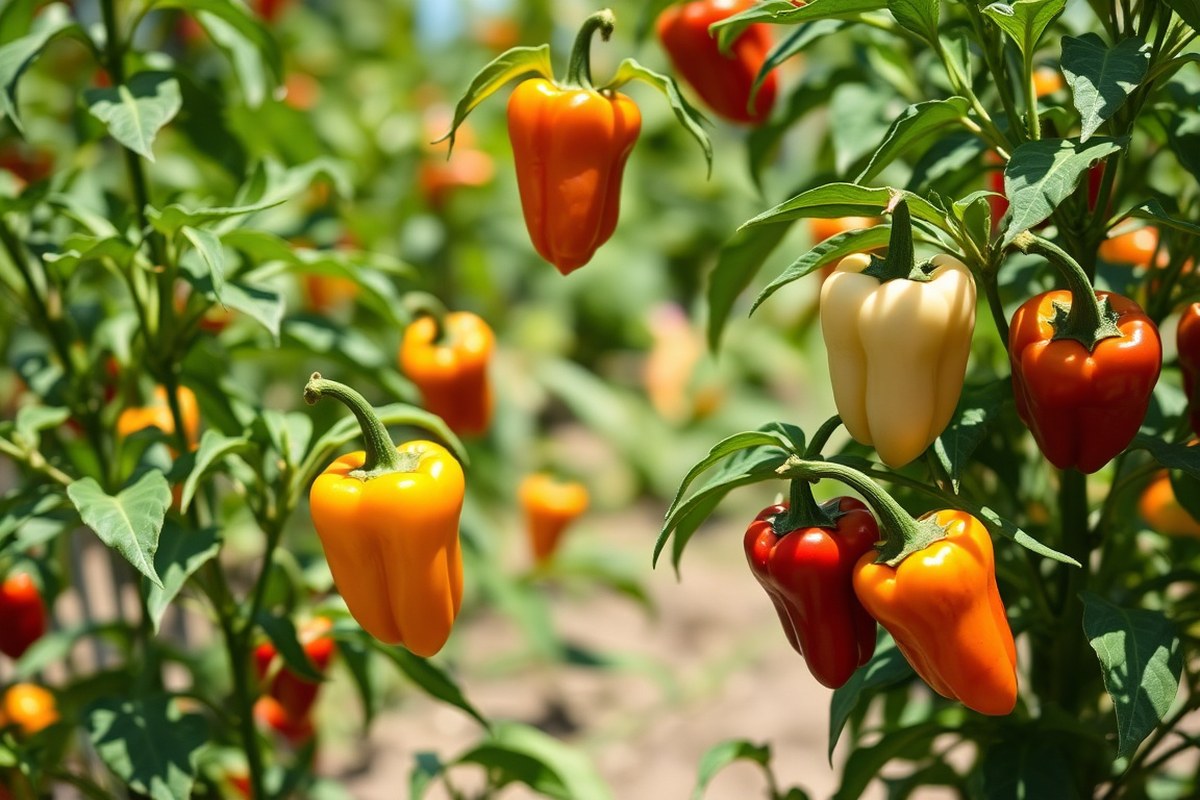
Growing peppers from seed to harvest usually takes between 70 and 120 days. This time depends mostly on the pepper variety and the growing conditions you provide. Knowing the timeline helps you plan your garden.
It also sets your expectations. You’ll know when to pick peppers.
Germination takes 7 to 21 days. Soil should be around 80°F to 90°F (27°C to 32°C). This is the first stage.
After germination, seedlings need about 6 to 8 weeks before they’re ready to transplant outdoors. After planting outside, peppers take 70 to 150 days to mature.
Then they produce fruit. This stage lasts from seedling to harvest.
| Pepper Variety or Stage | Time from Seed to Harvest (Days) | Notes |
|---|---|---|
| Sweet and Hot Types | 70 to 85 | First harvest range after transplant |
| Bell Pepper (Mature Green) | 70 to 80 | Full size before ripening color change |
| Bell Pepper (Full Color) | 90 to 100 | Green stage plus 2-3 weeks for color change |
| Habanero Peppers (Ripe Color) | 90 to 120 | Longer growing period to mature fully |
Hot peppers like habaneros need a longer season. Expect 100 to 150 days to ripe fruit. These peppers take more time to mature.
Bell peppers mature faster, usually in 70 to 80 days. They turn mature green first. Then wait 2 to 3 weeks for full color.
Starting seeds indoors gives you a 4 to 6 week head start. This helps if you have a short growing season. It speeds up your harvest.
The time breaks down like this: 1 to 3 weeks for germination. Seedlings grow indoors for 6 to 8 weeks. Fruit takes 70 to 150 days outside.
Variations in heat, light, and soil moisture affect these timings. Consistent warmth and good care speed up the process. Your patience will pay off with delicious homegrown peppers you started right from seed.
Pepper Seed Germination: What to Expect and When

Pepper seeds usually take 7 to 10 days to sprout under warm, moist conditions. Sweet peppers often germinate faster than hot peppers, which can take up to three weeks. Proper soil temperature and moisture levels help seeds sprout consistently and on time.
Ideal Temperature Range for Germination
Peppers germinate best between 70 and 85°F. Soil below 65°F slows germination and can stop it altogether. To keep soil warm, use a heating mat or start seeds indoors where temperatures are steady.
The temperature around the seed affects how fast the root and shoot develop. Hot peppers often need higher temperatures than sweet ones to sprout well. Keep the growing medium warm but not hot to avoid drying the seeds out.
Preparing Seeds for Sowing
Dry seeds first need moisture to start growing. You can soak seeds in warm water for 12-24 hours to help speed up germination. Plant seeds about a quarter inch deep in a moist seed-starting mix for the best results.
Here’s a checklist for prepping seeds:
- Choose fresh, firm seeds from a reliable source
- Soak seeds in warm water before planting to soften seed coats
- Plant in a seed-starting mix that drains well
- Keep soil moist, but not soaked, to avoid rotting
- Maintain consistent temperature between 70 and 85°F
- Cover seeds lightly to keep moisture in
After planting, check soil moisture daily. Use a spray bottle to sprinkle water gently on seeds.
Pouring water can wash seeds away or bury them too deep. Spraying keeps seeds in place and moist.
Common Germination Problems and Fixes
Some seeds take longer due to dormancy, seed quality, or too cold soil. Seeds that don’t sprout after three weeks may not be viable.
Growing conditions might also be incorrect for sprouting. Using fresh seed and soil temperatures above 70°F can help prevent this.
Too much water makes seeds rot quickly, so good drainage is key. Some gardeners cover seeds with plastic wrap or a humidity dome to keep moisture in. Remove the cover right after sprouting to prevent fungus growth.
Try not to disturb seeds once planted. They need steady warmth and moisture to start growing.
How Different Pepper Varieties Affect Growth Time
Sweet peppers generally mature faster than hot and super hot varieties. You’ll find sweet types like bell peppers ready in 70 to 90 days. This count starts after transplanting the seedlings outdoors.
They grow fairly fast compared to other peppers. Hot and super hot peppers often need more time to grow.
Sometimes they take up to 120 days to mature. Their growth and ripening stages are slower than sweet peppers.
Heat level can change how long peppers take to grow. Hotter peppers need warmer soil to germinate well. This adds extra days to their growth cycle.
Super hot peppers, part of the Chinense family, prefer soil temps between 75°F and 90°F. They also have slower germination. So plan on waiting longer before your plants mature. Mild and sweet peppers tolerate cooler starts and grow a bit quicker.
| Variety | Days to Harvest | Flavor Profile |
|---|---|---|
| Bell Pepper | 70-90 | Sweet, mild |
| Miniature Bell Pepper | 57 | Sweet, mild |
| Jalapeño | 70-80 | Spicy, tangy |
| Habanero | 90-120 | Fruity, very hot |
| Aji Dulce | 90-100 | Sweet to mild heat |
Hotter peppers need more attention because they take longer to mature. Maintaining soil temperature around 75°F to 85°F helps Chinense types speed up their growth.
Sweet peppers grow best between 70°F and 80°F. You can use timing or heat mats to keep these temperatures. This helps peppers develop properly outside or indoors.
Some mild peppers like Aleppo and Poblano fall in the middle range. They still need steady warmth and plenty of sunlight. These conditions help them mature on schedule.
Slower varieties might demand extra patience but provide unique flavors worth it. Heat mats or indoor seed starting help meet warmth needs.
This is especially useful for super hot pepper varieties. It speeds up germination and early growth stages.
Steps to Start Pepper Seeds Indoors Successfully
Begin sowing pepper seeds inside 8 to 10 weeks before the final frost date. Choose a seed-starting mix that retains heat and moisture well for best results. Both light exposure and temperature play key roles in seedling development.
Choosing the Right Seed-Starting Mix
Pick a light, well-draining seed-starting mix made for young plants. These mixes hold moisture without getting soggy. Avoid garden soil because it can hold too much water and bring diseases.
You’ll fill small containers like 3-inch pots or seed trays with this mix. Pre-moisten the mix so it’s damp but not soaking.
This helps seeds absorb water right away. Seed-starting mixes usually cost about $10 to $15 for a 2-quart bag.
Maintaining Ideal Temperature and Humidity
Keep your seed trays warm around 80°F for fast germination. Using a heat mat is the easiest way to hold temperature steady. After seeds sprout, lower the temperature to 65 to 75°F to help seedlings grow strong.
Keep humidity high at first by covering trays with clear plastic. This helps seeds stay moist and grow well. Remove the cover once seedlings appear to avoid mold.
Remove covers once you see sprouts to avoid mold. Avoid temperatures below 50°F because peppers grow slowly then or may stop growing.
Lighting Requirements and Duration
Place seedlings under bright grow lights or near a sunny window. Pepper seedlings need 14 to 16 hours of light daily to grow sturdy and not leggy. A basic LED grow light costs roughly $30 to $50, lasting for many seasons.
Keep lights 2 to 4 inches above the seedlings and adjust height as they grow. Weak or uneven light makes seedlings stretch thin and weak. Use grow lights to help seedlings stay strong and healthy.
Here’s a step-by-step checklist to start pepper seeds indoors:
- Fill 3-inch pots or seed trays with moistened seed-starting mix.
- Plant seeds about ¼ inch deep and cover lightly with mix.
- Cover trays with clear plastic to keep humidity high.
- Place trays on a heat mat set near 80°F for germination.
- Check daily; keep mix moist but not soggy.
- Remove cover once seedlings emerge and move trays under grow lights.
- Use a timer to run grow lights 14 to 16 hours daily. Place lights close to seedlings but don’t let them touch. Adjust height as plants grow to avoid burns or stretching.
- Lower temperature to 65, 75°F for seedlings; continue watering when surface feels dry.
When and How to Transplant Pepper Seedlings Outside
Move your pepper seedlings outdoors after the last frost and when nights stay above 55°F. Seedlings ready to transplant are at least 2 inches tall with four leaves. Hardening off your plants and careful transplanting helps them avoid shock and grow well outside.
Signs of Transplant Readiness
Seedlings become ready to go outside after 6 to 8 weeks of indoor growth. Look for seedlings at least 2 inches tall with about four true leaves.
The last frost date must be past. Nighttime temps should stay above 55°F to avoid cold stress.
Also check that the seedlings look healthy and sturdy. Thin, leggy, or yellowing seedlings may struggle or need more time to grow indoors. Healthy seedlings will hold upright and show strong leaf colour.
Hardening Off Process over 1-2 Weeks
Gradually introduce seedlings to outdoor conditions over 7 to 14 days. Start with just a few hours outside in a shaded area. Increase time and sun exposure daily to toughen leaves and roots.
Bring plants indoors each night while they adjust. This step reduces transplant shock and avoids sudden weather changes. Avoid hardening off during rainy or very cold days to keep seedlings safe.
Sudden exposure to full sun or wind can cause leaf burn or wilting.
Transplanting Tips for Best Success
Transplant seedlings to garden beds or large containers with loose, well-draining soil. Choose a partly sunny spot that warms quickly. Space seedlings 18 to 24 inches apart in beds or use 3-gallon containers for each plant.
Use these steps to transplant with care:
- Water seedlings well a few hours before transplanting to reduce stress.
- Dig a hole slightly larger than the root ball to avoid root bending.
- Gently loosen roots if they are tightly packed or circling.
- Set the seedling in the hole so the soil line is the same as before.
- Fill the hole with soil and lightly press to remove air pockets.
- Water the transplanted seedling thoroughly to settle the soil.
- Add a 2-inch layer of mulch to keep moisture and regulate soil temperature.
- Check daily for wilting or dry soil, especially in the first week.
Do not transplant on a very hot or windy day to prevent plant stress.
Key Environmental Factors That Influence Pepper Growth Speed
Peppers grow best when temperatures stay between 70°F and 85°F during the day. Night temperatures should not drop below 55°F or the plants may slow down. Avoid cold drafts and sudden drops under 50°F for seedlings.
These can stunt growth. They can also delay fruiting.
Light is key for fast pepper growth. Aim for 14 to 16 hours of bright light daily, especially if growing indoors.
Using a grow light can provide this consistent brightness without stressing the plant. Without enough light, plants become leggy and weak, which means slower fruit development.
Soil quality needs to be loose, well-draining, and rich in organic matter. Peppers thrive in slightly acidic to neutral soil with a pH of 6.0 to 7.0. Poor or compacted soil affects water retention.
It either holds too much water or dries out fast. This harms roots and slows growth.
Keep soil evenly moist but not soggy. Let the top inch dry a bit before watering again. Overwatering can cause root rot.
Letting the soil dry out completely will stress the plant and slow growth. Adding a balanced fertilizer every three weeks supports steady leaf and fruit production.
Growing peppers in the ground often speeds growth because soil heat stays constant. Start seeds indoors with enough light and warmth. Then move seedlings outside carefully.
Transplant when plants have 3 or 4 true leaves. Night temperatures must stay above 60°F. This helps young plants adjust safely.
In cooler climates, start seeds indoors 8 to 10 weeks before the last frost. Use a seedling heat mat to keep soil at 75°F, speeding germination and early growth. When transplanting outside, protect peppers with row covers until nights are reliably warm to avoid shock.
Common Growth Problems That Delay Pepper Maturity and How to Fix Them
Pepper plants often flower but don’t fruit if it’s too cold. Temperatures below 60°F or above 90°F can cause this. Keep peppers in the right temperature for fruit production.
This range stops pollen from setting fruit, causing repeated flowering without peppers. Keep peppers in warm spots or use row covers to maintain suitable temperatures.
Pests like aphids and spider mites cause wilting and stunted growth. Applying insecticidal soap directly to leaves helps control these pests without harming the plant.
Fungal issues like leaf spots slow growth. So improve air circulation by spacing plants wider and removing affected leaves.
Yellowing leaves usually point to nutrient problems. A balanced fertilizer with nitrogen supports leaf growth. But overfeeding can harm flowering and fruiting.
Use a slow-release fertilizer every 3-4 weeks. Or feed a liquid fertilizer every 2 weeks for quick results. Both methods help keep pepper plants healthy.
- Check soil moisture; peppers need consistent water but not soggy soil
- Keep seedlings hardened off by gradually exposing them to sun and wind
- Space plants at least 18 inches apart for air flow
- Remove any flowers for the first two weeks after transplant to encourage strong roots
- Watch for pests weekly and treat early with insecticidal soap
- Use mulch to moderate soil temperature and retain moisture
- Test soil pH, aiming for 6.0-6.8, and amend if needed for nutrient uptake
Stunted growth also happens if peppers are weak from poor light or heat stress. Move containers to sunnier spots and avoid windy places. Feeding during full bloom won’t fix heat-stressed plants, so focus on environmental fixes first.
Finally, peppers need careful care after transplanting. Without hardening off, they grow weak with thin stems and snapped branches. Move pepper plants outside gradually over 7 to 10 days.
Increase outdoor time a little more each day. This preps them for full sun safely.
How Long After Transplant Can You Expect to Harvest Peppers?
After transplanting pepper seedlings, expect peppers to start forming 4 to 6 weeks later. Small fruits show up just behind the flowers. Flowers are the first sign.
They tell you your plant is ready to fruit. It takes about 8 to 10 weeks from transplanting to harvest.
This depends on the pepper type. Different varieties grow at different speeds.
Once the peppers set, they usually need 30 to 60 more days to ripen fully. For example, bell peppers can be picked green roughly 90 days after planting seed.
Expect up to 115 days from seed to harvest for red or fully ripe peppers. Hotter varieties like “Super Hots” take longer to mature.
Look for firmness and glossy skin to decide when to pick. Green peppers are often ready earlier. But letting them change color on the plant improve flavor.
Peppers should feel solid without soft spots or cracks. Picking regularly helps encourage the plant to produce more fruit faster.
To speed up ripening, keep your peppers warm and well-watered but avoid overwatering. Move pots to a sunnier place during cooler weather. Use a clear plastic cover to trap heat.
This helps peppers grow better indoors or outside. Removing some leaves also lets more sunlight reach the fruits. Stress like drought or cold slows ripening, so keep conditions steady.
Pick peppers when they are firm and shiny. This gives the best taste. It also helps the plant grow more fruit. Avoid waiting too long to prevent shriveling.
Step-by-Step Action Plan to Grow Peppers from Seed
Follow these simple steps to start your pepper seeds and get them ready for the harvest. Watch for clear signs you are on the right track at each stage.
- Day 1: Sow pepper seeds in seed-starting mix, about ¼ inch deep. Keep soil moist but not soaked to help seeds sprout.
- Days 7-14: Check for seed germination. You should see tiny green sprouts breaking the soil surface by the second week.
- Weeks 3-4: Wait until seedlings grow 2-3 sets of leaves. Thin out the weaker ones carefully. Give them 12-16 hours of light each day.
- Week 5: Start hardening off your seedlings. Put them outside for a few hours when the weather is mild. Look for healthy, firm leaves.
- Week 6: Transplant seedlings into larger pots or garden beds after the last frost date. Soil should be warm, above 60°F.
- Weeks 7-14: Water your plants on a regular schedule. Feed them balanced fertilizer every two weeks. Watch for pests and diseases often.
- Week 14+: Watch for pepper fruits to form and grow. Expect to harvest about 60 to 90 days after transplanting.
Frequently Asked Questions
What Influences Pepper Seed Germination Time the Most?
Soil temperature impacts germination greatly. Peppers prefer soil around 80°F for fastest sprouting. Cooler soil slows the process considerably.
Can You Speed Up Pepper Growth Once Seedlings Sprout?
Yes, warmer temperatures and plenty of light speed growth. Keep peppers in a sunny spot or use grow lights. Avoid cold drafts that slow development.
How Do You Tell When Pepper Seedlings Are Ready to Transplant?
Seedlings are ready when they have 2-4 sets of true leaves. This usually takes 6-8 weeks in good conditions. Transplant gently to avoid root damage.
Why Do Some Peppers Take Longer to Mature Than Others?
Pepper variety affects maturity time. Hotter peppers often take longer than sweet ones. The environment and care also change how fast peppers grow.
Is It Better to Start Pepper Seeds Indoors or Direct Sow Them Outdoors?
Starting indoors is best for most regions with short seasons. It gives a head start before outdoor planting in warm soil. Direct sowing works only in warm climates.
How Important Is Light for Pepper Seedling Growth?
Light is essential for healthy seedlings. Without enough light, seedlings stretch and weaken. Aim for 12-16 hours of light daily with grow lights or bright windows.
Before You Go
Growing peppers from seed takes patience but pays off with fresh fruit. Start now with your seeds, and watch them grow step-by-step. Get your seed tray and soil ready today to begin.