Can Petunias Grow in Shade? What Actually Works for Healthy Blooms
Can petunias grow in shade? They do, but not very well.
These flowers need at least 6 hours of direct sunlight to bloom fully and stay healthy. In shade, petunias tend to get leggy, with fewer flowers and longer stems reaching for light.
Light shade with around 4 to 6 hours of sun might still support some blooms. However, growing petunias in deep shade usually means fewer flowers and weaker plants. You should pick a spot with at least morning or late afternoon sun for best results.
Starting with well-draining soil and feeding petunias regularly helps if sunlight is limited. Remember, petunias don’t just want sun; they also need good airflow and moisture. These factors improve their chance at better growth even in less bright spots.
Key Takeaways
- Petunias need six or more hours of direct sun to bloom well.
- Light or dappled shade with 4, 6 hours of sun can still work.
- Deep shade causes fewer flowers and leggy growth in petunias.
- Plant petunias in well-draining soil to avoid root problems.
- Regular liquid fertilizer boosts flowering for plants in partial shade.
- Morning or late afternoon sun improves petunia health in shady spots.
Do Petunias Grow Well in Shade?
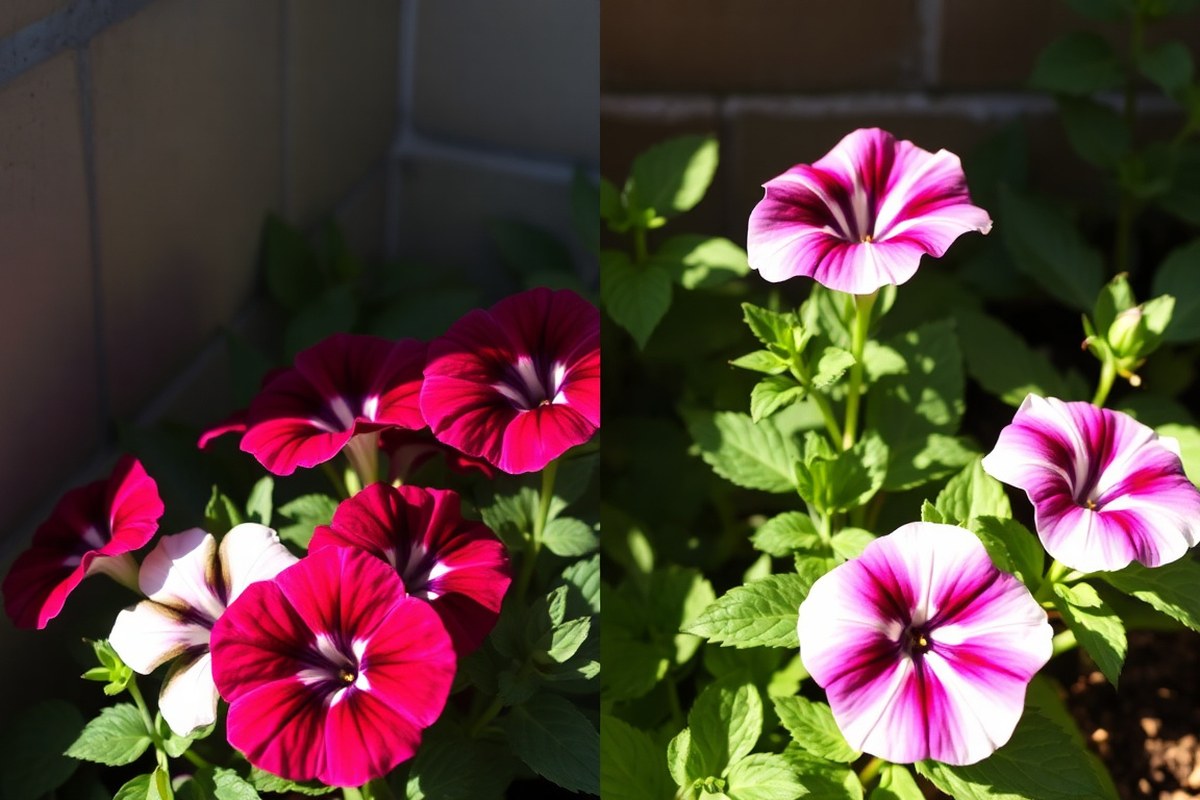
Petunias need six hours of direct sunlight daily. This helps them grow well. They also produce more flowers with enough sun.
They can survive in partial shade, getting four to six hours of sun. But their bloom count drops significantly. Shade causes petunias to grow leggy as they stretch toward light, making stems weak.
The University of Florida says petunias in 50% shade have 42% fewer flowers. Their stems stretched 37% longer in three weeks. Shade affects their shape and blooms quickly.
The Pacific Northwest, with its cooler summers, offers slightly better petunia growth in light shade. Yet, even there, you still need at least five hours of sunshine for reliable blooms.
Petunias in full sun can make five times more flowers. Shade reduces their flower count a lot. Full sun boosts their bloom number significantly.
When planted in excessive shade, flowers become sparse, and plants look thin and stretched. Mexican petunias like full sun for six to eight hours daily.
They lose many flowers if grown in shade. Shade harms their flowering a lot.
Morning sun or filtered sunlight helps petunias grow healthier. These light times boost blooms well. Avoid deep shade for better flower health.
You can pick petunia varieties made for partial sun. They do slightly better in shaded spots. This choice improves your chances in low light.
Best flower growth happens with near six hours of bright sun. Less sun means fewer flowers for petunias. Try to give them as much sun as you can.
How to Assess Light and Shade in Your Garden Accurately
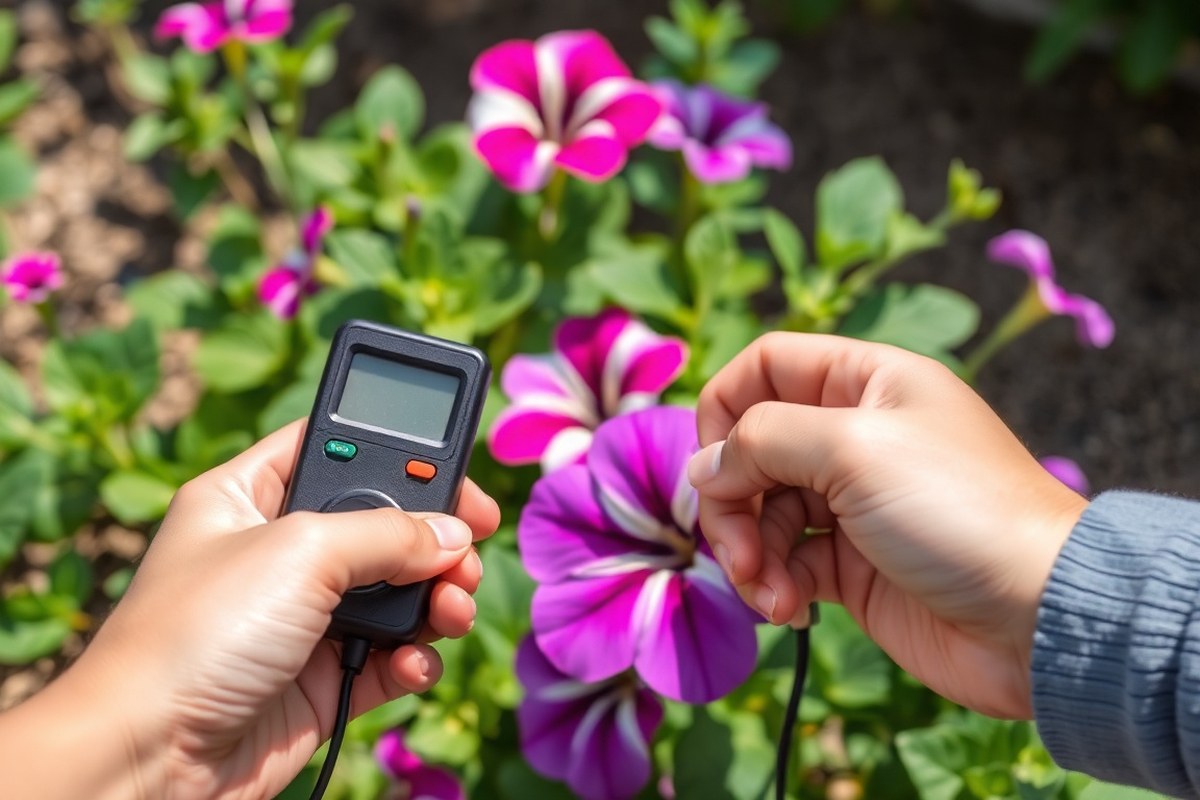
Petunias need clear light info to grow well. Shade comes in different types, affecting their sun exposure. You can measure sunlight hours and intensity with simple tools and keen observation.
Types of Shade Defined for Gardeners
Shade varies by how much sunlight reaches a spot during the day. Full sun means six or more hours of direct sunlight. Partial shade means about four to six hours, often morning sun with afternoon shade.
Light shade is less than four hours of direct sun or filtered light all day. Full shade means little to no direct sun, mostly deep or dense shade. Petunias usually need full or partial sun for the best blooms.
| Shade Type | Sunlight Hours | Example |
|---|---|---|
| Full Sun | 6+ hours direct sunlight | Unshaded south-facing garden |
| Partial Shade | 4-6 hours direct sunlight | Morning sun, afternoon shade |
| Light Shade | Less than 4 hours direct sun or filtered light | Under deciduous trees |
| Full Shade | Little to no direct sunlight | North side of buildings or dense evergreens |
Using Tools to Measure Light Levels
A handheld light meter can give you precise sunlight readings. Buy a light meter that reads foot-candles or lux. These meters cost $20 to $100.
You can find them online or in gardening stores. Position it at the plant height.
Use an app on your smartphone that tracks sunlight hours or brightness. These often use your location and phone sensors but verify accuracy with direct observation. Record levels over several days for best results.
Observing Sunlight Patterns Throughout the Day
Track sunlight yourself to understand daily light exposure in your garden. Mark start and end times of direct sun during a full sunny day. Note areas of morning sun, afternoon shade, or moving shadows.
This hands-on method helps adjust planting spots based on actual sun patterns. Angles of trees, buildings, and other plants change light availability differently throughout seasons. Repeat checks in spring and summer.
Follow these steps to check daily sunlight accurately:
- Choose a clear, sunny day for tracking.
- Pick the exact spot where you want to plant petunias.
- Use a watch or phone clock to note the time direct sunlight first hits the spot.
- Record the time when sunlight stops at this spot.
- Repeat this hourly check every 1-2 hours if shadows shift quickly.
- Calculate total direct sunlight hours by subtracting start from end times.
- Check again on different days or after tree leaves grow for accuracy.
Warning: Avoid estimating shade by short visits only. Shadows move all day and change with seasons.
Best Petunia Varieties for Partial Shade and Low Light
Some petunia varieties handle partial shade better than others. Compact types like Milliflora or Multiflora tend to bloom more consistently with less sun. Wave petunias grow well in partial shade.
They flower reliably in filtered light. They make good picks for those spots.
Petunias need at least a few hours of direct sun to thrive. But some have been bred to tolerate cooler, shaded spots. Supertunia Vista series, for example, keeps up good bloom even with less light.
Dwarf and compact cultivars do better in partial shade. They use energy more efficiently than large-flowered types.
| Petunia Variety | Sun Tolerance | Bloom Vigor in Shade | Suitability for Partial Shade |
|---|---|---|---|
| Milliflora Types | Full sun to light shade | Moderate to good | High, good for filtered light spots |
| Multiflora Varieties | Full sun to light shade | Moderate | Good, tolerates less light better than large types |
| Wave Petunias | Full sun to partial shade | Good | Very good, keeps spreading and blooming |
| Supertunia Vista Series | Partial sun | Good | Best for containers in light shade |
| Mexican Petunia (Ruellia) | Partial shade to full sun | Good | Suitable alternative with better shade tolerance |
| Large-Flowered Types | Full sun only | Poor under shade | Not recommended |
Mexican petunias deserve a mention for shady spots. They’re not true petunias but produce similar blooms and handle lower light well. These plants are tougher in shade and resist diseases better in warmer climates with more humidity.
Choosing compact or dwarf petunias helps when shade is unavoidable. They need less sunlight and still put out flowers reasonably well.
Place them in the brightest spots you have. Give extra care to keep blooms coming all season.
Adjusting Care for Petunias Growing in Shade
Petunias growing in shade need a different care plan to thrive. You must adjust watering, feeding, soil, and mulching to cope with less sunlight. These changes help keep petunias healthy and blooming despite dimmer conditions.
Watering Techniques for Lower Light
Shade slows soil drying, so water petunias less often than in sun. Check soil moisture before watering.
It should feel slightly dry about 1 inch below the surface. Overwatering can lead to root rot, especially in shaded spots that stay moist longer.
A good rule is to water when the top inch of soil dries out. This might mean watering once every 4 to 7 days, depending on weather and drainage. Early morning watering helps avoid fungal diseases by allowing leaves to dry during the day.
Feeding and Fertilization Adjustments
Shade reduces petunias’ energy to bloom, so feeding them right is key. Use a balanced fertilizer with equal parts nitrogen, phosphorus, and potassium to support foliage and flowers. Apply it less often but consistently to avoid shocking the plant.
Follow this fertilizing schedule to keep blooms coming:
- Start feeding 2 weeks after transplanting or planting
- Use a half-strength liquid fertilizer every 2 weeks
- Stop feeding about 4 weeks before the first expected frost
Slow-release fertilizer pellets can supplement this routine if you prefer less frequent feeding. Avoid over-fertilizing, which can cause lush leaves but fewer flowers.
Soil and Mulching Recommendations
Good soil and mulching help petunias get enough nutrients and retain moisture in lower light. Choose well-draining, fertile soil rich in organic matter to avoid soggy roots and poor growth. Amend garden beds or pots with compost or peat moss before planting.
Mulching offers several benefits for petunias growing in shade. It helps keep soil temperature steady and retains moisture, reducing water needs. Mulch also suppresses weeds, which compete for limited nutrients and water.
- Apply a 2-inch layer of organic mulch like shredded bark or leaves
- Keep mulch a few inches away from petunia stems to prevent rot
- Replenish mulch as it breaks down or after heavy rain
Signs Petunias Are Struggling Due to Shade
Petunias in too much shade show a few clear signs early on. You’ll see long, spindly stems and fewer flowers within just a few weeks of planting. Their leaves may yellow near the base.
This shows chlorosis from poor light. It also happens due to nitrogen moving inside the plant.
Growth slows noticeably as petunias struggle to get sunlight. Flower production can drop by over 75% when shade blocks more than 70% of sunlight.
After about a month, plants may get thinner or leggy. This means they stretch to find more light.
Watch for extra pests and diseases in shady spots. Too little sun can cause root rot in damp soil. It also raises fungal infections because air can’t dry the area.
White mold and powdery mildew grow more in shade. Aphids and spider mites also like cooler, shaded spots.
Use a simple health checklist for your petunias. Look for elongated stems, sparse blooms, and yellow lower leaves. Check soil moisture to stop root rot.
Look closely at leaves for pests or mold signs. Keeping track every week helps catch problems early before they worsen.
Providing a balanced fertilizer with a bit more phosphorus can boost flowering despite low light. Moving containers to catch more sun or trimming nearby plants might ease shade stress. Petunias not improving after these steps means the shade is likely too heavy.
Check often for leggy growth or yellow leaves. This helps you act before plants get weak or die.
Strategies to Improve Light Conditions for Petunias
Improving light for petunias growing in shade helps boost flowering and growth. Pruning nearby branches, using reflective surfaces, and moving containers let your plants catch more sun. These strategies make the most of your garden’s light, even if full sun spots aren’t available.
Selective Pruning to Let in More Light
Trimming overhanging branches can open up sun pockets for your petunias. Removing lower and dense branches lets sun reach plants beneath. This step gently increases direct light in shaded garden spots.
Follow these steps to prune safely and effectively:
- Wear gloves and use sharp pruning shears for clean cuts.
- Identify branches that block sunlight, focusing on dense or low limbs.
- Start removing lower branches, cutting back no more than one-third of the foliage.
- Trim higher branches selectively to avoid hurting tree health.
- Dispose of cut branches to prevent attracting pests.
- Check light levels during midday to confirm improvement.
- Repeat pruning yearly to maintain adequate sun access.
This method helps capture critical morning or afternoon light hours. Avoid overpruning since too much exposes trees to stress or disease.
Using Reflectors and Light-Colored Surfaces
Reflective materials bounce sunlight onto shaded petunias. White walls, light mulch, or reflective mulch can brighten dark areas. They increase scattered sunlight without moving plants.
Place a whiteboard, aluminum foil, or mirror on the side facing the sun. This redirects light toward your plants during peak sun hours. Reflective mulch, made from shiny plastic, works well for garden beds.
Check reflectors every few days to adjust for sun angle changes. Keep surfaces clean and angled to maximize light reflection. Avoid dark or dull materials that absorb rather than send light.
Container Positioning and Mobility Tips
Containers can be moved daily to follow the sun’s path and avoid shadows. Placing them on a cart or stand makes shifting easier. Moving plants helps capture more direct light than a fixed spot.
Try this simple container moving schedule:
- Place containers in the sunniest morning spot by 8 a.m.
- Move containers every 2 hours to catch sunlight from different angles.
- Keep track of shadows from buildings or trees during the peak sun window.
- Shift containers again late afternoon if light dips behind obstacles.
- Return containers indoors or to a sheltered spot at night.
Containers positioned on 12-inch stands near east-facing walls gain morning sun without harsh heat. Avoid spots casting long shadows during midday. Regular movement requires time but pays off with better blooming petunias.
When to Replace or Move Petunias Not Thriving in Shade
Petunias won’t last more than 10 to 14 days in heavy shade after planting. Notice weak stems, pale leaves, or poor blooms within two weeks?
Move them. These signs show they’re not getting enough light to thrive.
Move petunias to places with 4 to 6 hours of direct sun daily. Direct sun helps them grow better. You need a brighter spot for healthier plants.
Before moving, check the new site for morning or afternoon sun and good drainage. Water them right after transplanting to reduce shock and help roots settle.
You can’t provide more light? Choose plants that do well in shade instead.
Hostas, impatiens, or begonias grow better in deep shade and offer color without fight. These plants handle low light and stay healthy where petunias fade.
To decide about moving or replacing, give petunias up to two weeks after planting to adjust. Still weak after two weeks?
Try moving them again or pick shade-loving plants. Watch leaf color, bloom size, and growth speed as clues.
Successful relocation needs some prep. Choose a less shady spot with at least morning sun. Dig a hole twice as wide as the root ball and loosen soil.
Water after planting and avoid heavy feeding until new growth starts. It might take 1 to 2 weeks for recovery.
Planning for relocation means picking plants suited for the light you have. Shade-tolerant plants cost about the same as petunias and save time later. You avoid repeated failures and get steady garden color through the season.
Growing Petunias Indoors or with Artificial Lighting
Petunias can grow without natural sunlight, but they need enough artificial light daily. About 14 hours of light each day helps them bloom and stay healthy indoors. Keep the light source close enough to avoid burning but far enough for even coverage.
Use full-spectrum LED or fluorescent grow lights for petunias. These provide the right colors and intensity for flowering plants. Position the lights 6 to 12 inches above the plants, adjusting as the petunias grow.
Arrange petunias near a bright window to combine natural and artificial light. Light-colored walls nearby reflect more light onto the plants, reducing shadows. Rotate your petunias every few days for even light on all sides.
- Maintain 14+ hours of artificial light daily during low natural light months.
- Use full-spectrum LED or fluorescent grow lights for best results.
- Keep lights 6 to 12 inches above petunias to avoid leaf burn.
- Place plants near light-colored walls to reflect indirect light.
- Rotate plants every few days for even light exposure.
- Combine sunlight with artificial light when possible for stronger growth.
- Watch for leggy growth, a sign of insufficient light.
Artificial lighting replaces sunlight’s energy for petunias in winter or dark rooms. Without enough light, petunias grow weak and produce few flowers. If you see stretched, thin stems, raise light duration or intensity.
Keep artificial lights on timers to ensure petunias get a steady 14 hours daily.
Use a timer to keep your lighting consistent every day. Combine any available sunlight with artificial light for the healthiest growth. With the right setup, petunias will bloom indoors just like outside.
Step-by-Step Action Plan for Growing Petunias in Shade
Follow these steps to help your petunias thrive in low light. Adjust as you watch their growth and health.
- Before planting: Choose petunia varieties known for shade tolerance like ‘Wave Purple Vein’. Check plant tags for light needs.
- Week 1: Plant in a spot with morning sun or filtered light. Watch for leaves that look pale or stretched.
- Week 2: Water moderately and avoid overwatering. Soil should stay moist but not soggy. Look for wilting leaves as a sign.
- Week 4: Fertilize with a balanced, water-soluble fertilizer every two weeks. Notice if flowers start to bloom well.
- Week 6: Check for signs of weakness like lanky stems or few flowers. Trim back weak growth to promote fullness.
- Week 8: If blooms are sparse, try moving the pot or bed to get more light. Compare growth after two weeks to see improvement.
- Week 10: Monitor pests and diseases closely since shade can increase humidity. Treat any issues early to protect plant health.
- Ongoing: Rotate plants indoor under grow lights for 6-8 hours if shade is severe. See if flower size and color improve.
Frequently Asked Questions
Can Petunias Survive in Deep Shade?
Petunias struggle in deep shade and often fail to bloom. They need at least 6 hours of direct sunlight for healthy growth and flower production.
Are Petunias More Likely to Get Diseases in Shade?
Yes, petunias in shade may develop fungal diseases more often. Reduced airflow and moisture retention in shady spots promote disease risks.
Can Shade-Tolerant Plants Be Mixed with Petunias in Low Light?
Yes, combining shade-tolerant plants with petunias can improve garden looks. Just keep petunias near sunnier edges for better bloom chances.
What Soil Conditions Help Petunias Grow in Partial Shade?
Well-draining, fertile soil boosts growth even in partial shade. Adding compost can improve moisture retention without waterlogging roots.
Does Watering Frequency Change for Petunias in Shady Areas?
Yes, petunias in shade need less frequent watering than in sun. Shadier spots dry out slower, so avoid overwatering to prevent root rot.
Will Petunias Bloom If Placed Only in Morning Sun?
Petunias can bloom with about 6 hours of morning sun. Afternoon shade is usually fine if total sunlight hours stay adequate.
Before You Go
Petunias can grow in shade, but they need extra care and the right variety. Start by picking a spot with some light and adjusting water and fertilizer carefully. Watch your plants closely and move them if they look weak or don’t bloom well.