Does Petunia Spread? A Complete Guide to Growth, Care, and Varieties
Does petunia spread naturally in your garden? Yes, petunias can spread widely, usually from 18 inches up to 4 feet. This depends on the type of petunia and how well you care for it.
Petunias grow quickly when planted in full sun with good soil. The best way to encourage spread is to plant them when the soil is above 60°F. This helps young plants take root and grow strong.
Different petunia types spread at different rates and sizes. Some grow compact, while others fill out a large space with plenty of blooms. Knowing your petunia type helps you plan space better.
Different types cover different amounts of ground. This makes a big difference in your garden.
Key Takeaways
- Petunias spread between 18 inches and 4 feet, depending on type and care.
- Plant petunias in soil that’s at least 60°F to encourage quick spread.
- Full sun exposure helps petunias grow and spread faster.
- Choose a petunia variety based on the space you want to fill.
- Regular watering and feeding boosts healthy petunia spread.
- Start seeds indoors 7 to 10 days before transplanting for best results.
Do Petunias Naturally Spread in Gardens?

Petunias do naturally spread in the garden, but the amount varies. Some types, like wave petunias, can spread up to 4 feet wide. Others stay more compact and only grow about 18 inches across.
If you leave petunias unpruned, they will continue growing outward and fill more space. Trailing varieties trail along the ground.
Mounding types grow upright but still expand sideways. Over time, you’ll see the plants cover more soil, offering fuller garden beds.
Petunias can self-seed in garden beds, but this depends on conditions. After blooming, some flowers produce seeds that may take root nearby. Still, this happens slowly and less predictably than the natural spreading from their vines.
Differences Between Petunia Types That Affect Spread
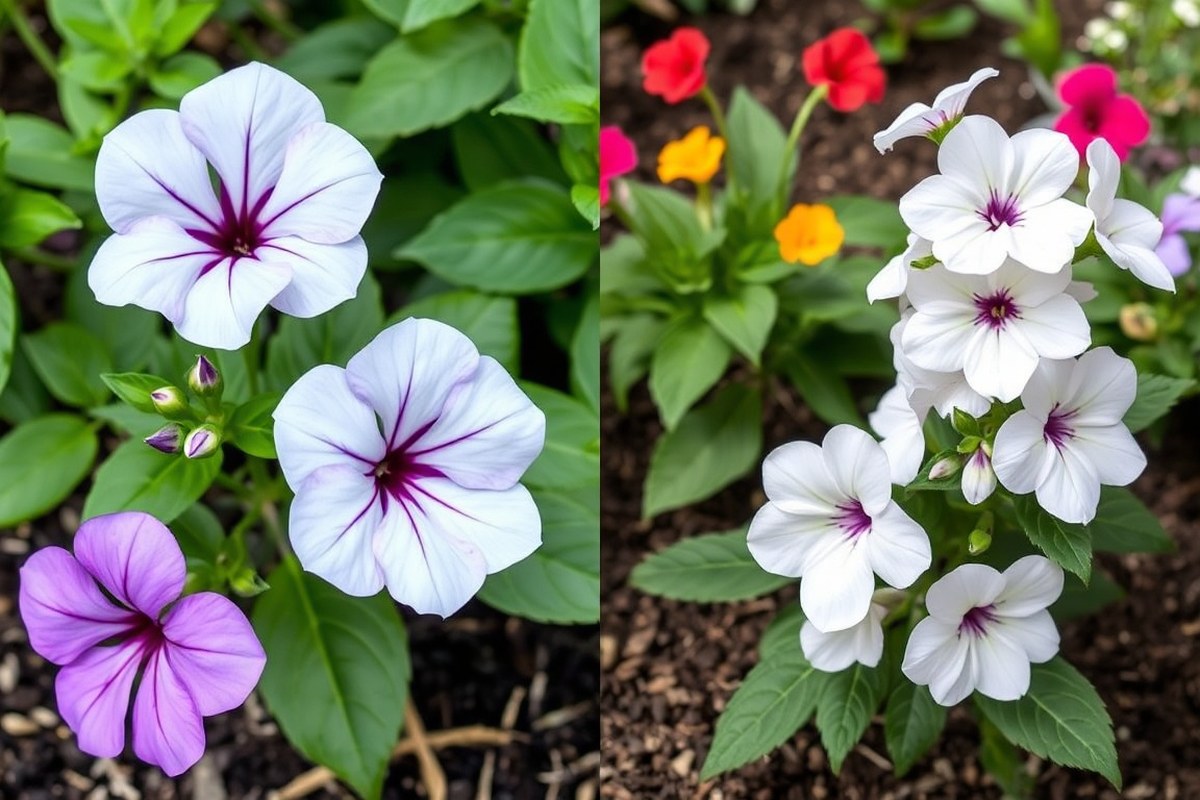
Petunia types vary a lot in how much and how fast they spread. Wave petunias spread the fastest and widest with trailing stems that can cover several feet.
Multiflora types spread moderately. Grandiflora petunias tend to grow upright and stay more compact.
Wave Petunias and Their Spreading Habit
Wave petunias are the champions of spreading. Their trailing stems grow outwards aggressively, often covering 2 to 4 feet in open ground.
These plants cascade beautifully over edges or trail across garden beds. Wave varieties like Purple Wave reach just 4 to 6 inches tall but spread wide.
Wave petunias spread wide and are perfect for ground cover. They fill large open spaces with color as they grow. You’ll get a nice expanding area of flowers.
Trailing Petunias: Growth and Coverage Patterns
Trailing petunias, including wave types and Supertunia series, focus on horizontal growth. Their stems can trail several feet across surfaces.
They form low mats and handle large coverage areas nicely. These plants thrive better in wide garden beds than in pots due to space needs. Regular pruning helps keep trailing petunias healthy and bushy, preventing legginess during mid-season.
Grandiflora and Multiflora: Compact vs. Spreading
Grandiflora petunias mostly grow upright in a dense, mounding shape. They prefer to stay more controlled and vertical.
Multiflora petunias spread more than grandiflora but still less than wave types. They have a moderate, rounded form.
Multiflora petunias are great for pots and hanging baskets. They don’t need much ground space to thrive. These make colorful options for small areas.
| Petunia Type | Spread Habit | Typical Height | Typical Spread | Best Uses |
|---|---|---|---|---|
| Wave (Trailing) | Spreads quickly, trails widely | 4, 6 inches | 2, 4 feet | Ground cover, wide garden beds |
| Trailing (Supertunia, etc.) | Horizontal growth, trailing stems | 6, 8 inches | 1.5, 3 feet | Wide beds, cascading over edges |
| Multiflora | Moderate spread, rounded form | 8, 12 inches | 1, 2 feet | Containers, hanging baskets |
| Grandiflora | Compact, upright and mounding | 12, 18 inches | 1 foot or less | Pots, formal beds |
To manage petunias for best spread, follow these simple steps:
- Plant wave petunias in areas with plenty of space to allow full spread.
- Choose trailing types for horizontal coverage over edges or slopes.
- Use multiflora petunias in pots and hanging baskets where spread space is limited.
- Prune mid-season to prevent legginess and encourage denser growth.
- Water regularly and deadhead spent blooms to support continuous spreading.
- Avoid overcrowding to reduce disease and give plants room to expand.
Don’t plant wave petunias in tight pots, they need room to spread horizontally.
How Fast and Far Does Petunia Spread?
Petunias can spread several feet within one growing season when planted in a spacious outdoor bed. Plant them 8 to 12 inches apart to allow room for growth and spreading. This spacing helps each plant fill out.
They won’t compete for light or nutrients. Plants grow to cover the soil fast.
After planting, expect petunias to start spreading actively about three to four weeks later. They tend to develop vigorous stems and roots as the weather warms and daylight increases. A healthy petunia can fill its space in two to three months.
It grows especially well with full sun. This creates a thick carpet of flowers.
The spreading rate varies a lot by type and location. Trailing or wave petunias spread faster and wider. Milliflora varieties do better in pots.
They don’t need much space. In sunny, open garden beds, petunias grow best and cover ground quickly. In shade or crowded spots, their spread slows noticeably and blooms might be fewer.
Keep in mind, you can control spread through pruning to avoid overly thick growth. Deadheading the faded blooms also encourages new stems.
Crowding petunias or planting in containers limits how far they spread. But manage to produce plenty of flowers in smaller spaces.
How to Encourage Petunias to Spread Quickly and Healthily
Petunias respond well when you remove spent flowers often. Deadheading stops seed formation. This shift sends energy to new blooms and stems, making your plants grow fuller and wider.
Pinch off faded flowers using your fingers or small scissors. Do this every week or so.
This helps your petunias keep blooming longer. This keeps petunias busy making new flowers instead of seed pods.
These plants thrive in full sunlight. They need at least 5 to 6 hours daily. Too much shade makes them leggy and slows spreading.
Arrange your garden so petunias get enough light, or move pots to sunnier spots. Regular watering keeps the soil moist but not dripping wet. Water deeply each time, aiming for the roots.
Doing this about twice a week usually works. But more when it’s hot and dry.
- Deadhead every 7 to 10 days by snipping off spent blooms
- Water deeply twice a week or as needed to keep soil moist
- Give petunias 5 to 6 hours of sunlight daily for healthy growth
- Fertilize every two weeks with a balanced, water-soluble fertilizer
- Space petunias to allow airflow and prevent crowding
- Mulch around plants to retain moisture and keep roots cool
Feeding petunias helps them spread quickly and bloom long. Use a balanced fertilizer every two weeks, like a 10-10-10 or 20-20-20 mix. Water the fertilizer into the soil so roots can absorb nutrients.
Don’t let plants dry out between watering and feedings or they will slow down. Mulching can keep soil temperature steady and moisture locked in, supporting steady growth.
Can Petunias Spread Well in Pots and Containers?
Petunias do spread in pots, but not as much as in garden beds. Containers limit root space, which restricts how far branches can grow. Still, some petunia types manage to spread nicely even in smaller pots.
Trailing petunias are the best choice for containers because they drape over edges and fill space. Compact or bushy types grow upright and stay tighter, so they don’t spread wide. Wave petunias also spread well, covering up to three or four feet wide in larger containers.
| Petunia Type | Spread in Garden Bed | Spread in Container | Recommended Container Size |
|---|---|---|---|
| Trailing | 3 to 4 feet wide | 1 to 2 feet wide | 12 inches or larger diameter |
| Wave | 3 to 4 feet wide | 1.5 to 2 feet wide | 14 inches or larger diameter |
| Grandiflora (Bushy) | 1 to 2 feet wide | 1 foot wide or less | 10 inches or larger diameter |
Size of the container changes how much your petunia can spread. A bigger pot gives more room for roots and encourages wider growth.
Small pots hold less soil. So the plant focuses on upward growth and less on spreading out.
Soil draining and watering also matter in pots. Overly wet pots can harm roots, stopping healthy spread. Use containers that have drainage holes to avoid water buildup.
Use potting mix that drains well to keep petunias healthy. This helps petunias grow strong and prevents root problems.
Choose trailing petunias if you want plants to spill over pots. They grow fuller and spread nicely down the sides. This makes your pots look lush and colorful.
Common Problems That Prevent Petunia Spread and How to Fix Them
Pests like aphids and caterpillars can stunt petunia growth and stop spreading. You can spot damage from holes or sticky leaves. Treat with insecticidal soap or neem oil every week until bugs clear.
Diseases such as root rot thrive in soggy soil and block petunias from spreading. Avoid overwatering by letting soil dry between drinks. Using well-draining soil and containers also helps prevent rot.
Petunias that get too little light stretch out with weak, leggy stems. Place them where they get at least six hours of sun daily. Rotating pots ensures all sides get even light exposure.
Too much nitrogen fertilizer favors leaves but hinders flowering and spreading. Use a balanced fertilizer with nitrogen, phosphorus, and potassium.
Apply it every 4 to 6 weeks during the growing seasons. This helps your plants stay healthy and grow strong.
Regular deadheading removes old flowers and forces petunias to produce new blooms. Pinch off spent flowers by hand or use small scissors. This can keep petunias flowering and spreading for months.
Crowding petunias prevents them from spreading well as they compete for nutrients and light. Space plants at least 8 to 12 inches apart in beds or containers. This gives them room to grow wider.
Leggy petunias need pruning to encourage bushier growth. Cut back stems by one-third every few weeks. This stops your petunias from getting spindly and encourages fuller spreading.
A light mulch of compost around petunias helps retain moisture and adds nutrients slowly. Spread a 1-inch layer of compost after planting. This supports steady growth and healthy root spread.
When and How to Plant Petunias for Optimal Spread
Transplant petunias outside after the soil warms above 60°F (16°C). Space plants according to their type to let them spread fully. Prepare soil with moisture-retaining yet well-drained conditions for steady growth and spreading.
Ideal Temperature and Soil Conditions
Petunias need soil temperatures above 60°F (16°C) to move outdoors safely. This prevents frost damage and boosts root development. The soil should be moist but never soggy to ward off root rot.
Use soil rich in organic matter that drains well. Adding compost or peat moss improves moisture retention and nutrients. Petunias tolerate many soil types but thrive best in loamy, slightly acidic soil.
Spacing Guidelines by Petunia Type
Wave petunias require more space to spread than regular types. For Wave varieties, leave about 12 to 18 inches between each plant. This lets their trailing stems grow wide without crowding.
Standard petunias need about 8 to 10 inches apart. Smaller spacing slows spreading and can reduce airflow, raising disease risks. Adjust spacing if your garden gets strong winds or has limited sunlight.
Transplanting Procedures for Young Plants
Wait until seedlings have 3 or 4 leaves before transplanting them outdoors. This means they are strong enough to handle new conditions. Follow these steps to transplant petunias safely and support spreading:
- Check that nighttime soil temperature stays above 60°F (16°C).
- Choose a garden bed with loose, well-drained soil that stays moist.
- Dig holes spaced according to petunia type. 12-18 inches for Wave, 8-10 inches for others.
- Remove seedlings carefully from containers to avoid root damage.
- Place each plant in a hole, filling around roots with soil gently.
- Water thoroughly after planting for good root-soil contact.
- Mulch around plants to keep soil moist and reduce weeds.
Transplanting in cooler weather or with wrong spacing limits spreading potential. Watch for slow growth or wilting. Keeping soil evenly moist and providing light will help petunias spread well.
How to Manage Petunia Spread Through Deadheading and Pruning
Deadheading petunias means regularly removing faded flowers to keep them healthy and spreading well. Pruning also cuts back older growth to prevent leggy, overgrown stems. These steps help petunias bloom longer and cover more ground.
Why Deadheading Matters for Spread
Removing spent flowers stops petunias from using energy to make seeds. This energy instead goes to new buds and leaves. Without deadheading, plants may become leggy and stop flowering.
Traditional petunia types produce fertile seeds, leading to volunteer plants the following spring. Deadheading prevents seed pod development, so your garden stays neat and controlled. By cutting off blossoms early, you encourage constant blooming.
Proper Pruning Techniques and Timing
Prune petunias by trimming back stems mid-summer to avoid legginess. Cut about one-third off the longer stems to encourage bushier growth. This also makes the plant look fuller and healthier.
Pruning works best every few weeks, especially after a bloom cycle fades. This timing keeps the plant from getting too tall or scraggly. Use clean, sharp scissors or garden shears for neat cuts.
Managing Seed Pods to Control Volunteer Plants
Check petunias daily during bloom season and snip off any flowers starting to fade. This stops seed pods from forming and falling to the ground. Seed pods allow petunias to self-seed and spread without control.
Removing seed pods is important if you don’t want petunias growing where you didn’t plant them. It’s a simple step.
It works well for managing unwanted volunteers. Use it in your garden beds or pots.
- Look for wilted or dead flowers on your petunias every few days.
- Pinch or cut off the spent blooms just above the first set of healthy leaves.
- Inspect plants for any seed pods forming and remove them promptly.
- Use pruning shears to trim back leggy stems by one-third in mid-summer.
- Dispose of removed flowers and cuttings away from your garden area.
- Water and fertilize your plants moderately to support regrowth after pruning.
Regular deadheading prevents seed pods and keeps petunias blooming longer.
Step-by-Step Action Plan to Help Petunias Spread
Follow these steps to help your petunias spread healthily and fill your garden or containers.
- Before Planting: Choose spreading petunia varieties like trailing or spreading types. Check their labels or descriptions to know which spread best.
- Day 1: Plant petunias in well-draining soil with plenty of sunlight. Watch for firm, upright stems as a good sign.
- Week 1: Water regularly but avoid soggy soil. Soil that stays moist helps roots grow without rotting.
- Week 3: Begin deadheading faded flowers to boost new blooms and encourage spread. Notice more buds forming after removal.
- Week 4: Prune leggy stems lightly to shape plants and support side growth. Look for new shoots where you cut.
- Month 2: Fertilize with a balanced, water-soluble feed every two weeks. Faster leaf and flower growth means it’s working.
- Ongoing: In containers, rotate pots occasionally for even sunshine. Watch branches extend evenly along pot edges.
- After 3 Months: Check for pests like aphids or whiteflies and treat promptly. Healthy leaves and no sticky residue show success.
Frequently Asked Questions
Do Petunias Come Back After Spreading?
Petunias usually do not come back yearly as they are annuals. They grow, spread, bloom, and then die within one season.
Can Petunias Spread Through Seeds Easily?
Yes, petunias can spread by dropping seeds around their base. This happens naturally, but it may take a season for new plants to grow.
Will Petunias Spread Aggressively and Crowd Other Plants?
Petunias spread moderately but rarely crowd out stronger plants. They need space to grow well but stay manageable with pruning.
Do Petunias Spread Indoors as Well as Outdoors?
Petunias spread best outdoors in full sun and open space. Indoors, their spread is limited by pot size and light availability.
Can Petunias Self-Root from Stems That Touch Soil?
Some petunias, especially trailing types, can root from stems touching soil. This helps them spread across garden beds.
Does Spreading Petunias Need Fertilizer to Grow?
Fertilizer helps petunias spread faster by feeding the plant. Use a balanced fertilizer every couple of weeks during the growing season.
Wrapping Up
Petunias can spread well when you give them the right care and location. Watch for good soil, sunlight, and pruning to encourage growth. Start preparing your garden or pots today to see fuller petunias soon.