How to Grow Eucalyptus: A Complete Guide with Proven Tips for Success
Learning how to grow eucalyptus starts with picking the right spot and species. Most eucalyptus trees need full sun and well-draining soil to thrive. Begin by choosing a species that fits your climate and space, as some grow very tall.
You can grow eucalyptus from seeds or cuttings, with cuttings taken from young trees being easier. Plant seedlings or cuttings in a hole slightly bigger than their root ball for best results. Give eucalyptus plants plenty of room, about 8 to 10 feet apart if planting multiple trees.
Watch your eucalyptus growth speed. Many add 3 to 8 feet yearly. Keep track closely.
It’s smart to start small or keep varieties trimmed if you have limited space. Starting with the right approach helps your eucalyptus stay healthy and manageable.
Key Takeaways
- Choose eucalyptus species suited for your hardiness zone and garden size.
- Plant seeds or cuttings in well-draining soil with full sun exposure.
- Space trees 8 to 10 feet apart to avoid overcrowding as they grow.
- Use cuttings from eucalyptus trees aged 2 to 11 months for better rooting.
- Expect growth rates between 3 and 8 feet per year depending on species.
- Trim fast-growing varieties regularly to control height and shape.
How to Start Growing Eucalyptus from Seeds and Cuttings
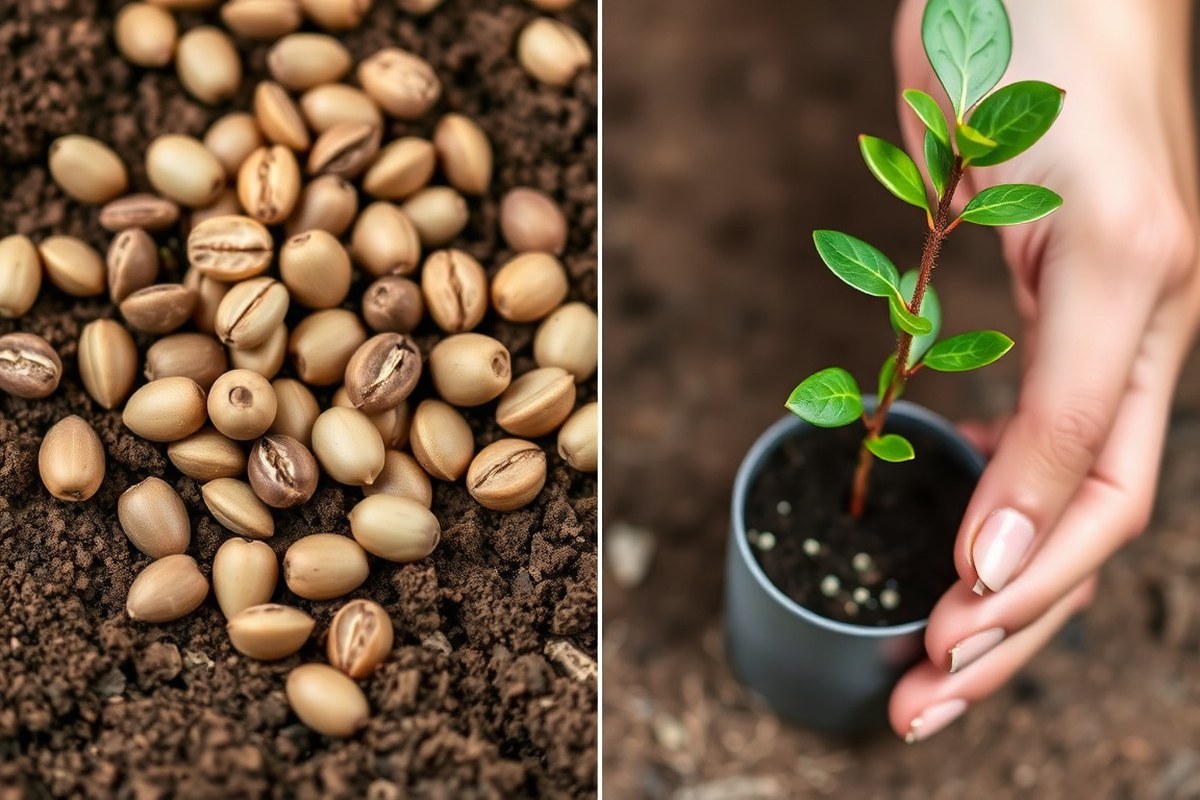
Growing eucalyptus from seeds needs careful preparation and patience. Most seeds must stay cold in a fridge for at least two months. This cold period mimics winter to wake the seeds from dormancy.
Timing is key when using cuttings to grow eucalyptus. Take cuttings from trees between two and 11 months old. Young branches are easier to root and improve success chances.
Here’s a step-by-step guide for both seed and cutting propagation. Follow these steps to give your eucalyptus the best start.
- Prepare seeds: Place seeds in a damp paper towel inside a sealed plastic bag. Keep the bag in the refrigerator for 8 to 10 weeks to stratify.
- Start seeds indoors: Sow the stratified seeds about three months before outdoor planting. Use seedling trays or pots with soil that drains well. Keep the soil moist but not soaked. Cover seeds lightly with soil, about 1/8 inch deep.
- Maintain warmth and moisture: Keep the soil moist but not soaked. Maintain a temperature near 65°F to encourage germination. Germination usually takes 2 to 3 weeks.
- Take cuttings: Choose healthy stems that are 4 to 6 inches long. Cut from a eucalyptus tree aged between 2 and 11 months. Use clean, sharp tools to avoid damaging the stem. Remove lower leaves, leaving a few at the top.
- Apply rooting hormone: Dip the cut ends of the stem into rooting hormone powder or gel. This helps stimulate root growth.
- Plant cuttings: Place cuttings into a pot with moist sand and peat moss mix. The soil should feel damp but not waterlogged. Keep the pot in indirect light to help root growth. Keep the soil moderately moist and place the pot in indirect light.
- Wait for roots to form: Roots should develop in 4 to 6 weeks. Check gently by tugging on the cutting. New growth confirms success.
- Transplant seedlings or cuttings: Move plants outdoors or to bigger pots when they have roots. Make sure they have developed a few leaf sets before transplanting. Handle the roots gently to avoid damage. For outdoor planting, do this in spring after the last frost date.
Good results mean healthy green leaves and steady growth. Watch out for dried-out soil or too much water, which can kill roots. Keeping consistent moisture and temperature during germination and rooting is key.
How to Choose the Best Eucalyptus Species for Your Garden
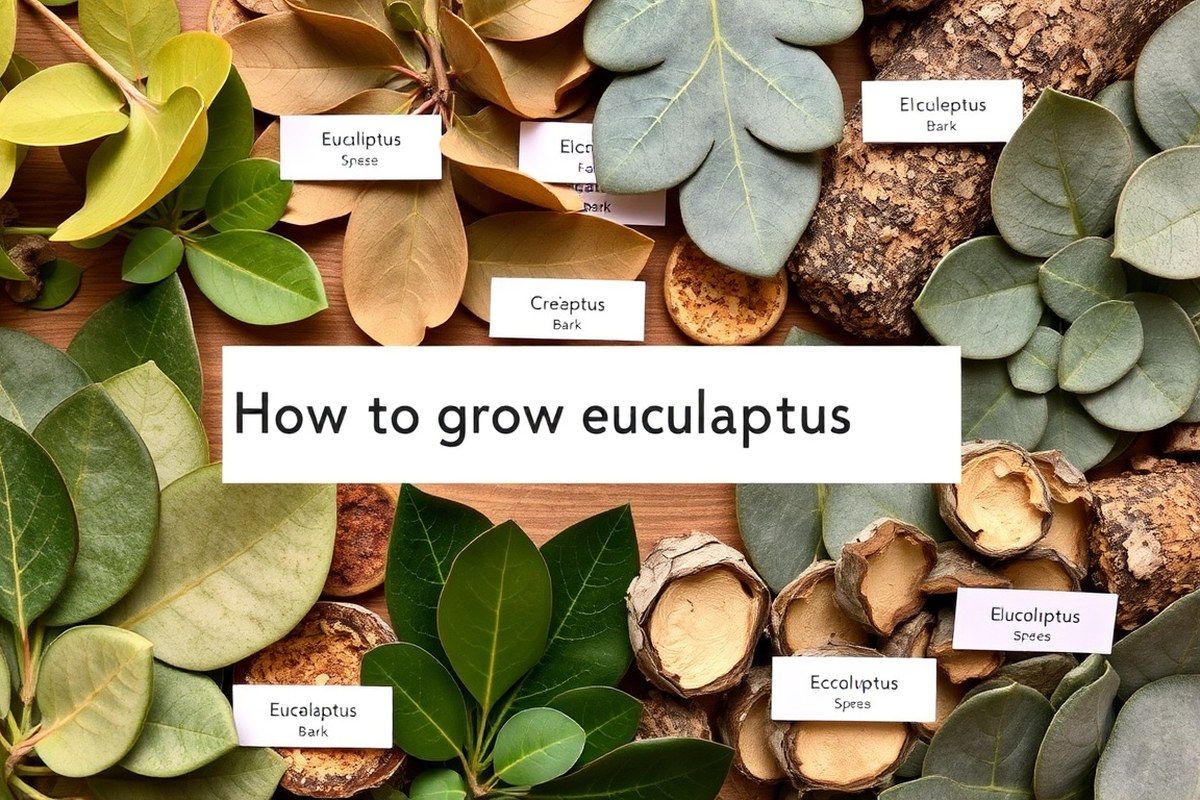
Picking the right eucalyptus depends on your garden size. Climate also matters for choosing the best species. Think about what you want to use it for.
Some grow tall fast, while others stay small and work well in pots. Knowing their needs helps you pick a tree or shrub that fits your space and climate.
Large vs. Small Eucalyptus Species
Eucalyptus species vary widely in size. Some grow over 60 feet tall, which suits large gardens or landscapes. Others stay small, perfect for patios or small yards.
For example, Silver Dollar eucalyptus can reach 20 to 40 feet. Baby Blue eucalyptus grows 10 to 15 feet, making it great for small gardens or containers.
| Variety | Mature Height | Growth Rate | USDA Zones | Best Use |
|---|---|---|---|---|
| Silver Dollar | 20, 40 ft | Very Fast | 8, 11 | Cutting garden, specimen |
| Baby Blue | 10, 15 ft | Moderate | 8, 11 | Small gardens, pots |
| Cider Gum | 30, 50 ft | Fast | 7, 11 | Cold climates, screening |
| Lemon Eucalyptus | 40, 60 ft | Fast | 9, 11 | Fragrance, large landscapes |
| Rainbow Eucalyptus | 60, 100 ft | Explosive | 10, 11 | Tropical ornamental |
Picking smaller eucalyptus types avoids problems in tight spaces. Larger types suit big yards but can overwhelm small gardens.
Hardiness Zones and Climate Tolerance
Most eucalyptus prefer USDA Zones 8-11 with mild winters and warm summers. Few types tolerate frost well. For cold climates, some eucalyptus handle lower temperatures better than others.
Eucalyptus gunnii survives down to 5°F (Zone 7). The Cider Gum also grows in cold zones 7 to 11. Snow gums survive below freezing, near -4°F. Pick species suitable for your USDA zone to avoid winter damage.
Check your local USDA zone before planting eucalyptus to avoid frost damage.
Warm zones support many varieties that grow tall and die back late. Cold zones need hardier types or seasonal protection for others.
Growth Habits and Uses in Landscaping
Eucalyptus trees can grow quickly, often 3 feet or more yearly early on. Silver Dollar and Lemon eucalyptus grow very fast, filling garden space fast. Baby Blue grows moderately, good for slow and steady development in small spots.
Sizes and shapes vary, with multi-stemmed, shrubby types better suited for small gardens and screening. Single-trunk types offer an open form or dense foliage, fitting both shade and ornamental roles.
Use taller types as privacy screens or focal points. Choose smaller or dwarf types for potted plants or small garden beds.
Best Growing Conditions for Healthy Eucalyptus Trees
Eucalyptus trees need well-drained soil to thrive. Clay or soggy soil causes root rot, the top reason these trees fail. Your planting spot should have loose, sandy, or loamy soil.
This drains fast and stops water from pooling around roots. Poorly draining soil benefits from added sand or organic compost to improve it.
Eucalyptus loves at least 5 to 6 hours of direct sunlight every day. Choose a spot where the tree gets bright, full sun for strong growth.
These trees do not like shade or cramped indoor light. More sunlight means faster, healthier growth and fewer problems with pests and diseases.
The ideal temperature for eucalyptus ranges from 65ºF to 71ºF. They tolerate warmer days well but struggle in frost or hard freezes. In colder zones (Zone 6 or below), keep eucalyptus in pots to bring indoors during winter.
Young trees suffer from sudden cold or frost. So protect them with covers or move them if possible.
Water eucalyptus carefully to avoid overwatering. Let the top inch of soil dry out between waterings during the first couple of years. Overwatering creates “wet feet,” which causes root rot and yellow leaves.
Yellow leaves mean you should check your soil’s drainage. Change watering as needed.
These trees prefer moderate humidity around 40%. Dry air won’t harm them. But extremely dry or overly humid conditions can stress young plants.
In dry indoor air, mist leaves occasionally or use a nearby humidifier. Keep them in places with good air flow.
This stops fungal issues. Powdery mildew is one common problem.
Where and How to Plant Eucalyptus Trees Outdoors
Choose a sunny spot in your yard with well-draining soil. Eucalyptus trees prefer slightly depleted soils and do not usually need fertilizer. Avoid areas prone to strong winds or frost, as young plants can get damaged.
You should space eucalyptus trees about 3 meters apart lengthwise. Leave 2 meters between them widthwise.
This spacing allows for their fast growth and helps keep root and canopy competition low. Extra space works better in home gardens to prevent crowding and pests.
Loosen the soil using a garden fork or tiller. Make sure to work to at least 12 inches deep.
Remove any weeds, rocks, or debris in the area. Loosened soil helps roots spread quickly, which eucalyptus trees need to support their rapid height increase.
Here is how to plant eucalyptus seedlings outdoors successfully:
- Harden off your seedlings by placing them outdoors for longer periods over 1-2 weeks.
- Dig a hole twice as wide and the same depth as the nursery pot.
- Gently remove the seedling from its container, loosening roots if tightly packed.
- Place the seedling in the hole, aligning the root ball with ground level.
- Backfill the hole with the excavated soil, pressing down lightly to remove air pockets.
- Water the newly planted tree thoroughly to settle the soil around roots.
- Put a 2-inch layer of mulch around the base of the tree. Keep the mulch a few inches away from the trunk.
- Check soil moisture regularly, keeping it slightly moist but not soggy during establishment.
Plant in mid to late spring or fall to match your region’s climate. Avoid summer planting unless you can keep the soil moist. Seedlings planted during warm soil periods, around 70°F, adapt better and grow faster.
Keep in mind eucalyptus roots can struggle to support fast-growing canopies. To help root development, plant low understory species nearby when planting the eucalyptus. This also maximizes garden space by filling gaps.
How to Care for Growing Eucalyptus Trees and Shrubs
Water eucalyptus deeply but infrequently. Newly planted trees need water twice a week for the first month to settle roots. After that, water once every 10 days or up to 14 days.
Check your soil and rainfall before watering again. Adjust watering based on how well your soil drains.
During hot and dry spells, increase watering frequency to prevent stress and leaf drop. Avoid soggy soil because eucalyptus roots dislike standing water. Test soil moisture by digging 2 inches down; water only if dry.
Fertilize young eucalyptus trees every 4 to 6 weeks during the growing season. Use a balanced, slow-release fertilizer with equal nitrogen, phosphorus, and potassium ratios (like 10-10-10). Mature trees usually do fine without much feeding.
Mulching helps hold moisture and regulate soil temperature. Spread organic mulch 2 to 3 inches thick around the base. Keep mulch about 6 inches away from the trunk.
This helps keep roots healthy and soil moist. Mulch also suppresses weeds and breaks down to improve soil quality.
Never pile mulch against the trunk; this causes rot and invites pests.
- Spring: Start regular watering and fertilizing as growth picks up.
- Summer: Increase watering during dry periods; check soil moisture weekly.
- Fall: Reduce fertilizing and taper watering as temperatures cool.
- Winter: Water only if soil dries out; avoid excess moisture.
- Check mulch every season; replenish to maintain 2-3 inches depth.
- Watch for signs of stress like wilting leaves or slow growth.
Proper seasonal care keeps eucalyptus healthy and vigorous. Young trees respond best to steady watering and balanced feeding. Mulching reduces water needs and shields roots from extreme temperatures.
Indoor eucalyptus requires more consistent watering and less fertilizer, usually once a month. Outdoors, nature often supplies enough food after trees mature. Adjust care based on your local climate and soil type for best growth.
Effective Pruning, Pollarding, and Coppicing Techniques
Pruning eucalyptus trees helps control their size, promote bushier growth, and keep them healthy. You can use regular pruning methods or try pollarding and coppicing to manage growth more aggressively.
Each technique suits different needs and timings. So choose based on your space and tree size.
Basic Pruning for Shape and Size
Regular pruning keeps your eucalyptus tree neat and balanced. It removes dead or crossing branches to improve health and airflow. Pruning also limits height and spreads by cutting back new shoots in spring.
Use sharp pruning shears or loppers for branches under 1 inch thick. A pruning saw fits thicker limbs.
Clean tools prevent disease spread. Prune young trees yearly to develop strong shapes.
Early spring is best for pruning before new growth starts. Avoid heavy pruning in late fall to reduce cold damage risk. Cut just above a leaf node or branch junction to encourage healthy new shoots.
Pollarding Eucalyptus for Size Control
Pollarding cuts the tree back to a set height, usually about 6 feet. This keeps tall eucalyptus trees from outgrowing a yard. The tree then grows new shoots from this lower point, creating a rounded, bushy head.
Pollarding works well on species that tolerate drastic pruning, like Eucalyptus globulus. Do it in early spring before buds swell. Tools you need include a pruning saw and loppers for clean cuts.
Here’s how to pollard your eucalyptus:
- Choose a young or semi-mature tree about 3 to 6 feet tall.
- Cut all branches back to the desired height, around 6 feet.
- Remove any dead or damaged branches first.
- Make clean cuts just above a strong bud or branch junction.
- Clear away debris to reduce disease risk.
- Watch for new shoots growing from the cut points over spring.
- Repeat pollarding every few years to maintain size.
Coppicing to Encourage New Growth
Coppicing means cutting the tree down near ground level to stimulate fresh growth. This method produces multiple new stems and keeps the plant smaller. It suits smaller spaces or shrubs like Eucalyptus cinerea.
Do coppicing in early spring during early bud swell. Use a pruning saw or strong loppers. Protect the stump from pests and maintain watering to support new shoots.
Steps to coppice eucalyptus properly:
- Cut the tree trunk close to the ground with a handsaw.
- Remove any old or weak stems before cutting.
- Make smooth cuts to avoid damaging the stump.
- Clear away cut branches and debris.
- Water the stump well after cutting to encourage new shoots.
- Expect new shoots within a few weeks under good conditions.
- Thin out weak shoots to focus growth on strong ones.
Managing Common Pests, Diseases, and Growth Problems
Eucalyptus trees usually face only a few common pests. The main threats include psyllids, which cause leaf distortion, and beetles that chew on leaves. Fungal infections like canker and leaf spot cause dark patches on bark.
They also create sunken areas on leaves. These signs show the tree is sick.
Plants under stress are the most likely to catch these problems. Stress happens from extreme heat, too much wind, or irregular watering. Leaves that turn dry and crunchy or drop early mean your plant is struggling.
- Look for tiny insects or sticky residue on leaves or stems
- Check leaves for spots, distortions, or unusual drying
- Remove any grass or weeds around the tree base to prevent competition
- Water deeply but infrequently to keep soil moist, not soggy
- Use windbreaks or shade cloth to protect from harsh sun and wind
- Prune away affected branches to reduce disease spread
Stopping grass around eucalyptus helps it get proper nutrients and water. Water deeply once a week if your area is dry, but don’t overwater. Too much moisture sets up fungal infections.
A windbreak, such as a fence or tall shrubs, can protect your tree. It blocks drying winds and keeps the heat down.
This helps the tree stay healthy. Using shade cloth during the hottest months can prevent leaf scorch.
Removing infected leaves and branches helps limit bugs and disease from spreading. Fungicides are rarely effective for fungal problems, so prevention is key.
Keep your eucalyptus in good health with proper watering, sun protection, and no competing plants nearby. These steps lower pest damage and diseases, resulting in stronger growth over time.
Growing Eucalyptus in Containers and Indoors Successfully
You can grow eucalyptus indoors or in containers if you choose right. Pick the right type and give it good care.
Use a large pot with good drainage and a well-draining soil mix to keep roots healthy. Provide plenty of light and water carefully to avoid root rot or drying out.
Choosing the Right Container and Soil Mix
Choose a container at least 12 to 16 inches wide and deep for your eucalyptus plant. It needs room to grow and won’t dry out too fast. Make sure the pot has plenty of drainage holes to prevent water buildup around the roots.
Use a potting mix that drains well for eucalyptus plants. Add peat, sand, or perlite to improve drainage. Avoid heavy garden soil that holds too much water and causes root rot.
Mix 20 to 30 percent perlite or coarse sand into regular potting soil. This helps to lighten the soil for better drainage.
Lighting and Watering Indoor Trees
Eucalyptus grown indoors needs bright, direct sunlight for 6 to 8 hours daily. Place it near a south-facing window or use a grow light if natural light is weak. Without enough light, its growth will slow, and leaves may drop.
Water your eucalyptus once a week in warm months. Check if the top inch of soil feels dry first. Water less often in fall and winter, about every two weeks.
Only water when the soil starts to dry out. Overwatering or letting the soil stay soggy invites root diseases.
Check soil moisture before watering to avoid overwatering your eucalyptus indoors.
Hardening Off Seedlings for Outdoor Planting
Before moving eucalyptus seedlings outdoors, start hardening them off about two weeks before planting. Put young eucalyptus plants outside in partial shade for a few hours. Slowly increase the sun exposure over several days.
Bring the plants indoors at night during this hardening period to protect them from cold. After 10 to 14 days of this, seedlings can tolerate full sun. They are ready for stronger outdoor conditions then.
Your First Weeks: Step-by-Step Action Plan
Follow this plan to get your eucalyptus growing well from seed or cuttings. Each step shows what to do and how to tell it’s working.
- Day 1: Soak eucalyptus seeds overnight in lukewarm water. Seeds that swell are ready to plant.
- Day 2: Sow seeds or plant cuttings in well-draining soil indoors or in a warm spot. Check for moist soil but not soggy.
- Week 1: Keep soil evenly moist and provide bright, indirect light. Healthy shoots or leaves show progress.
- Week 3: Thin seedlings or remove cuttings that show poor growth. Stronger plants will thrive with more space.
- Week 4: Start feeding with a diluted balanced fertilizer every 2 weeks. Watch for new growth and greener leaves.
- Week 6: Gradually expose plants to sunlight outdoors or near a bright window. Leaves should look healthy, not scorched.
- Week 8: Transplant to larger containers or your garden if weather suits. Roots that hold soil show transplant readiness.
Frequently Asked Questions
How Fast Do Eucalyptus Trees Grow per Year?
Eucalyptus trees grow between 3 and 15 feet yearly depending on species. Young trees often grow faster, sometimes reaching over 3 feet annually. Growth slows as the tree matures.
Can Eucalyptus Trees Survive Cold Winters Outside?
Most eucalyptus species are hardy to Zone 8, tolerating down to 15-20°F. Eucalyptus gunnii can survive colder temperatures near 5°F. Choose cold-hardy species if you live in chillier areas.
How Far Apart Should Eucalyptus Trees Be Planted?
Space your eucalyptus trees about 8 to 10 feet apart outdoors to give room to grow. Smaller shrubs grown as annuals can be planted closer. Proper spacing helps avoid overcrowding and disease.
Can Eucalyptus Be Grown Indoors Long-Term?
You can grow eucalyptus indoors but usually as a smaller shrub or seasonal plant. They need plenty of light and well-draining soil. Indoor eucalyptus often stays around 6-8 feet tall.
Are Eucalyptus Leaves Safe for Pets to Be Around?
Eucalyptus leaves are toxic to most pets, including dogs and cats. Keep pets away from leaves and branches. Koalas digest them, but most animals should avoid eucalyptus.
Can Eucalyptus Trees Be Regrown After Cutting Them Back?
Yes. Eucalyptus responds well to pruning, coppicing, or pollarding and can regrow vigorously.
Regular cutting encourages bushier growth. Avoid over-pruning to keep the tree healthy.
Key Points to Remember
Growing eucalyptus needs steady care and the right conditions to thrive. Start small, check your plants often, and adjust as needed. This hands-on approach helps you enjoy healthy, fragrant eucalyptus at home.