How Much Does a Bag of Dirt Cost? A Complete Guide to Pricing and Savings
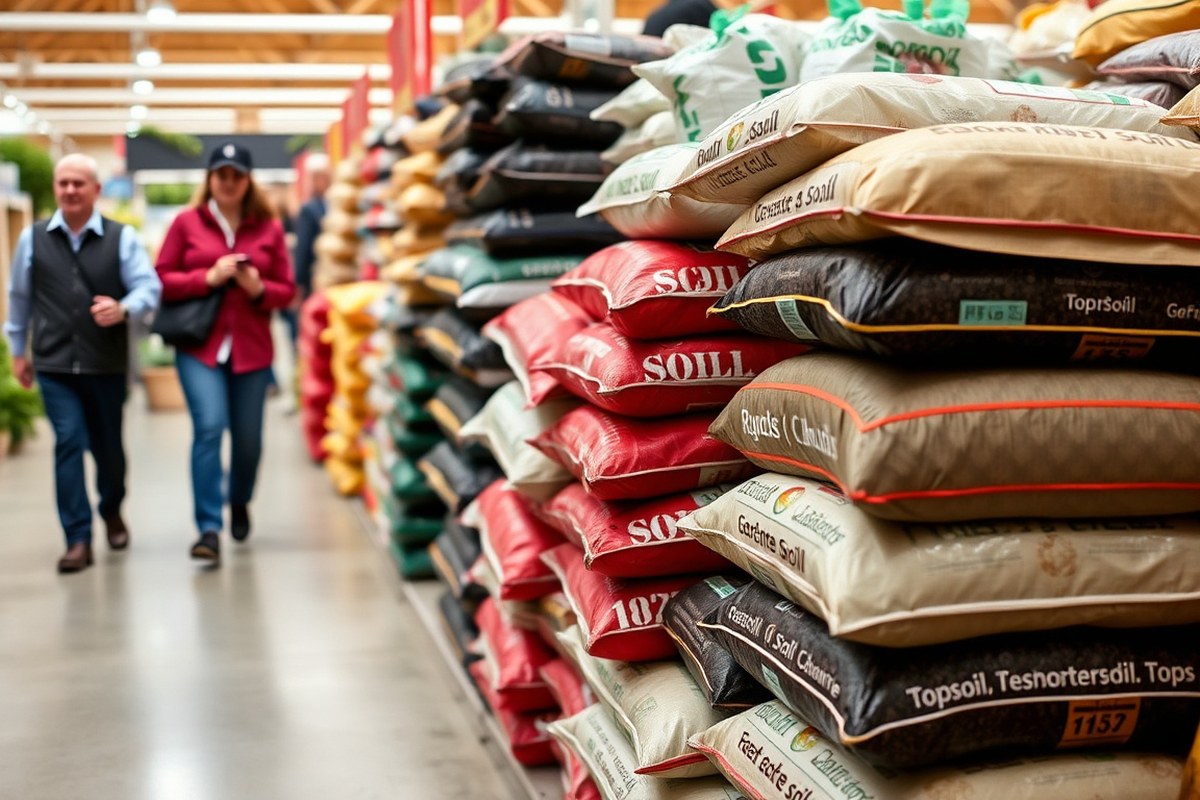
Wondering how much does a bag of dirt cost for your yard or garden? Usually, a 1-cubic-foot bag runs between $7 and $10 depending on the type. Larger bags, like 1.5 or 2 cubic feet, often bring the price per cubic foot down.
Basic bags around 0.5 cubic feet typically cost $4 to $7 each before tax. Specialty mixes may have extra stuff like perlite or fertilizer. They usually cost between $6 and $20 per bag.
These help plants grow better but cost more. Start by deciding how much volume you really need to avoid overspending.
Price changes depend mostly on the soil type and the bag size. You also want to check delivery or pickup options since they add to total costs. Knowing these details helps you get the best deal without surprises.
Key Takeaways
- Expect to pay $7 to $10 per 1-cubic-foot bag of standard dirt.
- Larger bags reduce the price per cubic foot compared to smaller ones.
- Specialty soil mixes with additives cost $6 to $20 per bag.
- Basic 0.5-cubic-foot bags usually fall between $4 and $7 before tax.
- Calculate your needed volume first to avoid buying too much dirt.
- Delivery fees can increase total cost, so consider pickup if possible.
How Much Does a Bag of Dirt Typically Cost?

A 0.5-cubic-foot bag of dirt usually costs between $2 and $7. These smaller bags often contain basic topsoil, perfect for minor garden touch-ups or container plants. At this size, you get a manageable amount to move and store without overbuying.
Bags sized around one to two cubic feet typically run about $7 to $10 each. Larger bags like two-cubic-foot sizes cut the price per cubic foot. This makes them better for bigger projects with more dirt needed.
You pay less per volume this way. For example, a one-cubic-foot bag usually costs $8.
A two-cubic-foot bag may cost around $15. Buying bigger saves money if your project needs a lot.
The type of dirt affects the price just as much as the size. Specialty blends with compost or manure cost $6 to $20 per bag. Bags with extras like perlite or bark are pricier.
Slow-release fertilizer can also increase the price. These mixes support raised beds or vegetable gardens better but come with a higher upfront cost.
Basic topsoil bags at home improvement stores typically cost $3 to $6. These bags usually hold just under one cubic foot. They work well for small gardening jobs.75 cubic-foot bags.
When selecting these, expect the quality and added nutrients to vary, influencing the price. Organic or certified soil mixes cost more, sometimes up to $12.
The price goes up for bags similar in size to basic topsoil. Quality ingredients are the reason.
Price differences depend on brand, volume, and blend ingredients. Buying larger bags or multiple bags often saves you money compared to many small bags.
For instance, getting twenty 1-cubic-foot bags at $6 each totals $120. Specialty mixes with added components may raise that total over $300.
What Soil Types Affect Bagged Dirt Prices?

The type of soil you buy greatly affects the price and what it’s best for. Fill dirt, topsoil, and compost blends vary in their uses and cost. Knowing these differences helps you pick the right soil for your lawn, garden, or fill needs.
Fill Dirt: Uses and Cost Range
Fill dirt is the soil layer below topsoil. It lacks organic material, so it won’t support plants well. Its main purpose is to fill holes or level uneven ground.
This type of dirt is usually cheaper, costing about $10 to $25 per cubic yard. Some places even give it away if you pick it up yourself. Because it compacts well, it stays put under driveways or patios.
Fill dirt isn’t good for growing lawns or gardens since it contains few nutrients. Use it only when you need a stable base.
Use it to raise your soil level. Avoid planting in it directly.
Standard Topsoil and Screened Grades
Topsoil is the dark, rich layer at the surface that supports plant growth. Screened topsoil has fewer stones and debris, making it easier to work with. This neat appearance often costs more, around $2 to $7 per bag.
It contains some organic matter but not as much as garden soil blends. You can buy topsoil for smoothing out your yard or filling small garden beds.
Keep in mind, topsoil can settle or wash away over time. So it might need topping up later.
It’s best for lawns and flower beds when you want a basic soil foundation. Buying a screened product helps your plants grow better compared to coarse, unscreened dirt.
Organic and Specialty Blends Pricing
Organic soils and garden blends mix compost, manure, or fertilizers into topsoil. These add nutrients and improve moisture retention. They typically cost $4 to $8 or more per bag depending on the mix.
Blended garden soil suits new garden beds and vegetable patches. It supports plant health and growth better than plain topsoil alone. For container gardening, potting mixes can cost even more but are tailored for that purpose.
Clearance sales often offer these at steep discounts. So watch for deals late in the season. Buying blended soil helps if your existing soil is poor or when planting heavy-feeding crops.
Pick fill dirt only for structural needs. Use screened or blended soils for planting to avoid poor growth.
How Do Bulk and Bagged Dirt Prices Compare?
Bulk soil usually costs less per volume than bagged soil. A cubic yard of bulk topsoil runs $20 to $40 at a landscape yard.
Meanwhile, bagged soil is $81 to $135 for an equivalent volume of 27 bags. Delivery fees often tip the total cost, especially for small orders.
Delivery for bags typically adds $10 to $60 per order. Fees rise with long distances or special scheduling.
Bulk delivery includes a $65 fee but falls as you order more soil. Larger projects save money and effort by choosing bulk soil over dozens of bags.
| Type | Volume Cost | Delivery Fee | Typical Total Cost |
|---|---|---|---|
| Bulk Soil (1 yard) | $35 | $65 | $100 |
| Bulk Soil (5 yards) | $35 per yard | Included | $48 per yard |
| Bagged Soil (27 bags, 1 cubic yard) | $81, $135 | $10, $60 | $91, $195 |
| Basic topsoil bags (per bag) | $2, $7 | Varies | Depends on quantity |
Choose bulk soil if your project needs at least 50 bags. That equals about 2 cubic yards.
Bulk delivery saves you $50 to $100 or more. It also saves hours of carrying heavy bags home.
Delivery for bulk soil requires solid, dry ground at least 15 feet away from obstacles. This reduces extra fees.
Small bulk orders can cost more because delivery fees spread over less soil. Larger orders often include delivery in the price, lowering per-yard costs.
Use this simple rule: order bulk if your project requires more than 2 cubic yards. For smaller jobs, bags might be easier, despite higher costs per volume. Also, check if you can store leftover bulk soil properly before buying in large amounts.
How to Calculate How Much Dirt You Need for Your Project
To find out how much dirt you need, measure your project. Get the length, width, and depth of the area. Use these to calculate the total volume of dirt required.
Then multiply them to get cubic feet. Convert that number into bags or cubic yards using simple conversions.
Measuring Project Area and Depth
First, measure the length and width of the space where you want to spread dirt. Use feet for these measurements to keep things simple. Next, decide how deep you want the dirt layer, like 6 inches or 1 foot.
Depth matters because a thin layer won’t cover enough ground. You need to convert inches into feet for the next calculation. For instance, 6 inches equals 0.5 feet.
Converting Cubic Feet to Bags and Yards
Calculate the total volume of dirt by multiplying length × width × depth in feet. This gives you cubic feet. Divide cubic feet by 27 to find cubic yards.
To find how many bags you need, check the bag’s volume on the label. A common bag has 0.5 cubic feet of dirt. One cubic yard equals 54 bags of 0.5 cubic foot each.
For example, a 4×8-foot bed at 6 inches deep equals 4 × 8 × 0.5 = 16 cubic feet. That means you need 32 bags of 0.5 cubic feet.
Adding a Compaction Buffer
Dirt settles and compresses after you put it down. Always add about 10% to 15% more dirt than your calculation. This extra dirt covers compaction and settling over time.
For example, if you calculate 1 cubic yard, add 0.1 to 0.15 cubic yards on top. That keeps your project from running short of dirt once it settles. Follow these steps to know exactly how much dirt to get:
- Measure the length and width of the area in feet.
- Decide the depth you want, and convert inches to feet (divide by 12).
- Multiply length × width × depth (in feet) to get cubic feet.
- Divide cubic feet by 27 to get cubic yards if buying bulk dirt.
- Check the volume on the bag of dirt (often 0.5 cubic feet).
- Divide total cubic feet by bag volume to find how many bags you need.
- Add 10% to 15% extra dirt to cover settling and compaction.
- Round up your final number to avoid running short during your project.
What Delivery and Handling Costs Should You Expect?
Delivery fees usually range from $40 to $120 per trip. The price depends on the distance traveled. It also depends on the truck size.
Trucks hold between 5 and 15 cubic yards of dirt. Some companies charge a flat fee between $40 and $100. So it’s smart to ask upfront what your delivery will cost.
Longer distances increase delivery costs because trucks use more fuel and time. Your site distance affects the cost.
Expect to pay more if far. The quality of the soil can also add to the price, sometimes pushing fees above $100.
Access to your site matters a lot. Delivery trucks must reach the dirt spot. If they can’t, labor costs rise.
Workers may have to carry soil by hand. Wheelbarrows might be used too. This takes more time and effort.
Hiring pros to move and spread soil costs $35 to $75 per hour. You should calculate how much time this will take based on your project size.
For smaller yards, doing this yourself can save money. But larger or uneven areas often need help.
For easy access and close delivery, flat fees usually range $40 to $60. For difficult access or sites far from the supply yard, expect over $100. Plan for extra labor if you can’t park a truck near your planting beds or garden.
Sometimes you might also pay extra to remove old soil before adding new dirt. Excavation contractors often offer clean fill dirt for free or with minimal delivery fees. So ask local contractors if they have leftover dirt you can use.
Make sure to check if your delivery spot is easy for trucks to reach. Hard access adds hidden costs to your project.
When Does Buying Bulk Dirt Save You Money?
Bulk soil usually saves money on projects larger than 10 square feet. Smaller areas often work better with bags because delivery or minimum order fees raise costs. You’ll want at least a half-yard of soil to see real savings.
That equals about 13 bags of 5 gallons each. This covers about 100 square feet if 3 inches deep.
Soil type changes how much bulk orders cost and save. Basic topsoil costs less by bulk. So big garden beds or lawn repairs suit it well.
Specialty soils like organic garden mix or amended soil often cost more per cubic yard. Those prices narrow the saving gap between bulk and bags, making smaller projects less worth it.
Delivery minimums or truck size rules also affect bulk buys. It can cost extra if the load is too small to fill a dump truck. Many suppliers start charging delivery on orders under one cubic yard.
Check with your supplier about their minimums and fees before ordering. Sometimes, the cheapest bulk soil means starting with a full yard or more.
Here’s how bulk savings break down by project size and soil type:
| Project Size | Soil Type | Bulk Order Minimum (cubic yards) | Savings Potential vs. Bags |
|---|---|---|---|
| Under 50 sq ft (3″ depth) | Topsoil | Often 1 cubic yard | Low to none; bags better |
| 50-150 sq ft (3″ depth) | Basic topsoil | 1 cubic yard or more | Moderate; depends on delivery fees |
| 150+ sq ft (3″ depth) | Basic topsoil | 1 cubic yard minimum | High; bulk usually cheaper |
| Any size | Premium garden mix | 1 cubic yard minimum | Low; price per yard close to bags |
Use bulk soil for garden beds larger than 150 square feet or big lawn spots. Add 10% extra soil to your calculations to cover compaction and settling. Avoid bulk for container plants or pots because potting mix bags have special ingredients.
Bulk soil works best when mixed on site or spread evenly by hand or machine. Expect delivery of a cubic yard to take up to an hour to unload.
Small projects benefit from buying bags. This limits waste and skips delivery fees.
For big areas needing basic topsoil, bulk saves you time and money overall. Confirm your supplier’s minimum orders and delivery policies before deciding.
How to Avoid Overpaying for Bagged Dirt
Picking the right soil blend helps you save money without losing quality. Choose soil made for your project: potting mix for containers or topsoil for garden beds.
Potting mix costs more per bag but fits container gardening and seed starting best. For large beds, blend bought topsoil with free compost to cut costs by half.
Shopping seasonally can reduce prices, especially in spring and early summer. Garden centers lower prices in late summer or fall to clear stock.
Check for sales and coupons during these times. Buying outside peak season may save you $2 to $4 per bag.
Avoid overspending by measuring your needs carefully. Buy only what you need to avoid extra bags.
Also, don’t pay for specialty blends if your plants don’t need them. For example, don’t buy seed-starting mix for a raised bed.
Choose a reliable supplier for fair prices and consistent quality. Local stores often offer better deals than big box chains. Ask about bulk discounts or mixing options to get the best price per cubic foot.
Mixing free compost with purchased topsoil can lower costs for garden beds. Compost improves soil but watch out for weed seeds or poor texture. Screen compost first and mix 50/50 with clean topsoil for good results.
Keep these tips in mind when buying bagged dirt. Choose the right blend for your plants. Shop during the off-season and measure carefully.
Avoid buying too many specialty bags or overpaying for extra features you don’t need. This approach helps you get quality soil without spending more than necessary.
What Site Preparations Affect Dirt Delivery and Cost?
You need enough space for the delivery truck to unload the dirt safely. Make sure the site has proper clearance from power lines or tree branches. Preparing your site well prevents extra fees and delivery delays.
Driveway and Drop Zone Requirements
The delivery area must be at least 10 feet wide to fit the truck. The easiest spot is usually your driveway or curbside near the project. Delivery crews typically drop dirt onto flat, stable ground to avoid disasters.
Pick a spot that the truck can reach without backing up too far. Narrow or tight driveways may add time or fees if the driver struggles to unload. Also, think about where the dirt pile will sit before you order it.
- A driveway or drop zone 10 feet wide minimum
- Flat, hard surface to prevent truck slipping
- Space to stack bags or a dirt pile safely
- Easy truck access with no parking barriers
- Avoid spots prone to flooding or mud
Your delivery may cost more if the truck can’t park close. This means more labor or waiting time. Plan how to unload dirt so it won’t block your driveway or your neighbors’.
Overhead and Ground Clearance Rules
Keep at least 15 feet of overhead clearance free of power lines and tree limbs. Low wires or branches can stop a truck from unloading. You don’t want damage to your property or safety risks.
Assess the ground where dirt will drop. Soft or muddy soil can cause trucks to get stuck. Hard surfaces like concrete or gravel help keep delivery smooth and safe.
Clear away garden tools, hoses, or other loose items near the drop zone. Even a small obstacle can delay unloading. It’s best to check the area a day before delivery.
Preparing Your Site for Smooth Delivery
Before delivery, remove cars and any obstacles blocking access. Have someone on-site or reachable by phone to guide the driver. This helps avoid confusion or delays when the truck arrives.
Order enough dirt to cover your project without leftovers. Ordering too little means paying another delivery fee, which can run $65 to $100 per hour. Ordering too much leaves a big dirt pile you’ll need to move yourself.
Check that your site is ready at least 24 hours before delivery to avoid surprises.
Make a checklist to prepare your site:
- Clear 10 feet wide access path for the truck
- Verify 15 feet overhead clearance free of wires or branches
- Inspect ground firmness for safe unloading
- Remove vehicles and loose objects near drop zone
- Confirm enough dirt ordered for your project size
- Have your phone handy to direct the driver
Preparing these details helps your dirt delivery happen on time and without extra charges. You won’t have to rearrange your schedule or budget last minute.
Step-by-Step Action Plan for Buying the Right Amount of Dirt
Follow these clear steps to buy the right dirt amount and keep your costs down.
- Before you start: Measure your project’s area carefully. Use a tape measure to get length and width, and decide the depth needed. You’ll know it worked when you have exact dimensions written down.
- Day 1: Calculate needed cubic feet or yards of dirt using your measurements. Convert these numbers to bags if you buy bagged dirt, or cubic yards for bulk. Check your math by comparing with online calculators.
- Day 2: Check local suppliers for bagged and bulk dirt prices. Write down costs, delivery fees, and minimum order requirements. You’ll know you’re ready when you have at least three quotes to compare.
- Day 3: Pick soil type for your project. Use topsoil for planting. Use fill dirt to level surfaces. Pick the supplier that balances price and quality. Confirm they match your soil type choice.
- Day 4: Prepare your site by clearing debris and leveling the ground. This step reduces delivery risks and extra charges. Make sure your site is tidy and accessible before delivery day.
- Delivery day: Be present when the dirt arrives. Check the amount and type matches your order. Accept delivery only when everything is correct, and report problems immediately.
- After delivery: Spread and compact the dirt as planned. Monitor the soil moisture and settle over the next week. Your project is moving well if the dirt doesn’t wash away. It also shouldn’t settle too much. Secure dirt means less work later.
Frequently Asked Questions
How Much Does a Bag of Dirt Typically Weigh?
A 0.75 cubic foot bag usually weighs about 40 pounds. Weight varies with moisture and soil type, so it can feel heavier when wet.
Can I Return Unused Bags of Dirt to Stores?
Most stores accept returns if bags are unopened and in good condition. Check the store’s return policy before buying just in case.
Does the Bag Size Affect the Cost per Cubic Foot?
Larger bags like 1.5 or 2 cubic feet lower the per-unit cost. Buying bigger bags can save money if you need lots of dirt.
What Is the Shelf Life of Bagged Dirt?
Bagged dirt can last up to one year if kept dry and sealed. Exposure to moisture or pests can shorten its usability.
Are There Environmental Benefits to Buying Local Bagged Dirt?
Yes, it reduces transport emissions and supports local businesses. Local dirt may also better suit local plants and soil conditions.
Can I Mix Bagged Soil Types for Landscaping Projects?
Mixing types often works well to adjust texture or nutrients. Test small amounts for compatibility before scaling up your project.
Before You Go
A bag of dirt usually costs a few dollars. But this varies with soil type and delivery. Buying dirt in bulk saves money when you need a lot.
Make sure your site can handle large delivery. Have a good place to store the dirt. Start by measuring your project, then shop around for clear pricing on bagged or bulk dirt.