How to Collect Echinacea Seeds: Simple Steps for Best Results
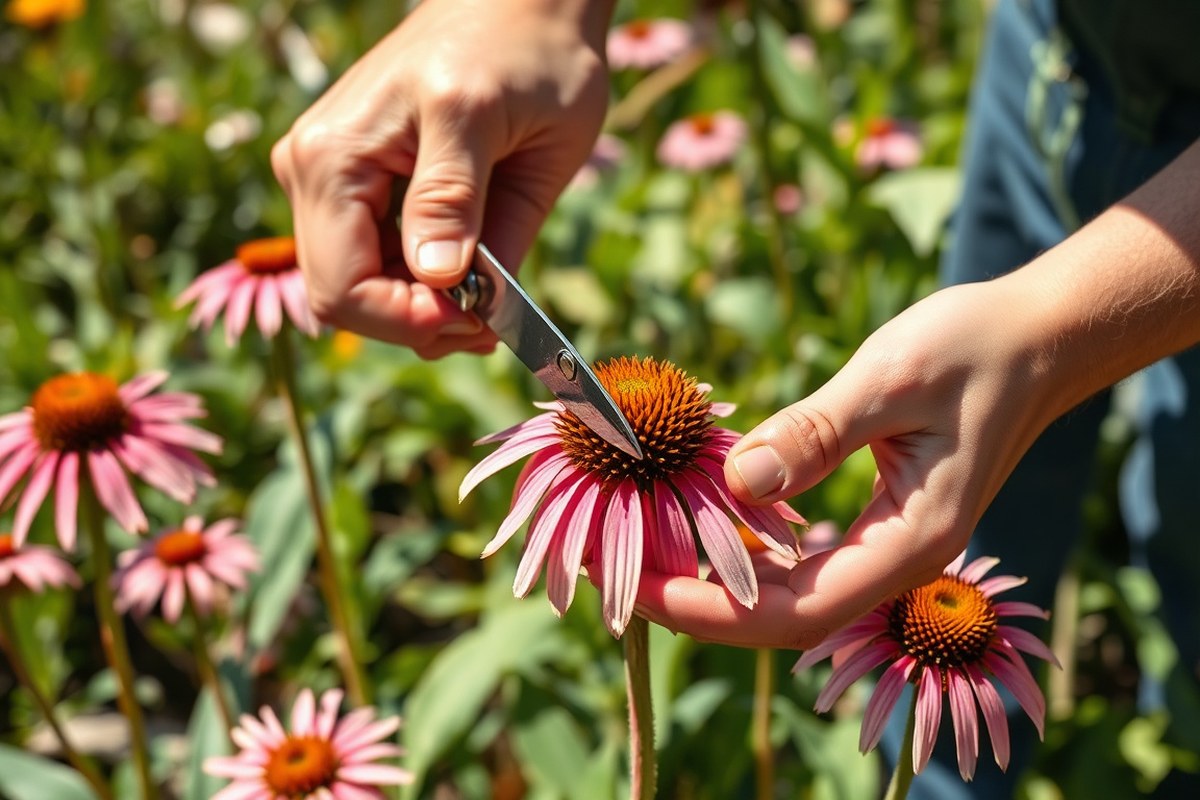
Figuring out how to collect echinacea seeds starts with timing. You want to wait until the seed heads turn brown and dry on the plant.
This usually happens in late summer or early fall. Pull the whole head off carefully to avoid losing any seeds.
Next, remove the seeds from the head by rubbing or shaking. Handle them gently so you don’t crush or damage the seeds.
Use a bowl or bag to catch falling seeds and prevent mess. Then, spread them out on a clean surface to dry for about 30 to 60 minutes.
Drying seeds properly is key to stopping mold from forming later. Let them dry at room temperature in a well-ventilated place.
When the seeds feel completely dry, store them in a cool, dark place like a refrigerator. Keeping humidity low helps them stay viable for years.
Key Takeaways
- Collect echinacea seed heads only when fully brown and dry on the plant.
- Remove seeds by gently rubbing or shaking the seed heads over a container.
- Dry seeds in a single layer for 30 to 60 minutes to avoid mold.
- Store seeds in cool, dark conditions with humidity below 50 percent.
- Use small breathable containers or zip-loc bags only with fully dry seeds.
- Keep seeds between 32°F and 50°F for the longest shelf life.
How to Collect Echinacea Seeds Step-by-Step

Harvest echinacea seeds in late summer or early fall. The seed heads turn a uniform brown when seeds mature. Watch for dry, brittle cones that crack if you gently press them.
Check the cones daily as seeds ripen at different speeds. Seeds should look plump and dark through the bracts. Avoid harvesting before the seeds fill out or after birds have picked them.
Use sharp garden shears to cut dry seed heads off. Put the heads directly into a container to catch falling seeds. Stop watering the plants once the cone starts maturing to help drying.
- Wait for seed heads to turn brown: Look for uniform brown bracts with no green left. The cone should feel dry and crack easily under touch.
- Observe seed plumpness: Seeds inside should be dark, round, and plump, not flat or shriveled.
- Cut seed heads carefully: Use sturdy garden shears to snip off mature cones. Hold heads over a container to catch any loose seeds.
- Collect seeds from two spots: Seeds collect inside the cone and between the dry bracts. Shake or gently rub heads to free them.
- Check for birds: Pick seed heads before birds, especially goldfinches, remove too many seeds.
- Place seed heads in a dry container. Keep them in a spot with good air flow. Avoid direct sunlight while you gather all seed heads.
Seeds ripen unevenly, so gathering daily may be needed. Stop watering your echinacea about a week before harvest. That speeds seed drying and reduces mold risk.
This method usually takes around two weeks from first color change to full harvest. You need at least two mature plants for good seed pollination and seed set. Seed heads should be fully dry but not fallen when picked for best results.
How to Remove Seeds from Echinacea Seed Heads Effectively

Removing echinacea seeds from dry seed heads works best with care. You should use gentle methods to protect the seed coat. Handling seeds roughly can damage them.
You can break the seed heads apart by hand. Another way is to shake them inside a container.
This helps to loosen the seeds. After that, separate seeds from debris using a screen or blowing air.
Manual Breaking and Tapping Method
This method works well for a small number of seed heads. The seed heads dry into firm cones with prickly scales around the seeds. Opening the cones by hand helps release the seeds with minimal damage.
Hold a dried seed head over a bowl or clean paper. Gently break it apart by prying it open from the center. Tap or shake it slightly to let the seeds fall out.
- Pick fully dried seed heads with brown bracts that feel firm.
- Hold the seed head over a container or paper for easy collection.
- Use your fingers to pry the cone open from the center gradually.
- Tap the seed head gently to loosen the seeds inside.
- Collect the seeds that drop out carefully, avoiding rubbing them.
- Repeat with all seed heads you want to harvest.
Wear gloves or handle gently as dried seed heads have prickly scales that can irritate skin.
Using a Container Shake Method
When you have many seed heads, shaking them in a closed container is faster. This method helps to release the seeds quickly. It saves time compared to breaking heads by hand.
This method helps remove seeds efficiently without scraping them and risking damage. Use a durable container, like an empty plastic coffee can or jar with a lid.
Put several dried seed heads inside the container. Seal the lid tightly. Shake the container vigorously for about 20 seconds to knock loose the seeds.
- Collect multiple fully dried seed heads and remove any loose debris.
- Place seed heads into a sturdy, sealable container.
- Close the lid tightly to prevent seeds from escaping.
- Shake the container up and down vigorously for 15 to 30 seconds.
- Open the container and pour out the shaken mix onto a sheet or tray.
- Separate seeds from leftover plant bits using a sieve or blowing.
Avoid shaking too long to prevent breaking seeds and reducing viability.
Separating Seeds from Debris
Once seeds are loose, they come mixed with chaff and small bits of dried plant. Clean seeds by sieving or blowing gently. Good seed cleaning prevents mold during storage and improves planting success.
Use a screen with holes smaller than the seed size to filter out debris. Gently blow or fan the mix so lighter chaff blows away, leaving heavier seeds behind.
- Spread the mixed seeds and debris thinly on a flat surface or sieve.
- Shake or stir the mix gently to separate fine debris from seeds.
- Blow lightly across the seeds to remove lighter bits of chaff.
- Repeat sieving or blowing until mostly clean seeds remain.
- Store fully cleaned seeds in a dry, airtight container.
Never use strong air blows that scatter seeds; a gentle breeze works best.
Proper Drying Techniques to Prevent Mold on Seeds
After collecting echinacea seeds, let them dry well to avoid mold growth. Lay the seeds out in a single layer on clean paper towels, cardboard, or a mesh rack. Keep them in a dry area with good air circulation for at least seven days.
Choose a cool, dark place to dry your seeds, ideally around 40°F to 60°F. Avoid humid or warm areas, as moisture can linger and cause seeds to mold. When it’s damp outside, place seed heads on a mesh screen to dry before gathering seeds.
- Use paper bags with tiny holes to let moisture escape
- Place seeds on a paper plate or towel to dry evenly
- Keep drying area free from direct sunlight to avoid overheating
- Turn or shake seeds gently every day to air them out
- Check seeds regularly for any soft spots or signs of mold
- Never pile seeds up; spread them thin to speed drying
Completing the drying process means seeds feel dry and hard to the touch. Proper drying lowers internal moisture and cuts the chance of fungal growth. Seeds left damp often turn moldy after storage and lose their ability to sprout.
Pick seeds on a clear, dry day before they drop from heads. After drying, keep seeds in sealed containers out of heat and light. This method keeps the seeds viable for future planting.
Best Storage Methods for Echinacea Seeds
Keep echinacea seeds viable by storing in a dark, cool, dry spot. Ideal temperatures range from 32 °F to 50 °F (0 °C to 10 °C).
A refrigerator is great for storing seeds long-term. A cool pantry works for shorter times.
Seeds last longest if kept low in humidity and sealed in airtight containers. Paper envelopes inside plastic photo storage containers offer good protection against moisture and light. Avoid storing seeds where temperatures fluctuate or get too warm, since they lose potency.
| Storage Option | Temperature Range | Humidity Level | Duration | Notes |
|---|---|---|---|---|
| Refrigerator | 32 °F to 50 °F (0 °C, 10 °C) | Low (airtight container) | Up to several years | Best for preserving seed viability long term |
| Cool Pantry | 50 °F to 70 °F (10 °C, 21 °C) | Low to moderate | Few months | OK for short-term; avoid humidity spikes |
| Room Temperature | Above 70 °F (21 °C) | Variable | Less than a month | Seeds lose viability quickly at warm temps |
Check the seeds for dryness before storage. You can let the seeds dry for about a week after cleaning.
Dry seeds are firm, not soft or damp. Any leftover chaff won’t harm seed viability but keep containers sealed tight.
In humid climates, moisture can ruin seeds fast. Use desiccants like silica gel packets inside containers.
Label the containers with the date so you track their age. Refresh seeds every 2 to 3 years for best results.
Why and How to Cold Stratify Echinacea Seeds Before Planting
Echinacea seeds need a cold, damp period before planting to germinate well. This process, called cold stratification, mimics winter conditions and helps break the seeds’ natural dormancy. Without it, you’ll get poor or uneven sprouting.
Purpose of Cold Stratification
Cold stratification softens the seed coat and activates the embryo inside. Echinacea seeds have a built-in dormancy to survive winter.
So they won’t sprout right away. Chilling and moistening them tricks the seeds into thinking winter has passed.
This chilling breaks dormancy and improves germination rates. Seeds that are not cold-stratified may take much longer to sprout or not sprout at all. So, stratification gives you a head start on growing strong plants.
Preparing Seeds for Stratification
Before chilling, seeds need light moisture. Dry seeds won’t respond well to stratification. Slightly damp sand, peat moss, or paper towels keep seeds moist.
They should not be soaking wet. This helps seeds sprout without rotting.
Place the seeds in a breathable bag or container with the damp medium. Seal it loosely to keep humidity without causing mold. Handle seeds gently to avoid damaging the tiny embryos inside.
Stratification Timing and Temperature
Set your fridge to about 40°F (4°C). This temperature is cold enough to break dormancy but not so cold that seeds freeze. Keep seeds cold for roughly 10 to 14 days.
After chilling, plant the seeds indoors in seed trays under grow lights. A short stratification period works well for echinacea.
Too long can reduce seed vigor or cause rot. So check seeds every few days.
- Gather dry, mature echinacea seeds removed from stiff seed heads.
- Dampen clean sand, peat moss, or paper towels until moist but not dripping.
- Mix seeds gently into the moist medium or place between damp paper towels.
- Put the seeds and medium into a resealable plastic bag or container with holes.
- Label the bag with the date so you track the chilling period.
- Place the bag in your refrigerator, away from fruits that emit gases.
- Keep seeds chilled for 10 to 14 days, checking moisture levels weekly.
- Remove seeds and plant promptly indoors to encourage fast sprouting.
Don’t put seeds in the freezer; extreme cold can kill them.
Common Mistakes When Collecting and Saving Seeds
One common mistake is picking seeds before the cone turns brown and dry. Green or soft seeds often lack viability and won’t sprout. Wait until the seed head is fully matured for better germination rates.
Using a sieve with holes that are too large can let tiny seeds slip through. This loss reduces how many plants you can grow later. Choose a fine mesh sieve to catch even the smallest seeds.
Storing seeds that are damp or not completely dry often causes mold growth. Mold kills seeds and wastes your effort. Dry seeds for at least a week in a warm, dry spot before putting them away.
- Always wait until the seed cone is brown and dry, not green
- Use a fine mesh sieve to avoid losing tiny seeds
- Dry seeds thoroughly for a week to stop mold
- Store seeds in a cool, dark place in an airtight container
- Label seed packets with collection date and variety
- Avoid storing seeds where temperatures exceed 70°F (21°C)
- Handle seeds gently to avoid damaging the seed coat
Seeds often fail to germinate because of poor timing in collection. Immature seeds lack stored energy needed for sprouting. Too much moisture during drying or storage also kills seeds before planting.
Damaged or cracked seed coats from rough handling reduce seed life. Treat seeds carefully during removal and drying. This care helps keep the seed coat intact and improves germination chances.
Keeping seeds in places with large temperature swings or direct sunlight shortens viability. Cool, dark storage around 40 to 50°F (4 to 10°C) preserves seed health. This step lets you grow echinacea plants from saved seeds for years ahead.
Environmental Considerations When Collecting Seeds
Collecting echinacea seeds means thinking about local wildlife. Birds depend on these seeds in autumn and winter, when food is hard to find. Taking all seeds leaves no food for them.
Leave at least half of the seed heads on the plant for birds and future plants. This helps maintain the local ecosystem. It also supports natural reseeding in your garden come spring.
Wait for the plant’s seed heads to dry fully on the stalk before collecting. The plant gives clear signs when seeds are ripe and dry. Picking too early means the seeds might not be mature or viable.
Use this checklist to balance seed collection and nature care:
- Identify the plant to confirm it’s echinacea before collecting seeds.
- Leave 50% or more of seed heads untouched for birds and wildlife.
- Collect seeds only after seed heads dry and harden on the plant.
- Avoid taking seeds from wild or endangered populations without permission.
- Harvest seeds in small amounts from several plants for better genetic diversity.
- Keep the surrounding plants intact to support insects and pollinators.
- Follow local guidelines for seed collection to protect native ecosystems.
Collecting this way lowers impact on the environment by keeping natural food sources alive. It also reduces dependence on commercial seeds, which carry an ecological cost. You’ll know you’re doing it right when birds still frequent your garden all winter.
Testing Seed Viability and Germination Success
You can quickly check if your echinacea seeds will sprout by doing a simple germination test. This helps you avoid planting seeds that won’t grow, saving time and effort. Testing also shows how well your seeds were collected and stored.
Conducting a Germination Test
A germination test uses paper towels to mimic soil conditions. It gives you an idea of what percent of seeds might sprout. You only need a few seeds, some paper towels, and a plastic bag or container.
Follow these steps to test viability:
- Moisten two paper towels until damp but not dripping.
- Place about 10 seeds evenly spaced on one towel.
- Cover the seeds with the second damp towel.
- Put the towel sandwich into a plastic bag or container.
- Seal it loosely to allow some air but keep humidity.
- Keep the setup in a warm spot around 70°F (21°C).
- Check daily to keep towels moist and look for sprouting.
- After 10 to 14 days, count the sprouted seeds and calculate the rate.
Don’t let the towels dry out or stay soggy; either hurts germination.
Ideal Conditions for Starting Seeds Indoors
Seeds like warmth, light, and steady moisture to sprout well. Keep soil or growing medium moist but not soggy. Temperatures near 70°F support good germination for echinacea seeds.
Make sure seedlings get indirect sunlight or a grow light for 12-16 hours daily. Avoid placing seed trays in drafts or where temperature swings a lot. With proper care, most viable seeds will sprout in 10-20 days.
Tips for Transplanting Seedlings Outdoors Safely
Move young echinacea plants outside only after hardening them off for 7-10 days. Gradually expose seedlings to outdoor conditions by increasing their time outside each day. This reduces shock from sun, wind, and cooler nights.
Plant seedlings in well-prepared soil after all frost danger is gone. Sow seeds or transplant seedlings ¼ inch deep in loose, fertile soil with good drainage. Keep the soil moist until plants establish themselves, usually a couple of weeks.
Don’t plant seedlings outside until night temperatures stay above 50°F consistently.
Step-by-Step Action Plan for Echinacea Seed Success
Follow these clear steps to collect, dry, store, and prepare your echinacea seeds. You’ll get healthy seeds ready for planting.
- Late summer or early fall: Pick seed heads when dry and brown. Do this before birds eat them.
- Right after harvesting: Rub seed heads gently between your hands. Or use a screen to remove seeds.
- Within 3 days of collecting: Spread seeds thin on a paper towel. Keep them in a cool, dry place out of sun.
- One week later: Check seeds for dryness and mold. Discard any that look soft or have white fuzz.
- After drying: Put seeds in an airtight container with a desiccant. Label it with the collection date.
- Before planting season: Moisten a paper towel and place seeds inside. Put it in a sealed bag in the fridge for 30-60 days.
- After stratification: Test germination by planting a few seeds indoors. Use this to plan your garden spacing.
Frequently Asked Questions
Can You Harvest Seeds from Echinacea?
Yes, you can harvest seeds from echinacea after the flower heads turn brown. Wait until the seed heads are dry and black before collecting for best results.
Is Echinacea Difficult to Grow from Seed?
Echinacea is not too hard to grow from seed but needs cold stratification. Seeds require about 21 days of chilling to germinate well.
Why Is Echinacea Not Recommended Long Term?
Echinacea plants may decline after several years due to disease or crowding. It’s good to refresh plants by growing new ones from seeds every few years.
Can I Just Throw Coneflower Seeds in the Ground?
You can plant coneflower seeds directly, but cold stratifying first improves germination. Also, scatter seeds where conditions are right for them to grow.
How to Collect Echinacea Seeds?
Collect seeds when the cone is brown and dry, usually late summer or fall. Pluck the entire seed head, then carefully remove and dry seeds before storing.
Do Echinacea Seeds Need More Than One Plant for Good Seed Production?
Yes, echinacea seeds need cross-pollination from multiple plants. Having at least two plants improves seed viability and garden success.
Final Thoughts
Collecting and preparing echinacea seeds, step by step, helps you grow strong plants from scratch. Start by choosing healthy, dry seed heads on your plant today. That first harvest gets you closer to a thriving garden next season.