How to Plant Peppers: A Complete Guide with Proven Growing Tips
Knowing how to plant peppers starts with choosing the right time and place. You want to start seeds indoors about 8 to 10 weeks before the last frost date. This way, they grow strong and ready to go outside when temperatures are steady above 70°F.
Once the seedlings are ready, pick a sunny spot with well-drained soil for planting outdoors. Space pepper plants 18 to 24 inches apart. This gives them room to spread out.
Good airflow helps keep them healthy. This spacing helps reduce disease problems and keeps your plants healthier.
Be sure to water peppers carefully, about 1 to 2 inches a week, and avoid overwatering. Peppers need warmth day and night, ideally between 70 and 85°F during the day. Keeping these conditions in mind sets you up for a strong, productive pepper harvest.
Key Takeaways
- Start pepper seeds indoors 8 to 10 weeks before the last frost.
- Choose a sunny spot with well-drained soil for planting outdoors.
- Space pepper plants 18 to 24 inches apart to allow airflow.
- Water peppers with 1 to 2 inches per week, avoiding overwatering.
- Maintain daytime temperatures of 70 to 85°F for best growth.
- Transplant the seedlings only when nighttime temps stay above 60°F.
When and How to Plant Pepper Seeds for Best Results
Start pepper seeds indoors 8 to 10 weeks before the last spring frost. You need warm soil between 80 and 90°F for good germination. Use a heat mat under the seed trays to maintain this temperature.
Plant seeds about 1/4 inch deep in seed-starting mix. Water them gently but keep the soil moist. Seeds usually sprout within 7 to 14 days if warmth is steady.
Once seedlings appear and grow two true leaves, thin them to one strong plant. Then begin hardening off by exposing them gradually to outdoor conditions over 7 to 10 days.
- Fill seed trays with a well-draining seed-starting mix.
- Plant 4, 6 seeds per cell or pot, 1/4 inch deep.
- Set trays on a heat mat to keep soil temp at 80, 90°F.
- Water gently to keep soil moist but not soaked.
- Move trays to bright, indirect light once seeds sprout.
- Thin seedlings to one per cell after two true leaves form.
- Start hardening off 4, 6 weeks after sowing. Take seedlings outside for short periods daily.
- Transplant peppers outdoors after the last frost date. Make sure soil is above 65°F. Space plants 18 to 24 inches apart.
Transplant only when nighttime temps stay above 55°F. Soil should be at least 65°F. Wait for both conditions before planting. Peppers are not cold hardy. So planting too early can stunt growth or kill plants.
Plant seedlings 18 to 24 inches apart to give them room to spread. Choose a cloudy day for transplanting if possible, and water well after planting. This helps reduce transplant shock.
Choosing the Right Site and Soil for Pepper Plants

Choose a spot where peppers get at least 8 hours of full sun daily. Sunlight boosts their growth and fruit production. The more sun they receive, up to 10 hours, the better their yield.
Peppers need soil that drains well to prevent root rot. Sandy loam or loam soil works best because it holds moisture but doesn’t stay soggy. Avoid heavy clay or poorly drained areas to keep roots healthy.
The ideal soil pH for peppers ranges from 6.0 to 6.8. This slightly acidic to neutral range helps plants absorb nutrients properly. You can test your soil pH with affordable kits from garden centers.
Improving your soil starts by mixing in organic matter like compost or aged manure. Spread a 2 to 3 inch layer over the garden bed.
Then, till it into the soil about 6 to 8 inches deep. This adds nutrients and improves texture so roots grow well.
You might also add a balanced fertilizer that includes nitrogen, phosphorus, and potassium. Follow package instructions to avoid overfeeding. Too much nitrogen will create lots of leaves but fewer peppers.
Before planting, make sure soil temperature is above 65°F. Cold soil slows growth and may cause seedling shock. Use a soil thermometer or plant peppers after nighttime temps stay above 50°F consistently.
Wait for consistently warm soil before transplanting peppers to prevent poor growth or death.
Spacing and Planting Pepper Seedlings Outdoors
Pepper plants need enough space to grow healthy and produce well. Space seedlings 18 to 24 inches apart in the garden bed. Plant them at the same depth they grew in the pots.
This helps them adjust without stress. You can arrange them in rows or staggered patterns for good airflow.
Optimal Plant Spacing Guidelines
Leave 18 to 24 inches between pepper plants for enough space. This gives room for roots and leaves to spread.
Crowding can stunt growth. Keep rows 2 to 3 feet apart to allow air and sunlight to reach plants easily.
Use staggered rows to fit plants closer in your garden. Space each plant 12 to 18 inches apart in each row.
This arrangement saves space. This helps maximize space in smaller beds without crowding them.
Check your seedling tag for any variety-specific spacing needs. Bell peppers grow best with about 18 inches between plants.
Keep 2 to 3 feet of space between rows. This allows good air flow.
Transplanting Seedling Step-By-Step
Plant seedlings at the same depth they had in containers. Avoid planting deeper by burying stems; peppers can rot that way. This is unlike tomatoes.
Water the seedlings deeply as soon as you plant them. This settles the soil and reduces transplant shock.
Protect new plants from wind or heavy sun the first few days. Use shade cloth or plant in a sheltered spot if needed.
- Dig a hole slightly larger than the seedling’s root ball.
- Set the seedling in the hole at the same soil depth it was in its container.
- Fill the hole carefully with soil and gently press down to remove air pockets.
- Water the plant deeply right after planting to soak the roots.
- Add mulch around the base to keep soil moist and prevent weeds.
- Place a stake nearby if you expect strong winds to protect the stem.
Garden Row Patterns and Bed Layouts
Single rows work well in narrow beds or garden strips and are easy to maintain. Space rows 2 to 3 feet apart for good airflow and sunlight access.
In wider beds (2 to 3 feet or more), plant two staggered rows. This arrangement fits more plants in while leaving enough room to walk and care for them.
Staggered rows reduce leaf overlap and help air flow through the plants. That lowers disease risk and lets peppers ripen evenly.
Watering, Lighting, and Temperature Needs for Healthy Peppers
Pepper plants need 1 to 2 inches of water each week. Give them a deep watering, then wait one or two days until the soil feels dry. Avoid watering too much because soggy soil can hurt roots and stunt growth.
When peppers are young, they might need watering every few days. As they grow and soil warms, watering daily may become necessary, especially in heat.
Mild drought stress can boost the heat in spicy peppers. But bell peppers prefer consistent moisture.
Peppers thrive with 6 to 8 hours of sunlight every day. Place them where they get full sun. But be careful in very hot climates with strong afternoon rays.
Sunscald can damage leaves and fruit on young plants. This happens before plants grow enough leaves to shade the peppers. Protect your plants until the leaves fully cover the fruit.
Daytime temperatures between 70 and 85°F promote strong growth and fruit setting. Bell peppers set fruit best around 70 to 80°F. Hot pepper varieties do better with slightly warmer weather. Night temperatures should stay above 60°F for healthy blooming and fruit production.
Night temperatures under 55°F can stop flowers from growing fruit. Daytime temps over 95°F can do the same. Keep track of your local temperature to protect your plants.
Use shade cloth when temperatures rise above 90°F. This helps keep pepper plants from getting heat stress. Protect plants during the hottest part of the day.
Peppers do not tolerate sudden cold or frost. So wait to plant outside until nights stay above 50°F.
Supporting and Caring for Pepper Plants as They Grow
Use a sturdy stake or small tomato cage to support each pepper plant. Insert the stake early, soon after planting, avoiding broken branches as the plant grows. Tie the plant gently with garden velcro or soft string.
Make sure it’s not tight enough to hurt the stem. Check that the tie holds the plant without squeezing.
Pruning or topping peppers encourages bushier growth and stronger stems. Pinch off the top 1 to 2 inches of the main stem. Do this once the plant has 6 to 8 sets of leaves.
This helps the plant grow bushier. This helps peppers grow sideways and better resist wind damage.
Choose fertilizers that are low in nitrogen but high in phosphorus and potassium. Apply a balanced fertilizer every 3 to 4 weeks during active growth. This avoids too much leaf growth and helps peppers produce more fruit.
Mulching around pepper plants helps keep soil moist and prevents weeds. Use organic mulch like straw, grass clippings, or marsh hay. Spread it 2 to 3 inches thick around each plant.
The mulch keeps soil moist and cool. Mulch also builds up soil organic matter over the season.
- Stake peppers early; use garden velcro or soft string to tie gently.
- Top plants by pinching main stem after 6 to 8 leaf sets.
- Fertilize every 3 to 4 weeks with low-nitrogen fertilizer.
- Mulch 2 to 3 inches around plants to retain moisture and prevent weeds.
- Check plants regularly for signs of stress or pests.
- Water deeply but avoid waterlogged soil to reduce disease risk.
- Remove any damaged or diseased leaves promptly.
Keep an eye on your pepper plants through the season. Water them deeply about once a week, adjusting for rainfall and container needs. Remove leaves that look sick to avoid spreading disease.
Start staking peppers early to prevent damage and make tying easier later.
Common Problems and How to Fix Them in Pepper Growing
Blossom end rot shows up as dark, sunken spots at the bottom of peppers. It happens when the plant lacks calcium, often caused by uneven watering. Keep soil evenly moist by watering it a few times each week.
This is very important in hot weather. It helps stop this problem.
Avoid letting pepper fruits touch bare soil, which can speed up rot. Mulching around plants helps keep moisture steady and protects fruits. Remove peppers with blossom end rot to stop it from spreading.
Pests like aphids, flea beetles, and hornworms are common pepper problems. Look closely at leaves for tiny bugs or holes. Spray insects off with strong water or use insecticidal soap every few days until pests clear.
Leaf miners leave winding trails inside leaves, damaging plants. Prune and destroy affected leaves to cut their numbers. For hard pest cases, pick out caterpillars by hand, wearing gloves.
Peppers can face several diseases, such as bacterial leaf spot and powdery mildew. To lower risk, grow pepper varieties labeled disease-resistant. Remove dead or sick leaves quickly and avoid overhead watering to reduce moisture on leaves.
Nutrient deficiencies hurt pepper growth and fruit quality. Yellow leaves often mean nitrogen shortage, while purple-tinged leaves can show a phosphorus lack. Use balanced fertilizer as per package directions or add compost before planting for steady nutrition.
Environmental stresses like intense heat and inconsistent watering cause flower drop and weak peppers. Shade plants during hottest afternoon hours with cloth or shade cloth. Keep soil moist but never soggy, since both drying and overwatering harm peppers.
How to Harvest Peppers and Store Them Properly
Peppers are ready to harvest when they reach the right size and color for their variety. You can pick many peppers green or wait to harvest them fully colored for better flavor. Use scissors or pruning shears to cut peppers with a short stem to avoid plant damage.
Visual Ripeness Signs for Harvesting
Look for color change in peppers: green, yellow, orange, or red, depending on type. Size matters too; peppers should reach their typical mature size before picking. Firmness shows if the pepper is ripe.
Soft spots mean damage or overripe. Check texture carefully before picking.
Sweet peppers usually taste best when fully colored and firm. Hot peppers can be picked green for less heat. Wait for full color to get more spice.
Choose based on your taste. Look at seed packets for size info.
Bell peppers grow 3 to 4 inches wide. Jalapeños are 2 to 3 inches long.
Harvesting Technique
Cut peppers from plants with pruning shears or scissors to prevent damage. Leave 1 to 2 inches of stem attached.
It helps the pepper last longer after harvest. Avoid pulling peppers off by hand since it can hurt the plant and reduce future harvests.
Use clean tools, wiping blades with rubbing alcohol before use to prevent spreading diseases. Pick peppers during dry weather to reduce rot risk during storage. Handle peppers gently to avoid bruises that spoil faster.
- Check peppers daily for size and color changes.
- Prepare clean pruning shears or scissors.
- Cut peppers off with 1 to 2 inches of stem attached.
- Place harvested peppers gently in a shallow container or basket.
- Avoid cutting or crushing peppers during picking or transport.
- Harvest in the morning when temperatures are cooler.
Storage Recommendations
Store whole peppers at 45-50°F with 85-90% humidity for best shelf life. Under these conditions, fresh peppers last up to three weeks. Avoid storing peppers in a fridge’s coldest part where chilling injury can occur.
Peppers kept at room temperature last about 1 to 2 weeks but lose crispness quickly. Keep peppers dry to prevent rot; do not wash before storing. Peppers starting to change color can ripen indoors.
Keep them at room temperature. They take up to 3 days to ripen.
Planting Peppers in Containers vs. Garden Beds Compared
Growing peppers in containers or garden beds both work well if you follow the right steps. Container peppers need about five-gallon pots and nutrient-rich potting mix.
Garden peppers require soil amendment and space. But they benefit from natural drainage and root room.
Container Size and Type Options
Peppers grow best in containers holding at least five gallons of soil. This size fits compact or dwarf varieties like Patio Belle and Jalapeño M. Clay or plastic pots both work. But ensure they have drainage holes.
Larger containers offer more moisture retention and greater root space. Outdoors, garden beds don’t limit root growth and can hold more plants.
But soil quality can vary more. Choose containers that fit your available space and sunlight.
| Plant Type | Container Size | Suggested Variety |
|---|---|---|
| Container-grown | 5 gallons or more | Lunchbox, Patio Belle, Jalapeño M |
| In-ground (garden bed) | Unlimited root space | Sweet bells, heirlooms, chiles |
Keep your container size consistent with the pepper variety. Avoid very small pots, which dry out quickly and stunt growth.
Soil and Fertilizer Differences
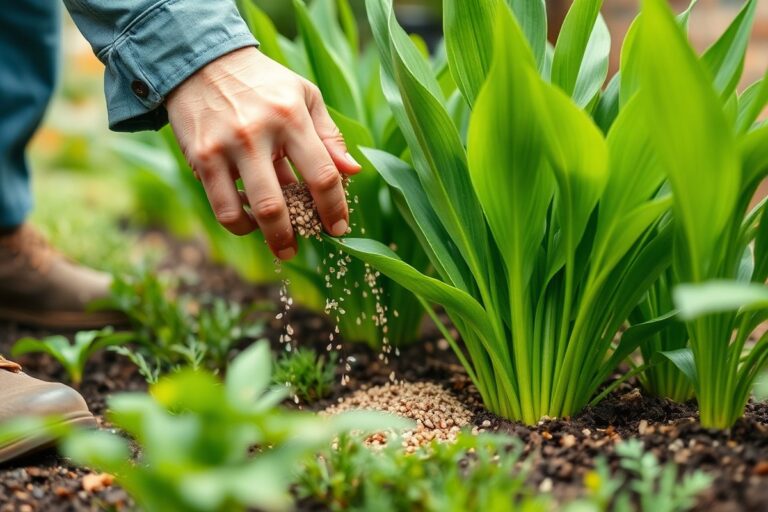
Use organic potting mix made for tomatoes or peppers in containers. It holds moisture yet drains well. Garden beds need amendment with slow-release granular fertilizer two weeks before planting.
Mix continuous-release fertilizer into container soil and replenish during growth. In gardens, apply 2, 3 pounds of 5-10-5 fertilizer per 100 square feet just before planting. Place fertilizer 6 inches beside the plant in beds and water it in.
Potting mix is more expensive but has fewer weed seeds than garden soil. If you have many plants, garden beds will cost less long term.
Mix fertilizer into soil before planting, not just on top, to avoid root burn.
Watering and Sunlight Needs
Container peppers dry faster. So water until it drains, then let the top inch dry.
Garden peppers need more consistent watering but soak less frequently. Use mulch outdoors to retain moisture.
Both container and in-ground peppers need full sun, six to eight hours daily. Avoid shading container peppers too much since pots heat up and dry quickly. Garden beds might tolerate morning shade if afternoon sun is strong.
Adjust watering based on weather and container size. In hot, dry climates, containers may require daily checks. Garden beds stay moist longer.
Step-by-Step Action Plan for Growing Peppers
Follow these steps to plant peppers successfully and enjoy a healthy harvest.
- Before you start: Choose a sunny site with well-drained soil. Test soil pH aiming for 6.0 to 6.8 for best growth.
- Weeks 1-2: Start seeds indoors in seed trays 8 to 10 weeks before last frost. Keep soil moist and warm (70-85°F) to encourage germination.
- Week 4: Thin seedlings or transplant to bigger pots when they have two sets of leaves. Check for healthy, strong stems.
- Week 8: Harden off seedlings by placing them outside a few hours daily for 7-10 days. Look for signs they adjust without wilting.
- After last frost: Plant seedlings outside spaced 18 to 24 inches apart. Water deeply right after planting and check soil stays moist but not soggy.
- Weeks 9-16: Stake or cage plants as they grow. Prune lightly if necessary to keep airflow. Watch for pests or diseases and treat promptly.
- Week 12 and onward: Harvest peppers when they feel firm. Wait for their full color change. The time varies by pepper variety. Store in a cool, dry place for best freshness.
Frequently Asked Questions
What Month Should You Plant Peppers?
Plant peppers outdoors after all danger of frost passes. This usually means late spring. Soil should be warmer than 60°F. Peppers need this warmth to grow well.
What Are Common Pepper Growing Mistakes?
Common mistakes include planting too early in cold soil and overwatering young plants. These mistakes stress peppers and stunt their growth.
Wait for warm soil. Keep watering steady but not too much.
What Should You Not Plant Next to Peppers?
Avoid planting peppers near beans or fennel, as they can stunt pepper growth. Don’t plant peppers after tomatoes or potatoes.
These plants share pests and diseases. This stops problems spreading in your garden.
How Many Years Does It Take for Pepper to Grow?
Peppers grow and mature in a single growing season, usually within 2 to 3 months. Peppers grow fast.
They don’t need years to mature. You can harvest them in just a few months.
How Do You Prevent Pepper Plants from Falling Over?
Push a 2-3 foot stake into the soil near young plants. This support holds peppers upright. It also stops root damage as the plant grows.
Can Pepper Plants Be Grown Indoors Successfully?
Yes, you can grow peppers indoors with enough light and warmth. Give peppers 8-10 hours of strong sun or use grow lights. Keep temperature between 70-80°F. This helps peppers grow best.
Before You Go
Growing peppers takes a bit of attention but pays off well. Start with good soil and the right timing. Plant a few seeds today to get your garden growing strong.