How to Use Diatomaceous Earth: 8 Proven Ways for Fast, Safe Pest Control
Start by applying a fine layer of food-grade diatomaceous earth where you see insects. This powder damages insect exoskeletons, drying them out over several days. It takes about a week for best results.
Choose food-grade diatomaceous earth, which is safer and low in crystalline silica. Apply it only to dry areas like baseboards, garden soil, or under appliances. Avoid wetting the powder because moisture reduces its effectiveness.
Spread a thin, even layer and let it sit for at least 8 to 12 hours before cleaning. Reapply after heavy rain or irrigation outdoors to keep it working well. The powder lasts longer than sprays and avoids harmful chemicals.
Use gloves and a mask while applying to prevent inhaling dust. This method suits natural pest control around your home and garden. It’s a simple, low-toxicity way to manage pests safely.
Key Takeaways
- Use only food-grade diatomaceous earth for safety around people and pets.
- Apply a thin, even layer where pests hide or travel.
- Keep the powder dry to maintain its pest-killing power.
- Leave diatomaceous earth in place at least 8 to 12 hours before cleanup.
- Expect gradual pest control effects over 7 to 17 days.
- Wear a dust mask when applying to avoid inhaling fine particles.
1. How to Apply Diatomaceous Earth for Effective Pest Control
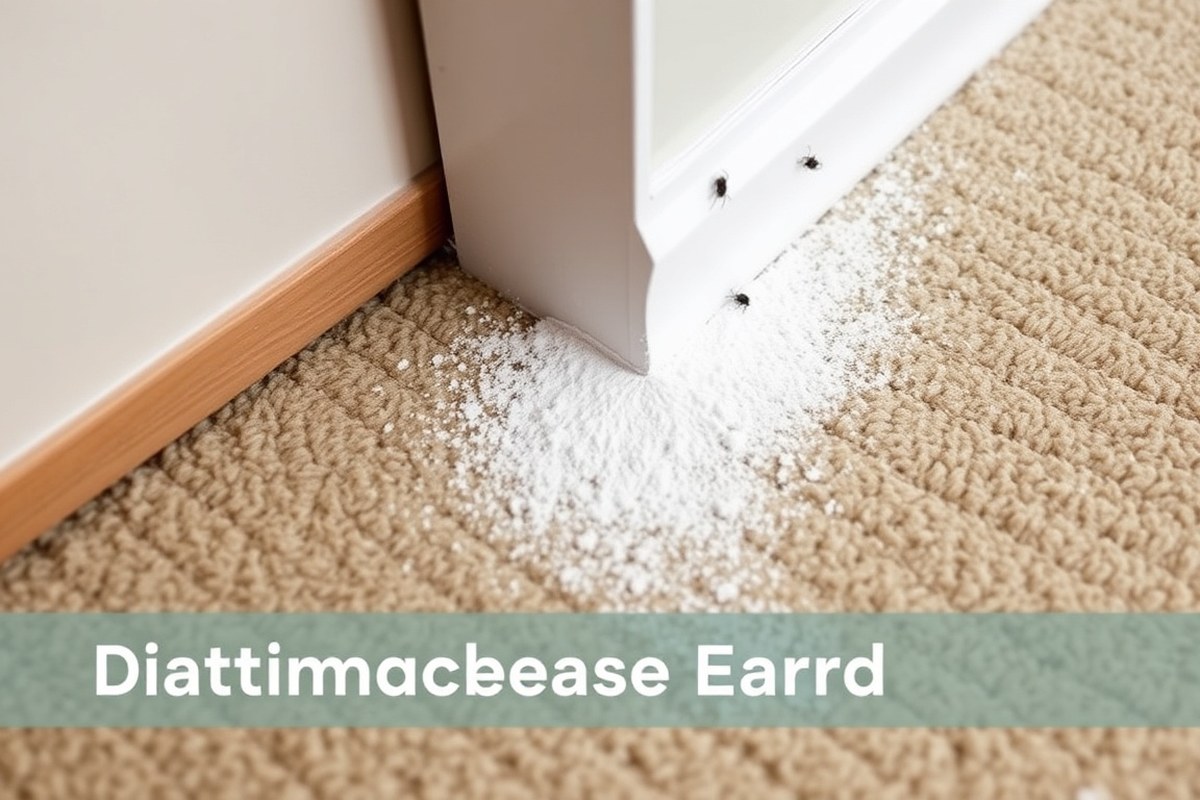
Diatomaceous earth (DE) works best when applied as a dry powder in pest control. Spread a thin, even layer in areas where pests crawl or gather. For indoor use, focus on cracks and crevices. Check baseboards and areas around pet bedding.
These spots target ants, fleas, and bed bugs. In the garden, spread DE in a ring around plants.
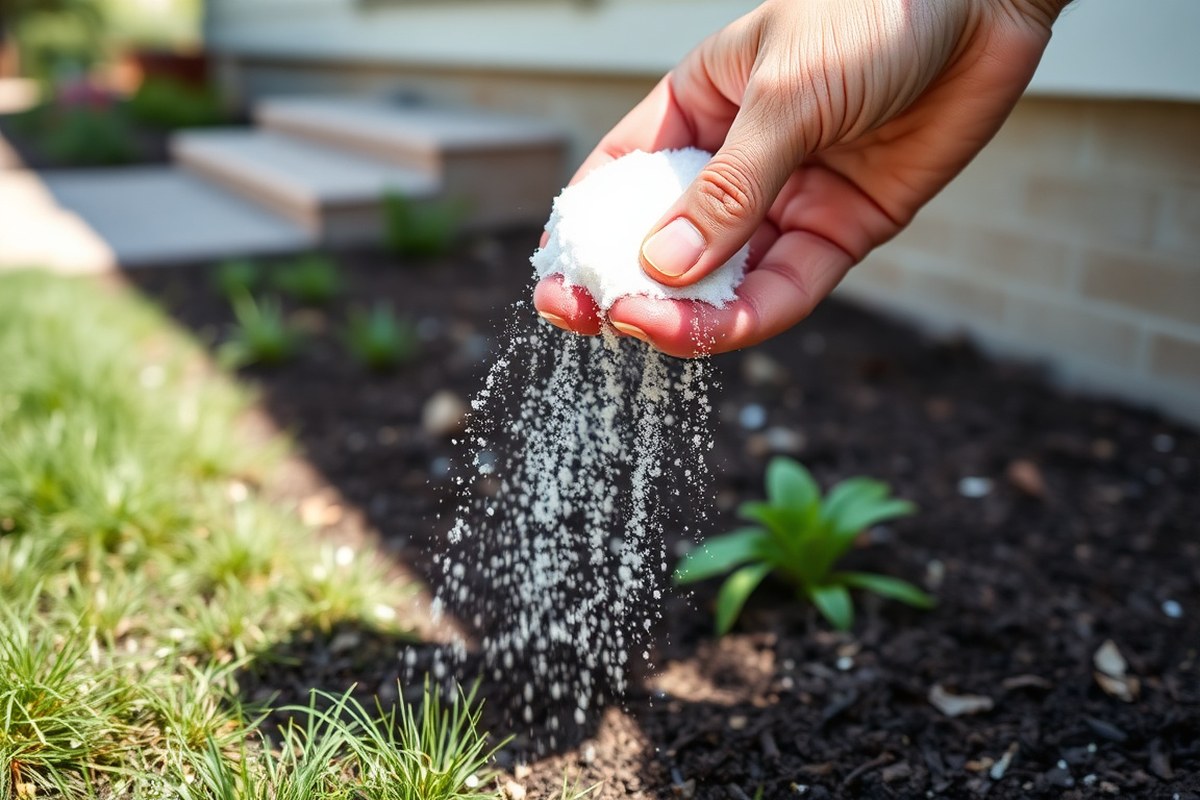
You can also apply it on garden bed edges. This method keeps pests from entering.
Wet applications are not advisable because moisture clumps the powder. Damp DE loses its effectiveness since it must stay dry to cut through insect exoskeletons.
Apply only dry DE and avoid using it on constantly wet or damp soil or surfaces. For outdoor use, choose dry days to spread the powder for best results.
Apply only a thin layer of DE. About 1/8 inch thick is enough. This covers the surface without wasting material.
Using a thick layer wastes powder and can dust off easily, reducing its pest control effect. A small bag costs about $10 to $15.
It covers an average garden or several indoor rooms. This amount works well for most homes.
Leave DE in place for at least one to two weeks. This time helps to kill pests slowly. Don’t disturb or clean it too soon.
The powder works slowly, usually taking 7 to 17 days to affect insects. Clean or reapply after rain or heavy watering outdoors. Inside, keep the powder as long as possible and vacuum only when pest problems end.
- Wear a dust mask. DE powder is fine and can irritate your lungs if inhaled.
- Identify pest paths. Look for cracks, corners, baseboards indoors, and plant bases or garden bed edges outdoors.
- Use a duster or sieve.Puff a thin, even layer of DE in these areas. Make it about 1/8 inch thick. It should be visible but not heavy.
- Avoid wet areas. Do not apply DE where moisture or rain is likely. Choose dry spots and dry days for outdoor use.
- Keep pets and children away. Prevent them from disturbing fresh DE to maintain its effectiveness and avoid inhalation.
- Leave DE for 7 to 17 days. This gives it time to kill pests that contact the powder.
- Reapply if disturbed. Check after rain or watering and add more powder if needed.
- Vacuum or sweep away indoors after pest control. Clean up once pest activity stops to restore normal living space.
2. Choosing the Right Type of Diatomaceous Earth for Each Use

Use food-grade diatomaceous earth for any pest control or soil work near your home. It contains less than 1% crystalline silica, making it safer to inhale or touch. This type can even be used inside your home and around pets.
Pool-grade diatomaceous earth is a different product. It has been heat-treated and contains higher crystalline silica levels. This makes it harmful to breathe and unsafe for use in homes or on animals.
Feed-grade diatomaceous earth is usually meant for pets and livestock. It acts as a parasite cleanser and is safe for ingestion when bought as feed grade. Use this type only for animals and follow dosage directions on the package.
| Type of Diatomaceous Earth | Crystalline Silica Content | Safe for Use | Common Uses |
|---|---|---|---|
| Food-grade | 0.5% to 1% | Yes, safe for humans, pets, soil | Indoor and outdoor pest control, gardening, deodorizing shoes |
| Feed-grade | Similar to food-grade | Safe for pets and livestock ingestion | Internal parasite cleanse for animals |
| Pool-grade | High crystalline silica | No, unsafe to breathe or ingest | Used in pool filters only |
For your home and garden, select food-grade diatomaceous earth. For pets or livestock, choose feed-grade to safely add it to their diets. Avoid pool-grade DE completely, as it poses serious health risks.
Never apply pool-grade diatomaceous earth in or around your home due to its toxic dust.
3. How Diatomaceous Earth Works to Kill Pests over Time
Diatomaceous earth kills insects by physically damaging their bodies. Its tiny, sharp particles scratch the outer shell, called the exoskeleton. This shell helps insects keep water inside, so when scratched, they lose moisture fast.
The powder also absorbs oils and fats from the insect’s waxy layer. That makes it dry out even more quickly. As insects lose water, they die by desiccation within one to three days after contact.
The speed of pest death depends on moisture and pest type. Dry conditions make diatomaceous earth work faster. In humid weather, it takes longer because moisture can coat the particles.
Active pests moving through the powder get coated more evenly. Slow or hidden insects might take more time to contact enough powder.
For example, ants may die in 24 to 48 hours. But bed bugs might take closer to three days.
Diatomaceous earth works only on adult or larval insects, not eggs. Eggs don’t have exposed exoskeletons for the powder to damage. You’ll need to repeat applications to catch new pests hatching after treatment.
Applying the powder where pests crawl or hide helps speed action. Areas like garden soil, plant leaves, or cracks where insects travel are best.
The powder sticks better on dry surfaces. So applying in dry weather gives quicker results.
You’ll notice pests becoming less active and fewer over a few days. If you still see many pests after three days, powder coverage may be thin or damp. Reapplying diatomaceous earth can improve control in those cases.
4. Step-by-Step Guide to Using Diatomaceous Earth Safely
Use diatomaceous earth carefully by protecting yourself from its dust. Wear a dust mask, goggles, gloves, and long sleeves.
Store it in a cool, dry place away from kids and pets. Clean up dust gently without stirring it into the air.
Personal Protective Equipment Needed
Wear a NIOSH-approved dust mask or respirator when applying diatomaceous earth. The dust is very fine and can irritate your lungs if inhaled. Safety goggles protect your eyes from the scratchy dust that might float around.
Long-sleeved clothing and gloves shield your skin from irritation. Even food-grade DE can cause mild discomfort if it brushes against your skin or eyes.
- Dust mask or respirator rated N95 or better
- Safety goggles to prevent eye irritation
- Long-sleeved shirt and pants
- Rubber or nitrile gloves
- Apply DE outdoors or in a well-ventilated area
Wearing this gear only takes a few extra minutes. It prevents coughing, eye redness, and skin itching. Skipping protection risks respiratory irritation that can last days.
Safe Storage and Handling Tips
Keep diatomaceous earth in a sealed container in a cool, dry place. Moisture clumps the powder and reduces its effectiveness. A plastic container with a tight lid works well for home use.
Label the container clearly and store it out of reach of children and pets. Even food-grade DE is not meant to be eaten directly unless it’s in a prepared product. Avoid storing it near food or drink.
- Use an airtight plastic or metal container
- Store in a dry, shaded area below 80°F
- Keep away from kids and pets
- Label container with “Caution: Diatomaceous Earth”
- Do not mix with food unless it’s labeled safe
Good storage keeps diatomaceous earth fresh and easy to use. It also reduces the risk of accidental ingestion or spills.
Proper Cleanup and Disposal Methods
Clean up diatomaceous earth without creating dust clouds. Use a vacuum with a HEPA filter or a damp cloth to pick up powder. Avoid sweeping or dry dusting, which stirs the particles into the air.
If you vacuum, empty the bag or canister outside to prevent indoor dust buildup. For outdoor spills, use a broom or water to settle the dust. Always wear your dust mask during cleanup.
- Vacuum with a HEPA-filtered vacuum cleaner
- Wipe surfaces with a damp cloth for small amounts
- Avoid dry sweeping to prevent dust clouds
- Empty vacuum contents outside, away from living areas
- Dispose of collected material in sealed bags
Proper cleanup stops dust from spreading and harming your lungs. Dispose of leftover DE in the trash, not down drains or yard waste areas.
5. Using Diatomaceous Earth for Pets and Livestock
You can apply food-grade diatomaceous earth to your pets. Also, sprinkle it on their bedding to control fleas, ticks, and parasites.
Use a light dusting and take safety steps to avoid irritation. Pet bedding, blankets, and stalls benefit from thorough but gentle dusting to keep pests away.
Dusting Pet Bedding Effectively
Pest control on pet bedding needs careful dusting to reach hiding fleas. Sprinkle diatomaceous earth evenly over the bedding and work it in lightly with your hands.
Leave the powder on for 24 to 48 hours. Then vacuum or shake out the bedding to remove dead bugs.
Dusting works well on blankets, cushions, and stall floors. Avoid using too much powder on bedding. Thick layers block airflow and might irritate your pet’s skin.
Use a brush or gloves for even coverage. Keep pets away while dust settles after application.
- Remove bedding and shake outdoors to loosen dirt.
- Sprinkle a light layer of food-grade diatomaceous earth evenly.
- Work it into the fabric or surface lightly with a brush or gloves.
- Let bedding sit undisturbed for 24 to 48 hours.
- Vacuum or shake bedding thoroughly to remove powder and dead pests.
- Replace bedding and repeat if fleas return after one week.
Keep the room empty during application and let dust settle 30, 60 minutes before pets return.
Applying DE to Pets Safely
You can apply food-grade diatomaceous earth directly on pets safely if done correctly. Use a light dusting over their fur, avoiding eyes, nose, and mouth.
Apply by hand or use a duster for an even spread. Focus on flea-prone spots like the neck and tail base.
After dusting, let your pet rest in the treated area. Do this for a few days to control fleas.
Bath your pet using moisturizing shampoo afterward to help with any drying effects from the powder. Regularly check your pet’s skin for irritation during and after treatment.
- Use only food-grade diatomaceous earth for pest control on pets.
- Wear gloves and shake a light layer of powder onto your hands.
- Gently rub the powder into your pet’s fur, avoiding face and sensitive areas.
- Allow your pet to rest in a low-dust area for 2 to 3 days.
- Give your pet a bath with moisturizing shampoo to avoid skin dryness.
- Repeat application only if fleas or ticks persist after one week.
Never use pool-grade diatomaceous earth on pets. It’s harmful to their lungs and skin.
Frequency and Monitoring Parasite Control
Reapply diatomaceous earth every 7 to 10 days. Treat both bedding and pets to prevent parasites. Flea eggs and larvae can hatch during this period, making regular reapplication necessary.
Watch your pet for itching or discomfort signs. These may mean fleas are back or your pet is sensitive to DE.
Check bedding and stalls weekly for fresh pest signs, such as flea dirt or ticks. Vacuum or clean bedding thoroughly during each reapplication. Avoid overuse as too much dust can irritate your pet’s skin or respiratory system.
- Plan to reapply diatomaceous earth once a week in pest-prone areas.
- Inspect your pet’s fur and bedding for signs of fleas or ticks regularly.
- Vacuum or clean treated areas before each new application.
- Reduce powder use if pets show skin irritation or coughing.
- Consult a vet if pests persist despite repeated treatment.
Too much dust can irritate pets’ skin or lungs. So apply lightly and monitor closely.
6. Improving Garden Soil and Plants with Diatomaceous Earth
Diatomaceous earth (DE) can improve soil by increasing aeration and drainage. It works like perlite because it’s porous and light. Adding DE to your soil helps prevent compaction and reduces waterlogging, especially in clay-heavy earth.
Use about 10 to 20 percent DE mixed into your potting soil or garden soil. For example, add 1 to 2 cups of DE per 5 gallons of soil. Mix it evenly before planting to allow roots better access to air and water.
DE does not harm seed germination or plant growth when used in moderate amounts. Make sure to water plants normally, as DE absorbs moisture but does not replace regular watering. This keeps plants healthy while the soil structure improves.
Applying DE also helps control garden pests. You can sprinkle it around plant stems or on soil surfaces where bugs travel. Create an unbroken barrier to stop slugs and insects from reaching your plants.
For regular upkeep, reapply DE after watering when the soil surface dries. In containers, mix DE into potting mix before planting to boost air flow and moisture retention. Using DE this way helps plants feel less stressed and grow stronger.
Some gardeners place small jars of DE around their plants. They add a few drops of peppermint or citrus oils nearby. This method may help keep pests away naturally.
This natural combo discourages pests without chemicals. However, don’t rely on DE alone, good watering and soil care still matter the most.
7. Common Mistakes When Using Diatomaceous Earth and How to Fix Them
Using the wrong type of diatomaceous earth sharply cuts its effectiveness. Only food-grade DE is safe and effective for pest control. The non-food-grade kind can harm you or pets and won’t work as well on bugs.
Applying DE on wet surfaces spoils its pest control power. The powder must stay dry to scratch pests and dry out their bodies. Moisture clumps the powder, stopping it from working.
Over-application wastes product and can cause dust problems. Breathing too much DE dust irritates your lungs and nose. Use the right amount and wear a dust mask when spreading it.
- Check the label to confirm food-grade DE before buying or using it.
- Only sprinkle DE on dry leaves, soil, or surfaces, never wet areas.
- Apply a thin, even layer about 1/8 inch thick to avoid waste and dust.
- Wear a mask and goggles to prevent inhaling the fine dust during application.
- Store unused DE in a dry, sealed container to keep it effective.
- Rinse off accidents involving breathing irritation and get fresh air immediately.
- Do not mix DE with water or wet products, or its pest-killing effect ends.
To fix wet surface issues, wait until the area dries completely before reapplying DE. The powder should feel flaky, not clumpy, in your hand. Sweep or vacuum extra powder carefully to cut dust risks.
Doing this helps keep air safe. Avoid stirring up dust more than needed.
Handle DE carefully around pets and children through safe storage and proper use. Use only the type made for pest control. Avoid pool or industrial-grade powders.
These can be harmful to plants and soil. Keeping these points in mind lets DE work naturally and safely for your home and garden.
8. When to Reapply Diatomaceous Earth and When to Call a Professional
Reapply diatomaceous earth (DE) when it looks damp or no longer covers treated areas. Check every week for outdoor use and every two weeks indoors. Call a professional if infestations persist or worsen despite reapplication.
Determining Reapplication Frequency
After applying DE, watch for signs of moisture on its surface. Water makes DE ineffective, so reapply if rain or watering soaked it. Outdoors, this usually means once a week during rainy weather but less often in dry periods.
Indoors, reapply every two weeks or sooner if you notice pests returning. Dust settled or vacuumed away means you need a fresh layer. Always use food-grade DE inside to keep it safe for pets and people.
Identifying Pest Infestation Beyond DE
Watch for pests returning even after multiple DE applications. Heavy infestations can overwhelm DIY treatments. Look for bites, droppings, or visible insects to decide on next steps.
Slow or no reduction in pest numbers after two weeks often means DE alone isn’t enough. At that point, consider other natural methods or professional help. Keep track of where pests appear most to target treatments better.
When to Engage Professional Pest Control
Call a pro if you spot large infestations of bed bugs, termites, or cockroaches indoors. These pests often require treatments that DE can’t fully handle. Professionals also have tools to reach nests and apply stronger products safely.
If pests return quickly after reapplication or spread to new places, that signals a serious problem. Professionals can diagnose hard-to-find sources and recommend specific strategies.
Expect to pay more. But this can save time and reduce chemical use in the long run.
Only use food-grade diatomaceous earth for pest control to avoid health risks indoors.
Step-by-Step Action Plan for Using Diatomaceous Earth
Follow this plan to start using diatomaceous earth effectively and safely around your home and garden.
- Day 1: Choose food-grade diatomaceous earth to ensure safety for pets and plants. This type works best and is non-toxic.
- Day 2: Spread a thin, even layer around problem spots. Focus on pet bedding, garden edges, and cracks. Check if pests decrease after this.
- Week 1: Lightly reapply after watering or rain. Diatomaceous earth loses effectiveness when wet. Pest signs should reduce more each time.
- Week 2: Inspect plants and pets for any irritation or dryness. Adjust the amount of dust you use to keep it safe.
- Week 3: Mix diatomaceous earth lightly into soil. This helps drainage and fights pests. Notice healthier plants and fewer ground pests.
- Every 2, 4 weeks: Reapply diatomaceous earth outdoors or near pets. Do this after rain or as needed. Keep an eye on pest activity and soil condition.
- After 1 Month: Evaluate overall pest control success. Pests staying or growing? Think about calling a pest control pro.
Frequently Asked Questions
Can I Mix Diatomaceous Earth with Water for Pest Spray?
Yes, mix 1 to 4 tablespoons per gallon of water for a ready spray. Spray it on leaves and stems for outdoor pest control.
Is Diatomaceous Earth Safe to Inhale During Application?
Inhaling any dust isn’t safe, so wear a mask while applying. Use food-grade diatomaceous earth, which has lower silica and is safer to handle.
How Long Does Diatomaceous Earth Take to Kill Pests?
It usually takes 7 to 17 days for pests to die after contact. The powder works slowly by dehydrating insects over time.
Can I Use Diatomaceous Earth Indoors on Carpets?
Yes, sprinkle lightly along carpet edges and under furniture. Let it sit 8 to 12 hours before vacuuming thoroughly.
What Is the Best Way to Store Diatomaceous Earth?
Keep it in a dry, sealed container away from moisture and sunlight. This prevents clumping and keeps it effective longer.
Can I Apply Diatomaceous Earth After It Rains?
Wait until areas are completely dry before applying to maintain effectiveness. Moisture reduces the powder’s ability to kill pests.
Final Thoughts
Diatomaceous earth offers a safe, natural way to manage pests and improve soil. Start by applying it carefully and watching for changes. Use it regularly and call a pro if pest problems keep coming back.