Does Composting Smell? Simple Steps and Expert Tips to Stop Bad Odors
Does composting smell? It can, but not if you manage it right.
Most good compost has a mild, earthy smell like fresh soil. Bad smells usually point to problems like too much moisture or poor airflow.
Keep your compost pile moist but not soggy, ideally between 40 and 60 percent. Too much water blocks air and causes bad odors. Turning the pile every week helps add oxygen and speeds up decomposition.
Smelly compost often means oxygen is low, causing anaerobic bacteria to take over. That leads to rotten-egg or ammonia smells. Fixing airflow and balancing green and brown materials usually clears smells within a day or two.
Adding dry leaves, straw, or shredded paper helps absorb excess moisture. Avoid piling food scraps too deep to keep air flowing well. Following these steps keeps your compost healthy and smelling fresh.
Key Takeaways
- Healthy compost smells earthy, like fresh dirt or mulch.
- Too much moisture creates bad odors; keep levels at 40-60%.
- Turn your compost every 7-10 days to add oxygen.
- Ammonia smell signals a nitrogen overload; add shredded cardboard.
- Rotten-egg smell means poor airflow; turn pile immediately.
- Hot composting between 60, 70°C kills pathogens and helps smell.
Does Composting Produce Odors and Why?
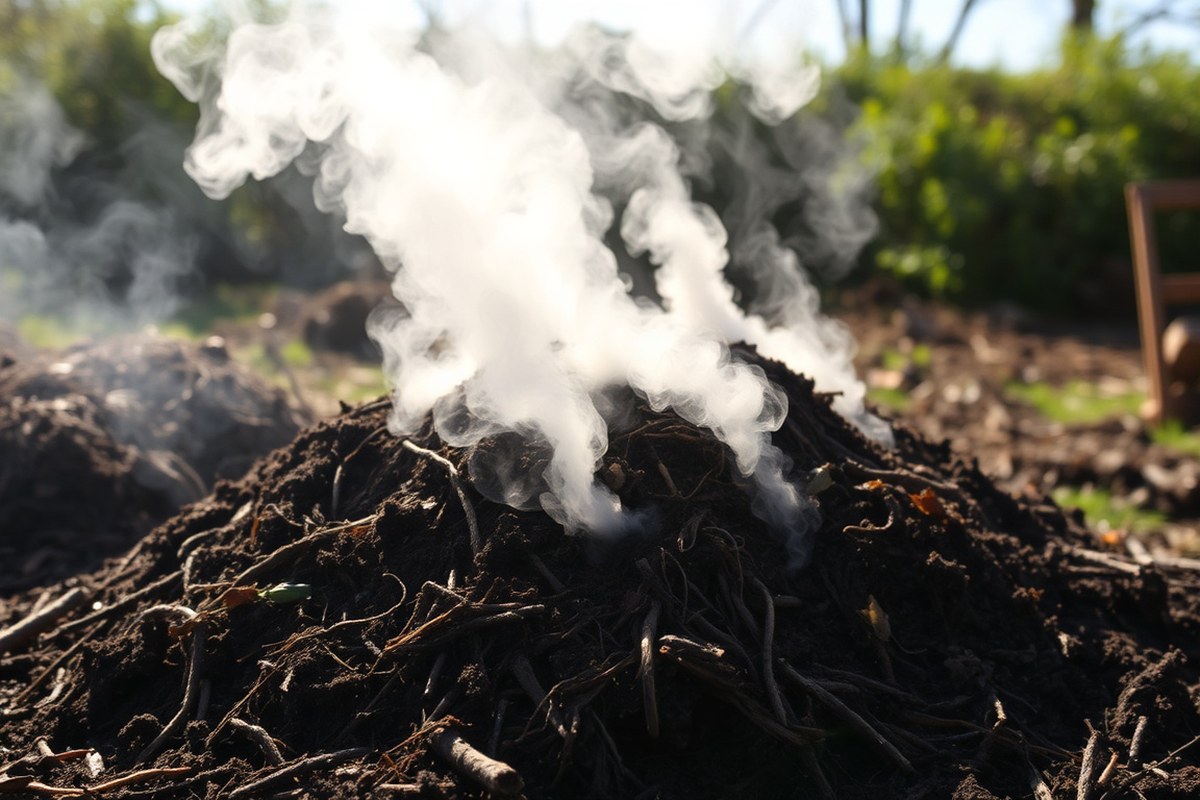
Composting shouldn’t produce strong or foul smells if done right. Normally, it gives off a mild, earthy scent as microbes break down organic matter. Odors arise when the process shifts and unwanted chemicals form.
Smells occur because of the microbes working in your compost pile. They turn materials into nutrients by breaking them down using oxygen. This aerobic process mostly creates harmless carbon dioxide and water vapor.
When oxygen is low or the pile stays very wet, new microbes take over. These are anaerobic bacteria that don’t need oxygen. They produce smelly gases like ammonia or sulfur compounds, which cause bad odors.
Your compost smells like ammonia when nitrogen breaks down too fast. It also happens if there isn’t enough air inside the pile. This often starts when grass clippings or food waste pile up.
They need more carbon-rich materials like dry leaves to balance it out. The pile can get smelly because nitrogen escapes as ammonia gas.
Bad odors signal the compost isn’t balanced. You want a good mix of carbon and nitrogen, plenty of air, and moderate moisture.
When things go wrong, smelly microbes grow faster than helpful ones. This causes bad odors in your compost.
Adding 5 to 10 percent mature compost helps cut down odors. It adds more helpful microbes to your pile.
Turning the pile also brings in fresh air, keeping the compost aerobic and less stinky. Most odor problems begin small and fix within a day or two with proper care.
Temperature also matters. Hot composting raises the pile’s temp to 130°F to 160°F. This speeds up microbes and cuts smells faster.
Cold compost piles break down slower and can smell sweeter. This happens when they stay wet or have too much nitrogen too long.
What Should Healthy Compost Smell Like?
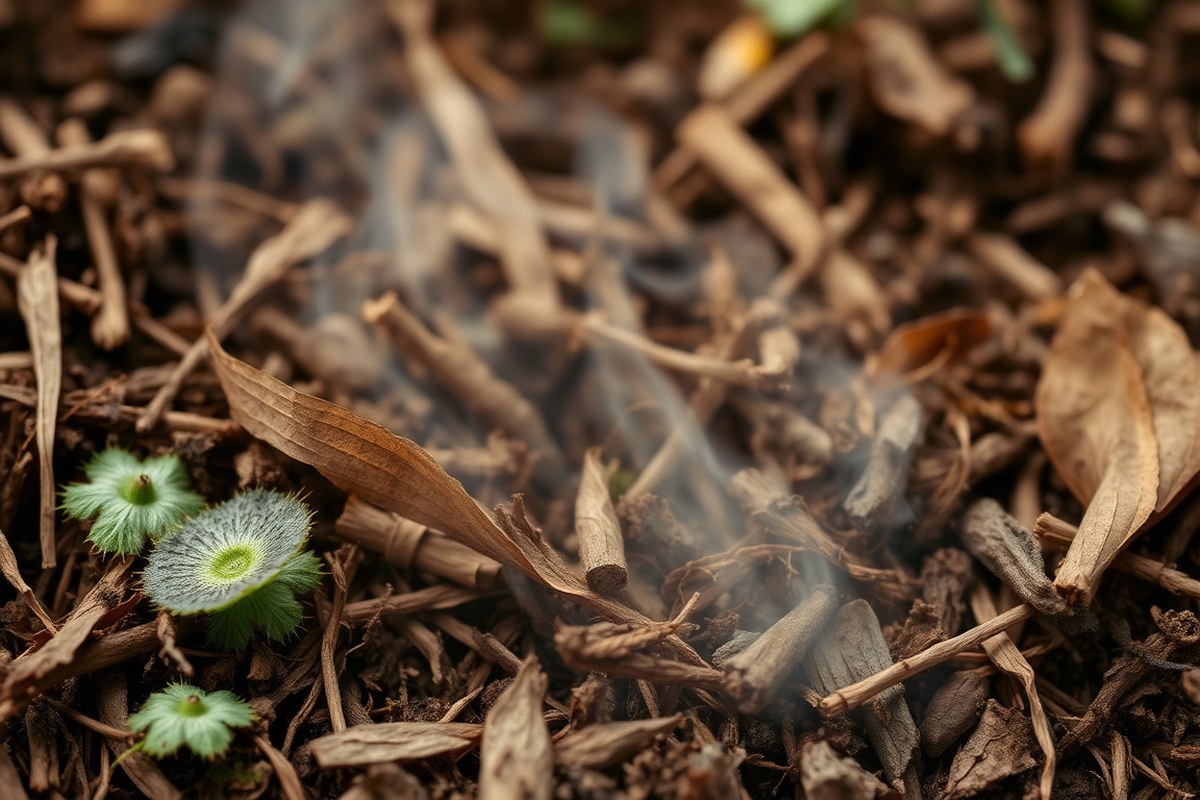
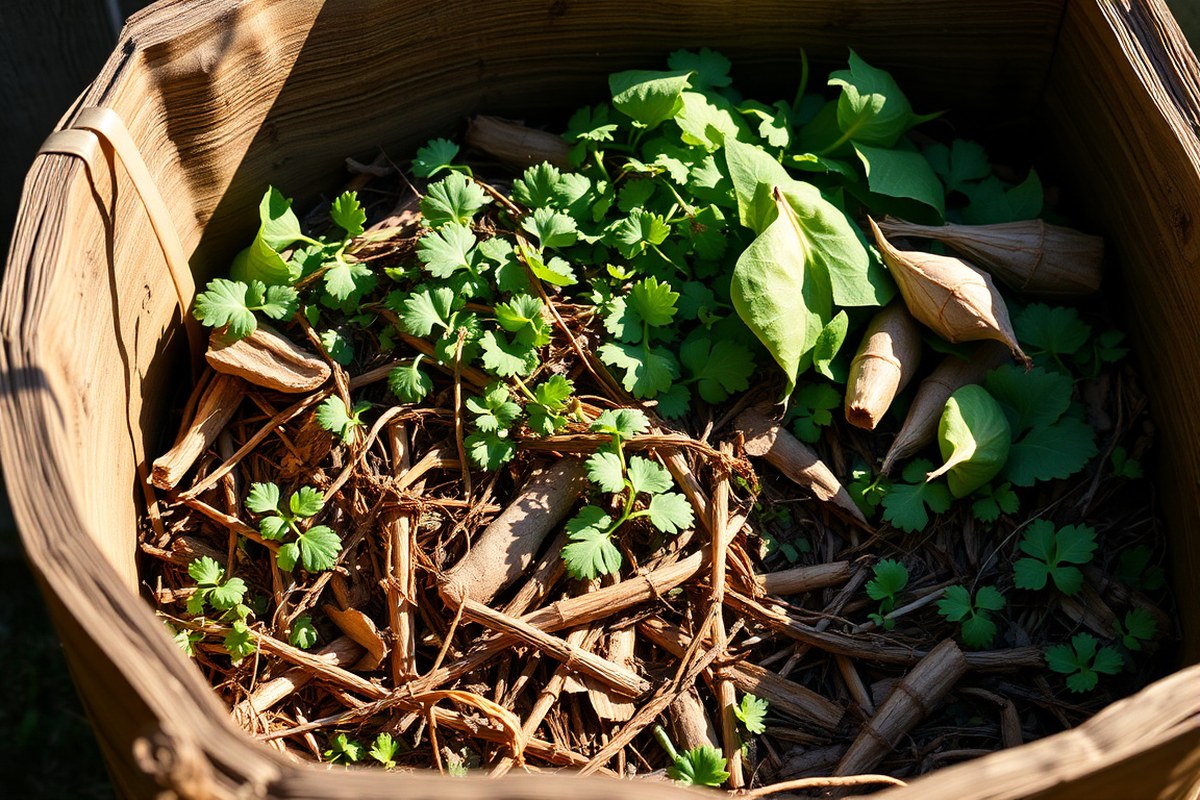
A healthy compost pile smells like fresh earth and forest soil after rain. This means it should smell earthy, clean, and faintly sweet. You won’t notice ammonia, rotten eggs, or garbage smells in a well-maintained pile.
This natural, earthy smell comes from green and brown materials. Microbes break down organic matter, creating the scent. This balance makes the fresh smell you notice.
The compost should feel moist but not soggy, ideally holding about 40 to 60 percent moisture. Excess moisture can trigger bad odors and slow decomposition.
During active composting, turn your pile every 7 to 10 days to keep air flowing. Oxygen lets helpful bacteria thrive, producing that fresh soil scent. Without enough turning, the pile can go anaerobic, causing foul smells like ammonia or rotten eggs.
As the compost cures and decomposition slows, the smell usually fades to almost nothing. This can take several weeks after the active stage, depending on temperature and materials used. The pile might still have a faint earthy scent, meaning it’s rich and ready to use.
A sulfur or ammonia smell means your pile lacks air. It also means there might be too much moisture. These conditions cause those strong odors.
Turn your compost pile to add air. Adjust the mix of brown and green materials. Doing this will bring back the fresh earth smell.
Keep your compost balanced for the clean, natural scent. It will reward you with that smell you want. Good care keeps the scent fresh.
Keep the pile moist but not wet and turn it regularly to avoid stinky, anaerobic conditions.
Common Compost Odors: Causes and What They Mean
Smelly compost often signals a problem with balance or airflow. Different odors point to specific issues, like too much nitrogen or poor oxygen flow. Recognizing these smells helps you fix your pile fast.
Ammonia Smell Causes and Solutions
A sharp, urine-like ammonia smell means your compost has too much nitrogen. This comes from adding too many greens such as fresh grass clippings or kitchen scraps. The excess nitrogen escapes as ammonia gas, creating that strong smell.
To fix this, add two to three times more dry, carbon-rich browns. Use sawdust, shredded paper, or dry leaves to soak up nitrogen. Mixing these materials balances your pile and reduces the smell in one to two days.
Rotten Egg and Sulfur Smells Explained
A rotten egg or sulfur smell shows your compost is too wet and lacks oxygen. This anaerobic condition happens when the pile is compacted or waterlogged. Bacteria that thrive without air produce hydrogen sulfide gas, which smells like sulfur.
Prevent this by turning your pile thoroughly to bring in air. Add dry, coarse browns like straw or cardboard. These absorb moisture and keep the pile fluffy, fixing the smell within a day.
Sour, Sweet, and Other Less Common Odors
Sour or vinegary smells mean your compost is too wet and acidic. This happens when fermentation dominates without enough air. Aerating the pile and adding dry carbon materials helps balance the pH and moisture quickly.
A sweet or sickly smell often signals too much wet fruit or food scraps. Remove or bury these deeply and add dry browns to prevent fruit flies and odors. Mild, musty smells usually mean a slight imbalance and need minor turning and browns.
Here’s a quick reference table showing common compost smells with their causes and fixes:
| Smell | Likely Cause | Fix |
|---|---|---|
| Ammonia (sharp, urine-like) | Too much nitrogen/greens | Add browns, stop adding greens |
| Rotten eggs (sulfur) | Anaerobic, too wet/compacted | Turn pile, add dry browns |
| Sour, vinegary | Acidic, too wet | Aerate, add carbon materials |
| Putrid, garbage-like | Meat/dairy/oils added | Remove them, bury food scraps |
| Musty but mild | Slightly off-balance | Minor turning and browns |
Checking the smell regularly can help catch issues early. Having the right balance of browns and greens helps prevent bad odors.
How Moisture and Oxygen Affect Compost Smell
Keeping compost moist and aerated stops bad smells from forming. Aim for a damp feel like a wrung-out sponge, not wet or soaking. Excess water removes air and leads to smelly, slimy compost that smells rotten or like eggs.
Oxygen is needed for healthy, aerobic decomposition. When oxygen runs low, bacteria switch to anaerobic decay, producing bad smells. Regular airflow stops this by feeding oxygen to microbes and removing smelly gases.
Keep air flowing by adding bulky brown materials that hold open spaces. Turn your pile every week or two to mix air inside. Avoid overloading fresh greens; this can smother airflow and trap moisture.
- Test moisture by squeezing compost; it should drip only a few drops.
- Add dry leaves, straw, or shredded paper when compost feels wet.
- Turn compost every 7 to 14 days to bring in fresh oxygen.
- Build the pile with coarse materials to maintain airflow.
- Bury food scraps well inside the pile to keep unwanted odors down.
Poor oxygen or excess moisture often causes a stinky compost pile. Nutrition balance matters, but air and water levels usually control odors fastest. Check moisture by squeezing the compost to feel its dampness.
Turn the pile often to add air and keep it fresh. These simple steps prevent smell and make your compost healthy.
Balancing Carbon and Nitrogen for Odor Control
Keeping the right carbon-to-nitrogen (C:N) ratio helps stop compost from smelling bad. The best ratio is about 25 to 30 parts carbon to nitrogen. This means for every part nitrogen, use 25 to 30 parts carbon.
Keeping this range helps compost break down well. When the nitrogen is too high, it turns into ammonia gas, which stinks and wastes nutrients.
Carbon-rich “browns” are dry materials like dry leaves, shredded paper, cardboard, straw, and sawdust. Nitrogen-rich “greens” include fresh grass clippings and kitchen scraps. This covers vegetable peels, fruit waste, and coffee grounds.
Also add green plant trimmings to the mix. Browns absorb moisture and balance greens, which release nitrogen during breakdown.
Too many greens create excess nitrogen, causing a sharp ammonia smell. This happens when the compost is wet or lacks air too.
Adding more browns fixes the issue by soaking up moisture and slowing nitrogen release. You can also add chopped dry leaves or shredded paper from your recycling bin.
Follow these steps to balance carbon and nitrogen and reduce odor:
- Check your compost for a strong ammonia smell or wetness.
- Layer dry brown stuff such as shredded paper, dry leaves, or cardboard. These materials help keep your compost balanced and drier. Spread them in thin layers between green materials.
- Mix the pile gently to distribute the browns and greens evenly.
- Keep the pile moist but not soggy, about as wet as a wrung-out sponge.
- Turn the pile every week or two to add oxygen and speed decomposition.
- Monitor the smell and add more browns if ammonia or wet spots return.
- Add dry straw or wood chips to your pile when it feels heavy. These materials make it lighter and increase airflow. This keeps the compost from getting too dense.
Too little carbon makes your pile smell like ammonia. So always add some browns if it stinks.
Turn, Aerate, and Add Materials: Fixing Smelly Compost
Turning the compost pile and adding the right materials quickly cuts down bad smells. Turn the pile every few days. Add dry browns to keep balance.
This helps your compost break down well. This fixes oxygen flow and helps microbes work properly, clearing up odors within a week.
Turning Techniques and Schedules
Turn the pile regularly to bring fresh air inside. This stops smelly anaerobic microbes from taking over.
For smaller piles or bins, turn every 2 to 3 days. Large or very active piles might need daily turning. Slower piles need less, like once a week.
Use a pitchfork or compost aerator tool. Stick it deep, lift and mix layers well. This breaks clumps and spreads materials for better airflow.
Adding Browns and Other Bulking Agents
Add dry “browns” like leaves, straw, or shredded newspaper. These dry materials soak up excess moisture and trap air.
The best mix is about 2 parts brown to 1 part green (like food scraps). This balance stops smells by preventing wet, compacted areas.
Keep adding browns until the sharp, sour smell softens. Bulky browns also create air pockets to feed oxygen to microbes.
When to Use Mature Compost or Microbial Additives
Adding a handful of mature compost can introduce healthy microbes. They speed up the cleanup of odor-causing materials.
Some people use commercial microbial starters for tough smells. Use these only if turning and browns haven’t worked after a few days.
Spread mature compost lightly on top or mix it in when you turn. Avoid overusing additives to keep the pile balanced. Follow these steps to fix smelly compost fast:
- Check moisture and drain or add dry browns if too wet.
- Use a tool to turn and mix the entire pile deeply.
- Add 2 parts dry browns for every 1 part green material.
- Spread a layer of mature compost to add helpful microbes.
- Repeat turning every 2 to 3 days while watching the smell.
- Keep moisture around 40% to 60%, like a wrung-out sponge.
- When the smell lasts more than a week, try microbial additives carefully.
- On a sunny day, spread compost thinly to let ammonia evaporate.
How Composting Methods Affect Smell: Hot, Worm, and Bokashi
Different composting methods cause different smells and manage odors in their own ways. Hot composting speeds breakdown and cuts smells fast.
Worm bins keep odor low by controlling moisture and feeding. Bokashi ferments scraps with little rot smell, giving off a pickled scent instead.
Odors in Hot (Thermophilic) Composting
Hot composting keeps the pile at 140°F to 160°F (60°C to 70°C). This high heat kills pathogens and speeds decay. Turning the pile every 3 to 7 days keeps oxygen flowing and avoids bad smells.
Because microbes break material down fast, rotten odors don’t have time to form. Still, if a pile is too wet or compacted, it can smell like rotten eggs. Turning prevents this by adding air and drying out wet spots.
Worm Bins and Odor Control
Worm composting bins rarely smell bad when managed well. Worms eat scraps quickly and produce little odor.
Overfeeding or wet bedding causes ammonia smells. Add dry bedding like shredded cardboard to fix this.
Worm bins with built-in ventilation or airflow reduce odors by up to 90%. Worm bins are great for indoors because they keep smells low.
Smell something foul? Check for soggy bedding or uneaten food right away.
Bokashi Method and Smell Management
Bokashi composting ferments food scraps in an airtight bin. This method controls odors by using beneficial microbes to ferment without oxygen. Unlike rot smells, bokashi produces a sour, pickled scent that is not unpleasant.
Keep a bokashi bin indoors to control odor. Compost or bury the fermented scraps outside afterward.
The smell is normal and signals good fermentation. It’s different from the rotten or ammonia smells common in other methods.
Here’s how the three popular composting methods compare for smell and management:
| Method | Smell Type | How to Manage Odor | Speed of Breakdown | Where It Works Best |
|---|---|---|---|---|
| Hot Composting | Minimal if aerobic; rotten egg when wet | Turn every 3, 7 days; keep moist but not wet | Fast (weeks to months) | Outdoor piles or large bins |
| Worm Composting | Mostly odorless; ammonia if overfed or wet | Add dry bedding; avoid overfeeding; ventilate bin | Moderate (weeks to months) | Indoor or small spaces |
| Bokashi | Sour, pickled smell (normal) | Use airtight bin; keep indoors; bury or compost outside after | Fast fermentation (1, 2 weeks) | Indoor scraps before outdoor processing |
Choose your compost method based on location. Also, consider how much effort you want to spend. Hot composting cuts smells fast but needs space and frequent turning.
Worm bins suit indoor use with less odor but need careful feeding. Bokashi controls smell indoors by fermenting scraps without air, then requires outdoor disposal or composting.
Preventing Odors: Best Practices and Maintenance Tips
Choose a dry, shady spot for your compost bin. Shade keeps the pile from overheating and drying out too fast. Make sure the spot has good air flow to keep oxygen moving through the compost.
Cover the pile with a lid or tarp to hold in heat and moisture. A cover stops rain from soaking the pile, which prevents soggy, smelly conditions.
Use a breathable material or poke small holes if using plastic. So air can still circulate.
Turn the compost pile every 1 to 2 weeks with a pitchfork or garden fork. This adds oxygen and helps the microbes break down material quickly without rotting. Your pile smells like ammonia.
Add carbon-rich brown stuff like dry leaves or shredded paper. This helps fix the balance.
- Put brown and green materials in layers. Use 2 to 3 parts brown for 1 part green. Try to keep the layers even.
- Add dry materials if the pile feels wet or smells sour
- Chop or shred large pieces to speed decomposition
- Keep the pile size between 3 and 5 feet wide for easy aeration
- Use a compost thermometer to check for 120°F to 160°F heat levels regularly
- Stir more often in rainy weather to prevent waterlogging
Keep kitchen scraps in a sealed container until added to keep pests and smells away. Avoid adding oily, meat, or dairy products that cause strong odors and attract animals. Using a compost bin with a secure lid helps reduce smells and keeps critters out.
Use a compost aerator or turning rod to help. Turning it often moves air well. This speeds up maintenance.
You can find these tools online or at garden centers for about $15 to $30. Consistent maintenance usually stops bad smells before they start.
Always adjust moisture and carbon-to-nitrogen balance before adding more kitchen scraps to avoid odor buildup.
Step-by-Step Action Plan to Manage Compost Smell
This plan helps you start composting without bad odors. Follow these steps to keep your compost smelling fresh and healthy.
- Before you start: Gather brown materials like dry leaves and green materials like kitchen scraps. Mix them in a roughly 3:1 ratio to balance carbon and nitrogen.
- Day 1: Build your compost pile with layers of green and brown materials. Check that it feels damp but not soggy to the touch.
- Week 1: Turn the pile every 2 to 3 days to bring in oxygen. You should notice a fresh, earthy smell developing.
- Week 2: If bad odors appear, add more dry brown materials and turn the pile thoroughly. Odor should improve within a day or two.
- Week 3: Keep the pile moist. Water if the pile feels dry. Add dry materials if it’s too wet. Check moisture regularly to avoid smell problems.
- After 4 weeks: Check your compost. It should smell earthy and have no scraps. Use it in your garden once ready.
- Ongoing: Keep turning the pile every week and balance materials. This stops odor and speeds up composting.
Frequently Asked Questions
Can Composting Smell Attract Pests?
Yes, strong odors from compost can attract pests like rodents. Keeping your pile balanced and covered helps prevent this problem.
Does Weather Affect Compost Smell?
Yes, hot and wet weather can make compost smell worse. Proper aeration and turning help manage odors in these conditions.
Can Adding Citrus Peels Cause Compost to Smell?
Citrus peels can add a sour smell if added too much. Add them sparingly to keep your compost balanced.
Why Does My Compost Smell Like Rotten Eggs?
Rotten egg smell comes from lack of oxygen causing anaerobic bacteria. Turn the pile and add dry materials to fix it.
Is It Normal for Compost to Smell During Winter?
Compost slows down in winter so odors are usually less strong. Keep turning and adding dry materials to avoid bad smells.
Can Composting Smell Affect Nearby Neighbors?
Strong, foul smells may bother neighbors if compost isn’t managed well. Keep your pile balanced and covered to minimize odors.
Key Points to Remember
Composting can smell, but healthy compost should only smell earthy or like fresh soil. Watch your pile’s moisture and air flow to avoid bad smells. Start turning your pile regularly today to keep your compost fresh and smell-free.