How Much Sun Does a Snake Plant Need? A Complete Guide for Healthy Growth
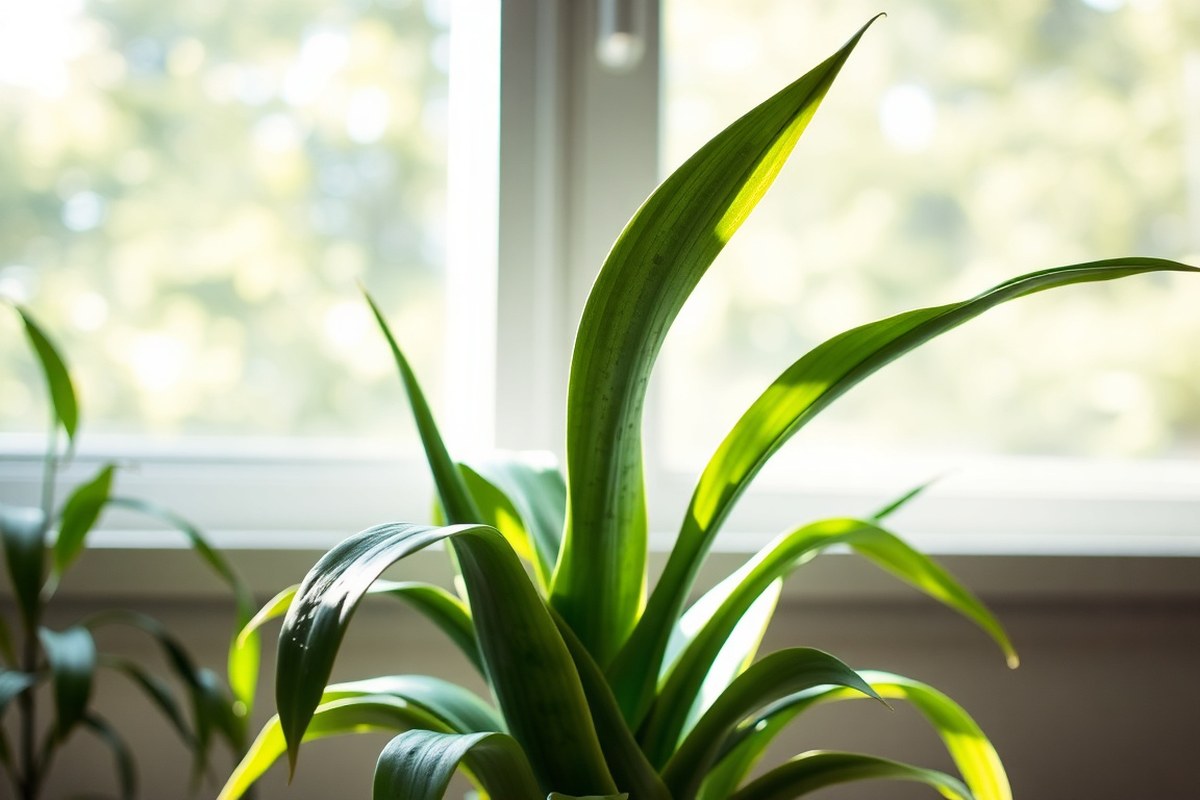
How much sun does a snake plant need? These plants do best with bright, indirect light for about 6 to 8 hours daily. Snake plants tolerate just 2 hours of direct morning sun.
Avoid afternoon sun since it may burn their leaves. Too much sun makes their leaves turn brown or dry.
Placing your snake plant around 3 to 5 feet from a bright window usually works well. This distance offers enough light without the risk of scorching the leaves. Moving it closer or farther depending on the season might help keep it happy year-round.
Watch out for signs of too much sun like browning leaf tips or curling. Too little light can lead to slow growth and pale leaves. Adjust the spot gradually to find the sweet spot for your plant’s light needs.
Key Takeaways
- Bright, indirect light for 6 to 8 hours helps snake plants grow well. They do best near east or north-facing windows. Strong direct sunlight can harm their leaves over time.
- Keep your snake plant 3 to 5 feet from a bright window for optimal light.
- Limit direct sun to 1 to 3 hours, preferably morning sunlight only.
- Afternoon direct sun often leads to leaf burns; watch for brown tips.
- Move the plant closer to the window in winter to boost light exposure.
- Rotate your snake plant every 2 to 4 weeks to promote balanced growth.
How Much Sunlight Does a Snake Plant Need Daily?

Your snake plant needs about 6 to 8 hours of bright, indirect sunlight daily. This amount helps it grow strong with firm, upright leaves. Bright indirect light means the sun doesn’t shine directly on the plant.
The plant is still in a well-lit space. It gets light without direct sun rays.
Indirect sunlight alone is enough for snake plants to thrive. You can place the plant near a window with filtered light or behind a sheer curtain. This prevents leaf burn and keeps the plant happy without the harsh effects of direct sun.
Some snake plants like Sansevieria cylindrica can handle direct sun. They can take 2 to 6 hours of sun each day. Laurentii varieties can too.
But too much direct light, especially in summer, causes brown patches and scorched leaves. Move the plant if you see sun damage signs.
Choose a spot with less direct sun. Find a place with more indirect light.
Best Window Placement for Snake Plants by Direction
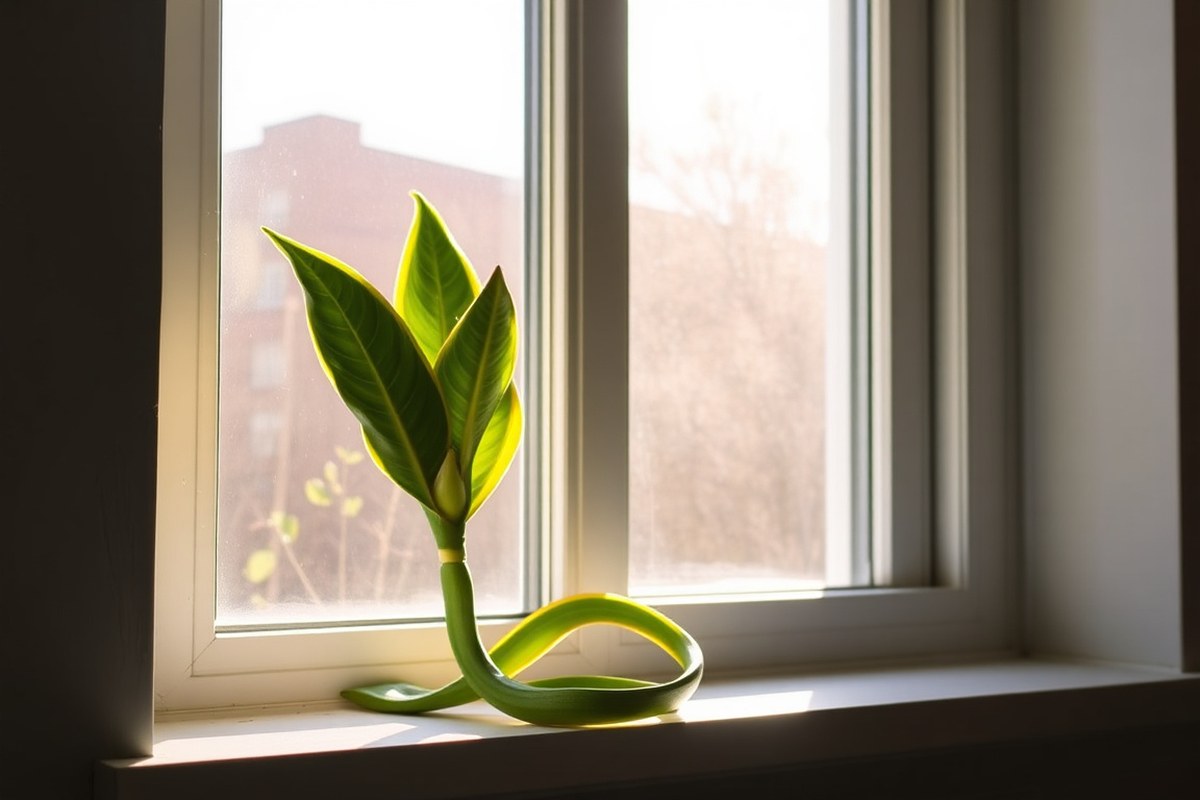
Snake plants do best in indirect light near east windows. Place them a few feet from south or west windows with filtering. This avoids harsh, direct sunlight that can burn leaves.
Distance from the window matters: closer means more light, farther means less. Seasonal sun angles can make windows hotter or cooler. So adjust placement to avoid harsh rays in summer.
East-Facing Windows
East-facing windows deliver gentle morning sun that fits snake plants perfectly. Put the plant 2 to 4 feet away from the window. This gives medium-bright light without risking leaf burns.
This spot provides 8 to 10 hours of soft sunlight daily. It helps steady growth and strong, healthy leaves. Morning sun is less intense, so the plant thrives here year-round without adjustment.
South-Facing Windows
South-facing windows shine brightest, often exposing plants to direct sun for hours. Keep your snake plant 4 to 8 feet away for bright, indirect light.
Using sheer curtains helps reduce the harsh afternoon rays while letting filtered light through. In summer, move the plant slightly farther if you notice leaf discoloration or curling.
This window delivers 10 to 12 hours of strong sunlight daily. It boosts growth but risks overexposure near the glass.
West-Facing Windows
West windows have strong afternoon sun that can feel hot. Place snake plants 4 to 6 feet away to get bright indirect light without leaf scorch.
Use diffusing blinds when direct sun hits the plant. Move it back during summer to avoid burning. This location offers medium to high light but requires occasional adjustment to avoid damage.
West light works well in cooler seasons for these plants. It needs care during hot weather due to strong afternoon rays.
North-Facing Windows
North windows provide low, steady light that snake plants can survive but won’t thrive in. Keep your plant 1 to 3 feet away here to avoid too little light.
Growth will be slow, with fewer new leaves and duller colors. It’s best as a temporary spot or for rooms without other windows. This light averages 50 to 100 foot-candles, enough for survival but weak for healthy development.
| Window Direction | Light Type | Best Distance | Light Level (Foot-candles) | Growth Rate (cm/month) |
|---|---|---|---|---|
| North | Soft indirect | 1, 3 ft | 50, 100 | 0.5, 1 |
| East | Morning sun plus indirect | 2, 4 ft | 100, 200 | 1.5, 2.5 |
| South | Strong direct (use sheer curtains) | 4, 8 ft | 200, 400 | 2, 3 |
| West | Hot afternoon sun (diffuse or protect) | 4, 6 ft | 150, 300 | 2, 3 |
Placement farther than these distances leads to slow growth. Closer spots risk sun damage. Proper positioning balances light for health and appearance.
Watch for leaf tips turning brown near south or west windows. Move the plant back or use curtains to prevent burns.
How Does Direct Sunlight Affect Your Snake Plant?
Snake plants can handle some direct sunlight, but too much can harm them. Morning sun for one to three hours is usually fine.
Afternoon sun often causes leaf burn. Introducing direct sun slowly helps avoid stress and damage.
Benefits of Morning Direct Sun
Morning sunlight is cooler and gentler, giving snake plants a good energy boost. One to three hours of direct morning sun helps with photosynthesis and keeps the plant healthy. This sunlight improve growth, especially during winter when light is weaker.
Mild morning sun supports the plant’s natural color without risking leaf damage. The snake plant thrives with this light, maintaining green, crisp leaves. It only takes a short window of morning sun to benefit the plant.
Risks of Afternoon Sun Exposure
Afternoon sun shines hotter and stronger, which can scorch the leaves. Prolonged exposure to this light can turn leaves yellow or brown, causing crispy edges. You may see dark scorch marks developing on the leaves after too much sun.
Even if your snake plant looks tough, it needs protection from harsh afternoon rays. Leaves that shrivel or turn brown show it’s getting burned.
Glass windows don’t block this heat. So be careful with placement near bright, afternoon sun.
Step-by-Step Acclimation Process
Start by placing your snake plant in indirect light for a few days. Then move it into one hour of direct morning sun for three days straight. Watch for any signs of leaf discoloration or curling during this time.
When the plant handles this well, add 30 minutes of morning sun every few days. Do this for one to two weeks to allow gradual adjustment. Avoid adding afternoon sun during this process to prevent shock.
Always check the leaves daily for brown or burnt patches. When you notice damage, move the plant back to indirect light for several days. Gradual changes in light keep your snake plant healthy and avoid harmful sunburn.
Can Snake Plants Thrive in Low Light or Artificial Light?
Snake plants can survive in low light, but growth slows down. They do best with medium or bright indirect light. So low light means they grow more slowly and may look pale.
Moving the plant near a window helps keep the leaves upright. Adding some artificial light also keeps them healthy. This supports growth over time.
LED grow lights can fully or partially replace natural sunlight for your snake plant. Choose full-spectrum or daylight LED bulbs that emit 5000 to 6500K temperature. Place the LED light 12 to 18 inches above the plant.
This gives steady light without heating the leaves. Keep the setup consistent.
Your snake plant needs artificial light for 6 to 8 hours daily in dim or windowless rooms. This timing is enough to support normal growth and leaf color. Less than 50 foot-candles of natural light means you need extra lighting.
Without it, leaves might turn pale. Growth can also slow down.
| Light Condition | Foot-Candles | Growth Rate | Artificial Light Recommendation |
|---|---|---|---|
| Low Light | 50 to 250 | Slow | LED grow light 6-8 hrs if below 50 foot-candles |
| Medium Light | 250 to 1000 | Good | Usually no supplement needed |
| Bright Indirect | 1000+ | Excellent | None required, natural sunlight sufficient |
| LED Grow Light Specs | N/A | N/A | Full-spectrum, 5000 to 6500K, 12-18″ above plant |
| Lighting Duration with LED | N/A | N/A | 6 to 8 hours per day recommended |
Watch your snake plant’s leaves when using artificial light. Pale, elongated leaves mean it needs more light or a closer light source. Make small changes to light duration or intensity and check for improvement within a few weeks.
A small LED grow light setup costs about $20 to $50. It is enough for one snake plant. You save on heat and electricity compared to older bulb types.
LED grow lights work well in basements or windowless rooms. They keep your snake plant strong and colorful all year.
Signs Your Snake Plant Is Getting Too Much or Too Little Light
Watch your snake plant’s leaves closely for signs of too much or too little light. Too much direct sun often causes brown, crispy patches on the leaves. These dry spots can make the leaf edges curl or become brittle quickly.
Leaves that stretch thin and flop suggest the plant isn’t getting enough light. Yellowing leaves, especially near the base, often point to low light combined with overwatering.
This can lead to a mushy texture and slow growth. When your plant’s variegation starts fading, it usually needs more indirect light.
Snake plants need the right light to grow and stay green. Too much or too little light can change leaf color. Light stress slows growth and affects how leaves look.
Insufficient light stunts growth and fades leaf colors. Too much light can scorch leaves and burn tissue. Finding the right balance will keep leaves firm and vibrant.
- Brown crispy patches: move plant away from direct afternoon sun.
- Yellow, mushy base: cut back water and increase indirect light.
- Thin, floppy leaves: place the plant in brighter indirect light.
- Faded leaf color: boost indirect light duration or intensity.
- Rotate the plant every 2, 4 weeks for even light exposure.
- Check soil moisture before watering to avoid compounding stress.
Try moving your snake plant closer or farther from the window. You can also place it near a different window facing another way. Use an LED grow light for 6 to 8 hours each day if natural light is low.
Watch your plant over a few weeks for color and shape changes. Catching problems early helps keep your plant healthy.
Keep an eye on leaf tips and edges, they show the earliest stress from wrong light.
Adjusting Snake Plant Light Needs by Growth Stage and Variety
Snake plants need different amounts of light as they grow and depending on the type. Young plants require more gentle, steady light to establish strong leaves. Mature plants handle a wider range but still do best with indirect light.
Light Needs for Young Snake Plants
Seedlings and young snake plants need bright but indirect light to grow healthy leaves. Too much direct sun can scorch tender new leaves, causing brown spots and curling. Keep young plants near a north or east window.
They need soft morning light. Give them at least 6 hours daily.
Young plants also benefit from a stable light source. Avoid moving them frequently or exposing them to harsh afternoon sun. A consistent 200 to 400 foot-candles of indirect light supports steady growth without stress.
Lighting for Mature Snake Plants
Fully grown snake plants can manage brighter light, even occasional direct sunlight. They withstand light intensity of about 500 foot-candles or above for a few hours daily safely. Most snake plants thrive when placed in indirect light, like behind a curtain or several feet away from a south or west window.
Adjust light exposure as the plant grows. Gradually increase indirect light to boost leaf color and growth rates. The plant may lean or lose its upright shape.
This means it could need more light. Otherwise, avoid harsh afternoons to prevent leaf burn.
Variety Differences in Light Tolerance
Some snake plant varieties handle lower light better than others. Bird’s nest snake plant and bantel’s sensation grow well in dim rooms.
Their compact shape and dark leaves help them. These types need as little as 25 to 100 foot-candles of light.
Viper’s bowstring hemp can handle more sun. It likes bright indirect light and some direct morning sun.
Experiment with light based on your plant’s variety to avoid slow growth or dull leaf color. Checking leaf firmness and color helps you spot if light is right.
Using Seasonal and Indoor Conditions to Optimize Snake Plant Lighting
Seasonal changes affect the amount and intensity of light your snake plant gets. In spring, days grow longer and brighter.
So placing the plant closer to a window helps it soak up steady bright indirect light. Move it nearer but watch for sudden direct sun, which can scorch the leaves.
Summer sun grows stronger and can damage your snake plant’s leaves. Move the plant back a few feet from the window. You can also hang a sheer curtain to soften the bright light.
This prevents leaf yellowing or burning while still giving enough light. Don’t put it in a very dark spot because growth slows down.
Shorter days in fall mean light dims again. Keep the plant near a bright window but don’t move it closer than spring’s placement. Watch for leaves stretching toward light.
Move your snake plant five inches closer to brighten it up. Cooler indoor temperatures around 65 to 75°F make normal light levels work fine during this time.
Winter’s low light is the hardest for snake plants. Windows get weak sunlight for fewer hours. Dull or stretched leaves often mean low light.
Try a grow light on your snake plant for six to eight hours a day. Place the light 12 to 18 inches above the plant. Keep room temperature steady between 60 and 70°F to support slow but steady growth.
Indoor humidity usually drops in winter, which can stress the plant, especially near heaters. Snake plants tolerate low humidity but avoid placing them right next to heating vents.
Misting the plant sometimes helps keep leaf edges from drying out. You can also set a small humidifier nearby for extra moisture.
Adjust your watering schedule with lighting, too. More light means watering every 2 to 3 weeks. Dim winter spots require watering every 4 to 6 weeks.
Always test the soil to ensure it dries out between watering. These small seasonal and indoor shifts help your snake plant stay healthy through the year.
Common Mistakes with Snake Plant Sunlight and How to Fix Them
Snake plants often suffer from too much direct sun, leading to leaf damage. Leaves can turn yellow or brown and get burnt patches.
Place your plant where it gets bright but indirect sunlight. Use a sheer curtain to reduce strong rays.
Others keep their snake plants in very low light. This slows growth a lot and can make leaves darker green or pale. You can fix this by relocating your plant to a brighter room with filtered light.
Seeing no new leaves after a year means your plant needs more light slowly. Increase the brightness little by little to help growth without shock.
Another mistake is not rotating the plant. Snake plants lean toward the light, causing uneven growth.
Turn your pot a quarter turn every few weeks. This way, all leaves get some light and grow evenly.
- Yellow leaves? Cut them off to help new growth start.
- Brown tips usually mean too much sun exposure.
- Soft, drooping leaves may mean overwatering, not light.
- Keep the plant in bright but indirect light for best results.
- Rotate your snake plant regularly for balanced growth.
- Slow growth? Move it to a spot with better indirect light.
When you cut off yellow or brown leaves, use clean scissors to avoid infection. Removing these leaves helps the plant focus on new, healthy growth. After moving your plant, give it a few weeks to adjust and watch for improvement.
Avoid sudden changes in light; shift your plant gradually over days or weeks.
Step-by-Step Action Plan for Ideal Snake Plant Lighting
Follow these steps to give your snake plant the right light it needs to thrive. You’ll see steady, healthy growth and fewer light stress signs.
- Before you place your plant: Pick a bright spot with indirect light. An east or north window works well. Look for no sunburn spots on leaves after a week.
- Week 1: Monitor leaf color and firmness daily. Leaves firm and green show your plant gets good light.
- Week 2: Shift away from direct afternoon sun if leaves show brown spots. Aim to keep the light softer and indirect.
- Month 1: Check for leaf stretching or pale leaves. Move your plant closer to the window or use a grow light if needed.
- After 6 weeks: Rotate the plant weekly for even light on all leaves and balanced growth.
- Seasonal check: In winter, bring your snake plant nearer the window. Use a low-wattage LED grow light for 8-10 hours.
- Ongoing: Adjust light based on plant age and type. Smaller, young plants prefer slightly less intense light.
- Every 2 months: Inspect for yellowing or drooping leaves. Reassess light placement if problems arise.
Frequently Asked Questions
Can Snake Plants Survive in a Windowless Room?
Snake plants can survive under artificial light but grow slower. They need sufficient indirect light for healthy leaves and steady growth.
Is It Bad to Move a Snake Plant Frequently to Different Light Spots?
Yes, moving a snake plant often can stress it. Sudden light changes may cause leaf damage or slow growth.
How Do You Tell If a Snake Plant Needs More Sun?
If your snake plant stops growing or looks pale, it needs more light. Increasing indirect light usually helps restore its health.
Can Snake Plants Get Sunburn from Morning Sunlight?
Morning sun is usually gentler and less likely to burn leaves. Still, introduce direct sun gradually to avoid scorch marks.
Should Snake Plants Be Rotated for Even Sunlight Exposure?
Rotating your snake plant helps all sides get light. This prevents uneven growth and strengthens the plant evenly.
Do Snake Plants Need Extra Light in Winter Months?
Yes, snake plants benefit from extra light in winter. Shorter days mean less natural light, so supplementing helps keep it healthy.
Before You Go
Your snake plant does best with bright, indirect light, not harsh sun. Watch leaf color for clues about lighting. Move your plant if needed to keep it healthy and growing right.