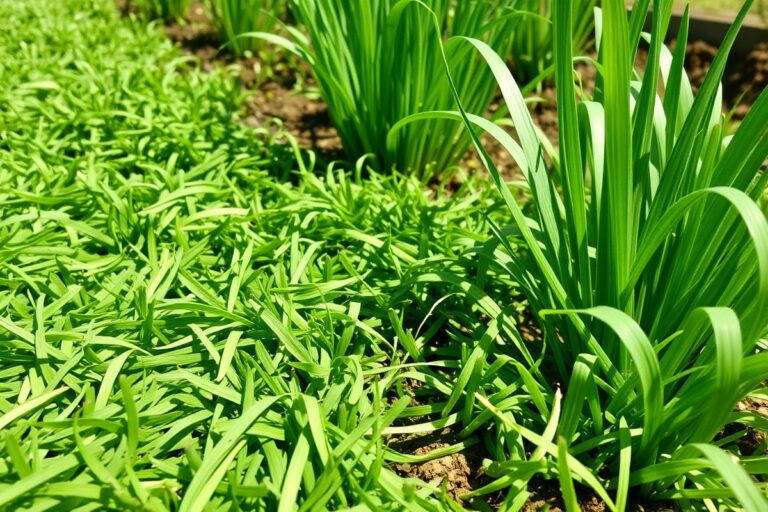
Do Citronella Plants Bloom? A Complete Guide to Their Flowers and Care
Do citronella plants bloom? Yes, they produce flowers, but not always in showy ways.
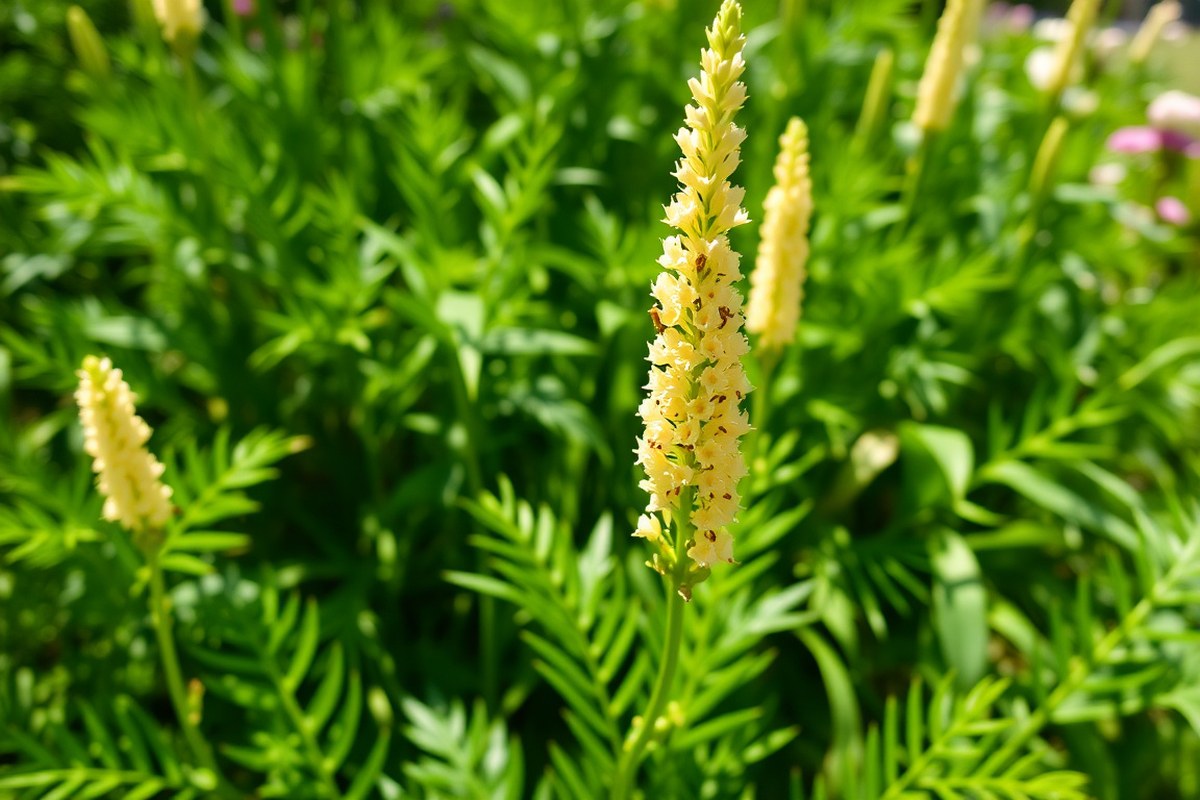
Their blooms appear on tall, slender spikes rising above the leaves. These flowers are usually subtle and best noticed when you look closely.
Many people expect bright, large flowers from citronella plants. But the blooms are more delicate.
They often grow better in warm, sunny conditions that match their natural environment. Good light and proper care help them bloom on time and last longer.
To encourage blooms, start with well-drained, slightly acidic soil and provide plenty of sunlight. Watch for humidity and temperature too, as these affect flowering well. Pruning and spacing plants properly also make a difference in flower production.
Key Takeaways
- Citronella plants do bloom, but flowers are small and spike-like.
- They bloom best with at least six hours of direct sunlight daily.
- Soil should be well-drained and slightly acidic with pH 5.8 to 6.3.
- Keep plant spacing between 12 and 24 inches for healthy growth and blooms.
- Ideal temperature range is 50°F to 80°F with 40% to 70% humidity.
- Prune regularly to promote flowering and maintain plant shape.
Do Citronella Plants Actually Bloom?
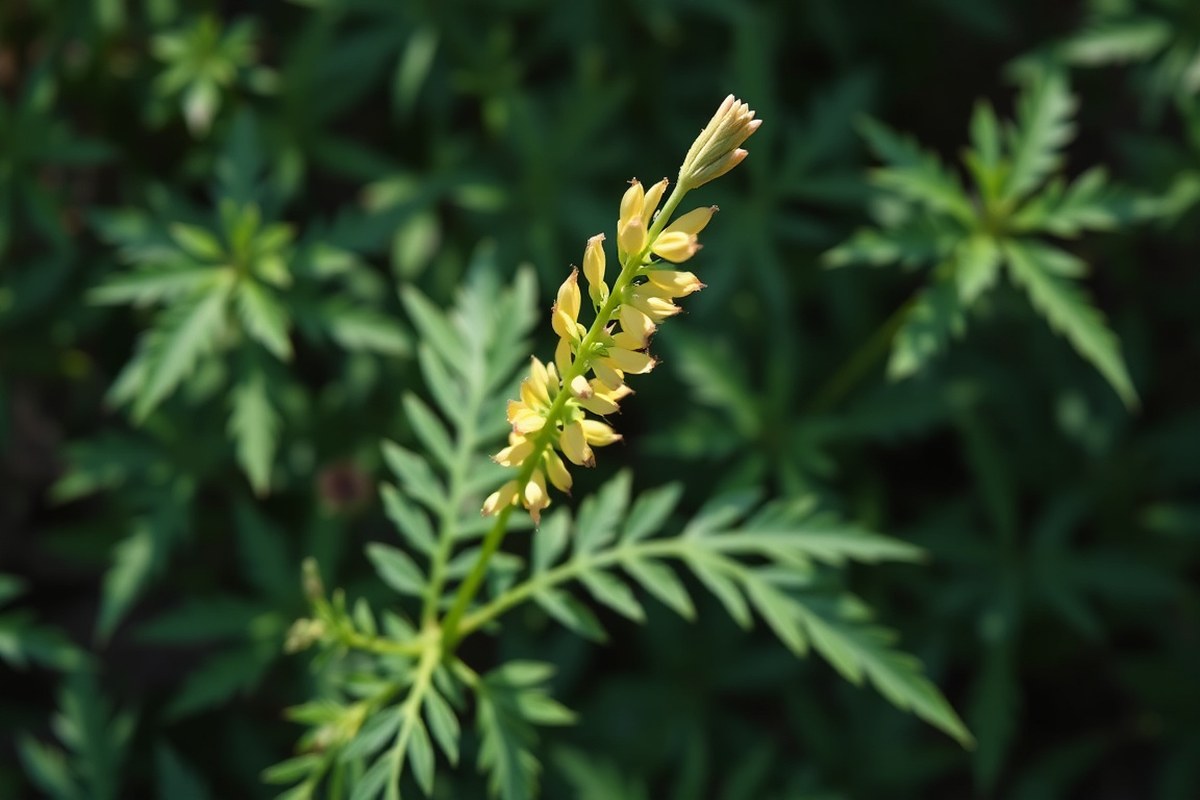
Citronella plants do bloom, but several factors affect their flowering. Typically, they produce flowers during the warmer months from late spring to mid-summer. The flowers are small spikelets that rise above the leaves.
They look pale and subtle compared to the bright leaves. You might not notice them right away.
Not all citronella plants are the same when it comes to flowers. The common “citronella plant” you see is usually a scented geranium. It’s called Pelargonium citrosum.
This is not the real citronella grass. These geraniums bloom unlike true citronella grasses.
They have fern-like leaves. Their flowers grow in spikes with tiny blossoms.
Flowering depends on the plant’s age, sunlight, and climate. Mature plants over three years old tend to flower annually. Younger plants can skip flowers in their first seasons.
Citronella plants need six hours of direct sunlight daily. They also need warm temperatures between 50°F and 80°F. These conditions help them bloom.
Differences in Flowering Among Citronella Plant Types
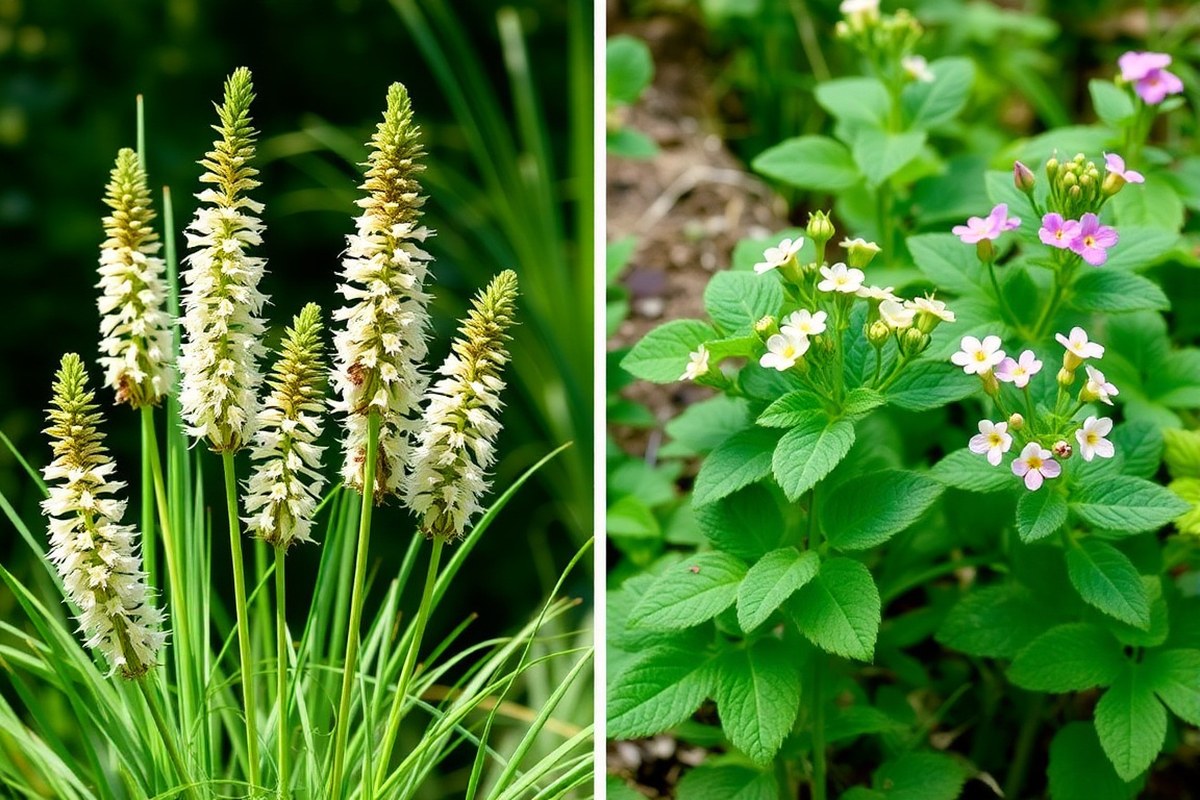
Two main plants go by “citronella”: true citronella grass and scented geraniums. Their flowers and growth differ greatly. Knowing these differences helps you choose and care for the right one.
True Citronella Grass Flower Characteristics
True citronella grass belongs to the Cymbopogon genus. Its flowers are small and grass-like, forming insignificant fluffy plumes. These blooms do not add much visual interest to gardens.
This grass usually flowers outdoors, favored by warm weather and full sun. It can grow quite tall, often over 3 feet. But flowering is subtle compared to scented geraniums.
Scented Geranium (Pelargonium) Flowers
P. Citrosum, the scented geranium, often called citronella or mosquito plant, produces small pink or purple flowers. They appear mainly in summer under plenty of sunlight.
This plant usually grows 2 to 3 feet tall. It also spreads about 2 to 3 feet wide.
This size fits well in containers or patio gardens. Flowering may be better indoors with bright, indirect light and stable temperatures.
Some scented geranium varieties bloom more reliably, like ‘Lady Scarborough’ or ‘Prince of Orange’. These are good choices if flowers matter to you.
Common Misidentifications and Their Impact
People often confuse scented geraniums with citronella grass. This mix-up affects expectations about their flowers and care. Scented geranium flowers are delicate and visible, while grass flowers are easy to miss.
Knowing your plant’s genus guides your care routine and what to expect from its blooms. Scented geraniums need pinching or pruning to encourage bushier growth and more frequent flowering.
Both types share citronella scent, but their flower styles differ sharply. Making this distinction helps you spot the right plant at nurseries or online. Here’s a quick reference table showing key differences between the two citronella types:
| Feature | True Citronella Grass | P. Citrosum (Scented Geranium) |
|---|---|---|
| Genus Name | Cymbopogon nardus or Cymbopogon winterianus | Pelargonium citrosum ‘Van Leenii’ |
| Plant Type | Perennial grass | Annual or perennial subshrub |
| Height & Width | Often grows over 3 feet tall | 2 to 3 feet tall and wide |
| Flower Types | Grassy, insignificant plumes | Small pink or purple delicate flowers |
| Light Preference | Full sun outdoors | Part sun to full sun, indoors or outdoors |
| Bloom Season | Warm weather, subtle flowering | Summer, more visible blooms |
| Special Features | Natural mosquito repellent | Fragrant foliage, low maintenance, good for containers |
This table helps you spot differences so you can pick your citronella plant wisely. Each has unique flowering styles and care needs.
Keep scented geraniums well watered but not soggy to support blooming. Overwatering can reduce flower production.
When Do Citronella Plants Bloom and How Long Do Flowers Last?
Citronella plants typically bloom in late spring through summer, with flowers lasting several weeks. Climate and plant age affect when these tiny, greenish-white flowers appear and how long they stay.
Mature outdoor plants in warm zones show blooms best. Indoor or young plants rarely flower.
Typical Bloom Months for Citronella Plants
Outdoors, citronella usually starts blooming from May through August. These months cover late spring into the height of summer when daylight and warmth increase. In warmer zones 9 to 11, plants may keep flowering longer, especially if frost is absent.
Indoor citronella plants rarely bloom because they get less light and space. Without strong light, they focus energy on their leaves and roots instead of flowers. Young plants also spend their first year growing foliage and won’t flower much.
How Climate Changes Bloom Timing
In warm, humid climates where citronella grows as a perennial, blooming starts earlier and lasts longer. Outdoor plants receive full sun and warmer night temperatures, speeding flower development. Cooler or drier areas may delay flowering until midsummer or stop blooms early.
Plants grown as annuals in cold climates rarely reach flowering because they die when temperatures drop. Limited growing seasons shorten the blooming period or prevent flowers altogether. That’s why some gardeners grow citronella indoors to extend growth but accept no blooms.
Duration and Appearance of Citronella Flowers
Citronella flowers show as small greenish-white spikelets that fade to purplish hues when mature. Once flower clusters appear, they can last for several weeks, usually about 4 to 6 weeks. The blooms are airy and delicate, adding soft color without overwhelming the plant.
Flowering shows the plant is mature. It’s near the end of growing. The plant grows fewer leaves during flowering.
It focuses on flowers and seeds. This blooming phase naturally fades as cooler weather approaches.
Watch for Plant Maturity and Flowering Signs
Young citronella plants focus on growing strong roots and leaves. So they usually don’t flower in their first growing season.
Wait at least one year before expecting blooms from a newly planted citronella. Mature plants show bloom clusters by producing tight groups of small florets.
For best results, start with vigorous young plants from quality growers. Healthy roots and full pots encourage better blooming when conditions improve. Watching bloom times every year helps you understand your plant better.
How Light, Water, and Soil Affect Citronella Flowering
Citronella plants need lots of direct sunlight to start blooming. Give them a minimum of 6 hours of sun per day. If they grow in mostly shade, blooming usually won’t happen despite good care.
Watering needs balance well with drainage to encourage blossoms. Soak the soil deeply once the top feels dry, then let excess water drain well. Roots stuck in soggy soil risk rot, while dry roots might stop flower production.
Soil type affects flowering more than many realize. Citronella prefers moderately rich, moist soil that drains freely. Heavy clay or constantly wet soil leads to problems and fewer blooms.
- Place citronella plants 18 to 24 inches apart to allow airflow
- Check soil moisture weekly by feeling 1 to 2 inches below surface
- Use containers with drainage holes if growing indoors or on patios
- Water deeply but infrequently, around once a week in summer is typical
- Maintain slightly acidic to neutral pH (6.0 to 7.0) for best results
- Amend soil with compost or peat moss to boost fertility and moisture retention
- Adjust watering based on season and weather, less in cool months
Indoor citronella needs as much bright light as possible, near a south-facing window works well. Outdoors, partial shade can still allow growth but lowers bloom chances. Adjust soil to keep moist but never soaked.
Cost-wise, improving soil and ensuring drainage might mean buying potting mix or compost. These usually cost between $10 and $20 per bag.
A handful added yearly can help. Living blossoms appear as small clusters of pink flowers, noticeable after weeks of proper care.
Pruning and Fertilizing Tips for Better Blooms
Pruning helps citronella plants grow fuller and bloom better. Cutting back some branches encourages healthy new growth. It’s best to prune in late spring or early summer before flowering starts.
Heavy pruning won’t harm the plant and can boost blooms. Cut back about two-thirds of the plant to keep it manageable. Removing non-flowering shoots lets the plant put energy into flowers and leaf oil production.
Fertilizing every four to six weeks during the growing season supports strong blooms. Use a balanced, water-soluble fertilizer to feed the plant. Avoid high nitrogen fertilizers since they encourage leaf growth but can reduce flowering.
Follow these steps for pruning and fertilizing your citronella plant:
- Inspect your plant for dead or weak branches and remove them first.
- Cut back healthy stems by about one-third to two-thirds to encourage new growth.
- Trim any non‑flowering shoots to focus energy on blooms and essential oils.
- Collect trimmed stems for summer bouquets or compost.
- Apply a balanced liquid fertilizer once every four to six weeks during spring and summer.
- Water the plant well after fertilizing to help nutrients soak in.
- Monitor the plant for too much pruning. Avoid cutting lower than a few inches from the ground unless starting a major reshaping.
- Repeat this pruning and feeding routine until early fall to extend flowering season.
Don’t prune right before flowering starts; it can delay blooms and reduce oil scent.
Understanding Flowering’s Impact on Citronella Oil and Mosquito Repellency
Flowering does not increase citronella oil production. The plant focuses its energy on making flowers instead of leaves. Since the oil comes mainly from leaves, less leaf growth means less oil overall.
You don’t need flowers for the plant to repel mosquitoes. Citronella’s repellent power comes from leaf compounds, not flowers. So, a flowering plant and a non-flowering one work the same to keep mosquitoes away.
When citronella plants bloom, they might produce fewer leaves and less oil. This happens because the plant redirects nutrients to flowers, which lowers oil yield. You can trim off flower buds to get more oil from your plant.
This helps the plant put energy into growing more leaves. Leaves contain the most oil for your use.
Growing citronella in full sun boosts overall plant vigor and flower production. However, plants in shade flower less and may also make slightly less oil. Flowers don’t change how well the plant repels mosquitoes.
They do make the plant look smaller and less full. The oil output also goes down when flowers grow.
Prune flower spikes right when you see them on your plant. This helps your citronella produce more oil. It also keeps the plant healthy and looking good.
Removing flowers won’t stop mosquito repellent effects. Pruning flowers keeps the plant leafy and stocked with oil.
You can use this oil for homemade sprays or candles. It doesn’t make the plant bloom less, just healthier overall.
Encouraging Citronella Flowering Indoors and in Cooler Climates
You can get citronella plants to bloom indoors or in cooler climates, but it takes effort. Indoor lighting, humidity, and handling winter seasons properly all matter. Adjusting these factors helps your plant grow flowers from late spring to early fall.
Lighting Requirements for Indoor Blooms
Citronella plants need bright, direct light to flower indoors. They normally grow in full sun outdoors, so place yours near a south-facing window.
Use a grow light for 8 to 12 hours daily when natural light is weak. Flowering may still be slower in lower light.
Check lighting with a simple test: hold your hand over the leaves. You probably have strong enough light when there is a clear shadow.
Maintaining Humidity and Temperature
Citronella prefers warm temperatures between 65°F and 80°F for blooming. Avoid letting temperatures drop below 50°F indoors.
Humidity helps too, aiming for about 50% or higher. Use a room humidifier or place the pot on a water-and-stone tray.
Keep plants away from drafts and heaters, which cause stress. Stress can delay or stop flowering.
Pot Size and Soil Recommendations
Pick a pot 2 to 4 inches bigger than the root ball. This helps roots grow well. Too small limits flowering potential.
Use well-draining soil mixed with compost or organic matter. This supports healthy roots and steady blooming. Here’s a quick checklist to support blooming for indoor and temperate-zone citronella plants:
- Place near a bright south-facing window or use grow lights
- Provide 8 to 12 hours of direct or supplemental light each day
- Keep room temperature steady between 65°F and 80°F, avoid drops below 50°F
- Maintain humidity around 50% using a humidifier or water tray
- Use a pot a few inches larger than the root ball, with well-draining soil
- Bring plants indoors before first frost and avoid drafts or strong heaters
- Prune lightly during the winter to encourage new growth in spring
Following these steps lets you enjoy subtle blooms from spring through early fall. Skipping light and temperature care often means no flowers. Regular checks and small changes make a big difference.
Common Flowering Mistakes and How to Fix Them
Sometimes your citronella plant won’t flower because of how it’s treated. Too much water or nitrogen keeps the plant leafy but hides flower spikes. Steady drought or cutting leaves often makes the plant grow leaves.
It stops the plant from making flowers. Cooling temperatures can also delay or stop flowering.
Pruning matters a lot. Cutting too often or at the wrong time can stress the plant and stop blooms. Let the plant grow well before trimming.
Prune lightly after the main oil harvest to let the flower spikes show. Cutting too late or too much can remove flower buds early. You lose flowers before they grow.
- Water only when the soil feels dry down an inch
- Avoid heavy, frequent leaf harvesting during growing season
- Save pruning for late season after you collect oils
- Use balanced fertilizer; avoid high nitrogen to reduce leaf dominance
- Keep the plant in full sun to encourage flower development
- Allow some dry spells of one to two weeks during growth
- Protect from chilly drafts that drop temperatures below 60°F
Stress recovery starts with adjusting watering and pruning habits. Cut back on leaf plucking for a few weeks. Watch for growth shifting from leaves to flower spikes.
Adding a balanced fertilizer in spring helps if the soil is poor. Give the plant time, it might take a month to show flower buds after fixing care.
Don’t prune too early or often, wait until after oil harvest to reveal flowers.
Keep your citronella in full light and avoid constant moisture. This balance forces it to bloom instead of just making leaves. Check the soil moisture each week and ease up on watering if it feels wet.
Giving your plant careful care helps it grow flower spikes. These citronella flower spikes are subtle but nice.
Step-by-Step Action Plan to Get Your Citronella Plant Blooming
Follow these steps to help your citronella plant produce blooms while keeping its mosquito-repelling power.
- Before planting: Choose a well-draining spot or pot with loose soil to avoid roots rotting. Healthy roots set the stage for flowers.
- Week 1: Place your plant where it gets at least 6 hours of direct sunlight daily. Check leaves for a healthy green color.
- After 2 weeks: Start watering deeply once the top inch of soil feels dry. Overwatering can block blooming.
- Month 1: Prune your citronella by trimming the top 3 inches to encourage bushier growth. Watch for new shoots within 10 days.
- Month 2: Fertilize with a balanced, slow-release fertilizer according to product instructions. Look for steady leaf growth to confirm success.
- Ongoing care: Adjust watering during hot weather to keep soil moist but not soggy. Remove any yellow leaves promptly.
- After 3 months: Notice tiny buds forming near stem tips as the plant prepares to bloom. Expect flowers within a few weeks then.
Frequently Asked Questions
What Colour Are Citronella Plant Flowers?
Citronella flowers often show soft pink to pale purple hues. These delicate shades add a gentle touch to the plant’s lemony scent.
Can Citronella Plants Bloom Indoors Successfully?
Yes, they can bloom indoors with enough sunlight and humidity. At least six hours of direct light and 40% humidity help blooms appear.
Does Repotting Affect Citronella Plant Flowering?
Repotting into a container at least 12 inches wide can encourage blooms. It gives roots space to grow, supporting flower development.
How Do Temperature Changes Impact Citronella Blooms?
Keeping temperatures between 50°F and 80°F helps blooming. Extreme drops or heat can stress the plant and stop flowering.
Are Flowers Necessary for Citronella Oil Production?
No, flowers don’t increase citronella oil from leaves significantly. Leaf growth and oil quality depend more on pruning and leaf care.
Do Citronella Plants Bloom More in Specific Soil Types?
They thrive best in slightly acidic soil with pH 5.8 to 6.3. This range supports healthy growth, which aids flowering potential.
The Bottom Line
Your citronella plant can bloom if you handle light, water, and pruning correctly. The flowers won’t reduce its mosquito power much, so keep growing it. Try this care now and see tiny buds start soon.