Where Do Cypress Trees Grow: A Complete Guide to Their Natural Habitats and Growth
Wondering where do cypress trees grow? They thrive in warm, humid climates across parts of North America, Asia, and Europe. You’ll see them in swampy spots and wet plains.
Their roots absorb lots of water. These areas keep them well hydrated.
Cypress trees can also grow well in USDA zones 4 to 10, depending on the species. Some species tolerate cold winters down to -25°F. Others prefer milder winters and high humidity. Before planting, make sure your local climate matches the tree’s needs for water and temperature.
The soil and water supply play a big part in their growth. Cypress trees like moist soil that drains well. They also grow in clay or sandy soil.
They handle different soil types okay. Give cypress trees plenty of space to grow.
Mature trees need from 6 to 20 feet apart. This helps them spread out well.
Key Takeaways
- Cypress trees grow best in warm, humid climates with plenty of moisture.
- Most species grow well in USDA zones 6 through 10 with regular rainfall.
- Bald cypress can tolerate colder zones down to USDA 4, surviving cold snaps.
- Plant cypress trees in moist, well-drained soil for strong root development.
- Give trees at least 6 to 20 feet of spacing to allow full growth.
- Cypress varieties can grow from under 10 feet to over 100 feet tall.
Where Cypress Trees Grow Naturally Worldwide
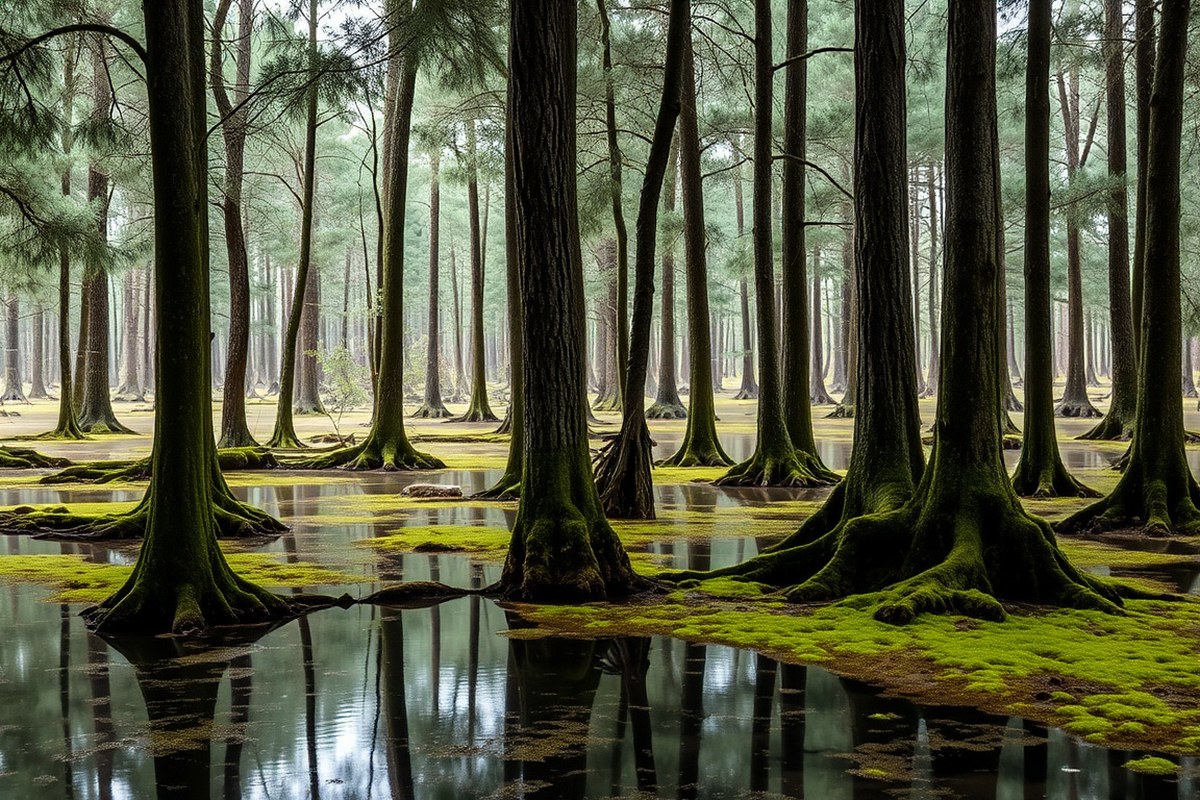
Cypress trees naturally grow on three continents: North America, Europe, and Asia. In North America, the Bald cypress is common in the southeastern United States. It thrives in swampy wetlands and along coastal areas, often reaching heights over 100 feet.
In Europe and the Mediterranean region, several true cypress species grow natively. These include Cupressus sempervirens, common in countries like Italy, Spain, and Turkey. These trees often grow in dry, rocky hillsides and open forests with well-drained soils.
East Asia has native cypress varieties too, especially in countries like China and Japan. These species often grow in mountainous forests, where the climate ranges from temperate to subtropical. Some species may be found at high altitudes, adapting to cooler temperatures.
Certain cypress species are endemic to particular regions. The Montezuma cypress grows in parts of Central America.
It is found in Mexico and Guatemala only. It typically grows on rocky slopes and mountain areas between 4,000 and 10,000 feet elevation.
Other species show wide adaptability but remain tied to specific ecosystems. Many cypress trees thrive in natural habitats like coastal dunes, floodplains, and riverbanks.
Others prefer drier lands. The Sahara Cypress grows in extreme arid zones, demonstrating broad resilience.
Most cypress trees prefer well-draining soils but can thrive with consistent moisture. Wetlands, swamps, and riparian zones provide ideal conditions for species like Bald cypress. Meanwhile, some species tolerate dry, rocky soils, showing how varied their native habitats can be worldwide.
Climate Zones and Conditions Favoring Cypress Growth
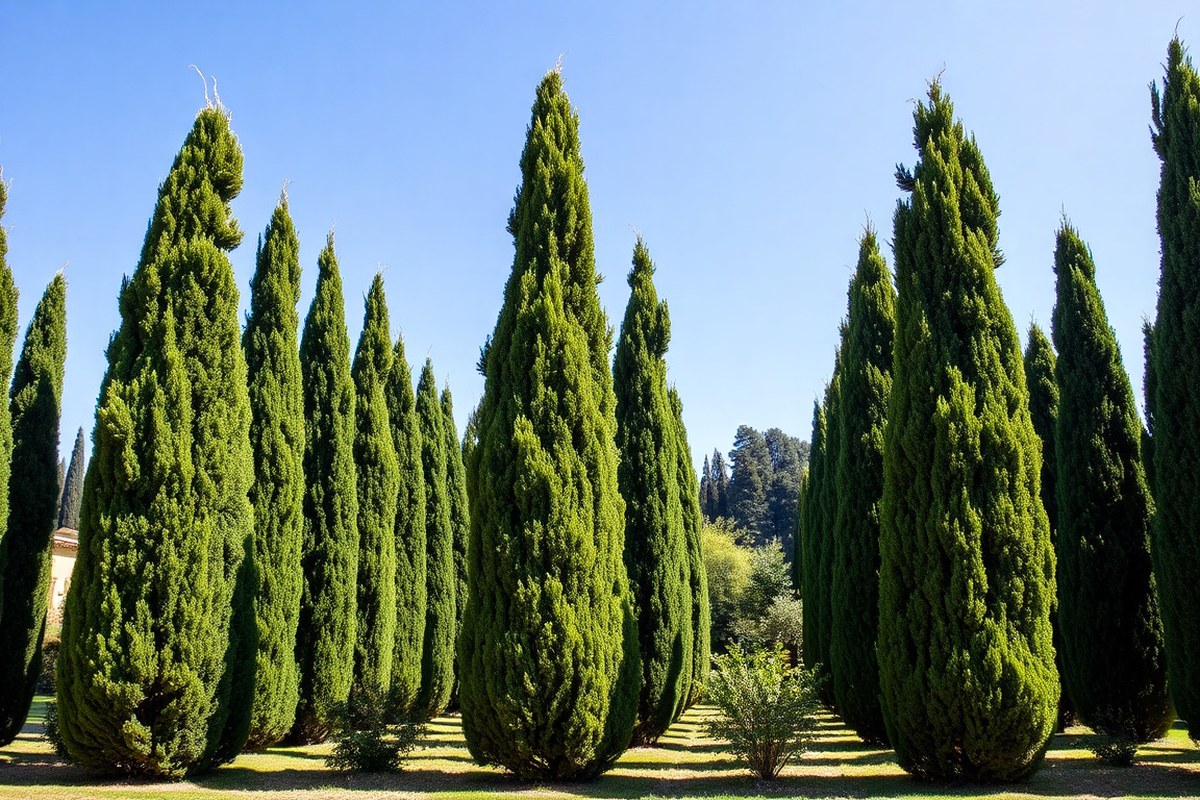
Cypress trees grow well in USDA zones 4 through 10, depending on the species. Temperature ranges and humidity levels influence where they thrive best.
You can find a suitable cypress for almost any climate. But knowing these details helps you pick the right one for your area.
USDA Hardiness Zones for Different Species
Bald cypress trees do well in zones 4 to 10, showing strong cold tolerance. Arizona cypress and Monterey cypress thrive anywhere from zone 5 to 10. Leyland, Italian, and Nootka cypress mainly grow in zones 7 to 10.
They can also handle cooler climates. This makes them adaptable to several areas.
You should pick the zone that fits your local weather. This helps your tree survive winter cold.
It also means it can handle summer heat. Trees planted outside their zone risk damage or failure to grow.
Temperature Ranges and Growth
Cypress trees manage wide temperature swings well, from cold winters to hot summers. Bald cypress endures colder winters with temperatures dropping below 0°F. Mediterranean types like Italian cypress prefer milder winters and warmer temperatures around 40, 80°F.
Extreme cold below -20°F can damage tender cypress species. Warm temperatures encourage steady growth, often 4 to 8 inches per year. Sudden temperature drops in spring or fall may cause leaf or needle damage.
Humidity and Rainfall Effects
Many cypress species adapt to variable humidity, from wet swampy areas to dry climates. Bald and pond cypress grow naturally in wetlands with high humidity and regular rainfall. Arizona cypress tolerates drier, more arid regions with lower humidity.
Cypress trees need a balance of moisture. Too much or too little hurts their roots.
Swamp-adapted species tolerate flooding better than others. Most types prefer moderate rainfall spread through the growing season.
Drought and Frost Resistance
Some cypress species handle drought better than others. Arizona and Leyland cypress tolerate dry conditions once established. Bald cypress can survive drought but grows slower without steady moisture.
Frost tolerance varies widely. Bald cypress withstands moderate frost thanks to its tough bark.
Italian cypress and other Mediterranean types may suffer damage from hard freezes. Protect young trees from frost by planting in sheltered spots.
Look at your local USDA zone map before planting your tree. This helps prevent cold damage. Avoid zones where growth may be poor.
How Soil and Water Influence Cypress Tree Growth
Cypress trees grow best in soils that range from sandy to loamy textures with good drainage. Their roots need air.
So soil that holds too much water can cause root rot. The ideal soil pH usually falls between 5.5 and 7.5, leaning slightly acidic to neutral.
Some species like bald cypress tolerate wetland or swampy soils well. Cypress trees grow best in moist soil. They need air in the soil too.
This air stops fungi from growing and causing harm. Poor drainage in clay soils can quickly lead to root diseases, especially in young trees.
Groundwater availability affects cypress growth, especially in young trees. New cypress trees need water each week. Aim for 1 to 2 inches of water.
Keep this up for 2 to 3 growing seasons. Established trees tolerate drought better but benefit from deep watering during dry spells.
| Your main need | Strong candidates | The catch to check first |
|---|---|---|
| Tall, quick screening | Leyland, Mexican, Monterey | Mature width, canker risk, root-zone drainage, pruning access |
| Blue foliage and dry-climate performance | Arizona, Tecate | Full sun, fast drainage; not fully drought-tolerant |
| Narrow formal accent | Mediterranean, Italian cypress | Warmth, minimum winter temps, cultivar’s actual width |
| Cool-climate specimen | Nootka, weeping cypress | Moist but well-drained soil |
Using well-drained soils avoids root rot, the top reason for cypress decline. Dig a planting hole twice as wide as the root ball and water deeply after planting. Keep the root zone open and free from compacted soil for the best root growth.
Young cypress trees need regular watering to establish their roots. Set a routine to deliver about an inch of water once or twice a week. Mature trees survive drought but respond well to thorough watering during dry months.
Wet soil that stays waterlogged smothers roots and invites fungus. Watch for signs like yellowing leaves or slow growth; these point to drainage problems. Improving drainage might mean amending soil or planting on raised beds.
Native Habitat Differences Among Key Cypress Species
Native Habitat Differences Among Key Cypress Species
Cypress species grow in varied habitats, from swamps to dry hills. Each type suits a distinct environment based on water, soil, and climate. This affects where and how you might grow or find them naturally.
Bald Cypress and Wetlands
Bald cypress grows best in wet, swampy areas near the Atlantic coast. You often see them rooted in shallow swamps or by river edges. This tree adapts well to wet soil and occasional flooding, fitting for wet parts of a garden.
Pond cypress, closely related but smaller, grows in shallower ponds and wetlands of the southeastern U.S. It fits spots where bald cypress might become too large. Both drop their needles in autumn and prefer humid conditions around 60°F to 90°F.
Mediterranean Cypress and Dry Slopes
Mediterranean cypress is native to dry, rocky slopes in the Mediterranean Basin. This tree thrives in temperate climates with mild, wet winters and hot, dry summers. Its narrow, tall shape suits landscapes with well-draining soil and limited water.
This species handles drought better than many others. That makes it a good choice for gardens with dry spells.
People often pick it for drought-resistant landscaping. It grows slowly but lives for centuries, anchoring hillsides against erosion where water is scarce.
Montezuma Cypress in Mountainous Regions
Montezuma cypress favors mountainous areas in Mexico and Central America. It usually grows near rivers or springs, relying on consistent moisture even at higher elevations. This species prefers subtropical forests with warm temperatures and high humidity.
Because it needs steady water, planting Montezuma cypress outside moist mountain valleys can be difficult. It won’t tolerate dry conditions well. In its native region, these trees can grow very large and provide important shade and habitat.
Nootka Cypress Coastal Forests
Nootka cypress adapts to cooler, moist coastal forests, mainly in the Pacific Northwest. It handles fog, rain, and well-drained but consistently damp soil. This tree is smaller than other cypresses and often found where the ocean keeps temperatures mild.
Its ability to resist salt spray and wind suits coastal gardens or natural forests. Nootka cypress likes cooler summers between 60°F and 75°F. It needs good air flow around its roots to thrive. Unlike other cypress types, it does not prefer hot weather.
Cypress Trees Adapted for Landscaping and Cultivation
Popular Cypress Species for Landscaping
Leyland cypress is a top choice for fast-growing privacy screens or windbreaks. It can grow 3 to 4 feet each year.
It can reach 60 to 70 feet tall. This happens when it’s not trimmed.
MacNab cypress is native to California. It stays smaller, between 10 and 30 feet tall.
This size suits small yards or decoration. Many dwarf and ornamental cultivars suit tighter spaces and decorative planting.
Using Native Traits in Landscape Design
Species from humid or marshy areas like wet soil. They may need extra drainage for dry gardens.
It helps prevent root problems. Leyland cypress prefers well-drained soil and full sun to avoid diseases.
Compact species like MacNab cypress tolerate less water and suit Mediterranean or dry climates better. Picking a cypress based on its natural habitat helps it thrive and reduces maintenance.
Planting Cypress Trees Outside Native Zones
Cypress trees can grow beyond their native climate zones with proper care. Choose species that tolerate local temperatures and adjust watering to mimic their natural environments.
Start with healthy nursery stock and prepare the soil to ensure good drainage and nutrient supply. Avoid planting too close to structures to allow full growth and airflow.
Spacing and Care for Cultivated Cypress
Plant Leyland cypress 6 to 10 feet apart. This spacing creates privacy and good airflow.
It works well for hedges. MacNab cypress needs 10 to 15 feet between trees for proper root growth.
Regular pruning keeps shape and controls size. Watch for pests and drought stress on fast growers.
Leyland cypress may need more water than others. Check plants regularly to keep them healthy.
- Choose Leyland cypress for quick privacy or windbreaks
- Consider MacNab cypress for smaller landscapes
- Match species with your climate’s temperature and moisture
- Space trees according to their mature size and growth habit
- Water newly planted cypresses regularly until established
- Prune annually to maintain shape and health
- Avoid overcrowding to reduce disease risk
Avoid planting Leyland cypress in areas prone to drought without irrigation. It suffers stress that invites disease.
Growth Rates and Mature Sizes of Different Cypress Species
Cypress trees vary a lot in size and growth rate depending on the species. Bald cypress, for example, grows about 3 feet per year early on.
It eventually grows 70 to 100 feet tall. The tree spreads wide in good conditions.
Leyland cypress is another fast grower, often adding 3 feet annually at first. This species typically grows tall and narrow, making it popular for privacy screens. Give each tree enough room to spread, or it can become crowded and unhealthy.
| Species | Annual Growth Rate | Mature Height | Mature Width/Spread | Typical Space Needed |
|---|---|---|---|---|
| Bald Cypress | About 3 feet | 70 to 100 feet | 20 to 40 feet | At least 20 feet apart |
| Leyland Cypress | About 3 feet | 50 to 70 feet | 10 to 15 feet | 10 to 15 feet apart |
| Dwarf Cypress Varieties* | Less than 1 foot | Under 10 feet | Under 6 feet | 6 to 8 feet apart |
*Dwarf varieties grow slower and stay smaller, ideal for tight spaces. They usually add less than 1 foot per year. These make good choices for smaller gardens or container planting.
Giving plenty of space for mature size helps keep your trees healthy. Crowded cypresses will slow growth and allow pests or disease to take hold. Remember, large species like bald cypress need room to spread wide and grow tall over decades.
Climate Extremes and Challenges in Cypress Habitats
Cypress trees can handle cold down to -25°F (-32°C). This makes them good for chilly places. They survive well in colder climates.
Generally, they tolerate down to about 10°F (-12°C) without major damage. Mulch around cypress roots to protect from cold snaps.
Use frost cloths too. This helps stop drying and freeze damage.
These trees are famous for handling flooding and swamp conditions. Their root systems can tolerate standing water for long periods, which helps in wetlands. Plant cypress away from compacted soil near floods.
Let water drain slowly to copy wet natural spots. This lowers root rot chances.
Cypress trees manage drought and coastal salt spray better than many trees. Species like Arizona and Italian cypress cope well with heat and dry spells in Texas.
Bald cypress thrives in damp areas. Once established, cypress tolerates salt spray and wind, making it a great choice for coastal landscapes.
Look for signs of climate stress in cypress trees like yellowing needles or branch dieback. These symptoms often mean too much drought or poor drainage is stressing the tree. Watch for stress signs on your cypress tree.
Change watering times or fix poor drainage. This eases stress on the tree.
Away from ocean breezes, cypress may get more diseases. Canker grows with heat and poor air flow. Good circulation helps prevent this.
Plant in well-ventilated spots and avoid overwatering to reduce disease risk. Proper placement helps cypress stay healthy despite environmental challenges.
Notable Cypress Tree Locations and Record Specimens
The world’s largest cypress tree is the Tule Tree in Oaxaca, Mexico. This Montezuma cypress boasts a trunk circumference of about 58 meters (190 feet). It holds the record for the widest trunk of any tree on Earth.
The Tule Tree is very old and very big. It is estimated to be over 2,000 years old. Its size and age make it special.
This age gives it a special place among ancient trees globally. It’s also Mexico’s national tree, known locally as ahuehuete.
Other notable cypress trees include some old Monterey cypress specimens along California’s coast. These trees usually grow no taller than 40 feet. They show different foliage types on one tree.
This makes them easy to notice. The oldest on record was about 284 years old in the 1920s.
- Montezuma cypress (ahuehuete), Mexico: Oldest and widest, 2,000+ years, 58m trunk
- Tule Tree, Oaxaca, Mexico: A famous Montezuma cypress, national symbol
- Bald cypress, Southern US: Common in Louisiana, Florida, reaches large sizes
- Monterey cypress, California coast: Unique foliage, up to 284 years old
- Ancient cypress groves: Help study long-term growth and environment changes
- Public parks and reserves: Many of these trees are protected and accessible
The public can visit these trees easily. Parks and protected areas often preserve them for both research and recreation. These places educate visitors about ancient tree resilience and long-term growth.
Studying such old trees helps us understand growth rates, disease resistance, and environmental impact over centuries. These lessons inform gardeners and landscapers about tree care. Understanding their size and age also tells which sites will suit cypress planting and growth.
Protect giant cypress trees by avoiding root damage and limiting soil compaction around them.
Step-by-Step Action Plan for Growing Cypress Trees
Use this plan to start growing cypress trees successfully in your garden or landscape.
- Before you start: Choose a cypress species that suits your local climate zone. Know your area’s average temperature and rainfall.
- Week 1: Test your soil for pH and drainage. Cypress trees like slightly acidic to neutral soil that drains well.
- Week 2: Plant cypress saplings in full sun to partial shade. Check that the planting spot has good air circulation.
- Week 3: Water young trees deeply once or twice a week, depending on rainfall. The soil should stay moist, not soggy.
- Month 2: Mulch around the base to keep soil moist and control weeds. Keep mulch a few inches from the trunk.
- Month 3 and ongoing: Watch growth and check for pests like aphids or scale insects. Treat promptly if you see damage.
- After 6 months: Fertilize with a balanced, slow-release fertilizer in early spring. Look for new growth as a sign of success.
- After 1 year: Prune dead or damaged branches lightly. This encourages healthy shape and airflow.
Frequently Asked Questions
Can Cypress Trees Grow Well Indoors?
Cypress trees rarely grow well indoors. They need full sun and enough space. Indoor conditions usually lack light and humidity, which can stunt their growth or cause health problems.
Do Cypress Trees Prefer Sandy or Clay Soil?
Cypress trees prefer wet, nutrient-rich soil, often found in clay or loamy types. Sandy soil drains too quickly and may not hold enough moisture for them to thrive. Moist, dense soils are best for healthy roots.
How Close Can You Plant Cypress Trees Near a Pool?
Plant cypress trees at least 10 to 15 feet from pool edges. Their roots can spread wide, and falling needles may dirty the water. This distance helps protect both the pool and tree health.
Can Cypress Trees Survive Drought Conditions?
Cypress trees are not very drought tolerant and need regular moisture. They thrive in wetlands or near water sources.
So extended dry spells can harm them. Supplemental watering is often necessary in dry seasons.
Are Cypress Trees Resistant to Pests and Diseases?
Cypress trees have moderate resistance to pests and diseases but are not immune. Common problems include bark beetles and fungal infections. Regular monitoring and prompt treatment keep them healthy.
Do Cypress Trees Lose Their Needles in Autumn?
Some species like bald cypress are deciduous and lose needles in fall. Most others keep their needles year-round as evergreens. This depends on the cypress species you have planted.
Wrapping Up
Cypress trees grow best in the right climate and soil conditions. Start with the right species and keep soil moist, not wet. Plant a sapling today and watch it thrive over the years.