Does Citronella Come Back Every Year? A Complete Guide for Gardeners
Does citronella come back every year? The short answer is yes.
Citronella grass is a perennial plant, meaning it regrows each year if cared for right. It won’t vanish completely after one season.
To make sure your citronella returns, plant it in spring when frost danger is gone. The soil temperature should stay above 60°F (15°C) for strong growth. Cold weather or frost can kill the foliage since the plant is about 90% water.
Keeping the roots healthy during winter is key for regrowth. Mulching around the base helps protect the roots from freezing. Avoid overwatering in cold months to prevent root rot.
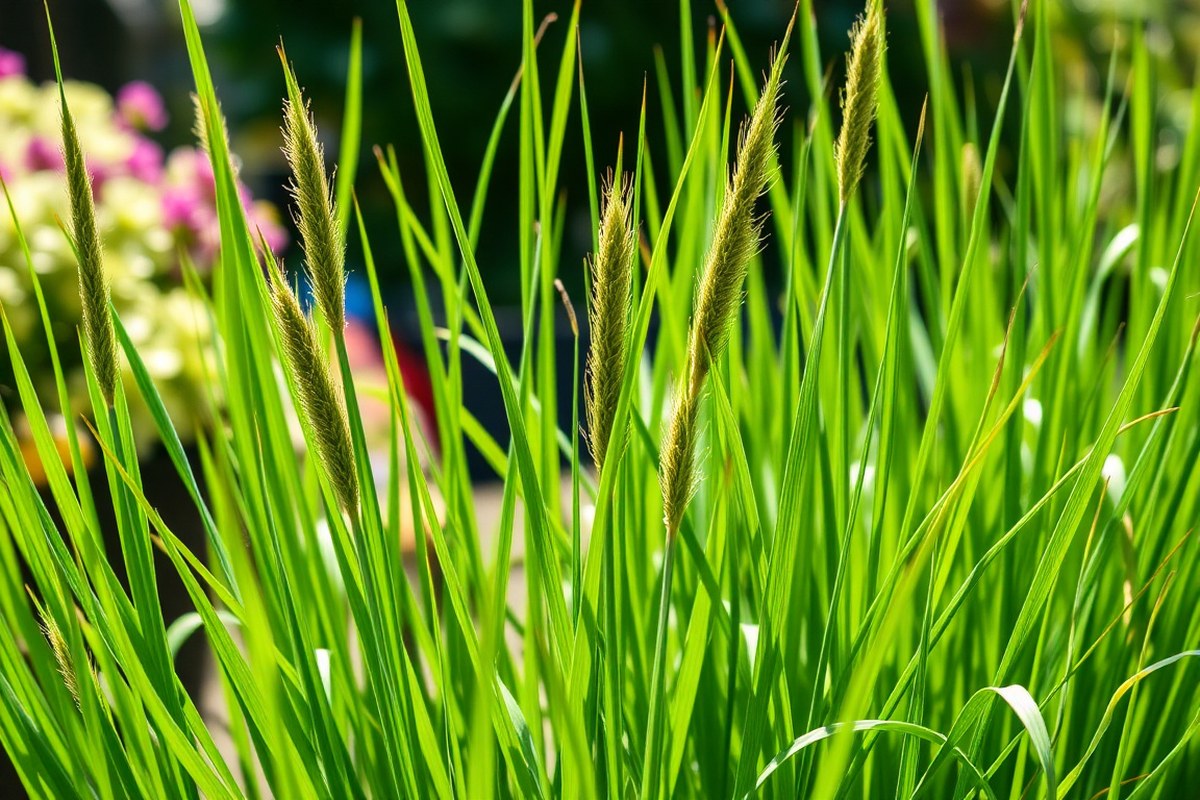
Citronella grows as a clump, reaching 5 to 6 feet tall. It thrives in warm, humid places where temperatures are around 70-85°F. Regular trimming in late summer encourages fresh growth before dormancy.
Key Takeaways
- Citronella grass is a perennial and usually comes back every year.
- Plant citronella after the last frost, when soil temperature is above 60°F.
- Cold and ice damage the plant since it contains mostly water.
- Citronella grows best in warm, humid climates with 70-85°F temperatures.
- Keep roots safe over winter by cutting back foliage and storing properly.
- Citronella plants form clumps and grow 5 to 6 feet tall.
Do Citronella Plants Come Back Every Year?
Citronella plants do come back every year, but only under the right conditions. They are tender perennials, meaning they survive winters where temperatures stay above freezing. In zones 9 to 11, citronella grass returns each spring and grows as an evergreen perennial.
In colder climates, citronella acts more like an annual because frost kills the crowns. Your USDA zone number helps predict if your plant will return. When winter drops below 32°F (0°C), your plant likely won’t survive.
Your citronella needs warm weather to come back each year. Bring it inside during cold winter months. Put your citronella outside after the last frost.
Make sure nights stay above freezing first. Avoiding frost might be impossible. You will need to replant or start new plants each spring.
How Climate and USDA Zones Affect Citronella Survival

USDA zones play a big role in whether your citronella plant will come back each year. Citronella thrives in warmer zones where winter temperatures stay mild. In colder zones, frost can kill the plant.
This stops outdoor regrowth. You need extra care to help it grow again.
Frost damages citronella because it is a tender perennial. Its leaves and stems aren’t built to handle freezing temperatures below 32°F. When frost hits, the aboveground parts often die, sometimes down to the roots. How well the plant regrows depends on winter cold.
Deep frost kills more of the plant. The more damage, the harder it is to regrow.
| USDA Zone | Average Winter Low (°F) | Citronella Behavior | Recommended Action |
|---|---|---|---|
| 9, 11 | 20, 45 | Survives outdoors, regrows each spring | Leave in ground, minimal protection needed |
| 7, 8 | 0, 20 | May die back to roots; marginal survival | Use heavy mulch, containers, or overwinter indoors |
| 3, 6 | -40 to 0 | Will not survive winter outside | Treat as annual or bring inside before frost |
You live in zones 9 to 11. Your citronella usually bounces back every spring. It sprouts fresh shoots from the plant’s crown by February or early spring.
Those zones rarely see temperatures drop below 20°F, which citronella can handle. In zones cooler than 9, frost tends to kill the top growth. So the plant may need protection or to be grown inside during winter.
In colder zones, heavy mulch can insulate the roots somewhat. But the plant often shrinks back drastically. Growing citronella in containers helps since you can bring plants indoors before the first frost hits.
Treating citronella as an annual is safest in very cold zones. This works well if you have no indoor space. It avoids frost damage outside.
Bring citronella indoors before the first frost in zone 7 or colder. This step helps the plant survive winter. Don’t wait until frost hits.
Key Differences Between Citronella Grass and Citronella Geranium
Citronella grass and citronella geranium are two different plants often mistaken for each other. Citronella grass is a tall, fast-growing grass native to Southeast Asia and parts of Africa. It emits a lemony scent when crushed, which mosquitoes tend to avoid.
Citronella geranium is a bushy plant with hairy leaves. The leaves smell citrusy. It is not a true grass species.
Citronella grass is more sensitive to cold and requires warm climates to survive. It doesn’t usually come back in colder zones unless protected indoors during winter. Citronella geranium is somewhat hardier than other types.
It can handle cooler temperatures better. Still, it may not survive freezing weather outdoors.
Both need sun and water. But their care differs slightly due to their botanical traits.
| Feature | Citronella Grass | Citronella Geranium |
|---|---|---|
| Plant Type | Tall, fast-growing grass | Bushy, hairy leafy plant |
| Native Regions | Southeast Asia, parts of Africa | Derived from scented geranium species |
| Hardiness | Less cold hardy; dies below 50°F | More cold tolerant; can survive light frost |
| Winter Survival | Often needs indoor protection | May survive winter outdoors in mild zones |
| Care Needs | Full sun, regular watering, humid climate | Partial sun, moderate watering |
| Growth Habit | Fast-growing, can be pinched to control size | Compact, naturally bushy |
Knowing the type of citronella you have helps you plan care right. Grass works best in warm, sunny spots where it can grow fast.
You might pinch back the grass to keep it bushy and prevent it from getting leggy. The geranium is less demanding if temperatures drop but prefers some sun and drier soil.
Citronella grass rarely returns yearly without winter protection. You must bring it inside or cover it before temperatures dip below 50°F. You can leave citronella geranium outdoors in zones above USDA 8. It will regrow each spring.
This needs less care. Both plants lose vigor if left in cold or bad weather without care.
How to Care for Citronella During Winter to Ensure Return
Citronella plants need special care to survive winter indoors. You should bring them inside before the cold gets harsh. Proper light, temperature, and watering will help them stay healthy through the season.
Timing the Move Indoors
Bring your citronella plant indoors once night temperatures drop below 50 °F. This usually happens in early fall. Waiting too long risks damage from frost or cold snaps.
Start by gradually moving the plant to a shadier spot outside. This helps it adjust to lower light before going indoors. Sudden changes can cause stress and leaf drop.
Ideal Indoor Temperature and Light
Keep your citronella plant in a spot that stays between 60 and 70 °F. Avoid placing it near drafts or heaters. Rapid shifts in temperature can harm the plant.
Place the plant near a south- or west-facing window for bright, indirect light. If natural light is weak, use a grow light for about 10 to 12 hours a day. Insufficient light will stunt growth and cause leaves to yellow.
Pruning and Soil Care Before Winter
Cut back the foliage to about 3 inches above the crown before bringing the plant indoors. This reduces stress and helps it focus on root health. Remove dead or yellowing leaves to prevent disease.
Gently shake off excess soil from the roots. Then check the pot for good drainage. Waterlogged soil can lead to root rot during the dormant winter phase.
Watering and Humidity Tips
Water your citronella plant sparingly through winter. Let the top inch of soil dry out before watering again. Overwatering is a common mistake that kills the plant.
Keep humidity levels moderate by placing a tray of water nearby or misting occasionally. Dry indoor air from heaters can cause leaf edges to brown. Avoid overcrowding your plant, or airflow will suffer.
- Start moving the plant to shadier spots outside a week before frost.
- Cut back foliage to 3 inches above the crown and remove dead leaves.
- Gently shake off excess soil and check that the pot drains well.
- Bring the plant indoors before night temperatures fall below 50 °F.
- Place it near a south- or west-facing window or use grow lights.
- Maintain indoor temperatures between 60 and 70 °F, away from drafts.
- Water only when the top inch of soil feels dry to the touch.
- Increase humidity by misting or using a water tray nearby.
Propagation Methods to Maintain Your Citronella Year After Year
You can keep your citronella plants going for years by propagating them yourself. Rooting cuttings, planting seeds, and dividing grass clumps all work well. These methods let you replace old plants or add new ones easily.
Rooting Cuttings in Water
Taking cuttings is a simple way to grow new citronella plants from existing ones. The mosquito plant, Pelargonium citrosum, works best this way. It grows bushy and spreads well with this method.
You get healthier growth when you do it like this. Use healthy stems about 4 to 6 inches long.
- Cut a 4-6 inch stem just below a leaf node using sharp scissors.
- Remove the lower leaves, leaving just two or three at the top.
- Put the cutting in a glass of clean water. Make sure no leaves touch the water. Keep the cutting steady and watch for new roots.
- Put the glass in bright, indirect sunlight and change the water every few days.
- Wait 2 to 3 weeks for roots to grow about 1 to 2 inches long.
- Plant the rooted cutting in moist, well-draining potting mix.
- Keep the soil moist but not soaked and avoid direct harsh sun immediately.
Watch cuttings closely for mold; fresh water prevents it from developing.
Planting Seeds from Mature Plants
Collecting seeds lets you grow citronella from scratch. The mosquito plant produces small seeds after flowering, ideal for this method. Seed-grown plants take longer to reach full size but can increase your collection.
- Wait for seed pods on mature plants to dry and start turning brown.
- Harvest the pods and gently crush them to release the tiny seeds.
- Store seeds in a cool, dry place in a paper envelope until planting.
- Sow seeds about ¼ inch deep in seed-starting mix in trays or pots.
- Keep the soil moist and warm, around 70°F, for about 2 to 3 weeks.
- Thin seedlings so they have about 6 inches of space once sprouted.
- Transplant young plants outside or into larger pots after they grow 4-6 true leaves.
Seed germination can be slow; patience helps because seeds vary in sprout time.
Using Division to Propagate Grass Clumps
Dividing citronella grass clumps (Cymbopogon species) encourages healthy growth and spreads plants. This method suits citronella grass best since it grows in dense clumps. Do this in early spring or fall for the best chance of success.
- Dig up the entire clump carefully to keep its root system intact.
- Shake or wash soil off the roots to see natural divisions clearly.
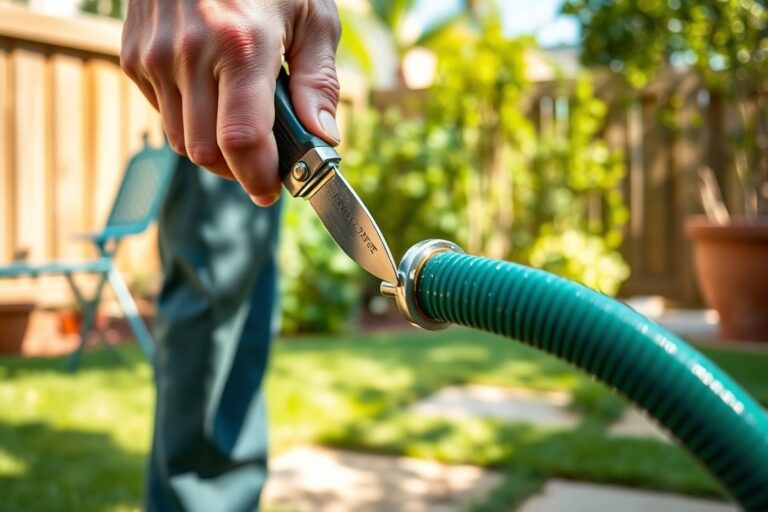
- Use a sharp knife or spade to split the clump into sections, each with roots.
- Plant each division in a spot with full sun and moist, well-draining soil.
- Water the new divisions daily until they’re established and growing well.
- Avoid overwatering and let the top inch of soil dry slightly between watering.
Dividing too late in the season can stress the plant and slow regrowth.
Common Reasons Citronella Fails to Regrow and How to Fix Them
Citronella plants often fail to come back after winter because of cold damage or poor care. They want plenty of sunlight and mild temperatures, around 65°F to 75°F. Living in an area where winter falls below 50°F means your citronella may need protection outdoors to survive.
Common care mistakes include overwatering, underwatering, and planting in shady spots. These issues weaken the plant’s roots, making regrowth harder in spring.
Check the soil moisture before watering. The top inch should feel dry to the touch.
- Keep citronella in a sunny spot with at least 6 hours of light
- Water only when the soil dries out, about once a week in summer
- Use well-draining soil to avoid waterlogged roots
- Bring pots indoors before the temperature falls below 50°F
- Trim dead stems in early spring to encourage fresh growth
- Fertilize lightly every 4 to 6 weeks during the growing season
- Watch for pests like spider mites, and treat promptly
Sometimes citronella dies back because it gets less sun as days shorten. Moving your plant to a brighter spot helps when it gets too much shade. Lack of light slows growth and reduces the plant’s energy to survive winter.
Another trouble is root rot caused by soggy soil conditions. Use pots with drainage holes and avoid letting water pool around the roots. Yellow leaves or a smelly soil mean you should repot with fresh, dry soil immediately.
When warm weather returns, cut citronella back to about 6 inches. This helps the plant focus on making strong new shoots.
You might see no green for a while, but patience pays off. Proper care means more chances your citronella will return year after year.
Ideal Growing Conditions to Promote Healthy Citronella Growth
Citronella plants need bright, filtered sunlight to grow well. Avoid harsh, direct sun that can scorch the leaves. Keep the temperature steady between 60 and 75°F (15 to 24°C) for healthy growth.
Moist, loamy soil works best for citronella. It should drain well to keep the roots from sitting in water. Soil that holds some moisture but doesn’t stay soggy helps the roots breathe and grow strong.
Water your citronella regularly to keep the soil lightly moist. Check the top inch of soil; water if it feels dry. During hot weather, this may mean watering two or three times a week.
- Bright, filtered sunlight or partial shade
- Well-draining, moist loamy soil
- Water when top inch of soil dries out
- Maintain temperatures between 60 and 75°F (15-24°C)
- Fertilize once a month during growing season
- Prune lightly to encourage indoor survival
Fertilize citronella about once a month with a balanced, water-soluble fertilizer. This gives the plant nutrients to stay lush and grow fast. Avoid fertilizing in winter when the plant’s growth naturally slows.
Citronella is sensitive to frost; temperatures below freezing harm its growing tissue. If the temperature drops suddenly, bring potted plants indoors or protect outdoor ones. This care step helps the plant survive and come back strong next season.
Signs to Expect When Citronella Is Ready to Regrow in Spring
Citronella plants show signs of coming back in spring by sprouting fresh leaves and firm stems. Check for green growth near the crown.
Avoid pruning or moving the plant too early. Healthy regrowth means you can start caring for it outdoors once the soil warms above 50°F.
Early Leaf Sprouts and Color
Look for new leaf sprouts near the base of the plant as spring warms up. These leaves should be bright green and free of brown spots or wilting. Small, tender shoots signal the plant is actively growing again.
Leaves that remain brown, dry, or lack scent may mean the plant didn’t survive winter. Healthy sprouts often appear within 2 to 4 weeks of consistent daytime temperatures above 50°F. Watch closely for any sign of fresh shoots during this time.
Stem Firmness and Crown Health
Feel the stems just above the soil. They should be firm and snap easily when bent.
Soft, mushy, or blackened stems near the crown often mean winter damage. A firm base with no dark spots usually indicates a healthy plant ready to regrow.
Leave 2 inches (5 cm) of stem above the crown when pruning. This helps the citronella plant regrow stronger. Cutting too close can harm the plant’s regrowth.
Cutting too low stresses the plant and slows new growth. Inspect the crown for any rotten or mushy tissue, which won’t recover well.
Timing for Outdoor Transplanting
Wait until nighttime temperatures consistently stay about 50°F or higher before moving plants outdoors. Cold soil or air can shock new growth and cause dieback. Transplant young citronella plants after the soil warms up.
Move them from pots to garden beds or bigger containers. This gives them space to grow healthy roots.
Prune the plant lightly before transplanting to encourage fuller growth. Resume regular watering, but avoid overwatering to prevent root rot. Check soil moisture every few days as outdoor conditions will dry the soil faster than indoors.
- Look for green shoots near the plant base in early spring
- Check stems for firmness and lack of black or soft spots
- Keep at least 2 inches of stem above the crown when pruning
- Wait for nighttime temperatures of 50°F or above to move plants outdoors
- Prune lightly before transplanting to encourage vigor
- Water regularly but avoid soggy soil after transplanting
Don’t rush transplanting too early, it can kill tender new growth.
Step-by-Step Action Plan for Keeping Citronella Year After Year
Follow these steps each year to help your citronella survive and come back strong. Watch for new growth to know you’re on track.
- Early Fall: Cut back your citronella plant to about 4 inches tall. This stops old stems from using energy.
- Late Fall: Bring potted citronella indoors or cover outdoor plants with mulch. This protects roots from freezing.
- Winter: Keep indoor plants in bright light and water sparingly to avoid root rot. For outdoor plants, check mulch stays thick.
- Early Spring: Remove any mulch and move pots outside gradually once frost risks pass. Look for small green shoots.
- Spring Growth: Fertilize lightly with a balanced plant food after new leaves appear. This helps shoots grow faster.
- Mid to Late Spring: Start watering your citronella regularly as it warms up. Avoid overwatering by checking soil moisture.
- Summer: Keep your citronella in full sun and watch for pests like spider mites. Treat immediately if needed.
- Late Summer: Start preparing for fall by reducing water slowly as days shorten. This helps the plant slow down.
Frequently Asked Questions
Does Citronella Need Full Sun to Regrow Every Year?
Yes, citronella grows best with full sun exposure. It helps the plant stay healthy and encourages strong regrowth each spring. Your plant might not recover well from too much shade.
Can You Dig Up Citronella and Transplant It for Regrowth?
Digging and transplanting citronella is possible and works well. It’s best to do this in early spring.
The plant can then adjust and start growing in its new place. Keep roots moist during the move.
How Deep Should You Cut Back Citronella to Encourage Regrowth?
Cut citronella back to about 6 inches above the ground in late winter. This helps the plant use energy efficiently when it starts growing again. Avoid cutting too low to prevent damage to new shoots.
Does Citronella Need Fertilizer to Grow Back Each Year?
Adding fertilizer helps citronella come back stronger. Use a balanced, slow-release fertilizer in early spring to feed the plant. Too much fertilizer is not needed and can harm growth.
How Long Does It Take for Citronella to Regrow After Cutting?
Citronella usually starts new growth about 2 to 4 weeks after pruning. Warmer temperatures speed up the process. Keep the soil moist to support fresh shoots.
Can Citronella Plants Survive Indoors to Come Back Yearly Outside?
Citronella can survive indoors if kept bright and warm over winter. Bring the plant inside before frost hits and place it near a sunny window. This helps it live to regrow outdoors next year.
Wrapping Up
Citronella can come back each year if you protect it in winter. You also need to give it steady care. This helps the plant grow strong again.
Start by cutting back dead growth as fall ends. Your plant will thank you with fresh, bright leaves when spring arrives.