What Plants to Grow Together for Best Results: A Complete Companion Planting Guide
What plants to grow together depends on which plants support each other’s growth. Companion plants help your garden thrive by improving soil, attracting pollinators, or repelling pests. Planting compatible species near each other gives you healthier plants and better harvests.
Some plants add nutrients to the soil while others take them up, balancing nutrients naturally. For example, beans fix nitrogen, which benefits leafy greens nearby. Flowers like marigolds attract beneficial insects and keep harmful bugs away from vegetables.
Start by placing companion plants 2 to 4 feet apart. This distance helps you get the best benefits. Keep them close but not crowded.
Avoid planting antagonistic partners, like fennel and tomatoes, too close since they can stunt growth. Planning the right pairs and spacing is key to a successful garden.
Key Takeaways
- Plant companion species within 2 to 4 feet of each other for best effects.
- Keep allelopathic plants like fennel at least 6, 10 feet away from sensitive crops.
- Start corn planting first, then add beans and squash around it for growth support.
- Use flowering plants near veggies to attract more pollinators and boost yields.
- Space marigolds 8, 12 inches apart among tomatoes to reduce pests.
- Place squash at least 12, 18 inches from other plants to prevent vine crowding.
Which Plants Grow Well Together and Why

Some plants grow well together because they help each other fight pests. They also improve soil or attract pollinators. This teamwork helps your garden thrive.
For example, planting marigolds near tomatoes helps keep nematodes and whiteflies away. Beans fix nitrogen in the soil, which benefits leafy vegetables nearby. Adding flowers like borage or calendula to vegetable beds attracts pollinators and ward off harmful insects.
Here is a table showing popular flowers, their benefits, and which vegetables they pair well with:
| Flower | Benefit | Best Paired With |
|---|---|---|
| Marigold (Tagetes) | Nematode suppression, whitefly deterrence | Tomato, pepper, squash, eggplant |
| Nasturtium | Trap crop for aphids, edible flowers | Cucumber, squash, beans, brassicas |
| Sunflower | Pollinator attraction, windbreak, trellis | Corn, cucumber, squash, lettuce |
| Borage | Pollinator attraction, pest deterrence | Strawberry, tomato, squash |
| Calendula | Pest deterrence (asparagus beetle, hornworm), pollination | Tomato, asparagus, beans |
Classic companion pairs include tomatoes with basil and marigolds, which improves tomato flavor and controls pests. Beans grow well with corn and squash. Beans fix nitrogen and climb corn stalks.
Squash shades the soil to keep it moist. Radishes planted near cucumbers deter cucumber beetles naturally, reducing pest problems without chemicals.
Some pairings also improve flavor and growth. Tomatoes often taste better when grown near basil. Carrots partner well with lettuce and onions, sharing space efficiently and keeping pests down.
Avoid planting fennel near most vegetables because it releases chemicals that stunt other plant growth. Instead, keep fennel 6 to 10 feet away.
How Close Should Companion Plants Be Planted for Best Results
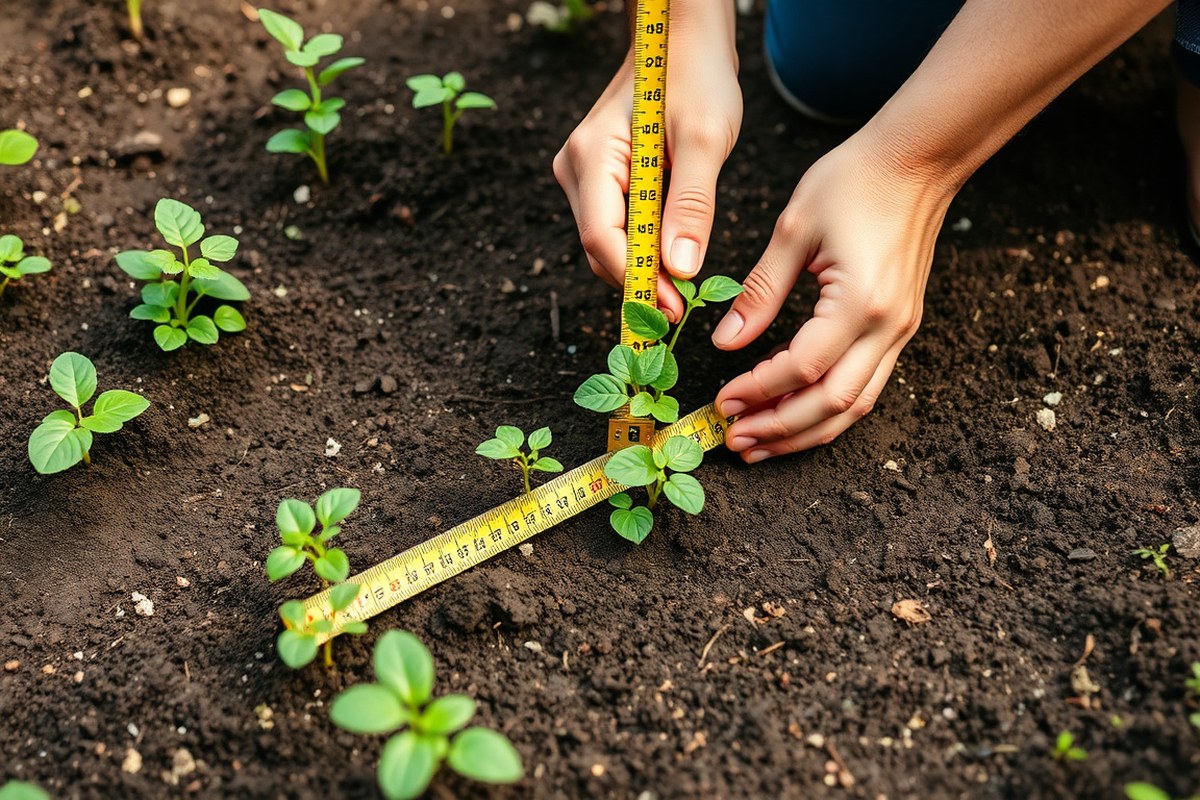
Companion plants generally do well when placed within 2 to 4 feet of each other. This distance allows them to share nutrients, water, and beneficial insects without crowding. For example, tomatoes and basil grow well about 18 inches apart.
Basil needs less space, but tomatoes get larger. So keep them spaced to fit their size differences.
Some plants like potatoes and zucchini inhibit each other. Corn and tomatoes do this too. Keep these at least 3 to 4 feet apart to avoid problems.
Antagonistic pairs can stunt growth or attract pests to one another. Use spacing to separate these pairs so their roots and leaves don’t overlap excessively, reducing stress.
Some plants need more space due to their size or growth habits. Tall plants like corn should be spaced 12 inches apart in mounds. But their companion beans can grow closer around them.
Flowers like mallow at 4 feet tall pair well with shorter plants. So adjust spacing to fit their mature height. Always consider your plants’ final size when deciding how close to plant them.
Use this quick planting checklist: space beneficial pairs 2 to 4 feet apart. Keep antagonistic plants at least 3 feet apart. Change spacing for plants that are large or tall.
Pay attention to each plant’s mature size and root spread. These steps keep plants healthy and prevent overcrowding.
Don’t crowd antagonist plants; even a few inches too close can cause poor growth.
Top Companion Planting Combinations and Their Benefits
Some of the best companion plants grow well together. Tomato pairs nicely with basil. Corn works great with beans and squash.
Cucumber and nasturtium also grow well side by side. These combos help control pests, improve growth, and can also improve flavors. You can easily try these in your garden, using simple spacing and planting tips.
Vegetable and Herb Pairings
Tomatoes and basil are a classic mix gardeners love. Plant basil directly between tomato plants to help keep aphids and thrips away. The close proximity boosts basil’s pest-repelling effect while making the tomatoes taste better.
Another useful pair is potatoes with cabbage, corn, and beans. These plants support each other by improving soil nutrients and blocking some pests. This group helps potatoes grow bigger and taste better without extra effort.
Three Sisters Planting System
The Three Sisters system grows corn, beans, and squash together in one spot. Corn stalks act like poles for beans to climb, saving space and effort. Meanwhile, squash spreads on the ground, blocking weeds and keeping moisture in the soil.
Plant corn first, then sow beans at the base of 6-inch tall corn stalks. Next, plant squash seeds between corn hills to fill the space underfoot. This setup creates a natural balance, reducing pests and supporting strong growth without chemicals.
Flower and Vegetable Combinations
Adding flowers like nasturtiums near vegetables can trap pests like aphids. Nasturtiums act as a “trap crop,” drawing aphids away from beans and other vegetables. Similarly, French marigolds help control harmful nematodes in the soil.
Borage attracts pollinators and beneficial insects that attack garden pests. Dill flowers host parasitic wasps, which also target harmful bugs. Planting these flowers amidst your vegetables helps with pollination and protects plants naturally.
Here’s a table of proven companion plants, their benefits, and common uses in home gardens.
| Plant Pairing | Benefit | Common Use |
|---|---|---|
| Tomatoes + Basil | Repels thrips and aphids, improves tomato flavor | Plant basil between tomato plants |
| Corn + Beans + Squash (Three Sisters) | Supports growth, shades soil, blocks weeds | Plant corn first, then beans on bases, squash in between |
| Cucumber + Nasturtium | Traps aphids, protects cucumbers from pests | Plant nasturtiums near cucumbers |
| Potatoes + Cabbage + Corn + Beans | Improves potato growth and flavor, pest control | Grow these together in close rows |
| French Marigolds + Multiple Vegetables | Suppresses nematodes and soil pests | Plant marigolds around vegetable patches |
This table shows how combining certain plants saves space and reduces pests. You can copy these combos in any backyard or container garden. Give main plants enough space to grow.
Plant companion plants nearby. Keep them within two to three rows for best results.
How Companion Plants Attract Beneficial Insects and Boost Pollination
Pollinators like bees, butterflies, and hummingbirds improve vegetable yields by helping flowers set fruit. Adding flowering plants near vegetables can boost harvests by 30 percent. Garden experts say this works well.
It helps attract pollinators that improve vegetable yields. You can attract these helpful insects by planting flowers with rich nectar throughout your garden.
Zinnias, cosmos, and sunflowers are great for drawing bees and butterflies. Herbs like chives, dill, and fennel also attract pollinators when allowed to flower. Use tubular red or orange blooms to attract hummingbirds.
These flowers help bring them near your crops. Hummingbirds assist in pollinating many plants.
Beneficial insects such as ladybugs and lacewings feed on pests that harm your plants. Flowers with flat clusters or umbels, like dill and yarrow, attract these predators into your garden. Plant companion flowers around vegetables to reduce pests.
This lowers your need for sprays. It protects your plants naturally.
Scatter these pollinator-friendly plants evenly, mixing some into vegetable beds rather than isolating them. Use herbs as borders or edges to keep costs low and add diversity. Let some herbs bloom in your garden without extra cost.
Blooming herbs change insect activity a lot. This helps control pests naturally.
Keep flowering plants blooming by deadheading spent blooms and watering regularly. This continuous supply of nectar keeps pollinators returning throughout the growing season. Otherwise, short bloom times can limit the benefits and reduce insect visits.
Put small groups of zinnias or cosmos near tomatoes and peppers. These flowers boost fruit production. The plants get better pollination.
In cooler climates, plant early so flowers bloom on time. Flowers should bloom when vegetables need pollination most.
This usually happens from late spring to mid-summer. In hot climates, shade-loving flowers can protect some pollinators from the heat.
Common Plant Combinations to Avoid and Why
Some plant combinations cause problems because they compete for nutrients or block light. For example, avoid planting tall sunflowers right next to short lettuce. The sunflowers shade lettuce, stunting its growth.
Another bad mix is tomatoes and fennel. Fennel releases natural chemicals that limit tomato growth, a process called allelopathy.
Allelopathy means a plant produces chemicals that slow or stop other nearby plants from growing. Walnut trees are famous for this. Walnut roots release juglone, a toxin harmful to many garden plants within 50 feet.
You’ll notice wilting or poor growth when allelopathic plants are too close to sensitive ones. Yellowing leaves and stunted shoots often show stress.
Spacing is key. Keep fennel at least 4 feet from tomatoes. Walnut trees need a larger buffer, about 50 feet if possible.
Plants also compete when overcrowded, causing nutrient shortages, weaker growth, or more disease. Give each plant enough room based on its mature size to prevent these issues. Overcrowding reduces airflow and sunlight, inviting pests and fungus.
Below is a quick comparison of some antagonistic pairs and their recommended separation distances:
| Plant 1 | Plant 2 | Reason to Avoid | Recommended Separation |
|---|---|---|---|
| Tomato | Fennel | Allelopathy | 4 feet |
| Walnut | Most garden plants | Juglone toxin | 50 feet |
| Sunflower | Lettuce | Shade blocking light | Depends on bed, at least 3 feet |
| Corn | Tomato | Heavy nutrient competition | 3 to 4 feet |
Watch for yellow leaves or slow growth as warning signs. Plants leaning away can also mean problems. These signs show plants might not get along well.
Also check your garden plan for allelopathic species or heavy nutrient users. Keep at least the recommended distance between tricky plants.
Check your garden up close during the first season. This helps catch problems before they get worse.
Avoid planting herbs like fennel too near vegetables. Fennel gives off chemicals that can stop veggies from growing. Plant it far to keep your vegetables healthy.
How to Plan and Plant Multi-Species Gardens Using Companion Strategies
Planning a multi-species garden starts with timing, spacing, and arranging plants carefully. Companion plants need room, sunlight, and the right order to thrive together. Using known strategies like the Three Sisters helps your plants grow well.
Layered planting creates a balanced microclimate in your garden. This boosts plant health and growth overall.
Timing and Planting Sequence
Plant companions based on each crop’s growth speed and frost tolerance. Start with slow-growing or frost-hardy plants first, then add faster growers nearby. This approach helps avoid crowding and ensures all plants get established.
The Three Sisters method shows this well. Plant corn first, wait two weeks for it to grow tall, then add beans and squash.
The corn supports the beans. The squash covers soil to keep moisture in and block weeds.
Spacing and Layering Plants
Space tall plants like corn or sunflowers at least 12 to 18 inches apart. Spread squash or ground-cover plants about 18 to 24 inches apart. This keeps them from competing with other plants nearby.
Give your plants enough space to thrive. Proper spacing helps air flow and keeps fungal diseases down.
Layer your garden by height: place tall plants toward the back or center. Mid-height plants go next, then low ground covers fill empty ground. This layered setup increases sun exposure and creates natural shade for some crops, reducing heat stress.
Managing Growth and Crop Rotation
Watch plants as they grow to adjust space or add supports for climbing types. This helps prevent plants from blocking each other’s light or crowding roots. Prune or thin plants when needed to keep them healthy.
Rotate companion groups yearly to different spots. Moving plants with similar nutrient needs prevents soil depletion and lowers pest pressure. It usually takes 3 to 4 years before planting the same family in the same location.
Try this step-by-step process to plan and plant companions:
- Choose companion plants with complementary growth habits and pest resistance.
- Check each plant’s sun, water, and frost needs for your zone and season.
- Map your garden area to include tall, medium, and ground-cover plant zones.
- Space tall plants 12, 18 inches apart; spreaders 18, 24 inches; layer by height.
- Plant slow growers or frost-tolerant crops first; add faster growers after 1, 2 weeks.
- Observe growth weekly; adjust spacing or add supports as needed.
- Record plant families’ locations for planning crop rotation next year.
- Keep soil healthy with compost and mulch to support companion benefits.
Aromatic Plants and Their Pest-Repelling Properties Explained
Aromatic plants like basil and marigolds release volatile compounds that repel pests. These effects work best when plants are close to your crops. Keep them 12 to 18 inches apart.
This distance helps protect your crops well. Scientific studies back their ability to reduce pests and improve garden health.
Basil and Its Pest-Repellent Oils
Basil produces oils such as linalool and eugenol, which repel thrips and other pests. A 2009 study showed basil cuts down thrips a lot. The study was in the Journal of the American Society for Horticultural Science.
Basil can really help reduce thrips. Plant basil within 12 to 18 inches of affected crops to maximize this benefit.
Try growing basil under tomato plants to keep thrips away and use space efficiently. The strong smell confuses pests and helps protect nearby veggies naturally. Keep basil healthy by watering regularly and giving it enough sunlight for best oil production.
Marigolds and Nematode Suppression
Marigolds release compounds that reduce harmful nematodes in the soil. These tiny worms attack roots, damaging many garden plants. Plant marigolds 12 to 18 inches from vegetables like tomatoes and peppers.
This helps shield them from harmful nematodes. Keep marigolds close for best protection.
Besides nematodes, marigolds repel whiteflies and aphids with their scent. You can plant them along the edges of beds or scattered among crops for pest control. Marigolds are easy to grow and only require full sun and well-drained soil.
Other Aromatic Companion Plants
Herbs like sage, oregano, and nasturtiums also give off scents that deter common pests. Sage and oregano repel insects like cabbage moths and carrot flies, helping protect nearby crops. Keep these herbs within 12 to 18 inches of your vegetables for best effects.
Nasturtiums attract aphids away from other plants and repel whiteflies. Place nasturtiums near crops prone to those pests, like lettuce or beans. These companions are low-cost and easy to add to vegetable patches for natural pest defense.
Common Mistakes in Companion Planting and How to Fix Them
Space plants 2 to 4 feet apart to fit their growth needs. Overcrowding reduces airflow and sunlight, inviting disease and pest problems. Use the spacing guidelines printed on seed packets or garden tags to avoid these issues.
Ignoring plant incompatibilities can cancel out companion benefits. Keep root vegetables away from plants you harvest often.
So they don’t compete or damage each other during picking. Also, avoid planting heavy feeders next to shallow root plants, as they compete for nutrients.
Timing mistakes happen when plants need different seasons or growth speeds. Some perennials bloom at different times. They still grow well together.
For example, ‘Frosty Morn’ sedum and ‘Tricolor’ ajuga pair nicely. Watch when plants mature.
Change pairings each season or climate. Match pairings to their life cycles.
- Check plant spacing: measure 2 to 4 feet between companions.
- Match harvest times to avoid disturbing roots or growth.
- Rotate companion pairs yearly in raised beds or containers.
- Start small with a few pairs, then expand or tweak.
- Note each plant’s sunlight and water needs before pairing.
- Avoid pairing heavy feeders with shallow-rooted plants.
Rotating companion plants keeps soil nutrients balanced and pests under control. Using raised beds or containers makes this easier each year. Small, well-planned pairs let you test and see what works best before expanding your garden.
Keep companions close but not crowded, and adjust pairs with the seasons.
When the climate shifts, such as hotter summers or early frosts, change your companion combinations. Some plants don’t tolerate heat well and may need different partners or extra shade. Watch how plants perform through the season and adjust next year’s layout for better results.
Step-by-Step Action Plan for Companion Planting Success
Follow these steps to plan and start your companion garden effectively. Check your plants’ health to know you’re on track.
- Before you start: List your main crops and research their best companions. Knowing these helps avoid harmful pairings.
- Week 1: Prepare your soil with compost and organic matter. Healthy soil supports plant growth and beneficial bugs.
- Week 2: Plant your chosen companion pairs with proper spacing, usually 6 to 12 inches apart. Check if seedlings look strong after planting.
- Week 4: Add aromatic plants like basil or marigolds between your veggies. Watch for fewer pest issues as a good sign.
- Week 6: Monitor for pollinators such as bees and ladybugs. Their presence means the garden environment supports your plants.
- Week 8: Thin out weak plants to reduce crowding and disease risk. Healthy plants will grow bigger and stronger.
- After harvest: Rotate your crops and companions. This keeps soil nutrients balanced and cuts pest cycles.
Frequently Asked Questions
What Are the Signs That Two Plants Do Not Grow Well Together?
You might see stunted growth or poor yields. Plants could attract the same pests or compete heavily for nutrients. Watch for wilting or yellowing leaves as early warning signs.
Can Companion Planting Improve Soil Health?
Yes, some plant pairs help balance soil nutrients naturally. Legumes, for example, fix nitrogen that benefits neighboring plants. Rotate these pairs to maintain good soil over time.
How Long Does It Take for Companion Plants to Benefit Each Other?
Most benefits appear in a single growing season. Plants start repelling pests or improving soil within weeks. Still, results grow better over several seasons with practice.
Can Flowers Be Companion Plants for Vegetables?
Definitely, flowers like marigolds or nasturtiums deter pests near veggies. They attract beneficial insects that improve pollination. Mixing flowers with vegetables adds color and function.
Does Companion Planting Reduce the Need for Chemical Pesticides?
Yes, plants that repel pests naturally lower pest problems. This can cut down on pesticide use in your garden. Make sure you pick proven pest-repelling companions.
How Can You Tell Which Companion Plants Attract Pollinators Best?
Look for plants with bright colors and sweet-smelling flowers. They draw bees, butterflies, and hummingbirds to your garden. Planting a variety ensures pollinators stick around longer.
Wrapping Up
Knowing which plants grow well together makes your garden healthier and more productive. Start by adding one companion pair to your garden this season. Watch how these plants work together and adjust your plan for next time.