How to Plant Habanero Seeds: Complete Guide for Fast, Reliable Growth
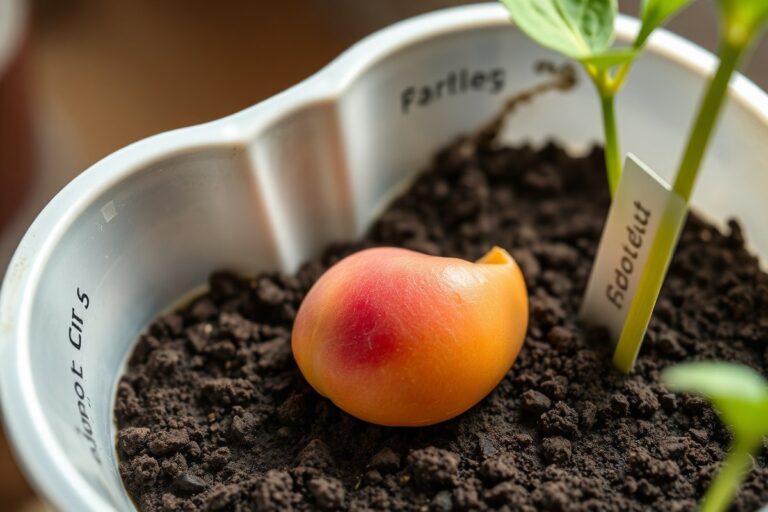
Knowing how to plant habanero seeds is key for fast, strong growth. Start indoors 8 to 10 weeks before you plan to move them outside. Plant seeds ¼ inch deep in warm soil.
Use a heat mat set between 80 and 90°F. This temperature helps the seeds sprout faster. This warmth helps seeds sprout faster and boosts your chances of success.
Soaking habanero seeds in water for 24 hours before planting softens their shell. This step helps speed up germination, which usually takes between 7 and 10 days.
Don’t worry if some take longer. It can take up to 25 days for all seeds to emerge.
Use seed-starting soil that only lasts for about three to four weeks. After this, transplant seedlings to richer soil or bigger pots. Remember, habanero plants grow up to 3.5 feet tall and need room to spread.
Key Takeaways
- Begin growing habanero seeds inside your home 8 to 10 weeks prior to the last frost. This timing gives seedlings a head start. Starting indoors helps protect young plants from cold weather.
- Plant seeds ¼ inch deep on a heat mat with 80, 90°F warmth.
- Soak seeds for 24 hours prior to planting to improve germination.
- Expect seeds to sprout mostly in 7 to 10 days but wait up to 25.
- Use seed-starting soil only during the seedlings’ first 3 to 4 weeks.
- Transplant seedlings when they have two sets of true leaves.
How to Start Habanero Seeds Indoors for Best Germination
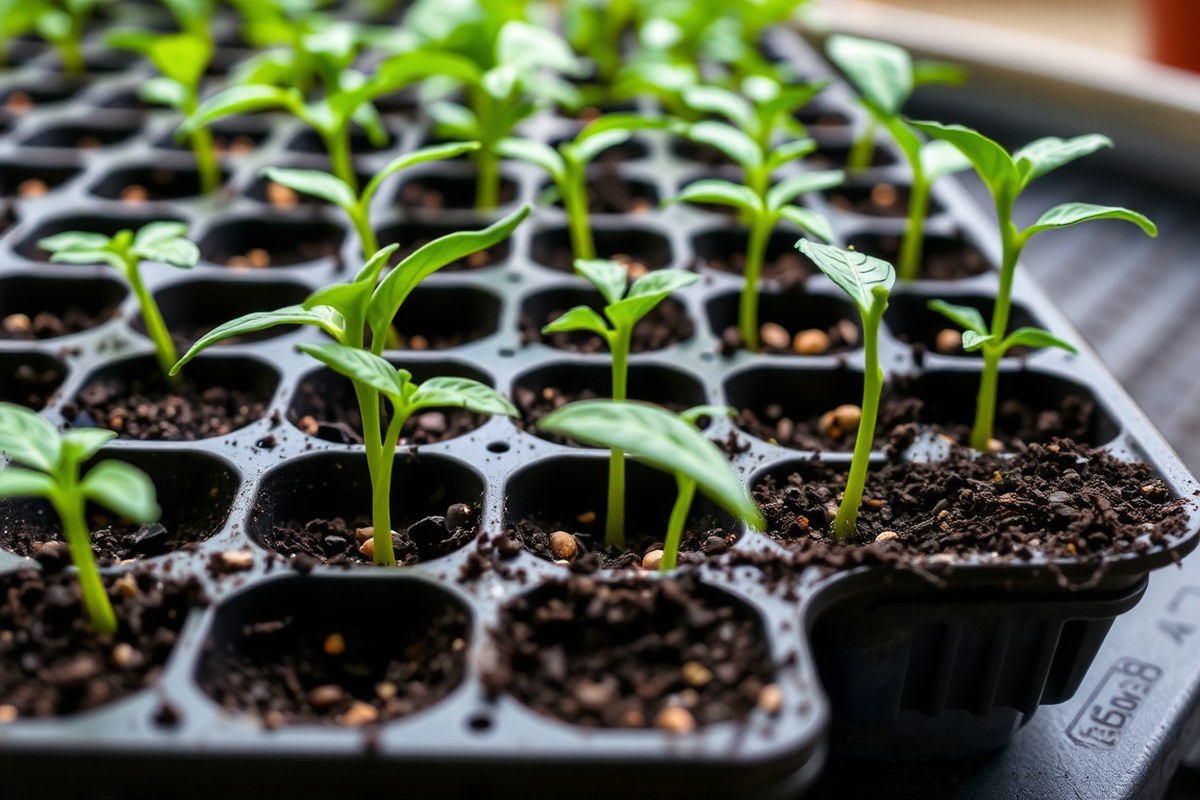
Starting habanero seeds indoors gives you better control over temperature and moisture. The seeds need warmth and consistent moisture to sprout well. Use a heat mat set between 80 and 90°F (27 to 32°C).
This helps the seeds germinate faster. It also improves your chances of success.
Plant seeds about ¼ inch deep. Space them 1 inch apart in the seed tray. This gives each seed room to grow.
Soaking seeds in water for 24 hours before planting softens their outer coat. This soaking helps the seeds absorb moisture faster and encourages quicker germination.
- Soak the seeds: Place your habanero seeds in warm water for 24 hours before planting.
- Prepare the seed tray: Fill it with a well-draining seed-starting mix and moisten it evenly.
- Plant the seeds: Push each seed ¼ inch (6 mm) deep into the soil. Keep them spaced about 1 inch (2.5 cm) apart.5 cm) apart.
- Keep the soil warm: Put the tray on a heat mat set to 80 to 90°F (27 to 32°C). This encourages quick germination.
- Maintain moisture: Cover the tray with a clear plastic lid or wrap. This keeps humidity high without soaking the soil.
- Provide light after sprouting: When seeds sprout in 7 to 14 days, place the tray in bright light. Use a sunny window or grow lights.
- Watch for germination: Be patient, since habanero seeds often take 10 to 21 days to sprout.
The best germination is in warm, moist soil. Keep it around 80 to 85°F (27 to 29°C). Constant warmth helps the seeds sprout.
Avoid letting the soil dry out or become soggy. The seeds will usually sprout within 7 to 14 days. But some can take up to three weeks.
Good germination looks like small green sprouts poking through the soil surface. Seeds that don’t sprout after three weeks may face issues. Poor temperature, dryness, or old seeds cause this.
Check those conditions. Using a heat mat and soaking seeds first helps a lot.
This is true if your home is cool or dry. It improves your success rate.
Choosing and Preparing Soil for Habanero Seedlings
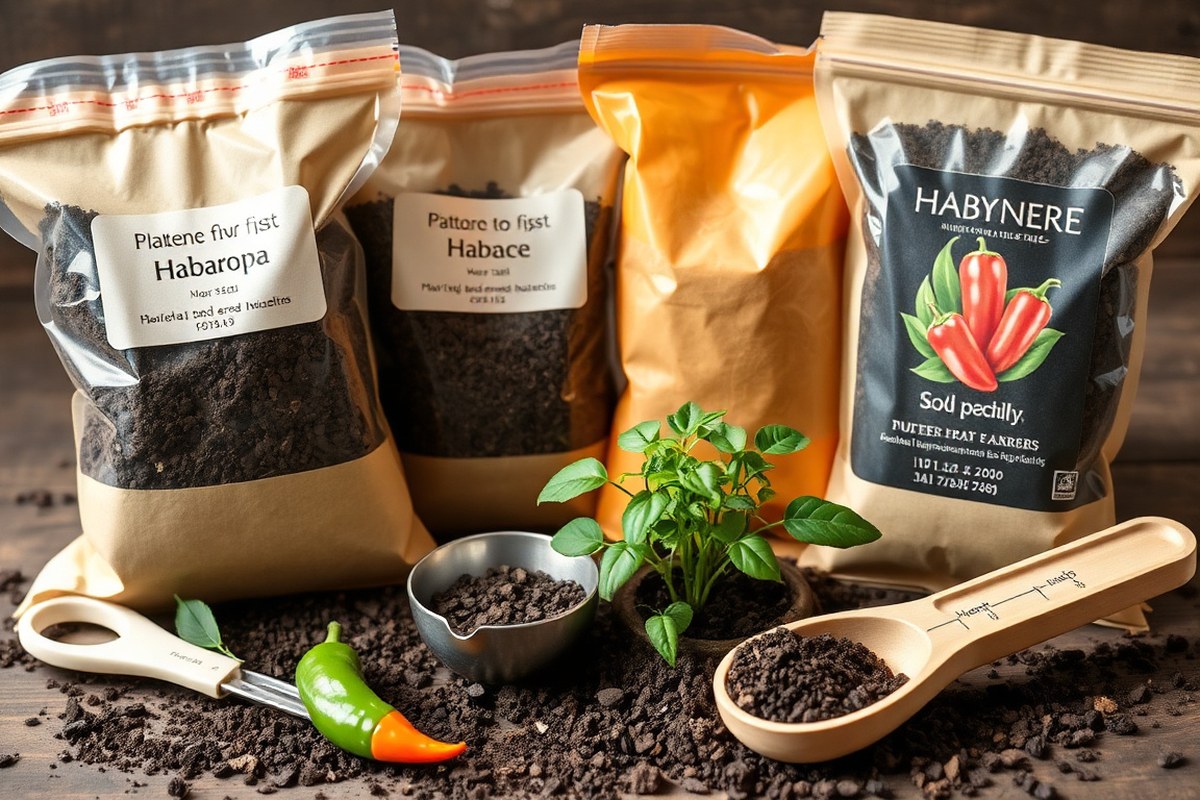
Well-drained soil with a pH of 6 to 6.8 works best for habanero seeds. This soil type supports seed germination and stops water from pooling around roots. Start seedlings in a loose, light seed-starting mix to keep moisture steady without drowning young roots.
Once seedlings grow for 3-4 weeks, move them to a richer soil with more nutrients. Mature habanero plants need soil amended with compost or balanced fertilizer. This feeds the growing peppers and helps strong plant development.
Good drainage is key through all stages. Adding sand or perlite improves drainage if your soil holds too much water.
Test your garden soil’s pH first using a kit from a garden store. Amend acidic soil by mixing lime, or add sulfur to reduce alkaline soil.
Here’s a helpful checklist to prepare soil for each growth stage:
| Growth Stage | Soil Type | Amendments | Drainage Tips | PH Range |
|---|---|---|---|---|
| Seed starting | Light seed-starting mix | None or mild starter fertilizer | Use seed mix with perlite | 6.0 – 6.8 |
| Transplanting seedlings | Loamy garden soil or potting mix | Small amount of compost or balanced fertilizer | Add sand for heavy soil | 6.0 – 6.8 |
| Mature plants | Rich, loamy soil | Compost or high potassium fertilizer | Ensure no standing water | 6.0 – 6.8 |
Using compost improves soil texture and adds nutrients. A balanced fertilizer promotes healthy leaves and stems in seedlings.
For mature plants, switch to fertilizer higher in potassium to stimulate fruit production. Check drainage by watering soil; water should move quickly without puddles.
Always test soil pH before planting. Incorrect pH slows nutrient uptake and hurts yields.
Starting seeds indoors means using seed mix in small pots for good control. For final planting, improve the garden bed by mixing in compost and sand.
This mix gives habaneros roots room to breathe and access to nutrients. Avoid heavy clay soil with poor drainage, as it can cause root rot.
When and How to Transplant Habanero Seedlings Outdoors or to Pots
Transplant habanero seedlings when they grow 4 to 6 inches tall. Make sure the seedlings have at least 2 true leaves before transplanting. Harden seedlings off before planting outside or in bigger pots.
Do this by slowly exposing them to outdoor conditions for 7 to 10 days. Space plants about 18 inches apart to let them grow without crowding.
Identifying Seedlings Ready for Transplant
Seedlings should stand 4 to 6 inches tall before transplanting. They need at least 2 sets of true leaves, not just their first baby leaves. Look for sturdy stems and a rich green color as signs of health.
Choose the strongest seedlings to reduce transplant shock. Plants under 3 inches tall usually need more indoor growth or bigger pots first. Avoid moving seedlings during temperature drops below 50°F.
Hardening Off Process
Start hardening off about 1 to 2 weeks before transplanting. Start by placing seedlings outside for 1 or 2 hours in filtered sunlight.
Then, bring them back inside to adjust slowly. Add an hour or two each day, gradually giving them full sun and wind exposure.
Keep seedlings in a protected spot when the weather is cold or windy. This step toughens them up. So they don’t wilt or stop growing when moved outdoors.
Transplanting Techniques
Transplant habanero seedlings carefully to avoid root damage. Dig holes deep enough to hold the entire root ball without bending roots. Fill pots or garden spots with slightly acidic soil rich in organic material.
Spacing should be about 18 inches apart between plants. Plant seedlings about 18 to 24 inches apart.
This spacing improves air flow, reduces disease, and lets each plant grow about 2 feet tall. Use black plastic mulch with holes cut for each plant to retain soil warmth and moisture.
Follow these steps for a smooth transplant:
- Choose a cloudy day or late afternoon to transplant, reducing stress.
- Water seedlings an hour before transplanting to keep roots moist.
- Dig holes 4 to 6 inches deep and wide enough for the root ball.
- Gently loosen seedlings from pots or trays, handling only the root ball.
- Place each seedling in a hole so the root crown is level with the soil surface.
- Fill soil around roots without compressing it too tightly.
- Water plants immediately after planting to settle the soil.
- Keep plants shaded or sheltered for a day or two, especially if sun is strong.
Light, Temperature, and Watering Needs for Healthy Habanero Growth
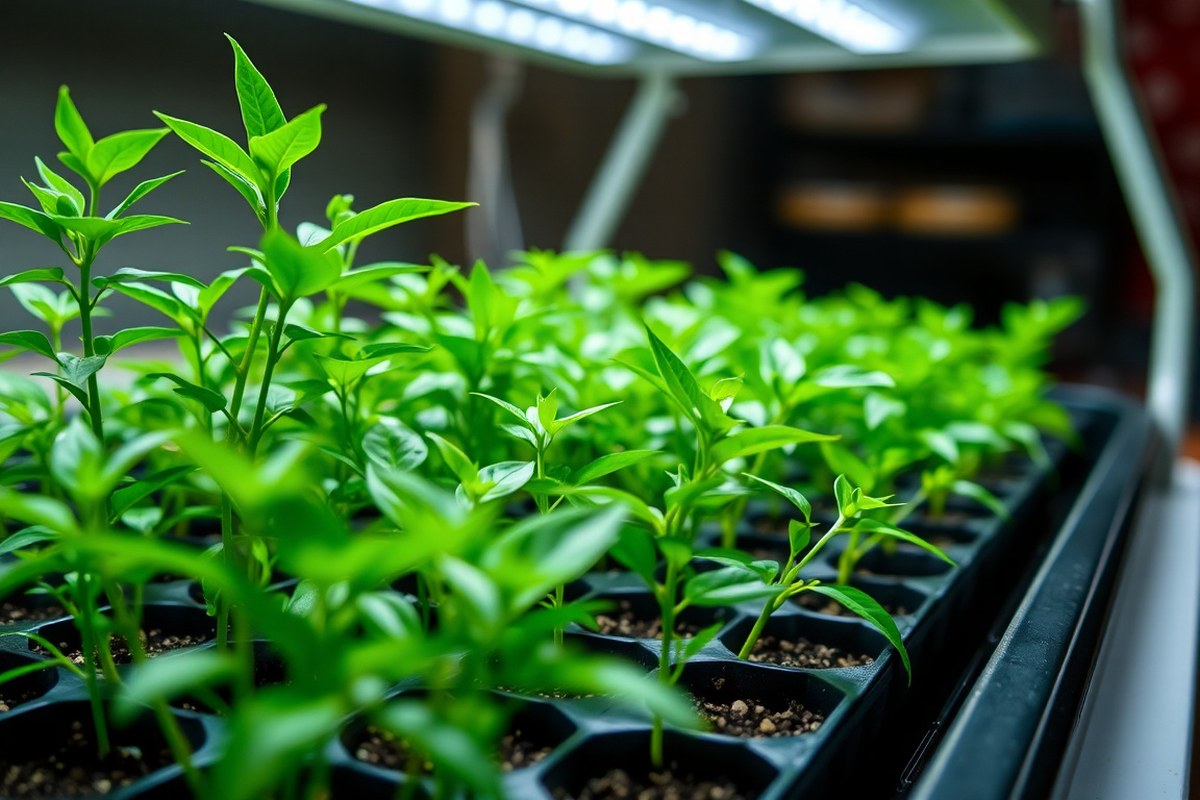
Habanero plants require 12 to 16 hours of bright light each day. Use natural sun or grow lights to supply this. Place clip-on lights 4 to 6 inches above the leaves for best results.
They prefer warm daytime temperatures between 75°F and 85°F for healthy growth and flowering. Temperatures below 60°F slow development, while over 95°F can cause flowers to drop.
Watering depends on soil and climate. Keep the soil evenly moist but not soggy.
Watering every 2 to 3 days works well in warm weather. In pots, daily watering may be needed once fruit forms.
Too much water causes root problems like crown rot. Avoid water pooling by planting in well-drained soil or raised beds. Let the top inch of soil dry before watering again to stop overwatering.
Let the soil dry out for 7 to 9 days between waterings. This makes the plants smaller but the peppers hotter.
The longer dry period boosts the heat in the fruit. This suits gardeners looking for spicier habaneros rather than large yields.
Protect peppers from sunscald by using row covers or providing afternoon shade. Sunscald appears as pale patches and ruins fruit quality.
Check plants daily for moisture and leaf health. Droopy leaves often mean underwatering. Yellow or wilting leaves might mean too much water or cold soil.
Keep humidity moderate, as very dry air makes peppers suffer. Indoor growers can mist plants or use a humidity tray. Outdoors, clustered planting helps maintain humidity.
Pruning and Pinching Techniques to Boost Habanero Yield
Pinching habanero seedlings at about 6 inches tall helps them grow bushier. Pruning mature plants by removing weak or dead branches improves airflow and boosts pepper production. Container size also affects when and how you should prune your habanero plants.
When to Pinch the Growing Tips
Pinch your seedlings when they reach 6 inches tall. Do this after the first set of true leaves appear.
This encourages side branches to grow, creating a fuller plant with more flowers later. Pinching too early can stunt growth, while waiting too long reduces the benefit.
Pinching means pinching off the top growing tip just above a leaf node. This shifts the plant’s energy from vertical growth to branching. The result is a stronger root system and more potential stems for flowers and peppers.
Pruning for Mature Plants
Mature habanero plants benefit from pruning dead, damaged, or weak branches to keep the plant healthy. This keeps air flowing through the branches and reduces risk of disease. It also lets sunlight reach lower leaves and fruit clusters.
Prune any branches crossing over each other or growing towards the ground. This helps peppers ripen evenly and makes harvesting easier. You can prune some of the tallest branches to keep your plant’s shape compact and manageable.
Special Considerations for Container Plants
Pot size limits root growth. So pruning container plants helps manage their size and energy.
Larger pots require less aggressive pruning since roots have room to expand. Smaller pots may need more frequent pruning to prevent overcrowding.
For plants in pots smaller than 5 gallons, trim some side shoots. Do this during the growing season to prevent root-bound plants.
In larger pots, remove dead growth and lightly shape the plant. Avoid heavy trimming in big pots.
- Wait until your seedling is about 6 inches tall with true leaves.
- Use clean fingers or scissors to pinch off the top growing tip. Cut just above a leaf node.
- Regularly check mature plants and cut off dead or weak branches near the base.
- Remove crowded branches that block sunlight or airflow.
- For container plants under 5 gallons, trim side shoots to prevent overcrowding.
- Keep the plant’s shape balanced by cutting the tallest branches if the plant grows too tall.
- Only prune in dry weather or indoors to avoid inviting diseases.
Pinch young plants early for bushier growth, but avoid damaging the main stem. Keep pruning tools clean to prevent disease spread.
Common Problems and How to Fix Seed and Seedling Issues
Habanero seeds often fail to germinate due to poor seed quality or planting too deep. Use fresh seeds from a reliable source and plant them only 1/8 to 1/4 inch deep.
Keep soil moist but never soggy. Give them up to 28 days to sprout, especially varieties like Caribbean Red.
Damping off is a fungal disease that kills seedlings. It shrinks the stem near soil, causing death. This problem is common in young plants.
This happens when soil stays too wet or air circulation is poor. Avoid overwatering and use a fan or open window to improve airflow around seedlings.
Seedlings react differently to too much or too little water. Dry soil and wilting mean underwatering. Droopy leaves and mold on soil surface show overwatering.
Check soil by touching one inch deep and water only when dry. Adjust watering as your seedlings grow and change needs.
- Check seed freshness and plant at correct depth (1/8, 1/4 inch).
- Keep soil moist but not soaked.
- Provide good airflow to prevent fungal diseases like damping off.
- Water only when the top inch of soil feels dry.
- Look out for small pests like aphids and spider mites.
- Remove or isolate affected seedlings to avoid spread.
- Use a gentle fertilizer after true leaves appear for stronger growth.
Pests like aphids and spider mites attack young plants by sucking sap. They cause yellow spots and leave sticky residue.
Check undersides of leaves and spray gently with water or insect soap. Early action stops major damage without harsh chemicals.
Container Growing: Best Pot Size and Soil for Habaneros
Habaneros do well in containers if the pots are big enough and the soil drains well. Choose at least a 5-gallon pot to give roots room and use rich, well-draining soil. Water regularly and feed with balanced fertilizer to keep plants healthy.
Recommended Pot Sizes
Choose pots that are at least 5 gallons in size. This size gives habanero roots plenty of space to grow safely. Smaller pots often stunt growth and reduce pepper yield.
Big pots also mean the soil holds moisture longer, reducing how often you must water. If space is tight, try 3-gallon pots, but expect slower growth and less fruit. Proper spacing around pots helps air circulation.
| Pot Size | Root Space | Expected Yield | Watering Frequency |
|---|---|---|---|
| 3 gallons | Limited | Low to moderate | Daily in hot weather |
| 5 gallons | Adequate | Moderate to high | Every 2-3 days |
| 10 gallons | Plenty | High | Every 3-4 days |
Larger pots increase yield and reduce the risk of drying out. You should plan for bigger containers if you want fuller plants with more peppers.
Soil Mix for Container Growing
Use soil that drains well but holds moisture evenly. A mix with equal parts potting soil, compost, and perlite or sand works well for habaneros. This lets water drain but also feeds roots.
Enrich the soil with slow-release fertilizer or organic amendments. These add nutrients and keep the soil loose. Avoid garden soil because it can be too dense and hold water.
Check your soil mix for uniform moisture. Proper drainage reduces root rot risk and helps roots breathe. You should water when the top inch feels dry.
Watering and Fertilizing Schedule
Water container-grown habaneros when the top inch of soil feels dry. On hot days, you might water once or twice daily. Smaller pots need more frequent watering than larger ones.
Feed plants every two weeks with a balanced liquid fertilizer. Choose one with equal parts nitrogen, phosphorus, and potassium. You can switch to a high-phosphorus fertilizer when flowers form.
Keep an eye on leaves to spot nutrient deficiencies. Pale leaves mean you should feed more often. Overwatering or underfeeding results in weaker plants with fewer peppers.
Timing from Seed to Harvest and Seasonal Considerations
Begin growing habanero seeds indoors about 8 to 10 weeks before the last frost date. Growing them early gives your plants time to develop strong roots before moving outside. Only transplant when nighttime temperatures remain above 55°F (13°C) to prevent cold damage.
The full trip from seed to your first harvest usually takes about 100 to 120 days. Patience is key to getting ripe habanero peppers from your plants. Some varieties, like the Red Savina, can take up to 200 days to produce mature peppers.
| Growth Stage | Days from Seed | Temperature Notes |
|---|---|---|
| Seed germination | 7, 14 days | Ideal soil 75, 85°F (24, 29°C) |
| Seedling stage | 3, 4 weeks | Keep indoors above 65°F (18°C) |
| Flowering begins | 60, 70 days | Temperatures 70, 85°F (21, 29°C) best |
| Fruit set and growth | 90, 120 days | Nights above 55°F (13°C) important |
| Ripe harvest | 100, 120+ days | Warm days speed ripening |
Temperatures below 55°F (13°C) can slow or stop flowering and fruit set. Warm, steady temperatures keep growth moving. Avoid planting outdoors too early or the plants might stall or die from cold.
Habaneros grown indoors year-round can produce at any time. But yields indoors usually stay small. Outdoor plants produce better peppers in a warm, full-season summer.
Tip: Harden off seedlings gradually for 7 to 10 days before transplanting outdoors.
Keep checking your local frost dates and plan backwards for seed starting. Starting late can cause harvest to miss your growing season, resulting in few or small peppers. Patience and planning help you get the best results.
Step-by-Step Action Plan for Growing Habanero Peppers
Follow these clear steps to start, grow, and harvest habanero peppers successfully. Each step shows what to do and how to check your progress.
- Before you start: Choose fresh habanero seeds from a good source. Verify seeds look whole and not dry or damaged.
- Day 1: Soak seeds in warm water for 4 to 6 hours. Seeds should swell slightly, signaling they’re ready to plant.
- Week 1: Plant seeds indoors in starter trays with seed-starting mix. Keep soil moist, warm (75-85°F), and check daily for sprouting.
- Weeks 2-3: After germination, give seedlings bright light and keep soil evenly moist. Leaves should turn strong green and grow steadily.
- Week 4: Thin seedlings by removing weaker ones, leaving the strongest in each cell. This prevents crowding and boosts healthy growth.
- Week 6: Harden off seedlings by gradually exposing them to outdoor conditions over a week. Transplant to larger pots or outdoors when nights stay above 55°F.
- Weeks 7-12: Water plants deeply but infrequently, allow soil to dry slightly between watering. Pinch off top leaves to encourage bushier growth and more peppers.
- After 12 weeks: Harvest habaneros when firm and fully colored (orange, red, or yellow). Frequent harvesting helps plants produce more peppers.
Frequently Asked Questions
How Deep Should I Plant Habanero Seeds in My Seed Tray?
Plant habanero seeds about ¼ inch deep in your seed tray. Keeping them shallow helps seedlings get enough air and moisture to sprout well. Space them about 1 inch apart to avoid crowding as they grow.
Is It Better to Soak Habanero Seeds Before Planting?
Soaking habanero seeds in water for 24 hours helps speed germination. This softens the tough seed coat and boosts your chances of sprouting healthy seedlings. Use room temperature water and don’t soak longer than a day.
How Long Does It Usually Take Habanero Seeds to Sprout?
Habanero seeds typically take 7 to 10 days to germinate under ideal warmth. Warm temperatures help habanero seeds sprout faster than usual. Cooler conditions slow this process, sometimes up to three weeks.
Can I Plant Habanero Seeds Directly Outdoors?
Start habanero seeds inside about 8 to 10 weeks before moving outdoors. Cold soil and air outside can slow or stop seed growth. Only move seedlings outside when the last frost has passed and plants are sturdy.
What Temperature Does Habanero Seed Germination Require?
Seeds need warmth of about 80 to 85°F to germinate best. A heat mat works well to keep this steady. This temperature range speeds up sprouting for quicker results.
How Can I Tell If Habanero Seedlings Are Ready to Move Outside?
Look for seedlings about 4 to 6 inches tall with 2 sets of true leaves. They should be hardened off by gradually exposing them to outdoor weather. This prevents shock and helps survival.
Key Points to Remember
Growing habanero peppers from seed takes patience but is rewarding. Start with fresh seeds and follow the steps closely. Get your seeds prepped today and watch your plants grow strong and spicy.