Can Ferns Survive Winter Outside? Complete Care Guide That Works
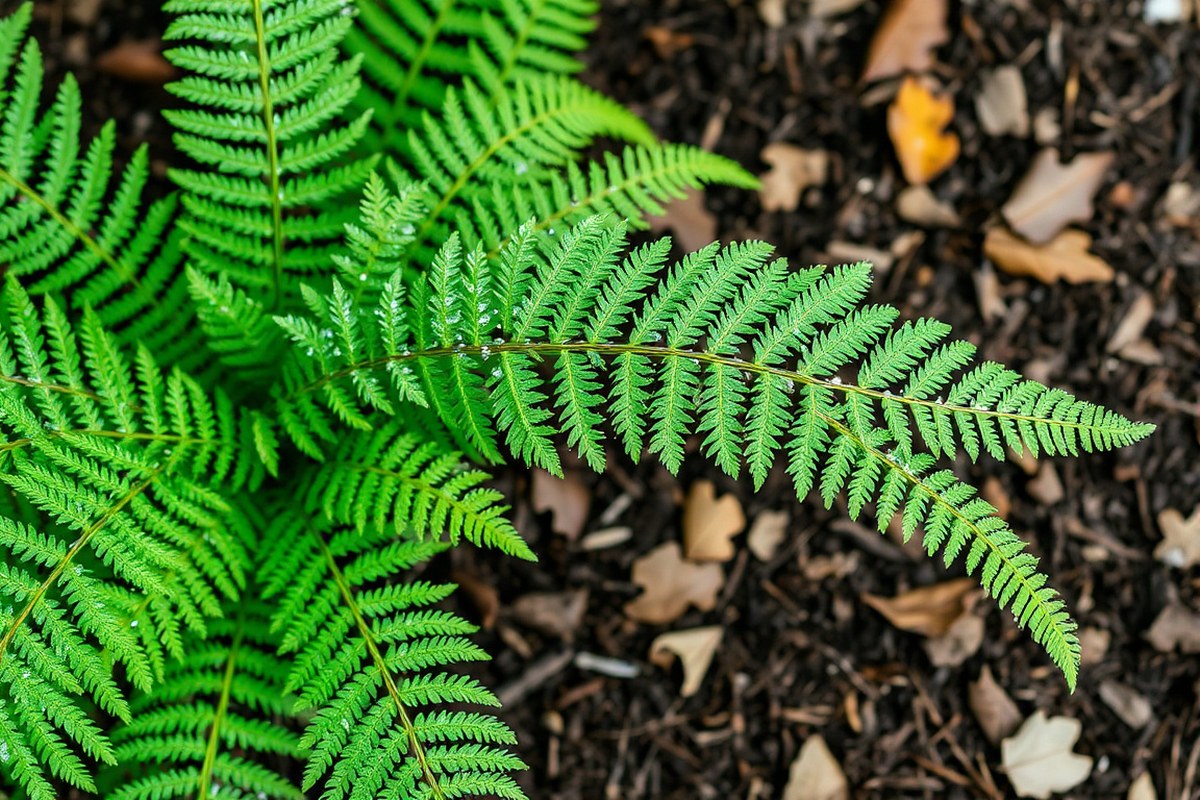
Can ferns survive winter outside? Many types can, but it depends on the species and climate.
Hardy ferns tolerate frost and freezing temperatures if protected properly. Tender ferns usually need to come inside before consistent cold weather arrives.
Ferns slow their growth when temperatures drop below 55°F (13°C). They can handle short periods down to 40°F (4°C).
But prolonged cold harms most varieties. To keep outdoor ferns alive, you prepare them for winter and watch the local freeze dates.
Start by identifying your fern’s cold tolerance based on its species. Then provide mulch and shelter from harsh winds. Avoid fertilizing too much since ferns grow slower in winter and use less water.
Key Takeaways
- Know your fern species to check if it’s hardy or tender for winter.
- Bring tender ferns indoors before temperatures routinely drop below 55°F.
- Hardy ferns survive temperatures as low as 20°F with winter protection.
- Apply mulch around ferns outdoors to protect roots from freezing.
- Reduce watering by up to 50% during the fern’s dormant winter phase.
- Keep indoor ferns in bright indirect light and maintain 50% humidity.
Can Ferns Survive Winter Outside? What You Need to Know
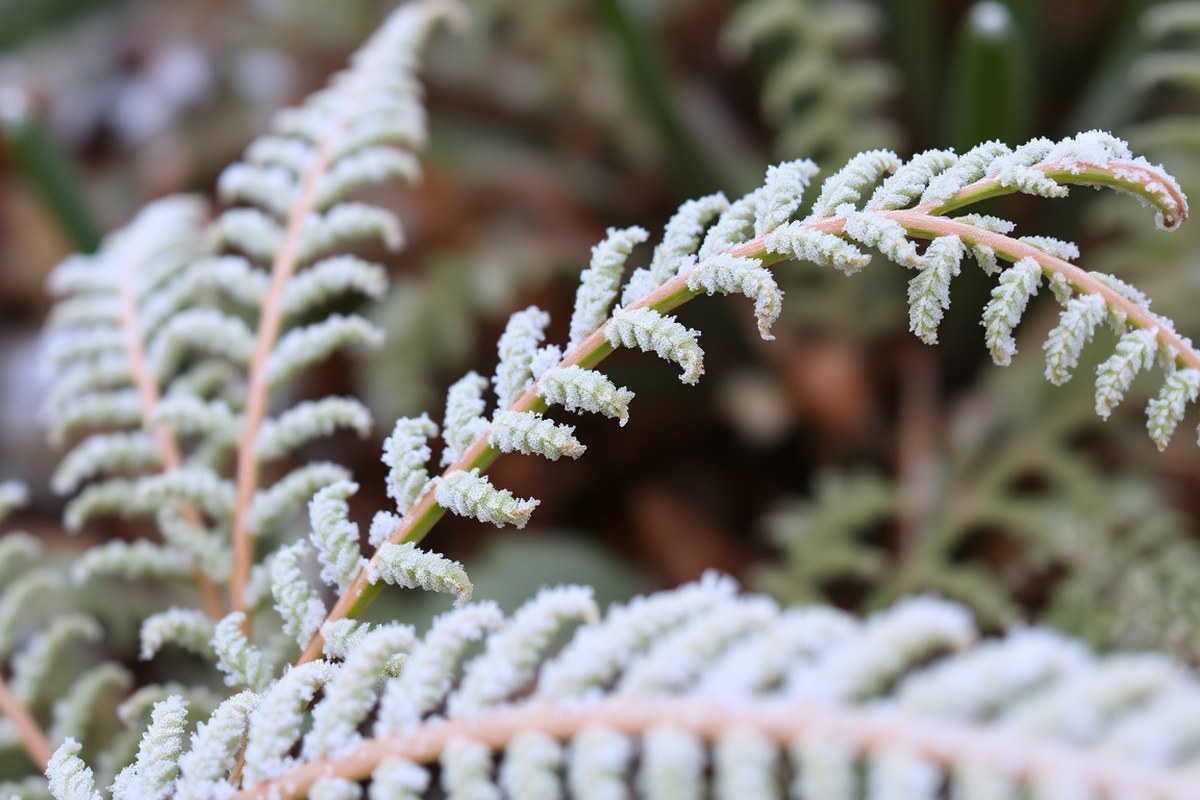
Ferns can survive winter outside, but it depends on the species and your climate. Hardy ferns, like Christmas fern or Japanese painted fern, tolerate cold temperatures well. Tropical or tender ferns need more care or must move indoors as temperatures drop below 50°F.
Climate zones play a big role in survival. Living in warmer zones like 7 or 8, hardy ferns usually survive winter outdoors. Cold zones like 3 to 6 are tough for many ferns.
Only the hardiest types survive freezing temperatures. Tender ferns need to come inside before frost arrives.
Winter care also affects fern survival. Some hardy ferns tolerate a light mulch to protect roots from freezing. Tender ferns need protection from dry air and frost damage.
So bringing them indoors when nights hit 50°F or lower is best. Keep an eye on moisture, watering on warmer days above 60°F, avoiding overwatering or drought stress.
Which Fern Species Can Withstand Winter Outdoors?
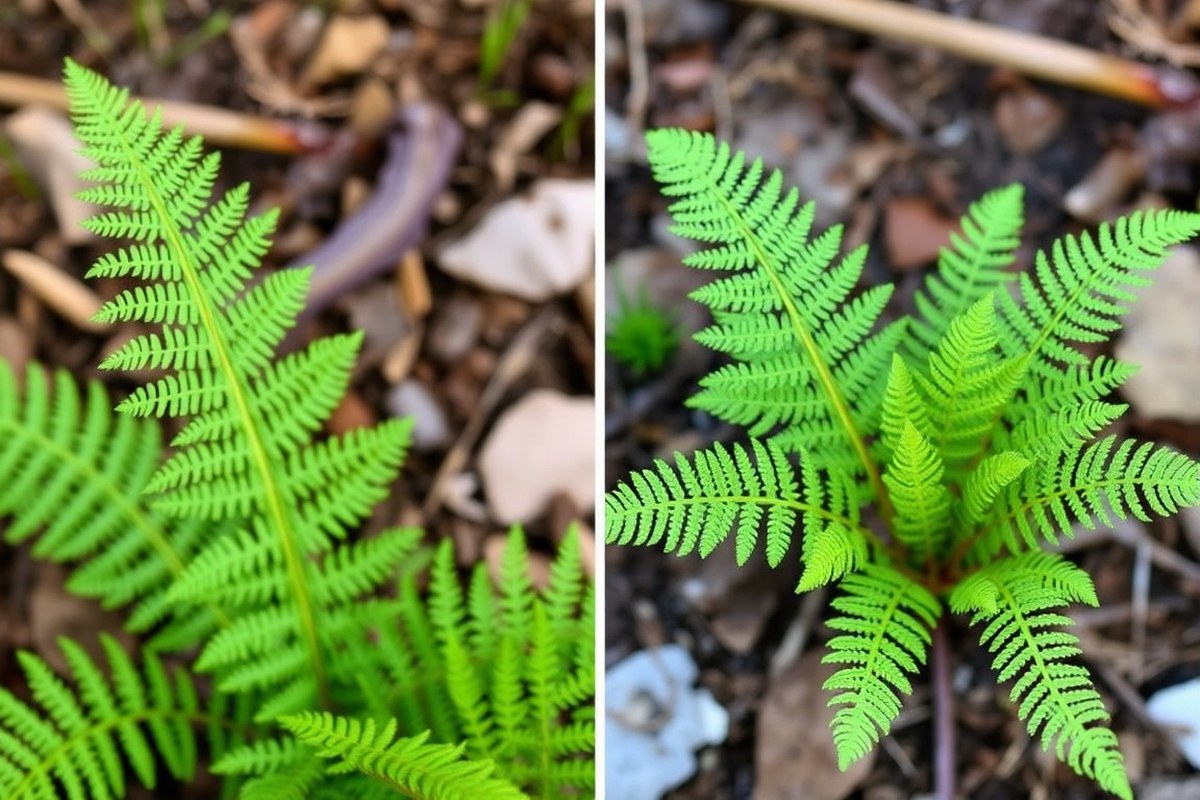
Some ferns can handle winter outdoors better than others. Hardy ferns like ostrich, lady, and Christmas ferns survive in cooler zones by going dormant underground. They tolerate cold with some mulch protection, usually in USDA zones 3 to 8b.
Tropical ferns like Boston ferns need warm winters. Bring them inside when temperatures fall below 50°F. They cannot handle cold weather outdoors.
USDA hardiness zones show the average minimum winter temperature where plants can survive. Hardy ferns often live outdoors in zones 3 through 8b, sometimes colder with extra care.
Tropical or tender ferns survive outside only in zones 9 to 11. These warm zones let you leave them outside year-round with frost cloth during cold snaps.
| Fern Species | USDA Zones | Winter Cold Tolerance |
|---|---|---|
| Ostrich Fern | 3 to 8b | Survives freezing temperatures; goes dormant |
| Lady Fern | 3 to 8b | Cold hardy with mulch protection |
| Christmas Fern | 5 to 9 | Evergreen; tolerates mild frost |
| Boston Fern (Tropical) | 9 to 11 | Needs indoor wintering; no freezing allowed |
| Maidenhair Fern (Tropical) | 9 to 11 | Delicate; bring indoors before frost |
Tender ferns can withstand occasional days around 40°F but not freezing. They need moving indoors before frost threatens.
Hardy ferns, once settled in the ground with mulch, often survive freezing weather. Still, they can suffer damage without some protection from wind and ice.
Place mulch around hardy ferns in late fall to protect roots from freezing.
In mild zones like 8b and 11, frost cloth protects tropical ferns. It shields plants during sudden cold spells. This helps keep them safe outside.
In colder zones, it’s safer to bring these ferns indoors between mid-September and early November. Move ferns outside only after the last spring frost.
This usually happens between late May and early June. Waiting helps prevent frost damage.
How to Protect Outdoor Ferns During Cold Weather
Protecting your outdoor ferns during winter means shielding them from cold, wind, and drying. Mulch the roots well to insulate, block harsh winds with barriers, and watch soil moisture closely. Container ferns need extra care to avoid freezing and drying out.
Step 1: Mulching the Root Zone Properly
Mulching keeps the soil temperature steady and protects fern roots from frost. It also holds moisture and prevents soil from freezing hard. Use organic mulch like shredded leaves, bark chips, or straw around the base of your ferns.
Spread 2 to 4 inches of mulch thick around the root zone. Keep the mulch about 1 inch away from where the fern base touches the soil. This helps avoid rot while still protecting roots from cold.
Step 2: Using Windbreaks and Physical Covers
Cold winds dry out fern fronds and damage crowns. Set up windbreaks using burlap, garden fabric, or wooden stakes wrapped with cloth. Place them 6 to 12 inches from ferns on the cold wind side.
This will protect ferns from prevailing chilly air. Make sure the distance is correct for good coverage.
For heavy frost or snow, cover the ferns loosely with garden blankets or frost cloth. Remove covers on sunny days to prevent moisture buildup. Avoid plastic as it traps moisture and can lead to rot.
Step 3: Monitoring Soil Drainage and Moisture
Damp soil holds less heat in winter but helps ferns avoid drying. Check soil moisture before the ground freezes. Water deeply once in late fall when soil feels dry.
This helps ferns stay hydrated through winter. Avoid watering if soil still feels moist. Avoid overwatering, which causes root rot in cold soil.
Make sure soil drains well to prevent standing water from freezing and damaging roots. Avoid heavy clay soil or improve drainage by mixing in sand or organic matter before winter.
Step 4: Special Care for Ferns in Containers
Potted ferns face colder temperatures and drying faster than ground-planted ones. Move container ferns to sheltered spots near walls or under porches to block wind and cold. Place pots on insulated surfaces or wrap containers with bubble wrap.
Water container ferns deeply before freezing weather sets in. Check soil moisture weekly and water only when the top inch feels dry. Bring tender tropical ferns indoors well before temperatures drop below 55°F (13°C).
- Apply 2 to 4 inches of organic mulch around fern roots, keeping mulch away from base.
- Build windbreaks using burlap or fabric on the coldest sides of your ferns.
- Loosely cover with frost cloth during heavy frost; remove covers on sunny days.
- Water outdoor ferns once deeply if soil is dry before soil freezes.
- Check soil drains well; add amendments to improve drainage as needed.
- Move container ferns to protected areas and insulate pots from freezing.
- Water container ferns only when soil surface feels dry during winter.
- Bring tropical or tender ferns indoors before night temperatures regularly fall below 55°F (13°C).
When and How to Bring Tender Ferns Indoors for Winter
Bring tender ferns indoors before frost threatens. Do this when nighttime temperatures drop to the mid-50s°F. Moving them early protects them from cold damage and keeps them healthy.
Ideal Temperature and Humidity Indoors
Keep ferns where temperatures stay between 60°F and 75°F. Bright, indirect light will help them continue to grow. Boston ferns thrive near 75°F in the day, and cooler at night.
Humidity is a big deal for ferns. Aim for at least 50% humidity to prevent fronds from drying out. A humidifier can increase moisture around your plants indoors.
You can also place the pot on a tray filled with pebbles and water. This helps keep the air around the plant more humid.
Acclimating Ferns Before Moving Inside
Ferns need time to adjust from outdoor to indoor conditions. Sudden changes can shock them and cause leaf drop. Gradually reduce their sunlight exposure over one to two weeks.
Move them into shade or a covered porch for a few days before moving fully indoors. This helps ferns adapt to lower light and humidity. Check for pests and remove any bugs before bringing ferns inside.
Timing Based on Nighttime Temperatures and Frost Risk
Start bringing tender ferns indoors when nights drop to the mid-50s°F. Moving them before temperatures hit 50°F reduces stress and shock. Frost can kill tropical and tender ferns, so never wait for frost.
Some gardeners hold off if winters are mild and cover potted ferns with frost cloth instead. For harsh winters, bringing ferns inside is safer. After the last frost in spring, move them back outdoors gradually.
Follow these steps to bring your ferns indoors smoothly:
- Check local nighttime temperatures and forecast for frost dates.
- Begin acclimating ferns by moving them to shaded, protected spots outdoors.
- Inspect and clean fern fronds of pests before moving inside.
- Choose a bright, indirect light spot indoors with 60-75°F temperature.
- Increase indoor humidity with a humidifier or water-filled pebble tray.
- Place ferns indoors before temperatures drop below 50°F.
- Water moderately to keep soil moist but not soggy.
- After last frost in spring, reverse acclimation before moving ferns back outside.
Managing Fern Watering and Light During Winter Months
Ferns need less water in winter because their growth slows down. You should cut watering by about half compared to summer. Check soil moisture before watering to avoid overwatering, which causes root rot.
Ferns need bright, indirect light during winter. Direct sun can dry them out fast. Too little light slows their winter recovery.
A small window with filtered light works best. You can also use a grow light on a timer. Set it for about 8 to 10 hours daily.
Humidity still matters for ferns in colder months. Mist fronds occasionally or place a humidifier nearby. Keeping the root ball moist without soggy soil helps ferns stay healthy while dormant.
- Water only when top 1 inch of soil feels dry to touch
- Use room temperature water to avoid shocking roots
- Keep ferns out of direct winter sunlight
- Provide 8 to 10 hours of indirect light daily
- Mist fronds weekly to replicate humid conditions
- Avoid fertilizing or repotting during dormancy
- Maintain temperatures between 45-55°F (7-13°C) for dormant ferns
Overwatering is the most common winter mistake; check soil moisture carefully. Dry soil means wait a few more days before watering.
Hardy ferns, like Christmas Fern, hold their fronds all winter. They need just light cleanup when spring arrives. This prepares them for new growth.
Tender ferns lowered to cool, humid spots slow their growth but survive with less water. Keeping soil moist but never waterlogged is key during these cold months.
Common Winter Care Mistakes That Harm Ferns (and How to Avoid Them)
Dry air is the biggest problem for ferns in winter. Most homes drop below 30% humidity in cold months, which makes ferns wilt or brown. Keep the air moist by using humidifiers near your plants.
You can also place trays of water close to them. This helps maintain the humidity ferns like.
Another mistake is overwatering. Ferns slow their growth in winter and only need soil moist, not soggy. Check soil before watering by sticking your finger one inch deep.
Water only if dry there. Overwatering causes root rot, which can kill your fern.
Bringing your fern indoors too late is a common error. Cold snaps below 40°F damage tender fronds fast. Watch the weather and move your fern inside before nights dip near freezing.
- Trim dead fronds in late autumn to tidy your fern
- Keep ferns off heating vents or radiators to avoid dry heat
- Use a humidifier or pebble tray to add moisture around the plant
- Water your fern only after the top inch of soil is dry. Check the soil by touching it before adding water. Avoid watering too soon to prevent overwatering issues.
- Bring frost-sensitive ferns indoors before temperatures hit 40°F
- Check for blackened or mushy roots to detect rot early
- Wipe leaves with a damp cloth to remove dust and help breathing
You can tell a fern is struggling when the fronds turn brown. The leaves may feel dry, brittle, or crispy to the touch. Brown fronds are a clear sign the fern needs help.
Limp fronds and soft roots usually show overwatering and root rot damage. This condition harms the plant’s health and needs correction fast.
Check roots carefully when fronds look limp. Dead ferns have dry, shriveled stumps and no signs of new growth after spring.
Fix dry air by grouping plants or buying a small humidifier. Move your fern away from vents or radiators where warm air dries it out. Spotting soggy soil means you should water less often than before.
Too much water keeps the soil wet and harms the fern. Cut back on watering to help the plant recover. For plants that freeze, plan to bring them indoors early next winter to avoid frost damage.
How to Revive and Transition Ferns Back Outdoors in Spring
Ferns start growing again in early spring as temperatures rise. You can move your indoor potted ferns back outside once nights stay above 50°F. Taking it slow helps the plant adjust and stay healthy during this switch.
Recognizing New Growth and Dormancy End
Look for fresh shoots or bright green fronds to spot spring growth. This shows the fern is coming out of its winter rest. When older fronds look dry but new ones appear, the plant stays healthy and ready to grow.
Check your fern over a week before moving it outdoors. Spotting steady frond growth means you can begin moving the plant outdoors. Avoid rushing this step because green growth means the plant’s energy is returning.
Gradual Outdoor Exposure over 7-10 Days
Don’t put your fern outside all day right away. The change from indoor to outdoor conditions can stress the plant. Instead, increase its time outside bit by bit over one to two weeks.
Follow these steps to ease your fern back outdoors safely:
- Set the fern outside in a shaded spot for 1-2 hours daily.
- Increase outdoor time by 1-2 hours each day, watching its response.
- Keep it in indirect sunlight to avoid sunburn.
- Bring the fern in overnight to avoid cool temperatures below 50°F.
- After 7-10 days, leave the fern outside full time if nights stay warm.
Adjusting Watering and Light with the Seasonal Change
Spring means the fern needs more water as it wakes up. Increase watering slightly to keep soil moist, not soggy. Check the soil every few days, and water when the top inch feels dry.
Light changes too. Your fern will need more indirect light outside than indoors.
Place it where morning sun or filtered light reaches it. Too much direct sun can dry and burn the fronds.
Watch for vibrant green fronds and new growth as signs of success. Yellow or wilting fronds mean you should cut back on outdoor time or water. Adjust this routine based on how your fern handles the change.
Deciding If Your Fern Can Stay Outside All Winter: A Zone and Climate Guide
To know if your fern can stay outside through winter, first find your USDA hardiness zone. This zone shows the coldest temperatures your area gets. Your fern’s hardiness must match or be tougher than your zone to survive without damage.
Each fern species has a hardiness range. For example, Boston ferns generally survive down to zone 8. But many hardy ferns handle zones 4 or 5.
If your zone is colder than your fern’s rating, bring it indoors to avoid cold damage. Watch for frost or temperatures below your fern’s limit and move it sooner.
| USDA Zone | Average Minimum Temperature (°F) | Fern Survival Chance | Action |
|---|---|---|---|
| 4 | -30 to -20 | Low for tender ferns, some hardy types survive | Bring most ferns indoors |
| 6 | -10 to 0 | Hardy ferns survive; tender ferns at risk | Protect tender ferns; hardy survive outside |
| 8 | 10 to 20 | Most ferns survive; tender ferns can stay longer | Leave hardy and some tender ferns outside |
| 10 | 30 to 40 | All ferns survive outside year-round | Safe to leave all ferns outdoors |
Look closely at your zone and your fern’s rating before deciding. Regions in zones 8 and higher often let you leave ferns outside longer.
Zones below 6 normally get too cold for most ferns without protection. Check local forecasts for sudden cold snaps that might harm your plants.
Always move your fern indoors before the first hard frost if you’re unsure.
Bad weather can cause brown fronds and dead crowns if the fern stays out too long. Avoid waiting until freeze warnings to act.
Remember, a fern that freezes may not revive even once spring comes. Hardiness is your best guide for deciding if your fern can stay outside through winter.
Step-by-Step Action Plan for Winter-Proofing Your Outdoor Ferns
Follow these steps to help your ferns survive through winter outdoors effectively.
- Early Fall: Figure out your fern type. Check frost dates near you. It helps to know when cold will come.
- Late Fall: Reduce watering gradually to prevent root rot. Soil should feel moist but not soggy.
- Before First Frost: Put a thick mulch layer around your fern’s base. This keeps roots safe from freezing.
- When Temperatures Drop Below 30°F: Cover ferns with frost cloth or burlap. Do this on cold nights to protect leaves.
- Throughout Winter: Monitor soil moisture weekly, watering only if soil feels dry 2 inches down.
- Early Spring: Remove mulch and protective covers slowly as temperatures rise above freezing.
- After Last Frost: Check for new fronds and water regularly to kick-start growth for spring.
Frequently Asked Questions
Can I Leave My Ferns Outside All Winter If I Live in a Mild Climate?
Yes, hardy ferns can generally survive mild winters outdoors. Tender ferns still need frost protection or to be brought indoors during cold snaps.
Do Ferns Need Special Soil to Survive Winter Outdoors?
Most ferns prefer well-draining, rich soil to avoid root rot during winter. Adding mulch helps protect roots from freezing.
How Deep Should I Mulch Around Outdoor Ferns for Winter Protection?
Aim for 2 to 3 inches of mulch to insulate the roots properly. Mulch also keeps soil moisture stable during cold months.
Can I Prune My Ferns Before Winter to Help Them Survive?
Light pruning of dead or damaged fronds can help, but avoid heavy cutting. Ferns rely on some fronds to protect their crown in winter.
Should I Water My Outdoor Ferns During Winter?
Water sparingly when the soil feels dry to the touch. Overwatering can cause root rot because ferns grow slowly in cold weather.
What Signs Show My Outdoor Fern Is Struggling in Winter?
Yellow or brown leaves and mushy stems mean stress from cold or moisture issues. Adjust watering and add wind protection if needed.
Final Thoughts
Most hardy ferns do survive winter outside with simple care steps. Protecting roots and leaves from freezing helps the most. Start watching your fern soil moisture now and adjust as cold arrives.