How Far Apart Should Tomato Plants Be Planted: A Complete Guide for Optimal Growth
Tomato plant spacing is a common concern for home gardeners. Most tomatoes do well with 18 to 36 inches between each plant. Determinate types usually prefer 2 to 3 feet between plants and rows spaced 3 to 4 feet apart.
Dwarf tomatoes are smaller and need less room, around 10 to 12 inches between plants. Indeterminate tomatoes grow taller and often do fine with 18 to 24 inches spacing. Starting with the right gap helps avoid crowding and gives air space to reduce disease risks.
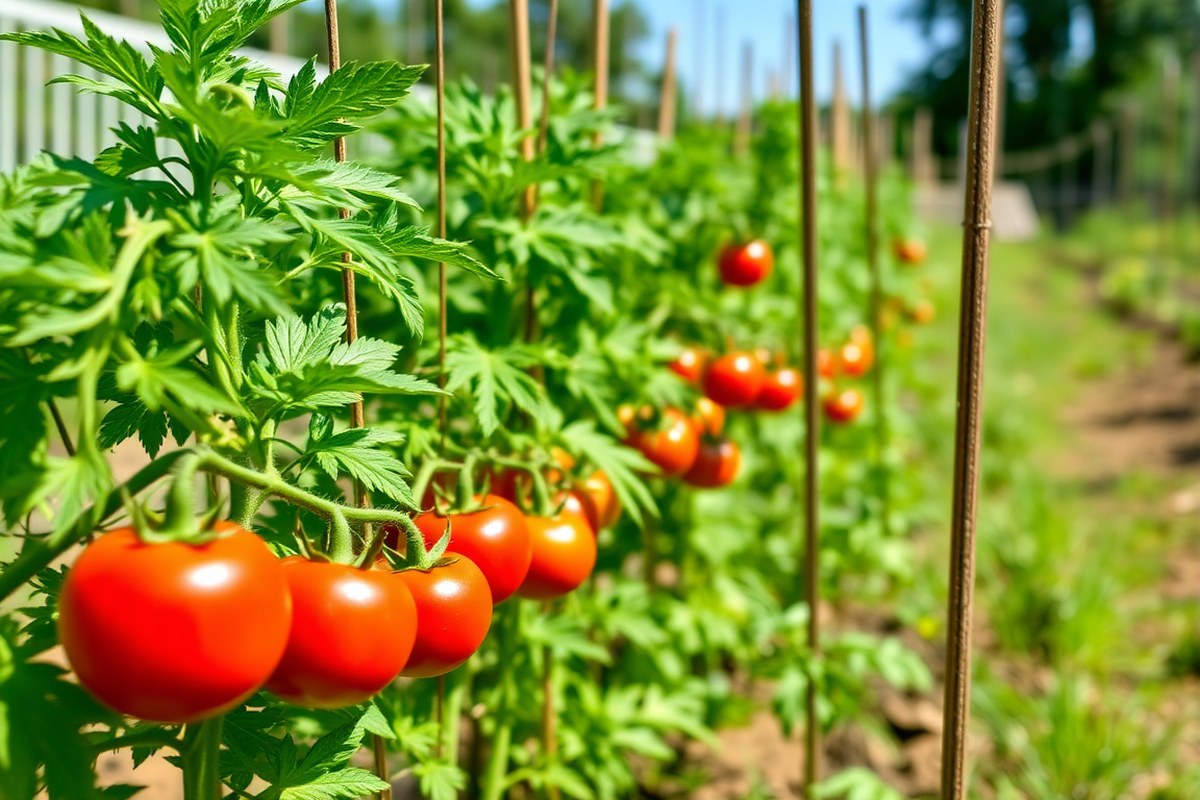
You should also consider your support method since that affects how close plants can grow. Proper spacing allows sunlight and air to reach every plant for better yield. Mark your rows and plants before planting to keep a good rhythm in your garden.
Key Takeaways
- Space determinate tomatoes 18 to 24 inches apart in rows 3 feet apart.
- Dwarf tomato plants only need 10 to 12 inches between each plant.
- Allow 18 to 24 inches spacing for indeterminate tomatoes depending on your support.
- Rows should be set 3 to 4 feet apart to provide good airflow. This spacing also makes it easier to reach your plants for care.
- Use stakes or cages to guide vertical growth and optimize spacing.
- Mark your garden before planting to ensure correct tomato spacing.
Ideal Spacing for Determinate, Indeterminate, and Dwarf Tomatoes
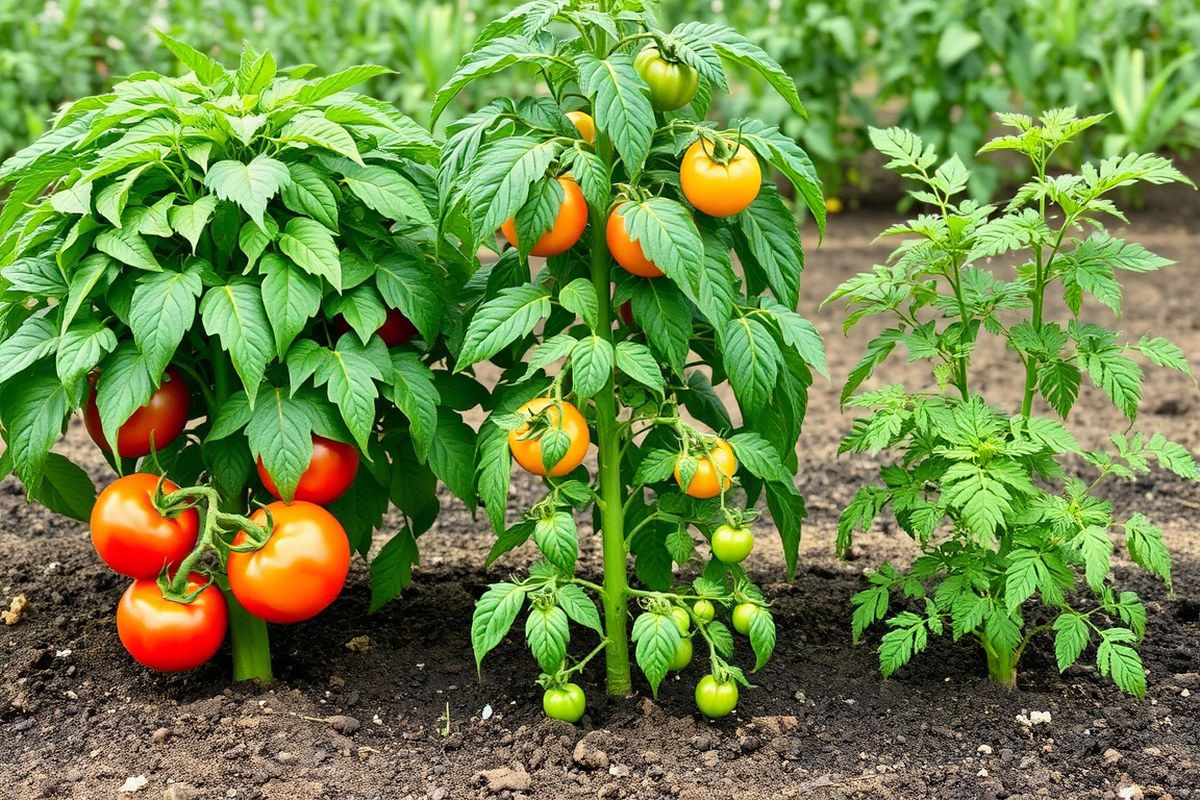
Tomato plant spacing depends on the type you choose: determinate, indeterminate, or dwarf. Determinate tomatoes are bushier and usually need about 18 to 24 inches between plants. Indeterminate tomatoes grow tall and vine out.
So they need more room, typically 24 to 36 inches apart. Dwarf varieties grow smaller and can be spaced closer, about 12 to 18 inches.
The height and growth habit of your plants guide your spacing choices. Taller indeterminate tomatoes need wider rows. Space them 48 to 60 inches apart.
This gives room to walk and prune. Determinate tomatoes are more compact but still need space. Keep rows 36 to 48 inches apart.
This prevents crowding and disease. Dwarf tomatoes suit tighter spaces and smaller rows, around 24 to 30 inches wide.
| Tomato Type | Growth Habit | Plant Spacing | Row Spacing | Plants per 100 sq ft |
|---|---|---|---|---|
| Determinate | Bushy/Compact | 18, 24 inches | 36, 48 inches | 8, 16 |
| Indeterminate | Vining/Sprawling | 24, 36 inches | 48, 60 inches | 5, 8 |
| Dwarf/Patio | Small/Compact | 12, 18 inches | 24, 30 inches | 20, 33 |
You can adjust spacing slightly depending on variety size and support you use. For example, vining indeterminate tomatoes trained on stakes can grow closer, around 18 to 24 inches.
Dwarf varieties rarely spread past their spacing limit. So planting them 10 to 12 inches apart often works well without hurting growth.
Plant determinate tomatoes two to three feet apart. Keep rows three to four feet wide. This suits most home gardens well.
Indeterminate tomatoes take more space, especially if you let them sprawl without cages. Using cages or stakes lets you space plants closer.
Still leave room to avoid disease. Make sure light reaches all leaves.
How Tomato Spacing Influences Plant Health and Yield
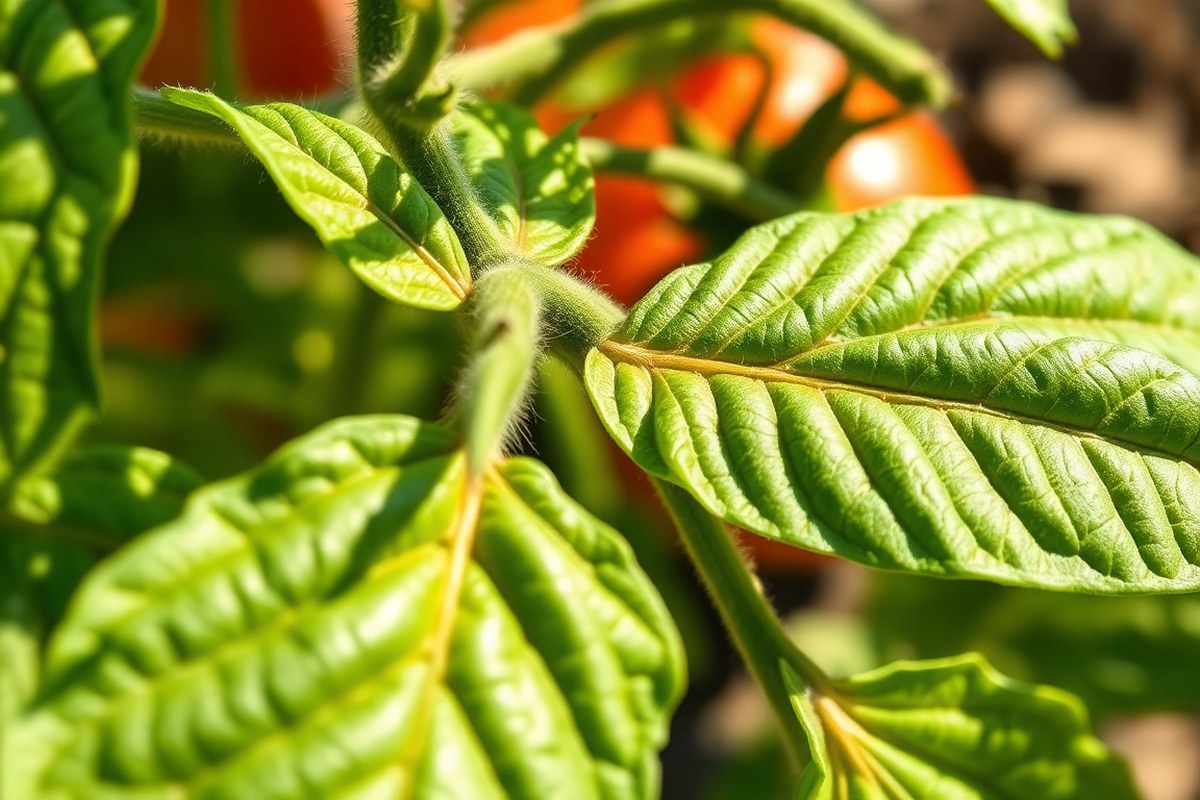
Spacing tomato plants correctly helps stop common diseases such as blight and powdery mildew. When plants grow too close, their leaves touch and trap moisture. This moist environment makes fungal spores spread fast.
Give plants about 2½ to 3 feet of space apart. Use trellises or cages for support.
This helps air flow between leaves and stems. Good air movement dries wet foliage quickly, making it hard for diseases to take hold.
Besides preventing disease, proper spacing gives tomato plants better access to sunlight and nutrients. Crowded plants compete for water and fertilizer, which can stunt growth. With more room, roots spread out to absorb nutrients evenly, supporting bigger and healthier fruit.
Well-spaced tomatoes grow stronger stems and fuller leaves. Their fruit ripens evenly. They usually taste better.
Overcrowded tomato plants show yellow leaves and spots on leaves. They may wilt even if soil is moist. Fruits may stay small or fall off before ripening.
Leaf overlap blocks sunlight, reducing photosynthesis. This causes weak plants that attract pests and disease. Proper tomato spacing works well with pruning.
Pruning opens gaps for air and light. This helps all parts of the plant.
Proper spacing brings healthier plants with fewer pests. It improves air flow and lowers humidity. Nutrients get to plants better, and harvesting gets easier.
Spacing plants costs little but saves money later. It cuts down disease and fruit loss. It also reduces effort needed.
Depending on where you grow tomatoes, spacing might change slightly. In humid places, keep tomato plants about 3 feet apart. This helps airflow and avoids disease problems.
Check your tomato plants weekly. Crowded leaves and slow growth usually mean you need more spacing to avoid disease.
Row Spacing and Layout Tips for Efficient Tomato Gardens
Space rows of tomato plants about 3 to 4 feet apart. This gives you good access for watering. It also helps with pruning and harvesting.
This spacing lets sunlight reach the lower leaves. It also helps air move around the plants.
Good circulation reduces the risk of disease. Proper row layout depends on whether you garden in open ground, raised beds, or containers.
Spacing Rows in the Ground Garden
Keep at least 3 to 4 feet between tomato rows when planting in open ground. This spacing leaves enough room to walk between rows without damaging plants or soil.
Good air circulation between rows lowers humidity and helps prevent fungal infections. It also ensures sunlight reaches most of the plant, encouraging healthy growth and fruit ripening.
Wide rows make it easier to weed, stake, and harvest tomatoes without bending or squeezing through. Rows narrower than 3 feet risk compacted soil and limited airflow.
Row Spacing in Raised Beds
Raised beds allow closer spacing since soil compaction is less of a concern. Space rows 2 to 3 feet apart dependent on the bed width.
For beds 4 feet wide, place one row in the center. Keep 2 to 3 feet between each plant.
This setup lets you reach both sides easily. Wider beds can fit two rows placed 3 to 4 feet apart.
Tight row spacing helps maximize garden space but avoid crowding plants. Make sure paths between beds are wide enough for comfortable access, typically 12 to 24 inches.
Designing Rows for Container Gardening
Containers limit root space. So plant spacing follows the container size more than row width. Allow 1.5 to 2 feet between plants in larger containers or grow bags.
Space containers in rows with at least 3 feet apart. This gives you easy walking space.
It also allows sunlight to reach all plants. Wide paths prevent overcrowding and ease maintenance.
Arrange containers on patios or decks for easy reach. Avoid stretching or lifting awkwardly.
This makes caring for your plants simpler. Grouping plants helps you water and prune efficiently.
Use this step-by-step guide to measure and mark your tomato rows before planting:
- Choose a flat, sunny spot suitable for your garden type.
- Determine your preferred row spacing: 3-4 feet for ground, 2-3 feet for raised beds.
- Use stakes or flags to mark the starting corner of your first row.
- Stretch a string line from the first marker to the end point for a straight row.
- Measure along the line, placing stakes or markers every 1.5 to 2 feet for plants.
- Mark parallel lines for each row at your chosen spacing apart.
- Leave paths of at least 12 inches between raised beds or containers for access.
- Double-check distances using a tape measure before digging holes or planting.
Adjusting Tomato Spacing Based on Growing Conditions
Soil quality affects how far apart you should plant your tomatoes. Rich, well-drained soil supports closer spacing. Keep plants 18 to 24 inches apart.
Nutrients and water reach roots easier this way. Poor or sandy soil needs wider spacing.
Space plants 24 to 30 inches apart. This helps reduce competition for resources.
Climate plays a big role in spacing decisions, especially in hot or humid areas. In hot climates, tomato plants benefit from being spaced further apart, around 30 inches or more.
This increases airflow, which cuts down on heat stress and diseases like blight. Humid climates also need wider spacing to lower moisture buildup, which causes fungal problems.
In cooler climates, plant tomatoes closer. Space them about 18 to 24 inches. This traps warmth near the soil for better growth.
This reduces frost damage in early spring and helps plants start growing faster. Adjust row spacing too, keeping at least 48 inches apart for good circulation and light exposure.
Container or raised bed gardens require different spacing because roots have less room to spread. Small or dwarf tomato types grow well with 24-inch spacing. Use containers of 5 gallons or larger.
This gives roots enough room. In raised beds with good soil, leave 12 to 18 inches between plants. If soil is deep and high-quality, you can space closer.
Crowding plants in small containers drains nutrients faster. So expect to water and fertilize more often.
To decide on spacing, first test your soil and check its drainage and fertility. Use wider spacing if soil dries out fast. Also space plants wider in heavy clay soil.
This avoids root crowding and water issues. Adjust spacing to your local weather. Use wider gaps in hot, humid climates.
Close the gap in cool, dry areas for better growth. Adjust container size too, as cramped roots stunt growth and lower your harvest.
Gardeners in hot southern states should space tomatoes 30 inches apart. This improves airflow and lowers disease risk among plants. Northern states with cooler springs need 18 to 24 inches between tomato plants.
This spacing keeps soil warmer for better growth. Containers of about 5 gallons need 2 feet between plants. This spacing fits determinate or dwarf tomato types well.
How Support Methods Affect Tomato Plant Spacing
Tomato plant spacing changes depending on whether you stake, cage, or leave plants uncaged. Staking allows tighter spacing since plants grow upright.
Caging needs wider spacing to fit the cage and let air circulate. Uncaged tomatoes must have the most space to avoid crowding and disease.
Spacing for Staked Tomatoes
Stake indeterminate tomatoes about 18 to 24 inches apart along rows. This helps plants grow vertically and makes pruning and harvesting easier. Tie plants gently with soft ties every 6 to 8 inches to avoid damage.
Staking supports strong growth by keeping stems off the ground. The close spacing fits more plants per row without shading. Rows should be 2 to 3 feet apart to allow walking and air flow.
Spacing for Caged Tomatoes
You need to plant tomatoes 30 to 36 inches apart when using wire cages. Cages typically need about 24 to 30 inches in diameter. The extra space prevents leaves and stems from pressing against each other inside the cage.
Caged plants grow fuller and spread wider than staked ones. Rows should be spaced at least 3 to 4 feet apart. This keeps plants healthy by increasing air circulation and sun exposure.
Spacing for Uncaged, Free-Growing Tomatoes
Uncaged tomatoes require at least 3 feet of space between plants. Without support, stems sprawl and take up more horizontal space. Keeping plants well spaced reduces risk of mold and pests.
Also, leave rows 4 feet or wider apart to make room for sprawling tomato plants. Be ready to prune heavily if plants start crowding. This will limit their size and help air flow.
| Support Method | Plant Spacing (Inches) | Row Spacing (Feet) | Support Features |
|---|---|---|---|
| Staked Tomatoes | 18 to 24 | 2 to 3 | Vertical growth, soft ties every 6-8 inches |
| Caged Tomatoes | 30 to 36 | 3 to 4 | Wire cages 24-30 inch diameter |
| Uncaged Tomatoes | 36+ (3 feet minimum) | 4+ | Free spreading, heavy pruning needed |
Choosing the right support depends on your available space. It also depends on how easy you want harvesting to be. Staking uses less space, but needs regular tying.
Cages give fuller plants but require more room. Uncaged tomatoes take up the most space and need pruning to stay healthy.
Don’t crowd plants inside cages or without support, air flow prevents diseases.
- For staking, drive a sturdy stake 12 inches deep near each plant.
- Plant tomatoes about 18 to 24 inches apart along the stake line.
- Tie stems loosely every 6 to 8 inches with soft garden ties.
- For cages, place plants 30 to 36 inches apart to fit cages well.
- Set each cage over a plant right after transplanting.
- Ensure cage diameter matches the root system and space around the stem.
- Uncaged tomatoes should be spaced at least 3 feet apart to avoid crowding.
- Prune suckers and remove low branches to promote airflow and sun exposure.
Maximizing Tomato Plant Density Without Sacrificing Health
You can plant tomatoes closer by staggering them and pruning regularly. Staggering offsets plants between rows, giving each one room even in tight spaces. Pruning removes extra leaves and suckers to prevent crowding and improve airflow.
Creating a Staggered Planting Pattern
Offsetting plants keeps rows from lining up and allows more plants in a smaller area. In a 4-foot-wide bed, stagger your tomato plants. Shift every other row forward by half the plant spacing.
This creates a zigzag pattern for better growth. This method helps each tomato plant get enough light and air while growing close together.
Follow these steps to create a staggered planting layout:
- Measure your bed width and decide plant spacing (usually 18 to 24 inches apart).
- Mark the first row along one side, placing plants evenly.
- Move over half the usual spacing distance and mark the second-row spots.
- Alternate the placement like a zigzag pattern for each row.
- Check that each plant has at least 18 inches around it side-to-side.
- Leave pathways between rows to reach each plant easily for care.
Pruning Methods for Closer Spacing
Pruning keeps tomatoes healthy when planted closer. Removing suckers early lowers the number of stems, so plants don’t crowd each other. Clearing lower leaves lets sunlight reach inner branches and keeps plants well ventilated.
Do a weekly pruning walk to remove:
- Small suckers growing between main stems and branches.
- Leaves that sag and block airflow or sunlight.
- Leaves above empty fruit clusters that won’t develop further.
This regular care stops crowded growth and helps plants stay strong.
Maintaining Airflow and Sunlight
Supports, like cages or stakes, lift tomato plants off the ground. This setup helps air flow around stems and prevents leaves from touching soil. Thinning leaves on crowded plants also allows more sunlight to reach the fruit.
Keep your tomato patch open by:
- Tying up branches securely to supports without breaking stems.
- Removing dense leaf clusters that block light or trap moisture.
- Spacing plants with a staggered layout to encourage natural airflow.
Good airflow reduces fungal disease risk and speeds up drying after rain.
Practical Tips for Measuring and Marking Tomato Plant Spacing
Measuring and marking your tomato planting spots helps you avoid crowding and wasted space. Use simple tools like a tape measure and garden stakes to get exact spacing. Marking spots with string or flags makes planting faster and keeps rows even.
Before you start, get a tape measure about 25 feet long. Also, grab some stakes or flags to mark your spots. Have a hoe or trowel ready for making holes.
Also, have a pencil or gardening marker to write spacing notes if needed. Your garden has uneven ground? Use a line level to keep rows straight.
Use these steps to measure and mark your tomato plants correctly:
- Clear the planting area of debris and old plants to avoid disease.
- Decide on the spacing based on your tomato variety, usually 18 to 36 inches apart.
- Place a stake at one corner of your garden bed to start measuring from.
- Run a string between the stakes to create a straight planting line.
- Stretch the tape measure along the string. Mark each spot with a stake or flag.
- Double-check measurements between marks to keep spacing even and consistent.
- Make small holes at each mark, being careful not to crowd root zones.
- Write spacing notes on the stakes with a marker to avoid confusion later.
Avoid common mistakes like eyeballing spacing without measuring; this often leads to overcrowding. Don’t plant too close near garden edges where soil may be poorer.
Also, avoid skipping measurement checks if you use multiple rows. These errors reduce airflow and sunlight and can invite pests and disease.
For containers or raised beds, measuring the entire container surface helps you place plants evenly. Keep notes on spacing for each tomato type if you have several kinds. This makes it easier to trim or move plants before roots get tangled.
Spacing Guidelines for Tomatoes in Containers and Raised Beds
Tomatoes in containers need enough room for roots and air. Small, compact tomato varieties can grow well in pots at least 12 inches deep and wide. Larger containers like half-barrels hold two or three plants.
Space each plant 18 to 24 inches apart. This gives them enough room to grow well.
Raised beds offer deeper, richer soil, which helps tomatoes spread their roots. The depth of your raised bed affects how far apart you should space your plants.
Beds that are at least 12 inches deep can support standard spacing. But shallower beds might need plants closer together to share space wisely.
The table below shows common spacing guidelines for tomatoes in containers versus raised beds. It includes container size, recommended spacing, and how many plants you can fit in typical setups:
| Planting Location | Container Size / Bed Depth | Spacing Between Plants | Number of Plants per Unit |
|---|---|---|---|
| Small Container | 12” deep and wide | Single plant only | 1 |
| Large Container (e.g., half-barrel) |
18”+ diameter | 18, 24” apart | 2, 3 |
| Raised Bed | 12”+ deep | 18, 24” apart | Depends on bed size |
Choose a container that matches your tomato variety size. Big indeterminate tomatoes need bigger pots and wider spacing. Dwarf tomatoes fit better in small pots.
Measure your raised bed’s length and width first. Use this to calculate how many plants fit inside. Leave 18 to 24 inches between each one.
Plan a layout so each plant has room to develop leaves and roots without crowding. Crowded containers or beds reduce air flow around plants. Poor air flow can cause disease to spread.
It also leads to smaller, weaker yields. Spacing well also helps watering and feeding reach each plant evenly.
Don’t crowd multiple tomato plants into small containers, it stresses roots and reduces fruit size.
Step-by-Step Action Plan for Proper Tomato Plant Spacing
Follow this plan to space your tomato plants right and boost their growth and yield.
- Before planting: Choose your tomato variety (determinate, indeterminate, or dwarf). Check seed packet spacing recommendations.
- Day 1: Measure and mark planting spots using a tape or string. Keep plants 18, 36 inches apart based on variety.
- Planting day: Dig holes at marked spots and plant seedlings carefully. Make sure roots are covered but stems are above soil.
- Week 2: Install supports like cages or stakes for indeterminate tomatoes. Ensure supports don’t crowd adjacent plants.
- After 4 weeks: Thin crowded plants if needed by gently removing weaker ones. Check that airflow improves between plants.
- Mid-season: Mulch around plants to retain moisture and reduce weeds. Water at base to keep leaves dry and healthy.
- Harvest time: Remove lower leaves to improve airflow and reduce disease risk. Keep plants spaced well as they grow.
Frequently Asked Questions
How Far Apart Should Indeterminate Tomato Plants Be Planted?
Indeterminate tomato plants should be spaced about 18 to 36 inches apart. This gives the plants room to grow up without crowding.
It lowers disease risks. Good air moves around the plants better.
What Is the Recommended Spacing for Determinate Tomato Plants?
You should plant determinate tomatoes 2 to 3 feet apart. Rows need 3 to 4 feet between them.
This spacing fits their bushy growth well. It helps you harvest and take care of plants.
How Does Spacing Affect Tomato Plant Health?
Proper tomato spacing improves air circulation, which reduces disease chances. Plants too close fight for light and nutrients.
They grow weaker. Fruit quality drops.
Can You Plant Dwarf Tomato Varieties Closer Together?
Dwarf tomatoes grow 12 to 18 inches tall. Plant them 10 to 12 inches apart. This compact growth allows you to maximize space without crowding.
Does Using Tomato Cages or Trellises Change Spacing Needs?
Yes, trellises help tomato vines grow vertically, so you can space plants closer sideways. This saves garden space and lowers disease risk because plants aren’t sprawling on the ground.
What Spacing Is Best for Tomatoes Grown in Containers?
Space tomatoes 12 to 18 inches apart in containers or raised beds. The type of tomato matters. Containers limit root spread, so closer spacing works if roots have enough soil.
Final Thoughts
Plant your tomato seedlings with the right spacing based on their type and environment. Proper spacing helps keep plants healthy and your harvest plentiful. Start by marking spots carefully before planting your tomatoes this season.