What Not to Plant with Tomatoes in a Raised Bed: A Complete Risk Guide
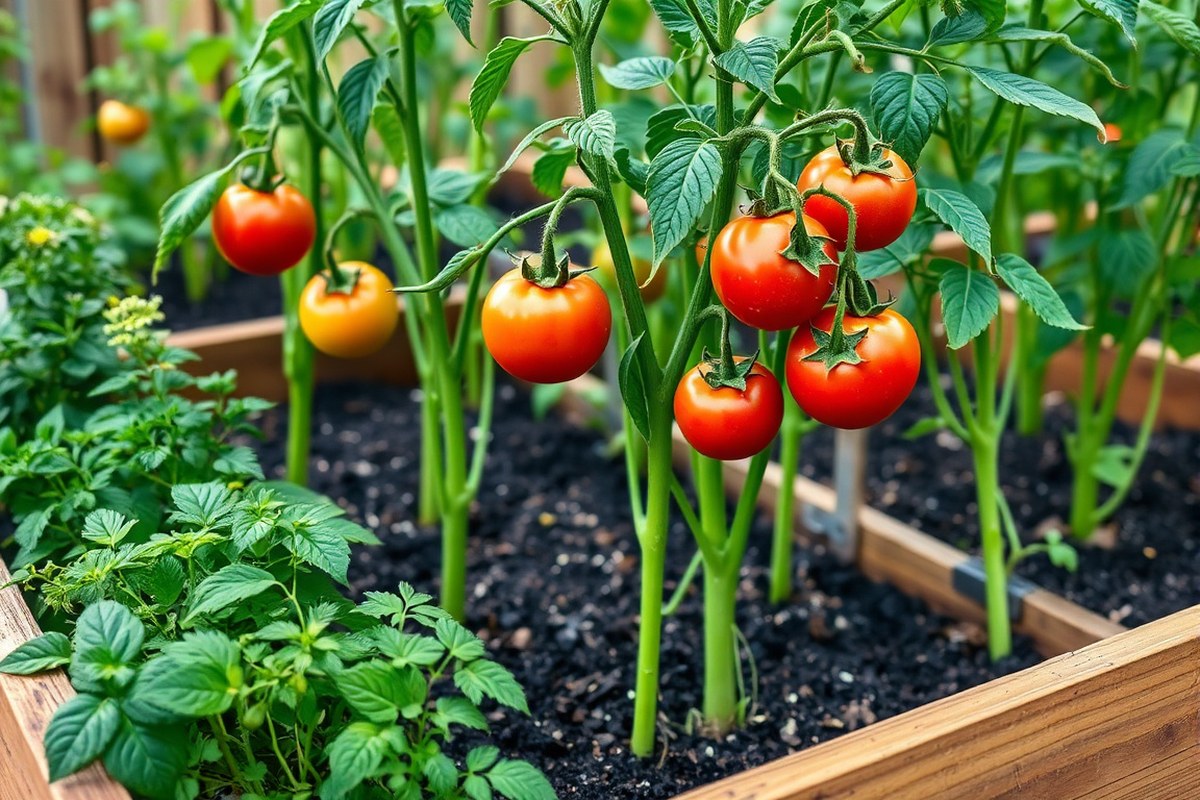
What you plant next to tomatoes in a raised bed matters. Some plants can hurt tomato growth. Avoid planting those nearby.
Avoid plants that attract the same pests or spread diseases to your tomatoes. These problems can kill tomato plants or drop the harvest fast.
Also, don’t put tomatoes next to plants that hog nutrients or block sunlight. Tomatoes need space to grow up to 6 feet tall and spread roots deep. Crowding them limits airflow, invites disease, and cuts fruit size and taste.
Stay away from herbs and flowers that release harmful chemicals near your tomatoes. These chemicals stunt growth or stop fruit from forming. Give tomatoes room with proper bed spacing to keep them healthy and productive.
Key Takeaways
- Avoid planting tomatoes near potatoes, peppers, or eggplants due to shared pests.
- Keep tomatoes at least 24 to 36 inches apart to improve airflow and sunlight.
- Don’t plant brassicas like cabbage near tomatoes; they compete for nutrients.
- Plant basil only 12 to 18 inches from tomatoes for a positive companion effect.
- French marigolds work well on raised bed edges but avoid strong allelopathic flowers.
- Space problem plants at least 3 feet or in separate beds away from tomatoes.
Which Plants Should You Avoid Planting Near Tomatoes?
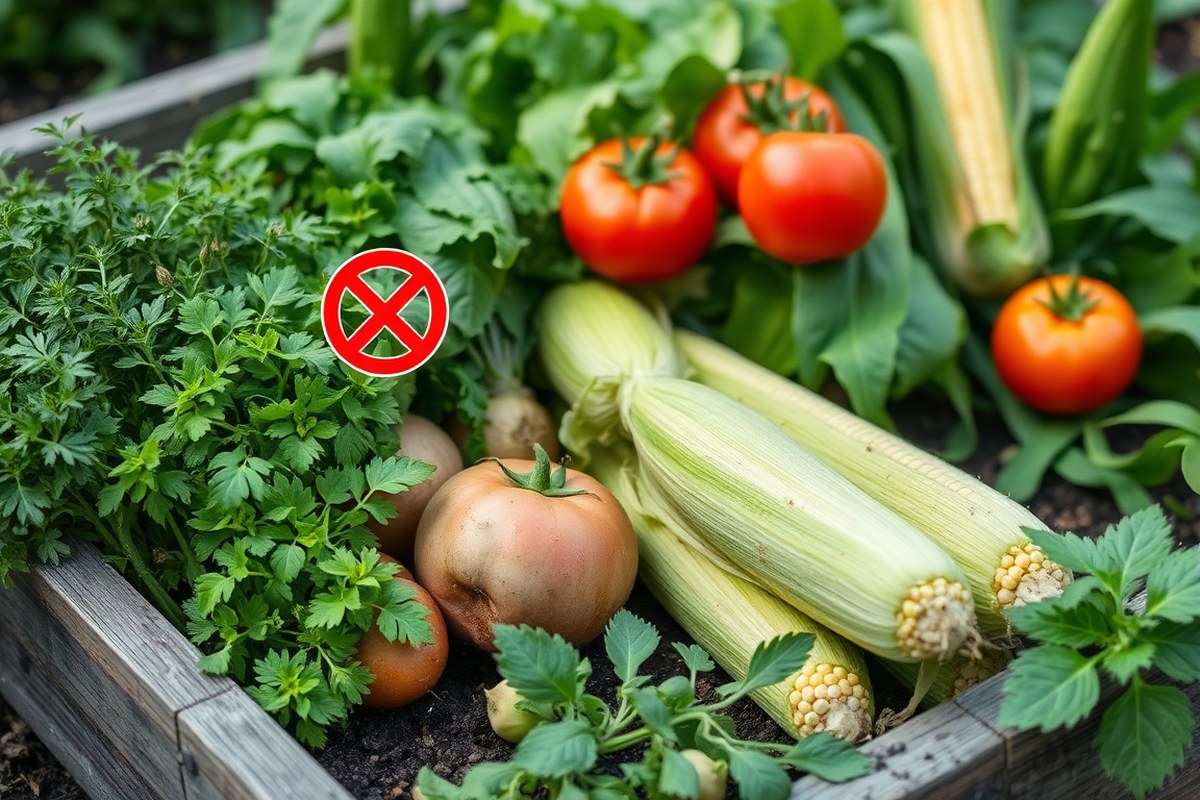
Some plants harm tomatoes by sharing pests, diseases, or competing for nutrients. Avoid planting potatoes and eggplants near tomatoes because they are from the same nightshade family. This increases the risk of blight and tomato spotted wilt virus spreading in your raised bed.
Vegetables like cabbage and broccoli compete heavily for nutrients. They release natural chemicals called glucosinolates that stunt tomato growth. Corn attracts similar pests and competes for sunlight and water, which lowers tomato yields.
- Fennel: produces chemicals that stunt tomato growth; keep it out completely
- Brassicas (cabbage, broccoli): compete for nutrients and inhibit tomatoes. Plant 55 inches or more away
- Potatoes: share diseases like blight; use separate raised beds
- Walnut trees: juglone toxin kills tomatoes; keep raised beds 50-80 feet away
- Dill: restrict growth once mature; cut before flowering and remove plants
- Corn: competes strongly for resources and shares pests; avoid near tomato beds
Mature dill can reduce tomato growth, so remove the plants before they flower. Walnut trees release juglone, a toxin that kills tomatoes.
So place raised beds far from these trees. Distant planting helps minimize root chemical interference and prevents sickness.
Plant tomatoes at least two feet apart in your raised bed. Leave space for companion plants to grow nearby. This spacing helps each plant get enough air and sunlight.
Use the spacing table above as a guide. This spacing reduces competition and disease risk, helps air flow, and encourages strong, healthy tomato plants.
How Do Shared Pests and Diseases Impact Tomatoes?
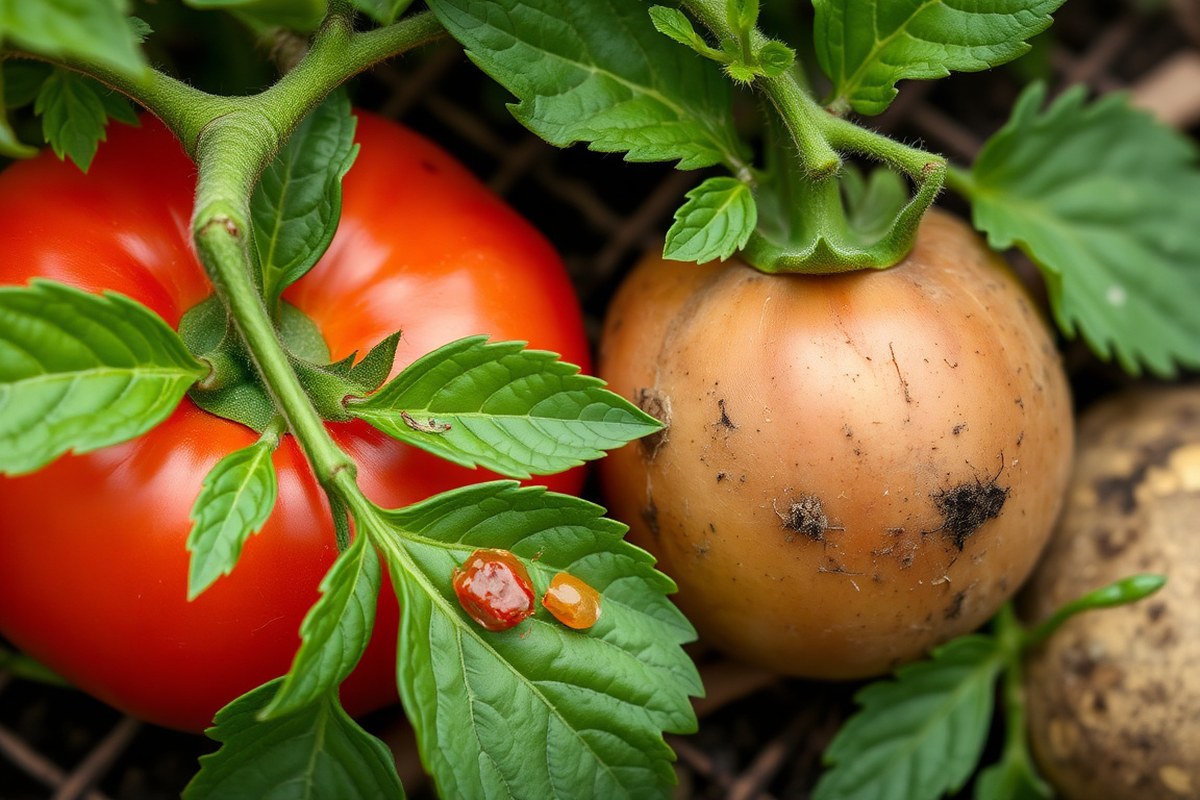
Tomatoes share many pests and diseases with other plants in the nightshade family. Potatoes and eggplants especially carry common threats like late blight and Colorado potato beetles. These shared risks make planting nightshades close to tomatoes a bad idea for your raised bed.
Potatoes near tomatoes encourage the spread of tomato spotted wilt virus and other diseases. This happens because pests move easily between these similar plants. When you plant them together, pests find a continuous food source and multiply faster.
Pest pressure from nightshade neighbors weakens tomato plants and lowers fruit quality. Pests like aphids or beetles feed on both, causing more stress and damage. This often leads to stunted growth and patches of dead leaves on tomatoes.
Keeping potatoes and other nightshades away from tomatoes reduces these shared pest and disease problems. Aim for at least 3 feet of space between tomato beds and potatoes at minimum. You can also rotate crops yearly to limit disease buildup in the soil.
Regularly inspect your tomatoes for early signs of pests or disease if other nightshades are nearby. Removing infected leaves quickly helps stop the spread.
Good airflow around tomato plants also slows disease development. So don’t crowd your raised bed.
Plant nightshade family members away from tomatoes to prevent pests and diseases spreading quickly.
Why Is Root and Nutrient Competition Harmful to Tomatoes?
Roots of tomato plants need room to spread and absorb nutrients well. Planting tomatoes too near deep-rooted or fast-growing plants causes root competition for water and nutrients. This weakens tomato growth and reduces how many fruits the plants produce.
Tomatoes need full sun to grow strong and fruit well. Neighboring plants that grow tall or in dense clumps can block sunlight from reaching tomato leaves. That causes slower growth and smaller, less flavorful tomatoes.
Give each tomato plant 2 to 3 feet of space in your raised bed. This ensures good air flow. It also lets light reach each plant well.
Overcrowding not only cuts sunlight but also traps moisture at the soil level. Damp soil and poor airflow raise the chances of fungal diseases like blight or powdery mildew. Proper spacing keeps tomato roots and shoots from crowding.
Choose planting companions that won’t compete. This helps tomatoes stay healthy all season.
Which Herbs and Flowers Negatively Affect Tomato Growth?
Some herbs and flowers harm tomato growth or squash their flavour. Dill and fennel are the main offenders. Dill’s fine until it matures; fennel never works near tomatoes.
Herbs That Hinder Tomatoes
Dill looks great next to tomatoes, but wait until it’s young. Mature dill competes with tomatoes for nutrients and can hinder tomato roots. Harvest your dill early if you want to grow it near your tomato raised bed.
Fennel produces chemicals that block tomato growth. Planted too close, it stunts tomatoes and reduces yield. Keep fennel at least 4 to 5 feet away from any tomato bed.
Cilantro and parsley are better herb companions. They attract helpful insects without harming tomatoes. Plant them 18 to 24 inches from tomato roots for best results.
Flowers to Avoid Near Tomatoes
French marigolds suppress nematodes but only in bed corners or margins. Don’t crowd them right beside tomato roots. Nasturtiums are mostly safe but don’t plant on top of tomato roots.
Onions and garlic repel pests like thrips but don’t plant too close. Plant them 6 to 12 inches away to avoid competition. Large onion or garlic bulbs can stress tomato roots if planted too near.
Avoid flowers that attract pests common to tomatoes. Also avoid overcrowding flowers near tomato stems to keep airflow steady and prevent diseases.
Allelopathic Effects Explained
Allelopathy means a plant releases chemicals that hurt neighbors nearby. Fennel’s chemical is a strong allelopath that will stunt most veggies, especially tomatoes. Avoid putting fennel anywhere near your raised beds.
Dill also releases compounds that harm tomatoes once it gets mature. That’s why timing your dill harvest matters if you grow both. Early harvest, no damage; late harvest, slower tomato growth.
Other herbs like basil release helpful volatiles that improve tomato health. So herb choice and plant maturity affect tomatoes in different ways.
Here’s a table with herbs and flowers and their effects on tomatoes. It shows their benefits or risks. The table also gives how far to plant them away.
| Companion Plant | Primary Benefit or Risk | Mechanism | Spacing From Tomatoes |
|---|---|---|---|
| Basil | Pest defense + yield boost | Volatile signaling, thrip/hornworm deterrence | 12-18 in (30-45 cm) |
| French marigold | Nematode suppression | Alpha-terthienyl root exudates | Bed corners/margins |
| Dill / Cilantro / Parsley | Beneficial insects | Flowers attract lacewings, wasps, hoverflies | 18-24 in (45-60 cm) |
| Onions / Garlic | Pest deterrence | Sulphurous compound emissions | 6-12 in (15-30 cm) |
Choose herbs and flowers from this table to support tomatoes. Keep fennel and mature dill far away to avoid harm. Planting with the right spacing helps tomatoes grow stronger and healthier.
How Far Should Problem Plants Be from Tomato Raised Beds?
Walnut trees release juglone toxin from their roots that harms tomatoes. Keep tomatoes at least 50 feet from these trees to avoid damage. Use raised beds with fresh soil or containers if walnut trees are nearby.
Corn and sunflowers also need space from tomatoes. Corn attracts pests that spread diseases to tomatoes.
Sunflowers can compete for nutrients and shade tomato plants as they grow tall. Keep these plants at least 10 feet away from your tomato bed to reduce risks.
Here’s a quick checklist for distances around tomato raised beds:
- Maintain 50 feet minimum from walnut trees or their mulch.
- Keep corn at least 10 feet away.
- Space sunflowers 10 feet or more to avoid shading.
- Mulch should stay 2 inches from tomato stems to prevent rot.
- Plant basil 12 to 18 inches apart from tomatoes for pest control.
Never use walnut tree mulch or soil near tomatoes to avoid plant death.
Space matters because bad neighbors affect tomato health. Too close, and tomatoes suffer disease, toxin damage, or shading. Taking time to measure distances may save your crop from poor growth and loss.
Planning Raised Bed Layouts to Avoid Incompatible Plants
Start by measuring your raised bed space carefully. Note which plants don’t grow well near tomatoes. This helps you plan your layout better.
Planning helps you avoid crowding and disease issues. Successful tomato growth means keeping incompatible plants apart.
Organize your garden bed to separate these plants. Doing this lets your tomatoes thrive.
Assessing Your Raised Bed Size and Depth
Measure your raised bed’s length, width, and depth. Most tomatoes grow 4 to 6 feet tall.
So you need enough space for the plant height and root growth. Deeper beds, around 12 to 18 inches, allow roots to develop properly and prevent nutrient competition.
Consider the bed size if you want to include companion plants. A 4-foot by 8-foot raised bed fits several tomato plants. You will also have room for other veggies.
This size works well for home gardeners. Smaller beds might need more careful planning to avoid crowding.
Mapping Plants to Prevent Conflicts
Create a simple layout on paper to place your tomatoes and neighboring plants. Keep tomatoes away from brassicas like broccoli and cabbage to avoid root and nutrient competition. Also, avoid planting potatoes or fennel nearby, as they can share pests or stunt tomato growth.
Space tomatoes 18 to 24 inches apart within rows to allow air flow. Keep rows about 24 to 36 inches apart if you have multiple.
This spacing reduces humidity and the chance of disease. Plan where companion plants like basil or marigolds can go without crowding the tomatoes.
Adjusting for Limited Space or Multiple Varieties
Put tall tomato plants at the back of a small bed. This helps all plants get enough sunlight. You can grow several tomato types this way.
Place smaller or bushier companions in front. This layout gives all plants access to sunlight and reduces shading, which can hurt tomato growth.
Rotate your crops yearly to avoid pests building up in the soil. Switch tomatoes with plants outside the nightshade family. This practice keeps soil healthy and pests low.
When space is limited, use containers nearby. Grow tricky companion plants separately in pots. This prevents crowding and helps plants do better.
Take these steps to plan your raised bed layout carefully:
- Measure your raised bed’s dimensions, including depth.
- List all plants you want to grow with tomatoes.
- Draw a simple garden bed map to place each plant.
- Keep tomatoes spaced 18 to 24 inches apart within rows.
- Place incompatible plants, like brassicas, far from tomatoes.
- Position taller tomatoes at the back, shorter plants in front.
- Plan crop rotation by marking last year’s crops on your map.
- Use containers for incompatible plants if bed space is limited.
Common Companion Planting Mistakes That Harm Tomatoes
Many gardeners believe certain plants always harm tomatoes, but that isn’t true. Overcrowding with more than three companion species can reduce airflow, causing mildew or blight. Also, some plants only compete for nutrients when planted too close or densely.
Tomato flavor and fruit quality can suffer when bad combinations block sunlight or stunt root growth. You might get leggy, weak vines and cracked skin on fruits. Keeping proper spacing and avoiding stress lets tomatoes produce up to 10 pounds per vine.
Watch for slow growth, yellow leaves, or fewer flowers. Wilt or damaged roots also show trouble underground. Timely removal or rearranging helps tomatoes bounce back before serious loss.
- Planting more than three different companions in one raised bed
- Assuming basil always improves flavor despite crowding risks
- Ignoring airflow needs around tomatoes, encouraging disease
- Placing nitrogen-hungry plants like corn too close
- Mixing legume varieties that garlic can inhibit
- Overlooking root zone competition by deep-rooted neighbors
- Trusting myths about certain flowers preventing all pests
Use this rule: plant no more than three companion species. Avoid heavy feeders near tomatoes to reduce nutrient fights.
Don’t crowd plants that block airflow or shade vines. Watching tomato leaves and fruit quality every two weeks helps catch problems early.
Good results mean sturdy vines with deep green leaves and vibrant, full-flavored fruit. When tomatoes struggle, reassess companion choices carefully to remove or separate suspects. A simple rotation with non-solanaceous plants every two years also keeps the soil healthy.
Allelopathy: Plants That Release Chemicals Harmful to Tomatoes
Some plants release chemicals that hurt tomato roots and stunt growth. These chemicals, called allelochemicals, spread in soil or nearby water. Knowing which plants cause this helps keep your tomatoes healthy.
Common Allelopathic Plants to Avoid
Black walnut trees are well known for releasing juglone, a chemical toxic to tomatoes. Also, sunflower roots and leaves release substances that inhibit tomato growth. Another example is sorghum, which produces harmful compounds that stay in the soil for months.
These plants can damage tomato roots, reduce yield, or cause leaves to yellow early. Avoid planting them inside or too close to your raised beds to prevent this.
| Plant | Allelochemical | Effect on Tomatoes |
|---|---|---|
| Black Walnut | Juglone | Root damage, stunted growth |
| Sunflower | Unknown allelochemicals | Poor tomato growth nearby |
| Sorghum | Phenolic compounds | Soil toxic to tomato seedlings |
| Wheat | Phenolics | Reduced tomato seed germination |
| Rye | Benzoxazinoids | Inhibits root development |
Even grain cover crops like rye and wheat release chemicals that reduce tomato seed germination. Watch nearby plants carefully and plan your raised bed borders with care.
Symptoms of Allelopathy in Tomatoes
Tomatoes show allelopathy stress mainly through slow or uneven growth. Leaf yellowing, drooping, or sudden wilting without obvious pests can indicate toxic chemicals. Roots might look shriveled or darkened when you check after harvest or transplant.
You might also notice poor fruit set and smaller sizes. These symptoms grow worse the longer tomatoes share soil with allelopathic plants. Checking soil history or removing suspect plants early helps avoid losses.
Strategies to Minimize Allelopathic Impact
Create at least a 4-foot gap between problematic plants and your raised bed tomatoes. Raised beds help by keeping soil separate from allelopathic roots underground. You can also add fresh compost to dilute toxins in the bed.
Rotating tomatoes to fresh soil every year limits buildup of harmful chemicals. Planting tolerant tomato varieties may help.
But research on those is limited and varies by region. If tomato stress looks chemical-based, watering well and improving soil drainage supports recovery.
Check your raised bed plants for slow growth or yellowing to catch chemical damage early.
Step-by-Step Action Plan to Avoid Harmful Plant Neighbors for Tomatoes
Follow these steps to protect your tomatoes in raised beds from bad plant neighbors. Each step helps you spot or prevent problems early.
- Before planting: Check your plan and remove plants like potatoes or fennel, which hurt tomato growth. Look for healthy soil without roots from those plants.
- Day 1 of planting: Space your tomato plants 12 to 18 inches apart. Avoid planting them close to risky companion plants. This helps reduce risks for your tomatoes. Use a tape measure to keep enough distance and avoid crowding.
- Week 1: Add mulch around tomatoes to block weeds that attract pests. Mulch should cover the soil well and look even.
- Week 2: Inspect for common pests shared with other plants, like aphids or whiteflies. You’ll see small insects or sticky leaves early on.
- Month 1: Rotate your tomatoes to a fresh part of the raised bed next season. Mark your bed map so you move tomatoes away from spots used by nightshades before.
- Every 2 weeks: Check your tomato plants for signs of trouble. Look for yellowing leaves or slow growth. These might be caused by allelopathic herbs nearby. Start removing those plants if you spot issues.
- Mid-season: Keep tomato roots from competing by pulling up aggressive spreading herbs like mint. Roots should stay loose without signs of drying or crowding.
- End of season: Clean up plant debris to stop diseases carrying over. Your raised bed should look cleared and ready for winter.
Frequently Asked Questions
Can Tomatoes Be Harmed by Planting Potatoes Nearby in Raised Beds?
Yes, avoid planting potatoes near tomatoes because both share diseases like blight. They compete for nutrients and increase pest risk in your raised bed. This can reduce your tomato harvest and plant health significantly.
Is It Okay to Plant Corn Beside Tomatoes in a Raised Bed?
No, avoid planting corn next to tomatoes since corn attracts tomato pests. Corn stalks can also shade tomatoes, limiting their sunlight. Keep tomatoes away to help them grow strong and healthy.
Can Onions Be Planted with Tomatoes in a Raised Bed?
Onions are not ideal companions for tomatoes. Onions may stunt tomato growth due to chemical reactions around roots. Stick with garlic or herbs like basil for safer companion options.
Are Cucumbers Good to Grow Near Tomatoes in a Raised Bed?
No, avoid planting cucumbers close to tomatoes because they attract the same pests. Also, both need different watering levels, which may stress your tomato plants. Plant cucumbers separately to avoid disease spread.
What About Planting Eggplants with Tomatoes in Raised Beds?
Eggplants and tomatoes suffer from similar diseases and pests, so don’t plant them together. They also compete for soil nutrients heavily, reducing tomato growth. Better to space them out or grow in separate beds.
Can You Plant Beans Next to Tomatoes in a Raised Bed?
Beans and tomatoes compete for nutrients and space, so avoid planting them close. Beans can also attract pests harmful to tomatoes. It’s best to plant beans in a different raised bed to protect your tomatoes.
Key Points to Remember
Tomatoes thrive best when they aren’t crowded by harmful or competing plants. Check your raised bed regularly and adjust plant neighbors. Start today by planning where each plant will go in the bed.
Keep an eye out for early signs of problems. This helps catch issues before they worsen.