Do Annual Plants Come Back? What Actually Happens and How to Manage It
Do annual plants come back after their growing season? Usually, they don’t. Annuals live just one season, then die off completely when cold weather hits.
Their survival depends on fresh seeds dropping to start new plants next year. Once the growing season ends, the original plant’s life cycle finishes.
Sometimes, annuals seem to return because of self-seeding. This happens when their seeds fall to the ground and sprout next spring. You’ll get new plants from those seeds.
But they’re often not exactly the same as the parent. The seedlings may grow in slightly different spots or shapes.
Climate plays a big part, too. Frost kills most annuals, so they don’t survive outside in cold areas.
But in warmer zones or indoors, you might keep them alive longer. Digging up roots and keeping plants in mild indoor conditions can sometimes let you grow them again next season.
Key Takeaways
- Annual plants usually die after one growing season and won’t regrow naturally.
- Self-seeding lets some annuals reappear from dropped seeds each year.
- Seeds from hybrid annuals often don’t produce true-to-parent plants next year.
- Frost kills annuals in colder zones, so they rarely survive outdoors.
- Dig up and cut back annuals to keep them alive indoors through winter.
- Keep overwintered plants at 50°F to 60°F for dormancy and health.
Do Annual Plants Come Back After One Growing Season?
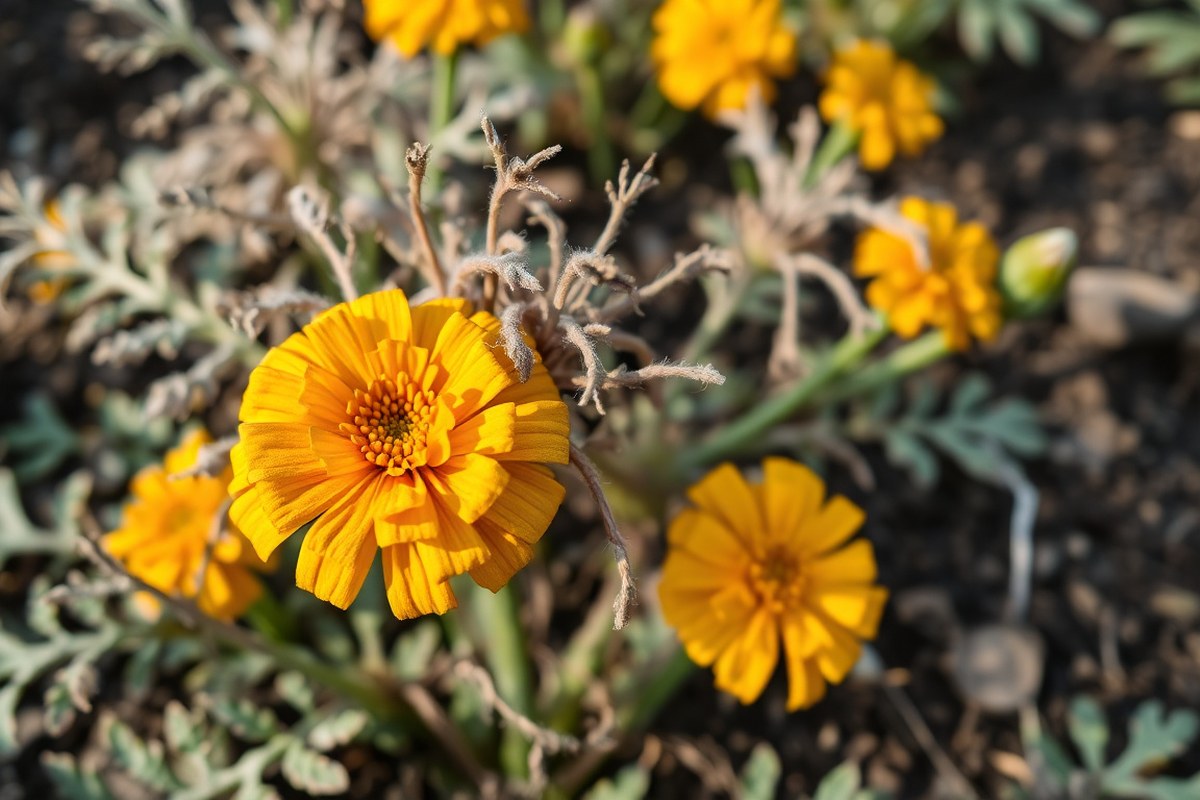
True annual plants live for only one growing season. They grow from seed, bloom, make new seeds, and then die before frost. The original plant does not come back the next year.
After flowering, an annual focuses energy on making seeds rather than on sustaining itself. Once seed production finishes, the plant quickly dies. This means you won’t see the same plant growing again in your garden the next year.
When the plant dies, its seeds drop on the ground. Seeds can also travel by wind or animals. This helps spread new plants around.
Those seeds grow into new plants during the next growing season. They need good soil, water, and sunlight to sprout. This seed spreading makes annuals look like they return on their own.
The new plants come up where the old ones grew before. This happens even though the first plant died.
How Self-Seeding Makes Annuals Appear to Return
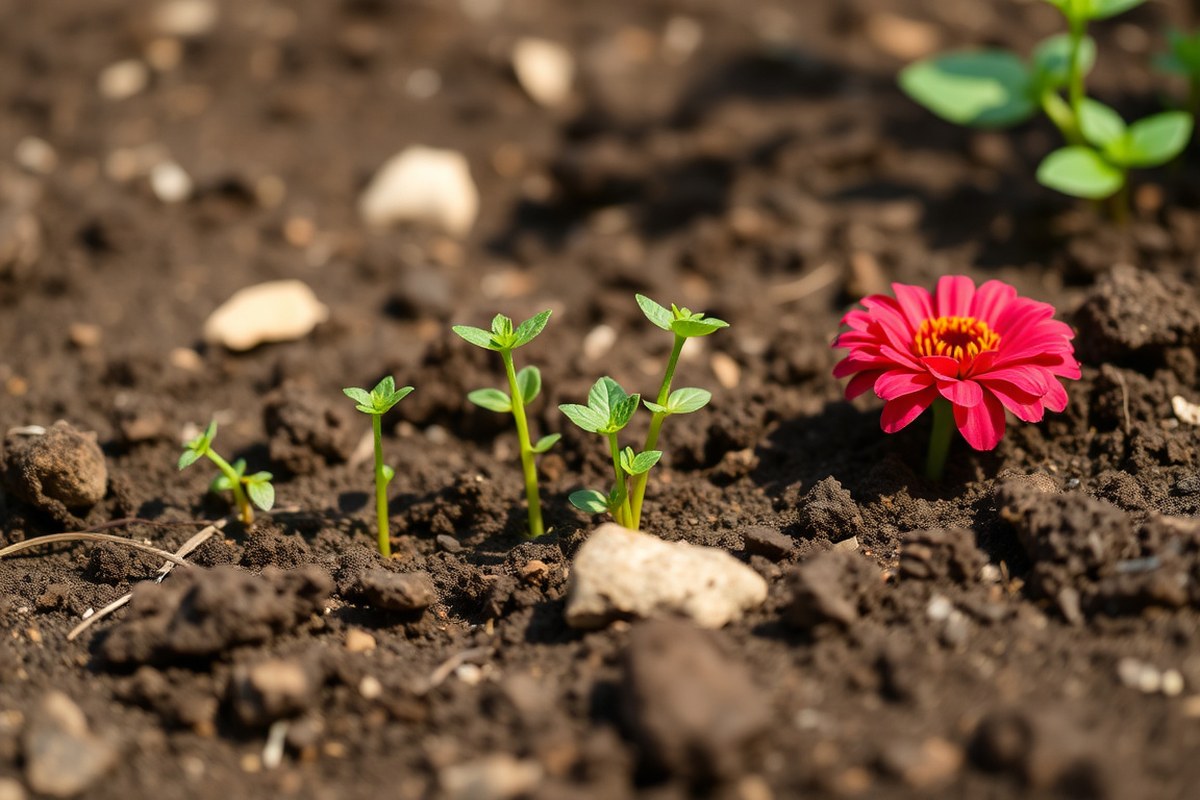
Annual plants don’t actually come back. Instead, they drop seeds that sprout new plants the next year.
This natural process is called self-seeding. It can make it seem like the same plant has returned.
How Self-Seeding Works
Self-seeding happens when annuals drop their seeds before dying at season’s end. Those seeds rest in the soil through winter and sprout when conditions improve. Hardy annuals, like pansies or calendula, often survive this way because their seeds tolerate cold.
The seeds don’t all grow at once or right where the original plant stood. Factors like soil moisture, temperature, and sunlight affect which seeds sprout. Some seeds may lie dormant for more than one season before growing.
Here’s how to encourage self-seeding:
- Let plants flower and form seed heads before they die back.
- Allow seed heads to dry on the plant for a week or two.
- Gently shake or tap seeds onto the soil or nearby bare spots.
- Leave some seed heads on the plant through fall or early winter.
- Keep soil around the plants loose to improve seed-to-soil contact.
- Avoid heavy mulching where seeds are dropped, as this blocks seedlings.
- Water lightly as needed in early spring to help seeds germinate.
Signs of Self-Seeded Plants
Self-seeded plants look just like the originals but usually grow a little smaller or less uniform. Seedlings often cluster near the old plant or area where seeds dropped. New plants bloom at the same time as last year’s, strengthening the illusion they returned.
Another clue is scattered seedlings appearing in odd spots where you didn’t plant anything. These seedlings often pop up in bare soil patches, pathway cracks, or garden edges. Sometimes they don’t appear every year because seeds need the right conditions to sprout.
You might not see any seedlings if the soil is too dry. It also happens when soil is too wet or disturbed.
This stops seeds from growing properly. Animals or heavy rain can also wash away seeds, preventing new growth the following year.
Managing Self-Seeding in Your Garden
Letting annuals self-seed can save time and money. But it takes some care to manage where and how they grow. You can choose which seed heads to keep on plants.
Remove unwanted seedlings before they mature fully. This helps control what grows in your garden. This way, your garden stays tidy and plants don’t overcrowd each other.
Removing spent plants carefully also helps protect young seedlings from damage. Mulch lightly around plants to stop weeds from growing. This lets seeds still reach the soil.
Mulching helps the seeds you want to grow. Some gardeners move seeds by collecting and sowing them in controlled spots.
Don’t remove all seed heads early; that stops new plants from appearing next year.
Steps to manage self-seeding:
- Decide where self-seeding annuals are helpful and want to encourage growth.
- Leave seed heads intact on those plants through fall for seeds to mature.
- Clear away unwanted seedlings early in spring before they compete.
- Rake or loosen soil where you want seeds to sprout naturally.
- Water lightly and consistently as seedlings emerge and establish.
- Thin seedlings if they start growing too crowded or weak.
- Collect extra seeds from plants with strong traits to sow next season.
Differences Between Annuals, Perennials, Biennials, and Tender Perennials
Plants fall into three lifespan categories: annuals, perennials, and biennials. Annuals live one growing season and then die.
So they don’t come back from the same roots. Perennials regrow from their roots year after year, often for many years.
Biennials take two years to complete their life cycle. They usually grow leaves the first year, then flower and die in the second.
Tender perennials don’t fit neatly into these groups. They can survive multiple years in warm climates but die in cold winters.
Some plants called annuals in cold zones are really tender perennials. They only survive one season there. This means they won’t come back every year in those areas.
In warmer zones, the same plant might come back like a true perennial. That’s why your USDA Hardiness Zone matters a lot.
Here is a quick table to compare plant types. It helps you spot tender perennials grown as annuals. Use it to know what to expect from your plants.
| Plant Type | Life Cycle | Winter Survival | Example |
|---|---|---|---|
| Annual | 1 growing season | Dies after frost, no regrowth | Zinnia, Celosia |
| Biennial | 2 years (1st leaves, 2nd flowers) | Dies after flowering | Foxglove, Parsley |
| Hardy Perennial | Multiple years | Survives winter dormant | Russian Sage, Coneflower |
| Tender Perennial | Multiple years in warm climates | Dies in cold winters, regrows in warm zones | Lantana, Angelonia |
Knowing this lets you plan better. You can treat tender perennials as annuals where winters are harsh. Or bring them indoors to survive winter and enjoy them longer.
The plant tag or seed packet usually shows if it’s annual, perennial, or biennial. Checking the zone hardiness and local climate helps you understand if a plant will return.
A plant might look like an annual but actually live like a perennial in your area. For example, lantana can survive cold winters only in zones 8 to 11. In zone 5, it acts as an annual.
This difference is why some gardeners dig up or protect tender perennials to keep them going. To make a plant come back every year, follow its type and zone.
Care for it according to these factors. This helps you know when to replant or protect it.
How Climate and Frost Impact Annual Survival and Return
Annual plants usually don’t survive winter because they lack strong root systems. They put their energy into growing and making seeds, not into storing food underground. Frost kills their leaves, stems, and roots when temperatures drop below freezing in most zones.
The climate zone where you live decides if annual plants can last through winter. In USDA zones 3 through 9, frost typically kills annuals. So gardeners need to replant every spring.
Frost harms both the top and roots of plants in cold zones. Annuals cannot regrow outside after frost damages them. This ends their natural lifecycle outdoors.
Warm climates with mild or rare frosts allow some tender annuals to survive multiple years. For example, zones 10 and above often see plants called tender perennials living longer. These plants don’t go completely dormant and can keep growing outside if frost doesn’t kill them.
Microclimates around your garden also affect annual survival. South-facing walls or spots protected by buildings can stay a few degrees warmer at night. These spots might help annual plants last longer or give seedlings a strong start before frost.
Cut back annual plants close to the ground after hard frost. Growing annuals from seeds is the safest option. Seeds stay alive outdoors and sprout in warm soil.
In cold places, dig up annuals before frost hits. Trim the plants back after digging them up. Bring them inside to protect from cold.
Put them in bright windows where temps stay above freezing. This method takes time and care but can extend the life of some plants.
Warm winter climates let gardeners enjoy annuals longer without indoor care. Some annuals labeled as such in cooler regions behave more like perennials where winters are gentle. Learn your zone and frost dates for planting decisions.
This helps you decide between new plants or overwintering. These details guide your gardening plans well.
Practical Methods to Overwinter and Regrow Annual Plants Indoors
You can keep some annual plants alive indoors to use again next season. This involves cutting them back, potting them up, and giving the right light and temperature. With care, your annuals can rest through winter and regrow.
Preparing Plants for Indoor Overwintering
Start by pruning your annual plants in early fall before frost hits. Cut the stems back to about 4 inches to reduce stress and prevent disease. Dig carefully around the roots to avoid damage, especially if the plant has tubers.
After pruning, pot plants in fresh soil. You can mix in vermiculite or peat. This helps keep moisture balanced.
Choose containers with drainage holes to stop water buildup. Water the plants lightly so soil stays moist but not soggy, which can cause rot.
- Cut back plant stems to about 4 inches.
- Gently dig up the root ball with a garden fork.
- Remove old soil and check roots for damage.
- Fill pots with fresh soil mixed with vermiculite or peat.
- Place plants carefully in pots without crowding roots.
- Water lightly to moisten soil without overwatering.
- Set pots in a cool, bright spot indoors with indirect light.
- Start using LED grow lights if natural light is too weak.
Be gentle digging roots and remove any dead or mushy parts immediately.
Ideal Dormancy Conditions
Keep annuals in a cool spot between 50°F and 60°F to mimic winter dormancy. This temperature slows growth without harming the plant. A basement or unheated room often works well.
Give plants 8 to 10 hours of light each day. Use LED grow lights if indoor light is dim. This will help plants grow well.
This prevents the plants from becoming leggy as they search for sun. Avoid placing plants near heaters or drafts.
Maintaining Plant Health During Winter
Check your plants monthly to avoid dry soil or pests. Water just enough to keep the soil slightly moist, never soggy. Let pots drain well after watering to prevent root rot.
Trim any dead leaves or stems to stop disease spread. Watch for signs of pests like aphids or spider mites, and treat them quickly. Keeping air moving with a small fan reduces mold and mildew buildup.
Harvesting, Storing, and Using Seeds to Grow Next Year’s Annuals
Annual plants do not come back from the same roots next year. You can save seeds from them to grow new plants in the next season. Proper harvesting and storing help keep seeds alive and ready for planting.
Collecting Seeds from Common Annuals
Wait until flowers fully mature and seeds dry on the plant before harvesting. For zinnias, let flower heads turn brown and crisp.
Marigolds produce small black seeds in dried pods. Cosmos seeds drop from dried heads.
Leave seed heads on plants until they rattle in late fall. Collect seeds by shaking or crumbling the dry heads over a container or bed. This gives you fresh seeds for next spring or encourages natural reseeding.
Proper Drying and Storage
Dry seeds completely before storing to prevent mold and rotting. Spread seeds on newspaper or paper towels in a warm, dry area away from direct sunlight. Once dry, place seeds in paper envelopes or small containers.
Store seeds in a cool, dark place such as a drawer or cupboard. Avoid plastic bags since they can trap moisture. Label each packet with the plant name and the harvest date to keep track.
Seed viability usually lasts for 3 years. Beyond that, fewer seeds will sprout. Rotate your saved seeds every few years for the best garden results.
Limitations of Hybrid Seeds
Hybrid annual seeds rarely grow true to the parent plant. These seeds might produce plants with different flower colors or shapes. Collecting seeds from hybrids works, but expect surprises in next year’s plants.
Open-pollinated or heirloom seeds stay true to type. Choose these if you want reliable results from your saved seeds. Hybrids can add variety, but they are less predictable for seed saving.
- Wait until the seed heads are fully dry and brown on the plant.
- Gently shake or crumble seed heads over a clean tray or container.
- Remove any plant debris or chaff mixed with seeds.
- Spread seeds on dry paper to finish drying for a few days indoors.
- Package seeds in labeled paper envelopes or breathable containers.
- Store seeds in a cool, dark, and dry place.
- Check seeds for sprouting after a year to test viability.
Common Misconceptions and Mistakes About Annual Plant Returns
Some annual plants seem to come back each year. They drop seeds. These seeds grow new plants next year.
True annuals die completely at the end of their season, with roots that don’t survive. You might see new plants where old ones grew. But it’s usually new seedlings from self-seeding, not regrowth from roots.
Pruning late in fall usually won’t bring annuals back. Cutting them down too early can hurt seed development or weaken the plant before frost.
After frost, annuals stop growing, so trimming them then only clears dead material. For perennials, though, pruning can actually help if done at the right time.
Biennials often get mistaken for annuals. They live two years, growing leaves the first year and flowering the second. Some biennials die after flowering, so gardeners might think they only last one season.
Perennials come back from roots every year. But their top growth dies back in winter. Confusing these types leads to wrong care and expectations.
- Don’t prune annuals in early fall; wait until after frost to clean up.
- Leave some seed heads on annuals to encourage self-seeding for next year.
- Label your plants clearly to avoid mixing biennials and annuals.
- For biennials, expect a two-season cycle before they die.
- Use mulch to protect tender perennials, but not for true annuals.
- Watch for new seedlings in spring that might be annuals self-seeding.
A common mistake is clearing all plant debris too soon. This wastes natural seed sources and removes winter cover. After frost, cut back dead tops and leave the soil undisturbed to let seeds settle.
In colder zones, annual roots rarely survive. But mild winters might let a few live on to sprout again.
Know what type of plant you have because their lifespan varies. Give annuals fresh soil and seeds each year for best results.
Treat biennials and perennials differently by adjusting pruning and protection. Identifying the plant type early saves you time and helps plants thrive year after year.
Best Practices for Managing Annual Plants Post-Frost and Preparing for Next Season
Clear out annual plants soon after the first hard frost hits. Leaves and stems turn brown and wilt, signaling their life cycle has ended. Removing dead growth prevents disease and pests from settling in your garden beds.
Composting spent annuals is usually safe unless they show signs of disease or insect damage. Healthy plants break down and enrich your compost pile with nutrients. Avoid adding plants with mold or fungal spots.
These can spread disease in your garden. Don’t risk problems next year by planting infected plants.
Preparing the soil early boosts your chances of vibrant flowers next season. Loosen soil to about 8 to 10 inches deep. Mix in 2 to 3 inches of organic matter.
Use compost or aged manure for best results. This improves drainage and nutrient levels, helping young annuals start strong.
- Cut back all dead annual plants below the soil line after frost.
- Inspect plants for disease before adding to compost; discard diseased parts.
- Rake soil to remove leftover debris and break up clumps.
- Add a 2-3 inch layer of organic compost or well-rotted manure.
- Turn soil with a garden fork or tiller to mix amendments evenly.
- Plan your next season’s planting after the last frost date.
- Check soil moisture regularly and water only if top inch feels dry.
Preparing soil well costs little but takes time. It might take one hour per 100 square feet. Plan your work so you don’t rush it.
Avoid compacting the soil by stepping on it; loose soil allows roots to spread. Poorly prepared soil leads to weak plants and less bloom color in spring and summer.
Wait at least a day after a hard frost. This helps avoid damage to early bulbs or perennials. Be careful when clearing near these plants.
By following these steps, your flower beds stay healthy and ready for new annuals. Clear spaces let you plant fresh, vibrant blooms right after the last frost date safely passes. You’ll enjoy stronger growth and longer flowering seasons with less effort.
Step-by-Step Action Plan for Annual Plant Care and Return
You can help your annual plants come back or grow new ones easily. Follow these steps to get the best success in your garden.
- Late summer: Watch for seed pods forming on your annuals. Collect seeds when pods are dry but not open.
- Early fall: Sow collected seeds directly in your garden or start indoors. Check for germination in 7-14 days.
- After first frost: Remove dead annual plants and clear debris. This reduces pests and disease risks next year.
- Late fall: Move tender annuals indoors to a sunny window. Keep soil moist but not soggy to protect roots.
- Winter months: Monitor indoor plant growth and trim dead leaves. Healthy green leaves mean your plants survived well.
- Early spring: Harden off indoor plants by gradually exposing them outside. Look for no wilting after a few days.
- Spring planting: Transplant indoor-grown annuals outside after danger of frost. Water daily for the first week.
- All season: Deadhead flowers regularly to encourage more blooms. Check for new seedlings as signs of self-seeding success.
Frequently Asked Questions
Can You Expect Annual Plants to Regrow from Their Roots the Next Year?
No, annual plants do not regrow from roots after one season. They complete their lifecycle in one growing season and then die back.
Do All Self-Seeding Annuals Produce Offspring Identical to the Parent Plant?
No, seeds from hybrid annuals like ‘Profusion’ zinnias often vary in traits. You may get smaller or less vibrant flowers the next season.
Is It Possible to Save Seeds from Annuals for Planting the Following Year?
Yes, harvesting seeds from dried seed heads lets you grow new plants next year. This method helps annuals come back without replanting purchased seeds.
What Role Does Climate Play in Whether Annual Plants Return the Next Season?
Climate, especially frost, kills annuals in colder zones. You must store or protect them indoors to keep them alive.
Can Overwintering Annuals Indoors Guarantee They Will Bloom Again Outdoors?
Overwintering might keep annuals alive indoors. However, they may need bright light and cool temperatures to survive winter.
How Do You Prepare Your Garden for Annual Plants After Frost Ends Their Growth?
After frost kills annuals, clear dead plants and remove debris. This prepares the bed for new planting and prevents disease spread.
Final Thoughts
Annual plants usually don’t come back on their own after one season. You can help them by saving seeds or protecting them indoors. Start collecting seeds this fall to grow new plants next year.