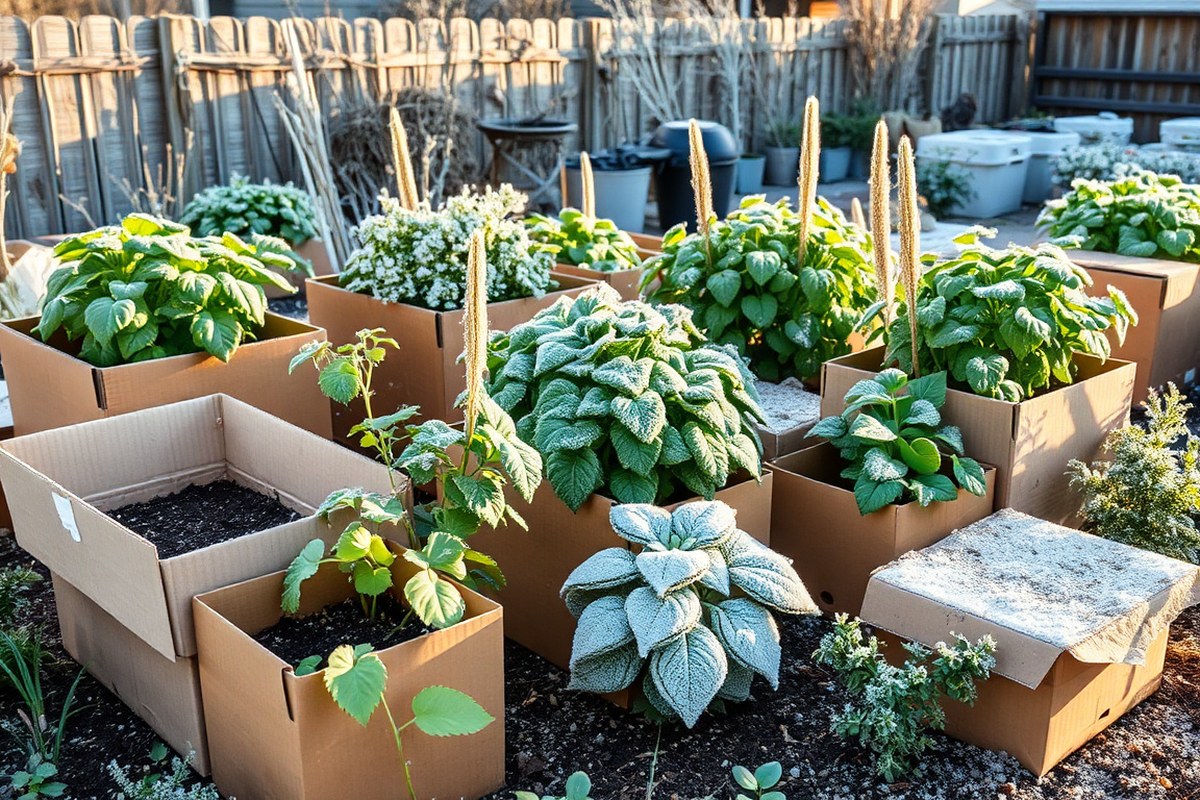
Will Cardboard Boxes Protect Plants from Frost? A Complete Guide
Will cardboard boxes protect plants from frost? Yes, they can, but only if used the right way.
Cardboard creates a small shield that traps warmth around your plants. This buffer helps prevent cold air from reaching sensitive leaves and stems.
Place the box over the plant in the late afternoon before temperatures start to fall. Leave it on overnight to maintain warmth. Remove the box during daylight hours to avoid overheating and moisture buildup.
Cardboard by itself offers limited protection against hard frost or freezing temperatures. Adding an insulating layer like cloth, burlap, or straw inside the box improves warmth retention. This extra padding helps protect roots and stems more effectively.
Make sure the cardboard doesn’t touch the leaves directly to prevent damage or disease. Using boxes with flaps can create a better seal around the plant’s base. This simple method can save tender plants during light frost spells.
Key Takeaways
- Use cardboard boxes only on mild frost nights for best protection.
- Add insulation inside the box to improve heat retention.
- Remove boxes early in the morning to prevent overheating.
- Choose sturdy boxes to resist wind and stay in place.
- Not all plants benefit; tender bedding plants gain the most.
- Keep soil moist before frost, as moist soil holds heat better.
Can Cardboard Boxes Protect Plants from Frost Effectively?
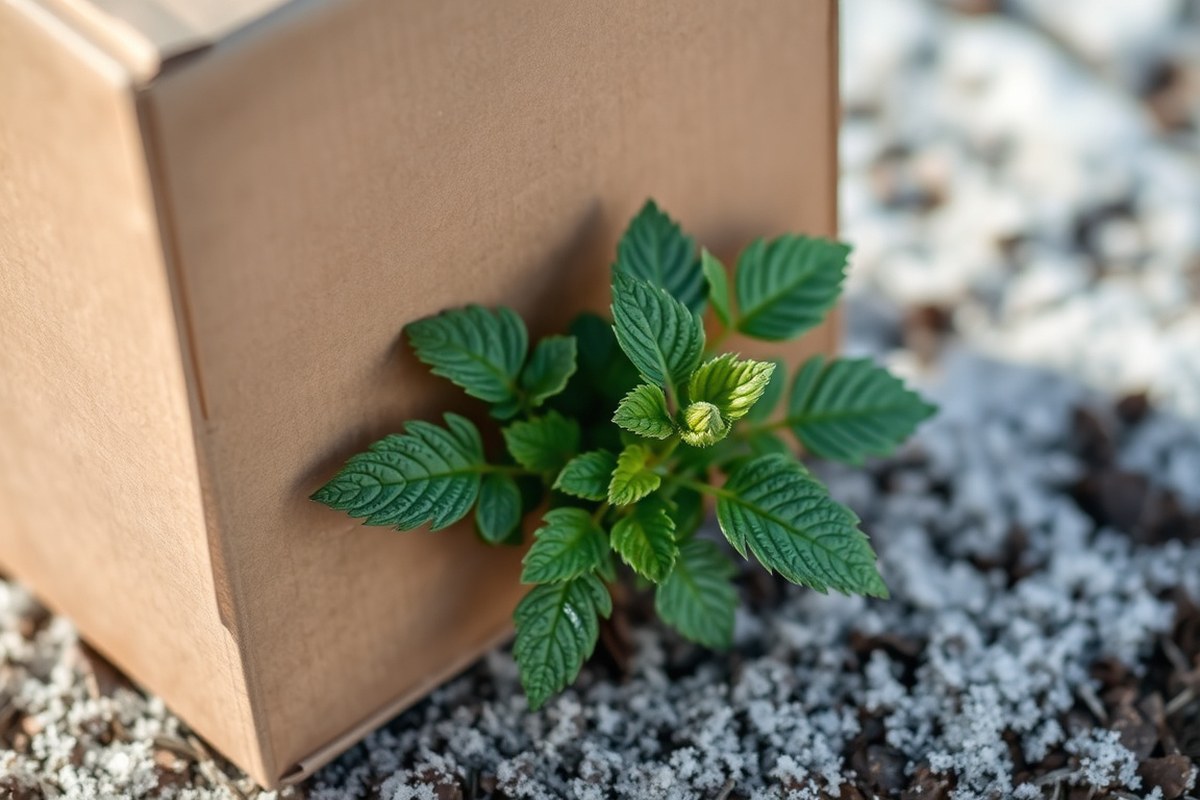
Cardboard boxes can help protect plants from frost, but their effectiveness is limited. Cardboard acts as a simple insulation layer for plants. It traps air and slows heat loss around them.
It slightly raises the temperature near the plant. This reduces frost damage when temperatures drop below freezing.
Frost forms as heat escapes plants and soil at night. This lowers surface temperatures below freezing. Frost causes water inside plant cells to freeze, damaging tissues.
Cardboard boxes act as a barrier, slowing the escape of heat and blocking cold wind. It keeps the plant surface warmer than the air by a few degrees. This warmth can prevent mild frost damage.
The insulating power of cardboard comes from trapped air pockets inside its layers. These pockets reduce heat conduction from the plant to the chilly air. However, cardboard is not a strong insulator like foam or wool.
Cardboard has an insulation rating of about 1 to 2 per inch. This is much less than special materials provide. Thin boxes, usually around 1/8 to 1/4 inch thick, provide only a minimal temperature boost.
Cardboard works best when frost is light or lasts a short time. It protects if temperatures stay just below freezing for hours. In bad frost with very low or all-night cold, cardboard alone won’t protect plants.
Air inside the box can get as cold as outside air. This especially happens if the box has no extra insulation.
Cardboard around small garden pots helps keep heat in. Pots lose heat quickly, so this protection is useful. A box over the plant creates a warmer spot by cutting wind chill.
It also keeps some moisture near the plant. Remove the box right after frost danger ends. Leaving it too long might cause overheating or mold.
Cardboard is cheap or free if reused from shipping boxes. It’s a simple choice for light frost protection sometimes.
How to Use Cardboard Boxes Properly for Frost Protection
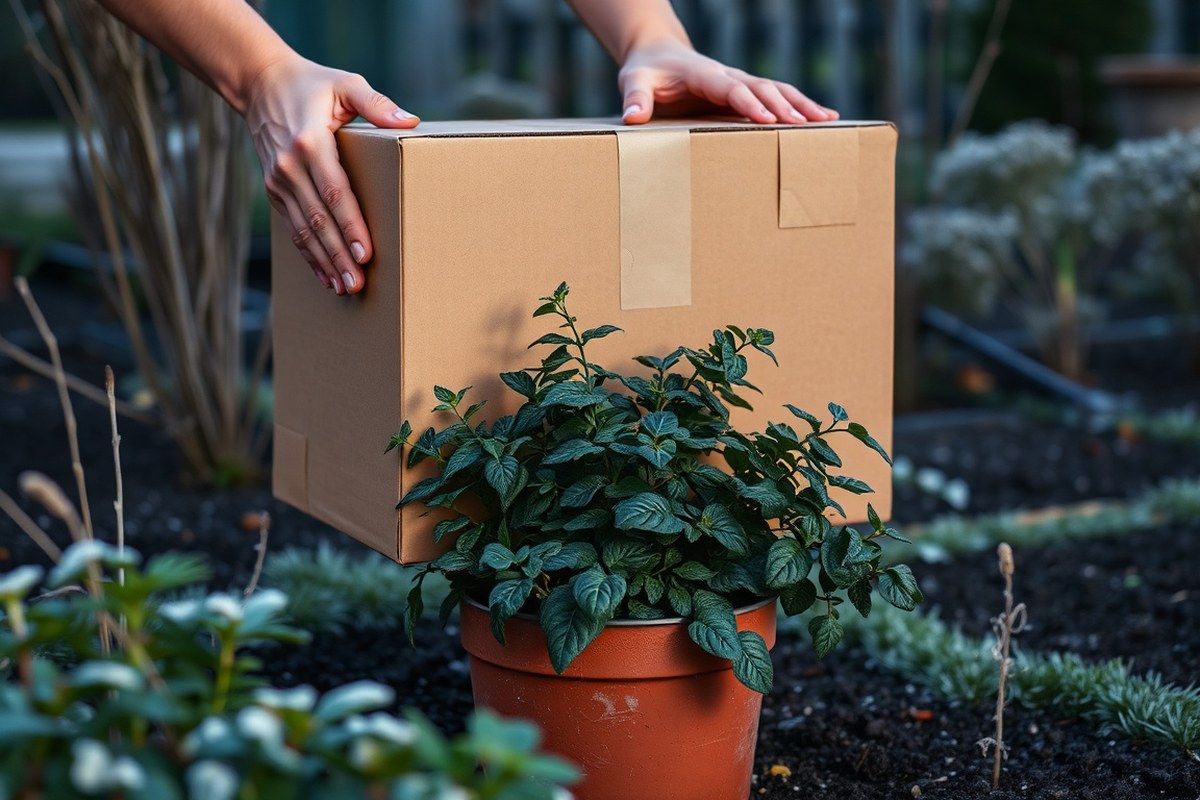
Cardboard boxes can shield plants from frost if used correctly. Prepare them to trap warmth and cover plants without crushing leaves. Secure boxes well to stay in place during wind or snowfall.
Preparing the Cardboard Box
Choose a box large enough to cover your plant without touching it. Remove any tape or labels to avoid chemicals near the plant. Cut ventilation holes to prevent moisture buildup inside the box.
The box acts like a mini greenhouse, trapping heat from the soil. You can line the inside with newspaper or straw for extra insulation. Avoid wet or damaged boxes, because moisture weakens protection and can spread mold.
Placing the Box over Plants
Set the box over the plant late in the afternoon before temperatures drop. Make sure the plant stands upright inside the box to avoid leaf damage. Leave the box in place overnight to protect against the coldest temperatures.
Avoid placing boxes too early in the day when the sun is strong. Heat inside the box can rise and harm the plant’s leaves. Remove the box in the morning once temperatures rise above freezing.
Securing the Box Against Wind
Hold the box down with bricks, heavy rocks, or stakes around the edges. Weighing it down prevents wind from blowing it off during the night. If the ground is soft, push tent stakes through the box corners.
Check stability after placing the box to ensure it won’t tip over in strong winds. Sandbags or garden soil piled around the edges also add weight. Avoid using loose ties that might choke or damage plant stems.
- Pick a dry, sturdy cardboard box bigger than your plant.
- Cut small ventilation holes in the box sides for airflow.
- Line the box inside with newspaper or straw for insulation.
- Set the box over the plant before temperatures drop in late afternoon.
- Secure the box edges with bricks, rocks, stake, or soil.
- Leave the box overnight, then remove it the next morning.
- Watch for signs of moisture or mold and replace boxes as needed.
Never seal the box airtight. Plants need fresh air to avoid mold and rot inside.
Which Types of Plants Benefit Most from Cardboard Box Protection?
Cardboard boxes work best to protect small to medium-sized plants. Young plants, seedlings, and potted flowers fit well inside boxes. The boxes cover plants without heavy lifting or causing damage.
This protects plants easily. Larger plants need sturdier protection that covers more space than a box can provide.
The pot size matters. Cardboard boxes suit pots up to about 12 inches in diameter.
Larger pots or garden plants growing in the ground require bigger covers or multiple boxes. You can also line the box with insulating material for extra warmth, especially for potted plants.
| Plant Type | Size Suitability | Cardboard Box Use |
|---|---|---|
| Bedding plants and seedlings | Small (under 12 inches tall) | Ideal for full coverage, use single box |
| Potted flowering plants | Small to medium (pots up to 12 inches) | Good fit, add insulation inside box |
| Herbaceous perennials | Medium (1 to 2 feet tall) | Can cover young plants, not mature ones |
| In-ground shrubs | Large (over 2 feet tall, wide) | Box too small, use larger covers |
| Trees and large woody plants | Very large (multiple feet tall) | Not suitable for cardboard box covers |
Garden plants in soil grow larger and need more space than pots. Boxes work better for potted plants that you can move or easily cover.
For in-ground plants, cardboard boxes can protect young or small shrubs. But mature plants need blankets or commercial covers.
Small potted plants are easier to protect with boxes. You can lift the box to water plants. You can also check soil moisture this way.
Boxes should be at least 6 inches taller than the plant. This height helps trap warm air inside.
Keeping the air warm protects the plant. A box with a closed top and some ventilation holes works best to reduce frost damage.
When and How Long Should Cardboard Boxes Remain on Plants?
Put cardboard boxes over plants when the temperature is expected to drop below 32°F (0°C). Cover plants in the late afternoon or early evening before frost starts to form. This timing traps heat from the soil.
It also keeps cold air away. This protects plants during the coldest part of night.
Remove the boxes as soon as daytime temperatures reach 40°F (4°C) or higher. This usually means taking them off mid-morning. Leaving boxes on too long blocks sunlight.
It also stops air from circulating. This can harm your plants. It can also create damp conditions that encourage mold or rot.
Check the weather forecast daily during cold snaps. Keep boxes on during frost warnings for several nights. Open them during the day if the sun shines.
This lets plants get air and light without losing frost protection at night. Remove boxes when weather warms for a few days. This stops damage from trapped heat or moisture.
For tender or newly planted seedlings, keep boxes on every night frost threatens. For established plants, boxes can stay on fewer nights, only during expected freezes.
Boxes help protect plants when temperatures hover near freezing. This still prevents frost damage even if it’s just above 32°F.
Watch for frost on nearby surfaces to know when to cover plants. This shows when plants might need protection. Cover plants right away if frost forms on your sidewalk or grass.
This prevents frost damage to your plants. Keep boxes on overnight if frost is heavy or lasts past morning. This protects plants through continued cold.
Light frost that melts before sunrise needs only brief coverage. You don’t need to keep boxes on all night.
Add a loose layer of straw or leaves inside the box. This adds extra insulation against the cold. This helps keep warmth inside longer.
Check plants daily under the boxes. This prevents moisture or pests from building up. Taking off boxes on warmer days keeps your plants healthy over winter.
What Are the Risks and Common Mistakes When Using Cardboard Boxes?
Cardboard boxes can trap moisture, which causes mold and rot on plants. When the air inside the box stays damp, it creates a perfect place for fungus. Keep the box ventilated to prevent problems.
On sunny days, remove it to air out the plant. This helps avoid moisture buildup inside the box.
Another common problem is crushing plants by using boxes that are too small or heavy. The weight of wet cardboard can damage delicate branches or leaves.
Choose a box large enough to cover the plant without touching it. Avoid stacking anything on top.
Boxes also break down quickly in rain or snow, losing their insulation and support. Wet cardboard loses strength, which leads to collapse and exposes plants to frost.
When bad weather arrives, swap soggy boxes for dry ones. You can also cover the box with a waterproof layer.
- Don’t cover plants directly with wet cardboard; keep some space
- Cut air holes or lift the box slightly for airflow
- Use only sturdy boxes that fit without crushing branches
- Remove boxes during the day to avoid trapping moisture
- Replace damaged or soggy boxes as soon as possible
- Don’t leave boxes on after frost threat passes
- Avoid packing soil inside boxes to prevent pest issues
Good box use balances frost protection with fresh air. Boxes left wet for too long harm plants more than help.
Always check and dry them as soon as possible. Check the weather forecast to time your boxing and make daily adjustments during cold snaps.
Ventilate the boxes regularly to prevent moisture buildup and mold growth.
How Does Weather Severity Affect Cardboard Box Frost Protection?
Cardboard boxes can help during light frost. But they fall short in severe frost or snow. When temperatures drop below 28°F (-2°C), the cardboard alone struggles to keep plants warm.
Snow and heavy frost add extra moisture. This moisture weakens cardboard’s insulating power. It can also make cardboard soggy or cause it to collapse.
In harsh weather, wind also plays a role. Cardboard isn’t windproof, so cold air can seep through gaps or tear the box. This reduces protection and lets frost damage the plants inside.
Frost can stick to leaves even under the box. Strong wind or very low temperatures cause this. The box alone might not stop frost.
Use cardboard boxes only for frost a few degrees below freezing and dry conditions. For severe frost, around 20°F (-7°C) and lower, add extra insulation inside the box.
Wrap plants with burlap or use blankets under the box to trap heat better. You can also pile leaves or straw around the base for more warmth.
Snow means you need a stronger shelter. Cardboard weighs down and absorbs moisture when snow piles on top, risking collapse. Switch to stronger materials in these cases.
Use plastic cloches or fabric covers made for frost. You can also make mini-greenhouses to protect plants. These block moisture and wind better and hold heat longer.
Watch weather forecasts closely for hard freezes below 20°F. Prepare your plants early to handle the cold. Place the cardboard box early in the evening before temperature drops. Remove it during the day for sunlight, if frost risk has passed.
Use layered covers when serious cold or snow is coming. Pick covers that let air flow but also protect plants.
Choosing the right protection comes down to frost severity and weather. Light frost and calm nights fit cardboard well.
Heavy frost, freezing rain, or snow call for alternatives that resist moisture and wind. Protect your plants by upgrading covers as conditions worsen, avoiding soggy boxes that just add trouble.
What Insulation Materials improve Frost Protection Inside Cardboard Boxes?
Cardboard boxes protect plants better when lined or surrounded with extra insulation materials. These help trap heat and block cold air from reaching the plants. Straw, mulch, and fabric are common choices that work well with cardboard.
Using Straw and Mulch
Straw is a good natural insulator that lets air circulate while keeping warmth close. Spread a 2- to 4-inch layer inside the box before putting the plant in. Cover the plant’s soil around the stem with mulch like bark chips to keep roots warmer.
Both materials are affordable and easy to find at garden centers or farms. They let water drain instead of trapping moisture, which helps avoid rot. Using straw or mulch inside the box adds a buffer that slows temperature drops overnight.
Adding Fabric or Old Sheets
Soft layers like old cotton sheets add warmth to plants. They trap air close to the plant, helping keep it warm. Fleece works well, too, for protecting your garden plants.
Line the inside of the cardboard or drape fabric loosely over the box. Avoid wrapping too tight to prevent moisture build-up and allow airflow.
Use one or two layers depending on how cold your area gets. Thicker fleece is best for temperatures near freezing or colder. These fabrics also protect delicate leaves from frost damage better than bare cardboard alone.
Avoiding Moisture Traps
Keeping insulation dry is key because wet materials lose their warmth. Place dry straw or mulch in the box and check regularly for condensation inside the cardboard. Slits or small holes in the box’s sides can help air flow to reduce moisture build-up.
Adjust layers if you notice soggy straw or mildew on fabric. Make sure water from rain or snow doesn’t pool around or inside the box. A loose-fitting lid can keep rain out but still allow some air exchange.
- Use 2 to 4 inches of straw or mulch inside the box
- Line with soft fabric layers, like cotton or fleece, for extra warmth
- Keep insulation materials dry and replace if damp
- Allow airflow with small holes or loose lids to avoid moisture buildup
- Use thicker fabric layers in colder temperatures
- Cover soil around the plant’s base with mulch to protect roots
- Check insulation regularly during frost events and adjust as needed
Comparing Cardboard Boxes with Other DIY Frost Protection Methods
Cardboard boxes are a handy frost shield for small plants. They trap heat well when lined with insulation and block wind. Other methods like tarps, blankets, or plastic covers have different strengths and limits.
Tarps cover larger areas and protect from frost but need secure fastening. When they touch plants, they can freeze leaves and cause damage.
Blankets insulate gently and breathe, reducing freezing risk. But they can be heavy and wet down overnight.
Plastic covers lock in moisture and warmth but trap condensation. Over time this moisture can hurt plants by promoting mildew. Cardboard boxes block frost and keep space around plants.
They don’t cause moisture to build up. Boxes work best for small plants or pots.
| Method | Cost | Ease | Frost Protection Effectiveness | Risks | Best Use |
|---|---|---|---|---|---|
| Cardboard Boxes | Low (free or under $2 each) | Easy to place but limited to small size | Good for small plants; needs insulation for cold nights | Wet boxes lose insulation; can blow away if not weighted | Potted plants, small garden beds, seedlings |
| Tarps | Low to Medium ($5 to $20) | Moderate; requires anchors or stakes | Effective in blocking frost over large areas | Can suffocate plants if touching; may trap moisture | Larger garden beds or walkways |
| Blankets (Old Sheets) | Low (often free) | Easy; drapes over plants | Moderate; breathable with moderate warmth | Gets heavy when wet; may cause drooping damage | Small or medium-sized plants needing gentle protection |
| Plastic Covers | Low to Medium ($3 to $15) | Easy but requires ventilation | High warmth retention but risk of humidity stress | Condensation buildup can damage leaves and roots | Short-term use for tender plants with ventilation |
Cardboard works best when kept dry and supported so it doesn’t crush plants. Add straw or paper inside for better warmth.
Tarps and blankets suit bigger plants but watch for wet weight or trapped moisture. Plastic covers need vent holes to avoid sweat buildup.
Secure cardboard boxes against wind using bricks or stakes to prevent damage and loss.
Pick cardboard for small plants or seedlings indoors and outdoors. Use blankets for light frost on medium plants.
Tarps protect large beds, but watch for frost trapping. Plastic covers fit tender plants but only with good airflow.
How to Store and Maintain Cardboard Boxes for Reuse as Frost Protection
You can reuse cardboard boxes to protect plants from frost. Proper care and storage help keep them sturdy and usable. Replace boxes if they get wet, torn, or start falling apart.
Inspecting Boxes for Damage
Look for tears, holes, or crushed areas before reusing boxes. Small tears can weaken the structure and reduce frost protection. Check the corners and edges where damage often occurs.
If a box has severe damage, it won’t shield plants properly. Soft or soggy spots mean the box absorbed moisture. Dispose of those boxes to avoid mold or collapse.
Cleaning and Drying Boxes
Remove dirt, leaves, or debris stuck to your boxes before storing. Dirt holds moisture and can cause rot or mold growth. Use a dry brush or cloth to clean them gently.
Keep boxes dry by air-drying them outside in a shaded spot. Avoid direct sunlight, which can make cardboard brittle and crack. Let them dry for 24 to 48 hours before storage.
Best Storage Conditions
Store cardboard boxes in a dry, cool place with good airflow. A garage, shed, or basement shelf works well if moisture is low. Avoid damp areas or direct contact with the ground.
Stack boxes flat to keep their shape and avoid crushing. Place heavier boxes on the bottom and lighter ones on top. Cover stacks with a breathable cloth or tarp for extra dust protection.
To maintain and store cardboard boxes for frost protection, follow these steps:
- Inspect each box carefully for damage or signs of wear.
- Brush off any dirt, leaves, or debris from the boxes.
- Air-dry boxes in shade until completely dry, about 1 to 2 days.
- Choose a storage area that stays dry, cool, and well-ventilated.
- Stack boxes flat to prevent bending or crushing.
- Place heavier boxes at the bottom of the stack.
- Cover the stack with a light cloth or tarp to keep dust off.
- Check boxes again before using them each frost season, replacing damaged ones.
Quick-Start Action Plan for Using Cardboard Boxes to Protect Plants from Frost
Follow these steps to shield your plants with cardboard boxes effectively during cold nights.
- Before Frost Night: Collect sturdy, clean cardboard boxes and line them with newspaper or bubble wrap. This boosts insulation and prevents moisture damage.
- Late Afternoon Before Cold Snap: Place the boxes over your plants gently without crushing leaves. Cover the soil base to keep the warmth in.
- Nighttime: Secure the boxes with bricks or rocks to stop wind from blowing them away. Check that no gaps allow cold air inside.
- Early Morning: Remove or open boxes as soon as temperatures rise above freezing. Leaving boxes on too long can cause overheating or mold.
- After Frost Ends: Dry the cardboard thoroughly before storing it inside a dry place. This keeps boxes ready for the next cold event.
Frequently Asked Questions
Can Cardboard Boxes Trap Enough Heat to Protect Plants Overnight?
Cardboard boxes can trap some heat but don’t generate warmth. They block wind and slow heat loss around your plants. These covers help protect plants but might not stop hard frost damage.
Use extra care when frost is very strong. Adding insulation inside improves their warmth retention significantly.
Do Cardboard Boxes Cause Moisture Buildup Around Plants?
Yes, cardboard boxes can trap moisture, causing dampness inside. It’s best to leave some air gaps or holes for ventilation. This prevents mold or rot issues while still protecting plants from frost.
Will Cardboard Boxes Protect Large Shrubs or Only Small Plants?
Cardboard boxes mostly protect small potted plants well. Large shrubs or trees are hard to cover effectively with boxes. For bigger plants, using frost blankets or burlap wraps works better.
Can Reused Cardboard Boxes Carry Pests Harmful to Plants?
Reused cardboard can sometimes harbor pests like insects or fungal spores. Inspect boxes carefully and avoid using damaged or moldy cardboard to reduce risks. Clean, dry boxes are safer for frost protection.
Do Cardboard Boxes Protect Plants from Wind Damage During Frost?
Cardboard boxes block some cold wind but aren’t very sturdy in strong gusts. Weigh boxes down or support them to avoid blowing away. Protection is better when combined with heavier windbreaks.
Is It Better to Use Cardboard Boxes or Plastic Sheets to Cover Plants?
Cardboard boxes offer better breathability than plastic but less insulation. Plastic covers trap heat but can cause condensation and damage plants. Choose based on frost severity and plant type for best results.
The Bottom Line
Cardboard boxes can help protect your plants from frost if used right. Next time frost threatens, set up your boxes early and check them regularly overnight. This simple step can save a lot of plant damage during cold snaps.