How Long to Leave Snake Plant Cutting in Water: A Complete Guide for Fast Rooting
How long to leave snake plant cutting in water depends on careful timing. Typically, 14 to 21 days is the right window to see roots start. This only happens if you keep the conditions just right, not by guessing.
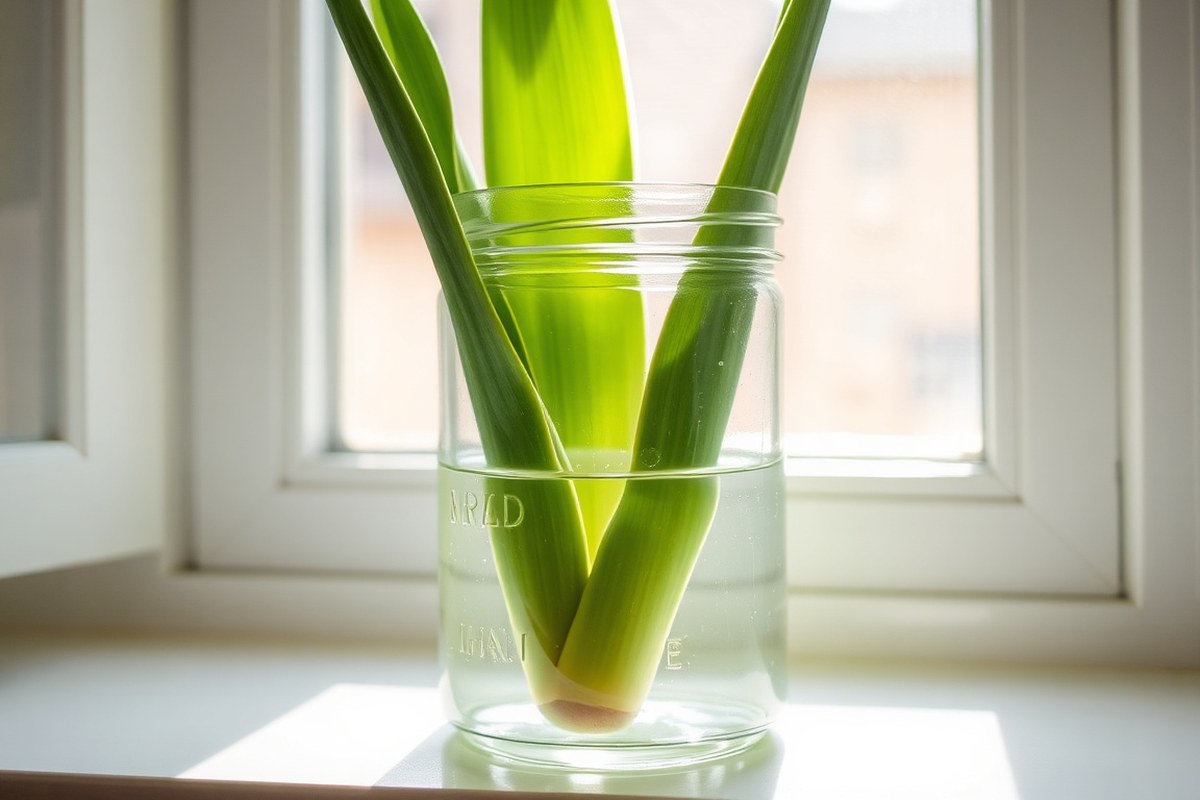
Submerge just 1 to 2 inches of the cutting’s calloused end in room-temperature water. Keep the leaf part dry to avoid rot and make roots grow faster. Check the water every week to keep it fresh.
Change it every 10 to 14 days. This helps prevent bad smells and bacteria growth.
Snake plants don’t root overnight. Expect 3 to 8 weeks for thick, healthy roots. But 2 to 3 weeks is when you first see signs.
Use cuttings longer than 2 inches for better root growth. Short pieces often don’t root well. Choose healthy, firm parts of the plant.
Key Takeaways
- Leave snake plant cutting in water for 14 to 21 days to start root growth.
- Submerge only 1 to 2 inches of the cut end, keep the leaf dry.
- Change water every 10 to 14 days to prevent rot and keep roots healthy.
- Use leaf cuttings longer than 2 inches for better rooting success.
- Expect roots to appear between 3 and 8 weeks after starting water propagation.
- Room-temperature tap water left 24 hours is fine for snake plant cuttings.
How Long to Leave Snake Plant Cutting in Water for Roots
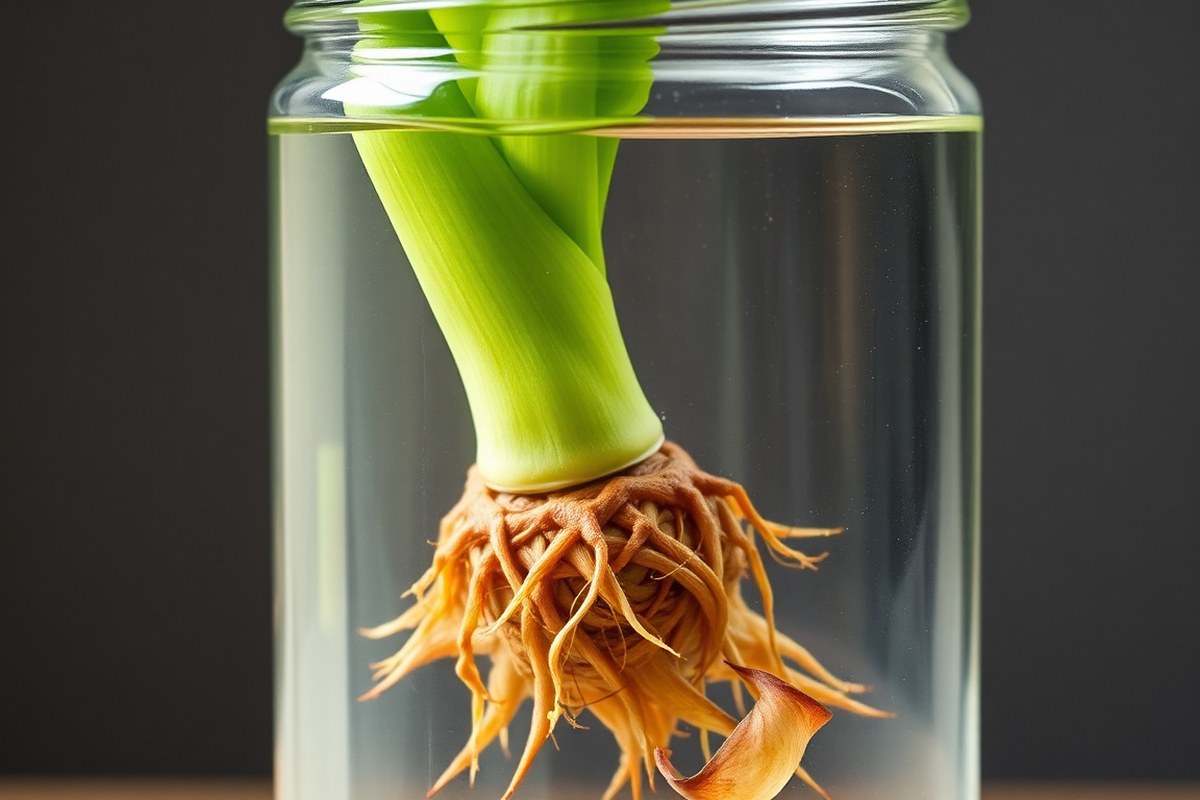
Snake plant rhizome cuttings usually take 14 to 21 days to root. This happens when you place them in water. Leaf cuttings need longer, often between 28 and 55 days, due to their slower rooting process.
The main part that roots is the base closest to the soil. So do not place cuttings upside down in water or they won’t root properly.
Wait to plant your cutting in soil until roots grow 1 to 2 inches. This applies to rhizome cuttings. Leaf cuttings are usually ready to transplant with roots about 0.5 to 1 inch long.
Roots 1 to 2 inches long help the plant settle well in soil. This lowers the chance of shock. Also, wait until the cut end forms a firm callus before planting to avoid rot.
Rhizome cuttings root faster than leaf cuttings. They succeed about 90 to 92 percent of the time. Leaf cuttings take about twice as long to root.
Their success rate is lower, around 35 to 80 percent. Change the water weekly and keep only the bottom inch of cutting submerged. This can speed rooting a bit.
How to Prepare and Maintain Snake Plant Cuttings Before and During Water Propagation
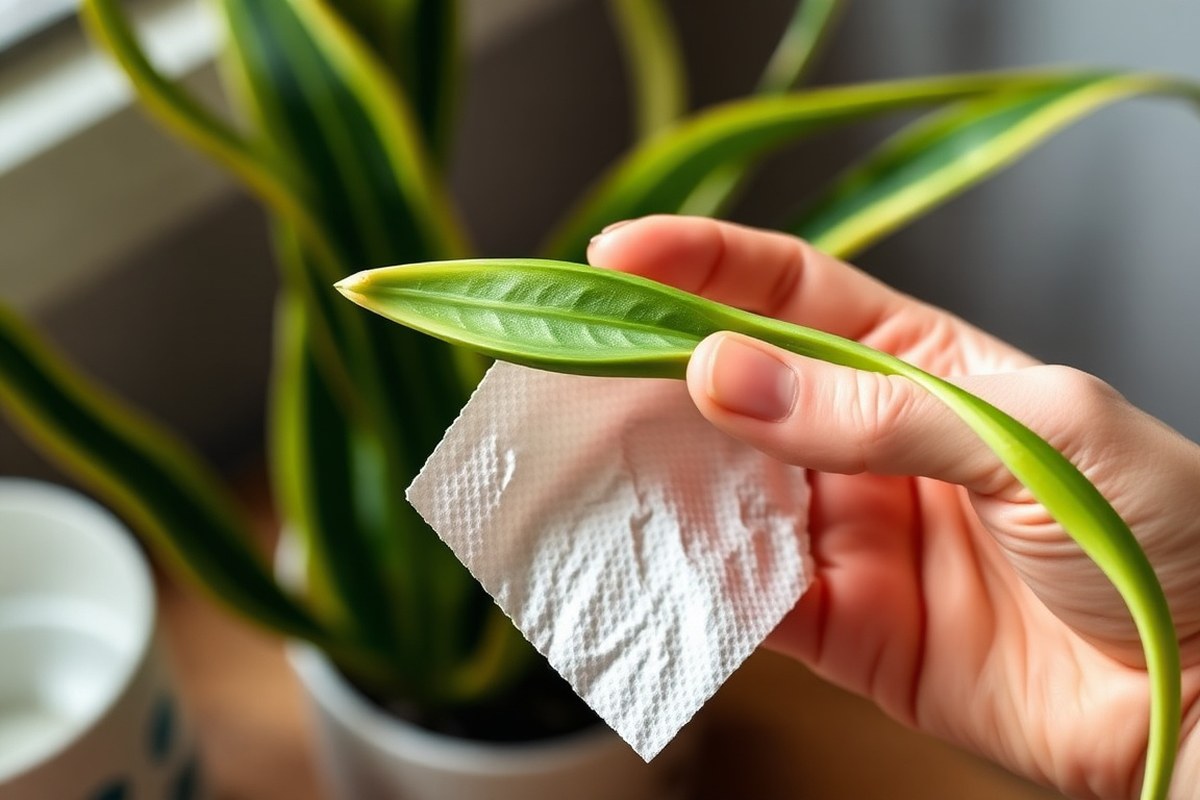
Before placing snake plant cuttings in water, it’s key to prepare them well. Clean, sharp cuts and a dry, callused end prevent rot. Submerge only the bottom 1 to 2 inches in fresh water.
Change the water weekly. This helps keep the roots healthy.
Sterilizing Tools and Making Clean Cuts
Using sharp pruning shears or scissors gives a clean edge that helps your cutting heal fast. Clean your tools with rubbing alcohol or a diluted bleach solution to kill any bacteria.
Cut near the base of a healthy leaf. This gives your cutting the best rooting chance.
A clean cut reduces damage to the leaf and lowers infection risks. Avoid crushing or tearing the leaf when cutting, which harms cells necessary for root growth.
Allowing Cuttings to Callus Properly
Let the cut end dry for 24 to 48 hours. It forms a callus during this time. Then put it in water.
Do this in a warm, shaded, and dry spot to help the tissue heal. Larger or thicker cuttings may take up to a week to callus. This is true especially in humid areas.
The callus acts as a natural shield, stopping the cutting from soaking too much water inside. This step is important to stop rot during water propagation. Skipping callusing often results in a soggy, soft base that fails to grow roots.
Water Changing Frequency and Quality
Keep your snake plant cuttings in room-temperature water and change the water once a week. This prevents bacteria and fungi from building up and keeps the cutting environment clean.
Use plain tap water left out for 24 hours to lose chlorine. Or use filtered water instead.
Submerge only 1 to 2 inches of the cutting, just enough to cover the callused end. Keep the rest of the leaf above water to avoid rot and fungus. Fresh water encourages faster root growth and reduces dead tissue risks.
- Cut a healthy mature snake plant leaf near the base using sterilized shears.
- Put the leaf cutting in a dry, shaded spot. Leave it there 24 to 48 hours to callus.
- Fill a container with room-temperature water and use water left 24 hours to reduce chlorine.
- Submerge only 1 to 2 inches of the cut end into the water.
- Keep the cutting upright, ensuring the rest stays dry above water.
- Change the water every 7 days to keep it clean and free of bacteria.
- Watch for roots starting to emerge at the submerged end over 3 to 6 weeks.
Warning: Don’t place your snake plant cutting fully underwater, that causes rot and kills the cutting.
Factors Affecting Root Development Speed and Cutting Health
Root development speeds up between 70°F and 85°F (21°C to 29°C). This temperature range keeps the cutting active without stressing it. Cooler temperatures slow growth, while hotter ones risk rot.
Light should be bright but indirect. Avoid direct sunlight, which can scorch leaves and invite rot.
A spot near a north or east-facing window works well. Low light slows rooting but usually doesn’t stop it.
Cutting size matters a lot. Pieces under 2 inches often fail because they lack enough energy stored in the leaf.
Select cuttings at least 3 to 4 inches long and healthy. Longer cuttings store more nutrients, making rooting easier and faster.
Water quality impacts the cutting’s health. Tap water with chlorine or minerals can hinder root growth.
Use filtered, distilled, or water that has sat out for 24 hours to let chlorine evaporate. Change the water every 10 to 14 days to prevent bacteria build-up.
Humidity affects cutting health but is less critical than temperature and light. Room humidity between 40% and 60% helps keep cuttings from drying out. In dry homes, mist the leaves lightly a few times a week.
You can also place the jar on a humidity tray to help. This adds moisture to the air around the cuttings.
A good rule is to match temperature and watering frequency. For example, water every 10 to 14 days in normal indoor temperatures. If your home cools down in winter, water less often.
Cooler temps slow plant growth and reduce water needs. Conversely, increase water supply in warmer months to support faster growth.
Rooting hormone is optional but speeds development. It costs about $6 to $12 per bottle. Using it right can boost your cutting’s success.
This makes it worth trying for better growth. Dip just the cut end in powder before placing it in water for faster roots.
Keeping your setup clean also improves results. Sterilize your scissors and container to reduce infection risk. Healthy cuttings in clean water will root well.
Provide proper light, temperature, and size. Usually, roots form within three to six weeks.
How to Identify Healthy Root Growth Versus Rot in Water Cuttings
Healthy snake plant roots in water appear white or light tan and feel firm. Watch for root tips that look fresh and solid.
Signs like mushy, discoloured roots often mean rot or fungal infection. You can prevent these by checking roots regularly and keeping water clean.
Visual Signs of Healthy Versus Rotting Roots
Healthy roots look white or pale cream at the tips. They have a firm texture and may branch evenly from the cutting. New roots about 1-2 inches long often have crisp edges and show no sliminess.
Rotting roots usually turn dark brown or black. They feel soft and mushy, sometimes slimy or foul-smelling.
You might see fuzzy or cottony growths, which indicate fungal issues. Leaves near rotten roots could wilt or yellow early.
Common Causes and Indicators of Root Rot
Too much water without changing it invites bacteria and fungi. Old or dirty water is the top cause of rot during water propagation. Placing cuttings upside down slows root growth and increases rot risk.
Early signs include the cut end feeling soft or dark instead of firm. If roots detach easily with a gentle tug, the tissue might be breaking down. Foul odors or cloudy water often accompany root diseases from slow decay.
Preventive Care Tips to Avoid Rot
Change water every 4 to 7 days to keep it fresh and oxygenated. Use clean, room-temperature water free of chlorine when possible. Position cuttings upright with the cut end submerged, not upside down.
- Select healthy leaf cuttings with no bruises or damaged spots
- Keep the water level just enough to cover the cut bottom
- Use clear containers to monitor root growth and water condition
- Rinse roots gently if you see slime or cloudiness
- Keep cuttings in indirect light, avoiding direct sun to reduce stress
- Remove cuttings promptly once roots measure about 2 inches
These steps limit fungal growth and promote strong root development. Proper care helps your snake plant cutting avoid rot and encourages quick, healthy rooting.
Step-By-Step Guide to Transferring Rooted Cuttings from Water to Soil
Transplant your snake plant cutting into soil once its roots measure 1 to 2 inches long. This length ensures the cutting can absorb nutrients well outside water. Use a gritty, well-draining soil mix and water the plant lightly after transplanting.
Determining the Ideal Root Length for Transplant
Check the roots regularly while the cutting grows in water. When the roots grow 1 to 2 inches long, it’s time.
Move them carefully to soil for the next step. Shorter roots might dry out or fail to absorb nutrients properly if planted too soon.
Waiting until roots grow beyond 2 inches usually isn’t necessary. It can expose them to risks like rot or damage during transplanting. This length balances a strong start in soil with fewer transplant shocks.
Choosing and Preparing the Potting Mix
Use a gritty soil mix like 50% cactus soil, 30% perlite, and 20% coarse sand. This combination helps excess water drain quickly and keeps the roots healthy. Avoid regular garden soil that holds too much moisture.
Fill a pot with this mix and moisten it lightly before transplanting. The soil should feel damp but not wet. Good drainage allows roots to establish without rotting.
Post-Transplant Watering and Light Care
Water the cutting just enough to settle the soil around its roots. Keep the soil slightly moist but avoid soaking. Overwatering can cause root rot during this fragile stage.
Place the pot in bright, indirect light for the first few weeks. Avoid direct sun to prevent leaf burn or stress. Once the plant adjusts, you can move it to usual snake plant lighting.
Follow these steps to make the transfer smooth and safe for your snake plant cutting:
- Check root length: Confirm roots are 1 to 2 inches long.
- Prepare soil: Mix cactus soil, perlite, and coarse sand as described.
- Moisten soil: Lightly water the mix before planting.
- Choose pot: Pick one with drainage holes to avoid water buildup.
- Plant cutting: Insert roots gently about 1 inch deep into soil.
- Press soil: Secure soil around roots without compacting too hard.
- Water lightly: Add just enough water to settle soil around roots.
- Position pot: Set in bright, indirect sunlight for best recovery.
Don’t transplant too early or with soggy soil; both cause root failure.
Most Common Mistakes That Slow or Prevent Successful Water Propagation
Snake plant cuttings fail to root mainly due to too much water or poor conditions. Overwatering causes root rot, as the cuttings sit too long in soggy water. Stagnant water slows oxygen flow, and the roots drown instead of growing.
Light is another key factor. Snake plants like bright, indirect sun for rooting.
Too much shade makes roots weak and slow to form. On the other hand, direct sunlight can heat the water and damage cuttings.
Cutting length also influences success. Cuttings that are too short don’t have enough stored energy to grow roots.
Too long, and they may rot before roots take hold. About 4 to 6 inches is ideal for balancing energy and hydration.
- Use clean, room-temperature water to avoid bacteria growth.
- Change water every week to keep it fresh and oxygenated.
- Submerge only the basal end of the cutting, not the whole leaf.
- Place cuttings where they get bright, indirect light daily.
- Trim cuttings to 4-6 inches for better root development.
Using tap water with too many chemicals can also hinder root growth. Filtered or distilled water reduces this risk.
Avoid deep containers that fully cover the cutting. Proper exposure helps cuttings breathe and grow roots faster.
Common mistakes slow or stop rooting. Avoid drowning the cutting in water or placing it in low light.
Balanced cutting size and fresh water create the best environment. These steps protect your snake plant cutting from rot and help it root well.
How Seasonal and Environmental Variations Affect Propagation Timing
Snake plants root faster in warm indoor temperatures, ideally between 70 and 85 °F. Cooler temperatures slow down root growth and can stretch the time to 8 weeks or more. Winter can be tricky. Many homes drop below this range, which causes slower rooting and sometimes lower success rates.
Place the cutting near a warm spot in your home during winter. Good spots include a sunny window or above a heater vent. Avoid direct heat that could dry the leaves.
A small heat mat under the container helps keep water temperature steady. These mats cost around $15 to $25. Using one won’t add much extra cost.
Season changes also affect light. Snake plants need bright, indirect light to root well. So shorter days can slow the process.
Add a grow light if natural light is weak or inconsistent, especially in winter. Leaving cuttings in dim spaces often leads to weak, slow root growth or failure.
Humidity plays a role too. Dry indoor air, common in winter, stresses cuttings. To increase humidity, set the container on a tray filled with water and pebbles.
You can also mist the leaves lightly once each day. This usually costs nothing and can make a noticeable difference in rooting speed.
In warmer climates or heated homes, you can propagate year-round with minimal changes. Watch out for spots that are too warm or get too much sun. These can dry out the water quickly or cause the cuttings to rot.
In colder areas, plan to start cuttings in spring or summer for faster results. You can try propagating in winter but expect slower growth. Keep a close eye on water quality to prevent fungus.
Adjust water changes more often if temperatures are high or if you see cloudiness. Cooler environments mean less frequent water changes but no longer than two weeks between.
Remember, healthy root growth looks white and crisp. Slow, brown, or slimy roots signal trouble often linked to poor conditions.
Optimizing Propagation Success: Cutting Size, Water Type, and Lighting Tips
Cut leaf segments around 4 to 6 inches long work best for snake plant propagation. This length offers enough stem for roots and leaf tissue to stay healthy.
Avoid pieces shorter than 3 inches. They are more prone to rot and slower to root.
Water quality matters a lot. Use filtered or distilled water to avoid chlorine and minerals. These substances can stress cuttings and slow root development.
Tap water is fine only if it sits out overnight to let chlorine dissipate. Keep water at about room temperature, around 70°F.
Bright, indirect light is ideal. Place cuttings near a window with filtered sunlight or use sheer curtains.
Avoid direct sun that can scorch leaves and damage cuttings. Around 6 to 8 hours of indirect light daily encourages stronger roots and healthier leaves.
You can place multiple cuttings in the same container if the space allows. Use a wide jar or a propagation station with separate vases to avoid crowding. Crowded cuttings face lower oxygen levels and higher disease risk, which slows rooting.
| Factor | Recommendation | Why It Matters |
|---|---|---|
| Cutting Size | 4 to 6 inches | Enough tissue for root growth and leaf health |
| Water Type | Filtered or distilled; tap water if dechlorinated | Prevents stress and slows root growth |
| Water Temperature | Room temperature (about 70°F) | Supports optimal enzyme activity for rooting |
| Lighting | Bright indirect light, 6-8 hours daily | Promotes healthy leaves and faster root development |
| Number of Cuttings per Container | Multiple okay with good spacing | Avoids crowding and disease risk |
Change water every 4 to 5 days to keep it fresh.
Choose a propagation station if you want to grow many cuttings at once. A 6-vase or 15-tube station organizes cuttings neatly.
It saves space and keeps water clean, which helps prevent root rot. Spread cuttings to allow air circulation and check water levels regularly.
Step-by-Step Action Plan for Water Propagation of Snake Plant Cuttings
Follow this plan to grow strong roots on your snake plant cutting. It helps you move the cutting from water to soil easily. Use these simple steps for the best results.
- Before you start: Choose a healthy leaf cutting about 4-6 inches long. Cut at an angle and let it callous over for 1-2 days.
- Day 1: Set the cutting upright in a clean jar. Add filtered water covering the bottom 1-2 inches of the jar. Keep it steady and ensure the stem is in water. Use indirect sunlight to avoid rot.
- Week 1: Change the water every 3 days. Look for tiny white root tips emerging, which signal good progress.
- Week 2-4: Continue water changes and watch roots grow longer and thicker, about 1-3 inches. Stop if roots turn brown or slimy.
- Week 4: Roots should be 2-3 inches long by now. They must look healthy and white. Get a pot with well-draining cactus or succulent soil ready.
- After Week 4: Rinse the roots gently with water to clean them. Plant the cutting about 1 inch deep in soil. Water the soil lightly to settle it.
- Week 5 and beyond: Soil should stay slightly moist but never soggy. Put the pot in bright, indirect light to avoid burning. Keep out of direct sun for 1-2 weeks.
- Ongoing: New leaf growth means your cutting is settling. Pay attention to new shoots and leaf size. This is the best sign your plant is healthy.
Frequently Asked Questions
Can I Leave Snake Plant Cuttings in Water Beyond Root Development?
It’s best to transfer snake plant cuttings to soil once roots form. Leaving them in water too long can cause rot and weaken the plant. Make sure roots reach about 1 to 2 inches before planting them.
What Is the Ideal Water Change Frequency During Snake Plant Propagation?
Change the water every 10 to 14 days to keep it fresh and prevent bacteria growth. Clean water supports healthy root growth and lowers the risk of rot for your cuttings.
How Deep Should Snake Plant Cuttings Be Submerged in Water?
Submerge only the bottom 1 to 2 inches of the cutting to avoid leaf rot. Keeping most of the leaf dry prevents decay while encouraging proper root formation at the base.
Can I Propagate Snake Plant Cuttings in Tap Water?
Yes, tap water at room temperature often works fine, but avoid chlorinated water. Let tap water sit out overnight to dissipate chlorine before you start propagation.
Does Water Temperature Affect Snake Plant Cutting Root Growth?
Room-temperature water is best, around 65, 75°F (18, 24°C) encourages quicker rooting. Cold water can slow growth, while warm water might promote bacterial problems.
Are Snake Plant Cuttings in Water Sensitive to Light Conditions?
Yes, moderate indirect light promotes root growth without stressing cuttings. Avoid direct sunlight as it can heat the water and damage delicate roots.
Final Thoughts
Snake plant cuttings usually root in about 3 to 4 weeks. Good care during this time helps the roots grow strong. Keep water fresh and light steady for success.
Move them to soil when roots reach 2 to 3 inches long and look healthy. Start your next cutting today and give it proper light and fresh water regularly.