Do Marigolds Need a Lot of Water? Clear Answers and Smart Watering Tips
Do marigolds need a lot of water? Not really, they prefer moderate watering.
They usually need about 1 to 2 inches of water weekly, depending on where they grow. Watering more than that can harm their roots and cause problems.
Marigolds in pots dry out faster and need watering every five to seven days. Garden-planted marigolds usually do well with watering every two weeks. But check soil moisture first.
Don’t water your marigolds if rain is coming tomorrow. This helps save water and avoids root rot problems. Skip watering to keep your plants healthy.
Giving marigolds a deep soak helps water reach their roots. Water enough to seep six to eight inches into the soil. This type of watering encourages tougher roots and healthier plants overall.
Key Takeaways
- Water marigolds about 1 to 2 inches per week for best growth.
- Check the soil moisture two inches deep before watering again.
- Water pots every 5 to 7 days, as they dry out faster.
- Avoid watering if rain is in the forecast within 24 hours.
- Give a slow, deep soak to moisten the top 6 to 8 inches.
- Adjust watering during very hot or dry weather, but don’t exceed 3 inches weekly.
How Much Water Do Marigolds Actually Need?
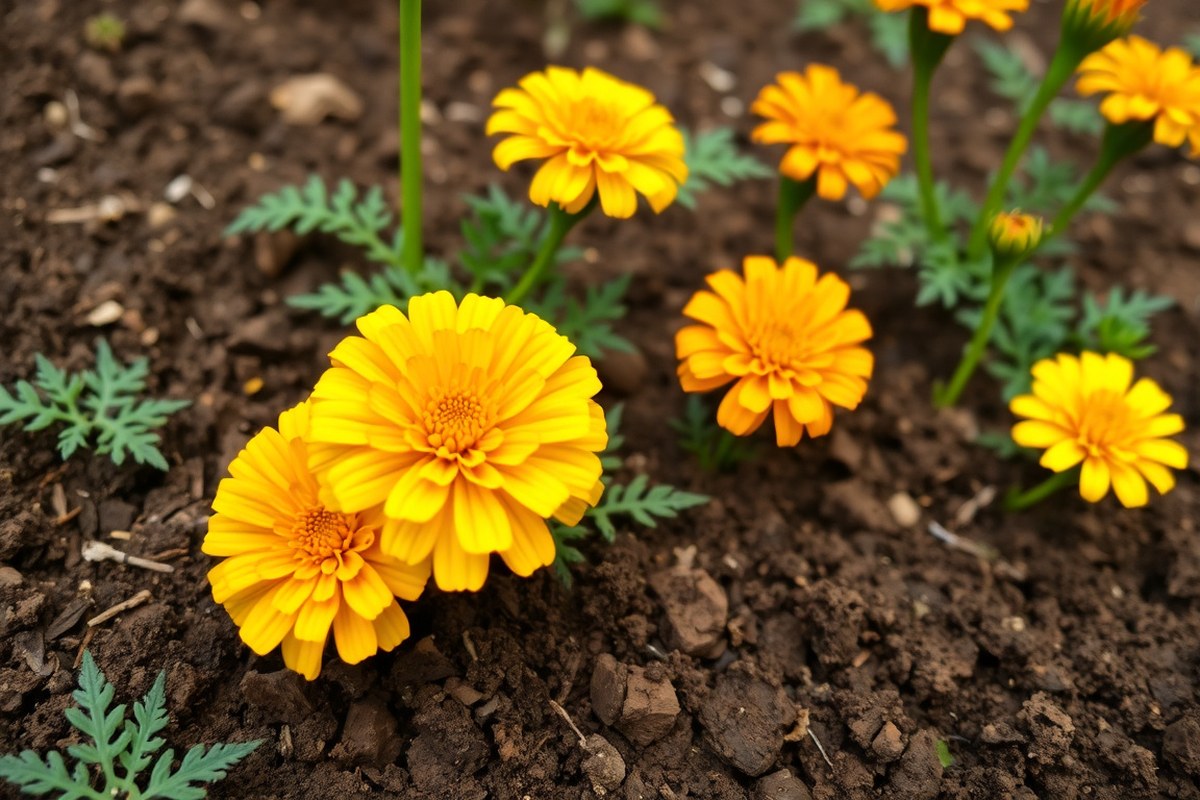
Marigolds generally need about 1 to 2 inches of water per week. This amount covers both tagetes and calendula types. It helps keep the soil moist enough without drowning the roots.
Outdoor marigolds planted in the ground usually thrive with around 1 inch weekly. You can stretch that to 2 inches during very hot or dry spells. For container marigolds, water needs increase.
Smaller pots require about 1 to 2 inches weekly. Larger containers need up to 3 inches because soil dries faster.
Use a rain gauge to measure watering. Aim for water to soak 6 to 8 inches into the soil.
That reach ensures it feeds the root zone deeply enough. Water early in the morning to reduce evaporation and give plants time to absorb moisture.
Young marigolds need more frequent watering until they establish roots. Water them lightly every few days at first, around half an inch at a time. Once mature, watering once or twice a week with 1 to 2 inches is enough.
Overwatering young plants can cause root rot. So check for damp soil before adding more.
Here’s a quick comparison: in-ground marigolds get 1 inch weekly, watering every 7 to 10 days. Container plants get at least 1.5 inches a week.
Water them more often, about every 5 to 7 days, since pots lose moisture fast. Adjust based on weather, more in heat, less when it rains.
Remember, dense clay soils hold water longer than sandy soils. That means less frequent watering. In sandy soil or full sun, water needs rise, so check soil moisture often.
Signs of dry soil near the roots mean it’s time to water. That keeps marigolds healthy and blooming through the season.
When and How Often Should You Water Marigolds?
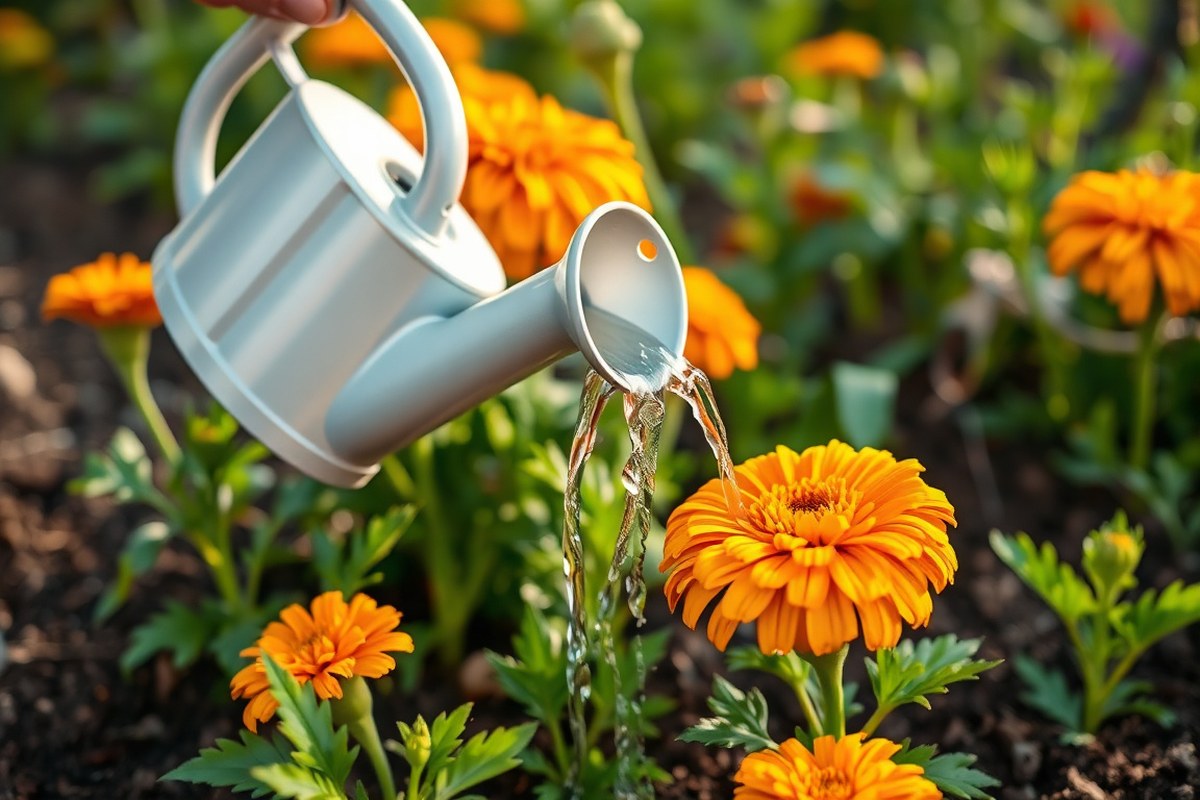
Water marigolds just enough to keep their soil moist but not soggy. Containers need more frequent watering than garden beds. Check soil moisture regularly and adjust for weather and plant age.
Watering Frequency for Garden vs Containers
Marigolds in garden beds usually need watering once or twice a week. Your soil holds moisture better, so the roots stay hydrated longer. Containers dry out faster, especially small pots under full sun.
During hot days, you might water container marigolds once or twice daily. These plants need extra care in the summer’s peak heat. Watch the soil closely to avoid drying out.
Use less water each time to avoid flooding. For garden beds, soak the soil deeply but less often.
Smaller pots and hanging baskets require quicker checks. The soil surface can dry while deeper roots stay moist. So check 1 to 2 inches below soil.
Adjusting Watering by Season
Spring and fall usually call for less watering, about once or twice weekly depending on rainfall. Cooler weather slows evaporation. Summer heat can dry soil quickly, raising watering to every other day or daily for containers.
Winter watering depends on your local climate. In cold areas, watering often pauses because marigolds go dormant. Mild climates may need occasional watering if it stays dry.
Young marigolds need consistent moisture for the first few weeks. Mature plants survive drier periods but still need regular watering during hot days to avoid stress.
| Sunlight Exposure | Spring/Fall | Summer |
|---|---|---|
| Full sun (6+ hours) | Water 1-2 times per week | Water every other day (garden) or daily (containers) |
| Partial shade (3-5 hours) | Water once a week | Water 2-3 times per week |
| Shade (less than 3 hours) | Water 1 time per week | Water 1-2 times per week |
Adjust watering frequency if your marigolds are in containers or pots. Pots dry faster and need more frequent checks during hot seasons.
Checking Soil Moisture to Decide When
Test the soil by pushing your finger 1 to 2 inches near the plant. Dry soil there means your marigold needs water soon. If it feels damp, check again in a day or two.
Look for other signs like wilting or yellowing leaves. These indicate the plant may need water or could be overwatered. Stop watering if soil stays soggy for more than two days.
When you water, soak the soil well at the base to reach the roots. Avoid flooding, which can cause root rot or other issues. Let the water soak in rather than sitting on the surface.
Check soil moisture before watering to prevent overwatering and keep marigolds healthy.
How Soil Type and Climate Affect Marigold Water Needs
Marigold watering depends a lot on the soil and climate where you grow them. Sandy soils need more frequent watering than clay soils because they lose water fast. Hot or dry climates also force you to water more often to keep marigolds healthy.
Water Needs in Sandy vs Clay Soils
Sandy soil drains water quickly and doesn’t hold moisture well. Marigolds in sandy soil will need watering every two to three days, especially during warm weather.
Clay soil holds water much longer. So you can water plants there once every five to seven days.
Knowing your soil type saves you from over or underwatering marigolds. Check the top two inches of soil; it should feel dry before watering again. This helps prevent root rot in clay soils and drying out in sandy soils.
Climate Impacts on Watering
Warmer temperatures and full sun make marigolds use water faster. In hot and dry climates, water your marigolds more often. You may need to water them every one to three days.
Keep an eye on the soil to know for sure. Cooler or more humid areas let you water less often.
Usually, watering every five days works well. Watch for soil moisture to adjust timing.
Rainfall also affects your schedule. Rain that happens often can replace your watering sessions. You might not need to water your marigolds at all then.
Always check soil moisture after rain. Watch the soil moisture rather than sticking to a fixed calendar day for watering.
Soil Drainage and Moisture Retention
Good drainage keeps marigold roots healthy by preventing water buildup. Sandy soil drains fast, so water drains away quickly after irrigation. Clay soil drains water very slowly.
Roots can sit in water too long if you water often. Too much water can harm marigold roots.
Check if water pools on your garden soil or runs off in pots. This tells you if drainage is okay or a problem. Adjust the watering based on whether the soil feels soggy or dries out quickly.
Use this table as a quick reference for watering marigolds based on soil type and climate:
| Soil Type | Climate | Watering Frequency | Notes |
|---|---|---|---|
| Sandy | Hot/Dry | Every 1-2 days | Water often due to fast drainage and heat |
| Sandy | Cool/Humid | Every 3-4 days | Slower water loss but still drains fast |
| Loamy | Hot/Dry | Every 3 days | Balanced drainage, water moderately |
| Loamy | Cool/Humid | Every 4-5 days | Holds moisture well, less water needed |
| Clay | Hot/Dry | Every 4-5 days | Retains moisture but watch for waterlogging |
| Clay | Cool/Humid | Every 6-7 days | Water sparingly to avoid root problems |
Using this table helps you decide when to water by matching your soil and weather conditions. Check your soil every few days to see if it’s wet. Change how often you water if conditions shift.
This helps keep your marigolds healthy. This approach keeps water use efficient and supports your marigold’s health.
Common Signs of Overwatering and Underwatering Marigolds
Overwatering and underwatering marigolds cause distinct problems you can spot early. Too much water makes leaves limp and yellow, and the soil often stays soggy. Soggy soil causes root rot, which makes roots black and soft.
This can kill your plant. Watch soil moisture to avoid this problem.
Underwatering makes marigold leaves dry, crisp, and brown, often starting at the edges. The flowers may drop, and the plant may wilt during hot afternoons. The soil near the plant feels dry when you touch it.
For pots, it may pull away from the edges. This shows the plant needs water.
Push your finger 1 to 2 inches into the soil near the plant. Wet soil means you should wait before watering again.
Dry soil means water time. Use pots with drainage holes to stop soggy soil.
- Leaves yellowing and wilting often mean overwatering
- Dry, crispy edges and wilting signal underwatering
- Soil should be moist but not soaked at 1-2 inch depth
- Black, soft roots suggest root rot from too much water
- Check soil 1-2 inches deep before watering again
- Ensure pots drain well to prevent waterlogging
Root rot risks rise when the soil stays wet longer than a day or two. Watch for limp leaves or fewer flowers on your marigolds. Cut back on watering and loosen the soil.
Raised beds also help water drain better. Mulch keeps soil moist without holding too much water.
It helps prevent water stress in marigolds. Make sure the mulch allows excess water to drain away.
Watering Techniques That Promote Healthy Marigold Growth
Water marigolds deeply at the base to feed roots, not leaves. Avoid wetting leaves to lower fungal risks. Water early in the day so plants dry before night.
Deep Root Zone Watering Explained
Deep watering means soaking soil well below the surface. This encourages roots to grow deep and strong. Shallow watering leads to weak roots and thirsty plants.
Water should reach the root zone about 6 to 8 inches deep. Doing this helps marigolds access moisture during dry spells. It also reduces how often you need to water.
Follow these steps to water deeply and slowly:
- Start by turning on your hose or drip system at low pressure.
- Apply water slowly at the plant base, allowing it to soak in.
- Water for 15 to 30 minutes depending on soil type and weather.
- Check soil moisture several inches down with your finger.
- Adjust watering time until soil feels moist deep down, not soggy.
- Let soil dry somewhat between waterings to avoid overwatering.
Watering too fast causes runoff and doesn’t soak roots deeply.
Benefits of Morning Watering
Water marigolds early, ideally before 10 AM, so leaves stay dry. Morning sun quickly dries any moisture on foliage, lowering disease risk. Cooler temperatures reduce water evaporation, so more soaks into the soil.
Watering in the morning also supports photosynthesis during the day. It gives plants energy to grow strong and make vibrant blooms. Watering late or in the evening can leave leaves wet overnight, inviting fungal growth.
Using Drip Irrigation or Soaker Hoses
Drip irrigation and soaker hoses feed water straight to the soil. They keep leaves dry by delivering water only to the base. This targeted watering uses less water and reduces fungal problems.
Both systems work well for raised beds or pots, where quick drying is important. Installing drip lines may cost $20 to $50 depending on size but saves effort long term. Soaker hoses are often less expensive and easy to set up.
Place the hose around your marigold roots, then turn it on low. Leave it on until the soil feels moist down to 6, 8 inches deep. Move hoses as plants grow to cover all root zones evenly.
Adjusting Watering Based on Marigold Variety and Location
Calendula and Tagetes marigolds do need different water amounts. Tagetes usually requires watering about once a week. Calendula tends to need slightly less water than Tagetes.
The amount of sunlight your marigolds get affects how often you water them. Full sun plants dry out faster and need more frequent watering. Those in partial shade hold moisture longer, so you water less often.
Potted marigolds require more care with watering, especially depending on their variety and light. Potted marigolds in full sun typically need watering twice a week. But you might need to increase that for Tagetes in hotter spots.
| Marigold Variety | Light Exposure | Watering Frequency | Notes |
|---|---|---|---|
| Tagetes | Full Sun | Every 4-6 days | Dries quickly, needs frequent watering |
| Tagetes | Partial Shade | Once a Week | Keeps moisture longer, less frequent watering |
| Calendula | Full Sun | Once a Week | Less water than Tagetes but equally in sun |
| Calendula | Partial Shade | Once Every 7-10 Days | Better moisture retention, water less often |
| Tagetes (Potted) | Full Sun | 2-3 Times per Week | Soil dries out fast in pots |
| Calendula (Potted) | Full Sun | 2 Times per Week | Water moderately, avoid soggy soil |
Full sun speeds up soil drying. That means watering might be needed every 4 to 6 days for outdoor Tagetes. Calendula holds up better and can stretch to about one week.
Potted plants dry out faster than garden soil, especially in full sun. Water your potted marigolds more often but watch for soggy soil. Using a watering can helps control how much water they get.
How to Prevent and Fix Overwatering Problems in Marigolds
Root rot in marigolds happens when the soil stays too wet for too long. This keeps the roots oxygen-starved, turning them soft and brown. You’ll notice yellow leaves, wilting, and mushy stems before the plant suffers serious damage.
To avoid waterlogging, water only when the top inch of soil feels dry. Good drainage saves marigolds from standing water and slow drying. Adding mulch helps keep soil moist without making it soggy.
It works best in hot or windy areas. Mulch also protects the soil surface from drying out.
- Check soil moisture weekly with your finger or a moisture meter
- Water deeply but less often to encourage strong roots
- Use pots with drainage holes and well-draining soil mixes
- Aerate soil gently every few weeks by loosening the top layer
- Remove dead or mushy leaves and stems immediately
- Apply mulch like straw or shredded bark about 2 inches thick
- Keep marigolds in sun but avoid heavy shade which traps moisture
Marigolds showing overwatering stress can recover if you act fast. First, stop watering and let the soil dry for at least a week. Gently remove the plant from its pot, then check the roots.
Healthy roots are white and firm. Trim off any dark or smelly parts with clean scissors.
When soil is compacted or holds water, repot the marigold. Use fresh potting mix that drains better for the plant. Avoid using heavy garden soil alone.
Water the plant moderately after repotting. Watch closely for new growth.
New growth means you saved the marigold. Dry soil and a sunny spot speed recovery.
Using Mulch and Companion Plants to Optimize Marigold Watering
Mulch helps keep soil moist around marigolds by reducing evaporation. Put a 2- to 3-inch layer of organic mulch around your plants. Use shredded bark or straw for the mulch.
Do this right after you finish planting. A thick mulch layer holds water longer, so you can water less often.
Apply mulch evenly, leaving a small space around each plant stem to prevent rot. Replenish the mulch each spring to keep it effective through summer. Mulch also cools soil, which helps marigolds thrive in hot weather.
Plant marigolds with others needing about the same water. Good companions include zinnias and cosmos. Grouping plants with similar watering needs lets you water the whole area efficiently in one go.
The soil moisture in grouped beds stays balanced because water usage is uniform. Space plants close enough so mulch can cover the entire root zone. This setup reduces how often you water and avoids pools of standing water.
Watch for puddles after watering. See signs of overwatering? Cut back on how much water you give.
In well-drained soil, marigolds and their companions may only need watering every 10 to 14 days. In cooler or humid weather, watering frequency can shift even less often. Adjust based on rainfall and soil moisture felt about two inches down.
Step-by-Step Action Plan to Water Your Marigolds Right
Follow these simple steps to keep your marigolds healthy and well-watered without going overboard.
- Before planting: Check soil drainage by digging a hole and filling it with water. Your soil is good for marigolds if it drains in 30 minutes.
- Day 1: Water newly planted marigolds thoroughly until soil is moist about 6 inches deep. This encourages strong roots.
- Week 1: Water every 2-3 days. Check the weather too. Keep soil moist but not soggy.
- By week 3: Reduce watering to once a week if rainfall is sufficient. Check soil dampness 2 inches below surface.
- Ongoing: Water marigolds early in the morning to minimize evaporation and leaf diseases.
- Hot, dry days: Increase watering frequency to every 2 days. Leaves will show wilting if thirsty.
- Cool or rainy periods: Cut back watering and check soil moisture regularly to avoid overwatering signs.
- Every month: Refresh mulch to help keep soil moisture steady and reduce watering needs.
Frequently Asked Questions
Can Marigolds Survive Without Regular Watering?
Yes, marigolds are drought-tolerant and can survive with little water. However, they bloom best with consistent moisture.
Does Watering Frequency Change with Marigold Growth Stages?
Yes, young marigolds need more frequent watering. Mature plants require less as their roots grow deeper.
Do Marigolds Need More Water in Containers Than in the Ground?
Yes, potted marigolds dry out faster and need more water. Smaller pots require about 1-2 inches weekly.
Will Watering Marigolds Early in the Day Help?
Watering in the morning helps dry the leaves faster. This reduces fungal disease risk and improves water use.
Does Fertilizing Affect How Much Water Marigolds Need?
Fertilized marigolds grow more and may need more water. Over-fertilizing can stress the plant and increase water demand.
Can Poor Drainage Cause Marigold Water Problems?
Yes, soil that drains poorly holds too much water. This often leads to root rot and affects the plant’s health.
Key Points to Remember
Marigolds need moderate watering, enough to keep soil moist but never soggy. Start by checking your soil and watering deeply once or twice a week. Watch your plants closely; they’re the best guide to what they really need.