Do Pomegranates Grow on Trees? A Complete Guide to Growing and Caring
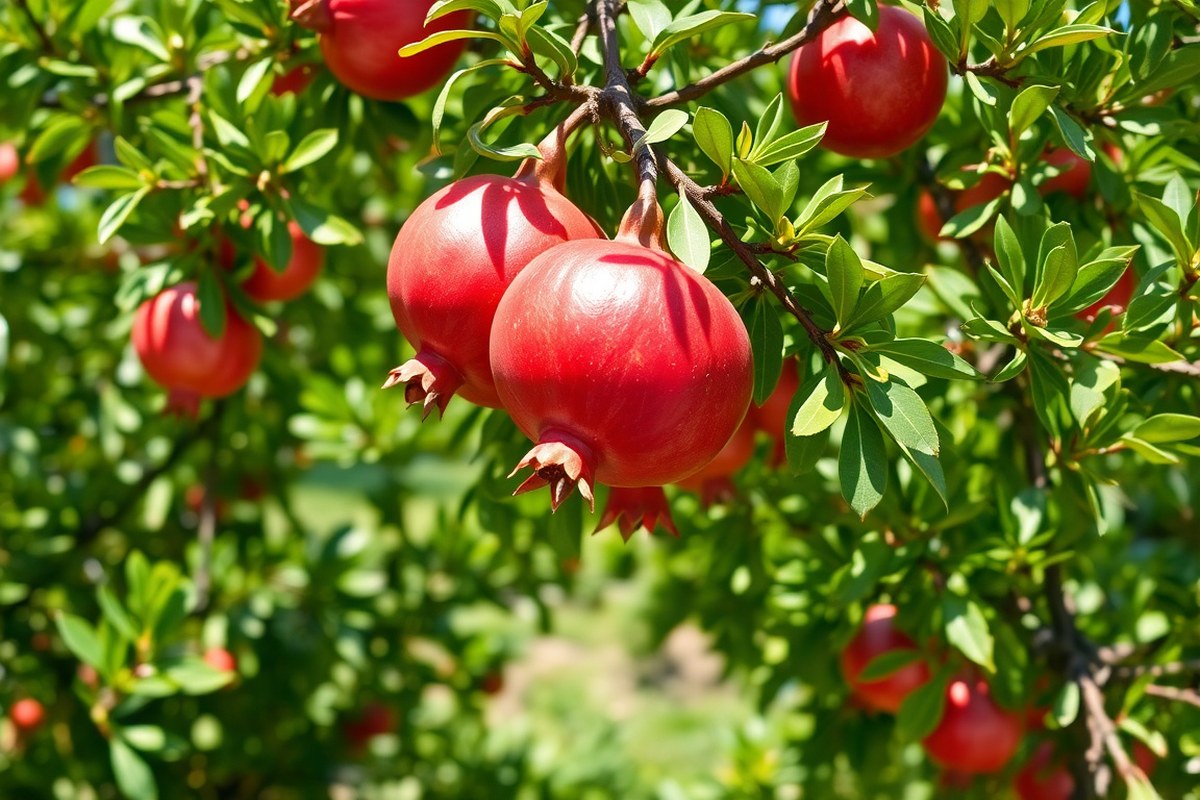
Do pomegranates grow on trees? Yes, they do.
Pomegranates grow on deciduous trees that can reach 12 to 20 feet tall and wide. These trees often look like shrubs too because of their bushy shape. These trees come from regions with warm climates and can handle temperatures as low as 12°F. If you want to grow them, plant where they get warm days between 73°F and 90°F. Avoid really cold places, like USDA Zone 8 or cooler, or fruit might not set well.
You’ll want to space pomegranate trees about 12 to 18 feet apart. This distance gives them room to grow their branches wide and stay healthy. Pruning also helps keep their height and shape manageable while encouraging more fruit.
Key Takeaways
- Pomegranates grow on small deciduous trees reaching up to 20 feet tall.
- The best growing temperature range is between 73°F and 90°F.
- Plant trees 12 to 18 feet apart for proper growth and airflow.
- Prune regularly to control tree size and boost fruit production.
- Pomegranates may struggle to bear fruit in zones 8 or colder.
- The tree naturally grows with a bushy, shrub-like shape.
Do Pomegranates Grow on Trees or Shrubs?
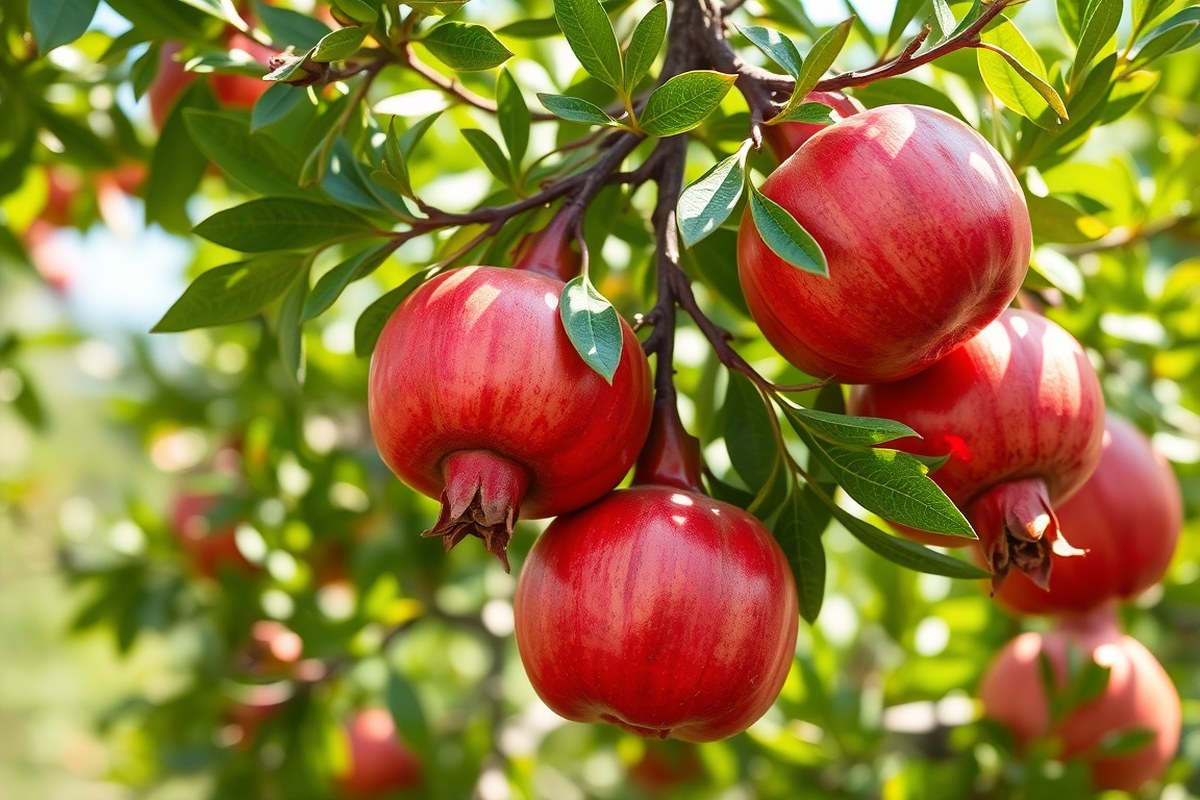
Pomegranates grow on plants that can be either shrubs or small trees. The pomegranate plant, Punica granatum, naturally forms a bushy shrub with multiple stems. You can train it to grow as a single-trunk tree.
This shape looks more like a traditional tree. It takes some care to keep this form.
These plants typically reach heights of 12 to 16 feet with similar widths. In some cases, especially when trained, they can grow up to 20 feet tall. The size depends on pruning and the variety you choose.
Dwarf types stay under 5 feet tall. Other types can grow bigger.
You want pomegranates to grow as bushes. Expect them to spread wide with many trunks. These trunks start near the ground.
This form works well for creating hedges or screens with 6- to 10-foot spacing between plants. To keep the height lower, regular pruning is needed.
Training pomegranates as small trees needs patience. Wait until the plant is 3 to 4 feet tall. Then start pruning carefully.
You select a single main trunk and remove lower shoots to develop a tree shape. This process can limit height and help with fruit size and harvesting.
Multi-trunk shrubs do well in mild climates. Use frost blankets to protect them during cold snaps near 32°F. This helps plants survive better. Shrub forms handle cold damage better than trees.
They are easier to maintain for new gardeners. This makes them a good choice.
Spacing is key too. Grow bushes or small trees with space between. Leave about 15 to 18 feet between each plant.
This helps them grow well. This lets the branches spread and sunlight reach all parts. Tight spacing can reduce airflow, risking disease and lowering fruit quality.
What Climate and Soil Conditions Suit Pomegranate Trees Best?

Pomegranate trees thrive best in warm, sunny climates within USDA hardiness zones 7 to 11. These zones cover much of the southern United States, including parts of California, Arizona, and Texas. The trees tolerate temperature lows down to about -15°C (5°F).
They produce the best fruit with daytime temps between 85°F and 95°F. This range is ideal during the growing season. Outside these temps, fruit quality may drop.
They need at least six hours of direct sunlight every day to yield well. While they can tolerate partial shade, less sunlight can mean smaller or fewer fruits. Plant your tree in a sheltered spot to protect it.
The shelter stops wind damage and reduces heat loss. This is key in cooler areas.
Soil is another key factor for healthy pomegranate growth. These trees prefer well-draining soil with a pH between 5.5 and 7.5.
Loamy soil works best because it holds moisture without waterlogging the roots. Although pomegranates can tolerate poor or alkaline soil, good drainage prevents root rot and fungal diseases.
- Plant in USDA zones 7 through 11 for best survival and fruiting
- Ensure at least six hours of direct sun daily
- Choose well-drained, loamy soil with pH of 5.5 to 7.5
- Avoid heavy clay soils or spots prone to standing water
- Consider sheltering young trees from harsh wind and frost
- Use containers with good drainage if in colder climates
Pomegranates are drought-tolerant but still need deep watering during dry spells. Dwarf varieties do well in large pots filled with well-draining soil. This lets you move them indoors to protect them during freeze periods in cooler areas.
Test your soil’s drainage before planting to avoid soggy roots and poor fruit development.
How Do You Plant and Propagate Pomegranate Trees?
You can plant pomegranate trees both in the ground and in containers. Cuttings are the best way to propagate fruiting trees. Seed propagation takes longer and may not match the parent tree’s fruit quality.
Planting In-Ground Steps
Choose a spot with full sun and well-draining soil. Pomegranates like loam or sandy loam with a pH between 5.5 and 7.0. Dig a hole slightly wider and deeper than the root ball.
- Loosen the soil at the planting spot.
- Place the tree in the hole so the crown is just above soil level.
- Backfill around the roots with soil, firming gently.
- Water deeply to settle the soil and reduce air pockets.
- Add mulch around the base, keeping it a few inches from the trunk.
Planting ½ inch deeper than the root ball can help establishment. Water regularly during the first year to encourage roots. Avoid overwatering to prevent root rot.
Propagation Using Cuttings and Seeds
Cuttings from a mature fruiting tree give the best chance for good fruit. Take hardwood cuttings 8 to 10 inches long in winter. Plant cuttings in well-drained soil and keep moist.
Seeds can be used but will not grow true to the parent. Soak seeds in water for 24 hours before planting to improve germination. Seedlings take longer to fruit and may produce variable fruit quality.
Container Planting Guidelines
Dwarf varieties work best for containers and stay near 2 feet tall. Use pots at least 18 inches deep and wide. Pick a well-draining potting mix with good fertility.
Plant the tree with the root crown just above the soil surface. Water when the top inch of soil is dry. Move containers indoors or to a protected spot if temperatures drop below freezing.
Spacing Recommendations
Give pomegranates plenty of room to grow in the garden. Standard trees need 15 to 20 feet apart for good air circulation and light. For hedges, plant closer at about 10 feet apart.
In containers, you can keep trees much closer. Avoid crowding to reduce disease and improve fruit quality.
What Care and Maintenance Do Pomegranate Trees Require?
Pomegranate trees need regular watering during their first two years. Aim to water once or twice a week, soaking the ground around the roots. After that, water every 10 to 14 days in dry weather.
Mature trees tolerate drought well. They still make better fruit with steady moisture.
Pruning starts in the tree’s second year. Cut off weak or damaged branches first. Keep only the strong suckers.
This shapes a sturdy tree structure. This lets the tree grow about 2 feet each year.
It also saves energy for fruit production. It stops growth of too many shoots.
Fertilize the tree annually by applying mulch made from well-rotted compost or manure around the base. This provides essential nutrients without risking chemical build-up. Pomegranate trees absorb nutrients well this way and respond with improved growth and fruit yield.
- Water young trees 1-2 times weekly, mature trees every 10-14 days during dry spells
- Prune in year two, removing suckers and weak branches
- Add mulch annually with compost or manure near the root zone
- Remove dead or crossing branches anytime for air circulation
- Monitor for pests like aphids or fungal diseases but don’t overapply chemicals
- Keep fruit off the ground to reduce rot risks
- Use natural pest control like encouraging predatory insects
Pomegranates face few pest or disease issues if healthy. Common pests include aphids and whiteflies.
Diseases like leaf spot may appear in humid zones. Avoid heavy chemical sprays by maintaining strong tree health through proper watering and pruning.
Keeping the tree healthy year-round means watching for signs of stress. Yellowing leaves may indicate too much water or poor drainage.
Regular cleaning of fallen debris reduces disease risks. These efforts make pest and disease control easier and reduce fruit loss.
How Long Does It Take for Pomegranate Trees to Bear Fruit and Mature?
Pomegranate trees usually start bearing fruit between 18 months and three years after planting. The first blooms show up in late spring, around April to June.
But keep in mind, fruit needs five to seven months to ripen fully. That means fruit from late blooms may not mature well before colder weather hits.
These trees grow at a medium pace, reaching their full size in about six years. You can expect them to spread 10 to 20 feet wide, depending on the variety.
Early fruit yields might be small, but production improves with the tree’s age. By five or six years, the tree often produces a full crop.
Pomegranate trees typically live for 15 to 20 years. You’ll want to prune lightly each winter to encourage new fruit spurs.
The right space and sunlight help the tree reach maturity faster. Avoid letting fruit hang too long, or quality can suffer.
Prune your pomegranate tree during dormancy to boost fruiting the next season.
How to Harvest and Store Pomegranate Fruit Properly?
Harvest pomegranates when their skin turns deep pink or red and sounds metallic when tapped. Pick fruit by cutting the stem to avoid damage. Store whole pomegranates in the fridge to keep them fresh for months.
Signs Pomegranates Are Ready to Harvest
Check the color first. Ripe pomegranates lose their green shade and show pink to deep red.
The skin also becomes firm and slightly glossy. Tap the fruit gently; a ripe one sounds hollow or metallic.
Look for natural clues, like birds visiting your tree. Birds usually eat fruits that are ripe and sweet. Also, the fruit should feel heavy for its size, signaling plenty of juice inside.
Proper Harvesting Methods
Use sharp garden shears or scissors to cut pomegranates from the tree. Pulling or twisting can drop seeds or crack the fruit. Handle each fruit carefully to prevent bruising and juice leaks.
Follow these steps for safe picking and best results:
- Check for ripe color and firmness on the fruit.
- Wear gloves to protect your hands from scratches.
- Hold the fruit gently, supporting its weight from the bottom.
- Use pruners to cut the stem about ½ inch above the fruit crown.
- Place the harvested fruit in a shallow basket to avoid stacking pressure.
- Inspect each fruit and remove any damaged ones immediately.
Storing for Freshness and Longevity
Keep whole pomegranates in a refrigerator drawer with high humidity. They stay fresh for 2 to 3 months this way. Avoid washing the fruit until you’re ready to eat to prevent mold.
For longer storage, wrap fruits individually in paper towels. Keep them in a sealed plastic bag with small air holes for moisture control. You can also freeze arils for months but freeze them separately on a tray first.
What Are the Main Pomegranate Tree Varieties and Their Differences?
Pomegranates come in various types, mainly standard and dwarf trees. Some cultivars fit commercial growing while others suit colder or small spaces. Choosing the right variety depends on your climate, space, and fruit needs.
Standard vs Dwarf Varieties
Standard pomegranate trees grow 12 to 20 feet tall. They do best in open yards with plenty of sun. These trees produce bigger fruits and more of them.
Dwarf pomegranate trees only reach about 4 to 6 feet. They work well in containers or tiny spaces like patios. Dwarfs usually fruit earlier but yield less overall.
You can grow dwarf types in pots if you live in cooler places. Just bring them indoors before frost. Standard trees need room and warmer weather year-round.
Cold-Hardy Cultivars
Pomegranates thrive in hot, dry climates but some types tolerate cooler zones. ‘Kazake’ and ‘Salavatski’ are known for enduring brief frosts.
In colder regions, choose smaller cultivars or grow trees in pots. Containers let you move plants to shelter during cold spells. This keeps fruiting viable.
Cold-hardy varieties might have smaller fruits and less juice. They can still give you fresh pomegranates even if winters get chilly.
Popular Commercial Varieties
‘Wonderful’ is the most famous commercial variety. It grows large, deep red fruits with sweet, juicy arils. This cultivar suits warm climates and large orchards.
Other commercial types include ‘Angel Red’ and ‘Parfianka,’ chosen for specific fruit colors and flavors. These often have differing harvest times.
Commercial varieties can stay strong and productive up to 15 years. Some rare cultivars live and yield fruit for hundreds of years. Here’s a table comparing key pomegranate varieties and their traits:
| Variety Type | Tree Height | Climate Suitability | Fruit Size | Best Use |
|---|---|---|---|---|
| Standard | 12-20 ft | Hot, dry | Large | Backyard, orchard |
| Dwarf | 4-6 ft | Container, cooler zones | Small to medium | Containers, patios |
| ‘Wonderful’ | 15-20 ft | Warm | Large, deep red | Commercial, fresh market |
| Cold-hardy types | Varies | Cool, brief frost | Small to medium | Cooler gardens, containers |
Select a variety that fits space and climate first. Use standard trees for big yards and warm climates. Dwarfs and cold-hardy types fit small spots or cool zones better.
Common Mistakes with Pomegranate Trees and How to Fix Them
Overwatering is a common mistake with pomegranate trees. These trees prefer dry conditions once established.
So too much water harms roots and lowers fruit yield. Water deeply but only every 7 to 10 days during growing season unless rainfall is regular.
Wrong pruning can reduce fruit and cause unhealthy growth. Prune in late winter when the tree is dormant to remove dead or crossing branches. Keep the center open to improve airflow and sunlight, which stops disease and improves fruit quality.
Placing a pomegranate tree in dense shade or tight spaces causes poor growth and fewer fruits. They need full sun for at least six hours daily. Plant trees at least 12 to 15 feet apart to prevent overcrowding and encourage strong branches.
- Check soil moisture before watering to avoid root rot.
- Use clean pruning tools to prevent spreading infections.
- Plant in well-drained soil with a pH around 5.5 to 7.2.
- Look for yellowing leaves as a sign of iron deficiency.
- Fertilize lightly in early spring with balanced 10-10-10 fertilizer.
Yellow leaves can mean your tree struggles to absorb nutrients, often due to alkaline soil. Add iron chelates if needed or mulch with organic matter to improve soil quality.
Poor fruit production often links to insufficient sunlight or crowded limbs. Correct by thinning growth and ensuring full sun.
Always check the soil before watering. Wet, soggy soil signs demand less water, not more.
Step-by-Step Action Plan for Growing Pomegranate Trees
Use this plan to grow pomegranate trees and enjoy fresh fruit at home.
- Before planting: Choose a sunny spot with well-draining soil to plant your tree. Healthy soil means better growth.
- Week 1: Plant your young tree 12 to 15 feet apart from others. Check that roots are spread out and not crowded.
- Month 1: Water the tree deeply every 7 to 10 days. Keep the soil moist. Avoid making the soil soggy. Watch for wilting leaves.
- Month 3: Apply a balanced fertilizer once. Look for new green growth as a sign it worked well.
- After 6 months: Prune dead or crowded branches to keep air flowing and encourage fruiting. The tree should start looking fuller.
- Year 2: Check for blooms. Once flowers appear, reduce watering to encourage fruit development. Healthy blooms mean good fruit coming.
- Year 3 and beyond: Harvest ripe pomegranates when their skin color deepens. Store fruit in a cool spot for weeks.
Frequently Asked Questions
How Tall Do Pomegranate Trees Usually Grow?
Pomegranate trees typically reach 12 to 20 feet tall. Pruning helps control their height for smaller spaces.
Can Pomegranate Trees Grow in Cold Climates?
Some pomegranate varieties survive temperatures as low as -15ºC. You can grow them in USDA zones 6 to 11 with protection.
Do Pomegranate Trees Grow Better from Cuttings or Seeds?
Cuttings produce trees identical to the parent plant; seeds usually don’t. Cuttings ensure you get the same fruit quality.
How Often Should You Prune a Pomegranate Tree?
Prune once a year after the harvest to encourage fruit size. Regular pruning also keeps the tree healthy and manageable.
Can Pomegranate Trees Be Grown as Hedges?
Yes, plant trees 2 to 3 meters apart to form a hedge. The suckers will fill in the spaces between trees naturally.
Is It Possible to Grow Dwarf Pomegranate Trees?
Dwarf varieties stay under 5 feet tall and wide. They are perfect for small gardens or container growing.
The Bottom Line
Pomegranates definitely grow on trees, not shrubs. Plant a pomegranate tree in good soil. Care for it well each day.
You should see fruit in 2 to 3 years. Pick a sunny spot outside to plant.
Get a young pomegranate tree. This sets you up for success.