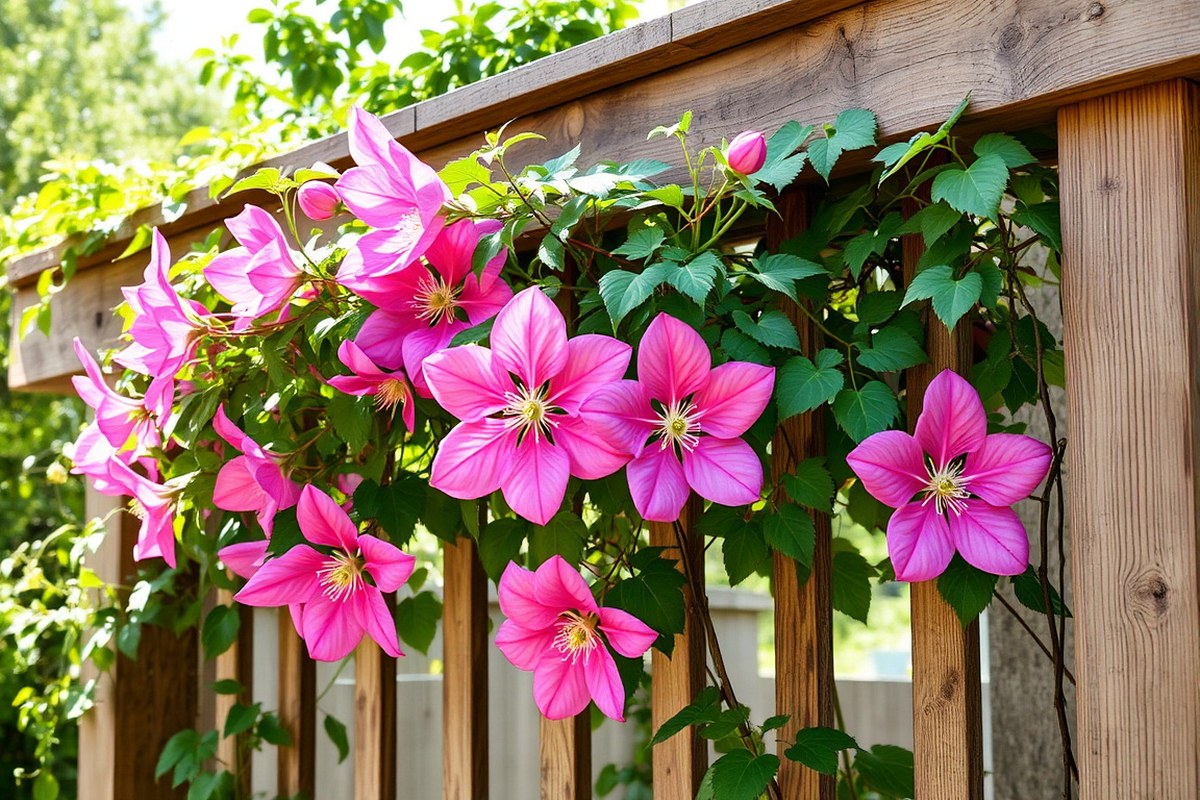
Does Clematis Grow in Shade? Best Varieties and Growing Tips That Work
Does clematis grow in shade? Yes, many clematis varieties can thrive in partial shade. Clematis need 3 to 6 hours of indirect sunlight each day.
They bloom best with filtered light. Direct sunlight can harm the leaves. Deep shade with less than 2 hours of sun usually starves them of energy.
Most clematis enjoy bright locations but tolerate some shade, especially dappled or morning sun. Their roots like to stay cool and shaded while the vines reach for light. Plant the crown 2 to 3 inches below the soil surface.
This protects the plant from damage. It also helps the clematis grow strong.
Make sure the soil drains well and stays moist but never soggy. Water logged roots will rot within a week or so. Also, avoid planting clematis too close to shady walls that hold dry, poor soil.
Key Takeaways
- Choose clematis varieties suited for partial shade or filtered sunlight.
- Plant clematis crowns 2, 3 inches deep to safeguard roots and encourage growth.
- Ensure soil drains well to keep roots moist but not waterlogged.
- Plant clematis at least 18 inches away from dry, shaded walls or foundations.
- Look for dappled sunlight spots under deciduous trees or eastern exposures.
- Even sun-loving clematis can grow well in light or dappled shade.
Can Clematis Thrive in Partial or Full Shade?

Clematis can grow well in partial shade but struggle in full, deep shade. Most varieties need about 3 to 6 hours of sunlight daily to bloom and stay healthy. Partial shade, like dappled sunlight or morning sun, provides enough light for photosynthesis and vibrant flowers.
Deep shade means less than 2 hours of direct sunlight. It’s usually found under dense evergreens or near north-facing walls. These spots get very little sun all day.
These conditions starve clematis of energy. So plants often fail to bloom or grow poorly.
In such spots, only a few species clematis tolerate low light. But even they need some indirect ambient brightness.
For good growth, look for areas with filtered light or mild sun in the morning. For example, choose a spot where sunlight filters through tree branches. Clematis can also climb nearby structures with light gaps.
These places offer just the right partial sun. Keep the roots shaded but not in total darkness.
Clematis roots like cool soil with enough moisture. Avoid planting where the base gets no light at all.
Top Shade-Tolerant Clematis Varieties Compared

Shade-tolerant clematis vary by bloom size, colour, pruning group, and growing habits. Group 1 varieties bloom early and handle shade well with little pruning.
Group 2 blooms in late spring with some summer rebloom and moderate pruning. Group 3 requires hard pruning and offers late-season flowers.
| Variety | Bloom Size | Colour | Pruning Group | Bloom Season | Growth Habit |
|---|---|---|---|---|---|
| Clematis alpina | Small, delicate 1-2 inches | Blue, purple, pink | Group 1 | Early spring | Climber, vigorous |
| Clematis armandii | Medium, 3-4 inches | White | Group 1 | Early spring | Evergreen climber |
| ‘Nelly Moser’ | Large, up to 6 inches | Light pink with purple stripe | Group 1 | Early spring, partial rebloom | Deciduous climber, 8-12 feet |
| ‘Marie Boisselot’ | Medium, 3-4 inches | Light lavender | Group 2 | Late spring, summer rebloom | Climber |
| ‘Prince Charles’ | Small to medium, 2-3 inches | Blue-purple | Group 3 | Summer | Smaller climber, 6-10 feet |
Group 1 clematis like Clematis alpina and Nelly Moser suit deep shade best. They bloom on old wood early and need only light pruning after flowering. Group 2 clematis plants like spots with some shade.
They bloom twice a year. They use energy saved from last year to bloom again.
Group 3 requires cutting back each spring. So use them if you prefer neat, seasonal reblooming vines that don’t grow too wild.
Bloom size and colour impact the shade garden’s look. Large flowers like ‘Nelly Moser’ add bold strokes of colour. Smaller clematis like ‘Prince Charles’ give a subtler touch.
White flowers from Clematis armandii brighten shaded spots. Their growth habits vary from climbing aggressively to smaller or evergreen forms. So pick one that matches your support structure and garden size.
Powdery mildew can develop in dense shade. Keep airflow good and avoid planting too close to trees.
Ideal Planting Techniques for Clematis in Shade
Planting clematis in shade requires careful site and soil preparation to ensure strong growth. Focus on consistent moisture, cool roots, and proper crown depth. The right position near walls or fences also affects how well your clematis thrives.
Preparing the Planting Site
Choose a spot that gets 3 to 4 hours of morning sun or bright dappled shade. Avoid deep, dense shade to keep blooms healthy.
Plant at least 18 inches from a shaded wall with dry soil. This keeps the roots moist and healthy near the foundation.
Clear debris and weeds in a 2-foot-wide area around the spot. Removing roots and loose stones helps the clematis settle well. Keep the vine’s base shaded by taller plants or shallow mulch on hot days.
Proper Depth and Distance for Roots
Dig a hole 18 inches wide for root space. Make it 12 inches deep for good growth. This helps roots spread well.
Plant the crown 2 to 3 inches below soil surface. This protects from temperature swings.
It also lowers disease risks. Planting too shallow can expose roots to heat and dryness.
Space each clematis at least 2 feet away from fences, walls, or other plants. This distance helps airflow and keeps roots cool. Crowding can cause slower growth and fewer flowers in shade conditions.
Soil Amendments for Moisture Retention
Add 3 inches of organic compost at the hole bottom. Mix it well into the soil. This boosts nutrient levels for the plant.
Adding some garden soil helps the plant adjust when transplanted. Avoid heavy clay that traps water or sandy soil that dries fast.
After planting, cover the root zone with a 3-inch layer of mulch or flat stones. Mulch keeps soil moist and cool, which clematis roots need most in shaded spots. Avoid piling mulch against the stem crown to limit rot risks.
- Pick a planting spot with morning sun or dappled shade, avoiding deep shade.
- Clear ground of weeds and debris in a 2-foot-wide circle.
- Dig an 18-inch-wide by 12-inch-deep hole.
- Mix 3 inches of organic compost into the soil at the hole bottom.
- Place the clematis crown 2 to 3 inches below soil level.
- Backfill with amended soil, firm gently to remove air pockets.
- Space plants at least 2 feet from walls or fences for airflow.
- Apply a 3-inch mulch layer around roots. But keep it away from the stem crown.
Pruning Clematis for Optimal Shade Growth
Pruning clematis in shade works best if you know its group. Each group needs different care. Knowing this helps you prune correctly.
Groups 1 and 2 clematis are most shade-tolerant. Pruning helps them bloom well and stay healthy. Pruning time and method depend on the clematis group.
Prune right and the plant grows new shoots. This helps flowers even in low light.
Understanding Clematis Pruning Groups
Clematis plants fall into three pruning groups, each needing different care. Group 1 blooms on old wood, so you lightly prune after flowering.
Group 2 blooms twice, on old and new wood, needing moderate pruning in late winter. Group 3 blooms only on new wood, requiring hard pruning early each year.
For shaded gardens, Groups 1 and 2 work best since they handle less light better. Group 3 clematis may bloom less in shade but still benefit from regular pruning.
Pruning Group 1 Clematis in Shade
Group 1 clematis include varieties like Clematis montana types. Prune right after the spring bloom by removing dead stems and trimming lightly. After flowers fade, cut back to a healthy branch.
This keeps the plant’s shape. It also helps new flowers grow next year.
Shade reduces flower numbers, so avoid heavy pruning. Just keep the plant tidy and healthy to support its natural blooming rhythm in lower light.
Pruning Group 2 Clematis in Shade
Group 2 includes varieties like Clematis Nelly Moser that bloom in spring and summer. Prune in late winter or early spring when buds swell. Cut dead and weak stems at the plant base.
Then trim the rest by about one-third. This encourages stronger new growth.
In shade, this pruning encourages more fresh shoots and flowers by letting light reach inner branches. It also improves air circulation to reduce fungal problems common in shady, humid spots.
Pruning Group 3 Clematis in Shade
Group 3 clematis bloom only on new growth, like the Patricia Ann Fretwell variety. Hard prune your clematis every late winter or early spring. Cut stems back to 12 to 18 inches tall.
This prepares it for new growth. This triggers many fresh flowering stems in the growing season.
Even in shade, hard pruning helps Group 3 produce flowers, though fewer than in sun. Make sure to remove old wood and dead branches to keep the plant vigorous.
Special Pruning Tips for Shade-Tolerant Clematis
Shade gardens tend to be humid and have less air movement, which can cause diseases. Prune to open the plant’s center, improving airflow and drying. Removing weak wood also directs energy to healthy shoots.
Always use clean, sharp tools to prevent infections. Avoid pruning during wet weather. For clematis in shade, try to give it some morning sun.
Plant near windows or thin tree cover that lets light through. Morning light helps growth.
Managing Soil Moisture and Root Health in Shade
Clematis growing in shade need soil that stays damp but drains well. Pooled water around roots can cause rot in just 7 to 10 days. Mix your garden dirt with 40% aged compost and add half a cup of bonemeal per hole.
Plant clematis roots 1 to 2 inches deeper than the soil surface. Mulching keeps roots cool and protects from heat stress. Summer temperatures above 85°F (29°C) make this more important.
It helps plants survive hot weather better. Around the base, spread 2 to 3 inches of organic mulch.
Use shredded bark or leaf mold for best results. Mulch helps keep soil moist and cool.
Water shade-grown clematis deeply but less often than sun plants. Let the top inch of soil dry out between watering.
Overwatering with poor drainage can cause yellow leaves and root damage. Check soil moisture weekly during dry spells to stay on track.
Keep an eye on soil moisture. Soggy soil kills clematis roots faster than drought does.
Clearing organic debris and loosening soil yearly helps maintain good drainage. Avoid compacting soil around roots, which blocks air and water. Heavy clay soil needs work for clematis to do well.
Build raised beds or mix in lots of compost deeply. This improves drainage so roots don’t sit in water.
Clematis roots in shade rely heavily on cool, moist soil to stay healthy. Providing these conditions reduces stress and supports stronger vine growth.
Don’t forget, shaded plants process less energy. So they need consistent care with water and soil to thrive.
Common Problems Growing Clematis in Shade and Solutions
Clematis grown in shade often show weak growth and poor flowering. They need enough light to thrive.
Too little light makes them leggy and sparse. Leaves might turn yellow, signaling a lack of energy from limited sunlight.
Stem rot, or black stem, happens when clematis roots stay very wet. Too much shade can make the soil stay damp for too long. This causes problems for the plant’s stems and roots.
Shade gardens tend to hold moisture longer, which can trigger fungal diseases. Planting clematis a few inches deeper. So soil covers part of the main stem, helps protect against wilt and rot.
Address these issues by checking for these signs and actions:
- Pale or yellow leaves: Increase light exposure or thin surrounding plants.
- Few or no flowers: Feed with a balanced fertilizer rich in phosphorus in early spring.
- Blackened stems: Cut back affected stems to healthy tissue and improve air circulation.
- Soft, mushy roots: Avoid overwatering and plant in well-drained soil.
- Leggy growth: Tie stems to supports and prune to encourage denser growth.
Cleaning pruning tools between cuts prevents spreading stem diseases. Use fungicides if rot appears repeatedly, following product labels carefully. Start clematis in pots a bit bigger than usual.
This helps roots grow strong even in shady spots. Bigger pots give roots more space to spread out.
Good drainage and mulching around roots lower disease risk by keeping moisture steady but not excessive. Watch for slow growth as a warning.
Adjust care by gradually improving sunlight and airflow without causing leaf scorch. Healthy clematis in shade still need good root health and enough light to bloom well.
Supporting Clematis Vines in Shaded Gardens
Clematis vines need something to climb because they wrap their leaf stems around thin supports. Flat walls won’t work since the vines can’t stick to smooth surfaces. Garden trellises, narrow poles, or wire frames work well.
They should stand about 6 feet tall. This height helps keep up with the vine’s growth.
In shaded gardens, try using slim wooden or metal trellises. These let dappled light pass through while giving vines enough space to twine around. Installing the support about 6 inches away from walls or fences is best.
Leave a gap so the plant doesn’t get crushed. Avoid overcrowding to prevent too much moisture. Excess moisture can lead to rot.
Another good choice is a sturdy wire cage or arch. These can help shape clematis into different looks and improve air circulation in shady spots. Anchor the supports firmly into the ground.
Attach them securely to posts. This keeps them stable during wind or rain.
Shade-tolerant clematis usually grow a bit slower than those in full sun. They still climb fast, sometimes reaching up to 20 feet in a growing season.
But expect this in warmer, lighter spots. In deeper shade with less sunlight, growth might slow to half that speed.
You can help your clematis by training the young shoots early. Gently guide them toward their support every few weeks as they grow. This keeps the vine tidy and spreads its weight evenly so branches don’t snap or tangle.
Installing a support is a fairly simple project. A wooden trellis can cost $20 to $50, depending on size and style. Metal options might be $30 to $75.
You can also build one yourself using garden stakes and garden twine for under $15. Make sure your support is strong enough.
Clematis vines can grow up to 4 meters tall. You need sturdy frames for that height.
Supporting clematis properly in shade helps prevent problems like weak stems or sparse flowering. Without good support, vines may flop or get damaged, especially after rain. A well-installed trellis or frame keeps the clematis healthy.
It also shows off the flowers nicely. You can enjoy them where they grow.
How Bloom Timing and Flower Quality Vary by Shade Level
Clematis bloom timing and flower quality shift with shade levels. Early spring bloomers like Clematis macropetala produce delicate flowers before leaves appear. Summer and fall varieties usually bloom later in the season.
They often have smaller flowers in the shade. These flowers may also be less bright or vivid.
Early Spring Bloomers in Shade
Some clematis bloom in early spring, even in shady spots. Clematis macropetala ‘Markhams pink’ shows bell-shaped flowers around mid spring.
These plants bloom before surrounding trees leaf out. So shade from trees matters less early on.
In shade, flowers may open from late March to early May. These early blooms often measure around 2 inches to 2.5 inches long. Because the light is weaker, flower color can be softer but still pretty.
Summer and Fall Flowering Clematis
Summer bloomers like large-flowered clematis start blooming in late spring to early summer. Their flowers can be 6 inches across in full sun but might be smaller in shade. Clematis ‘Nelly Moser’ blooms early or late summer in somewhat shady locations.
Some clematis, like ‘Sweet Autumn,’ bloom in late summer through early fall. This variety produces many small, starry white flowers with a strong scent. In shady areas, these blooms sometimes last longer but with less vibrant color.
Don’t prune summer bloomers too early. You’ll cut off flower buds hiding in the shade.
Shade Impact on Flower Color and Size
Shade reduces the intensity and size of clematis flowers. Most clematis flowers become smaller by 10% to 30% when grown in deep shade. Colors shift toward paler shades, and fewer flowers open fully.
Regular feeding in spring and summer helps maintain flower quality. Fertilizer can support fuller blooms despite lower light. Still, some loss of brightness and size is typical under dense shade.
Flowers with pure white or pastel tones often show better in shade. Dark reds or purples may look less vibrant in low light. Picking a clematis with paler flowers can boost the visual appeal of your shady spot.
Step-by-Step Action Plan for Growing Clematis in Shade
Follow these steps to help your clematis thrive in low-light spots. Check for healthy leaves and some blooms as you go.
- Before planting: Pick a shade-tolerant clematis variety like ‘Niobe’ or ‘Henryi’. This sets you up for success in shady areas.
- Planting day: Choose a spot with morning sun or dappled shade and loosen the soil deeply. The roots need good drainage and space to grow.
- Week 1: Mulch around the base to keep soil moist and cooler. Look for evenly moist soil, not soggy or dry.
- Month 1: Install supports like a trellis or frame right away. Clematis vines need something to climb even in the shade.
- Month 2: Start a light feeding with a balanced fertilizer. Watch for new leaf growth as a sign your plant is doing well.
- After bloom season: Prune your clematis by its type. This helps shape the plant. It also encourages flowers next year.
- Regularly: Look for pests or fungi on your clematis. These issues happen in shade. Treat them early to keep the vine healthy.
Frequently Asked Questions
Can Clematis Survive Under Tree Shade?
Clematis may survive under trees if they get some filtered light daily. Avoid very dense shade, as roots can suffer from dryness and lack of nutrients under trees.
Is Morning Sun Enough for Clematis Growth?
Morning sun works well for clematis and can support blooming. They need a few hours of light to gather energy for flowers.
Do Clematis Need Additional Fertilizer in Shade?
Adding fertilizer helps clematis growing in shade because they get less energy from sunlight. Use a balanced, slow-release fertilizer in spring to boost growth.
Are Clematis Roots Harmed by Shade Conditions?
Shade itself does not harm roots, but cool, damp soil may cause rot. Make sure soil drains well to keep roots healthy.
How Long Does It Take for Clematis to Bloom in Shade?
Clematis can take longer to bloom in shade, often by 2 to 4 weeks. Lower light slows growth and flower development.
Can Shade-Stressed Clematis Recover with More Sunlight?
Yes, moving clematis to a brighter spot can revive it if it’s weak. Gradually increase sunlight exposure to avoid shock.
Key Points to Remember
Clematis can grow in shade with the right variety and care. Choose your plant well and give it steady moisture and support. Start planting now, and watch your shaded garden brighten with clematis flowers.